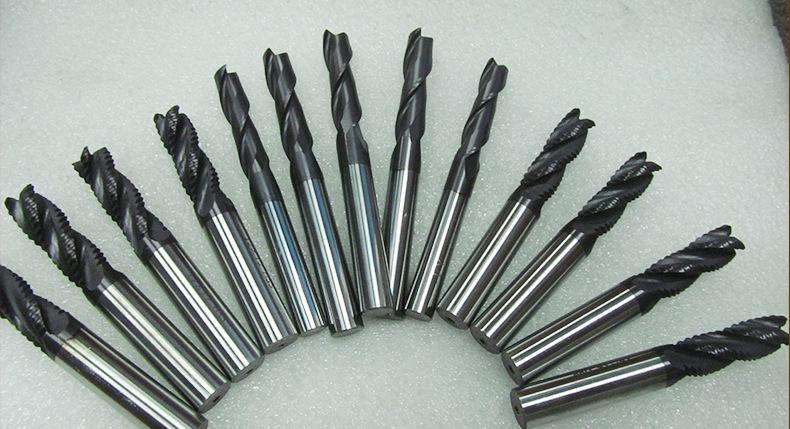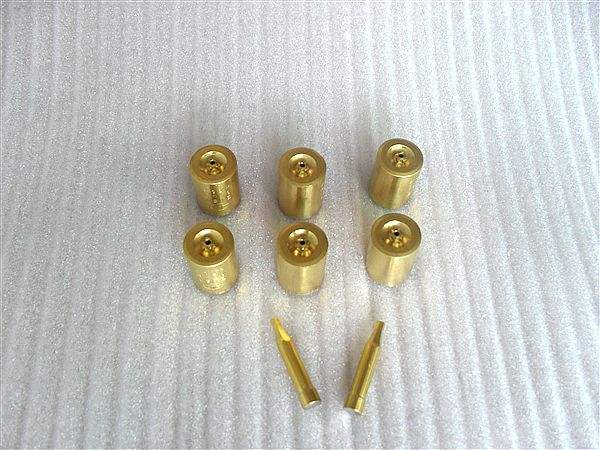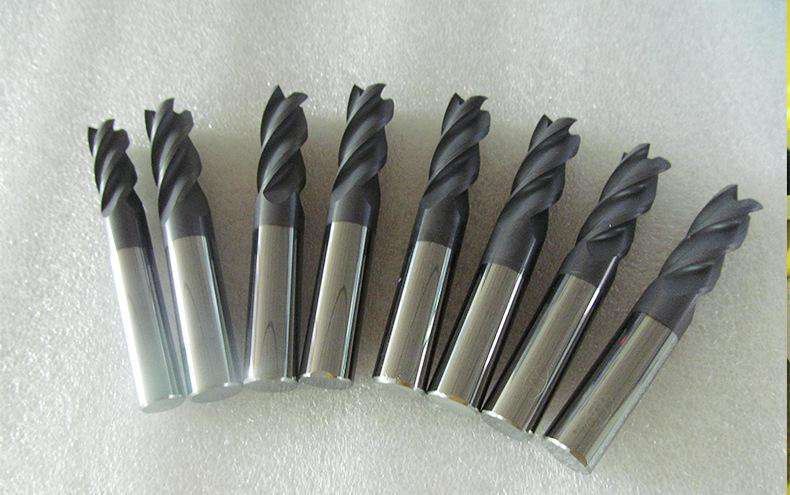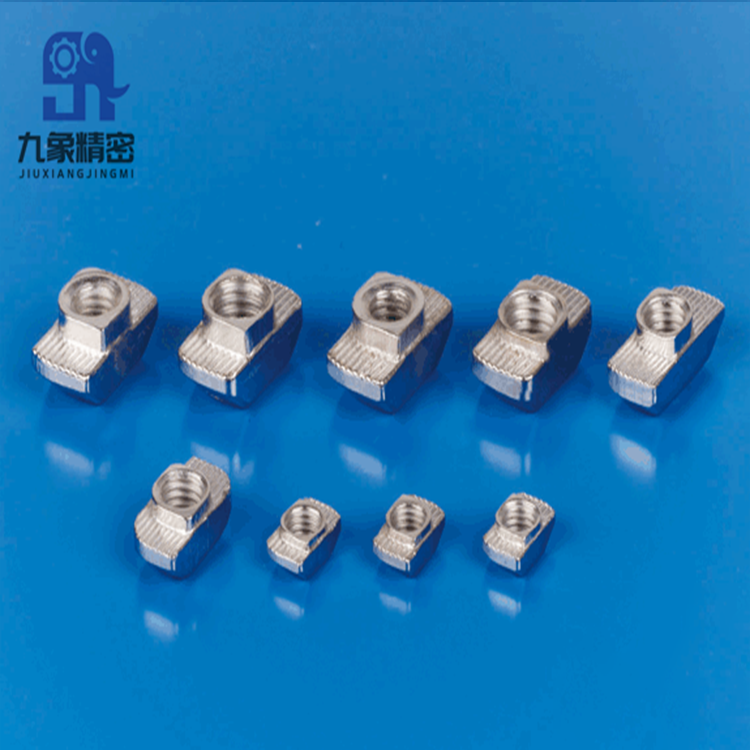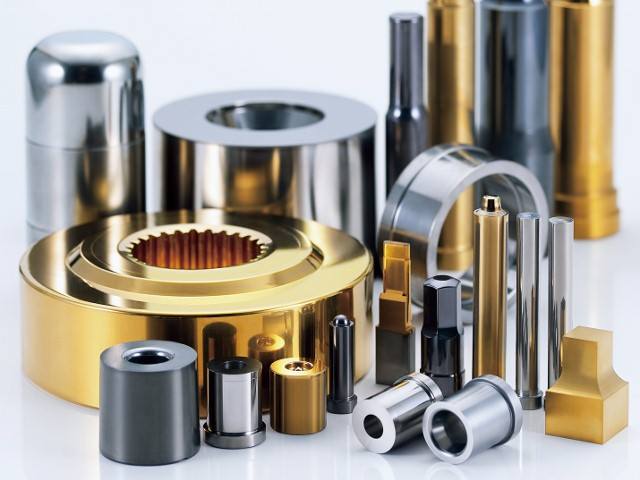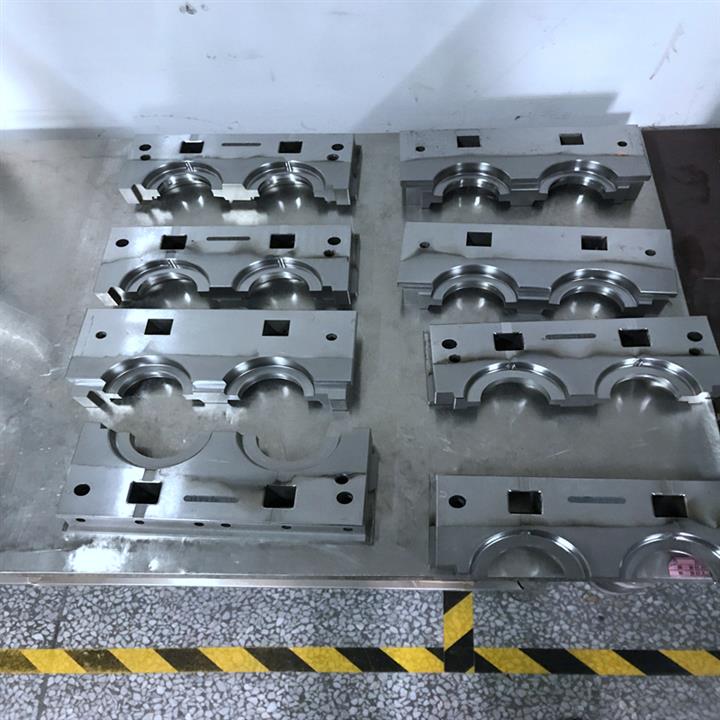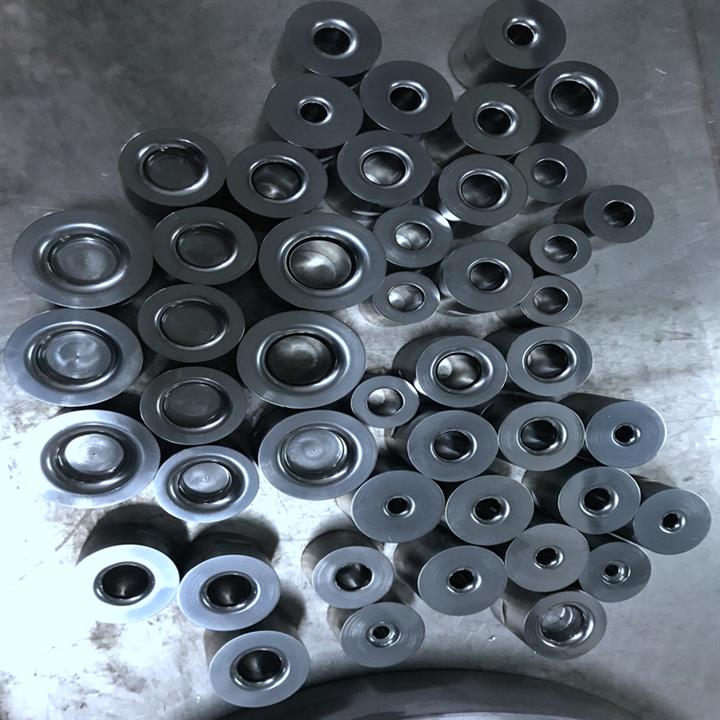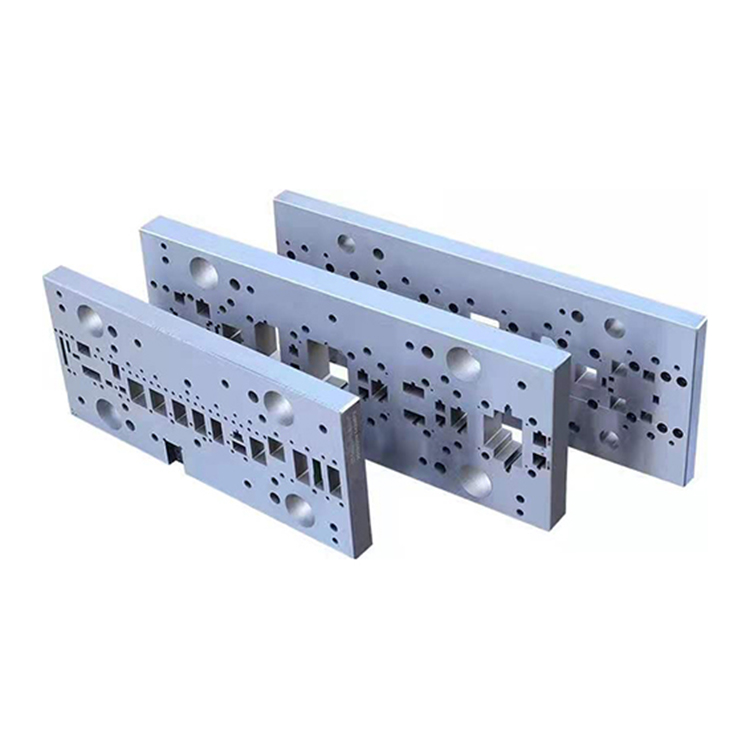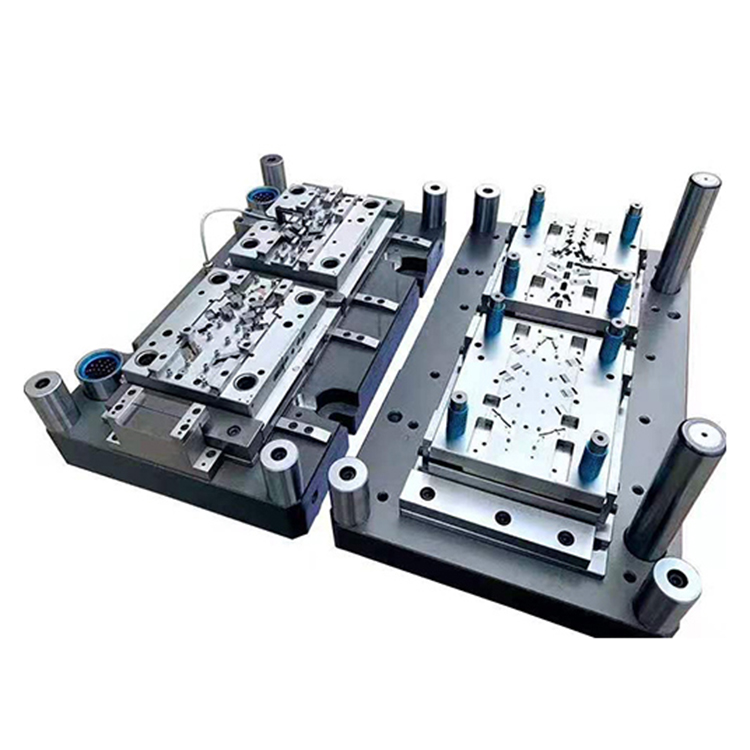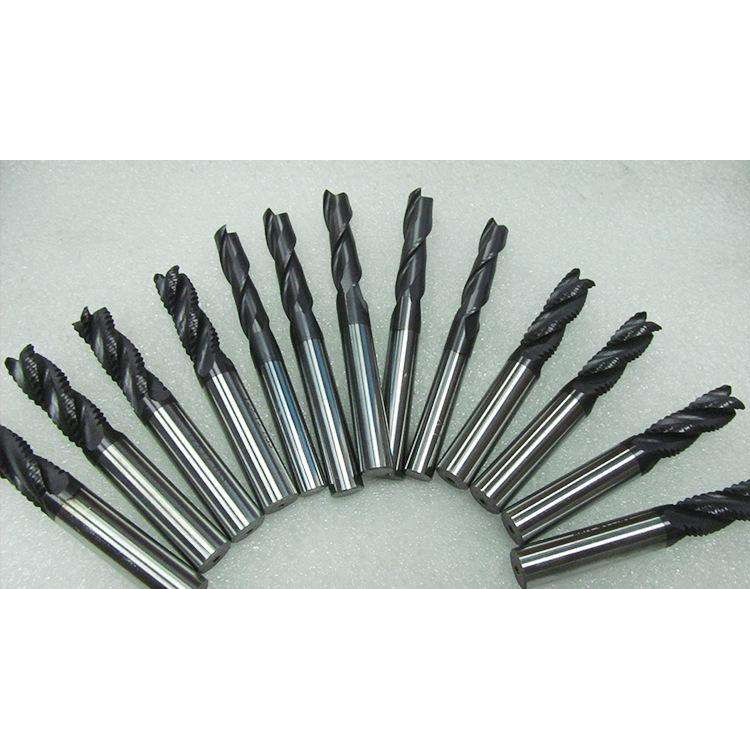

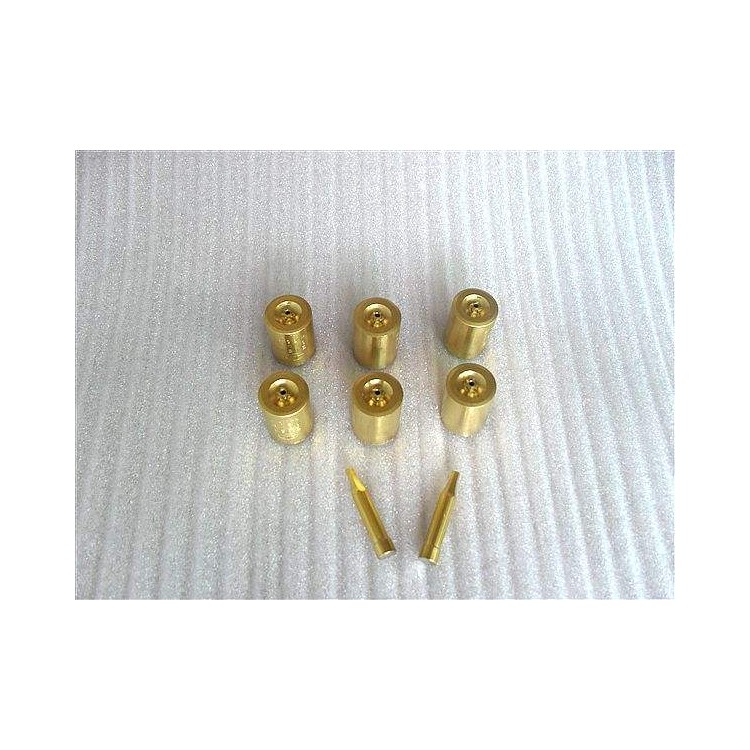


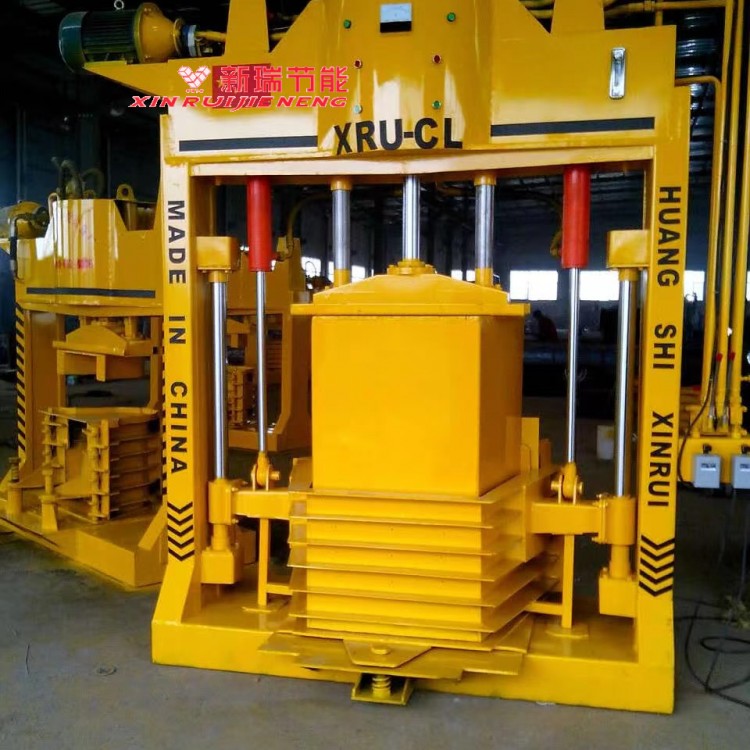
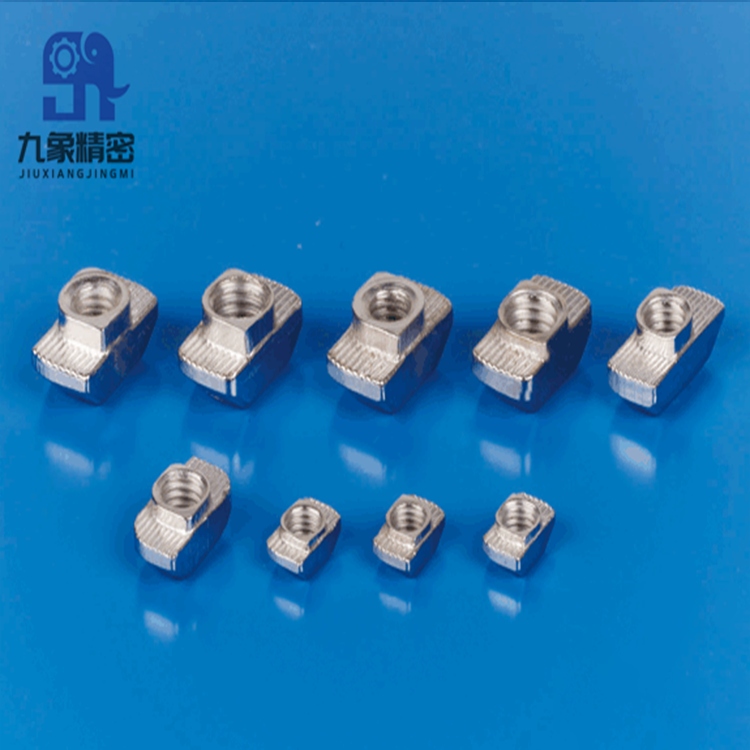
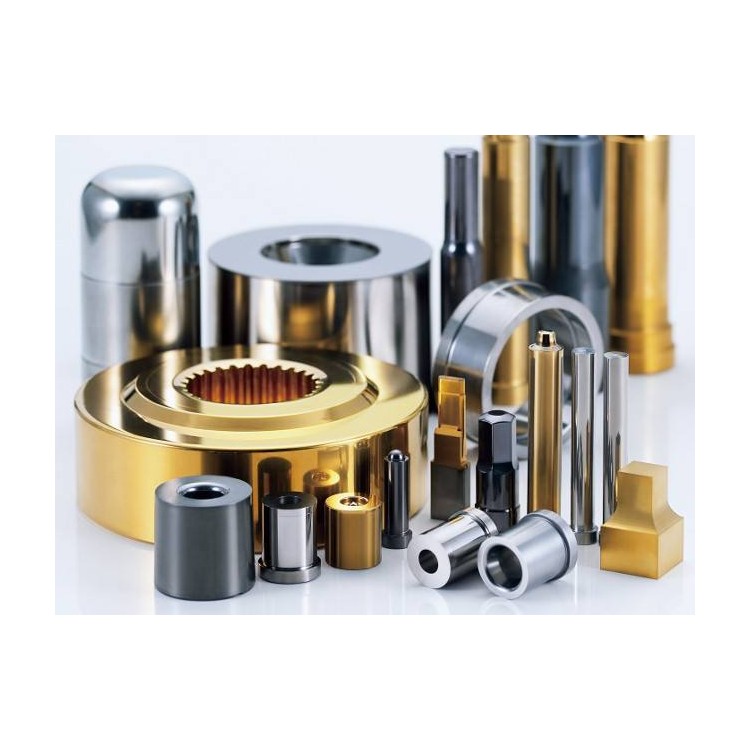
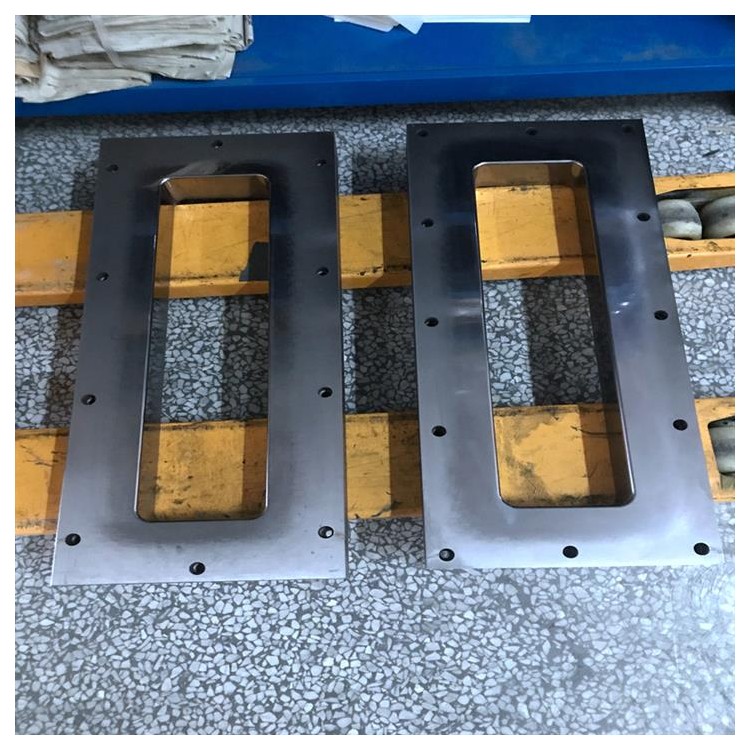
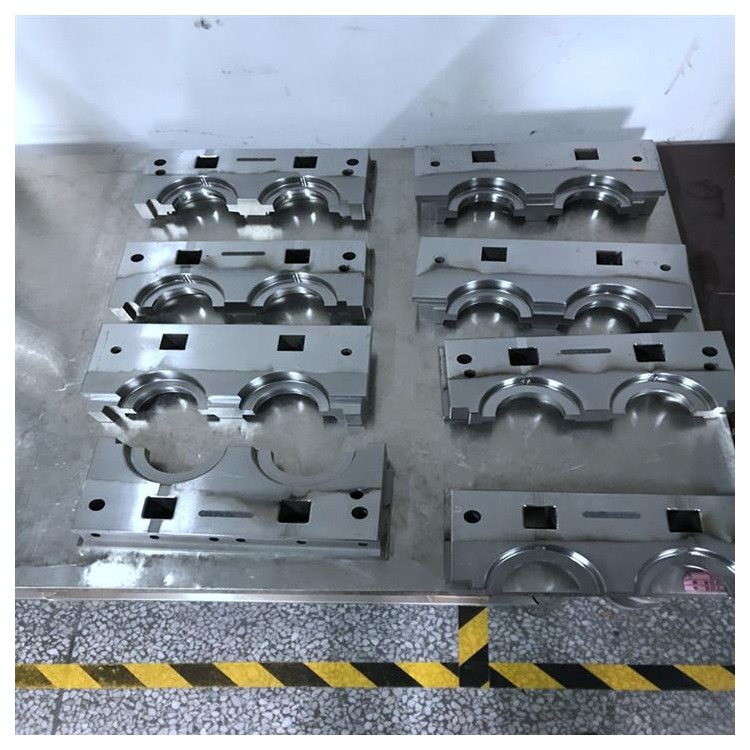





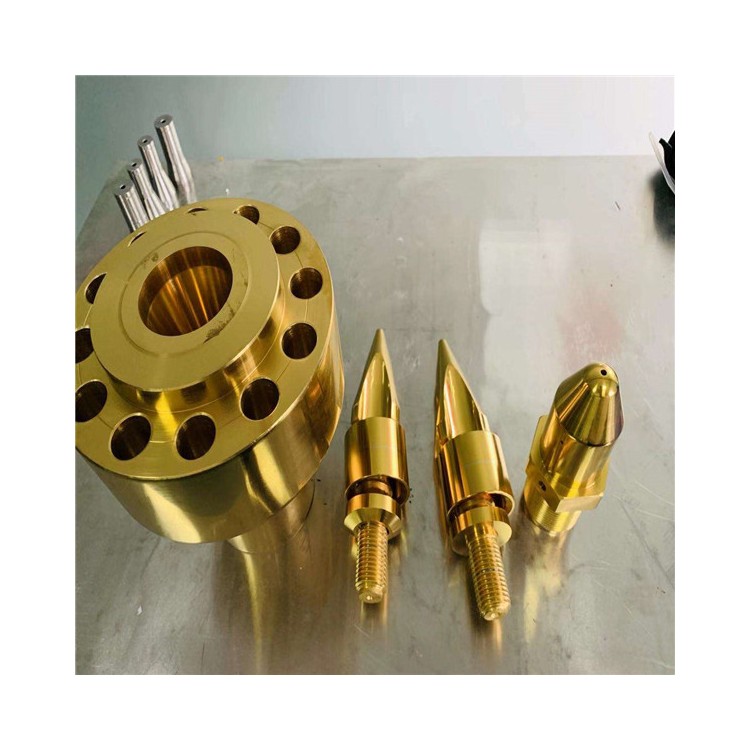
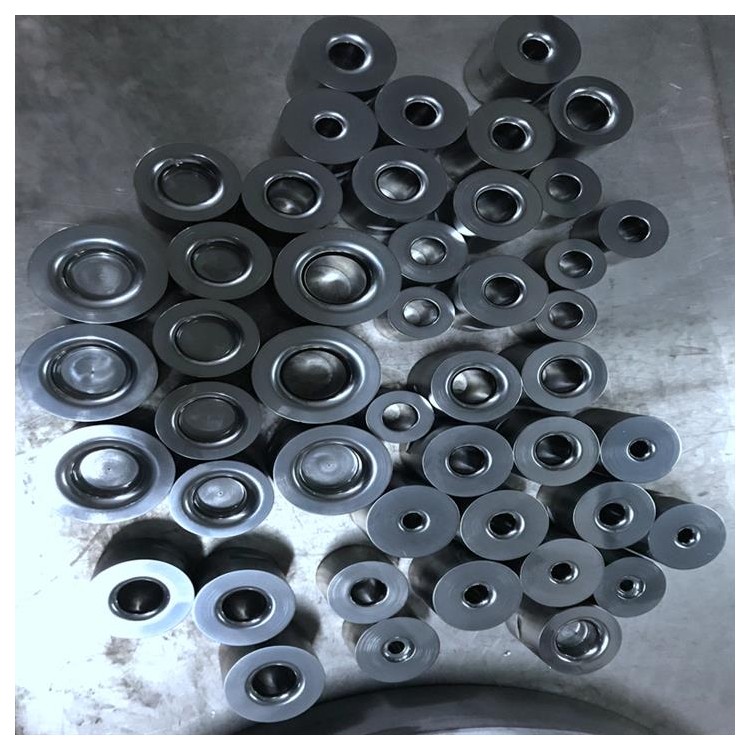
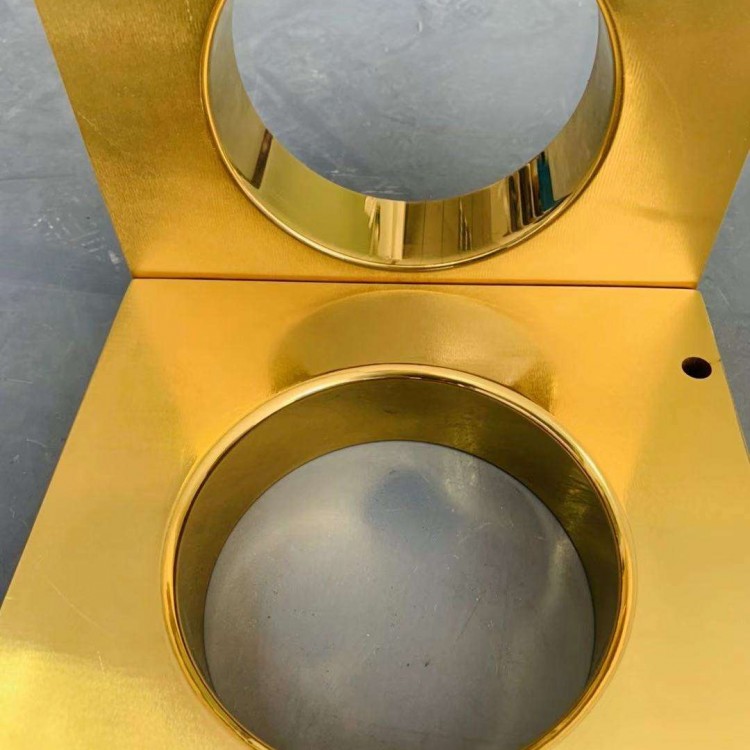
Benefits of Titanium Plating Factory: 1. Significantly extended lifespan 2. Higher resistance to high temperatures, suitable for dry cutting 3. Improved cutting parameters 4. Enhanced production efficiency 5. Improved quality of processed products
Gear processing (including hobbing, shaper, and剃齿刀, etc.), the titanium plating technology has been widely adopted. Due to the high cost of hobs, each resharpening can only process a limited number of gears, and the production capacity issue, the cost of gear processing is relatively high. Therefore, extending the service life, improving production efficiency, and ultimately reducing the unit production cost of gear processing has become our primary focus.
Collaboration with multiple gear manufacturing and processing clients has demonstrated that our nanocoating titanium treatment excels in this field. The service life of our coated gear cutters has improved by 9.3% compared to others, with the cutting edge wear reduced from 0.3mm to 0.1mm, resulting in less need for resharpening and a decrease in the number of resharpening times. This accelerates cutting speeds, increases production power, and ultimately reduces the unit cost of gear processing (especially compared to units without coating or poor-quality coating). Furthermore, it enhances production efficiency, reliability, and quality, while lowering production costs and shortening the production cycle. Titanium Coating Processing
To address the issue of workpiece stretching, hard alloy can be used. Generally, molds made from this material exhibit high resistance to stretching. However, the drawbacks include high material costs and difficulty in processing. For larger molds, it's challenging to sinter large hard alloy blocks, and even if successful, the machining process may result in cracking, leading to low yield and some pieces may be nearly impossible to shape. Additionally, hard alloy is brittle, requiring careful handling and installation during use to avoid chipping or cracking, which could render them unusable.
How does a titanium plating processing manufacturer handle the issue of surface scratches on the mold after titanium plating?
Titanium plating manufacturers first select cold stamping die materials. If the processed material is steel, regardless of the choice of die steel or cast iron, it is generally difficult to address the issue of workpiece scratching without suitable surface treatment.
Advantages of Titanium Plating After Processing:
Friction coefficient decreases, reducing processing force
Enhanced surface hardness, significantly extending mold lifespan.
Prevent product burring and scuffing to enhance product quality.
Eliminate the hassle of mold removal, polishing, and reinstallation, and improve efficiency with mold forming.
In the metal forming process, abrasive wear, adhesive wear, and various forms of surface damage are commonly observed. Huijin Technology's nano-coating effectively addresses these issues by selecting appropriate coatings. The coating exhibits lubricity and has been successfully applied in the metal forming industry.
Titanium Plating Process Coating Advantages
High hardness and strength, the hard coating achieves a hardness that traditional surface treatments cannot reach, effectively maintaining the mold surface.
Highly wear-resistant after titanium plating processing
The hard coating offers high hardness, lubricity, and a low coefficient of friction. Titanium plating manufacturers assist in shaping the product with these parameters to achieve an ideal lifespan.
Lubricity in metal forming; material "moves" within the mold, causing surface damage to the formed part. The lubricity of the coating reduces wear on the critical work area.
The ability to re-coat, with the mold itself remaining undamaged after reaching the predetermined lifespan.
Among all methods for addressing cold drawing issues, the selection of hard alloy as mold material and the application of chemical vapor deposition (CVD) and PVD coating with titanium plating on the mold's convex and concave surfaces offers the best cost-performance ratio. Titanium plating processing
WeChat Official Account

Scan to follow Official Account