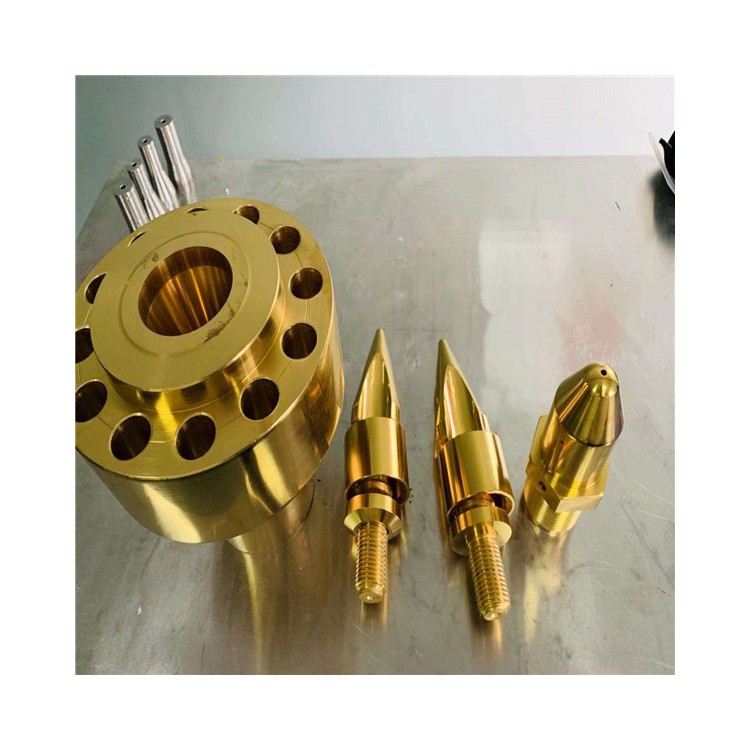

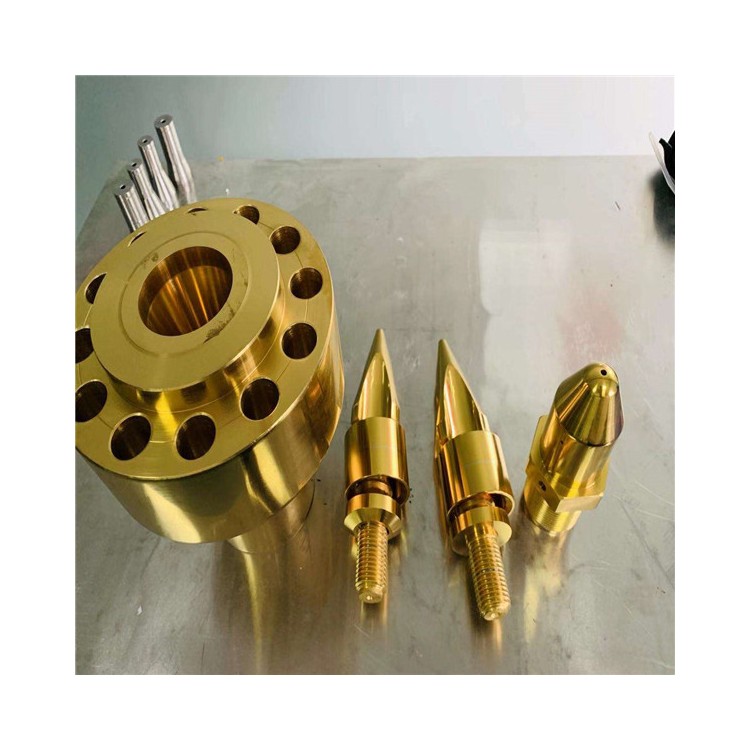
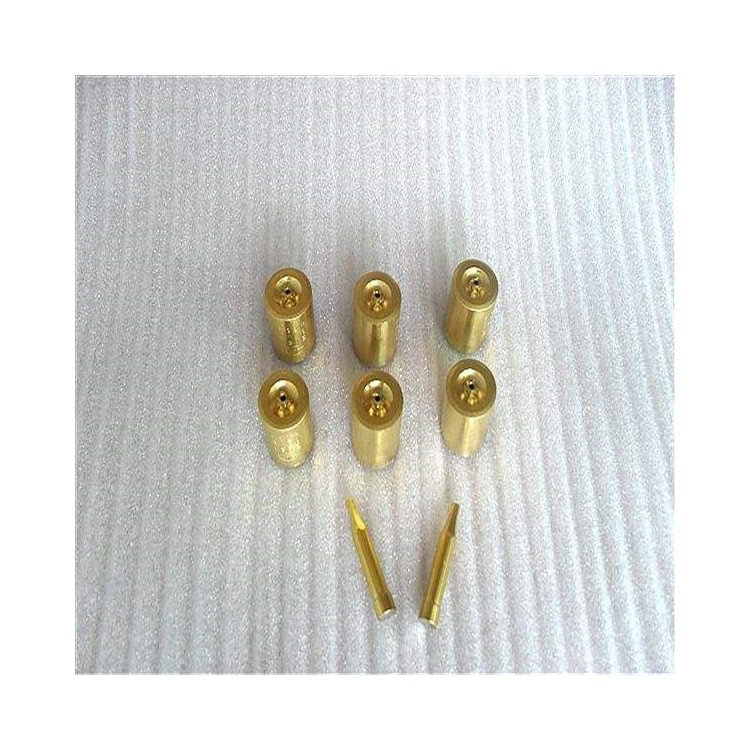







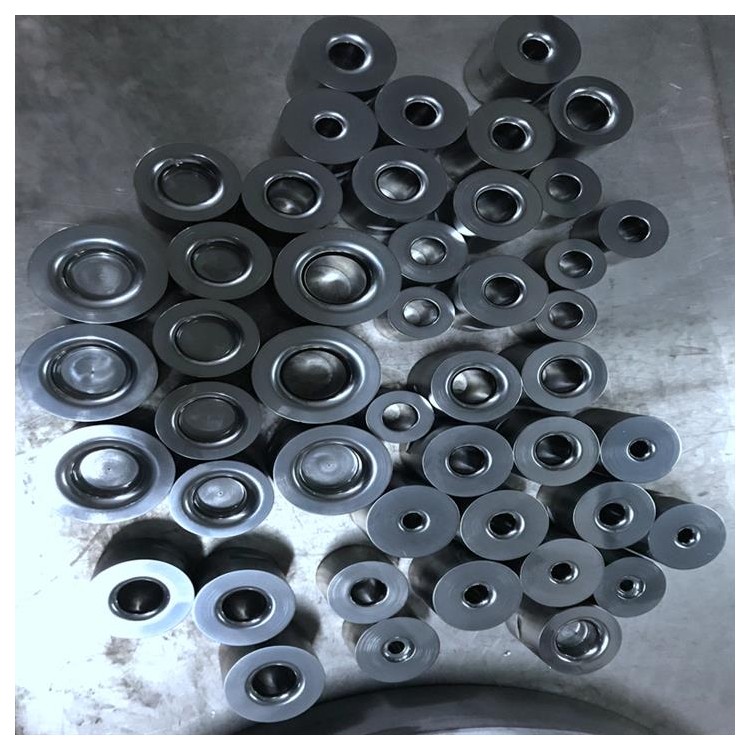
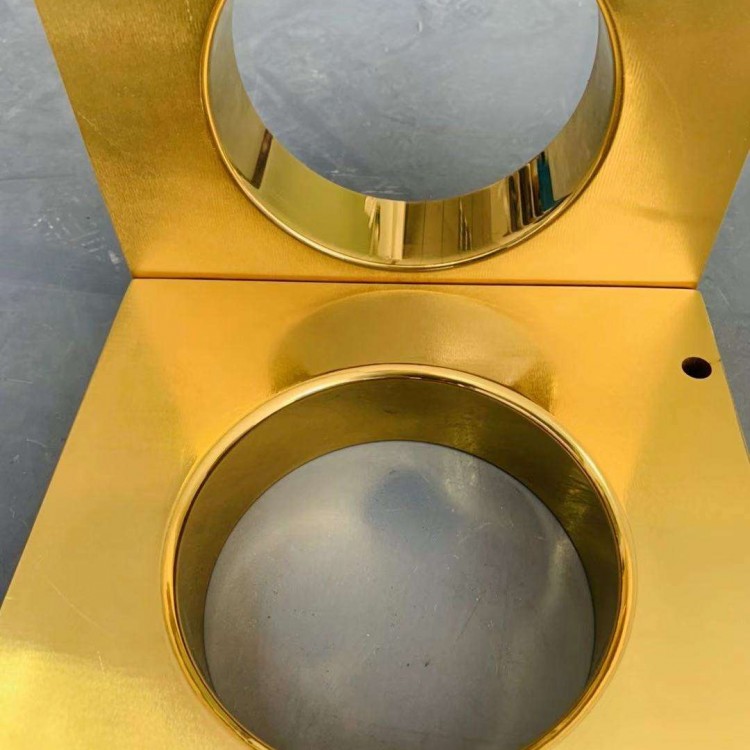
How do titanium plating processing manufacturers handle the issue of surface scratches on the mold plating?
Titanium plating manufacturers first select cold stamping mold materials. If the material being processed is steel, regardless of the choice of mold steel or cast iron, it is generally difficult to address the issue of workpiece scratches without any suitable surface treatment.
Due to the hard alloy's structure being composed of hard tungsten carbide particles and soft binder phase, the tungsten carbide particles exhibit high wear resistance and anti-galling properties. However, the cobalt phase, being low in hardness, has poor wear resistance and will wear out preferentially during use, causing the mold's convex and concave surfaces to become uneven. As a result, the surface of the produced workpiece will also show pull marks. In this case, the mold's convex and concave surfaces must be ground and polished before resuming production.
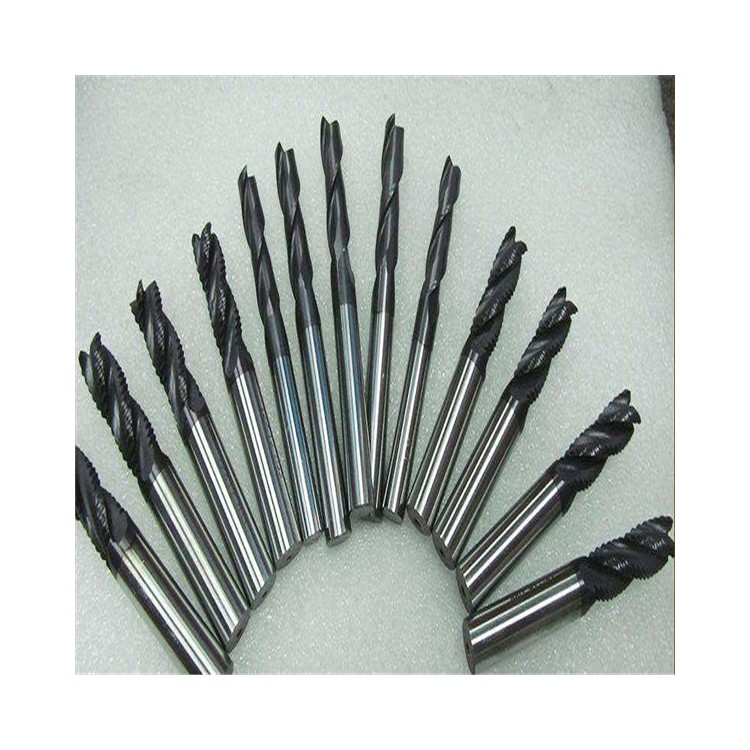
Coating manufacturers for cutting tools: thermal spray applications
Under the effect of high-speed airflow, it is atomized into fine droplets or high-temperature particles, which are喷射 at a high velocity onto the surface of the processed workpiece, forming a sturdy coating. This results in the workpiece surface achieving various properties such as different hardness, wear resistance, corrosion resistance, heat resistance, anti-oxidation, thermal insulation, electrical insulation, conductivity, sealing, sterilization, microwave protection, and other special physical and chemical functions. It can repair and reuse worn-out parts in equipment maintenance, bringing them "back to life"; and it can also be used for reinforcement and pre-maintenance in the production of new products, extending their lifespan.
Common thermal spray methods:
Flame spraying, Oxy-fuel flame powder spraying, Oxy-fuel flame wire spraying, Oxy-fuel flame surfacing, High-speed Oxy-fuel Gasoline Flame Spraying (HOVF), Arc spraying, Plasma spraying, Atmospheric plasma spraying, Low-pressure plasma spraying, etc.
Typical thermal spraying processes in knife coating manufacturers generally include the following steps:
Workpiece surface pre-treatment → Workpiece pre-heating → Spraying → Post-coating treatment
The use of thermal spraying technology by knife coating manufacturers in modern industry:
Now, thermal spraying technology has been well utilized domestically, applied extensively in the correction of metal components, preventive maintenance, and the production of new products. It enables workpieces to achieve the required dimensions and surface functions, and can be found in nearly all sectors of the national economy, including aviation, aerospace, metallurgy, electricity, mining, shipping, automobiles, locomotives, petrochemicals, textiles, broadcasting and television, roads, and machinery.
A reliable and worthwhile method for addressing mold pulling issues is to adhere to the fundamental principles of reducing adhesive wear during the mold and workpiece forming process.
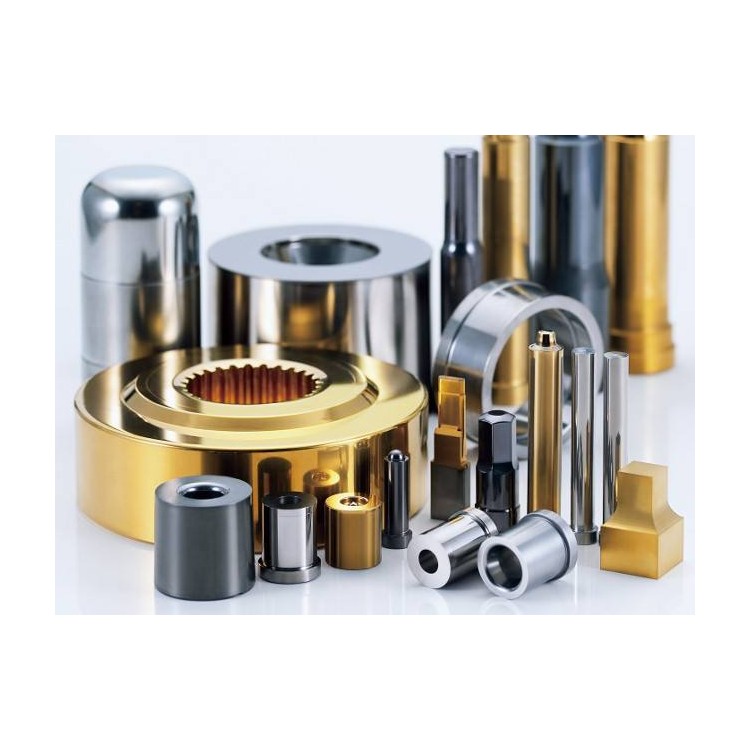
Precision stamping molds coated with nano-PVD can achieve a low friction coefficient on their surface, reducing processing forces. The surface hardness of the molds can be improved by 5 to 10 times after nano-PVD coating, significantly reducing surface wear, especially achieving excellent surface quality for high-precision processing. Cold stamping and stretching molds coated with the nano-coating can significantly reduce friction, substantially decreasing scratches and wear during processing. Consequently, this can increase lifespan and drastically lower production costs.
WeChat Official Account

Scan to follow Official Account