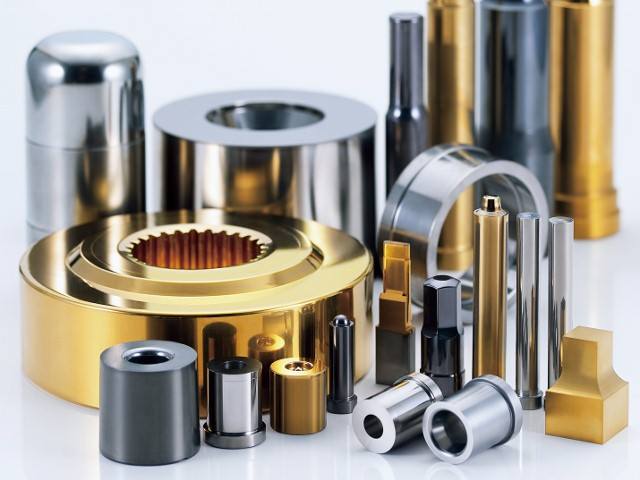








Die casting titanium plating manufacturers believe that the process of gear machining (such as hobbing, shaper, skiving cutters, etc.) has been widely used. Due to the high price of hobs, the limited number of gears that can be machined with each resharpening, and the issue of production efficiency, the cost of gear machining is relatively high. Therefore, extending the service life, improving production efficiency, and ultimately reducing the unit production cost of gear machining has become our primary focus.
Why is heat treatment required before vacuum titanium plating on workpieces, and what effects does heat treatment have on die steel?
1) Vacuum镀Ti manufacturers refer to annealing as a heat treatment process that involves heating the metal or alloy to an appropriate temperature, holding it for a certain period, and then cooling it slowly in the furnace. Essentially, it is the process of heating steel to austenitize and then changing it to pearlite.
Titanium Vacuum Deposition Manufacturer's Annealing Effect:
Lower the hardness of steel, enhance its plasticity, to facilitate cutting and cold forming processes.
② Refine grain structure, eliminate arrangement defects caused by forging and welding, even out the steel's arrangement composition, improve the steel's properties, or prepare for future heat treatment.
③Relieve internal stresses in steel to prevent deformation or cracking.
Methods of Annealing for Vacuum Titanium Coating Manufacturers - Common annealing methods include full annealing, spheroidizing annealing, stress-relieving annealing, recrystallization annealing, dispersion annealing, and isothermal annealing, among others.
①Complete Annealing, also known as recrystallization annealing, involves fully austenitizing the iron-carbon alloy and then slowly cooling it to achieve a balanced condition. It is suitable for medium carbon steels and medium carbon alloy steels containing 0.3% to 0.6% carbon.
② Spheroidizing Annealing - A heat treatment process that converts carbides in steel into a spherical shape. Common types include general spheroidizing annealing and isothermal spheroidizing annealing. This process is primarily used for dies, gauges, and cutting tools made of eutectoid and hypereutectoid steels.
③ Stress-relieving Annealing - A heat treatment process to remove residual stresses that exist in forgings due to plastic deformation processing, casting, welding, etc.
④ Recrystallization Annealing, also known as central annealing, is a heat treatment process that involves heating cold-worked metal above the recrystallization temperature and maintaining it for an appropriate time to allow deformed grains to recrystallize into uniform, equiaxed grains, thereby eliminating deformation hardening and residual stresses.
⑤ Isothermal Annealing involves heating steel or forgings to a temperature above Ac3 (or Ac1), maintaining it for a suitable duration, then rapidly cooling to a temperature within the pearlite range and holding it isothermally, allowing the austenite to transform into a pearlitic arrangement, and finally cooling in air. This heat treatment method is primarily used for alloys with a stable Ac3 (or Ac1) undercooled austenite.
(2) Austempering is a heat treatment process where steel or steel components are heated to above Ac3 by 30~50°C, held at this temperature for an appropriate duration, and then cooled in still air.
Titanium Plating Vacuum Coating Manufacturer's Normalizing Effect:
①Eliminates eutectoid carbide network in hyper-eutectoid steel, enhancing its machinability.
Refine overheated cast and forged workpiece grain structure and eliminate internal stresses.
③ Medium and low carbon steels with carbon content less than 0.4% can use normalizing instead of annealing for preliminary heat treatment.
④ Workpieces with carbon content ranging from 0.4% to 0.7%, of lesser importance, can be used in normalizing condition.
(3) The quenching process of a vacuum titanium plating factory involves heating the steel to a temperature above Ac3 or Ac1, maintaining it for a specific duration, and then cooling it at an appropriate rate to achieve a martensitic and/or bainitic structure.
Quenching effect to transform hypoeutectoid austenite into martensite (or Bainite), achieving the arrangement of martensite (or Bainite), followed by tempering at various temperatures to obtain the desired mechanical properties. Vacuum TiN coating
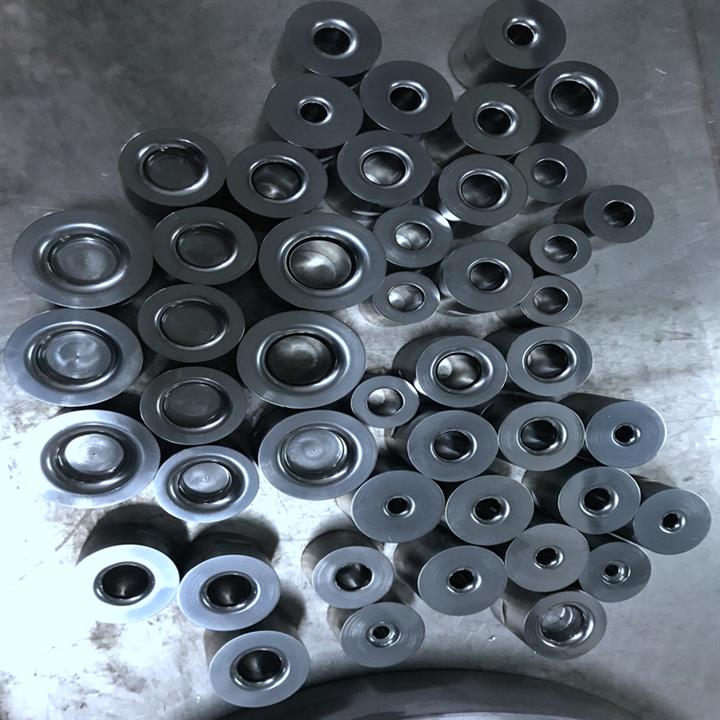
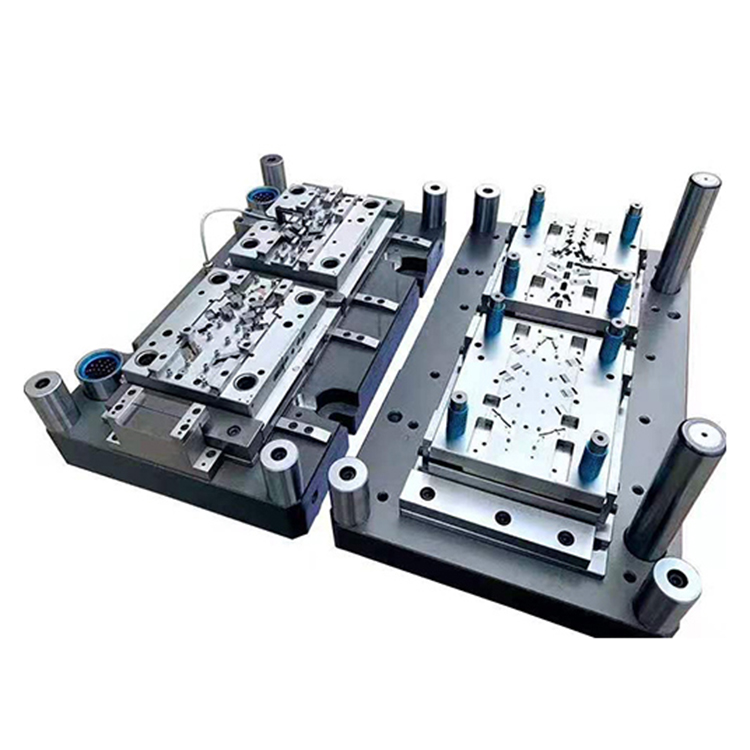
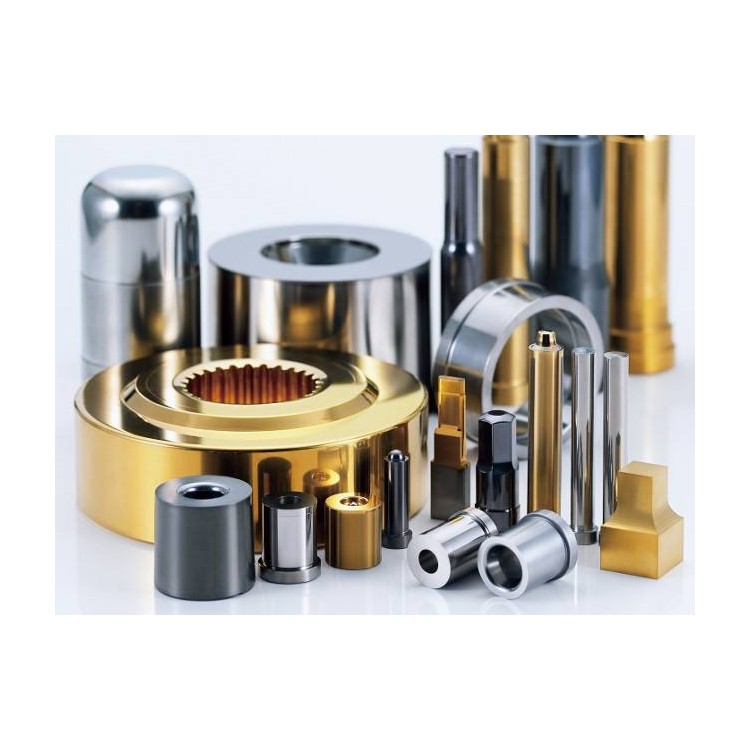
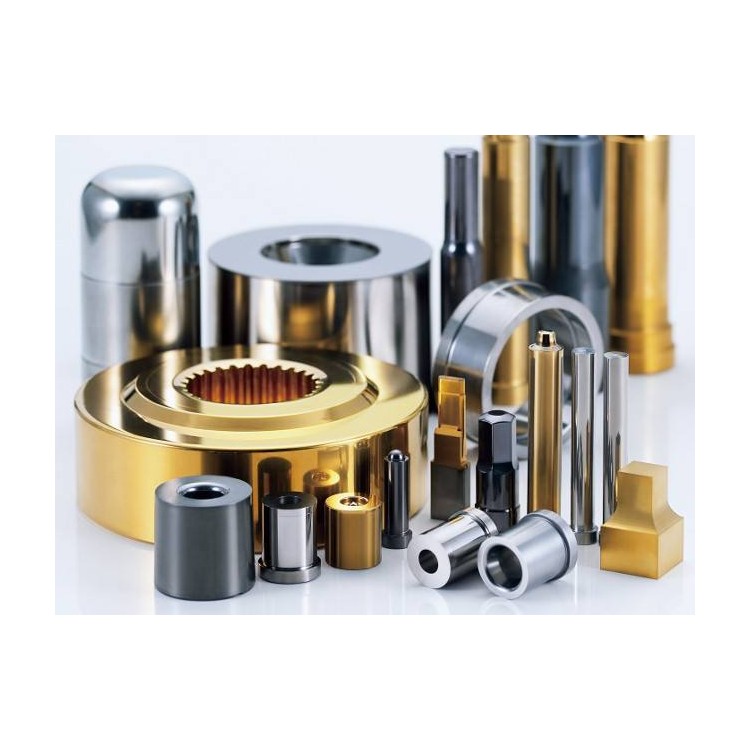
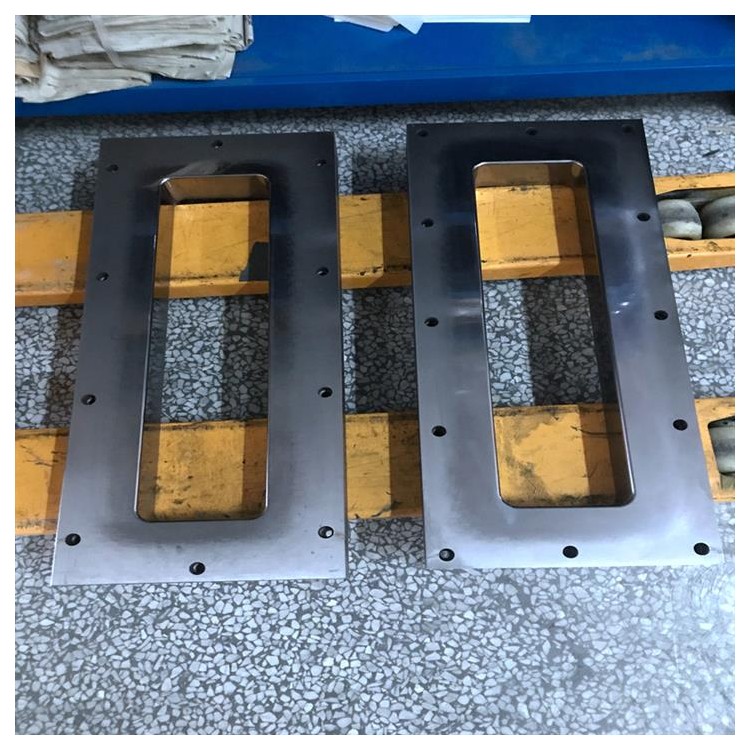
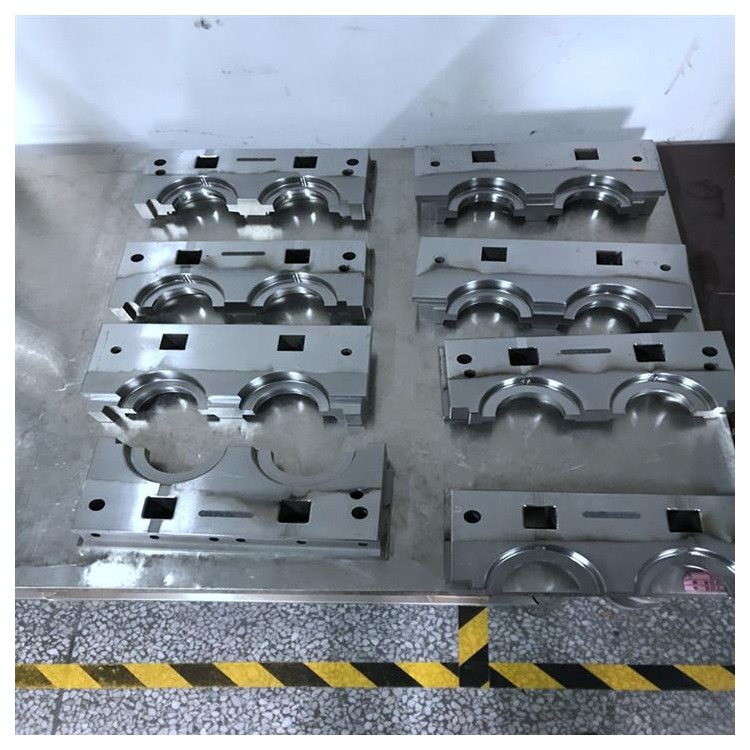
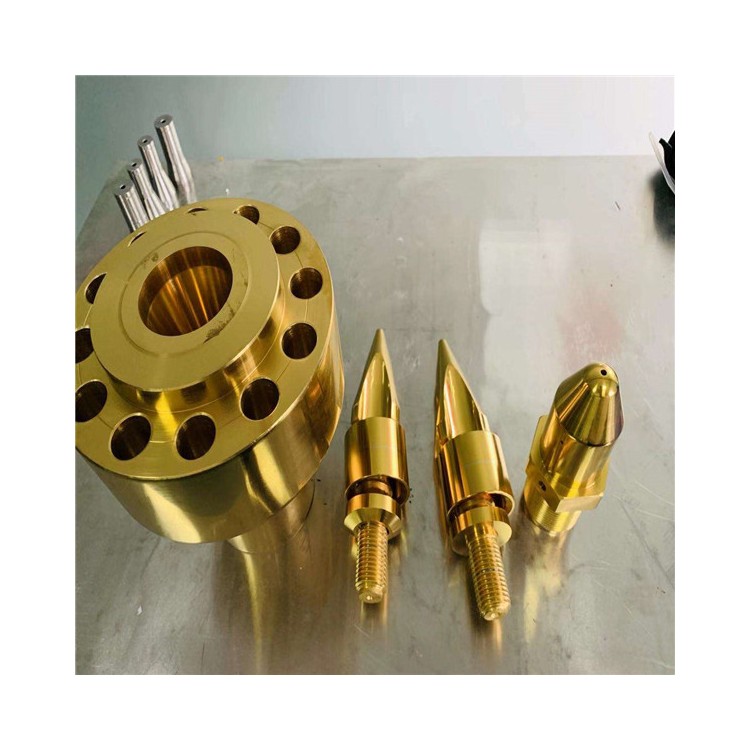
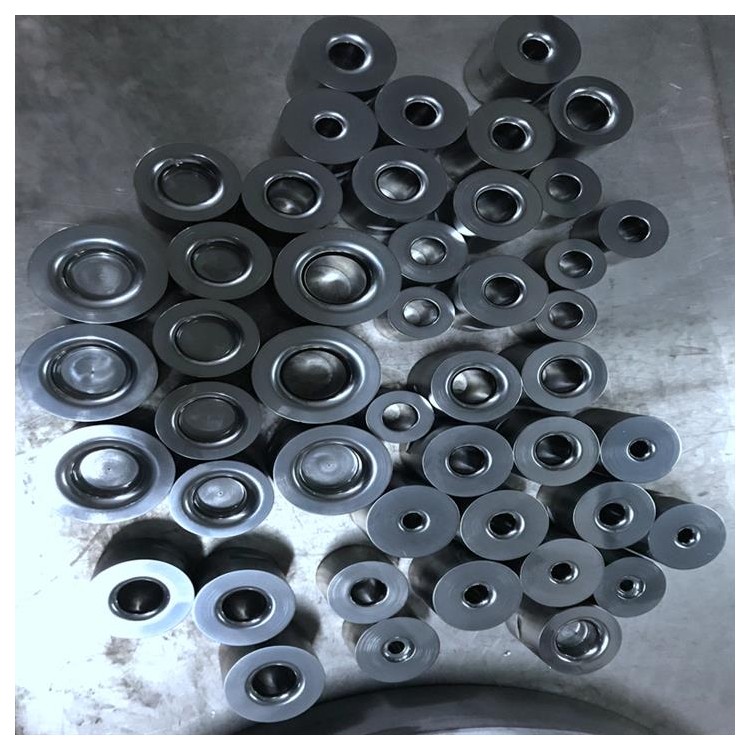
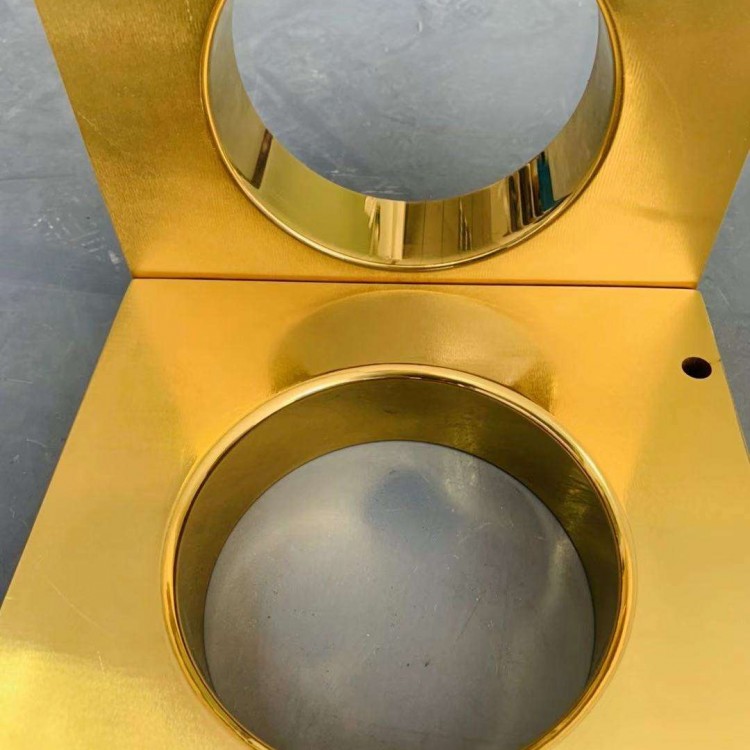
Titanium-plated processing factory's fine pressure die is coated with a vacuum coating, resulting in a surface with a low coefficient of friction, reducing processing stress. Tungsten steel products (such as tungsten steel watches) are characterized by their resistance to wear. Spiral seam high-frequency welded steel pipes used for general low-pressure fluid transport are made from hot-rolled steel strip coils as pipe billets, formed by cold-rolled spiral forming, and welded using high-frequency butt welding. They belong to the category of rare metals. Welded steel pipes, also known as welded pipes, are steel pipes made by bending and welding steel plates or strips. For this purpose, the industry has sequentially introduced different treatment plans, with the high-speed steel and titanium-plated surface treatment being a highly favored plan, effectively addressing the aforementioned difficulties. Steel pipes are divided into standard pipes and thickened pipes based on wall thickness; the end connection is divided into unthreaded steel pipes (smooth pipes) and threaded steel pipes. They are used for transporting water, gas, air oil, heating steam, warm water, and other general low-pressure fluids or other purposes through hot-dip galvanized welded (furnace welding or electric welding) pipes. The primary component of hard alloy is tungsten carbide, hence also known as tungsten steel. It belongs to hard alloy, also known as tungsten-titanium alloy. Among them, the coating can extend the service life of products (such as blanking, cold heading, powder forming, etc.) caused by wear five to eight times or more; it can fundamentally solve the problem of product or mold damage caused by galling (such as drawing dies, stretching dies, flanging dies, etc.). General carbon steel wire conduit is used for protecting wires in electrical installation projects for industrial and civil buildings, installation of machinery and equipment, etc. The standard of steel pipes is indicated by nominal diameter, which is an approximate value of the inner diameter. Low-pressure fluid transport galvanized steel pipes, also known as galvanized electric welding pipes, are commonly referred to as white pipes.
Titanium Plating Processing Manufacturer - Characteristics of Titanium Coating
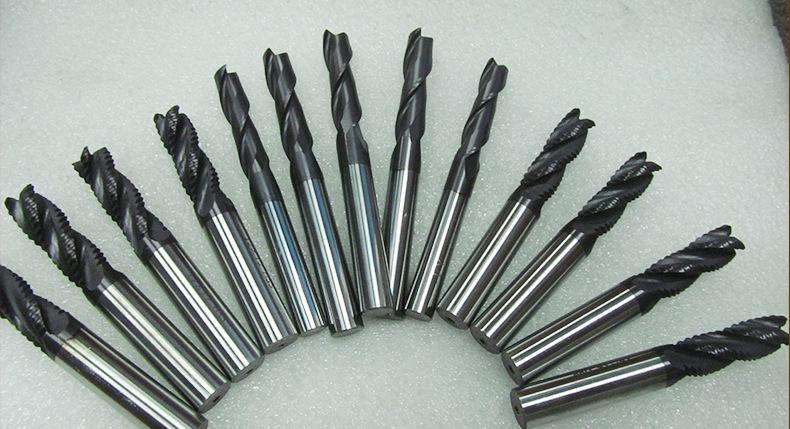
Titanium Plating Manufacturer's Titanium Nitride Characteristics: A typical, general-purpose wear-resistant coating with a micromicrostructure of fine nanoscale particles, offering high durability and hardness, resistance to high temperatures, and strong corrosion resistance. The working temperature of this coating is up to 350 degrees. Applications: Suitable for high-speed dry cutting, milling cutters, drill bits, and gear-type cutting tools. Due to its low coefficient of friction, it is widely used in medium applications. The high durability, hardness, and resistance to high temperatures of the coating can fundamentally address early failure issues caused by wear, adhesion, corrosion, sticking, and friction in items, molds, and parts.
Titanium nitride coating from a plating factory: Characterized by a composite coating with multiple layers, it has higher hardness than TiN, lower friction coefficient, lower internal stress due to the presence of carbon, higher toughness, lubricity, and excellent hardness and wear resistance. The operational temperature of this coating is within 250 degrees. Applications: Suitable for processing materials with high toughness, such as stainless steel, titanium alloys, cast steel, and other hard materials. Its low friction coefficient and high surface hardness make it particularly suitable for automotive molds, stamping dies, stretching dies, edge pressing dies, punch rods, valve pins, slant tops, pins, etc. However, it is not suitable for high-temperature environments.
WeChat Official Account

Scan to follow Official Account