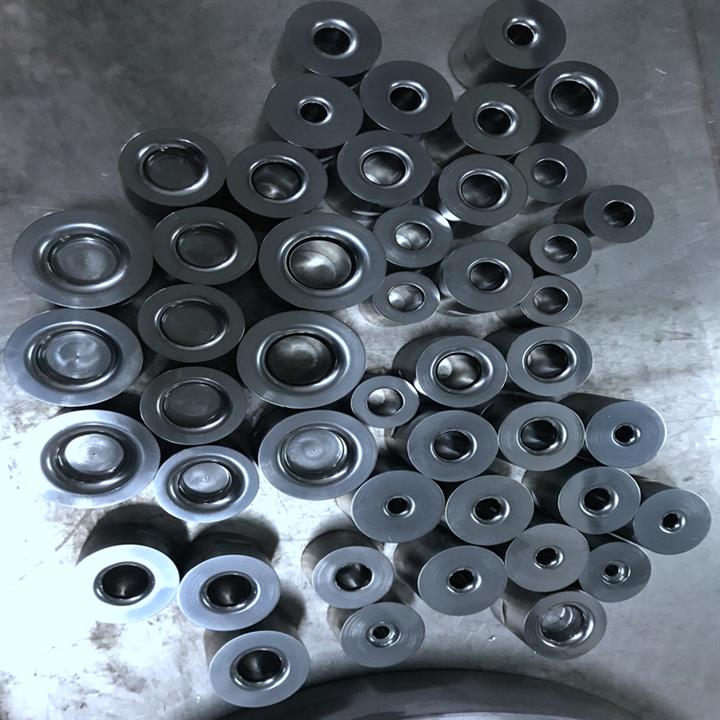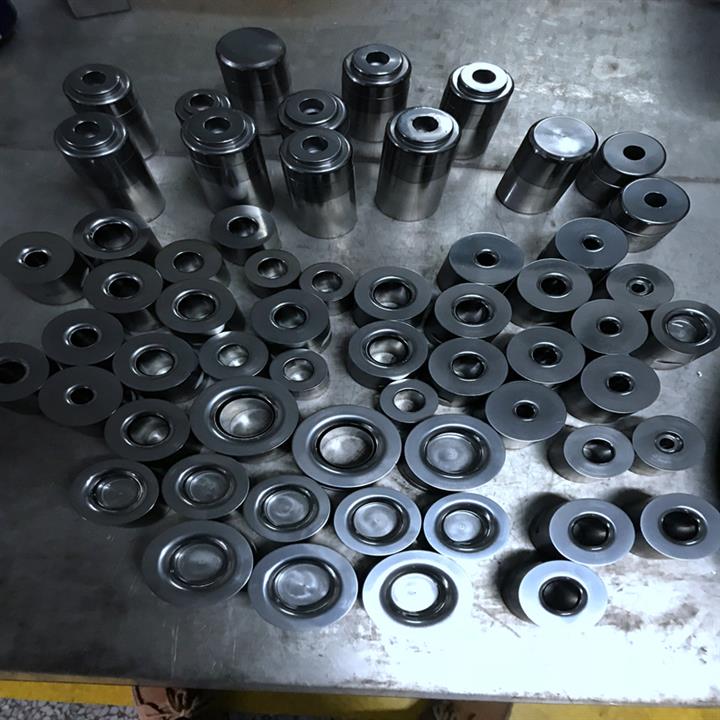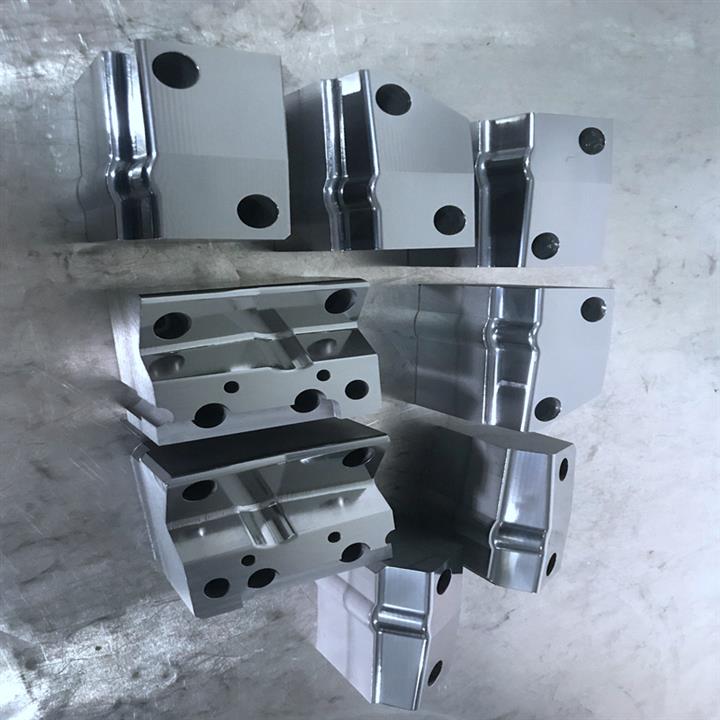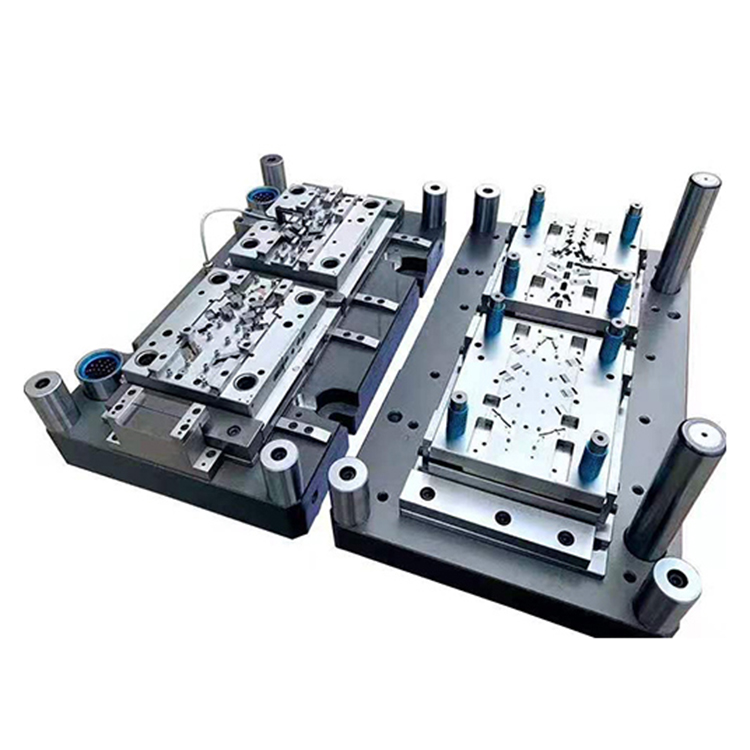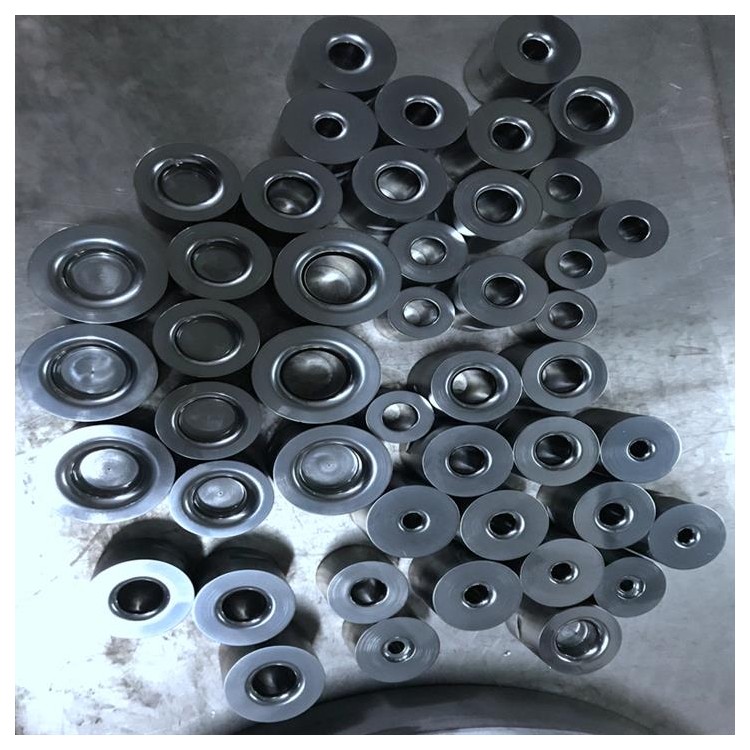

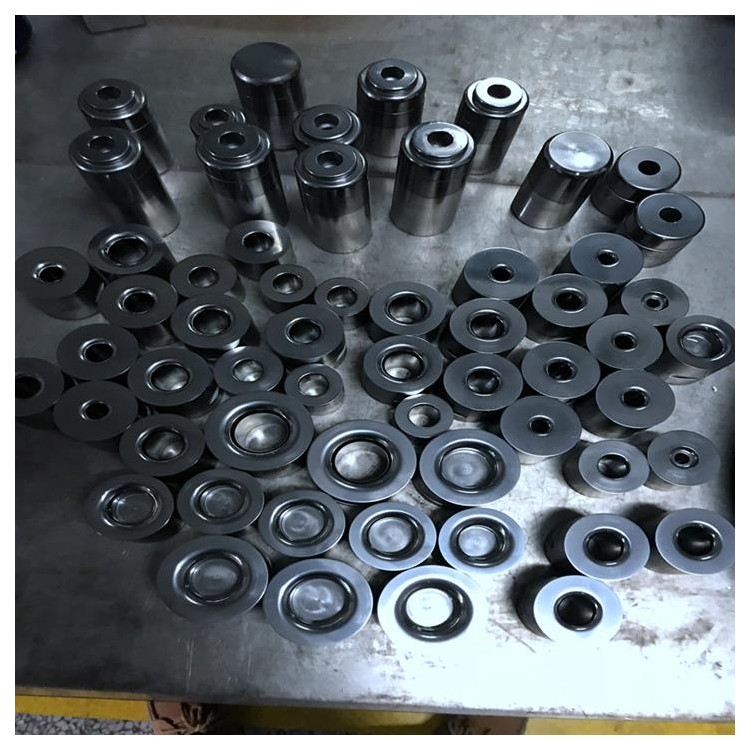
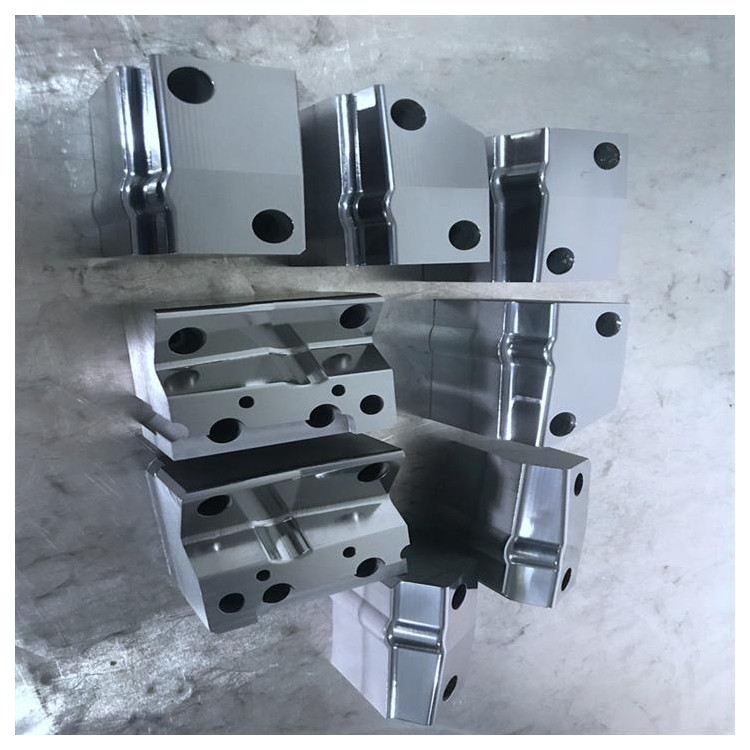


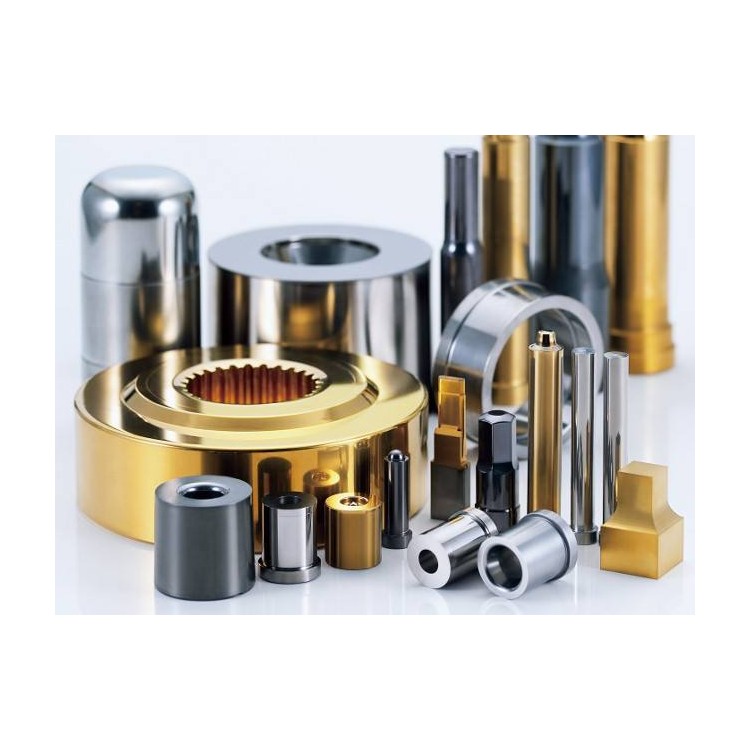
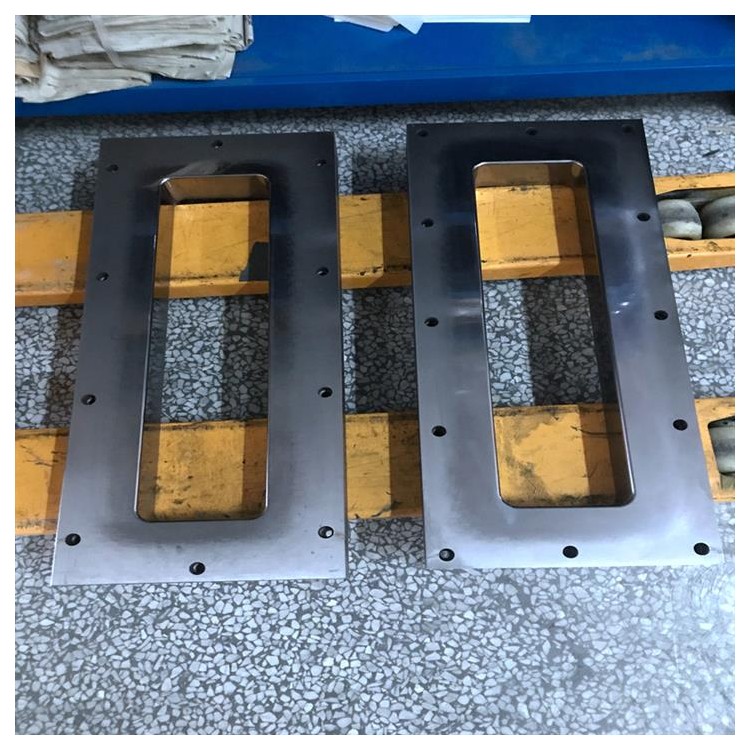
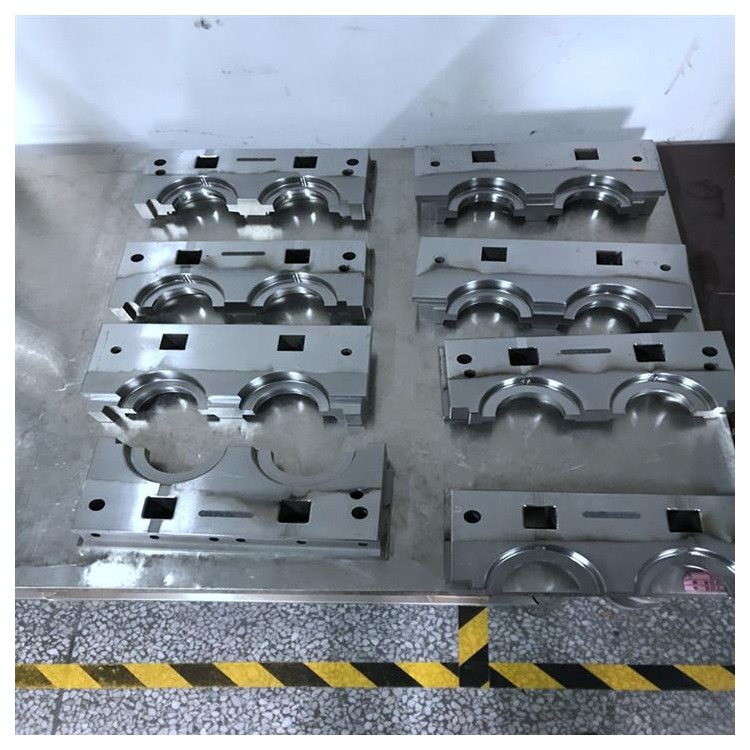





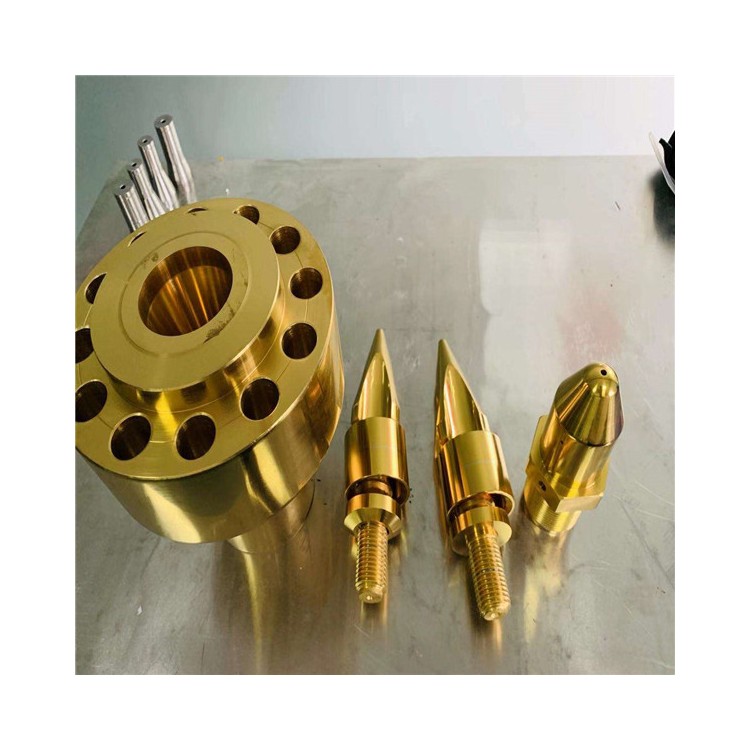
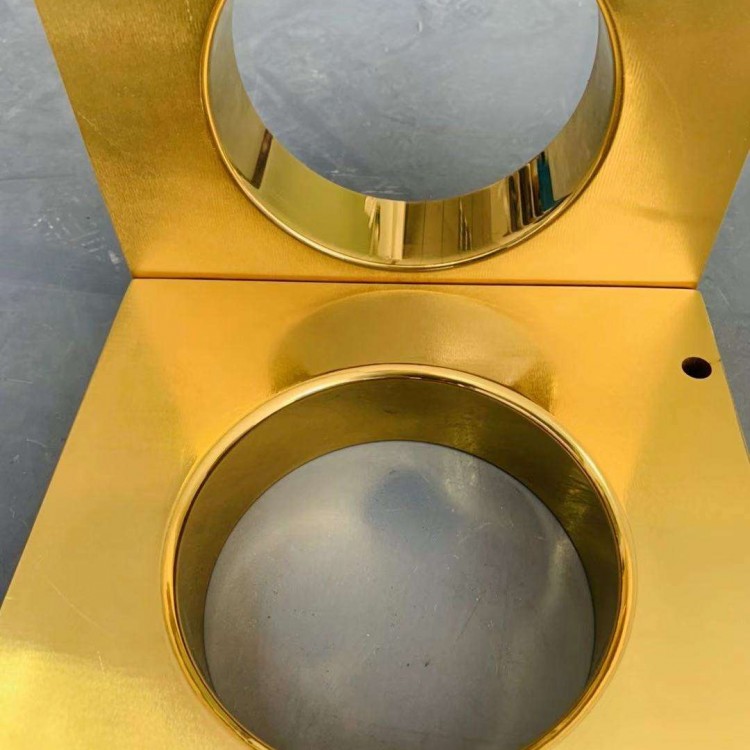
Common coating deposition methods for wear-resistant coatings on molds include Physical Vapor Deposition (PVD) and Chemical Vapor Deposition (CVD). Typically, PVD coatings are about 2 to 6 micrometers thick and, when coated on the tool substrate, induce compressive stress; whereas CVD coatings, also about 2 to 6 micrometers thick, induce tensile stress when coated on the blade substrate. The former is more beneficial for enhancing the matrix strength.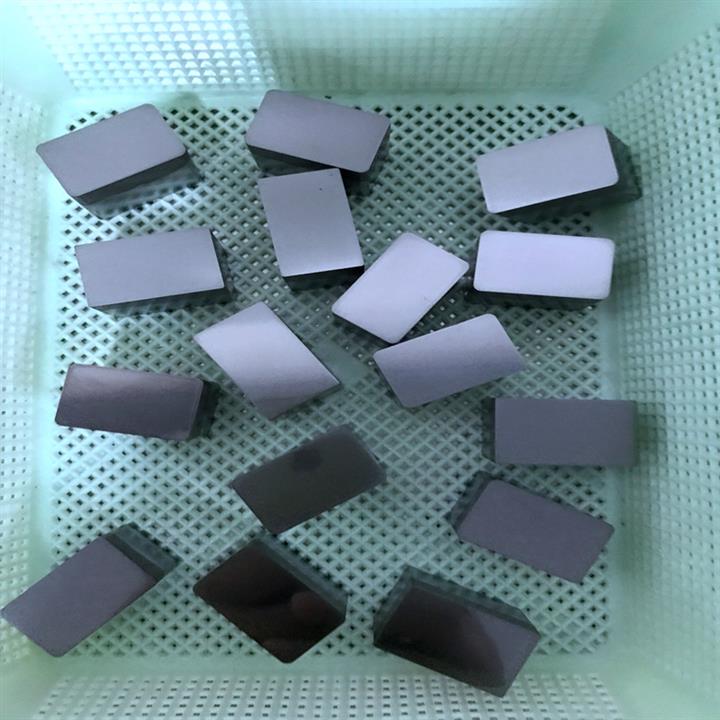
Titanium nitride (TiN) coating is a universal PVD and CVD coating that enhances blade hardness and oxidation resistance. Carbonitride titanium (TiCN) coating, by adding carbon elements to the TiN coating, further improves the coating's hardness and surface smoothness.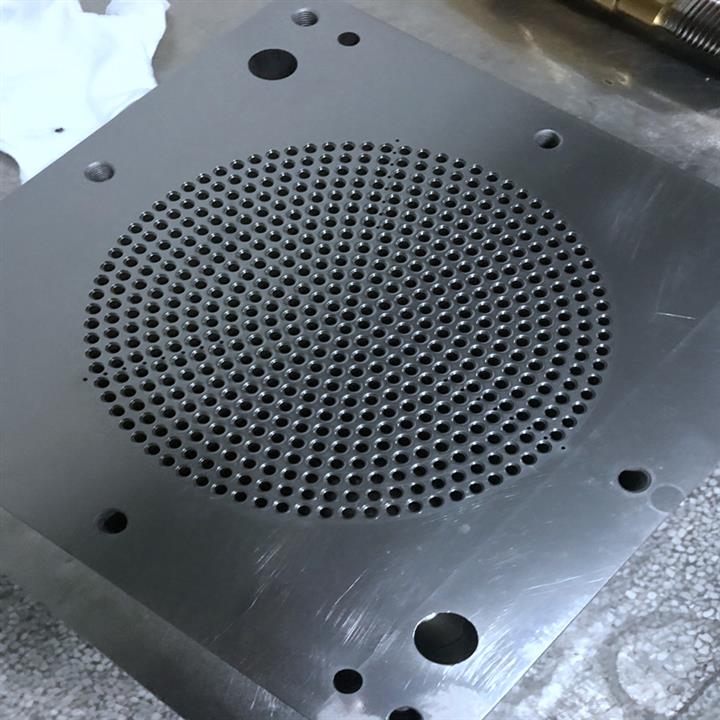
Hardness
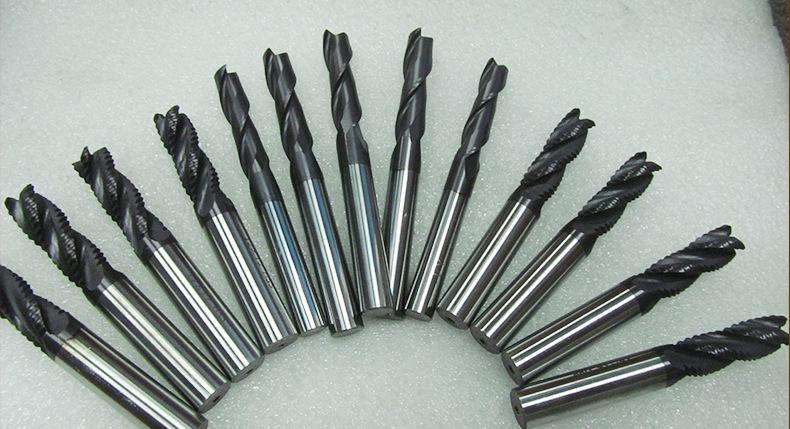
The high surface hardness provided by the aluminum-coated cutting tools from a titanium plating manufacturer is one method to extend tool life. Generally, the higher the hardness of the material or surface, the longer the lifespan. Aluminum-coated cutting tools with titanium nitride have a higher hardness than nitride coatings. Due to the addition of carbon content, the hardness of the coating has increased by 33%, with a hardness range of approximately Hv3000 to 4000 (depending on the manufacturer). The use of CVD diamond coatings with a surface hardness up to Hv9000 is already quite mature, and compared to tool coatings, the lifespan of CVD diamond coated tools has increased by 10 to 20 times. The high hardness and cutting speed of diamond coatings, which can improve the capability by 2 to 3 times compared to uncoated tools, make them a good choice for machining non-ferrous materials.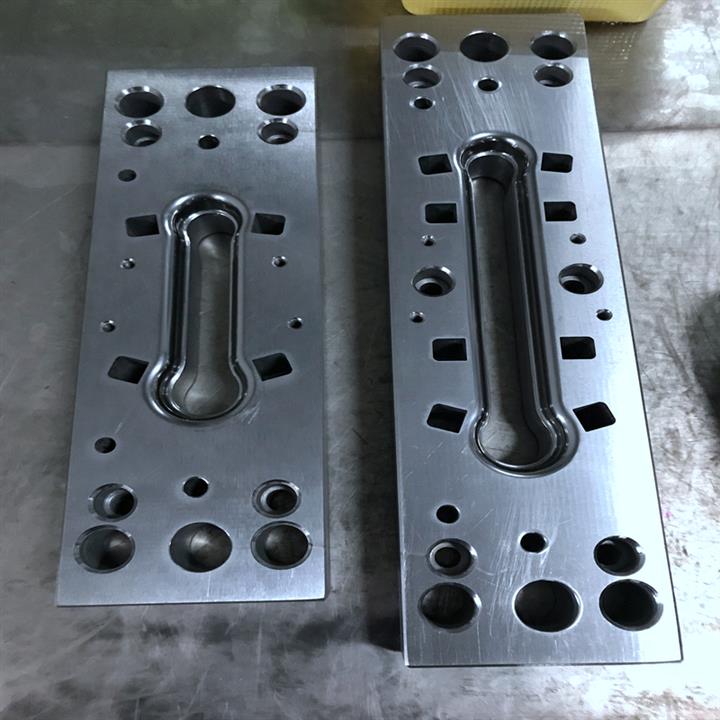
Factory Introduction: Answers to Some Questions About the Characteristics and Performance of PVD Coatings
1. Adding PVD tool coating processing increases mold manufacturing costs. How can it be said to reduce production costs?
The coating cost adds to the mold production expenses, accounting for about 10% of the total mold cost. However, when calculating the total cost per product, due to the coating's benefits, it extends the mold's lifespan several times, makes demolding easier, and reduces downtime for mold repairs. Therefore, doubling the output or shortening production time would necessarily decrease the production cost per product significantly.
2. If the PVD coating on the cutting tool is highly hard, is there a need to further harden the substrate steel?
The PVD coating on cutting tools is merely a very thin (1-10µm) metallic-ceramic coating on the surface. It primarily improves surface hardness and enhances wear resistance, mainly targeting parallel impacts, hence the hardness of the substrate is crucial. For stamping molds, the temperature requirement is above 55°C, while for plastic molds, it is above 30°C. If the hardness of the stamping mold does not reach HRc60 or above, the substrate becomes as soft as "tofu," and plastic deformation will occur immediately. Therefore, the requirement for the hardness of the substrate is not reduced by the use of the coating.
Can any material be coated with PVD?
PVD coatings are processed under high vacuum and low temperatures (approximately 200℃ or 400℃). If materials would melt or soften at these temperatures (e.g., zinc), they are not suitable for PVD coating. Standard mold steels and hard metals do not pose this issue.
4. Is thicker coating always better?
The thicker the coating on cutlery, the longer its wear resistance, of course. However, due to the inverse relationship between the thickness of the PVD coating and its adhesion to the substrate, the PVD coating cannot be too thick. Verified, a thickness of 1-4µm is suitable.
5. Are the principles of PVD coating and chrome or nickel plating the same?
The chrome and nickel plating for cutlery coatings are made using conventional electroplating methods, but PVD coatings are created through plasma deposition techniques. PVD coatings can achieve a control precision within 0.5µm on a scale of 1-10µm, which is definitely unattainable with electroplating. The hardness of chrome plating is approximately Hv1000, while the hardness of PVD coatings can reach above Hv4000.
Super Durable New Materials Technology Co., Ltd. invites you to visit with its quality, warm service, and competitive prices. We look forward to a sincere cooperation with your company, creating a splendid future together! For more detailed information, please call or visit our company for inspection.
WeChat Official Account

Scan to follow Official Account