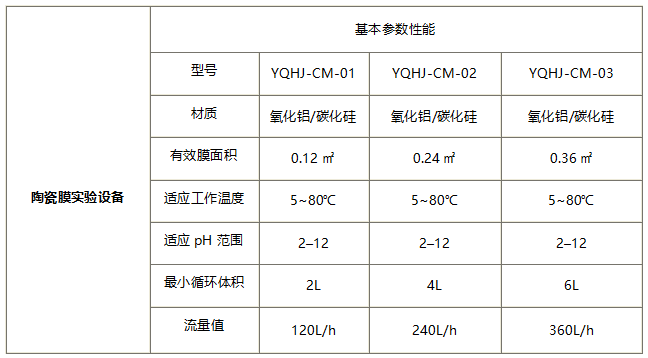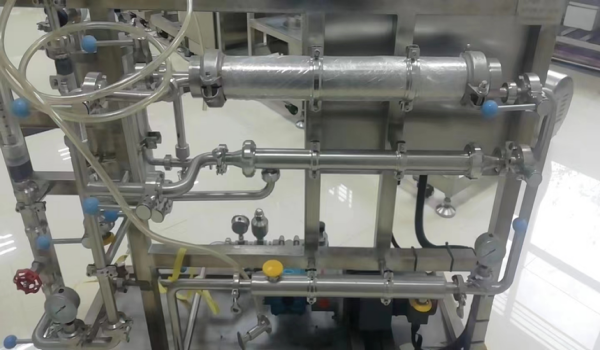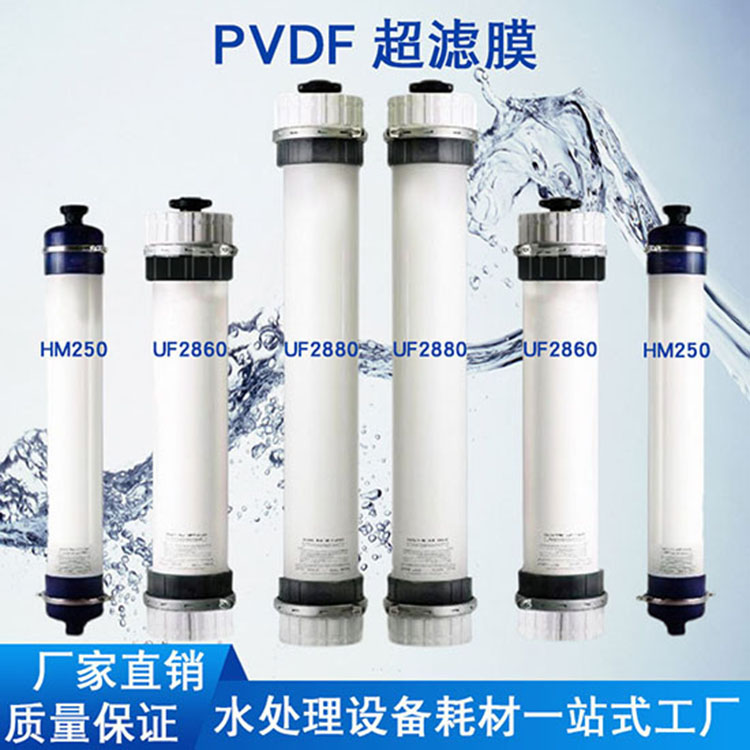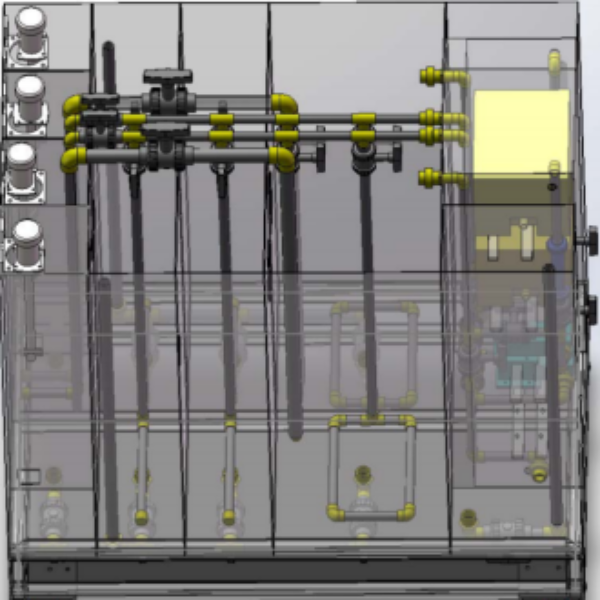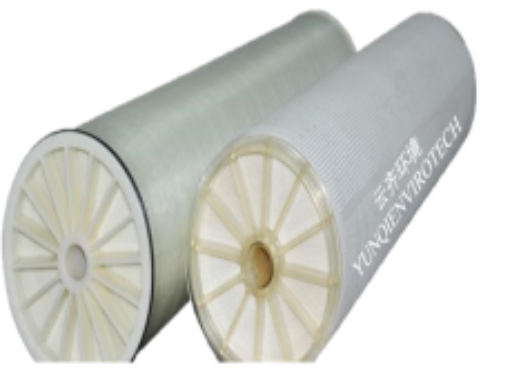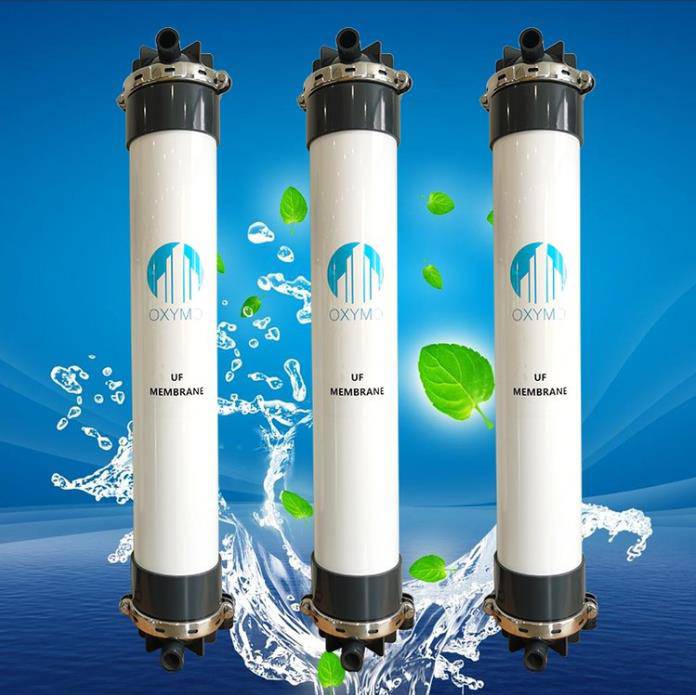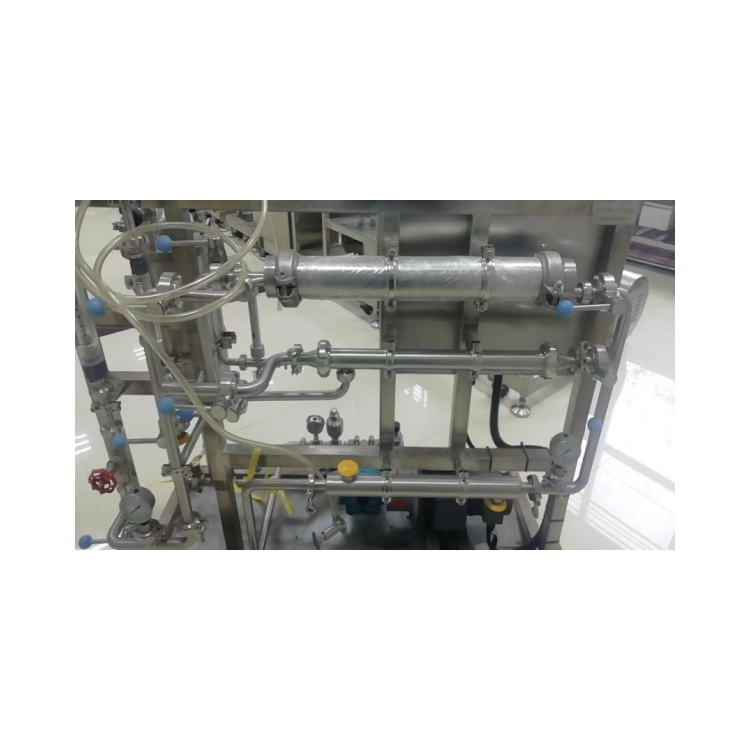

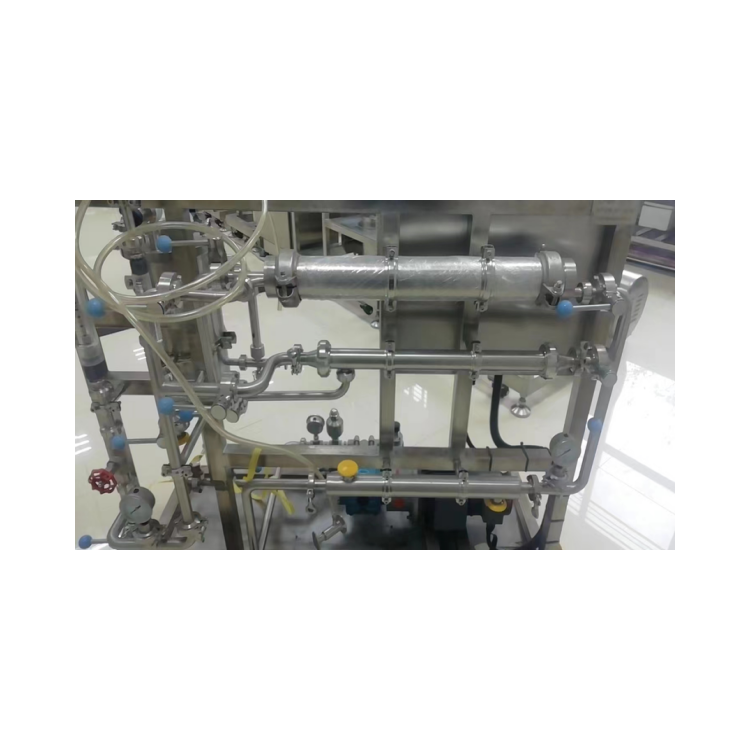

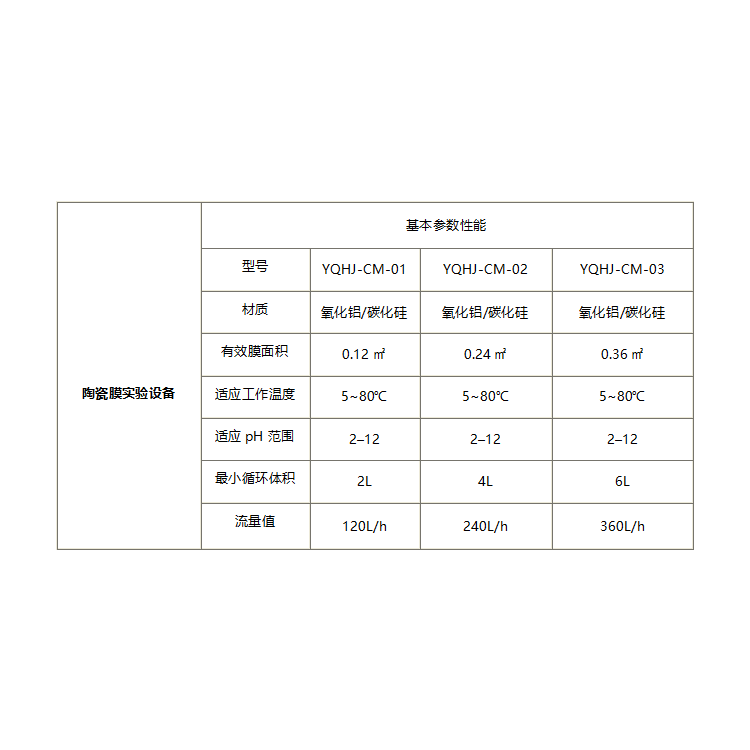


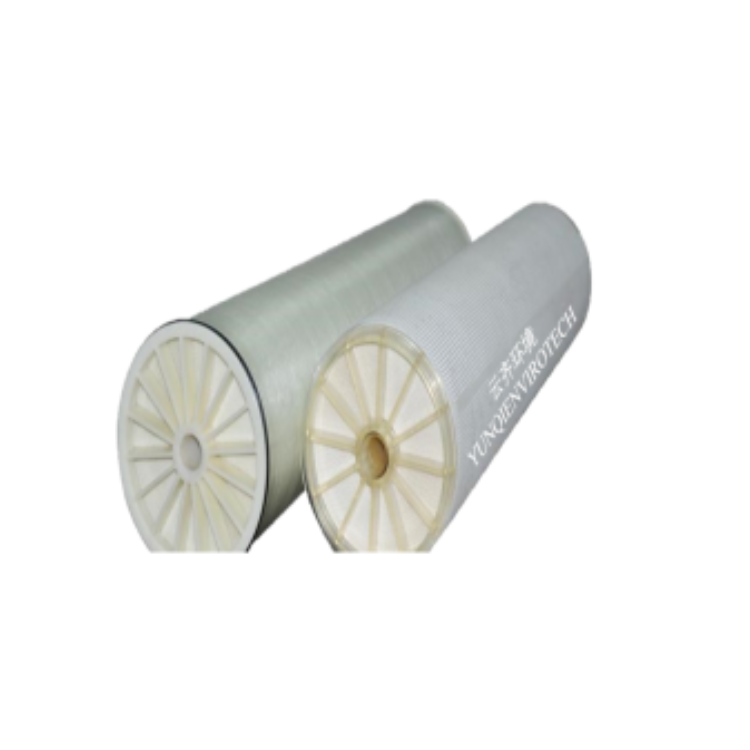
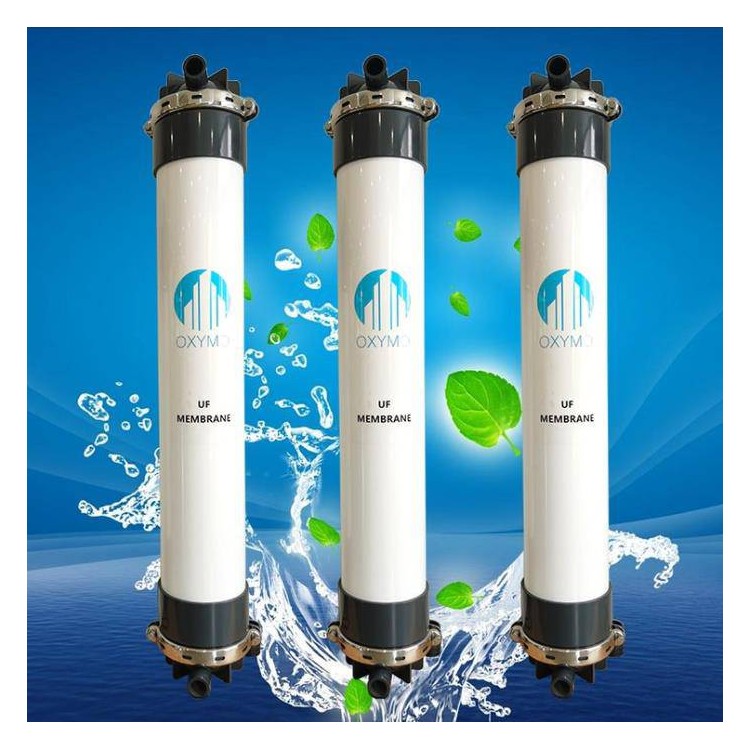





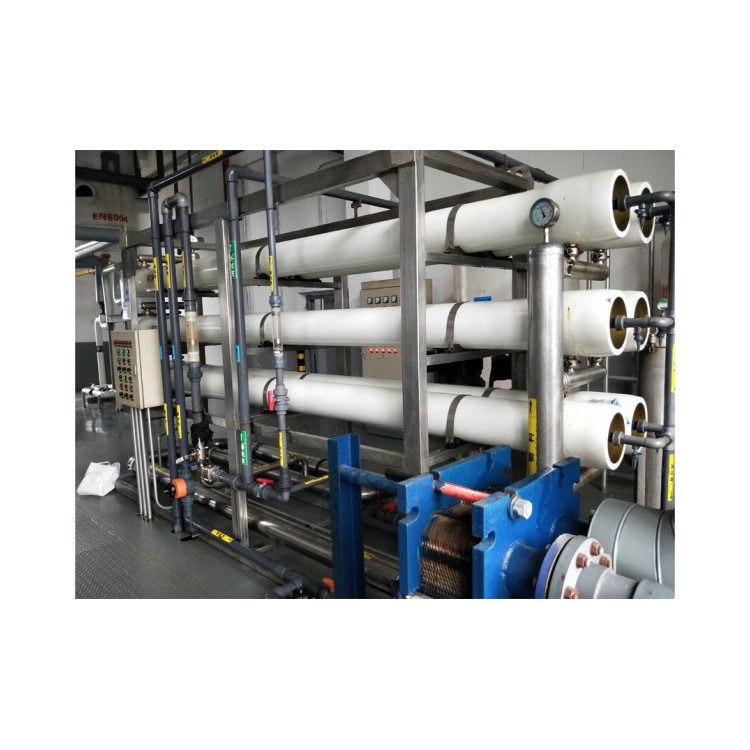
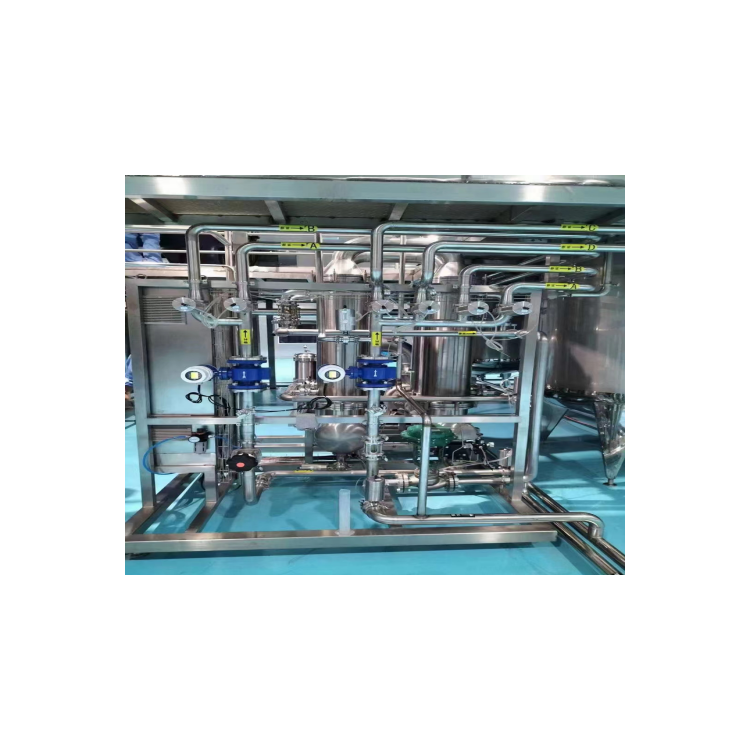
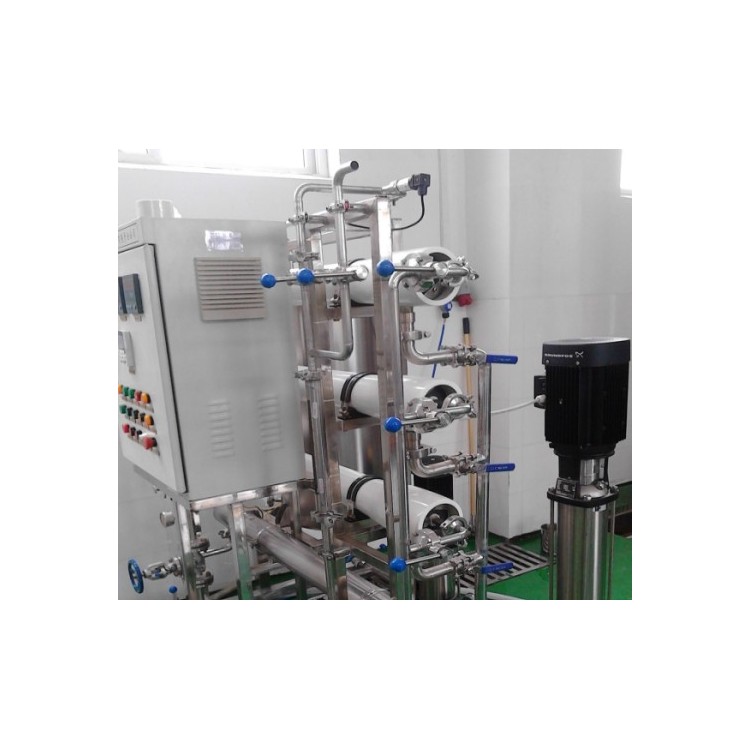
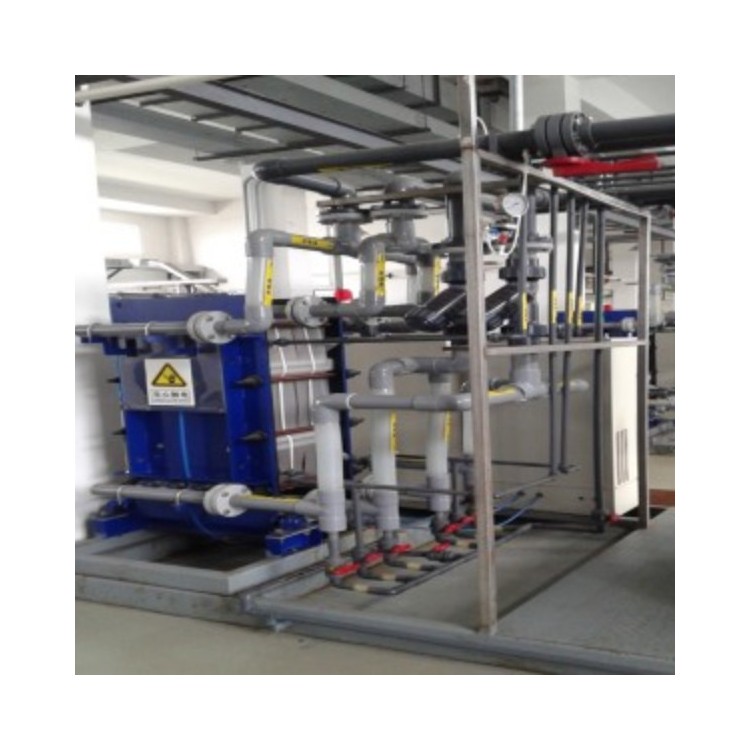
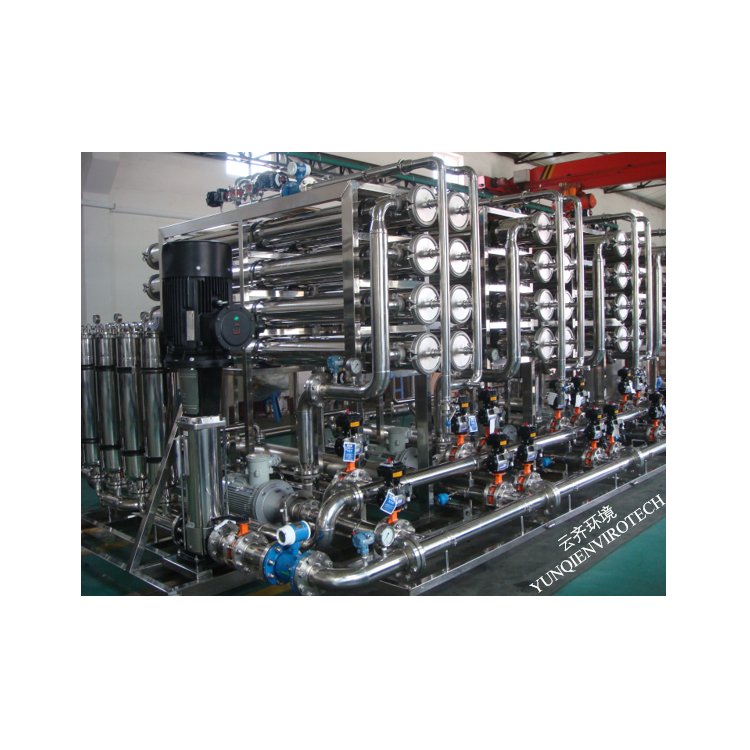
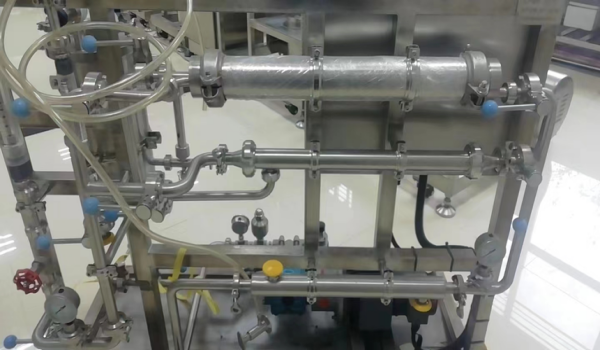
Ceramic Membrane ExperimentEquipmentFilter element ceramic membranes are precision ceramic filtration materials prepared from inorganic substances through special processes, featuring a porous support layer, filter layer, and separation layer distributed asymmetrically. The filtration precision covers microfiltration (0.05μm)~1.5 μm), Ultrafiltration (0.01 μm)~0.05μm), even nanofiltration (<1nm). Ceramic membrane filtration is a crossflow separation process. Under pressure, the feed stream flows rapidly within the membrane tubes, with the clarified liquid containing small molecular components permeating through the membrane, while the concentrated liquid containing large molecular components is retained by the membrane, achieving the objectives of separation, concentration, and purification of the fluid.
According to experimental requirements, membrane elements with suitable pore sizes can be selected to achieve material separation through precise filtration apertures. Particularly suitable for the purification of material systems such as proteins, enzyme preparations, and fermentation broths. They can be applied in fields such as chemical industry, food and beverage, and environmental water treatment. Especially suitable for use in universities, research institutions, corporate R&D centers, and small-scale production.
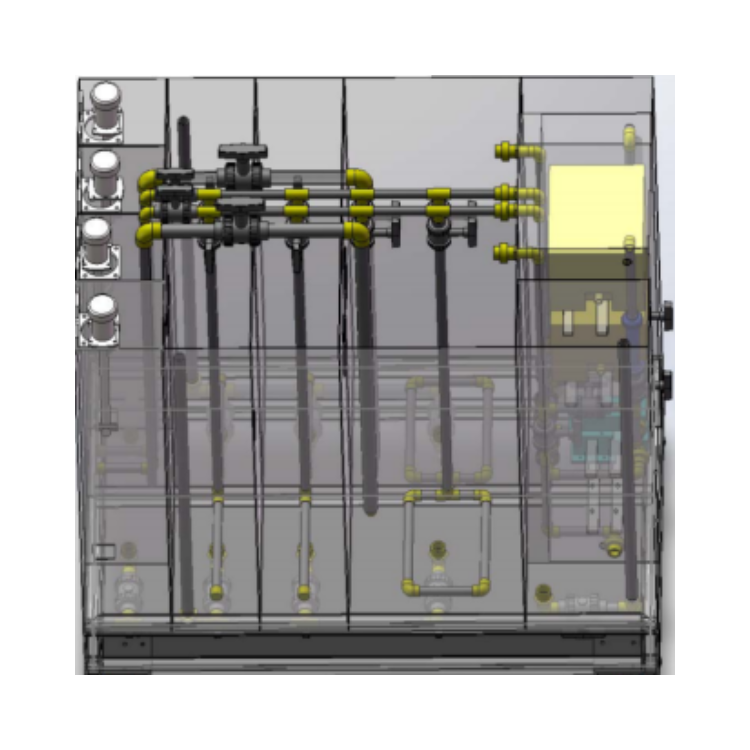
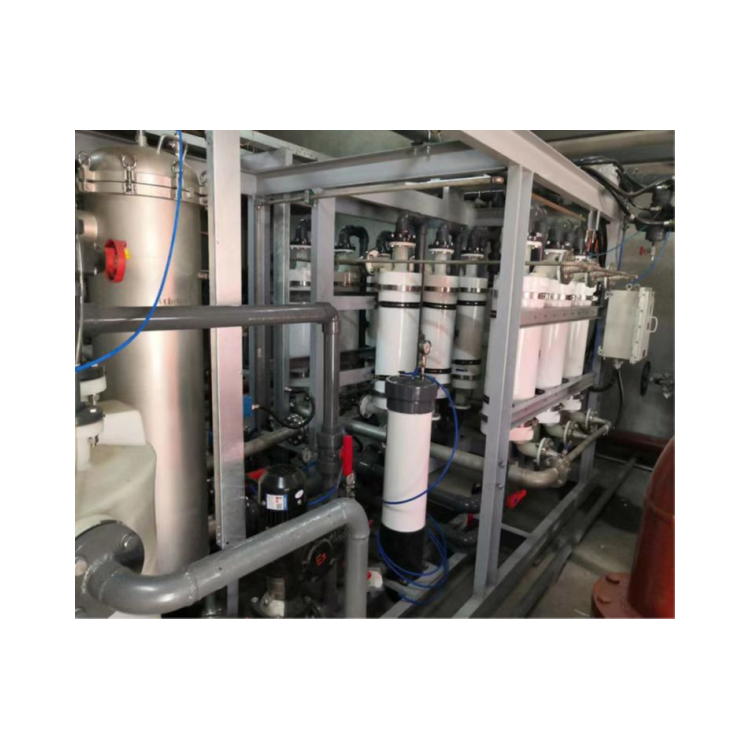
Ceramic Film Experimental Equipment Structural Features:
Good chemical stability, resistant to acids, alkalis, strong oxidizing agents, and organic solvents.
Easy to clean, heat sterilizable, and suitable for frequent washing.
High mechanical strength and excellent wear resistance.