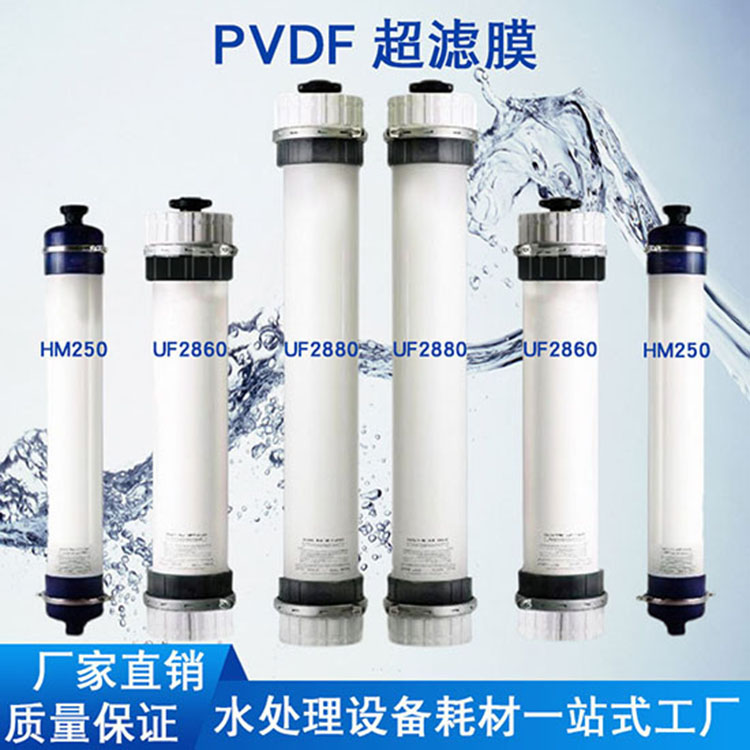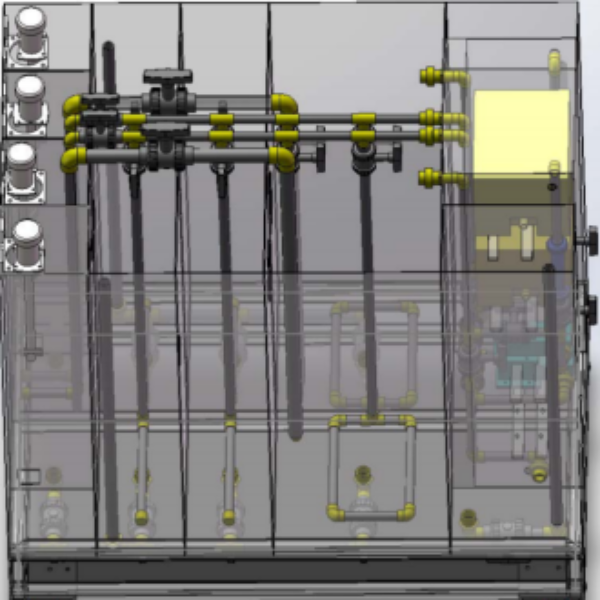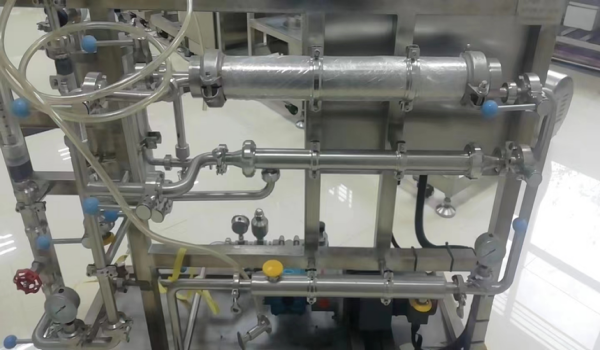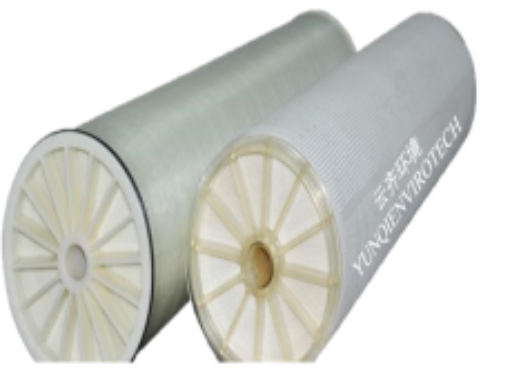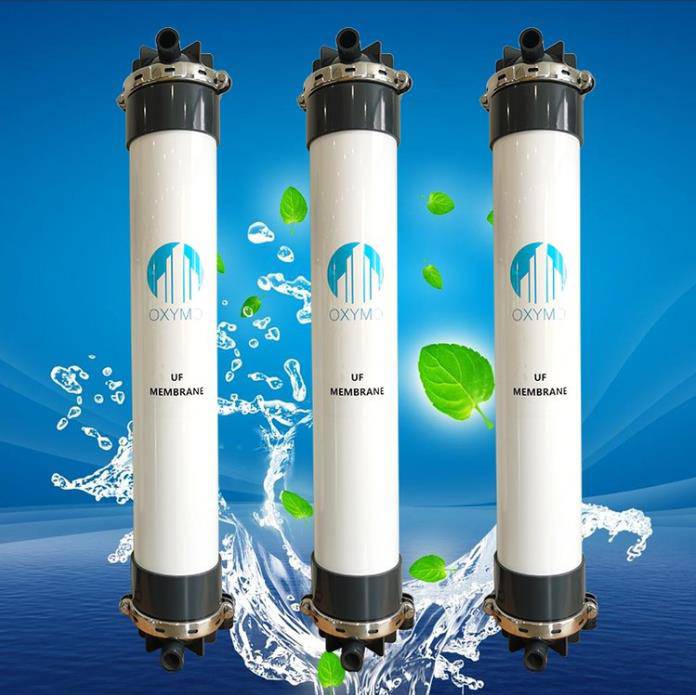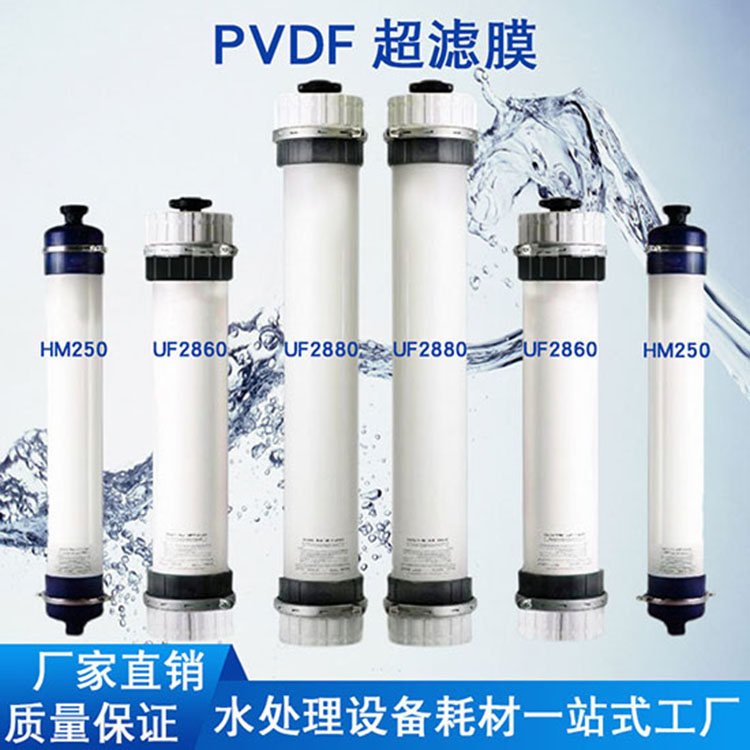
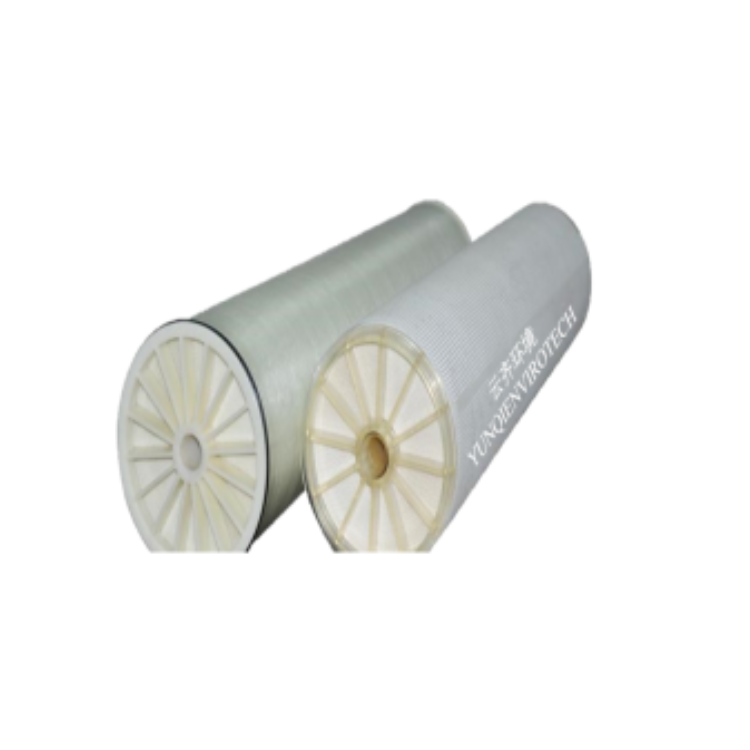
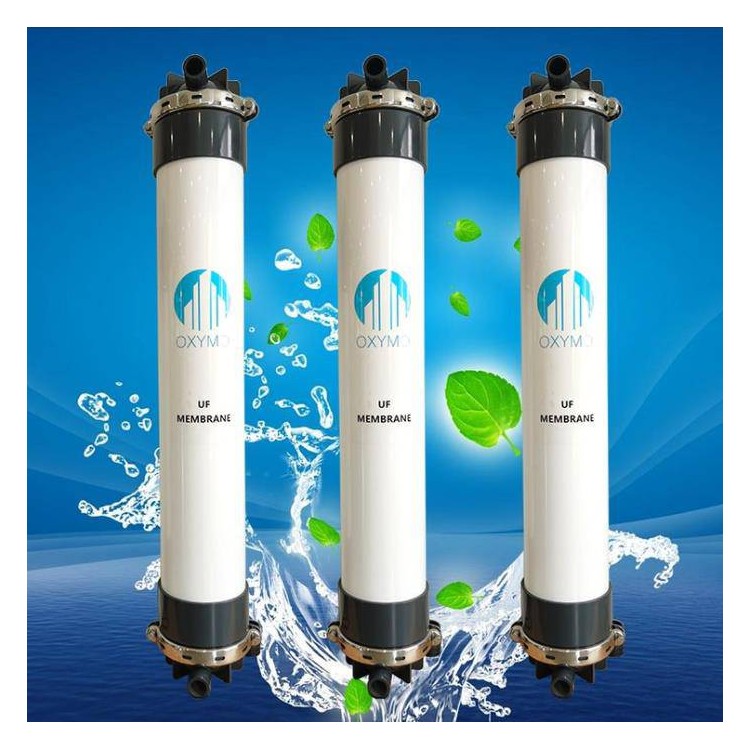







Artificial membranes used in ultrafiltration processes. Typically made from high polymer materials such as: cellulose acetate, cellulose acetate esters, polyethylene, polysulfone, and polyamide, etc. Generally pre-fabricated into various types of membrane modules like tubular, flat sheet, rolled, and capillary, which are then assembled together for use to increase the filtration area and facilitate maintenance.

Product Introduction
Ultrafiltration is a membrane separation technology that utilizes the micropores on the surface of ultrafiltration membranes to separate solutions by mechanical sieve principle, driven by the pressure difference on both sides of the membrane. The micropores on the surface of the ultrafiltration membrane have an aperture size of approximately 0.002~0.1 um, equivalent to a molecular weight of 1000~500,000 daltons. When the raw material liquid flows through the surface of the ultrafiltration membrane under pressure, small molecules like water and inorganic salts, which are smaller than the aperture size of the membrane, pass through the micropores to become the permeate. Meanwhile, large molecules such as colloids, microorganisms, and suspended particles, which have a volume larger than the membrane aperture, are retained and become the concentrate.

The physical and chemical properties, as well as the separation characteristics, of hollow fiber ultrafiltration membranes directly determine the feasibility, separation accuracy, and service life of the membrane application.
Physical properties include:
(1) Mechanical Properties: Tensile strength at break, elongation at break, and burst pressure — key indicators reflecting the mechanical properties of the film filament, which directly determine the service life of the film filament.
(2) Hydrophobicity: Membrane fiber contact angle, an important indicator reflecting the anti-pollution capability of the membrane fiber. The smaller the contact angle, the better the hydrophilicity, and the stronger the ability to resist flux attenuation.
(3) Tolerance: Acid and alkaline resistance, temperature resistance, chemical resistance
1.5 Pure Tang Hollow Fiber Ultrafiltration Membrane Application Fields
Potable water purification and treatment, sterile purification water supply system.
Clarification and treatment of groundwater, surface water, and well water.
Replace traditional filtration methods such as sand filtration and activated carbon.
Pre-treatment for large reverse osmosis membrane units
• Suitable for removing particulates and suspended matter that cannot be eliminated by ion exchange resin treatment.
Food and processing water for the food industry: turbidity removal, refined.
Reuse of secondary effluent meeting GB8978-1996 standards, reclaimed water from the secondary treatment of domestic wastewater
Used;
General engineering drainage depth treatment.
Oilfield produced water treatment and reuse
Refinement of juice beverages and clarification of wines
Extract and refine the turbidity from the liquid.
Residential community or apartment unit water purification system filtration