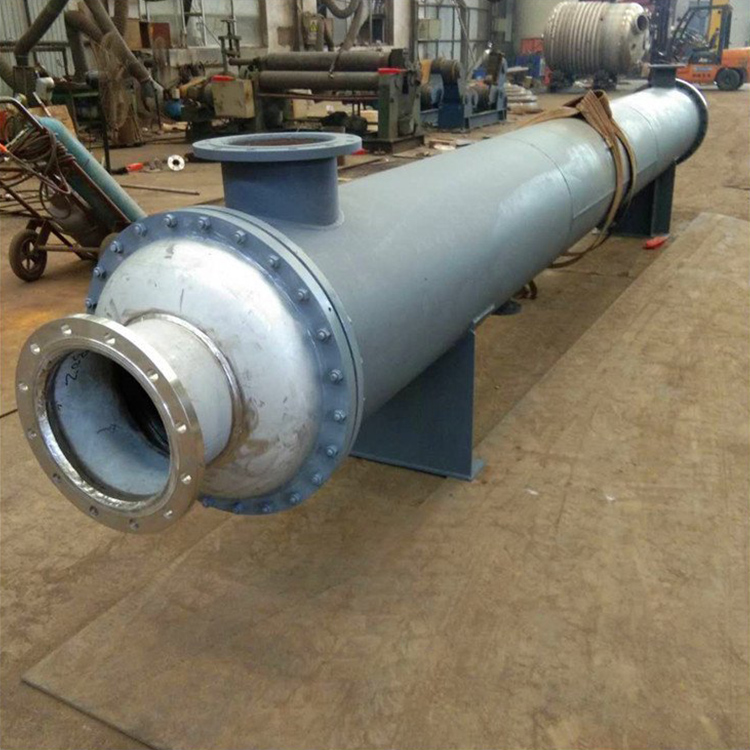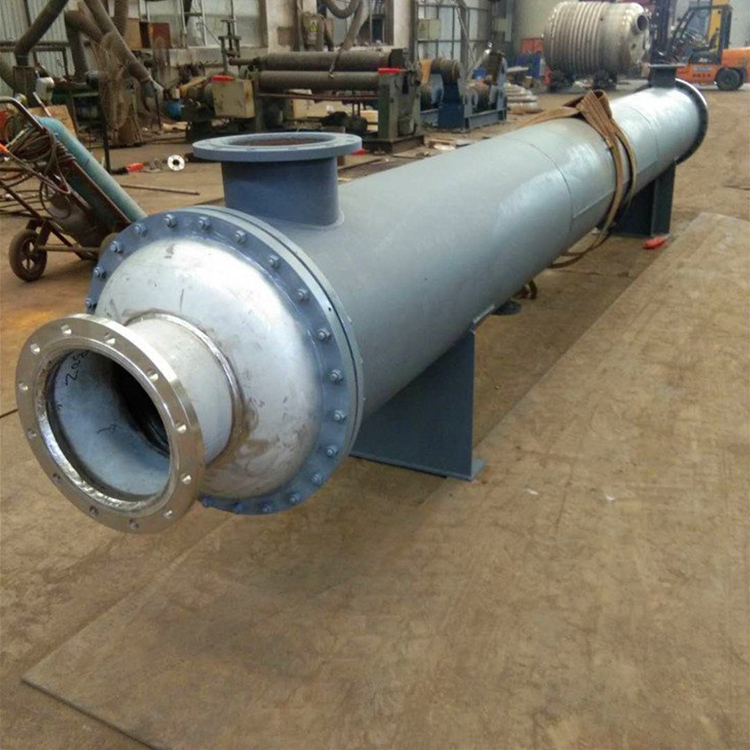












Fixed tube sheet heat exchanger
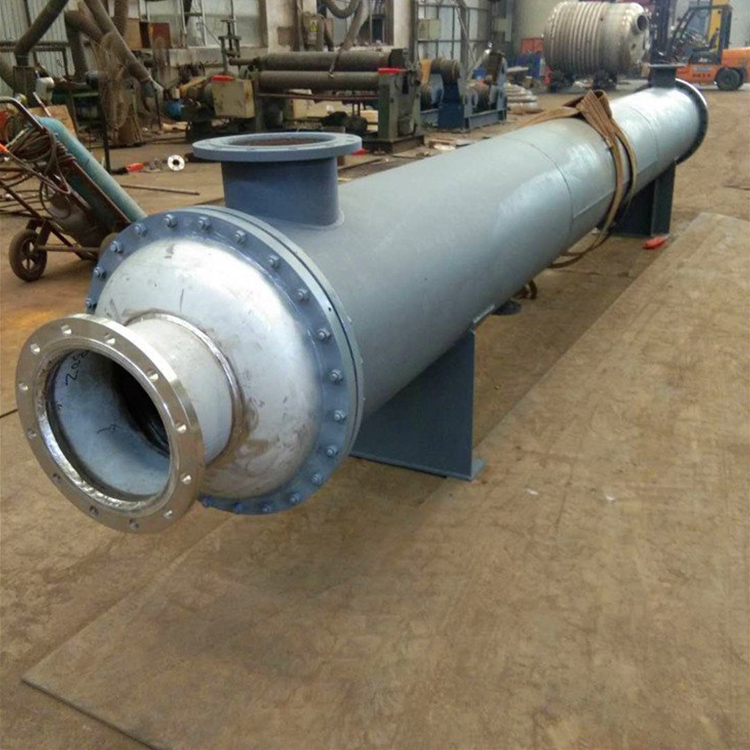
The heat exchanger tube bundle is connected to the tube plate, which is separately welded at both ends of the shell. A top cover is attached, and it features inlets and outlets for the fluid. Typically, a series of vertical baffles perpendicular to the tube bundle are installed outside the tubes. Both the tubes and tube plate are rigidly connected to the shell, while inside and outside the tubes, there are fluids of different temperatures. Consequently, when there is a significant temperature difference between the tube wall and the shell wall, due to the different thermal expansion rates, a considerable temperature difference stress is generated, which may cause the tubes to twist and bend or even become loose from the tube plate, potentially damaging the heat exchanger.
To overcome temperature difference stress, a temperature difference compensation device is required. Generally, a heat exchanger should be equipped with such a device when the temperature difference between the tube wall and shell wall exceeds 50℃. For safety, this is the case. However, the compensation device (expansion joint) can only be used when the temperature difference between the shell wall and tube wall is below 60-70℃ and the shell side fluid pressure is not high. Typically, when the shell side pressure exceeds 0.6Mpa, due to the excessive thickness of the compensation ring, it becomes difficult to expand or contract, thus losing its temperature difference compensation function. In such cases, other structural considerations should be made.
Fast thermal conductivity, detachable, high efficiency, factory direct sales