








Hotel wastewater treatment characteristics and challenges
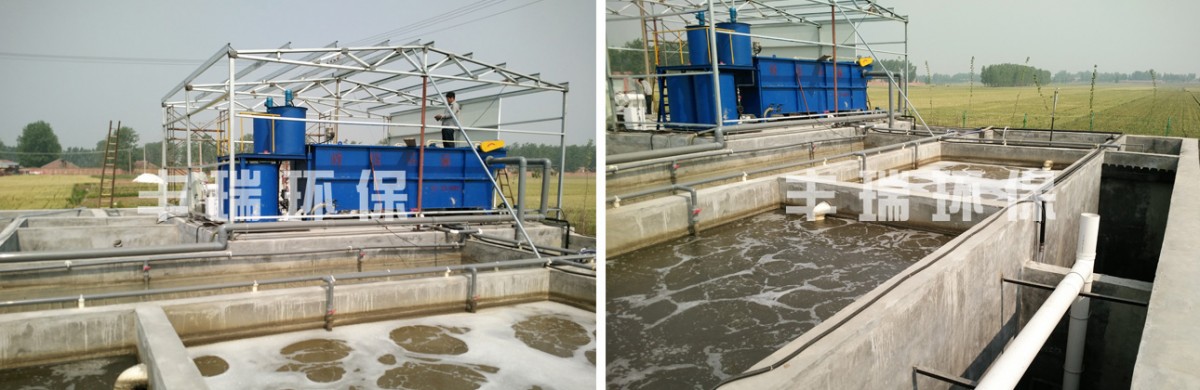
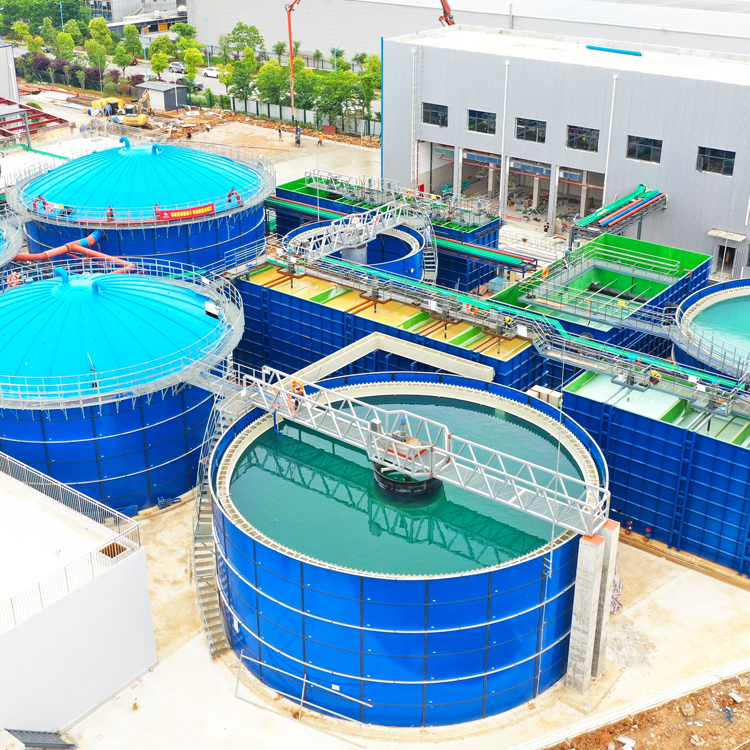
The project's domestic wastewater primarily consists of waste water from hotel operations, including daily use, various detergents, garbage, and feces, with a high concentration of harmful substances in the hotel's wastewater. The treatment process for domestic wastewater is generally determined based on the intended use or discharge of the wastewater, considering the natural purification capacity of the water body, to ascertain the degree of treatment and the corresponding treatment technology. The treated wastewater is partially used for landscaping and irrigation.
| Solutions & Technical Features
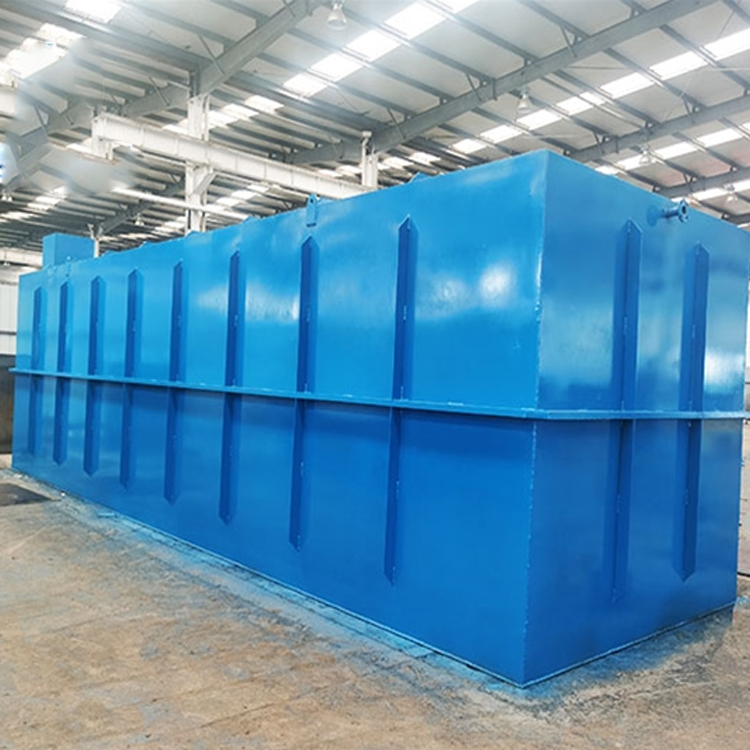
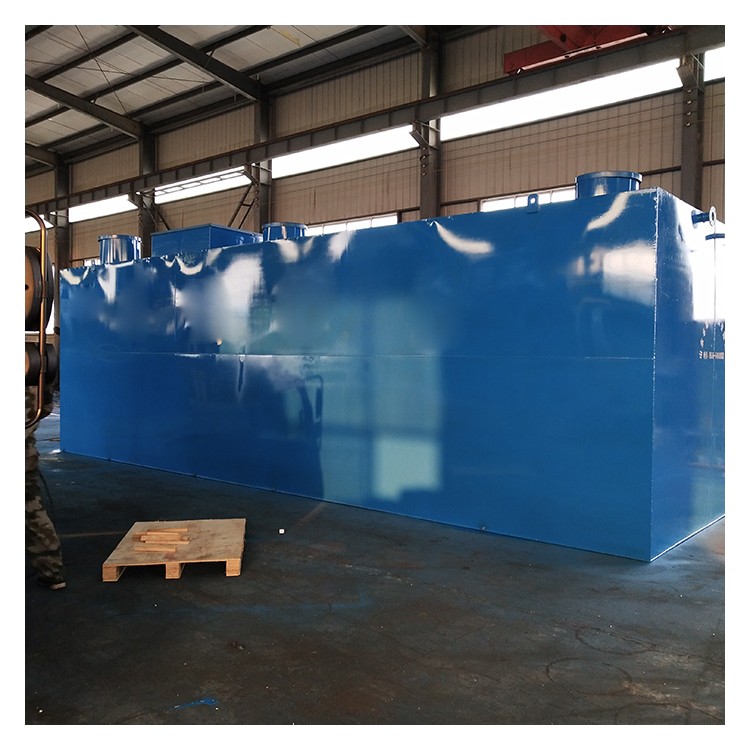
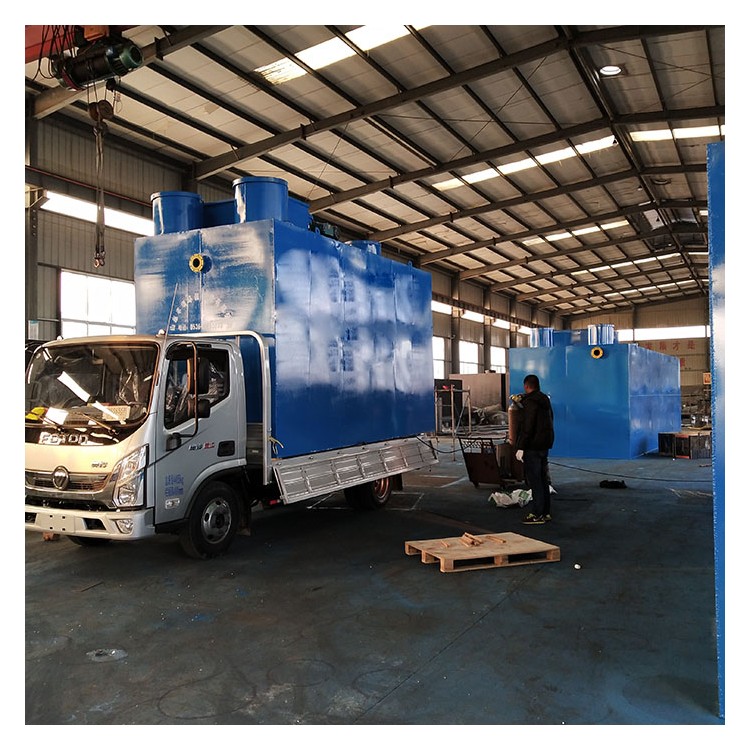
Based on actual observations of hotel life, our technical team has formulated a corresponding process for this rural lifestyle, effectively addressing the issue of daily wastewater treatment in rural living.
1. Utilizing a combination of hydrolysis-acidification and biological contact oxidation methods, the treatment efficiency has been significantly improved, with the treated water meeting national discharge standards.
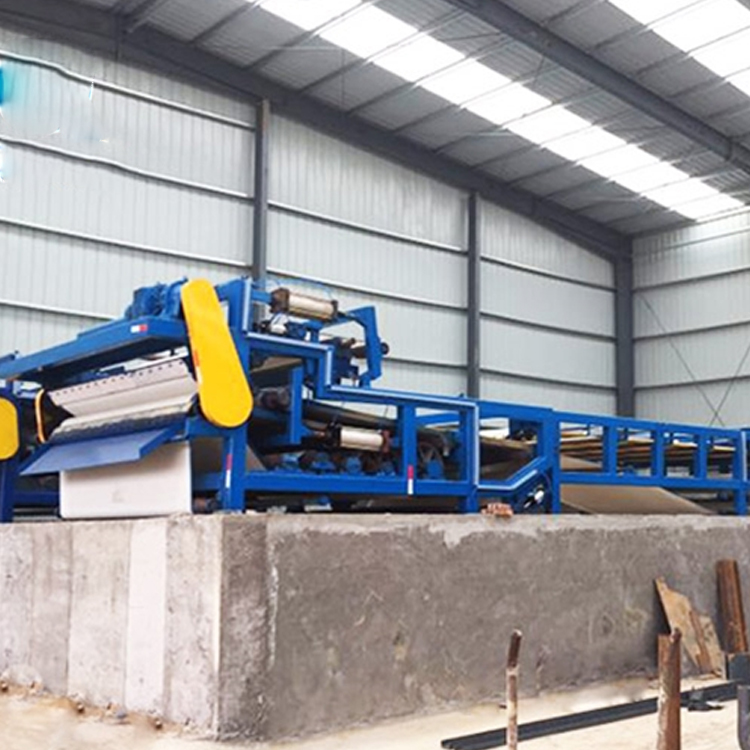
2. Less sludge produced, with sludge from each stage capable of being recycled and digested; sludge is periodically extracted.
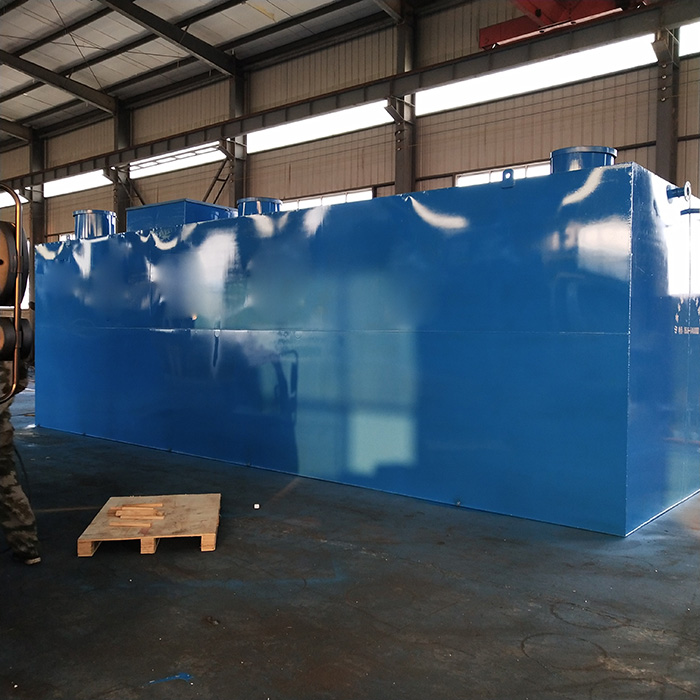
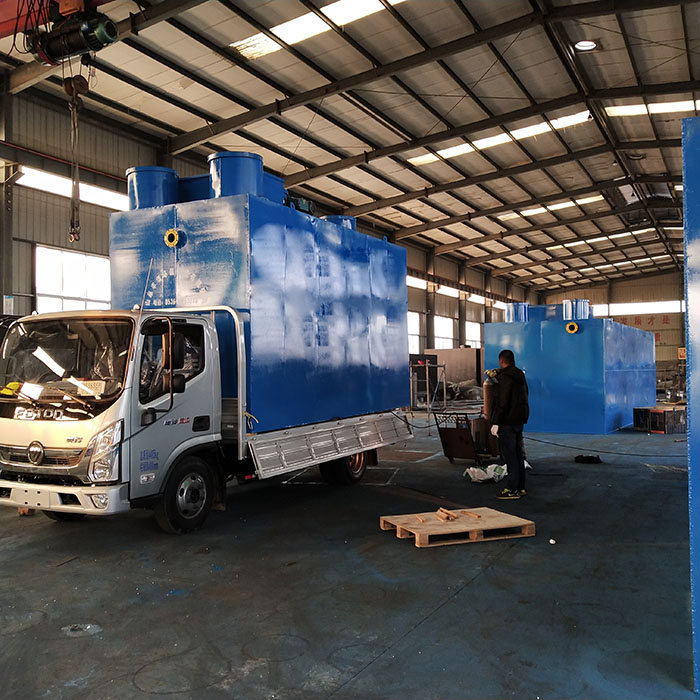
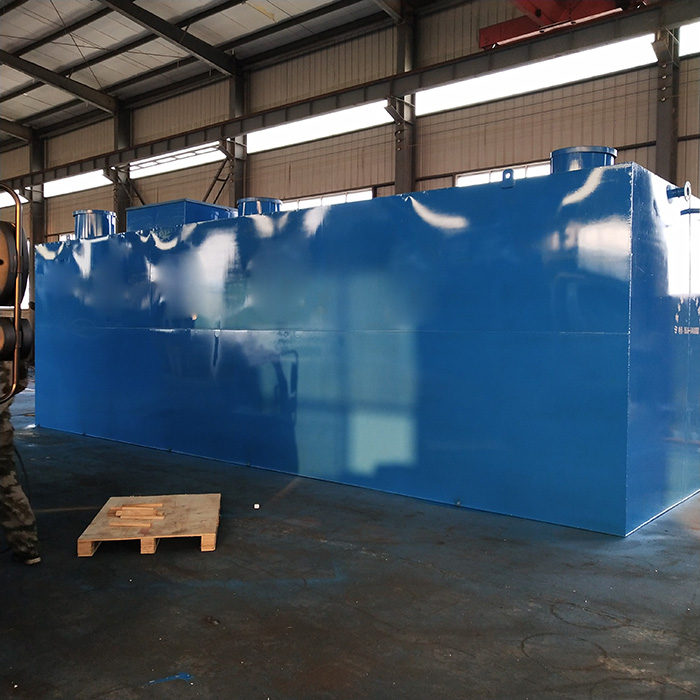
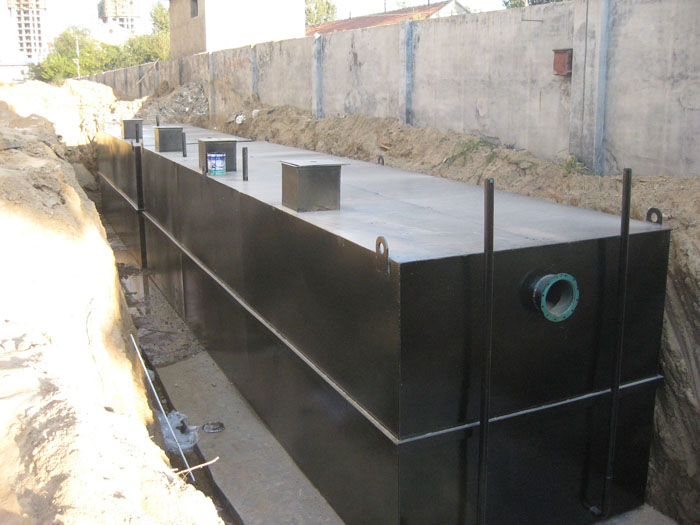
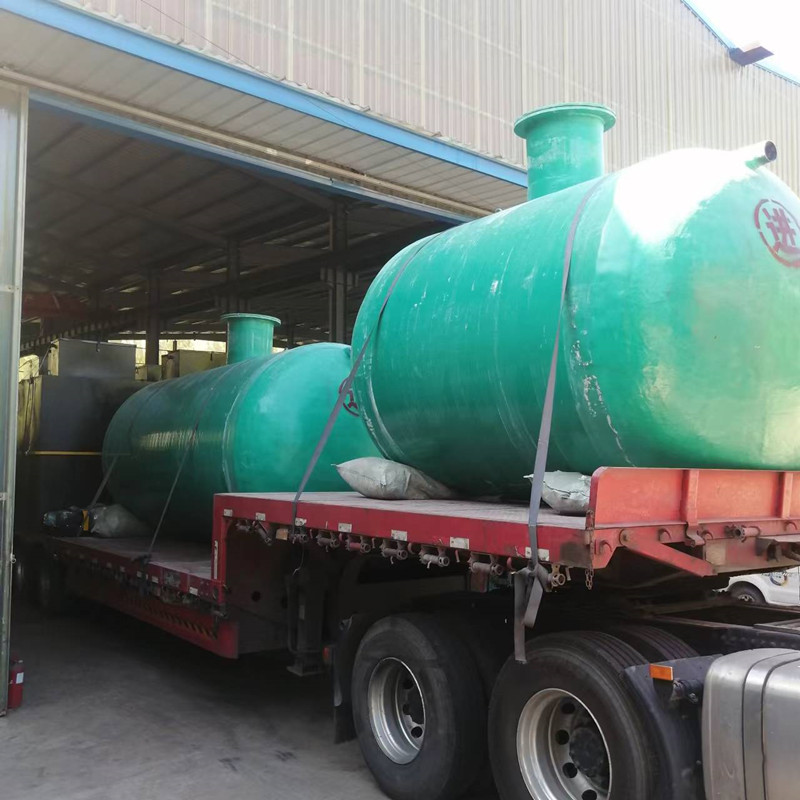
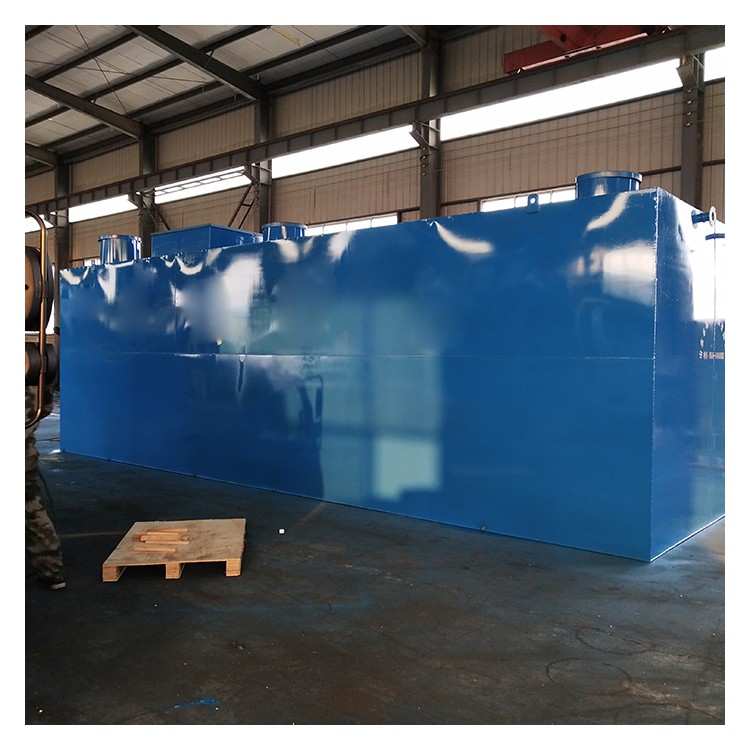
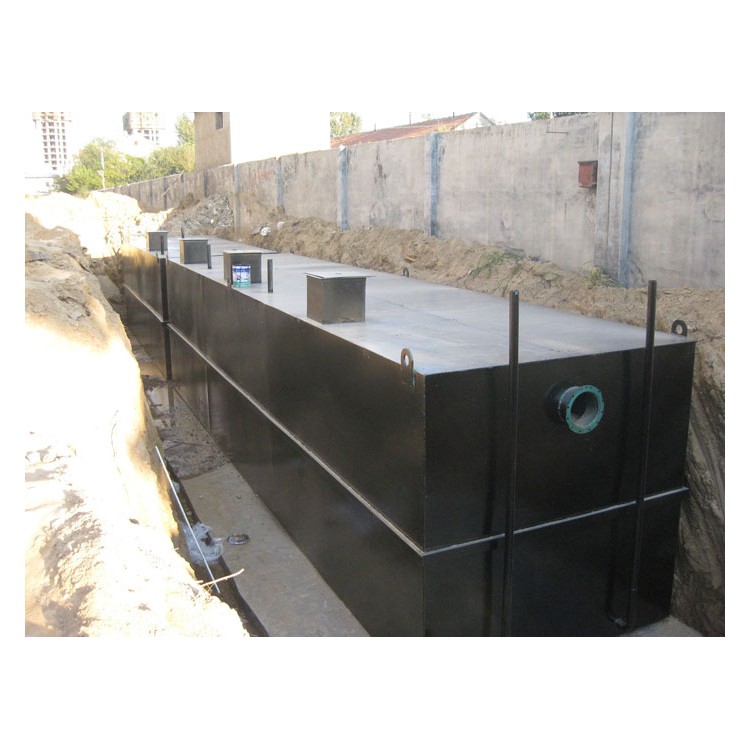
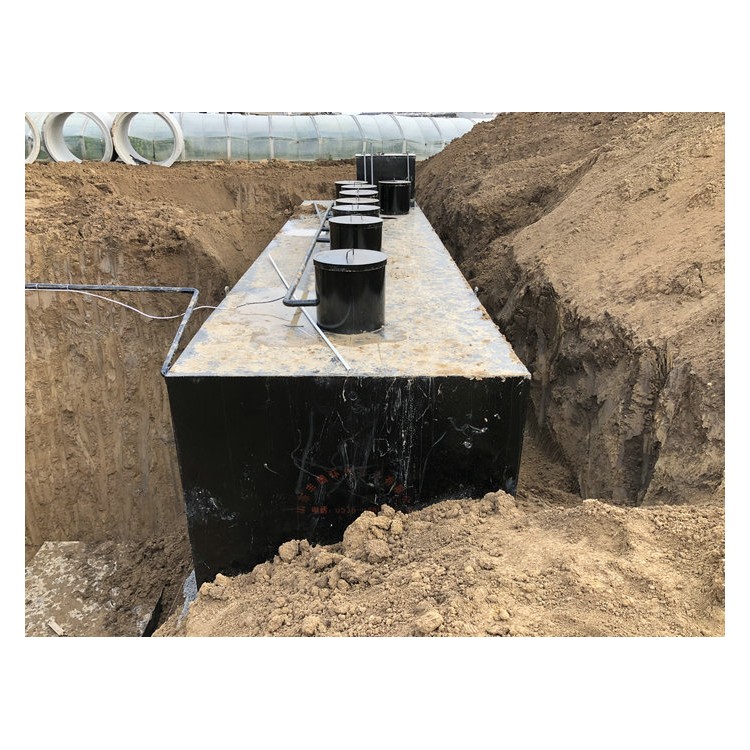
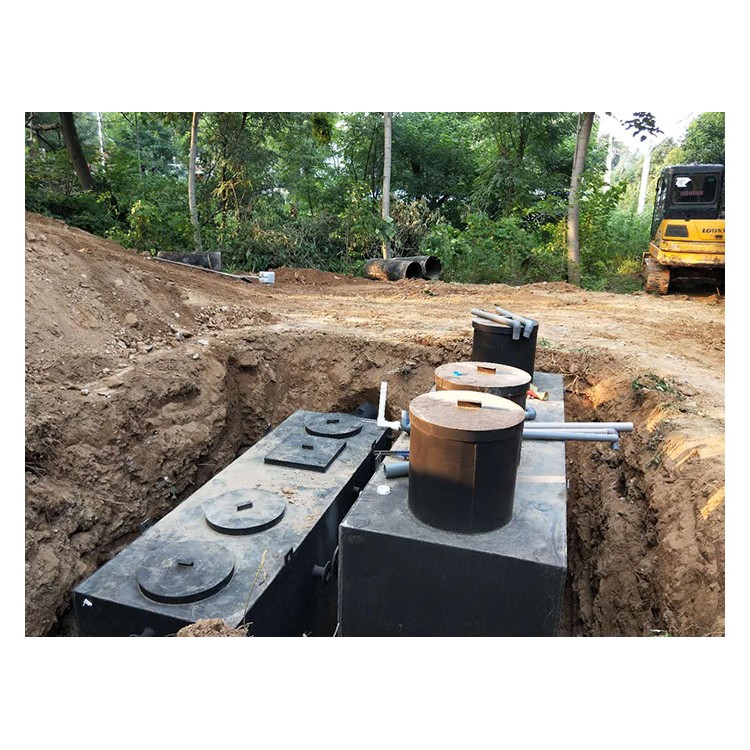
3. The production process can be integrated seamlessly, and can be designed underground as an underground installation. Above ground, parking lots or green lawns can be constructed to enhance the surrounding environment.
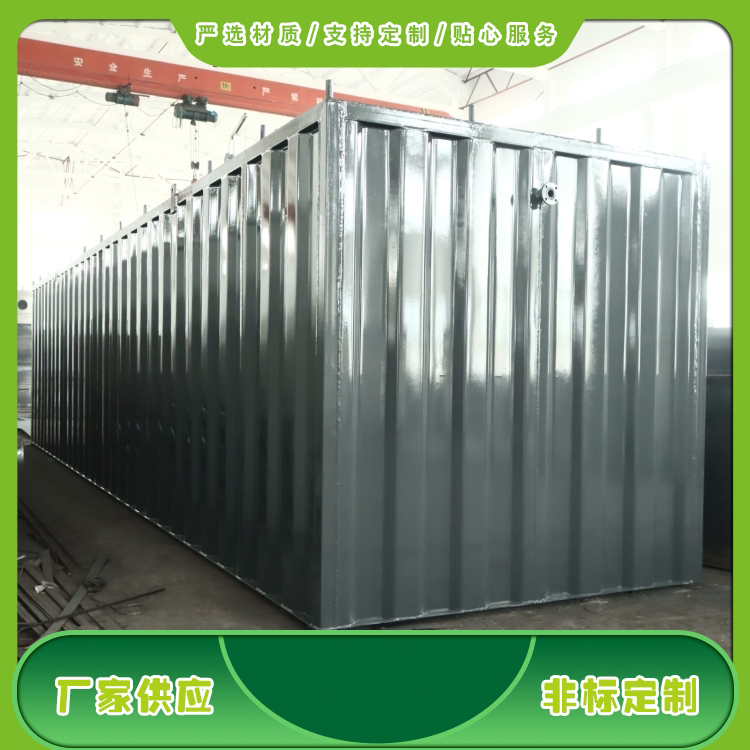
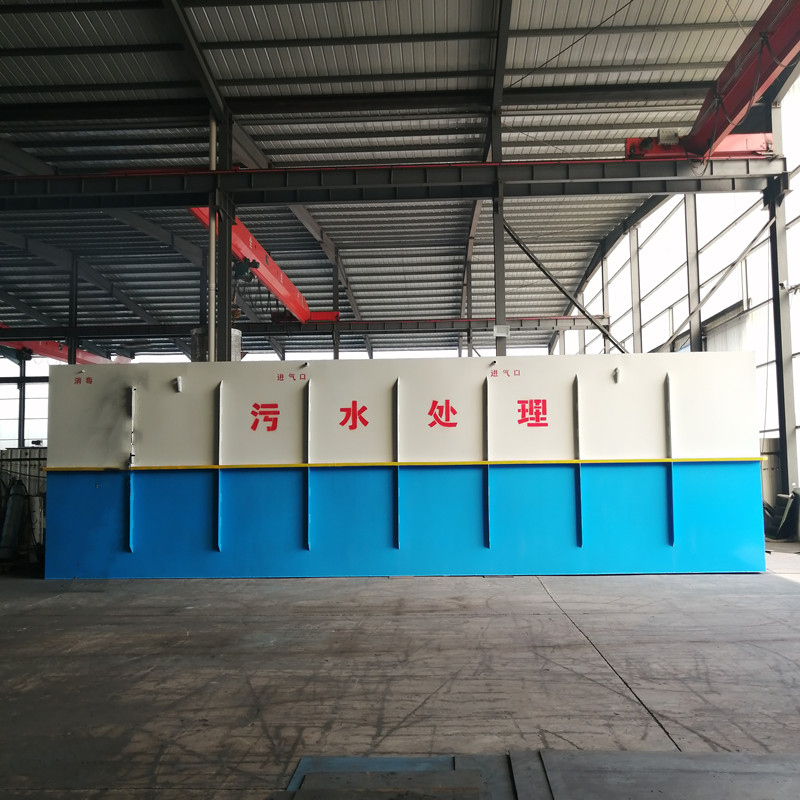
4. The complete set of equipment is highly automated, with fans, pumps, and other equipment operating autonomously in the system, reducing the workload for operation. Effective measures are taken to minimize noise and odors, ensuring no impact on the surrounding environment.
5. The outflow can be reused after undergoing deep treatment.
Processed Effect
The wastewater treatment system designed for our hotel has good effluent quality, with the main water quality indicators meeting the discharge standards. It effectively adapts to fluctuating influent water quality, and the effluent can reach the standards of "Urban Sewage Treatment Plant Pollutant Discharge Standards (GB18918-2002)." It has effectively addressed the issue of effluent color not meeting the standards. Based on actual requirements and design technology, a combination of hydrolysis acidification and biological contact oxidation methods is adopted to improve water quality, meet effluent standards, and ensure the long-term stable operation of the wastewater treatment system.