








Raising Factory Wastewater Treatment Characteristics and Challenges
Agricultural wastewater contains a high concentration of pollutants. If not treated and discharged directly, it will severely contaminate surface water bodies, cause eutrophication in receiving waters, and damage soil, groundwater, and agricultural ecosystems. Under anaerobic conditions, livestock and poultry wastewater can also produce a large amount of foul-smelling gases.
Solutions & Technological Processes
Poultry and livestock wastewater primarily consists of urine, some feces, and washing water from the farm sheds, posing significant challenges in waste treatment. Its characteristics are mainly as follows:
1. The organic pollution is predominant, with biochemical oxygen demand, ammonia nitrogen, and solid suspended matter all significantly exceeding the national emission standards.
2. Good biodegradability, but high concentrations of organic matter are not easily decomposable.
3. Water quality and quantity vary greatly, exhibiting seasonal changes and a fishy odor.
| Conclusion
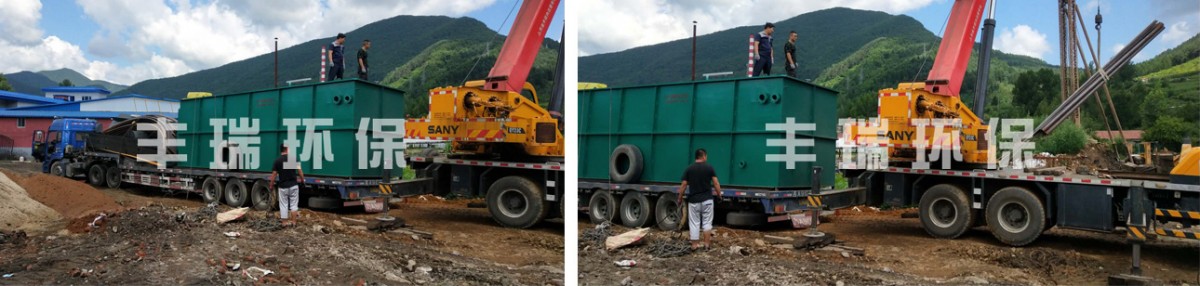
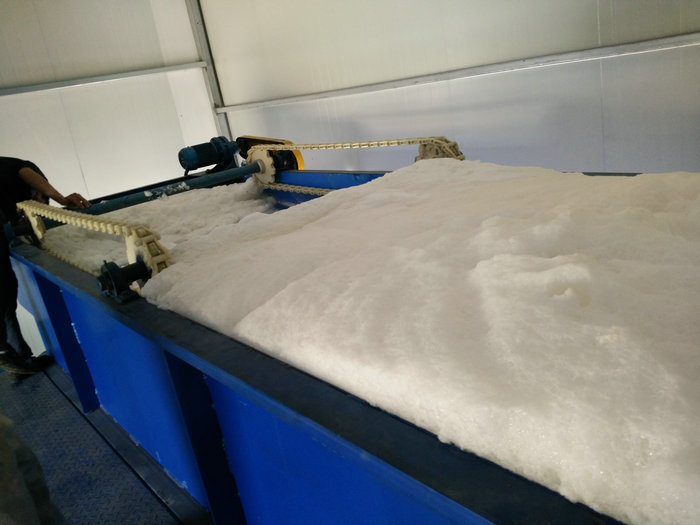
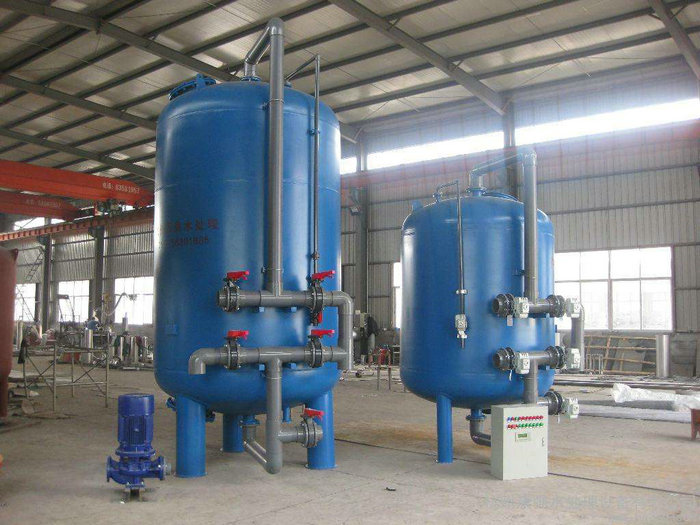
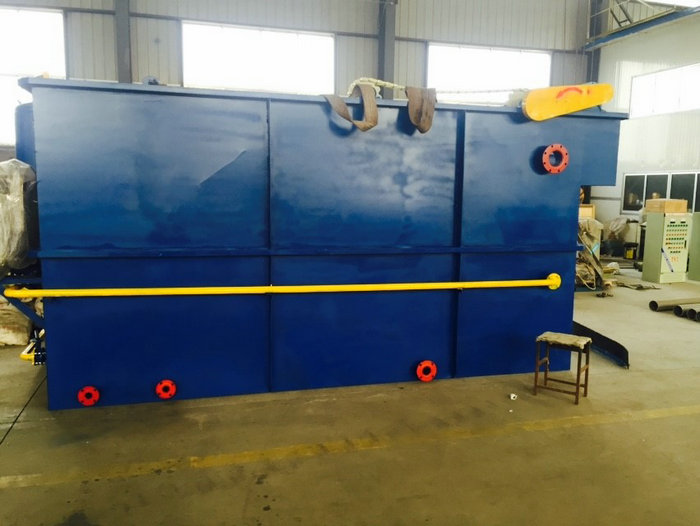
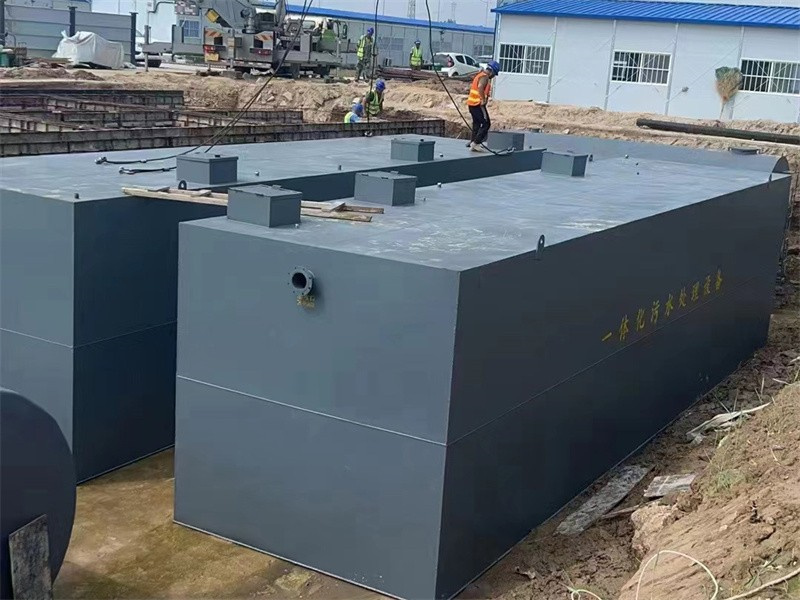
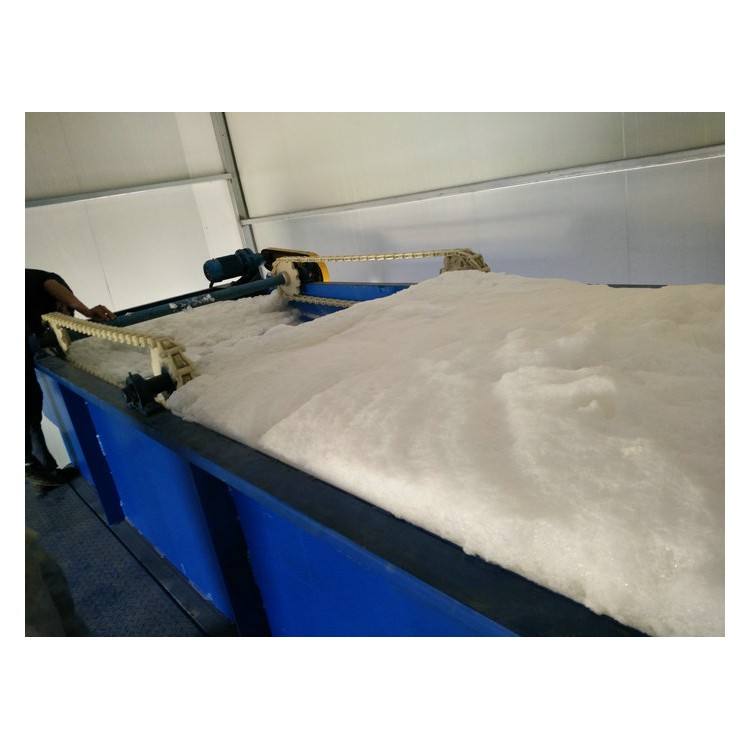
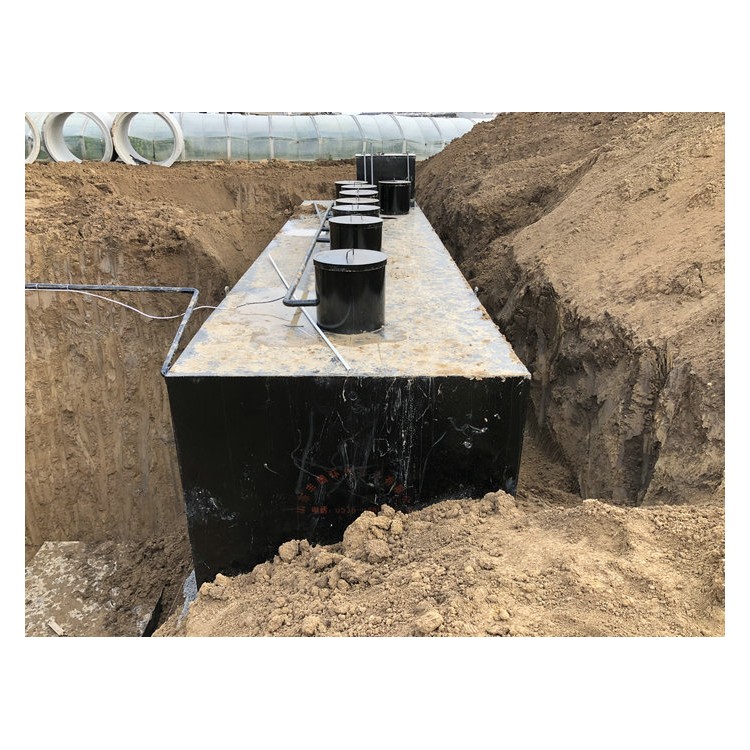
(1) The aquaculture farm uses a "pretreatment + anaerobic treatment + aerobic treatment + biochemical treatment" process, offering excellent treatment results with low equipment investment. Additional disinfection and strengthening of the effluent further enhances its quality, ensuring all effluent parameters meet discharge standard requirements.
(2) During the winter operation of this project, the water volume entering the reaction system is smaller (50 m3/day), but the water temperature is lower. Appropriate measures must be taken to ensure the normal operation of the anaerobic reactor. A hot water coil can be installed inside the anaerobic reactor for heating, which can supplement the heat for the anaerobic reactor during cold seasons, ensuring the water temperature within the reactor.
Processed effect
The wastewater treatment system designed for this breeding farm has good effluent water quality. The main water quality indicators meet the discharge standards and can effectively adapt to fluctuating influent water quality. The effluent can achieve the "Poultry and Livestock Farming Wastewater Discharge Standard" (GB18596-2001). It effectively addresses the reality of a high concentration of organic matter, nitrogen, and phosphorus in the duck droppings and wastewater, with solid-liquid mixtures, frequent disinfectant water, heavy metal residues, and various pollutants. Based on the actual requirements and design process, the adopted "pretreatment + anaerobic treatment + aerobic treatment + biochemical treatment" process is employed to improve water quality, meet effluent standards, and ensure the long-term stable operation of the wastewater treatment system.