

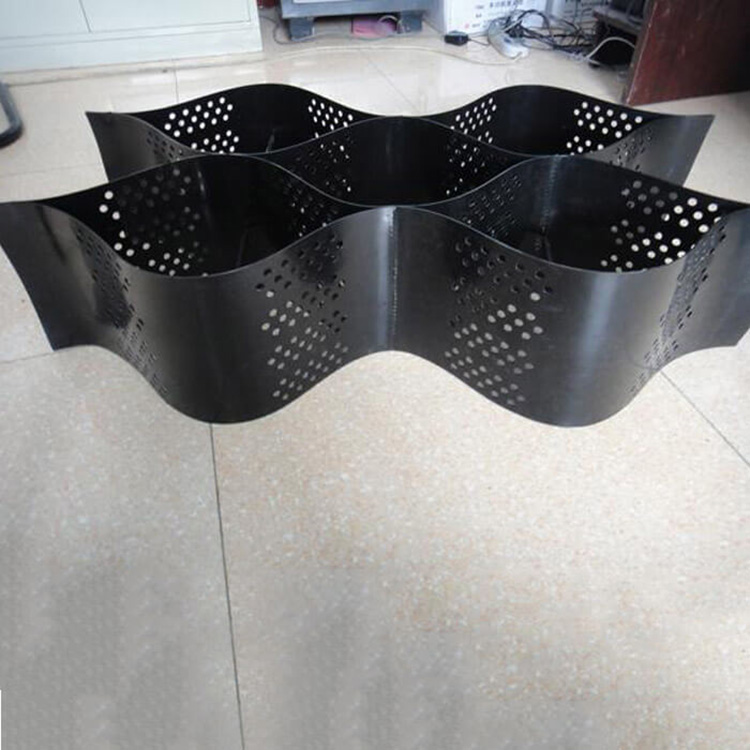







Fushun 10cm Slope Protection Geocell Manufacturer's Quotation - Slope Protection Geocell, Geocell Manufacturer
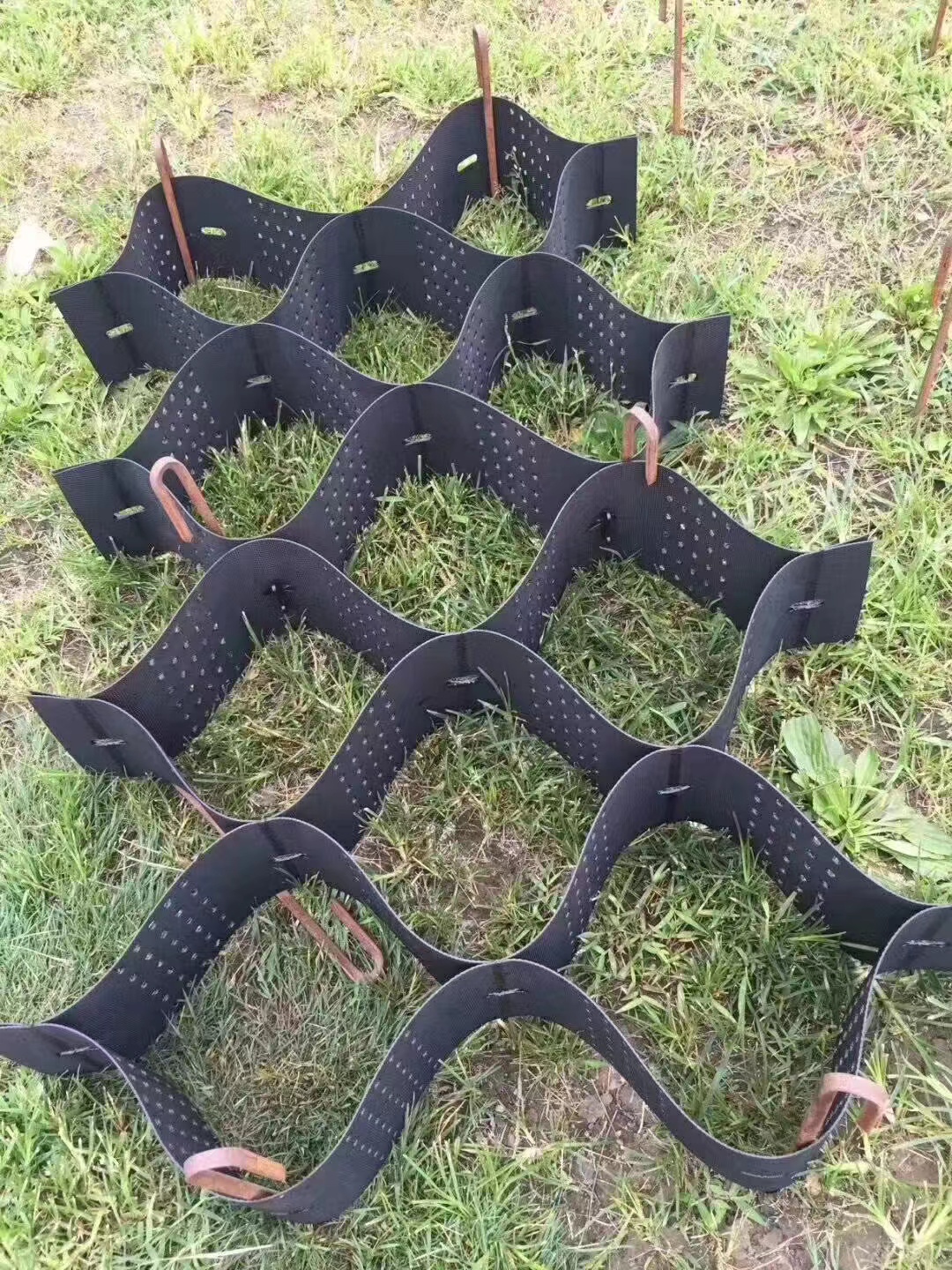
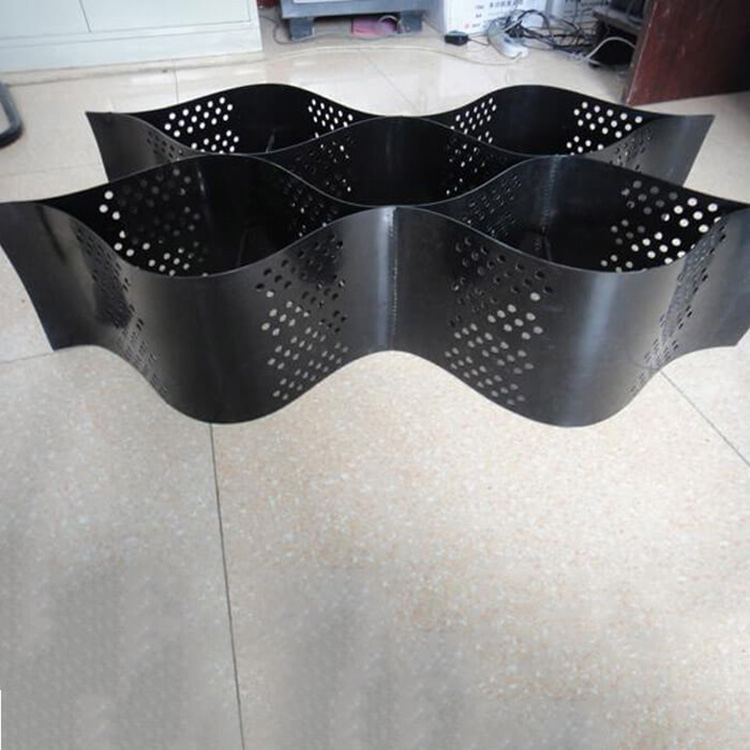
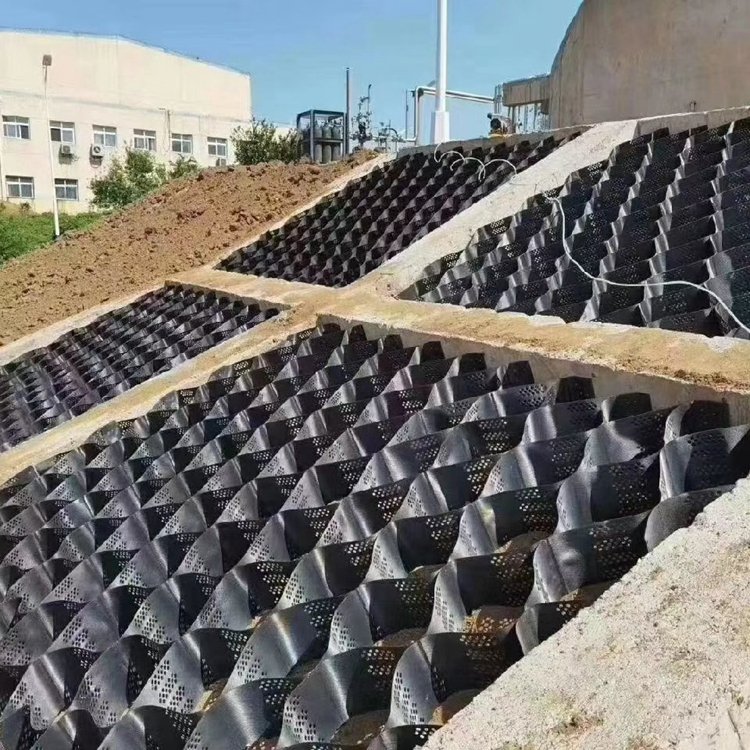
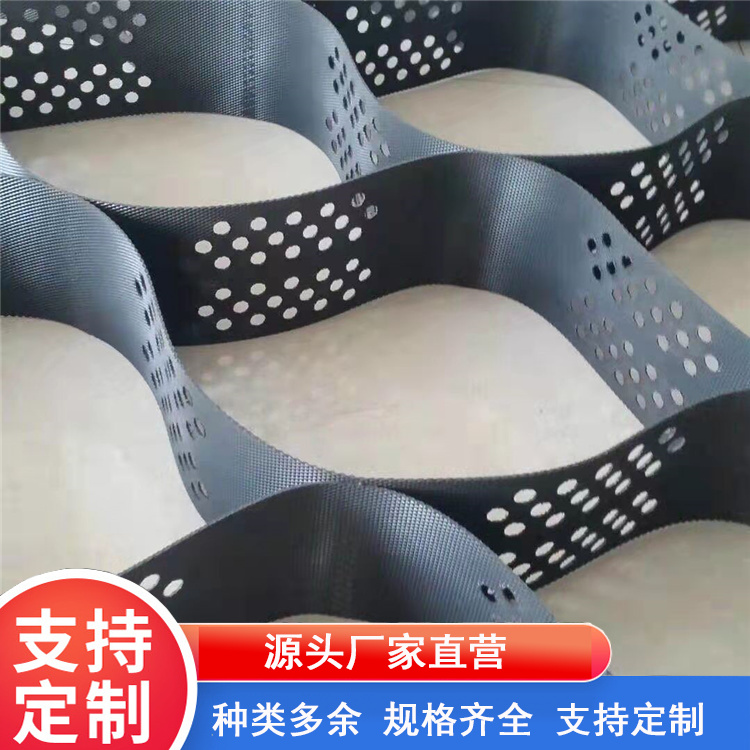
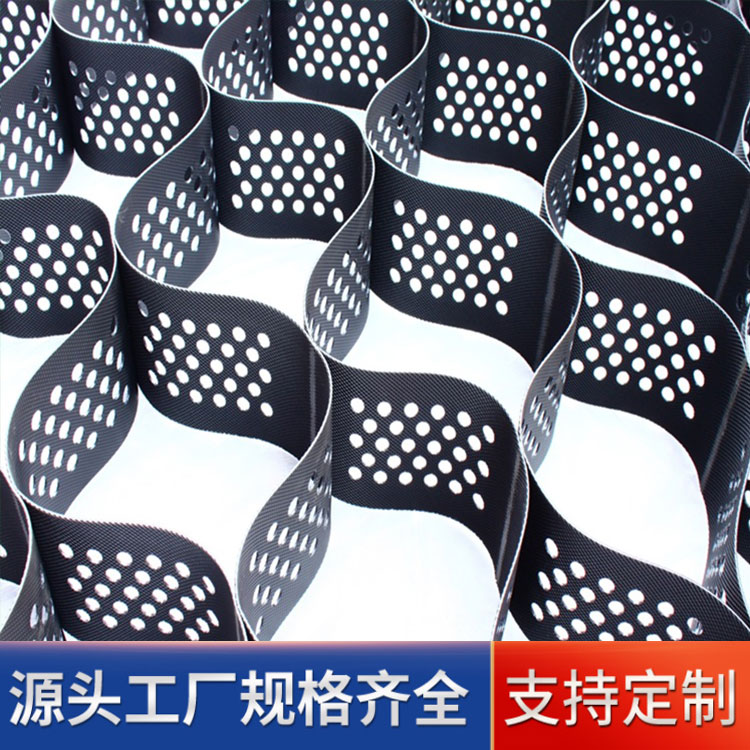
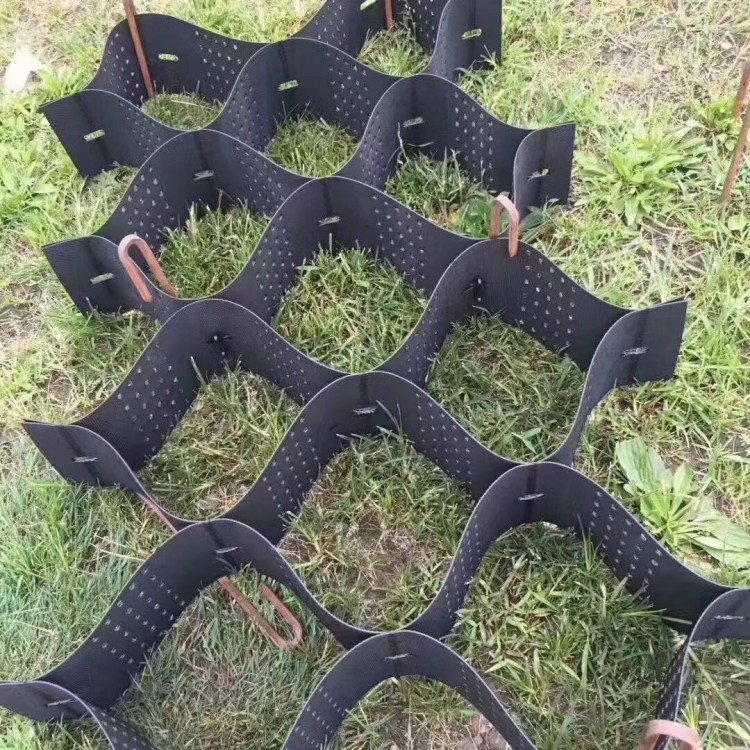
Flexible and compact for transportation, easy to connect, and fast to install. In other words, once the load is applied to the subgrade, an active area shaped like a keel forms beneath it. It then undergoes compression through a transition zone, causing the passive area to rise. That is to say, the shear force along the slip line and the forces acting on the active, transition, and passive zones determine the bearing capacity of the foundation. Not only can the real process of the above principle be distinctly felt on sandy ground,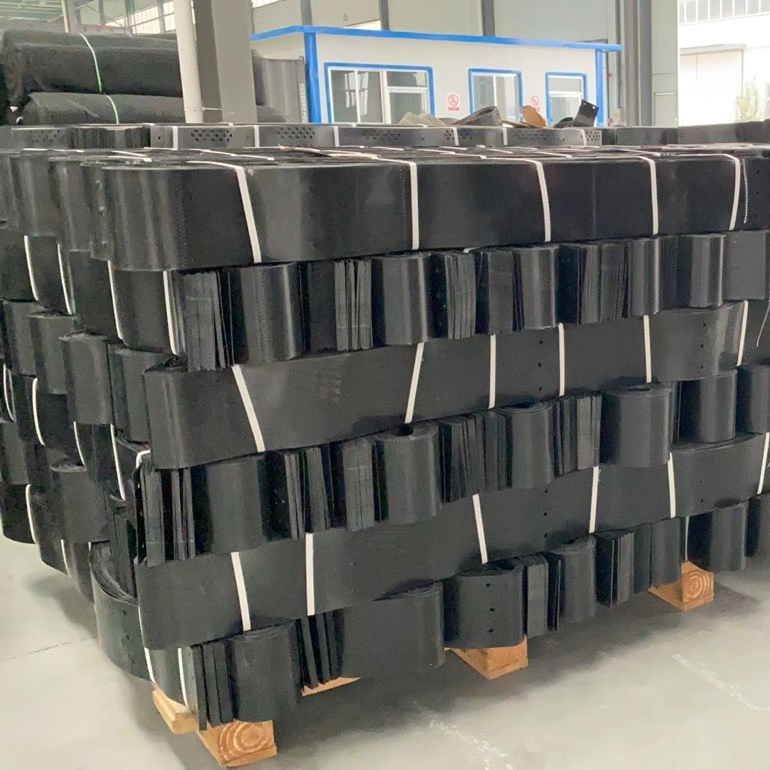 This type of sample can also be found on soft soil roads; why is that? The soil confinement chamber bearing condition illustration: Under the action of concentrated loads, the actively loaded area 1 still transmits the force to the transition area 2. However, due to the lateral restriction of the chamber walls, the reactive force from adjacent chambers, and the lateral resistance formed by the friction between the filling material and the chamber walls, the tendency for lateral movement in the transition area 2 and the passive area 3 is suppressed, thereby enhancing the bearing capacity of the roadbed. Tests have shown that under the restriction of the chambers, the apparent cohesion of medium-density sand can be increased by several tens of times.
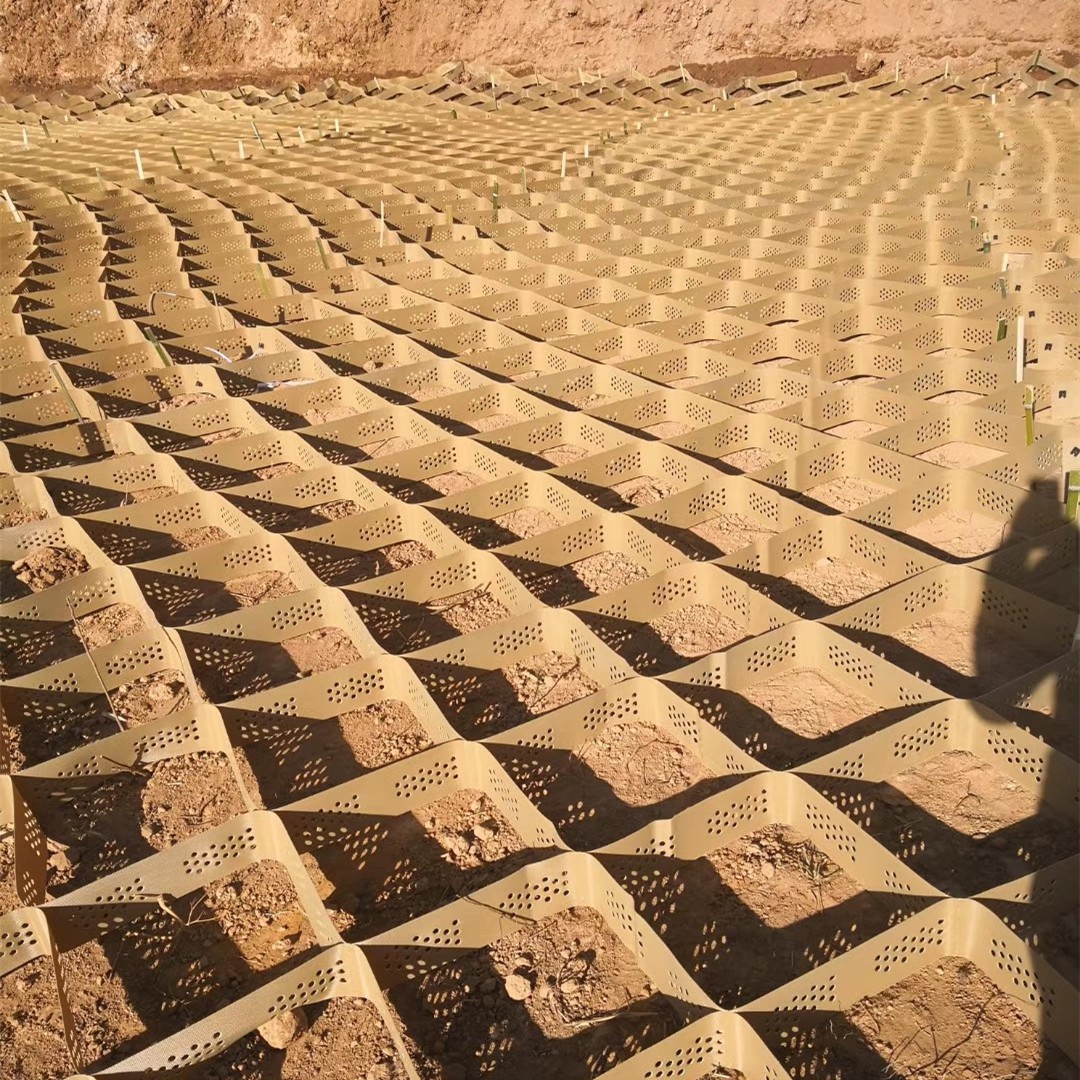 Clearly, increasing the shear resistance of subgrade materials or inhibiting the movement in three regions can enhance the bearing capacity of the foundation, which is the principle of geosynthetic cells. As a new type of synthetic material, geosynthetic cells have undergone extensive research and development in countries like Europe and America in the late 1980s and early 1990s. Field trials and applications have proven their effectiveness in enhancing the capacity of general fill soils to withstand dynamic loads and in protecting subgrades. However, the rate at which they form is slower compared to changes in sand.
 Even with better subgrade materials, lateral movement is still unavoidable. Generally, the subgrade of expressways is several meters above ground, making it less prone to water absorption and heaving, but long-term settlement remains a concern. The reasons include rainwater infiltration, material loss, and ground subsidence. Undeniably, the lateral displacement of materials towards the sides of the subgrade cross-section under the long-term load and vibration of vehicle wheels is another crucial factor. Taking our province's various levels of roads as an example, it is clearly noticeable on the main traffic lanes that the road surface has been compressed into an "S"-shaped groove.