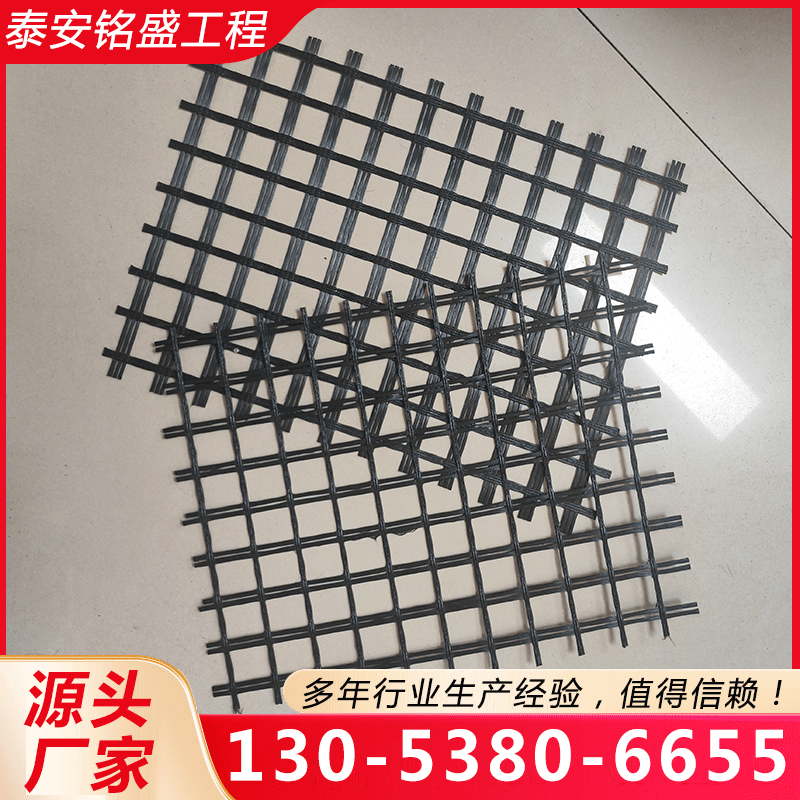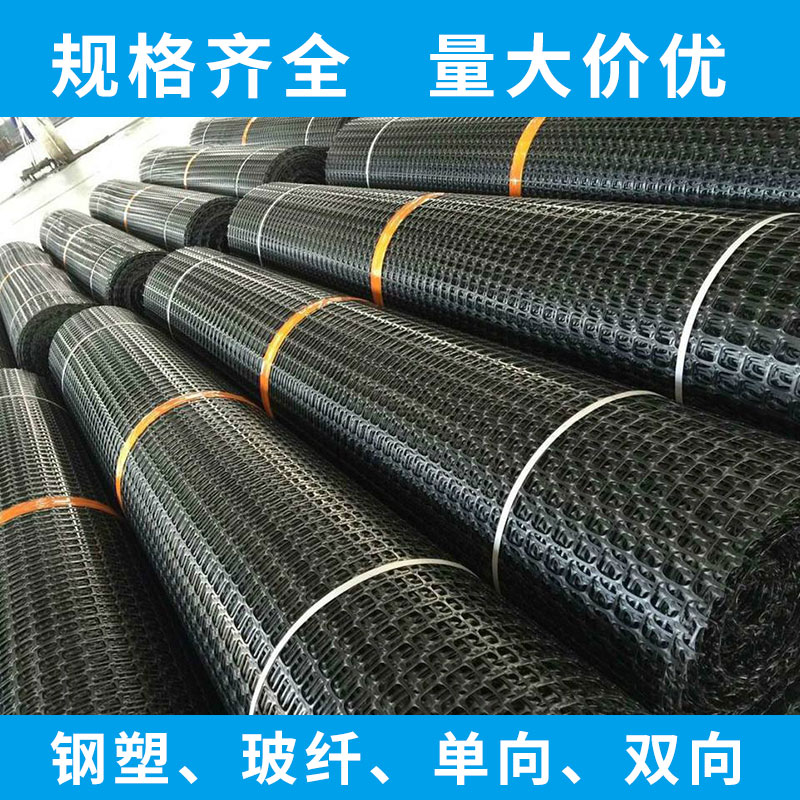







Yiyang self-adhesive glass fiber grid manufacturer's price, self-adhesive glass fiber grid, road glass fiber grid, asphalt glass fiber grid, glass fiber grid price
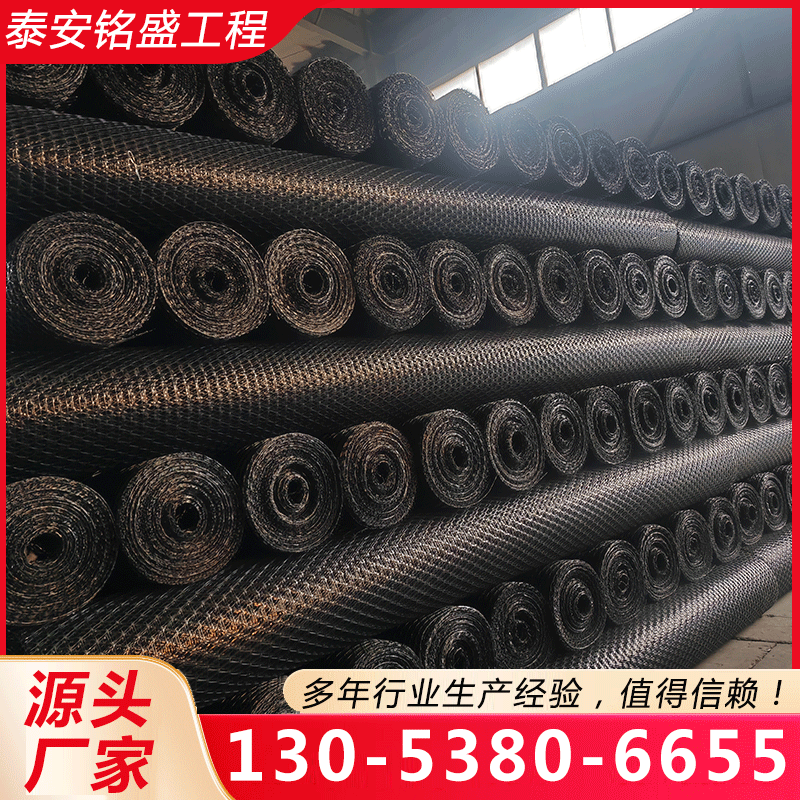
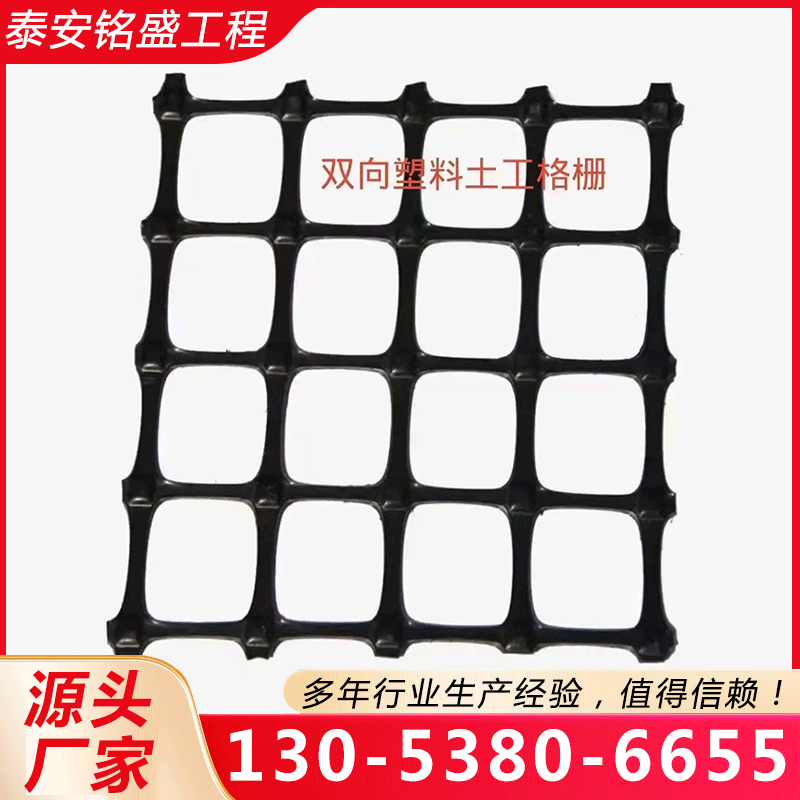
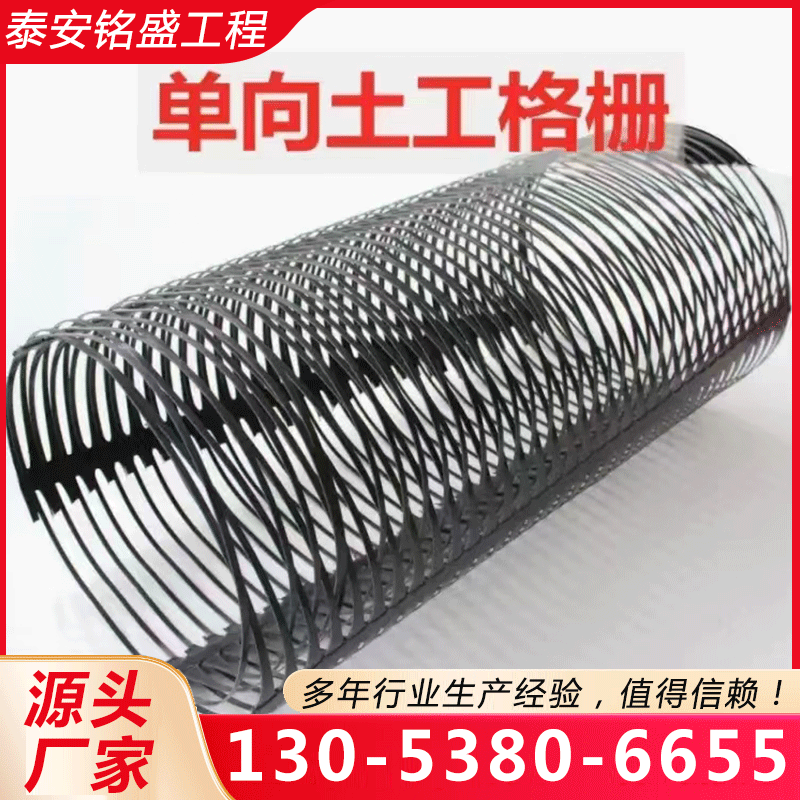
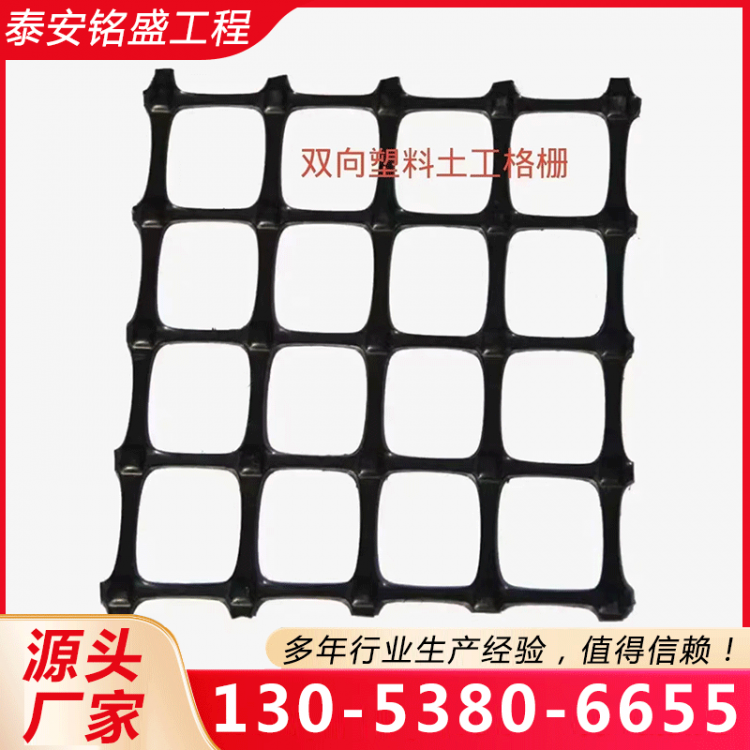
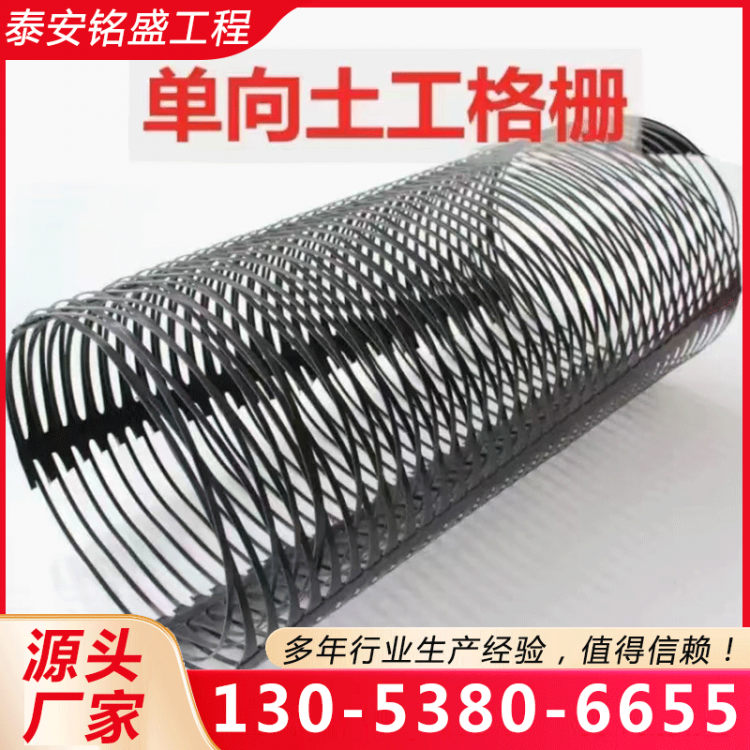
Polymers formed into square or rectangular mesh through stretching can be either unidirectional or bidirectional stretched, depending on the stretching direction during manufacturing. They are perforated on polymer sheets (typically made from polyethylene or high-density polyethylene) after extrusion. Then, directional stretching is performed under heating conditions. Single-directionally stretched geogrids are stretched only along the length of the sheet; bidirectionally stretched geogrids are further stretched perpendicular to their length. Due to the polymer's high molecular reorientation during the heating and extension process in the manufacturing of plastic geogrids, the intermolecular chain bonding is strengthened, achieving the purpose of increasing its strength. Its elongation rate is only 10% to 15% of the original sheet. Other additives are also added.
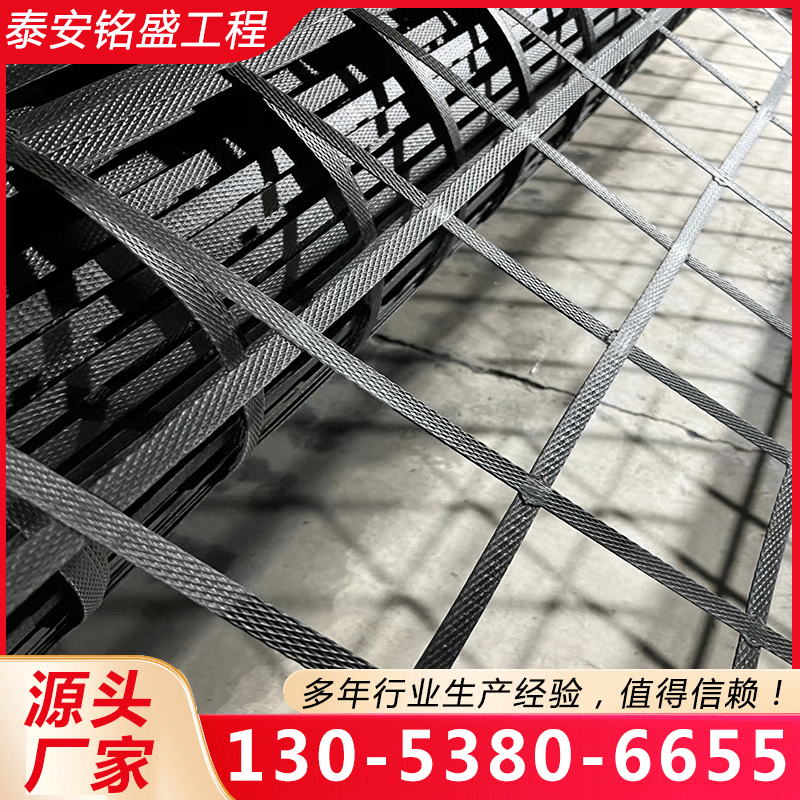
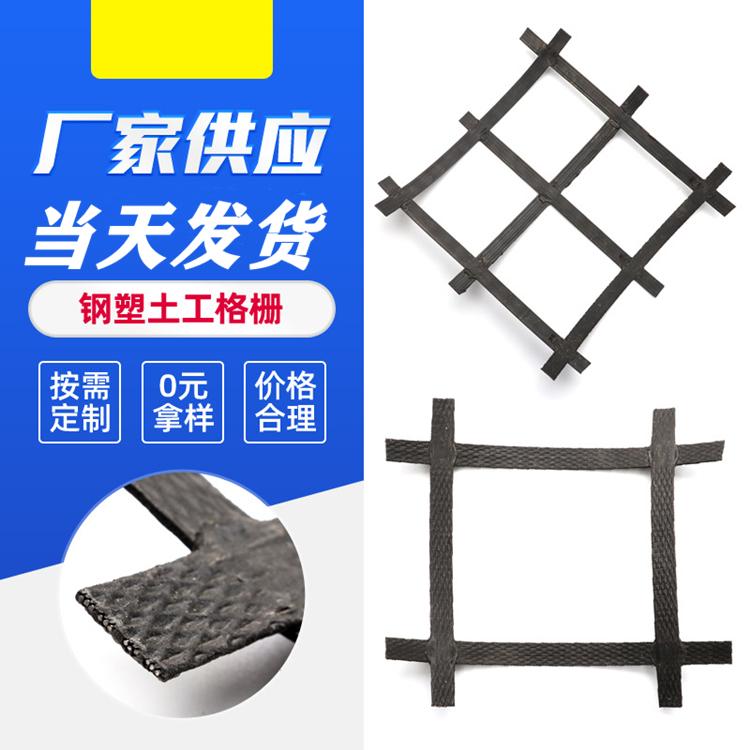
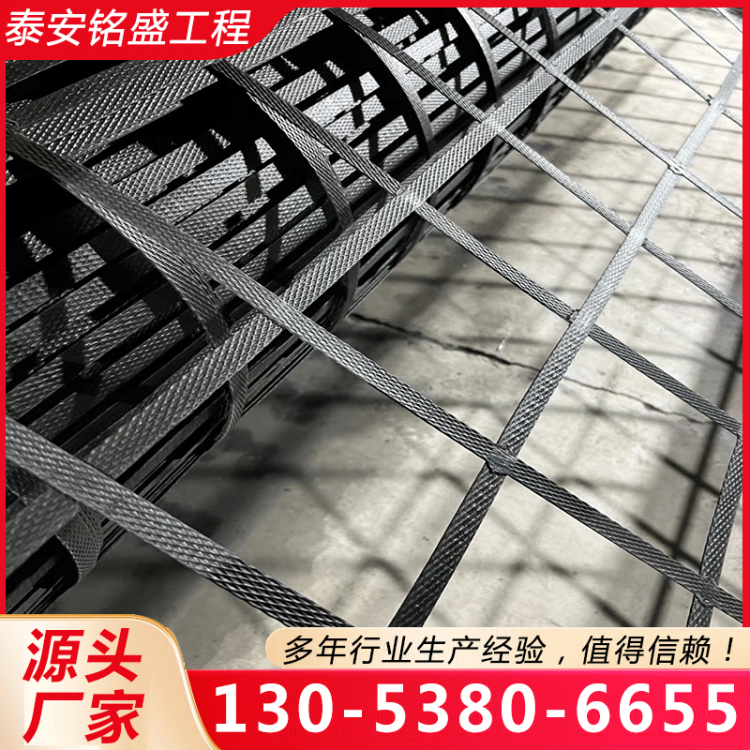
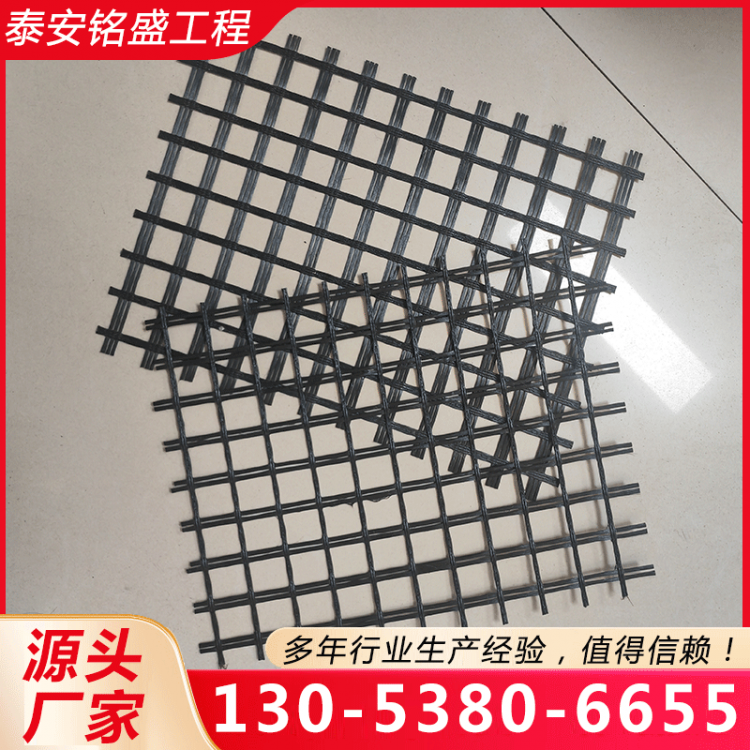
 Through extrusion, it becomes a composite high-tensile tensile tape with a rough embossed surface, known as a high-tensile reinforced geotextile tape. By weaving or interlacing a single strip longitudinally and transversely at certain intervals and then welding its junction points using special reinforced adhesive fusion technology, it forms a reinforced geotextile grid. Glass fiber geotextile grid is a mesh-like structural material made from glass fiber using a specific weaving technique. To protect the glass fiber and enhance overall performance, it is processed through a special coating technology, resulting in a geosynthetic composite material. Adding carbon black or other anti-aging materials to the geotextile grid can provide excellent acid, alkali, corrosion, and anti-aging resistance. Steel-plastic geotextile grid is made of high-tensile steel wire (or other fibers),
 Treated for special applications, the main components of the glass fiber, which is a primary constituent of polyethylene (PE), are silicon dioxide, an inorganic material with highly stable physical and chemical properties. It boasts high strength, high modulus of elasticity, excellent wear resistance, and superior cold resistance without long-term creep. Its thermal stability is good. The reticulated structure enhances the interlocking and restraint of aggregates, thereby improving the load-bearing capacity of asphalt mixtures. Coated with special modified asphalt, it exhibits dual composite properties, significantly enhancing the wear resistance and shear capacity of the geogrid.