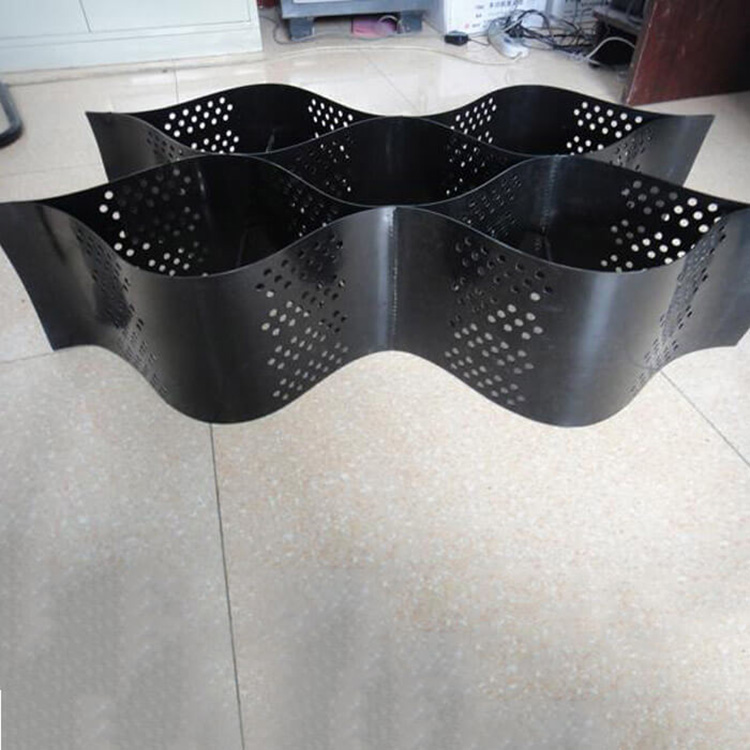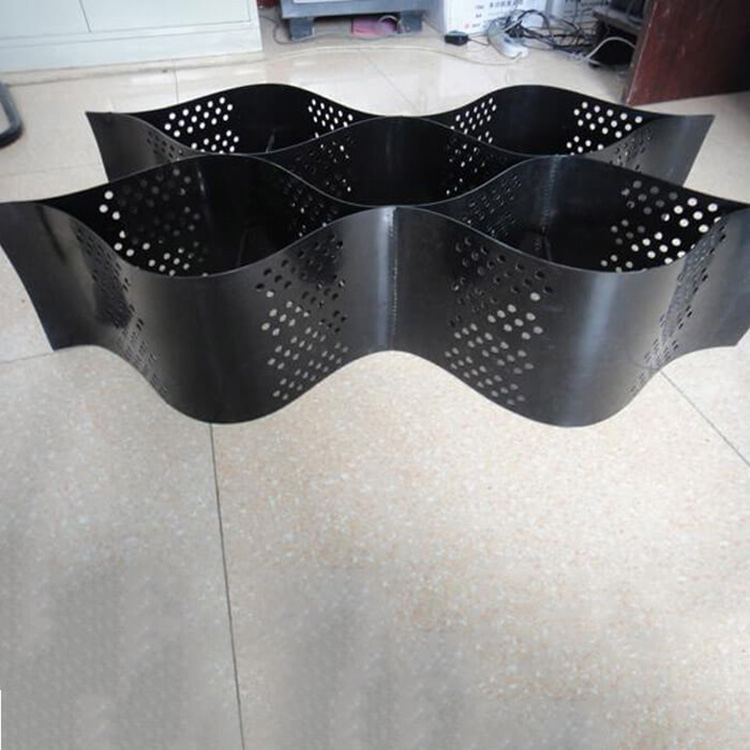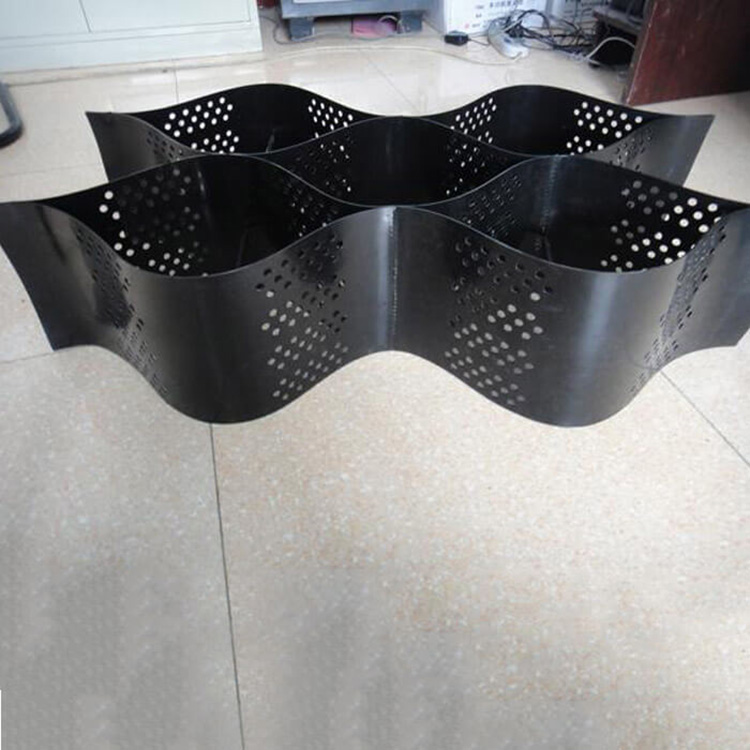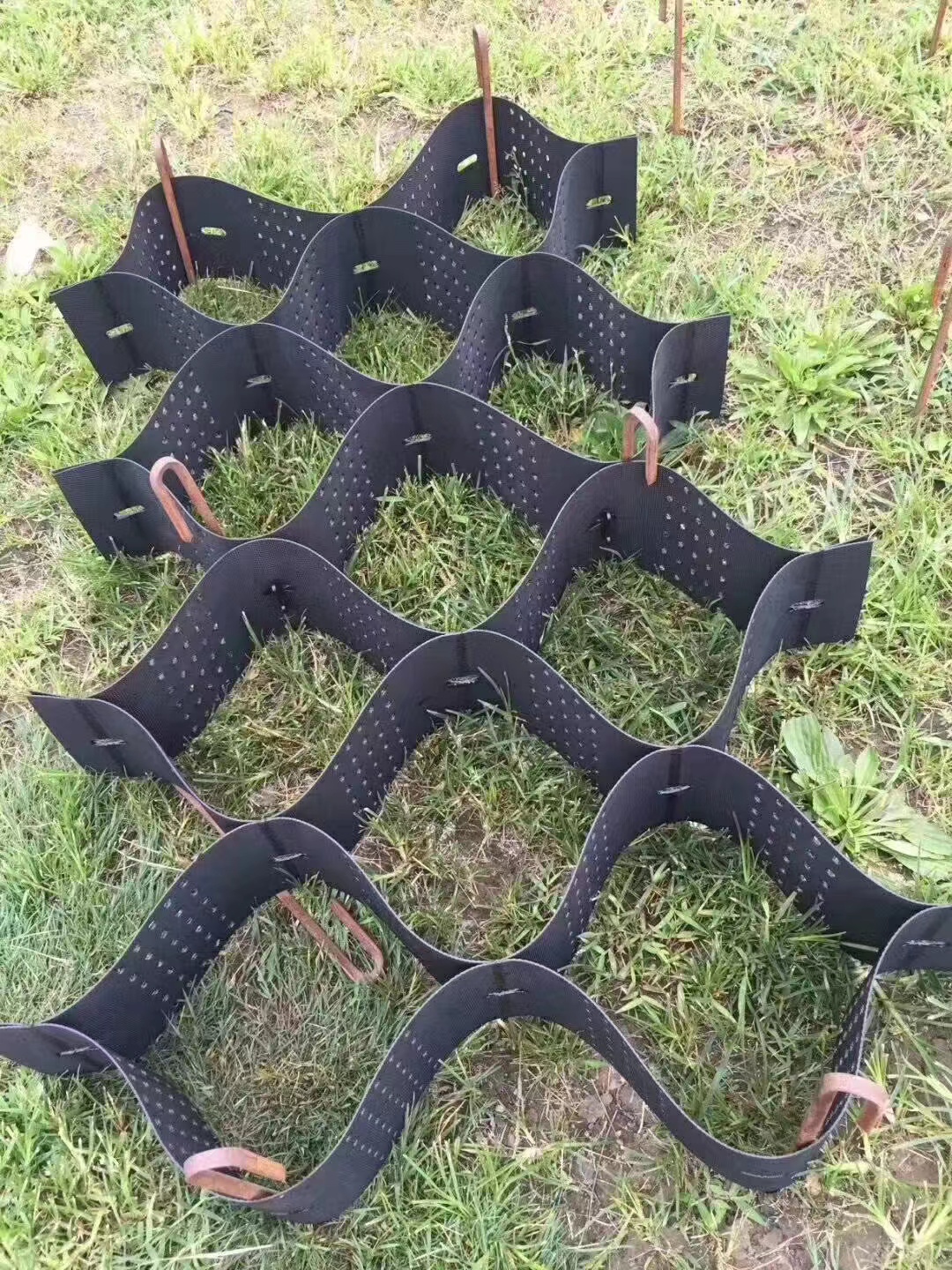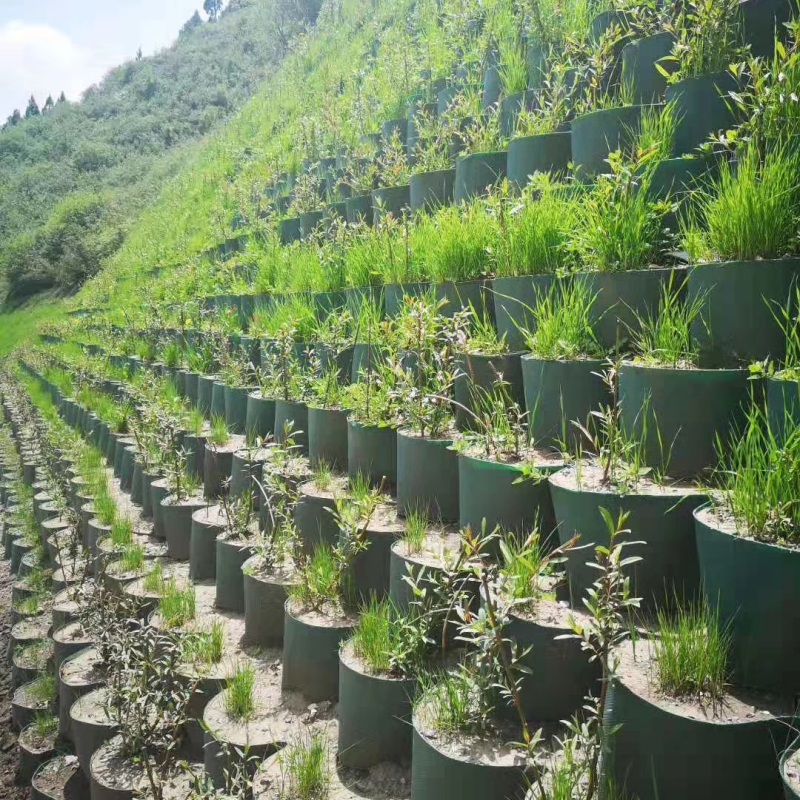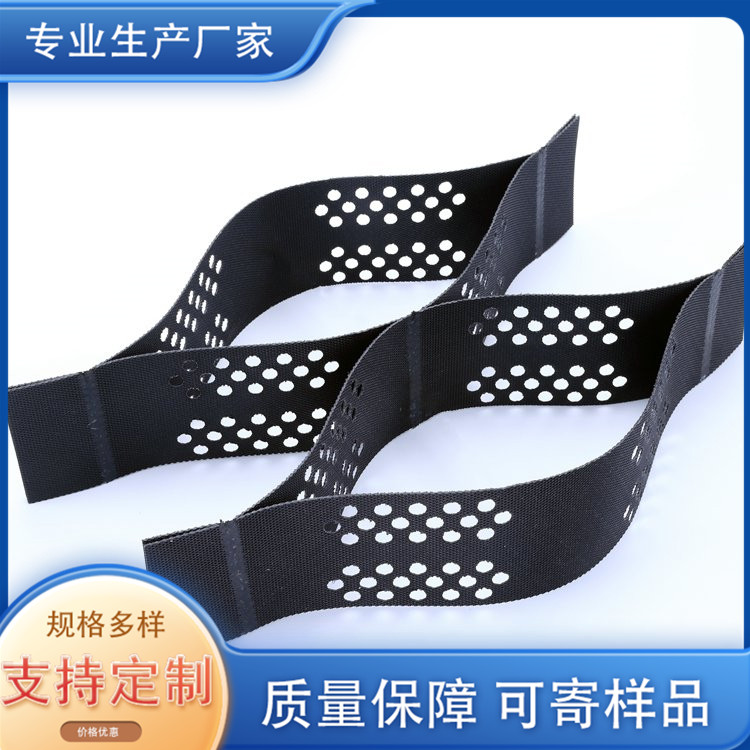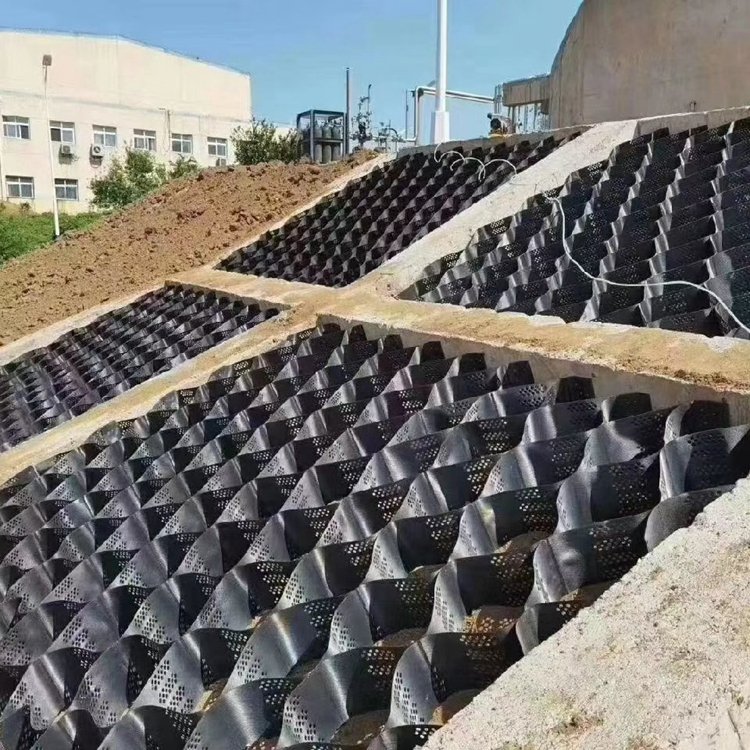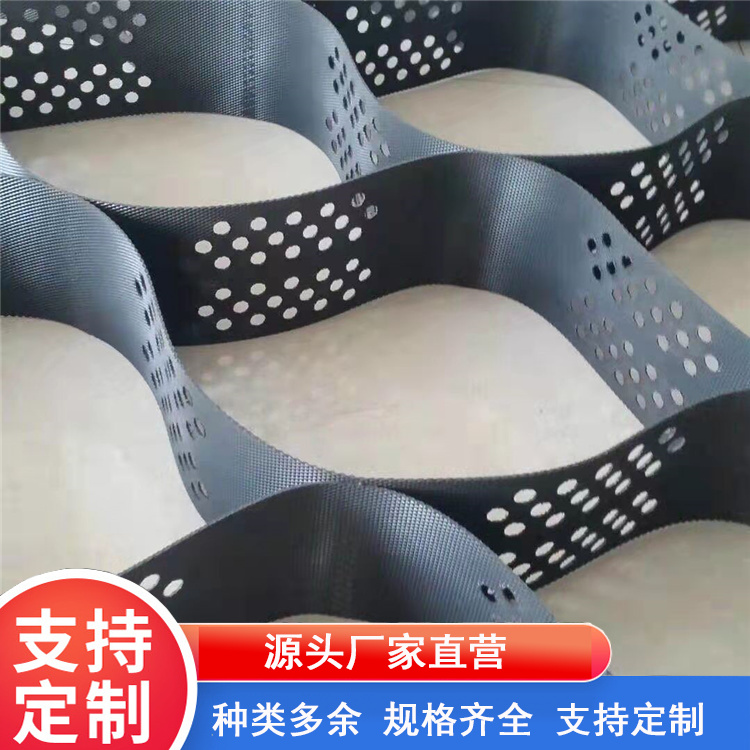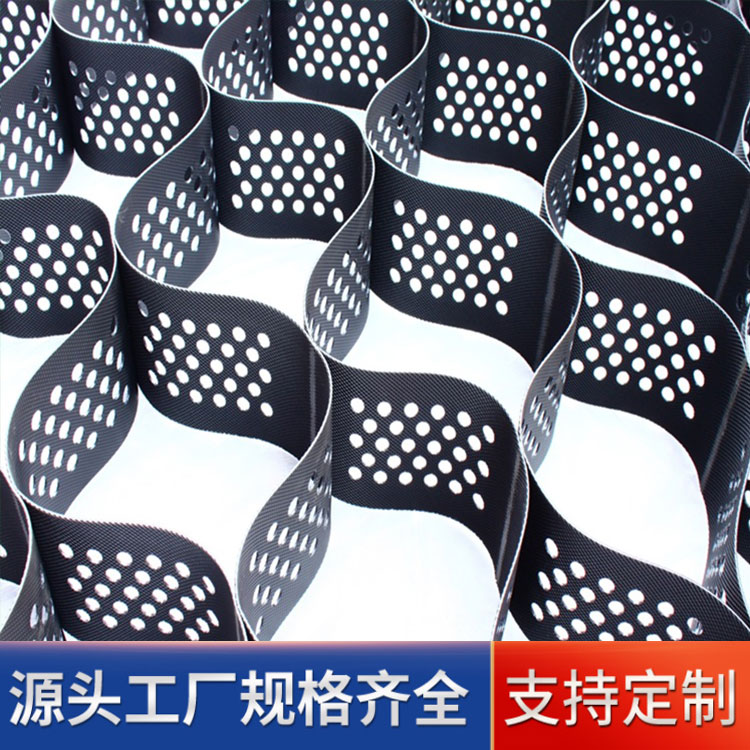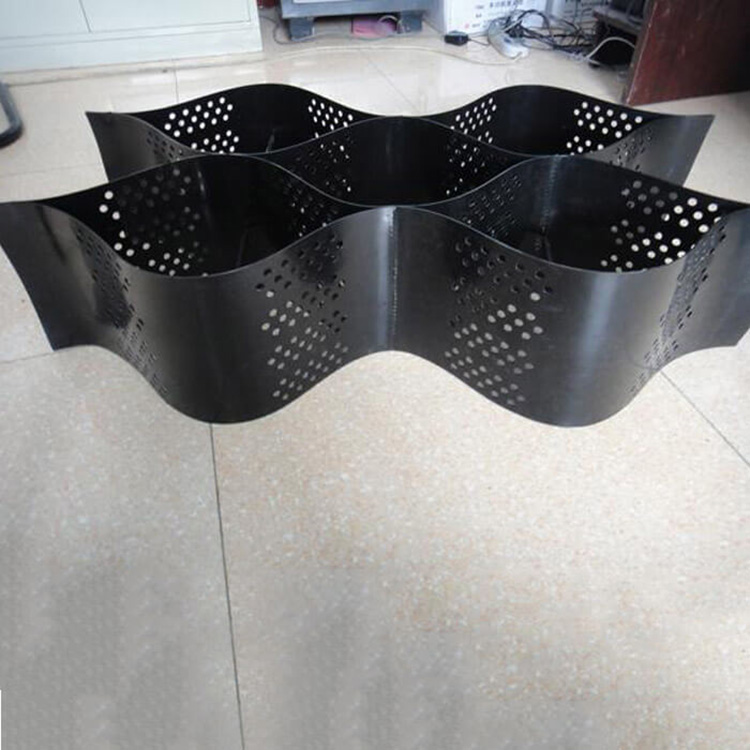


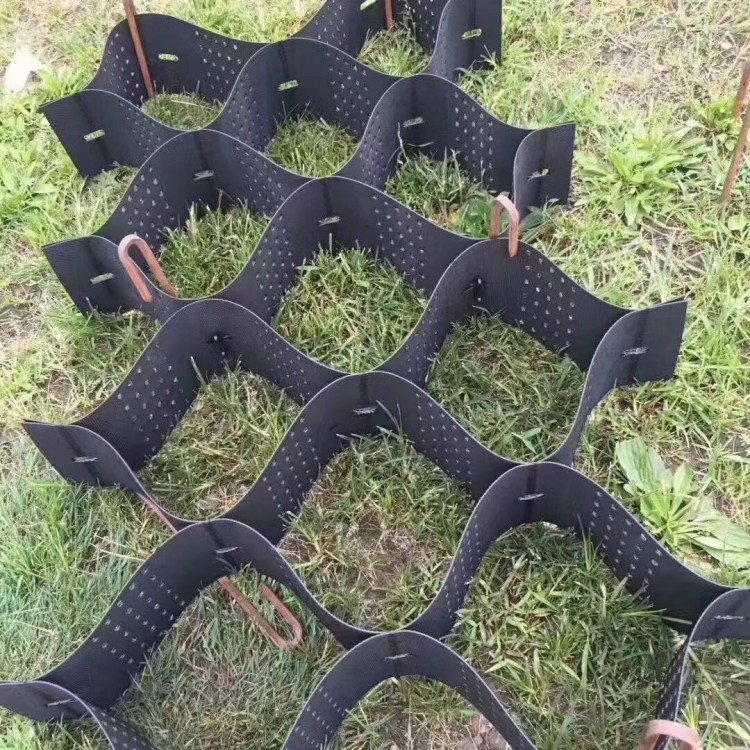







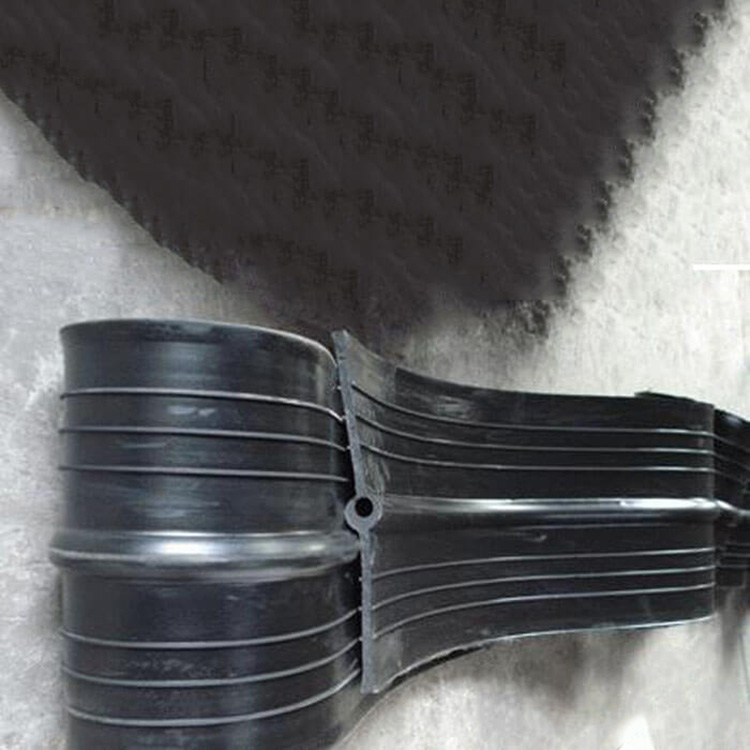
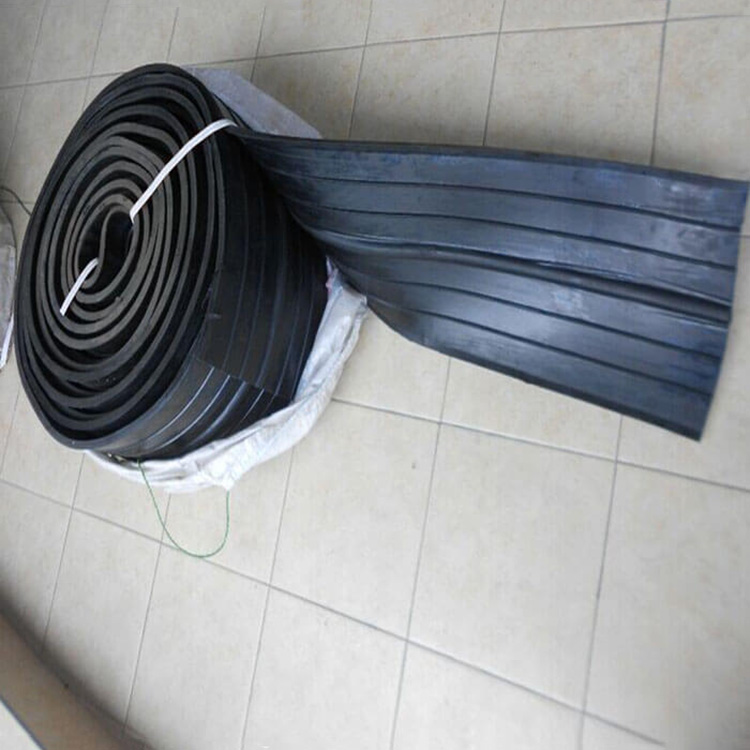
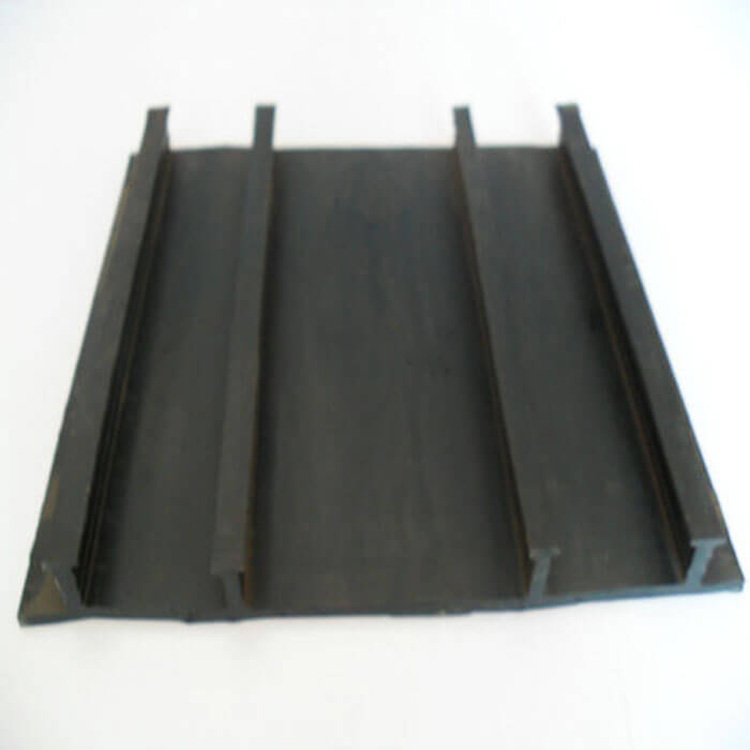
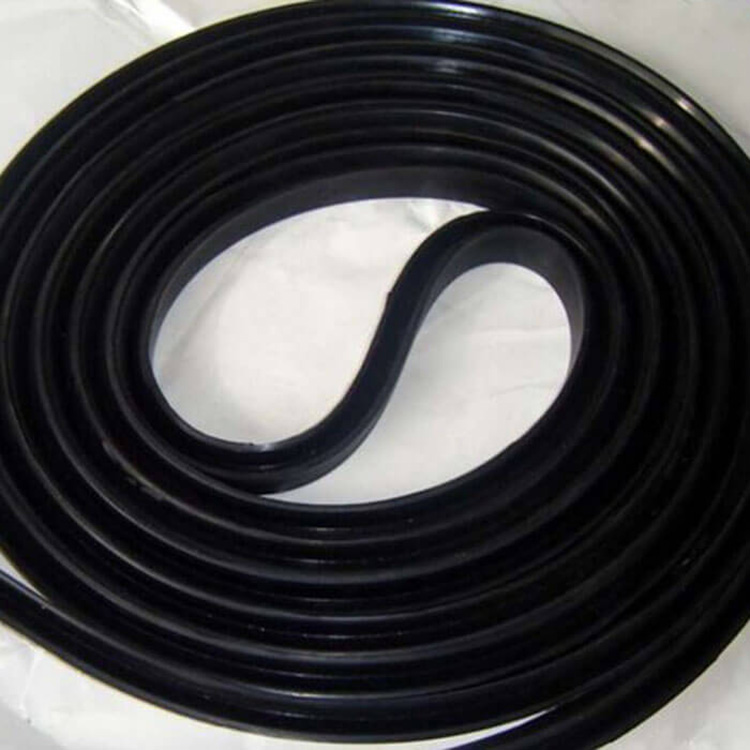
Geotextile cells are a three-dimensional meshed structure formed by high-strength HDPE sheets that are welded together with high-strength welding. Generally, they are assembled using ultrasonic needle welding. Depending on engineering requirements, some may be perforated on the film.
Features:
1. Features adjustable expansion, foldable for transportation, and can be stretched into a mesh during construction. It fills with loose materials like soil, gravel, and concrete, forming a structure with strong lateral restraint and high rigidity.
2. Lightweight, wear-resistant, chemically stable, resistant to light and oxygen aging, and acid and alkali-resistant, suitable for various soil conditions including different types of soil and deserts.
3. Enhanced lateral restraint and anti-slip features, preventing deformation, and effectively enhancing the roadbed's load-bearing capacity and load distribution.
4. Adjusting the height and welding spacing of geosynthetic cells can meet various engineering requirements.
5. Versatile with compact transport volume; easy to connect and quick to install.
Engineering Applications:
1. Half-fill, half-dig subgrade treatment
When constructing embankments on slopes with a natural gradient steeper than 1:5, the embankment base should be excavated with steps. When the width of the steps is not less than 1M, during the phased construction or reconstruction of road widening,台阶 should be excavated at the junction of the new and old embankment fills. For high-grade highways, the width of the steps is generally 2M. Soil geocells should be laid on the horizontal surface of each step to utilize the reinforcing effect of the geocell's vertical lateral restraint, which better addresses the challenge of uneven settlement.
2. Roadbed in windy and sandy areas
Roadbeds in windy-sand regions should primarily be low embankments, with fill heights generally not less than 0.3 meters. Due to the specialized requirements for constructing roadbeds with low embankments and high bearing capacity in windy-sand regions, the use of geocells can provide lateral restraint to loose fill materials, ensuring that the roadbed maintains high stiffness and strength within limited heights, capable of withstanding the load stresses of heavy vehicles.
3. Reinforced fill soil for subgrade backfill
Geotextile boxes can better achieve the purpose of reinforcing embankment backs, as they can generate sufficient friction with the filling material, effectively reducing uneven settlement between the subgrade and the structure, and can effectively alleviate the early impact damage to the bridge deck caused by the "bridge abutment jump" disease.
4. Permafrost region subgrade
Constructing embankment subgrades in permafrost regions should reach the fill height to prevent slippage or cause the frost table to descend, leading to excessive settlement of the embankment. The unique vertical reinforcing effect of geogrids and their effective implementation of overall lateral confinement can ensure, to a certain extent, the fill height in specific areas and provide the fill with high-quality strength and stiffness.
5. Loess roadbed settlement treatment
For high-speed and first-grade highways crossing collapsible loess and well-compacted loess areas, or when the foundation of high embankments allows a bearing capacity lower than the vehicle's collaborative load and the embankment's own weight, the subgrade should be treated according to the bearing capacity requirements. It's undoubtedly evident that geogrid cells excel in such situations.
6. Saline soil, expansive soil
Highways constructed using saline-alkali soil and expansive soil are reinforced with measures for the road, shoulders, and embankments. The reinforced effect of the cell's facade is one of the reinforcement materials, and it boasts corrosion resistance, fully meeting the requirements for constructing expressways in saline-alkali and expansive soil areas.