









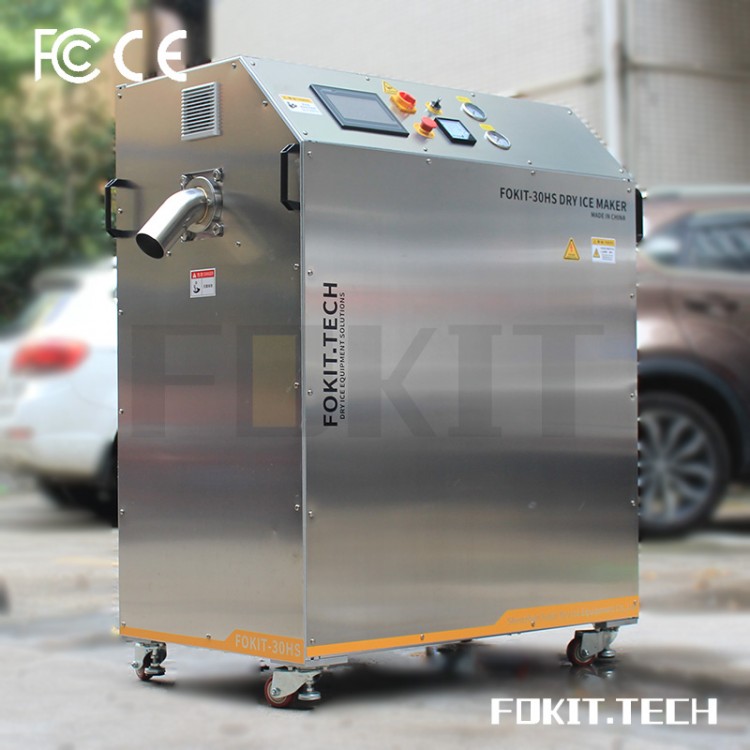

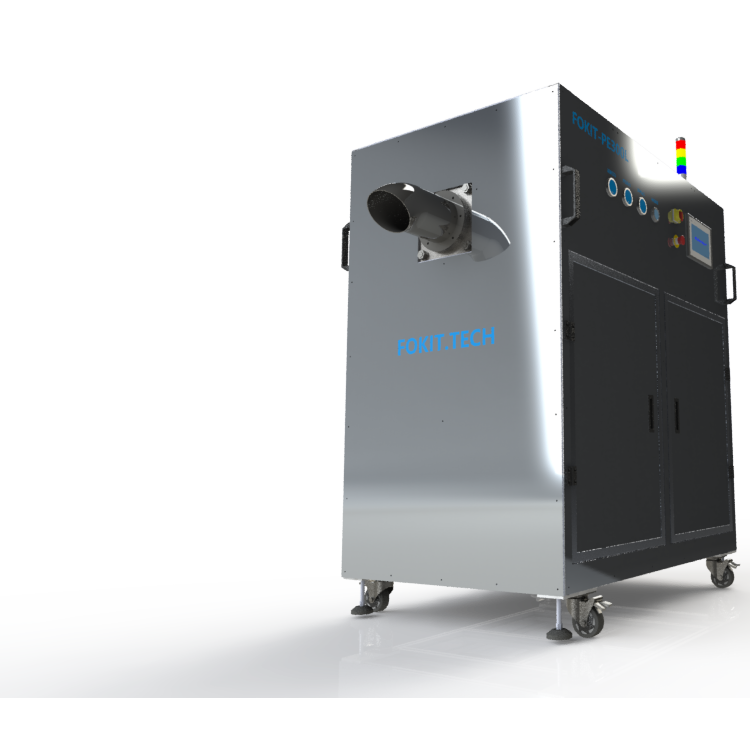
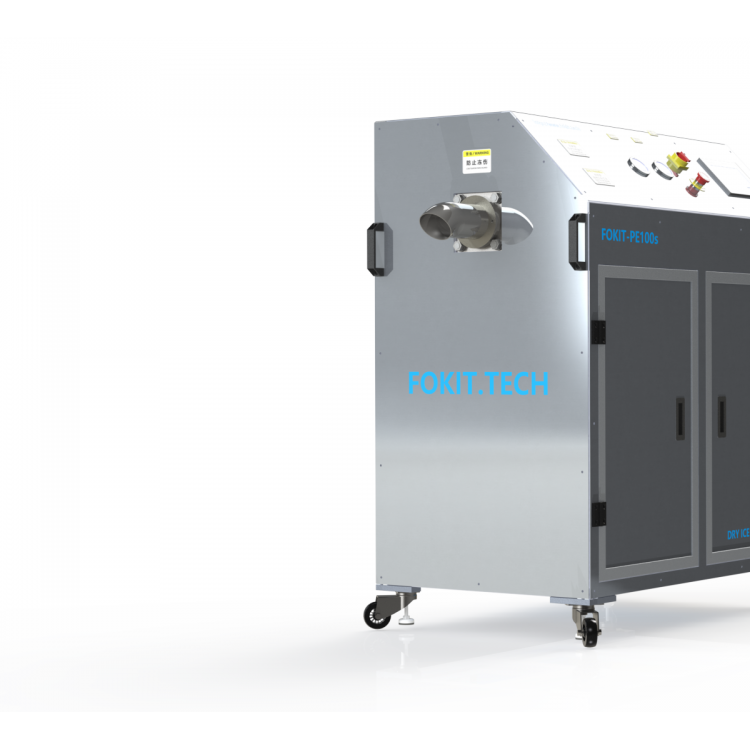
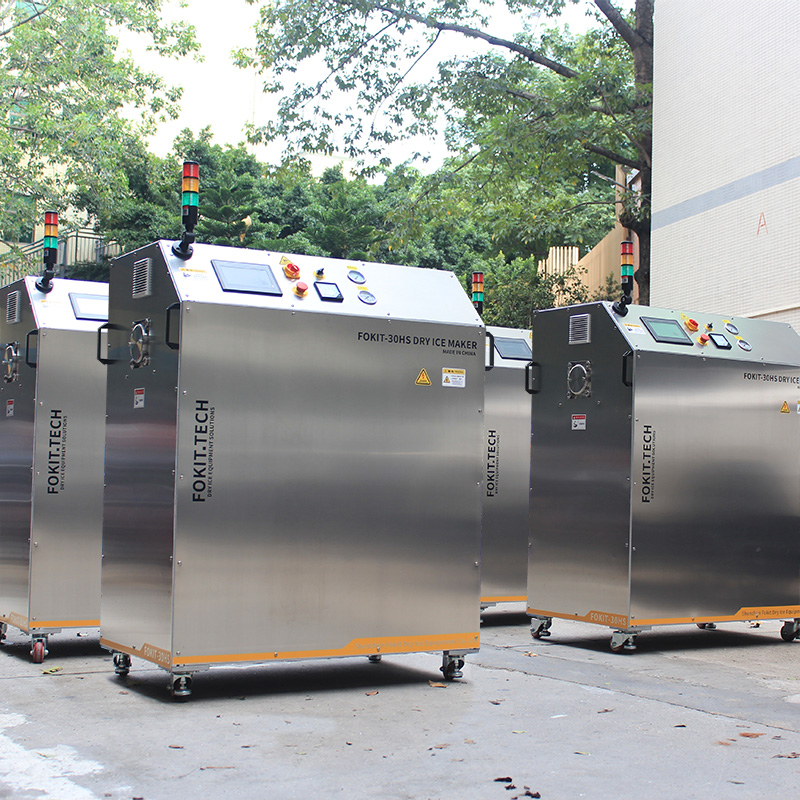
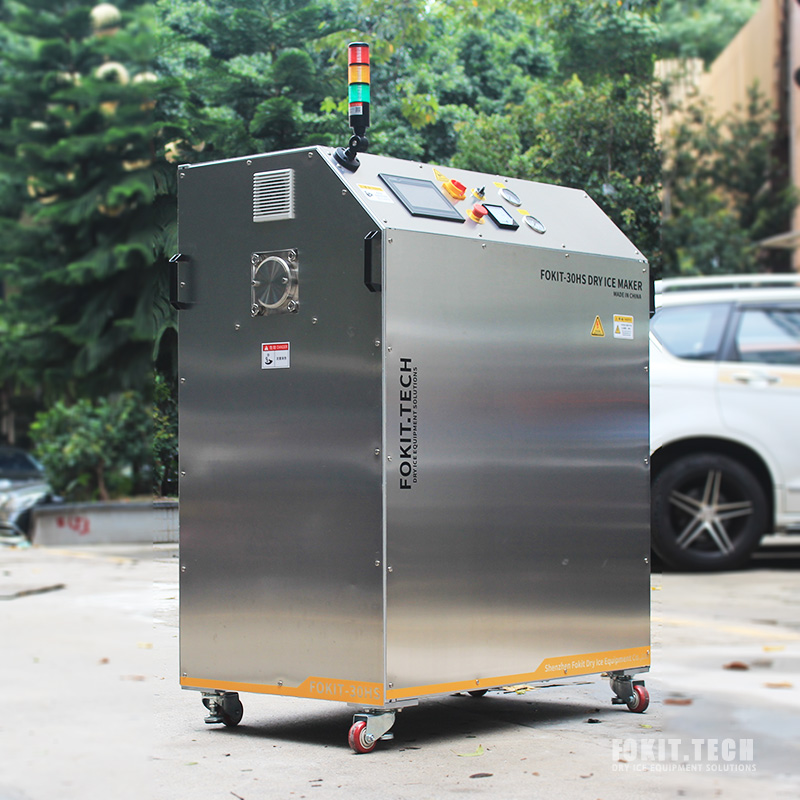
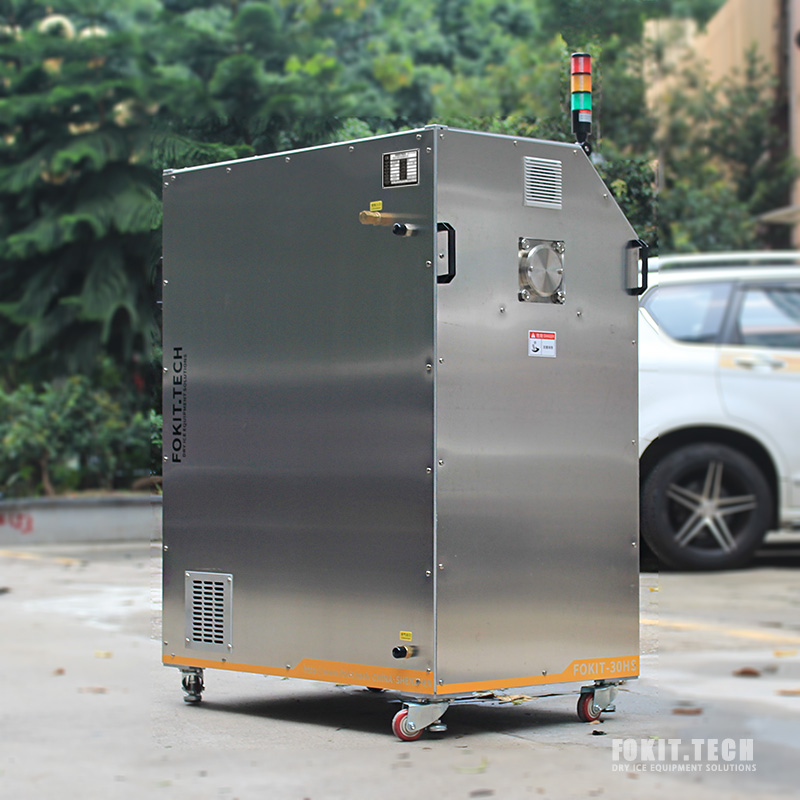
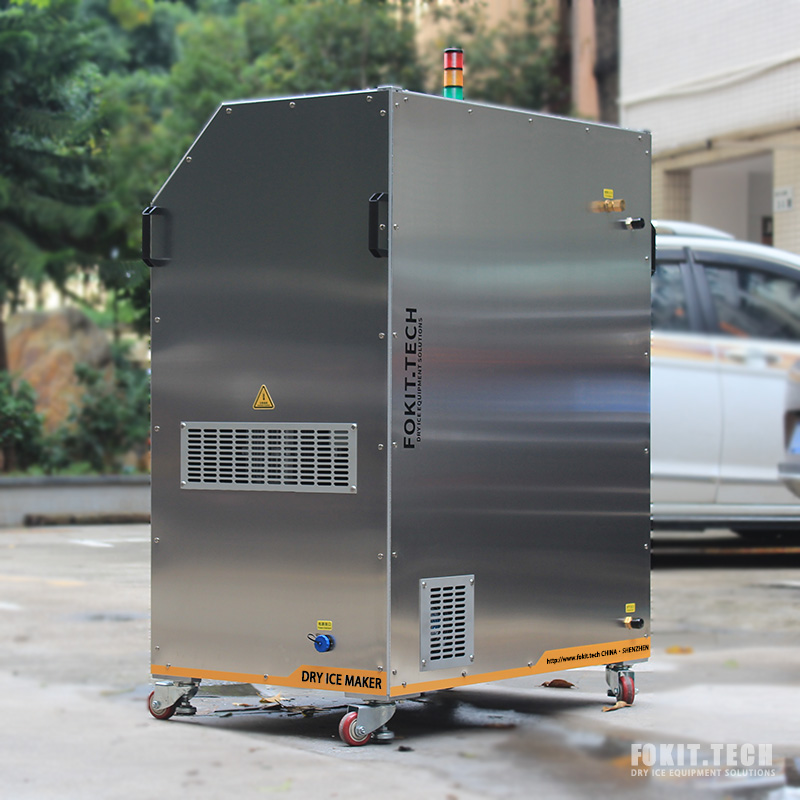
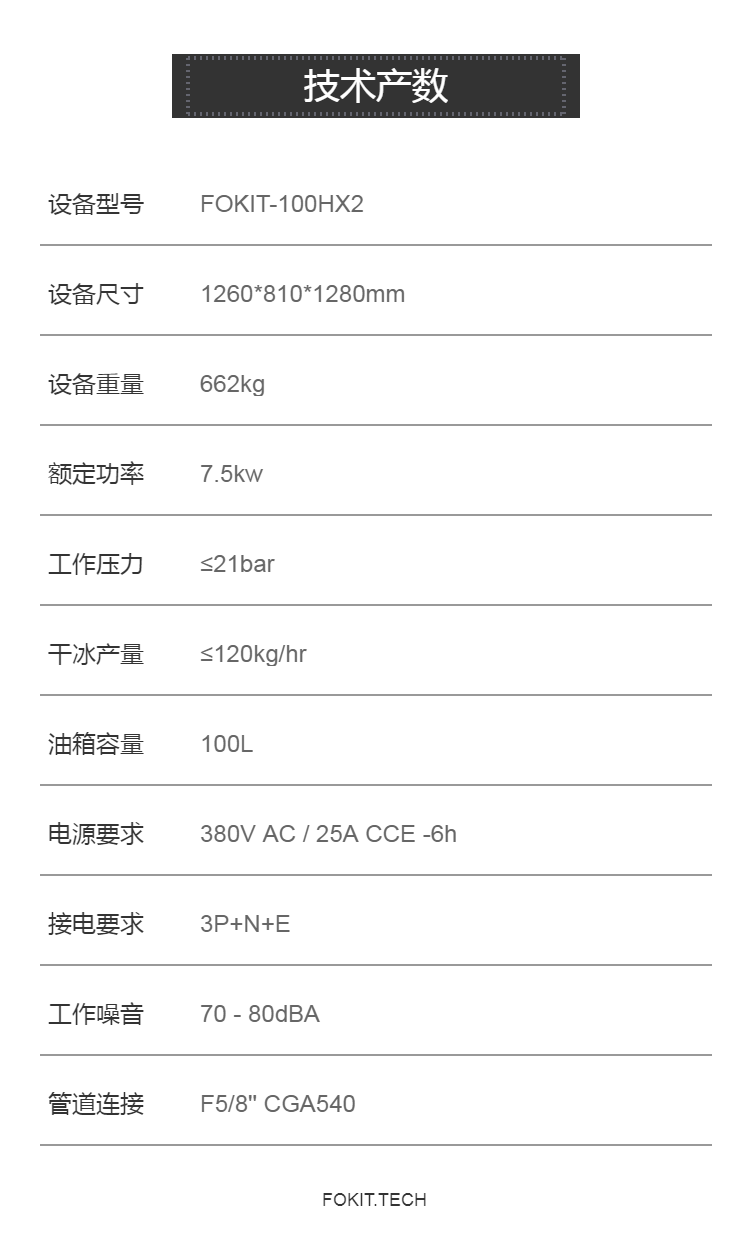
The FOKIT?-100HX2 medium-scale dry ice production machine developed and manufactured by Kejie Company is a compact and portable PLC automatic dry ice granulation production machine; it offers mold bases in sizes of 1.5mm, 3mm, 6mm, 9mm, 16mm, and 19mm. Simply replace the mold base to produce the required dry ice specifications as needed.
Standard Factory Configuration:
3mm pellets/16mm rod standard production mold base
3-meter waterproof power cable * 1
2-meter High-pressure Low-temperature Stainless Steel Braided Pipe *1
5-meter exhaust extension pipe *1
Mold plate *2
Ice Out Elbow *2
High-pressure Low-temperature Ball Valve *1
Stainless Steel Ice Scoop *1
Anti-freeze gloves *1
Equipment User Manual *1
Product Warranty Card *1
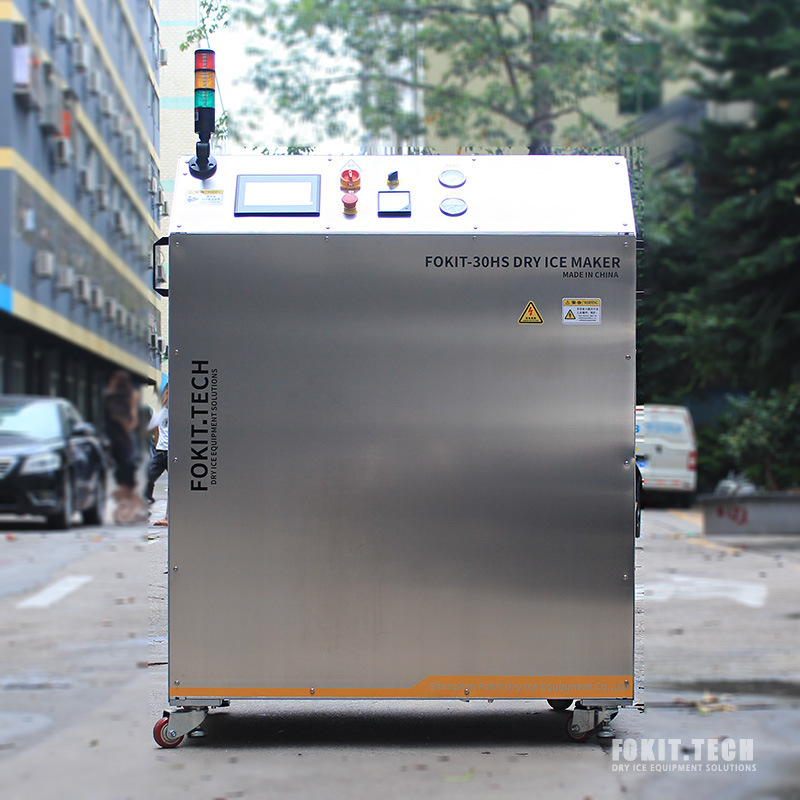
Based in the technology hub of Shenzhen, we are a high-tech company engaged in the research, production, and sales of dry ice equipment. The company boasts a strong technical force and superior product quality. We have independent innovation capabilities, stringent product acceptance standards, and always consider product positioning and corporate development from the customer's perspective. Quality determines the company's future, price determines market position, and details determine brand value.
Dry ice is solid carbon dioxide, obtained by liquefying carbon dioxide into a colorless liquid at a pressure of 6250.5498 kPa, and then rapidly solidifying it at low temperatures. Currently, dry ice is primarily used in mold cleaning, food, petrochemicals, electricity, and printing industries.
In cleaning applications, dry ice is mixed with gas by equipment, then jetted onto the surface of objects through pipes and nozzles to achieve cleaning and stain removal. In recent years, China's dry ice industry has shown a stable growth trend. According to data, China's dry ice production reached 511,000 tons in 2020, a year-on-year increase of 6.3%, with an expected output of 550,000 tons in 2021.
Currently, dry ice is widely used in cooling sources (cold chain logistics, food preservation), industrial and electronic cleaning, and other fields. Data shows that the demand for dry ice in China in 2020 was 504,000 tons, a year-on-year increase of 6.2%, with an expected reach of 520,000 tons in 2021.
As urbanization accelerates, online shopping and fresh produce e-commerce thrive, and people's living standards improve, consumers' demands for food preservation continue to rise, driving a rapid growth in cold chain needs. Data shows that in 2020, China's food cold chain logistics market reached a total scale of 383.2 billion yuan, a year-on-year increase of 13.0%, and is expected to grow to 456.7 billion yuan by 2022. Compared to water and ice transport, dry ice offers advantages in oxygen isolation and preservation, so as China's cold chain logistics market continues to expand and people's food requirements increase, the demand for dry ice will also grow accordingly.
Dry ice cleaning offers significant advantages over traditional chemical cleaning, high-pressure water jet cleaning, and abrasive sandblasting.
Currently, dry ice cleaning is applied in industrial fields such as cleaning molds, vehicles, firmly bonded slag, and precise semiconductor components. As China's industrialization process accelerates, the scale of the country's industrial cleaning industry continues to grow. According to data, the market size of industrial cleaning equipment in China in 2019 was 37.169 billion yuan, with a year-on-year increase of 8.13%, and the market size of industrial cleaning agents was 3.938 billion yuan, with a year-on-year increase of 3.58%. It is expected that the overall scale of the industry will exceed 100 billion yuan by 2022. In the future, with the rapid development of downstream industries such as mold manufacturing, automotive, petrochemical, and electronic industries, the dry ice cleaning market will continue to expand, and the demand for dry ice will keep growing.
Dry ice is widely used in industrial manufacturing, electronics production, cold chain logistics, wastewater treatment, and environmental protection sectors. In 2020, China successfully wrapped up the year with significant achievements in economic and social development. The "plan" for 2021 has been fully outlined, and the growth of the economy and the enhancement of residents' consumption capacity have provided a solid material foundation and a broader consumer market space for the further development of the dry ice industry.
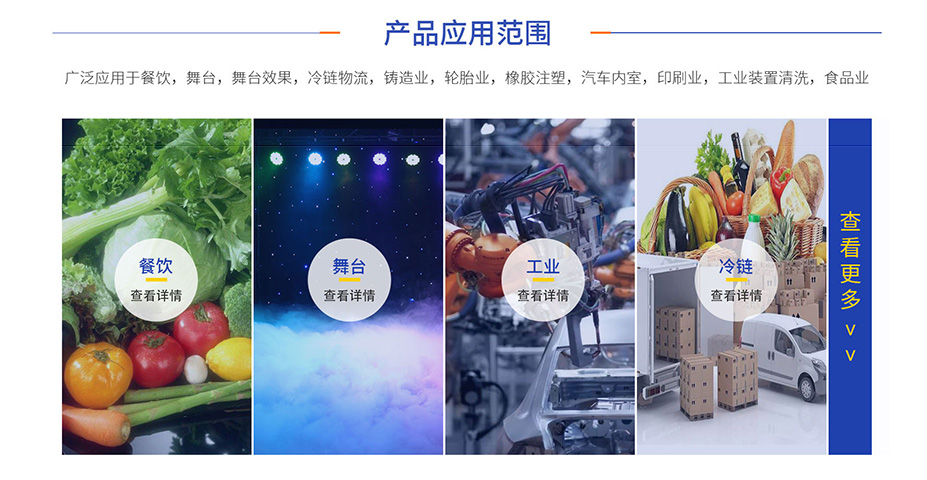
Dry ice, in addition to its use in food and beverage, industrial, cold chain logistics, industrial and electronic cleaning fields, can also be applied in emerging areas such as battery-specific chemical materials, biodegradable plastics, and agricultural gas fertilizers. In the future, as the scope of applications continues to expand, the demand for dry ice will also keep growing, presenting a vast market space. (WYD)
Dry ice, as an excellent condenser and non-toxic, pollution-free chemical raw material, holds great potential in the logistics and transportation of fruits and vegetables. During sublimation, dry ice absorbs a significant amount of heat, far surpassing the heat absorbed during the vaporization of liquid nitrogen. The CO2 produced during sublimation can inhibit the respiratory consumption of fruits and vegetables, and the large amount of gas generated acts as a buffer, reducing the damage caused by vibration. With the continuous development of the domestic dry ice industry, it plays a role in providing convenience to people's lives.