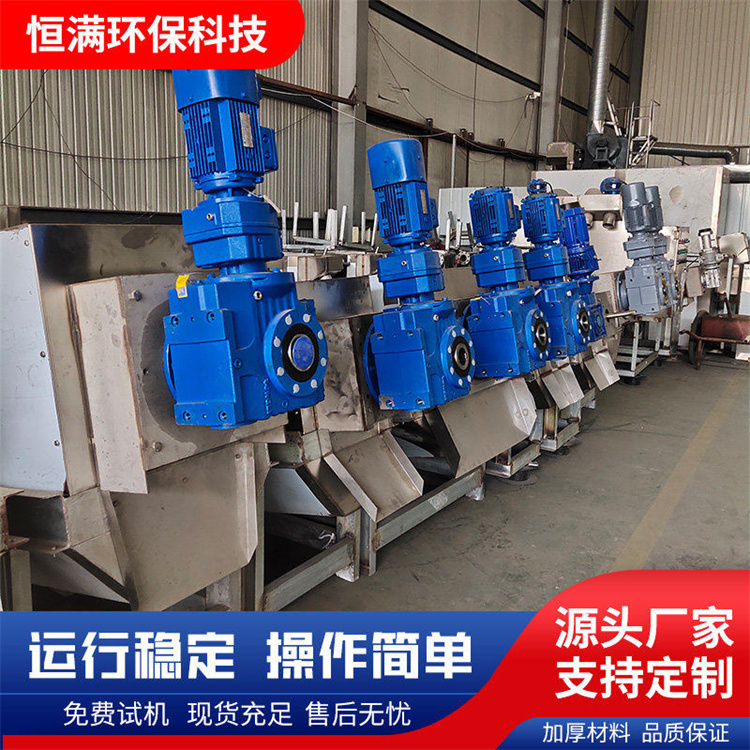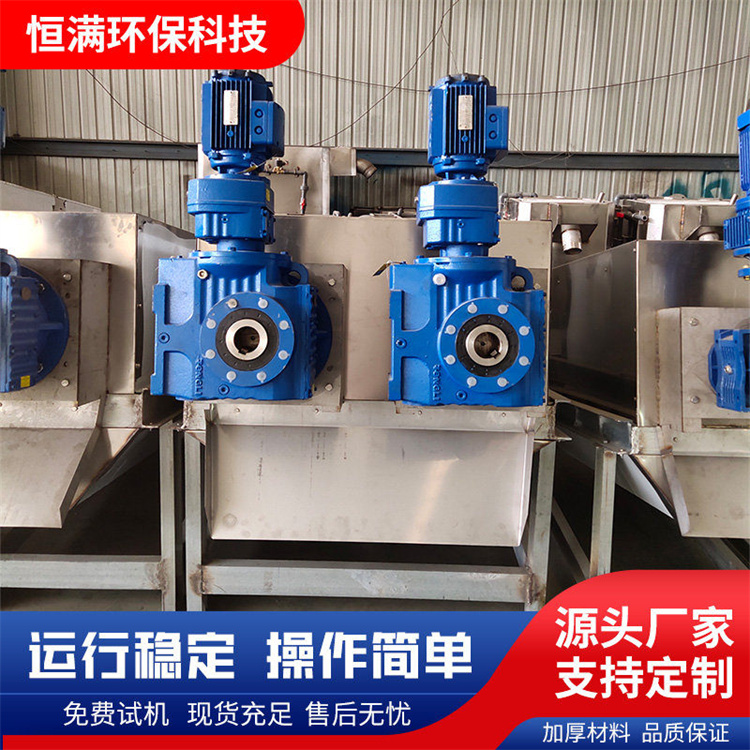












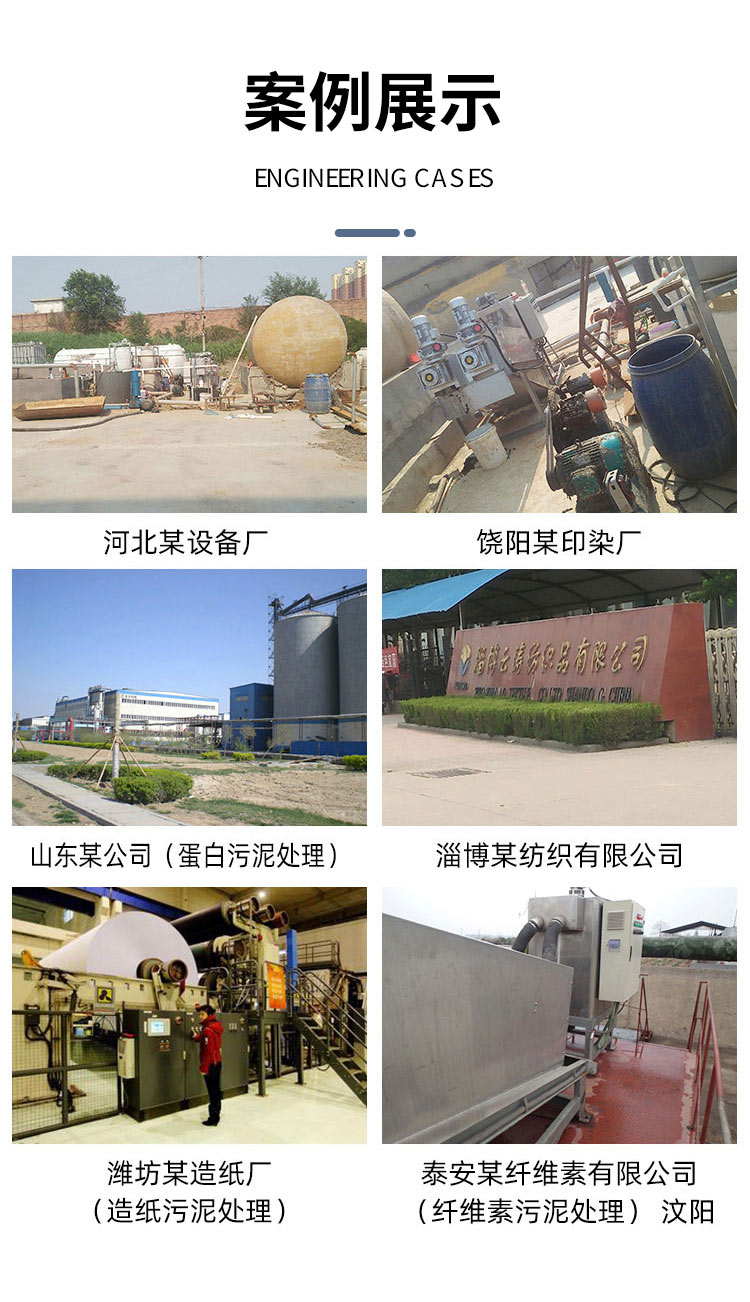

The screw press sludge dewatering machine is a part of the sludge system, so to operate, it requires a complete set of auxiliary equipment. Among them, the feeding device is a crucial component. Without a feeding device, the screw press sludge dewatering machine will perform poorly in dehydration. This highlights the importance of the feeding device. Today, we will focus on the method of feeding ratio for the auxiliary equipment of the screw press sludge dewatering machine.
The general additive for the screw press is PAM or PAC, with PAM requiring a concentration of 0.002%. The feeding equipment is divided into two types: automatic feeding devices and agitator tank feeding devices. For adjusting the 0.002% concentration, this additive storage tank is a 1 cubic meter tank. Adding 1 cubic meter of water, we need to add 2 kilograms of the additive. After mixing, ensure the mixture is well blended before adding. This will optimize sludge flocculation and ensure effective dewatering.
We undertake projects by implementing a comprehensive system, which includes the screw press sludge dewatering system. While the screw press is the main component, we also need to deeply understand and handle its auxiliary equipment to ensure we can successfully complete the project.

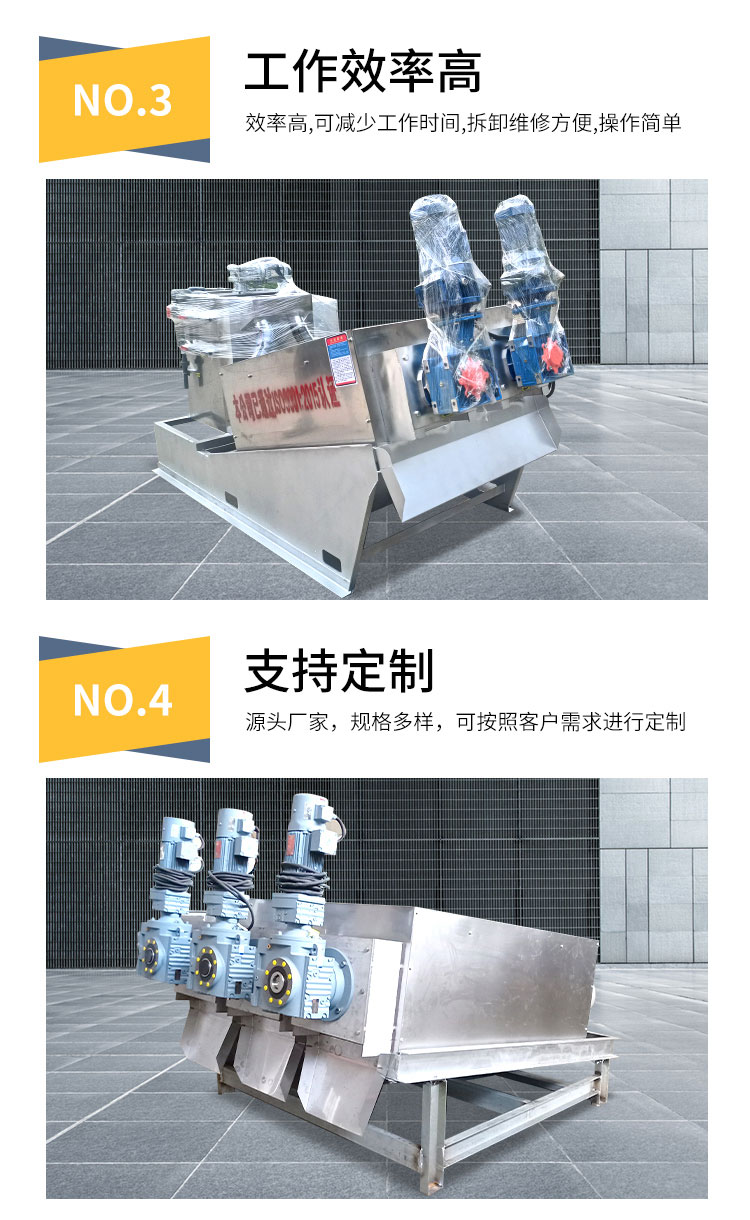
The differences between the 301 and 401 Screw Press Sludge Dewatering Machines are as follows.
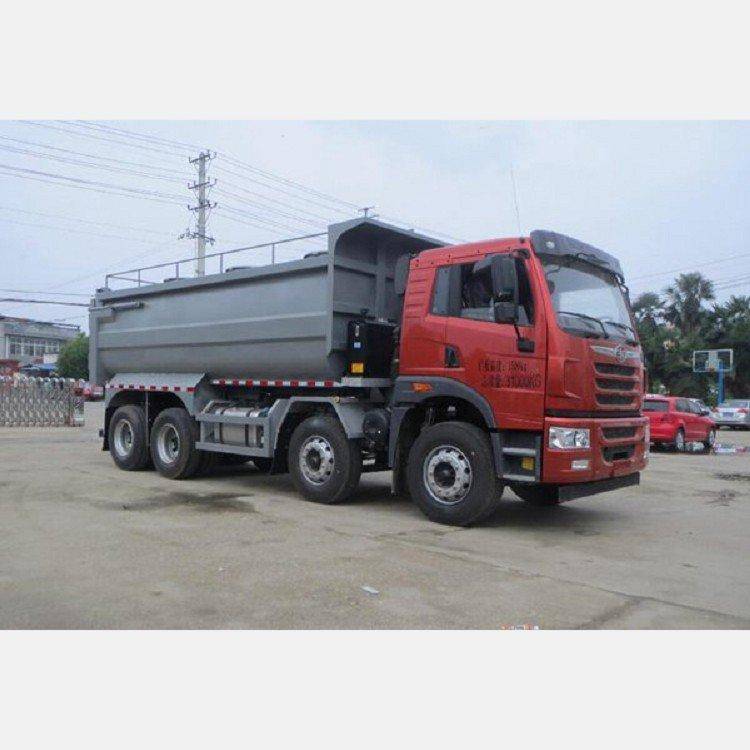
1. The 301 model screw press sludge dewatering machine can be customized with explosion-proof, truck-mounted, skid-mounted, pneumatic, or hydraulic-powered screw press models to meet customer requirements. The dimensions of the 301 model screw sludge dewatering machine are as follows: total power 2.25kW, treatment capacity DS30-75kgh.
2. The 301 centrifuge is the main body, consisting of a stationary ring and a swinging ring stacked to form a cylindrical shape. The spiral shaft is surrounded by this, creating a filtering system.
3. The 401 model screw press sludge dewatering machine is a later-developed screw press model, widely used due to its high efficiency, large processing capacity, and small footprint. It is particularly suitable for mobile screw presses and custom-made screw press sludge filter presses. The total power is 2.2 kW, with the main shaft power at 1.1 kW. The main shaft power can also be replaced with a 1.5 kW high-torque reducer upon customer request, with a processing capacity of 160 kgh.
4. Compact 401 energy-saving design, capable of treating oily sludge and low-concentration sludge; Hubei Spiral Sludge Press Filter, operates continuously unattended, consumes less washing water, helps prevent secondary pollution, and is easy to maintain.
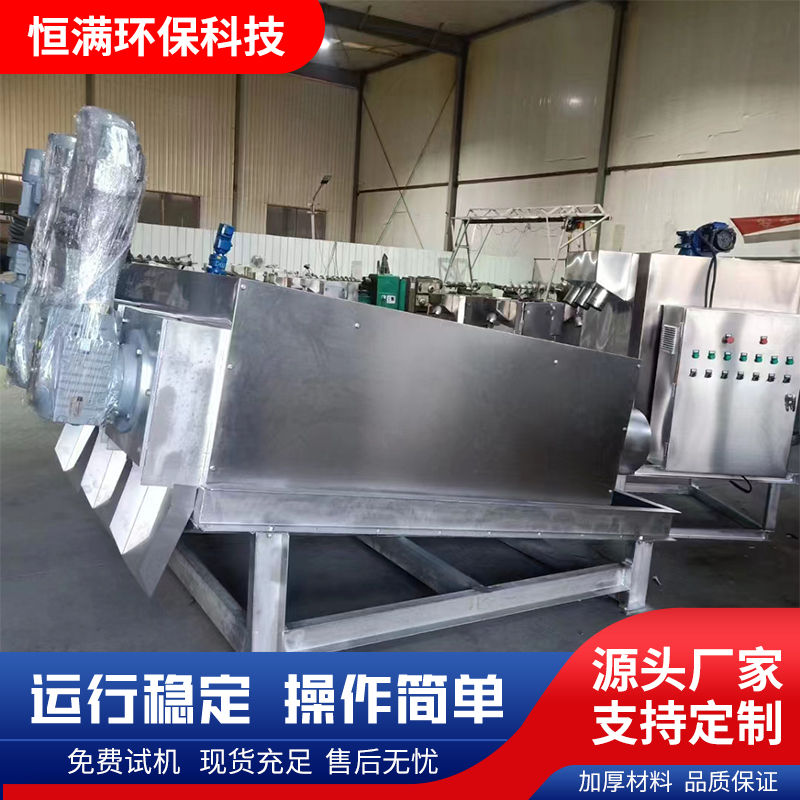
Due to a large population and rapid economic development, the city generates a substantial amount of wastewater. In rural and suburban areas, with larger land areas and fewer people, the wastewater treatment capacity is limited. Therefore, the emergence of domestic wastewater treatment equipment is particularly welcomed. This equipment not only improves the treatment effect but also reduces the burden on manual labor. Let's take a look at its detailed process.
1. Primary Sedimentation Tank: The equipment's primary sedimentation tank is a vertical flow sedimentation tank, with the wastewater rising velocity in the deep sedimentation tank at 0.6-0.7 mm/s. The settled sludge is then aerated to the sludge tank.
2. Contact Oxidation Tank: After primary sedimentation, the water flows to the contact oxidation tank for biochemical treatment. The contact oxidation tank is divided into three stages with a total detention time of over 1 hour. The enhanced domestic wastewater treatment equipment has a contact oxidation time of up to 6 hours, using innovative fillers that are easy to form a biofilm and do not clog. The specific surface area of the fillers is 160 m2/m2, and the air-to-water ratio in the contact tank is approximately 12:1.
3. Secondary Sedimentation Tank: After biochemical treatment, the wastewater flows into the secondary sedimentation tank, which consists of two vertical flow sedimentation tanks operating in parallel. The rising velocity is 0.3-0.4 mm/sec. Sludge is transferred to the sludge tank using air lift.
4. Disinfection pools and pool equipment; Disinfection pools follow the "TJ14-74" standard with a 30-minute treatment time. For on-site wastewater, the pool can be extended to a holding time of 1-1.5 hours, using solid chlorine tablets for contact dissolution disinfection. The disinfection unit can adjust the dosage based on the water output, ensuring more dosage with higher output and less with lower output. Other disinfection units can be procured separately.
5. Sludge Pond: All sludge from the primary and secondary sedimentation tanks is aerated into the sludge pond of WSZ-A for aerobic digestion. The clarified liquid from the sludge pond is recycled to the heat exchange oxidation tank for further treatment. The remaining sludge after digestion is minimal, typically requiring cleaning once every 1-2 years. The cleaning method involves using a sewage suction truck to extend into the bottom of the sludge pond through the inspection hole and suctioning it out for disposal.
Screw Press Sludge Dewatering Machine Wholesale - Hubei Screw Press Sludge Dewatering Machine - Hengman Environmental Protection (View) provided by Dezhou Hengman Environmental Protection Technology Co., Ltd. Hengman Environmental Protection Technology Co., Ltd. boasts impressive strength and reliable reputation, having accumulated a large number of loyal customers in the wastewater treatment equipment industry in Dezhou, Shandong. Hengman Environmental Protection, with a commitment to excellence and a spirit of continuous improvement and innovation, joins hands with you to stride towards prosperity and create a wonderful future together!