











Can the I-beam inductor be replaced by a standard magnetic ring inductor?
Lately, there's been a heated discussion among many about whether the "I-shaped inductor can be easily replaced by the toroidal inductor." Some believe the I-shaped inductor can be easily substituted, while others argue it's not so simple. Which of these viewpoints aligns more with reality? Let's delve into today's I-shaped inductor science普及.
Before diving into today's science popularization, here's the conclusion: After multiple tests and verifications, it's been determined that the roles and functions of I-shaped inductors and magnetic ring inductors in circuits are not entirely the same; they cannot be completely substituted for each other. In some cases, they can be used as substitutes, but not in others.
That is to say, whether it can be substituted depends on whether certain prerequisites can be met, such as if the location is permitted, if the inductance is the same, if the inductor is used in a resonant circuit, and so on.
So, what caused such a situation? In fact, it's related to the different characteristics of two types of inductors:
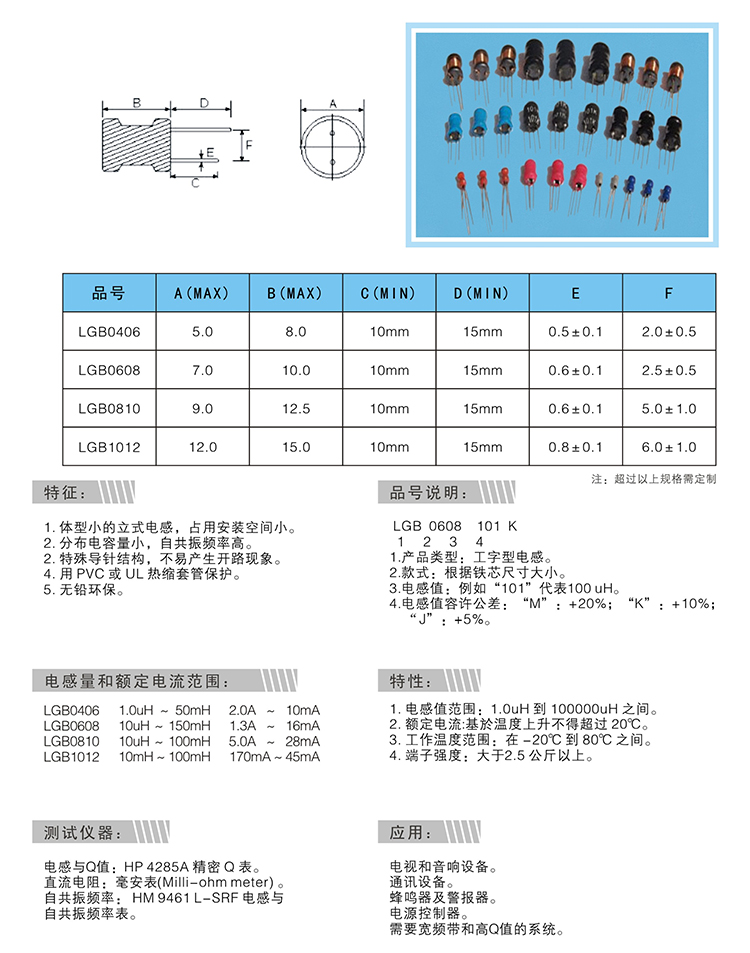
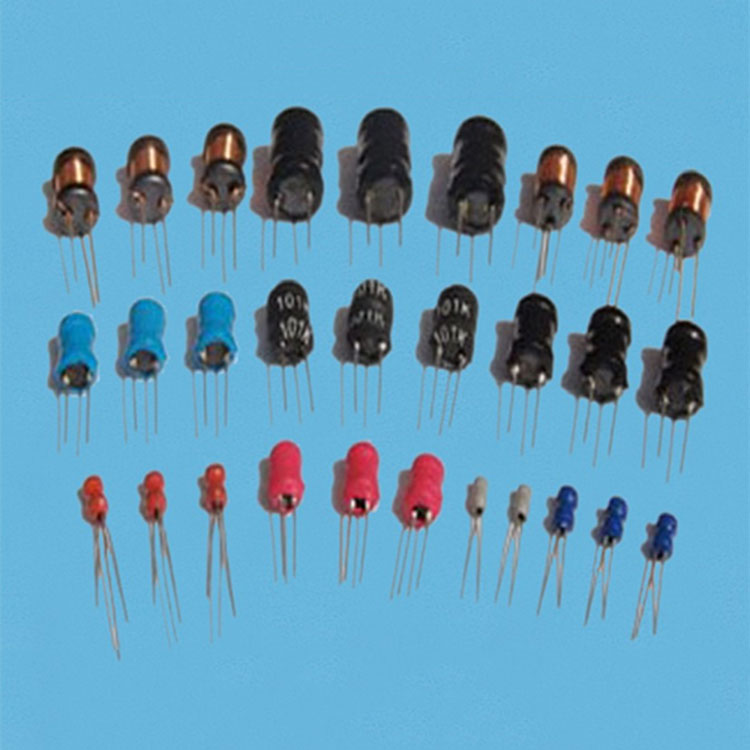
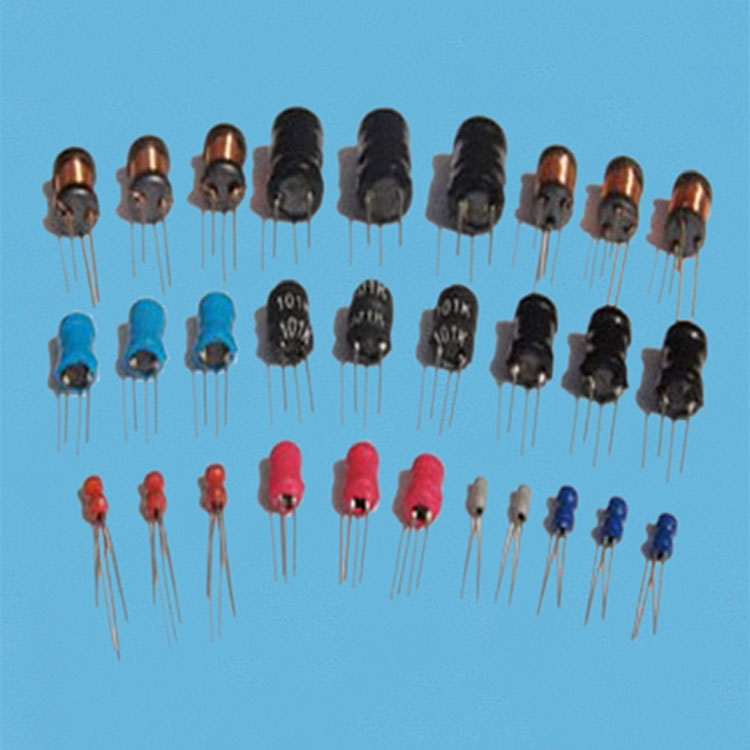
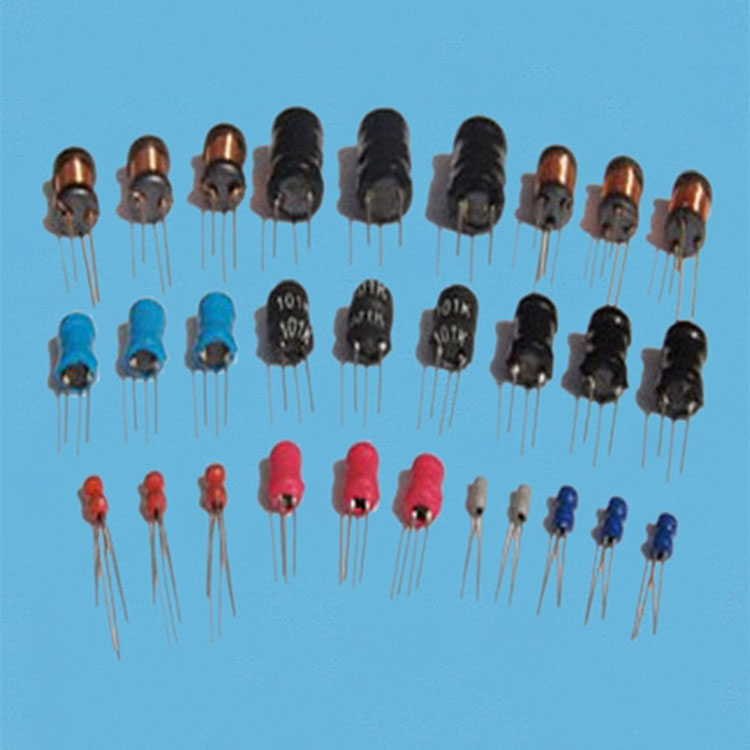
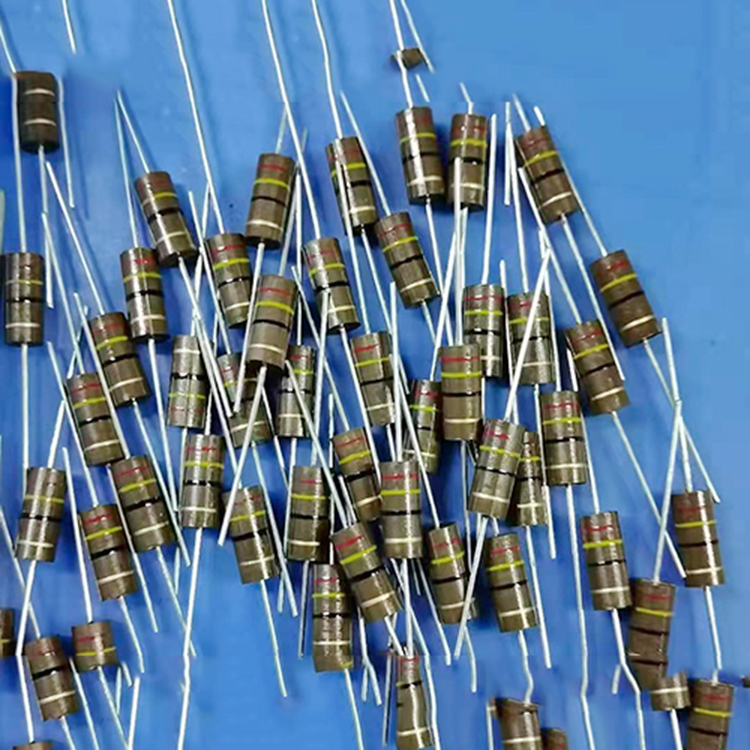
The I-beam inductor features high power and high magnetic saturation, low impedance, and compact size. This inductor is not only small in size but also easy to install, as it is a plug-in type inductor that occupies minimal space; it boasts a high Q factor; has a smaller distributed capacitance; exhibits a higher self-resonant frequency; and features a special needle structure that prevents short-circuiting.
Magnetic core inductors are commonly used anti-interference components, offering excellent shielding against high-frequency noise, hence known as absorption cores. Due to their typically being made of ferrite materials, they are also referred to as ferrite cores (abbreviated as cores). Their role in the circuit determines their application. For filtering purposes, they are quite versatile. However, for oscillator circuits, stricter requirements are needed, and they can still be used after replacement.
Summing it up for everyone here: If used solely as an inductor, a toroidal inductor can replace an I-shaped inductor; however, in certain circuits where power and current requirements differ, they cannot be substituted. For the specific implementation, we still need professional engineers to consider various aspects and conduct more tests to ensure accuracy.
Alright, that's all for the topic of whether the I-beam inductor can be replaced by a common magnetic ring inductor. For more information on inductors, feel free to follow us. And if you have any other questions about inductors, leave a message for us to consult, too!