








As of August 2008, all children's products sold in the U.S. must comply with the Safety Improvement Act; if your product's applicable age range is 12 years or under, a CPC certificate and a CPSIA report are required.
With these two documents, your products are eligible for sale overseas and can also be used for customs clearance. Common international e-commerce platforms such as Amazon, eBay, AliExpress, and the overseas version of Pinduoduo require merchants to upload CPC certificates and CPSIA reports before they can sell products.
What is CPC certification?
CPSIA, as of August 14, 2008, isU.S. PresidentBush signs into law the Safety Improvement Act. The legislation is one of the toughest consumer protection bills since the Consumer Product Safety Commission (CPSC) was established in 1972. The new law not only imposes stricter requirements for lead content in children's products but also for harmful substances in toys and child care items.PhthalatesNew regulations are established for the content.
Products are tested in accordance with specified methods, such as:Chemical TestingLead,PhthalatesContent LevelPhysical InspectionDurable, burn rate, small parts warning, etc., chemical content must not exceed the limit; refer to the standards published by CPSIA; CPSC grants a CPC certificate to products that meet the standards.
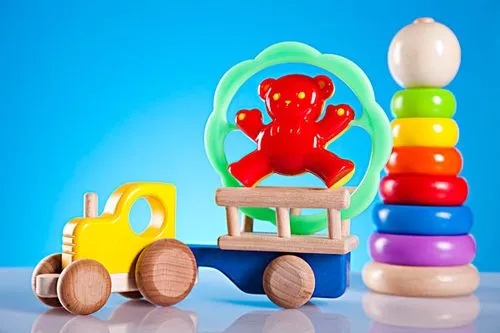
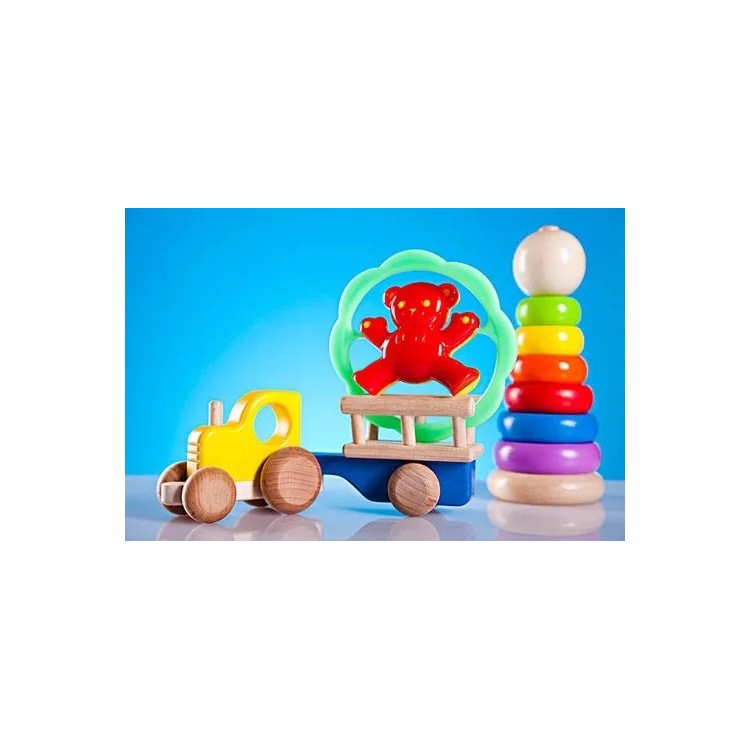
Common baby and toddler products include items such as toys, children's clothing, trampolines, etc.
What are the testing items for CPC certification?
Toy without electrical components for ASTM F963 physical and mechanical properties, flammability, solubility of heavy metals 8E, CPSIA lead, phthalates, etc.
Other types of baby and children's products may also have their own requirements.