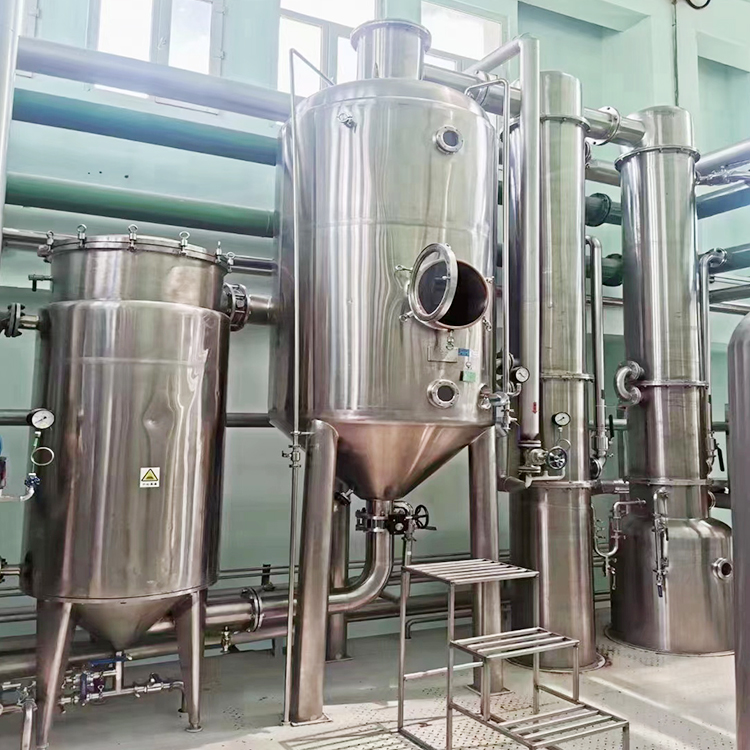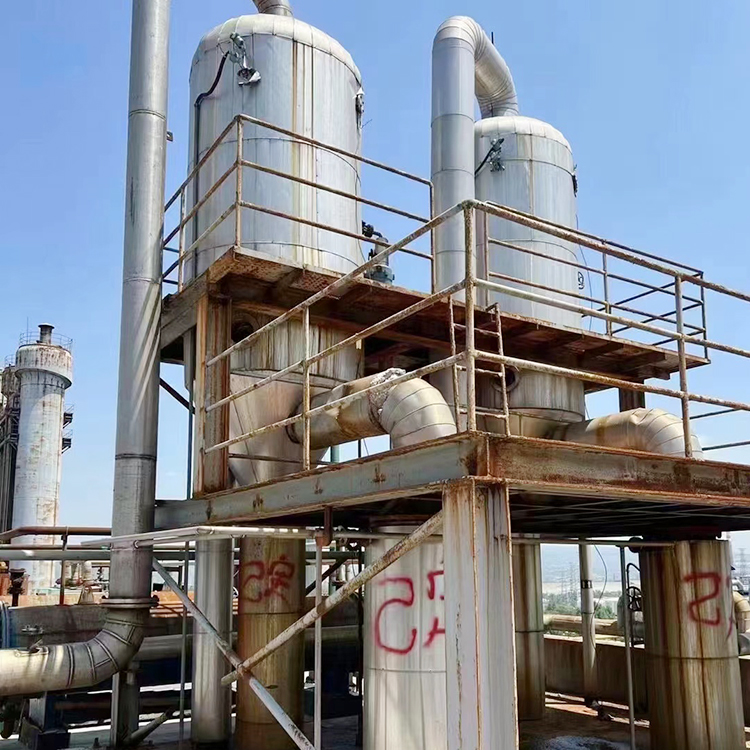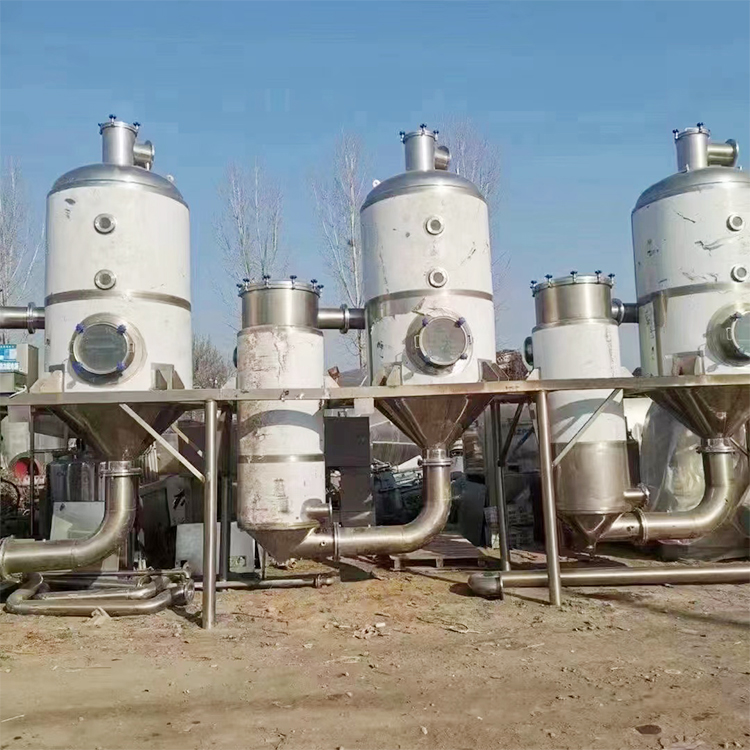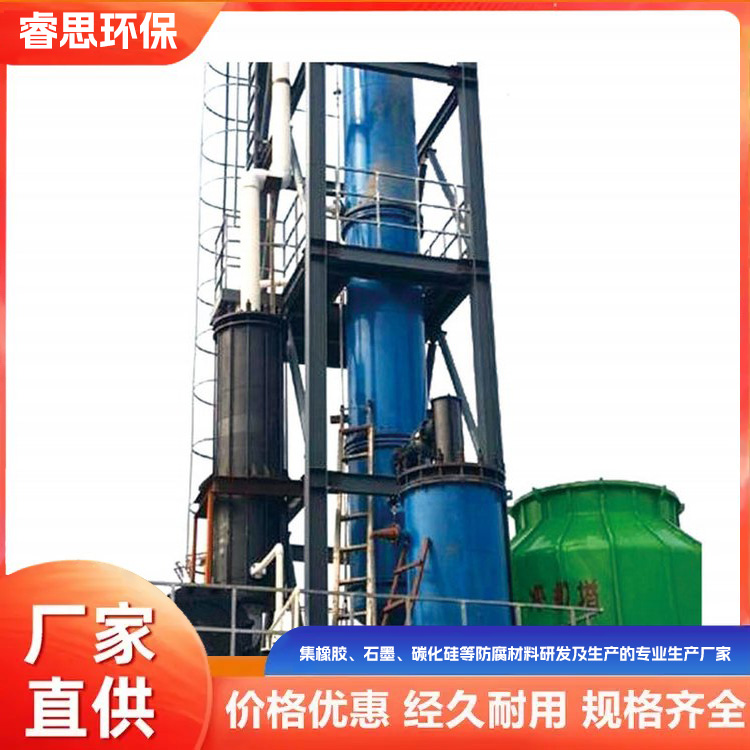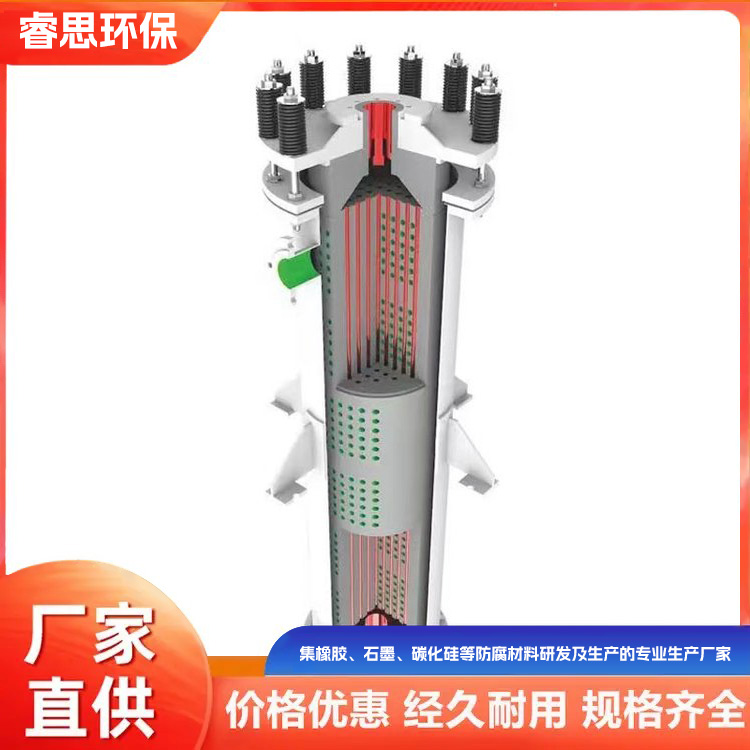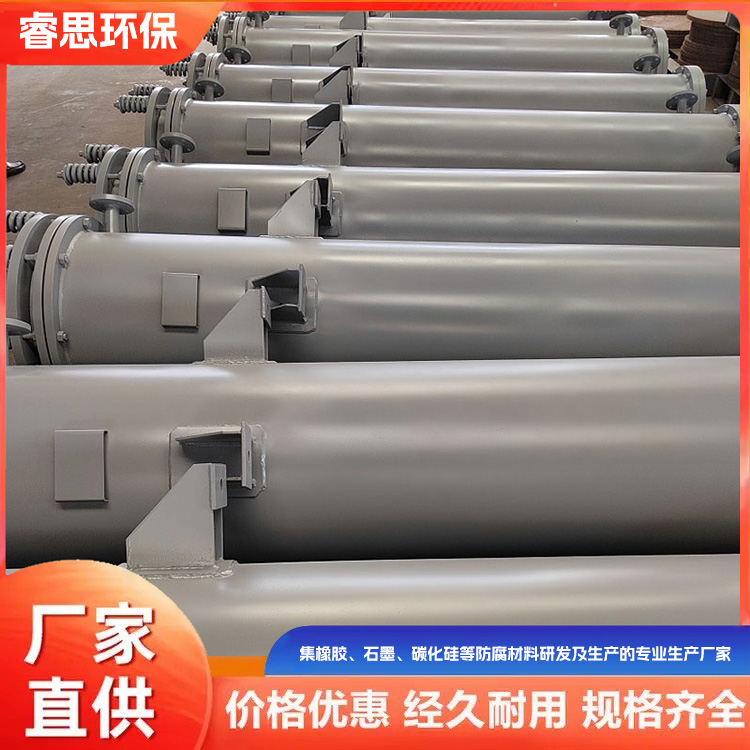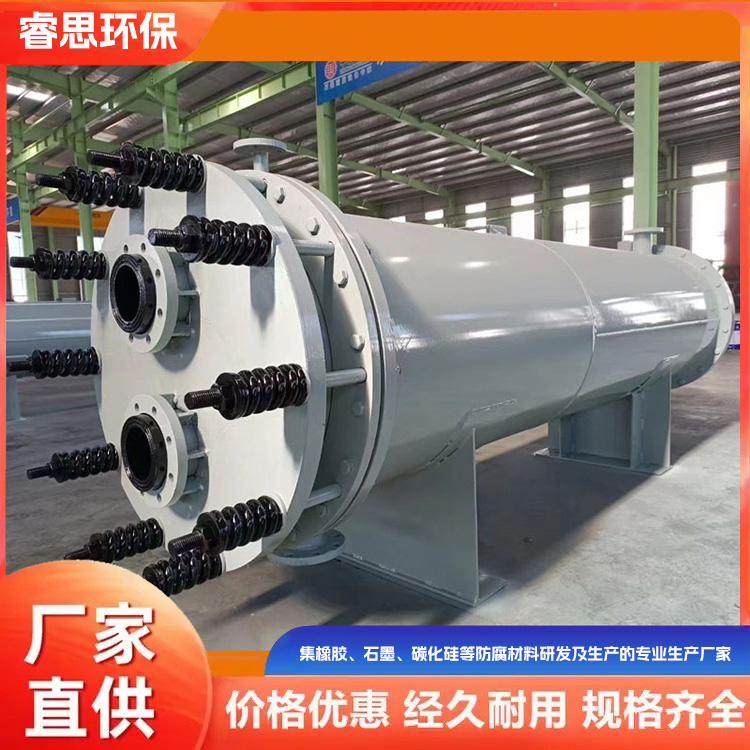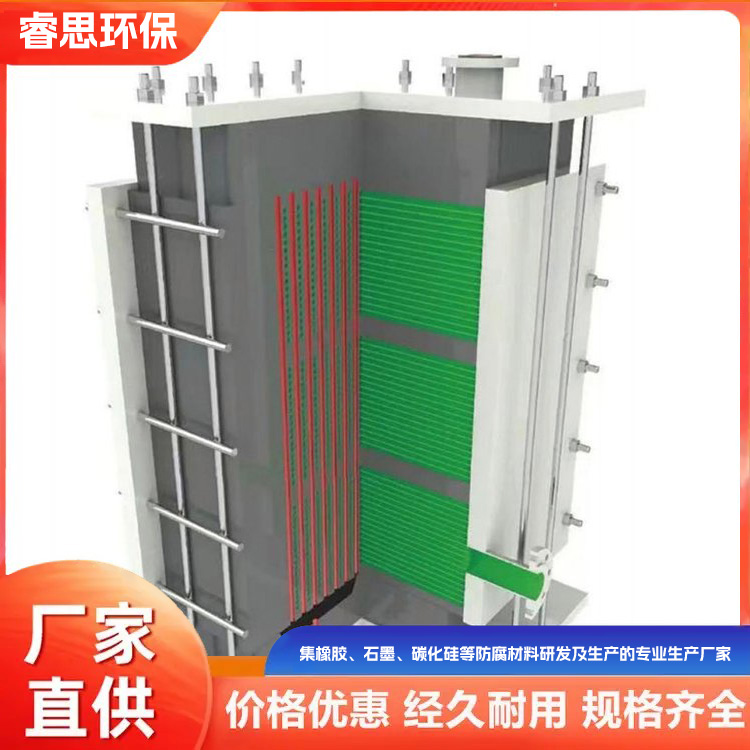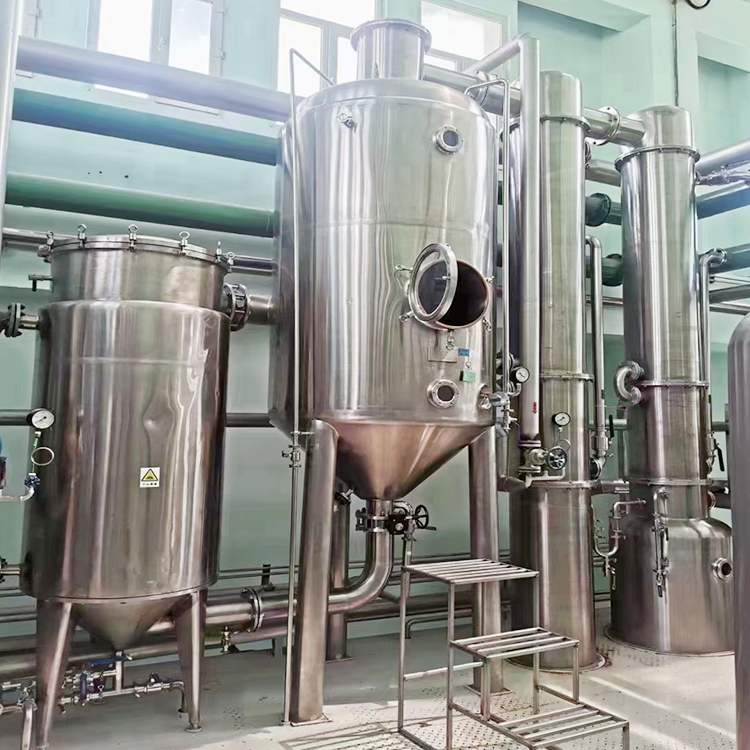

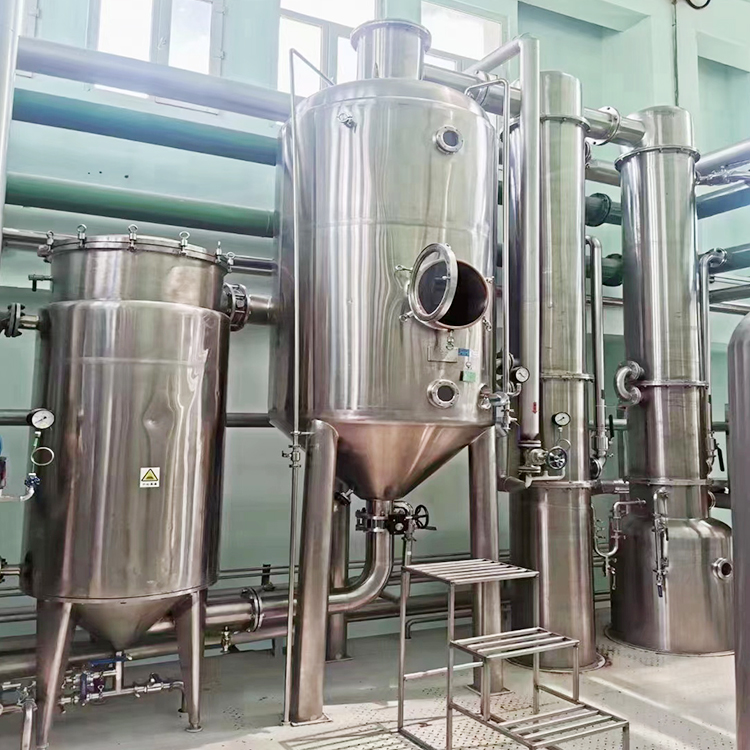
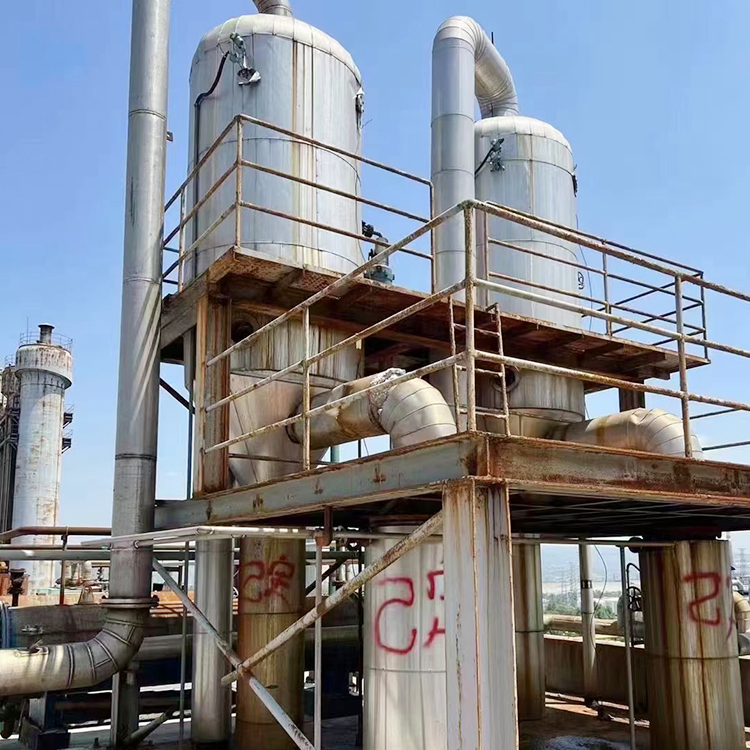


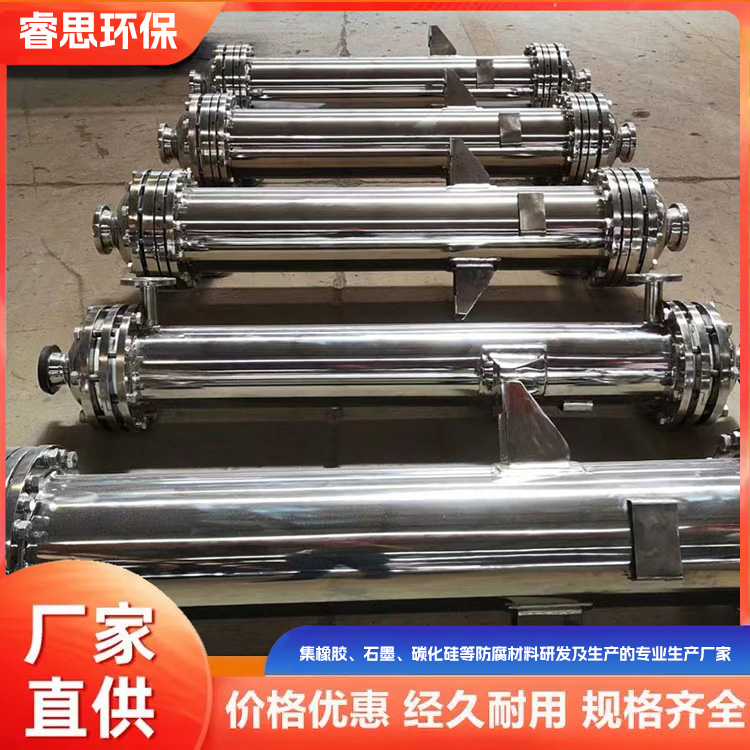
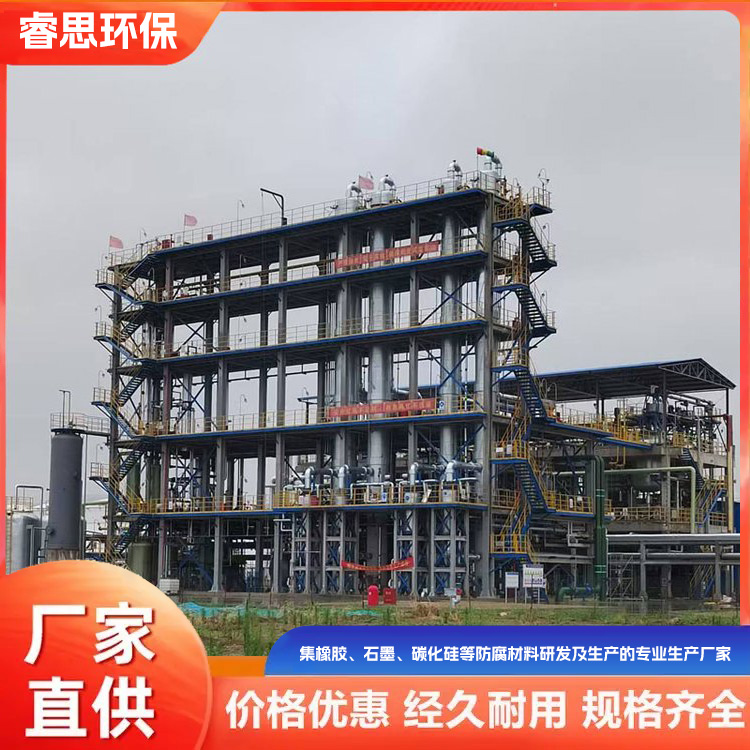
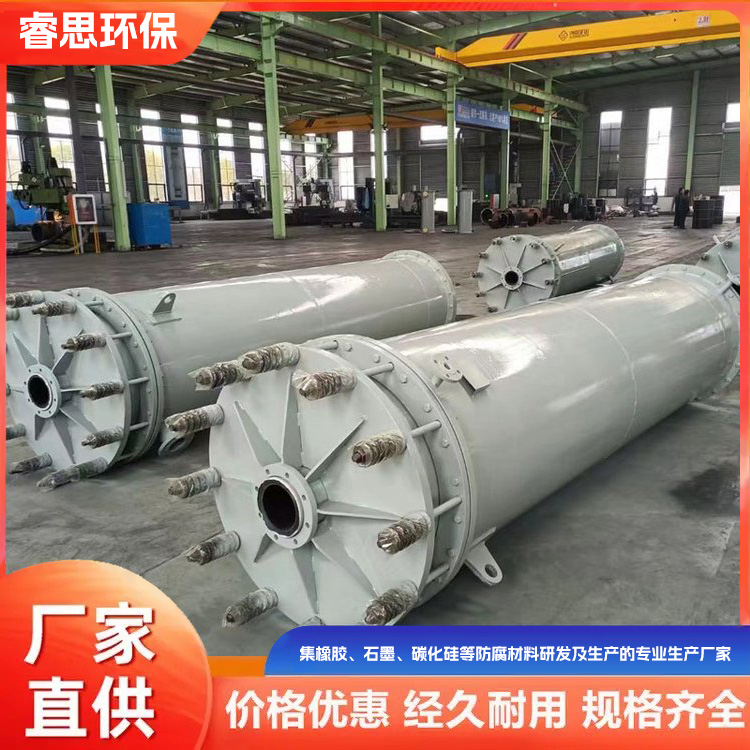
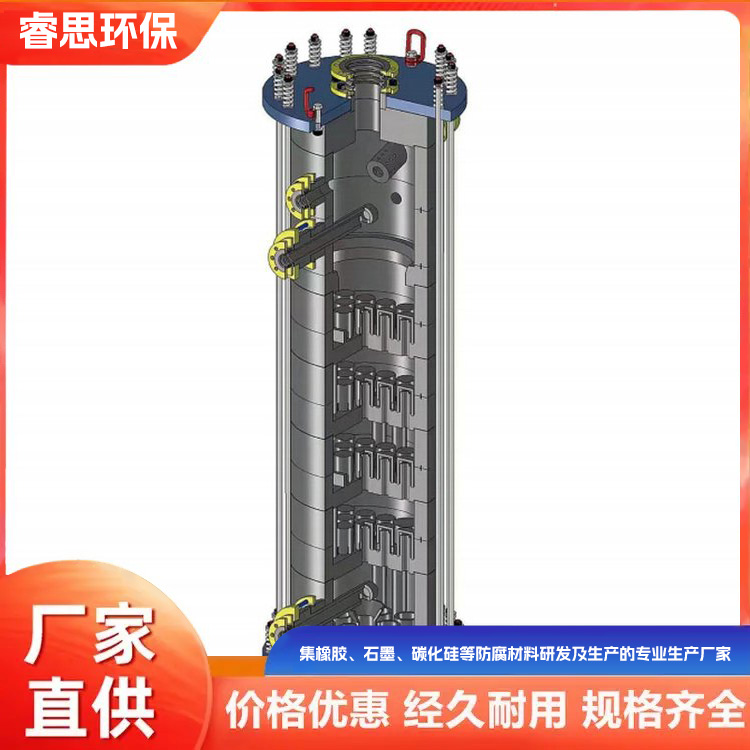
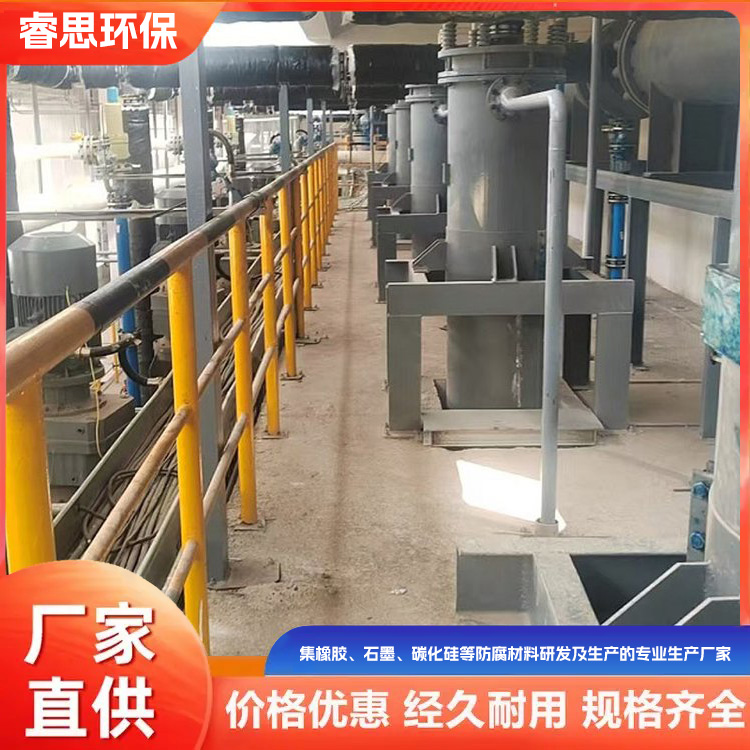






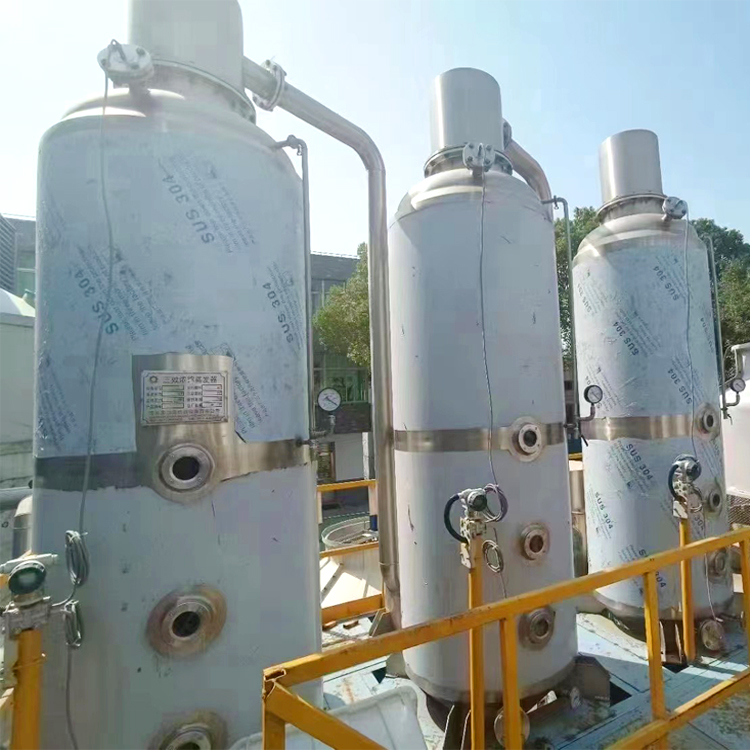
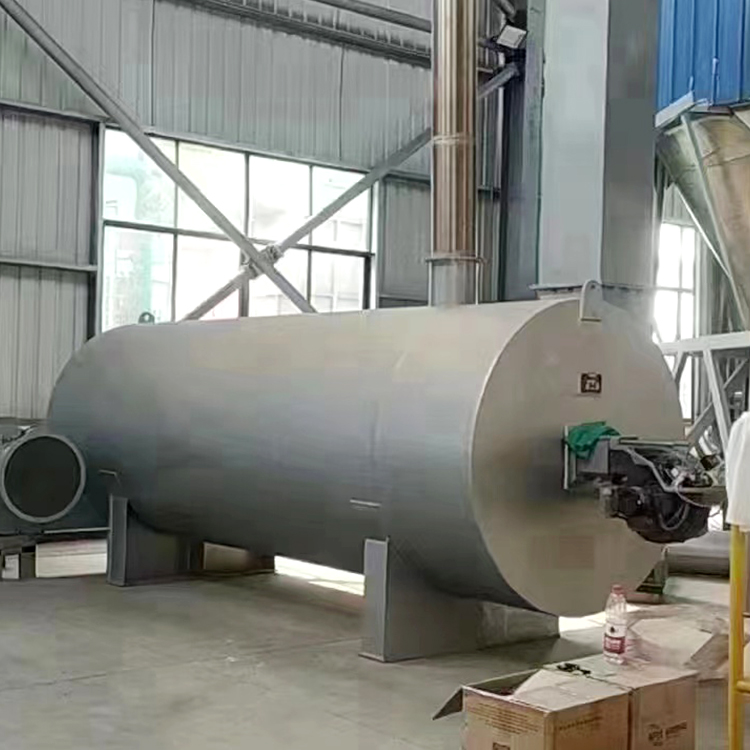

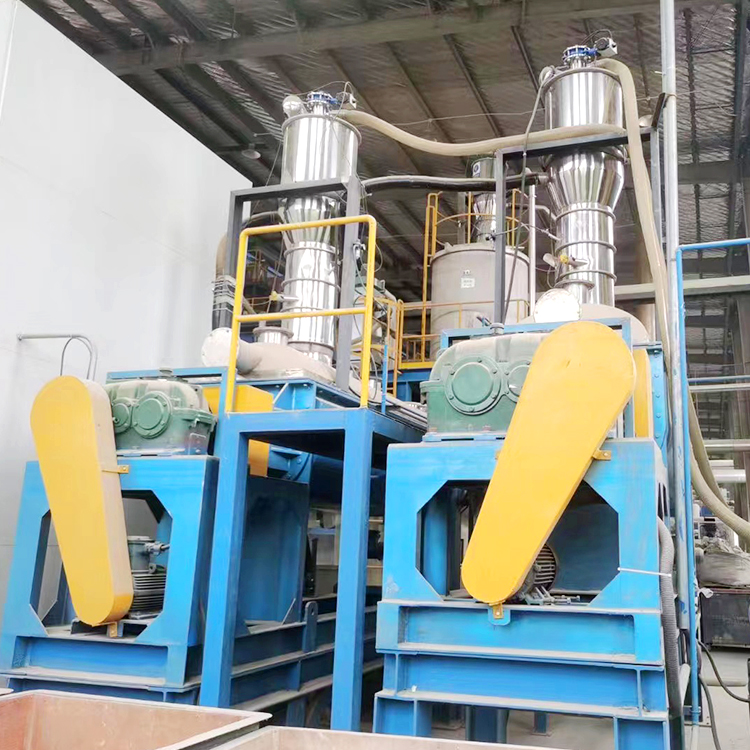
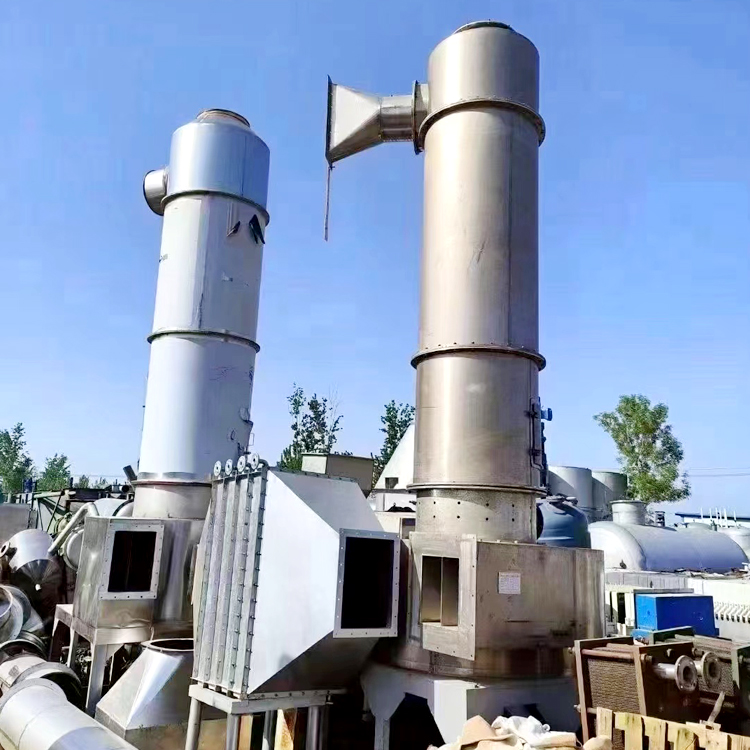
The evaporator is an essential component in the four major parts of refrigeration. The low-temperature condensate liquid passes through the evaporator, where it undergoes heat exchange with the ambient air, vaporizes, absorbs heat, and achieves refrigeration.
The evaporator is mainly composed of two parts: the heating chamber and the evaporation chamber. The heating chamber provides the heat required for evaporation to the liquid, promoting its boiling and vaporization; the evaporation chamber ensures complete separation of the gas and liquid phases.
Evaporator 1: A metal round bowl with an inner diameter of φ200mm and a height of approximately 100mm.
2. The evaporator should be a metallic round structure with a smooth inner wall. There should be no burrs or dents on the evaporator blade edge.
All parts in contact with water should be smooth, and the welds of their mating or connecting sections should be tight and sturdy, with no leakage or seepage.
4. The assembly of evaporator components should be correct, with no looseness, deformation, or other defects affecting use.
5. The protective layer applied to each part of the evaporator should be firm, even, and smooth, without any delamination or rusting defects.
6. The evaporator and mounting frame should be easy to install and ensure that the evaporator will not become dislodged due to wind influence during normal operation.