














How to perform IEC60968 testing for energy-saving lamps
Nowadays, almost every household uses energy-saving lamps. Besides the benefit of saving electricity, energy-saving lamps also emit less stimulating light, which is especially important for students studying at home. It's crucial to choose energy-saving lamps with appropriate brightness and light intensity. Energy-saving lamps have a long lifespan and rarely encounter malfunctions during use. However, as they age, the light from energy-saving lamps tends to dim, which is one of their drawbacks. The IEC60968 testing for energy-saving lamps is one of the standards for quality control. What specific requirements does the IEC60968 testing for energy-saving lamps entail?
Energy-saving lamps - IEC standard
Safety Requirements for Household and Similar Electrical Appliances - IEC 60335-1:2010
Safety Requirements for Information Technology Equipment - IEC 60950-1:2005+A1:2009
Audio, video, and similar electronic equipment safety requirements IEC 60065:2001+A1:2005
Luminaires — Part 1: General requirements and tests IEC 60598-1:2008
Luminaires for road and street lighting - IEC 60598-2-3:2002+A1:2011
Light control equipment — Part 12: Special requirements for electronic ballasts for discharge lamps (excluding fluorescent lamps) using direct or alternating current — IEC 61347-2-12:2005 + A1:2010
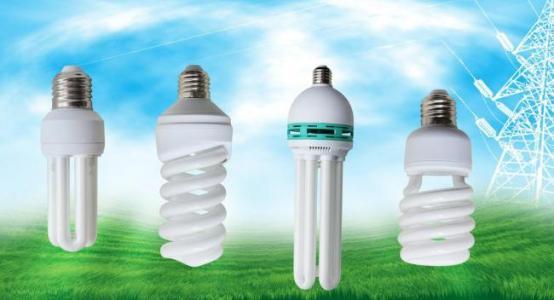
Energy-saving lamps IEC60968 testing standard applicable:
This standard applies to energy-saving lamps used for general lighting in residential and similar settings, which integrate the control components for starting and stable ignition into one unit. This standard specifies safety and interchangeability requirements for such lamps, as well as the testing methods and conditions for determining their compliance. q=285-1288-655
Energy-saving lamp IEC60968 testing general requirements:
The design and structure of energy-saving lamps should ensure the reliability of the lamp's function during normal use, and not pose any harm to users or the surrounding environment. Generally speaking, all specified items should be tested when verifying compliance.
All test items should be inspected under a temperature of 25±1℃ in a wind-free testing room, using the rated voltage and frequency, unless otherwise specified. If the lamp indicates a voltage range, the average of that voltage range shall be taken as the rated voltage.
All components of the energy-saving lamps are factory-sealed and not repairable; they must not be opened for testing. If it is necessary to inspect the lamp and test its circuitry, you should negotiate with the manufacturer or supplier to provide lamps specifically designed for simulating abnormal conditions testing.
Labeling Regulations: The lamp shall bear clear and firm instructions as follows:
The metallic components of the lamp carrying the current and the accessible parts of the lamp must have sufficient insulation resistance and dielectric strength. The electrical strength test should be conducted immediately after the insulation resistance test. The structural design of the energy-saving lamp should ensure that there are no accessible metal parts inside the lamp head or charged metal parts on the lamp head when the lamp is inserted into a socket compliant with IEC60968 standards, without any auxiliary shell in the shape of a lamp fixture.
The IEC60968 energy-saving light detection standard does not apply to all lighting fixtures; it is only applicable to energy-saving lamps. Despite their numerous advantages, the task of inspecting energy-saving lamps according to the IEC60968 standard must be taken very seriously. Energy-saving lights emit soft light, making them particularly suitable for living rooms and bedrooms. The gentle light is also beneficial for sleep and mood regulation. The IEC60968 inspection helps to promptly remove energy-saving lamps that do not meet lifespan or energy consumption standards from the market, ensuring that consumers can purchase high-quality energy-saving lamps.