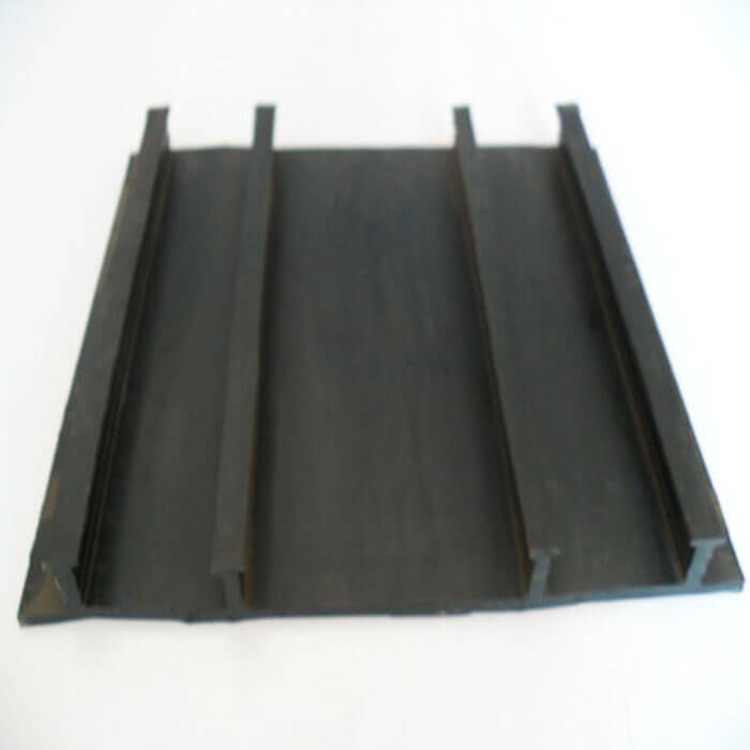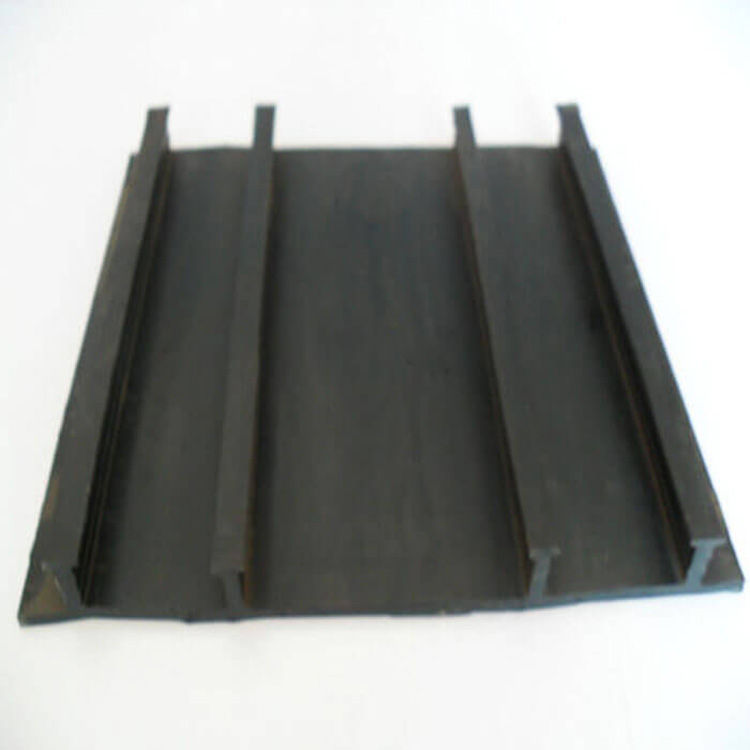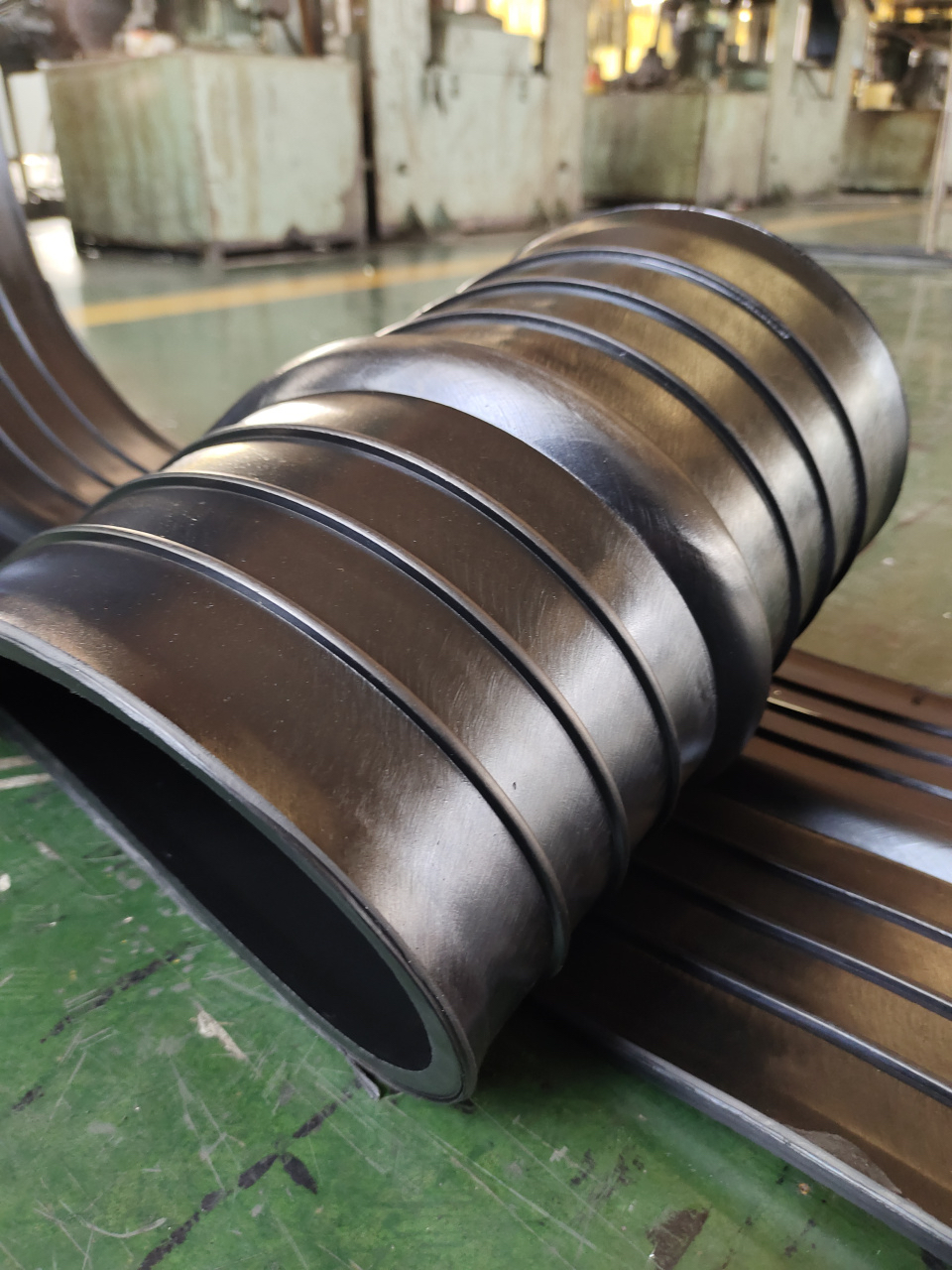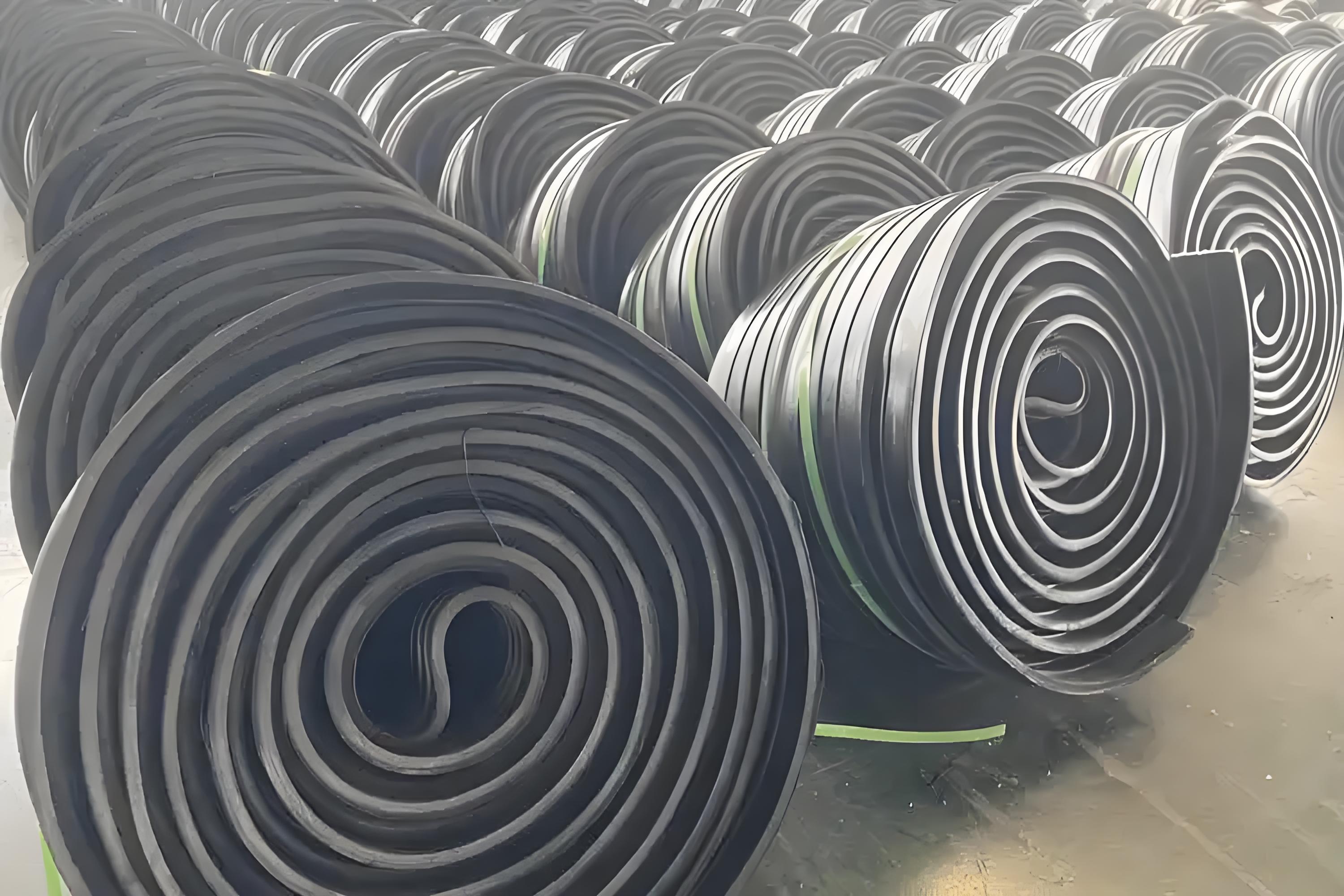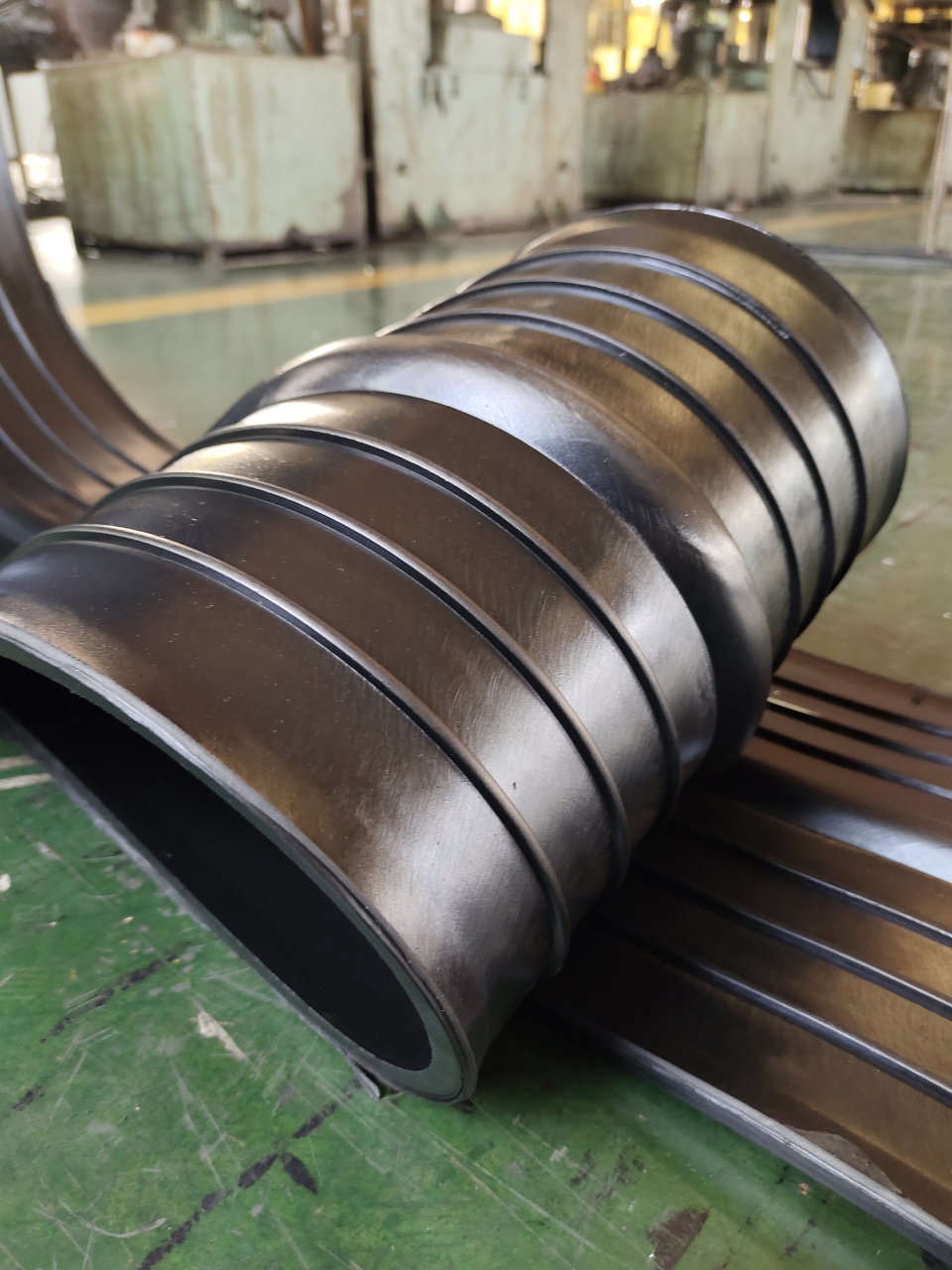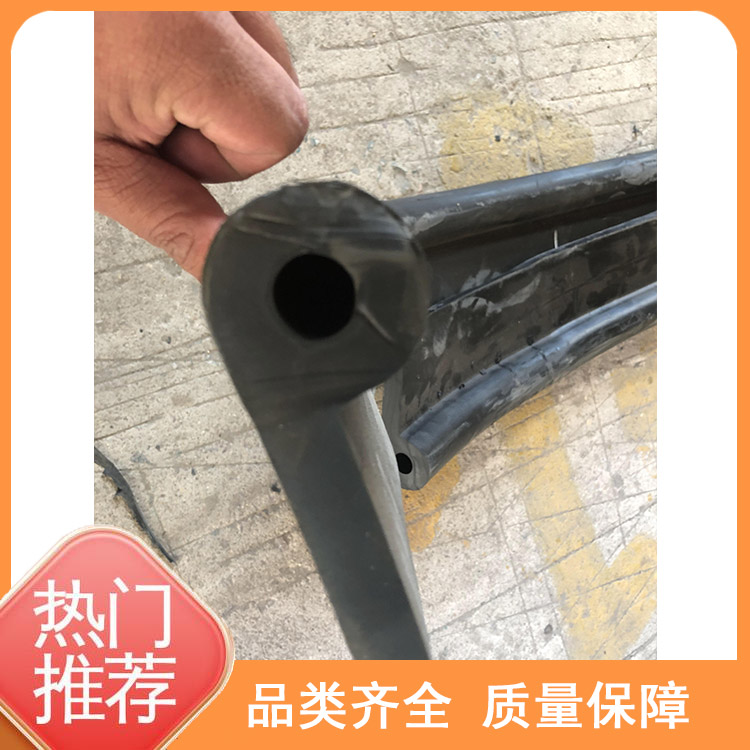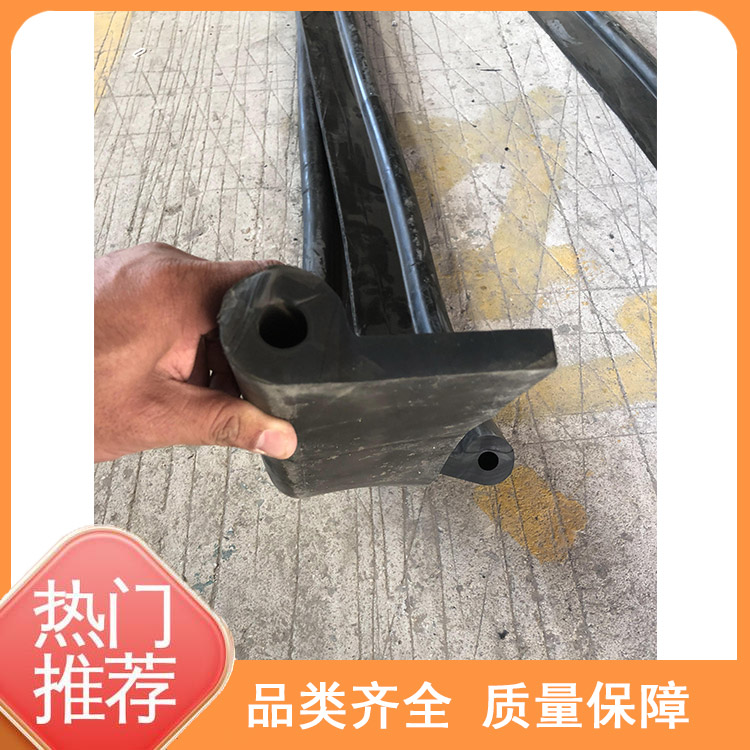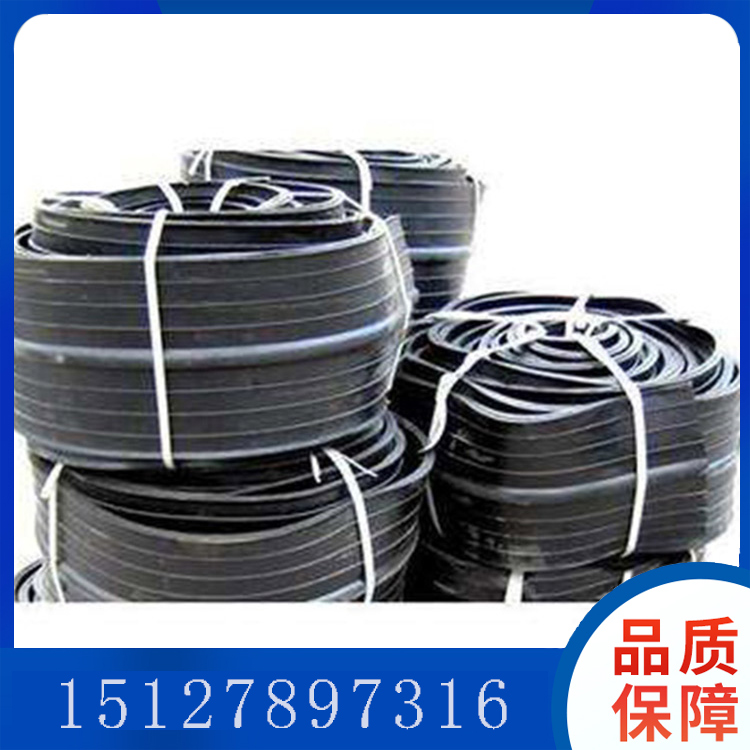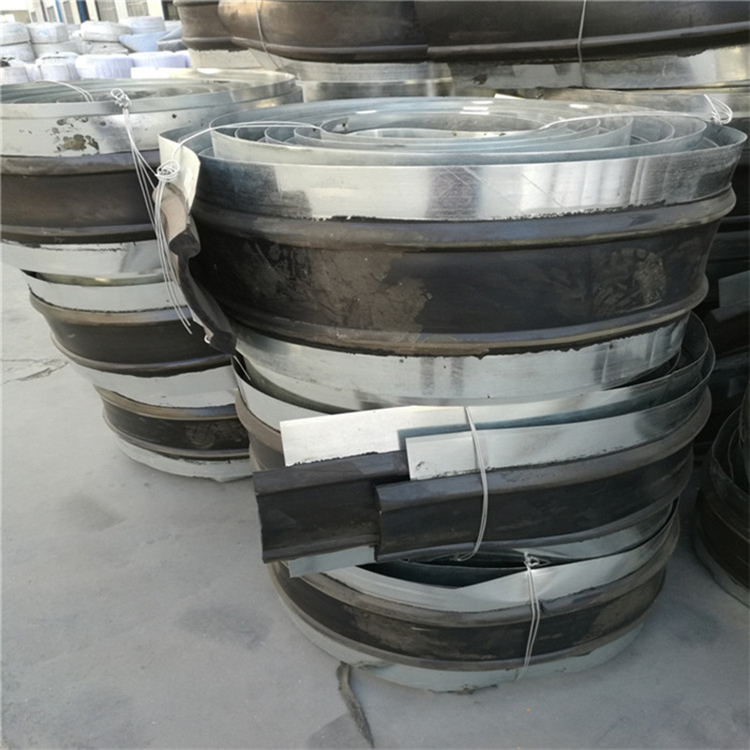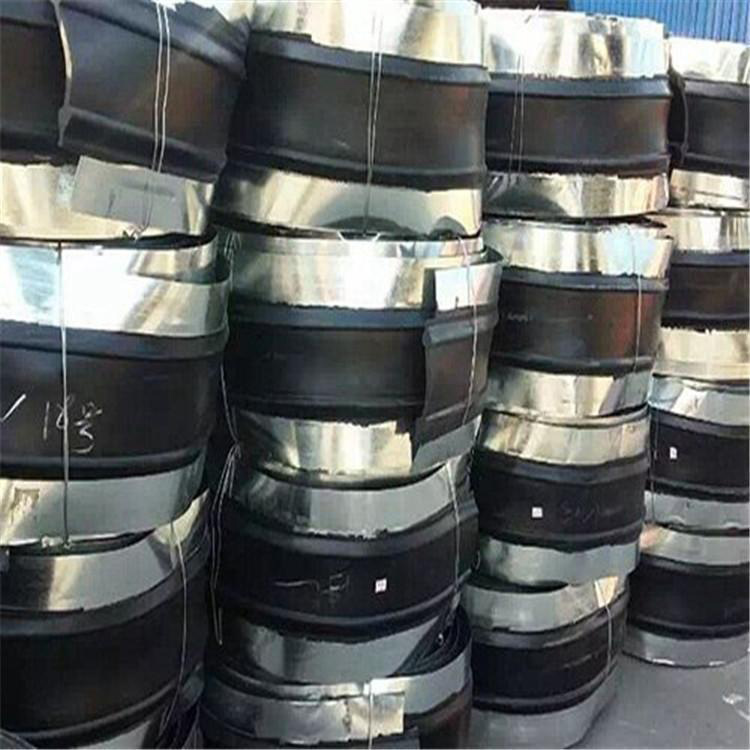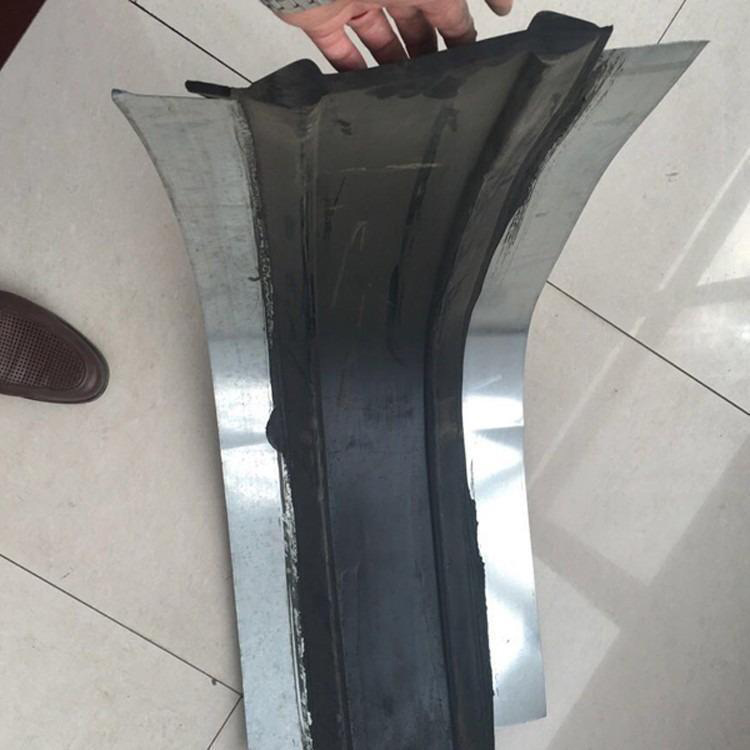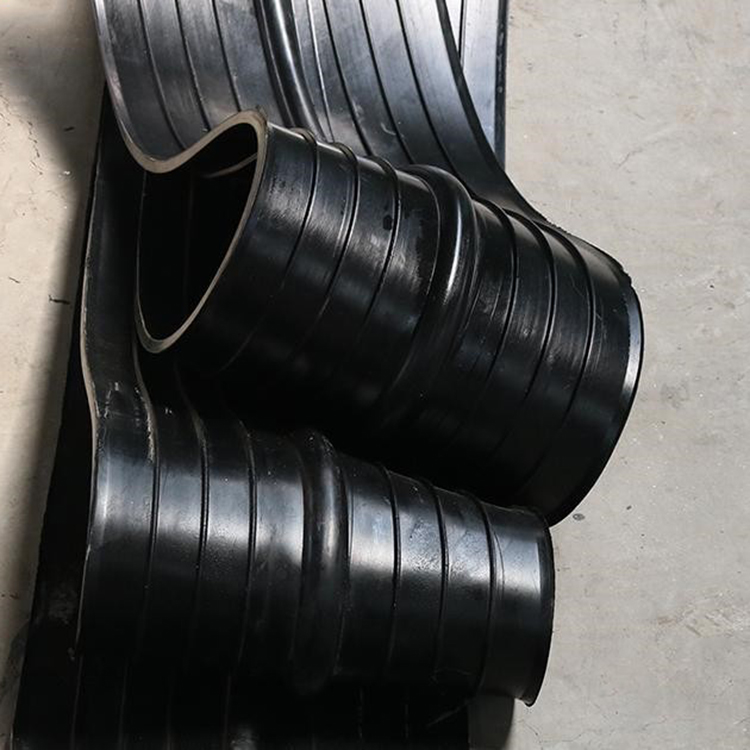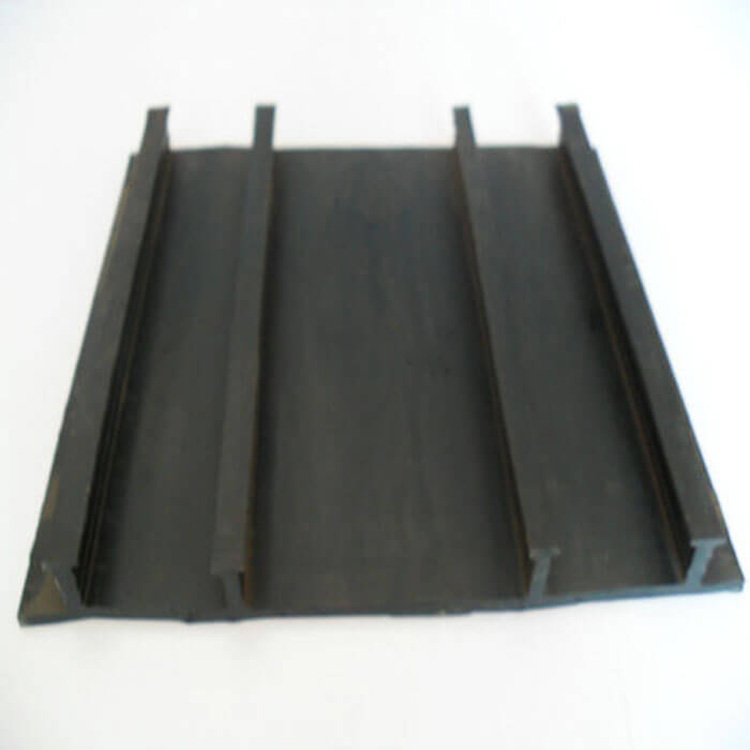
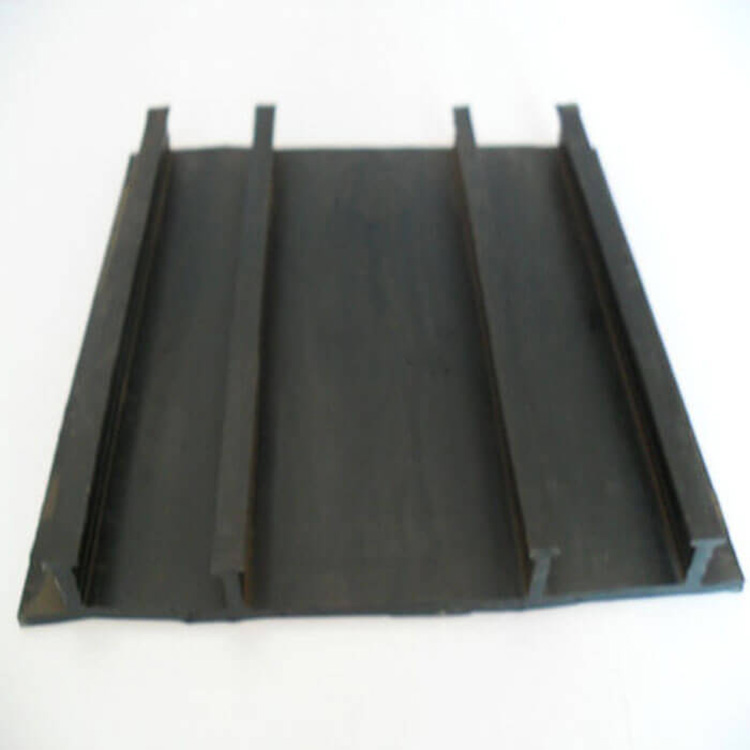
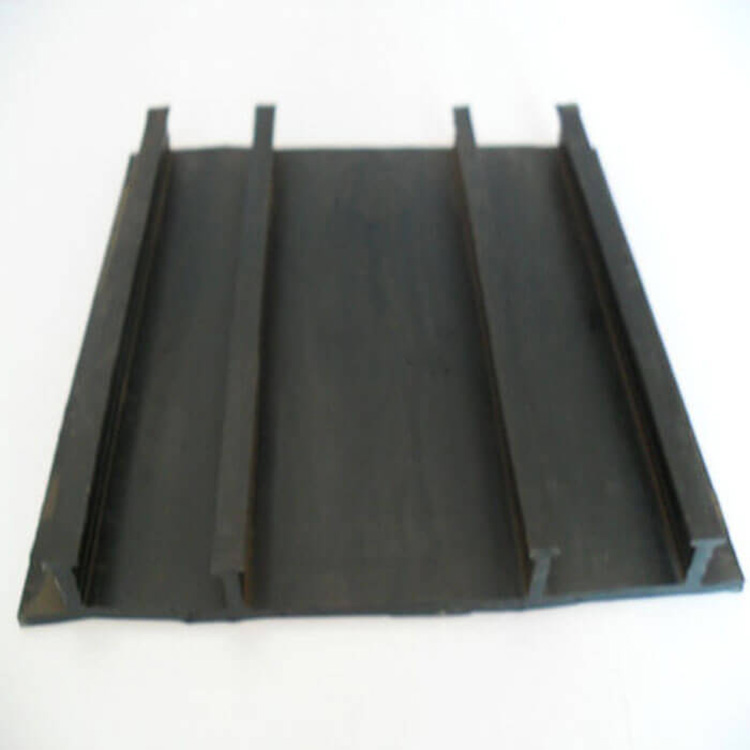


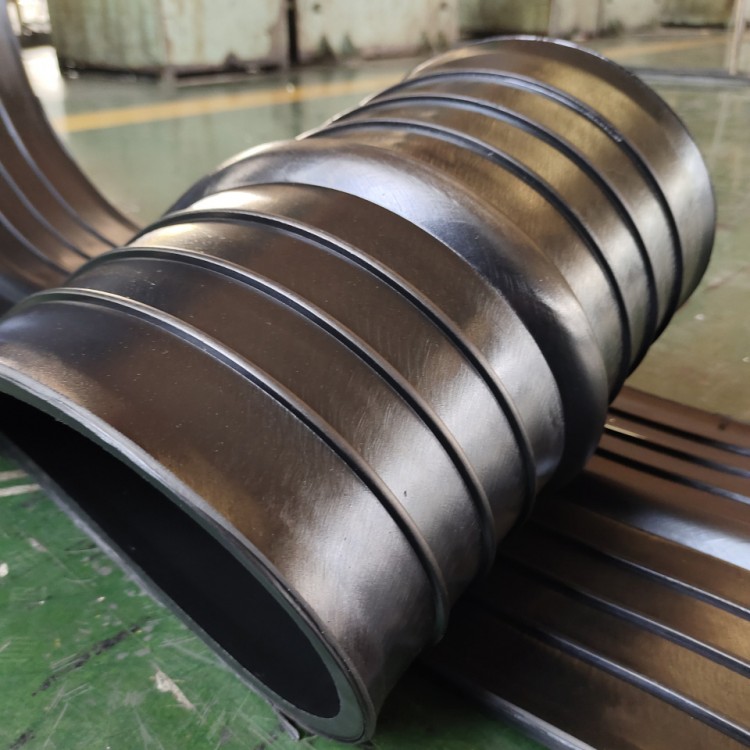
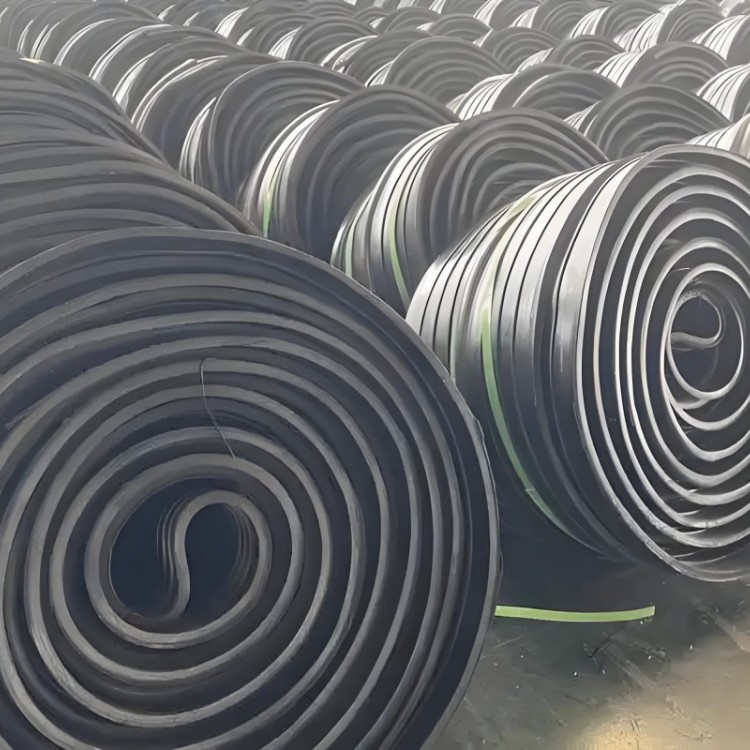
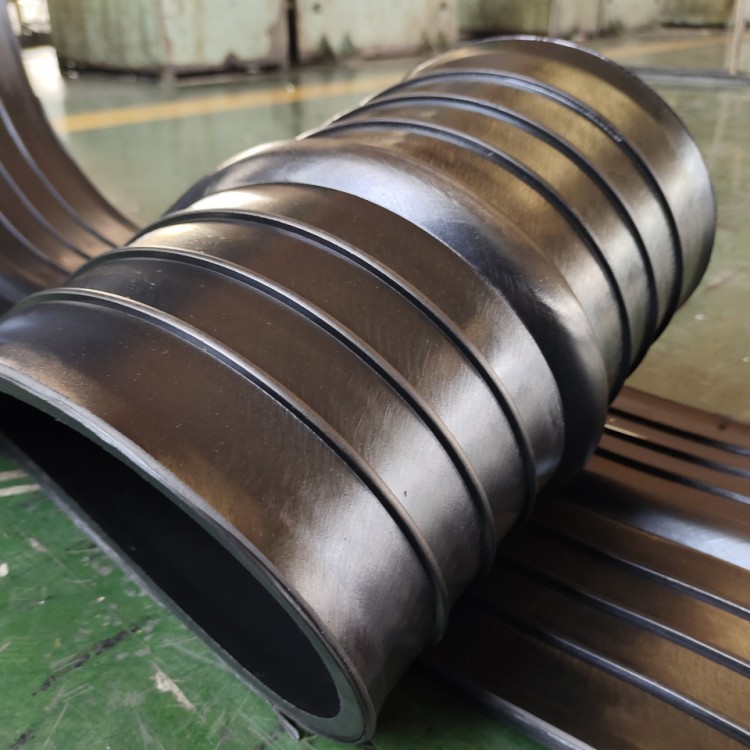
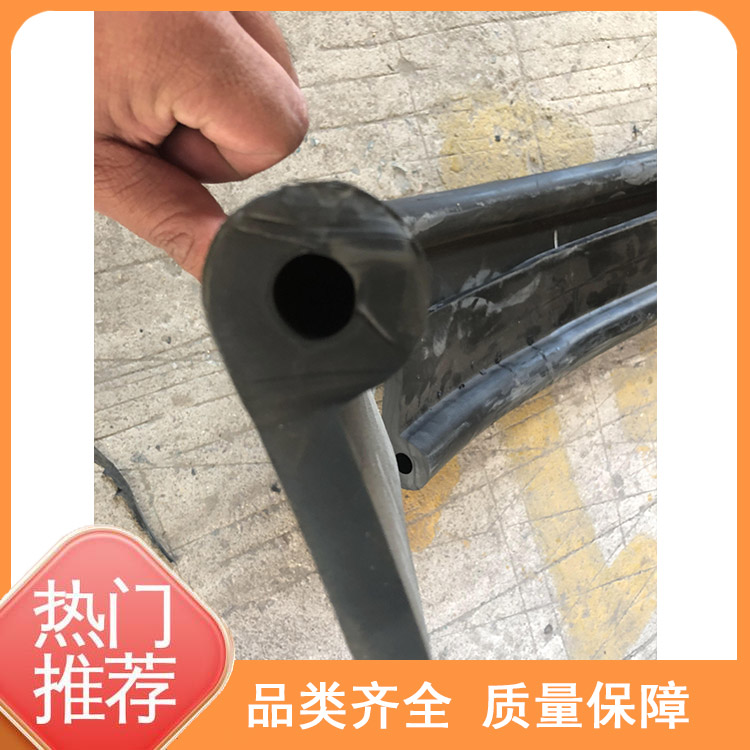
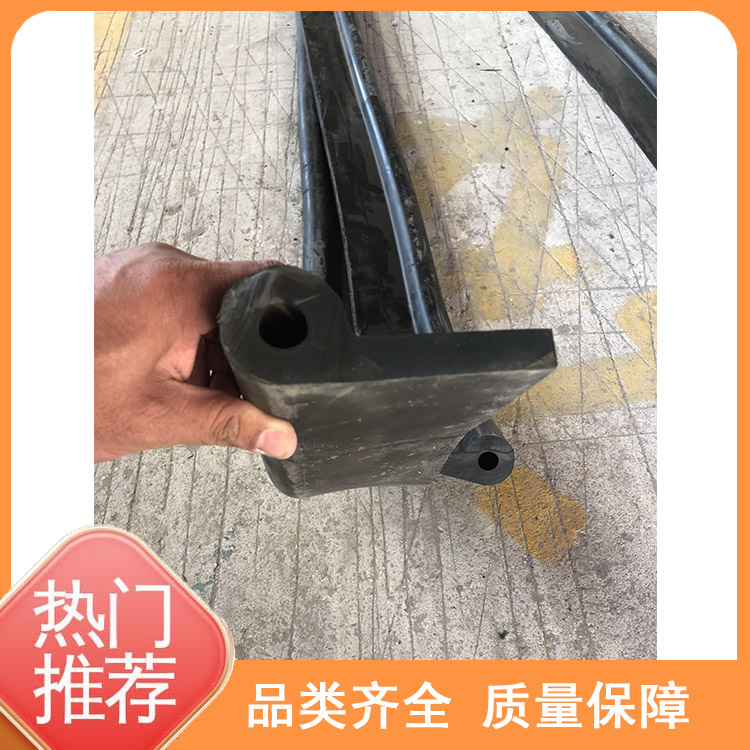





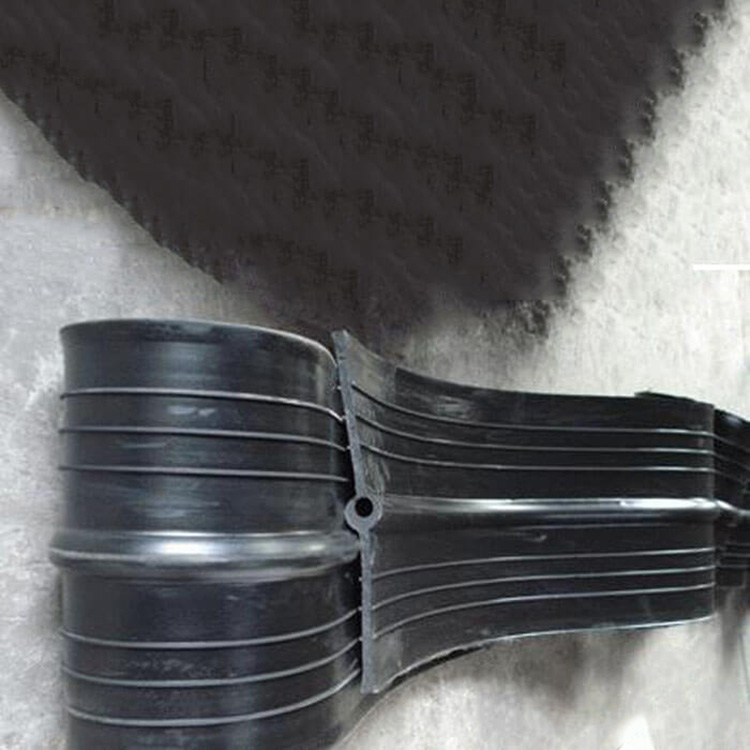
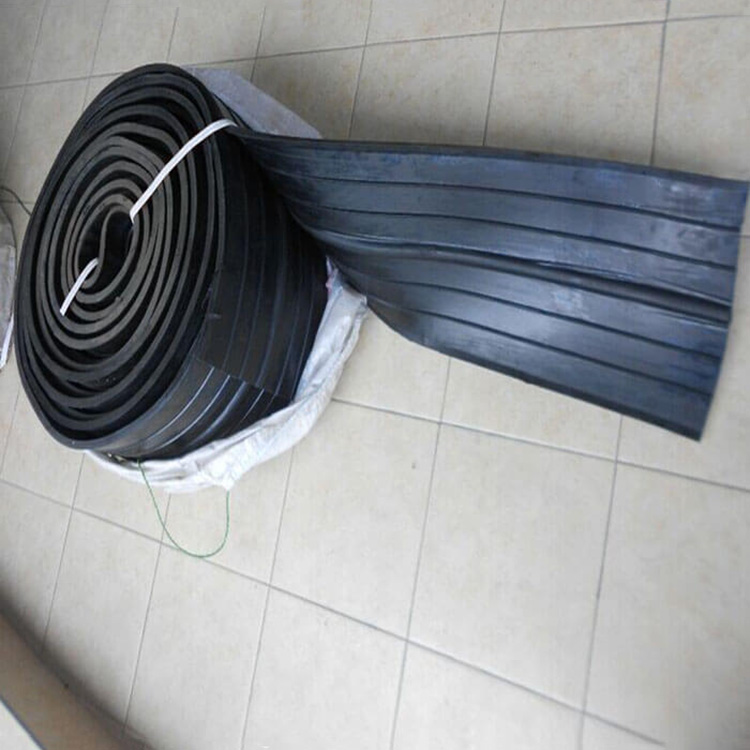
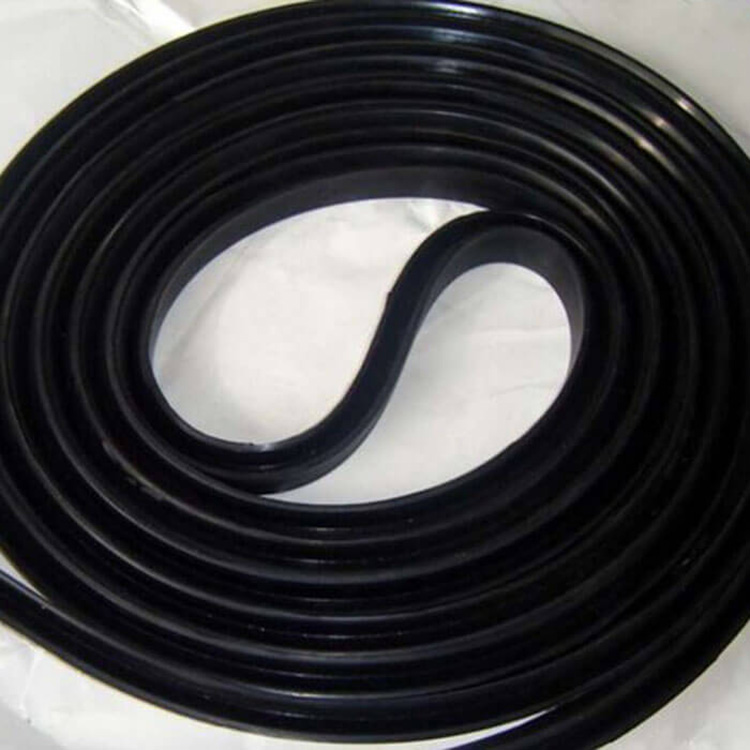
Bonded rubber waterstop mainly consists of natural rubber and various synthetic rubbers as the main raw materials, mixed with various additives and fillers, and then plasticized, compounded, and molded. It comes in a variety of types and specifications, including bridge type, mountain type, P-type, U-type, Z-type, Y-type, T-type, H-type, E-type, and Q-type.
Backed rubber waterstop utilizes the high elasticity of rubber to produce elastic deformation under various loads, thereby providing a solid seal and effectively preventing leakage and seepage in building structures, as well as serving as a shock-absorbing buffer. In many engineering and architectural designs, there are certain expansion requirements between civil works and soil-water structures, along with issues of waterproofing and shock resistance. Therefore, the use and installation of rubber waterstops are effective means to address these various problems. This product is mainly used in concrete pouring, installed in construction joints and expansion joints, becoming an integral part of foundation engineering, underground facilities, tunnels, aqueducts, water-retaining dams, etc., to ensure the service life of the construction project.