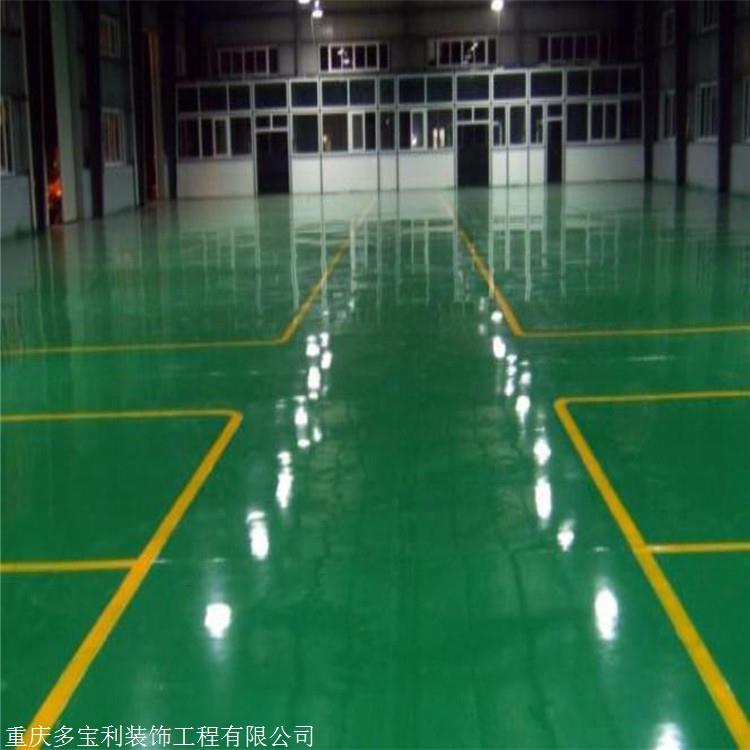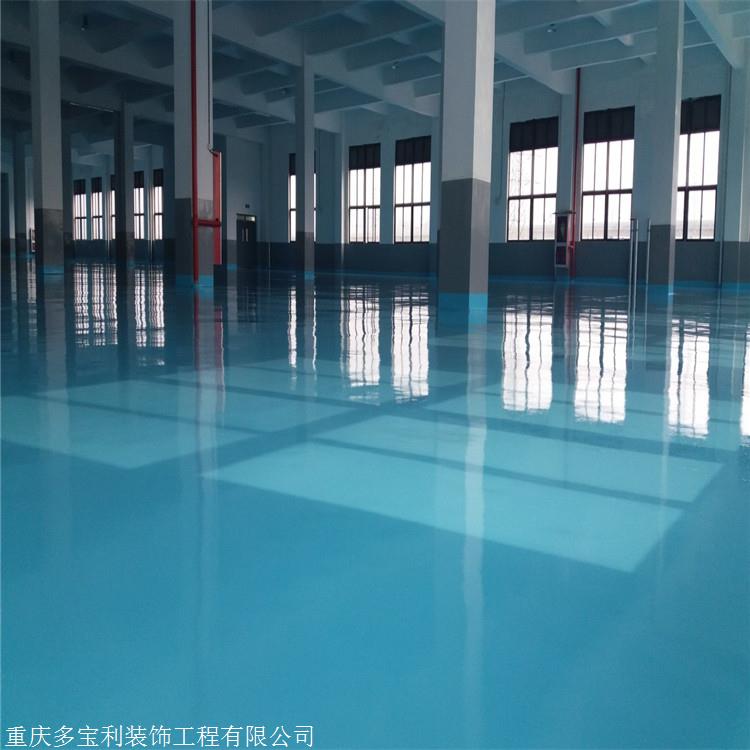
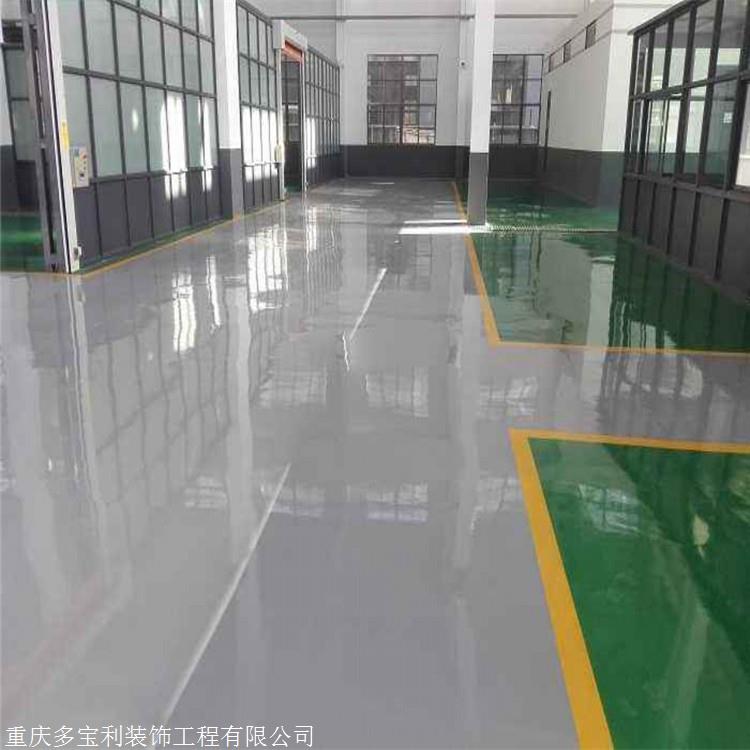









Generally, epoxy flooring installation is not recommended during winter as it can affect the quality of work in various aspects and increase the difficulty and risk of construction. However, there may be urgent construction needs due to customer requirements. What situations might arise, and how can the difficulties of winter construction be addressed?
In winter, epoxy floor coating application can lead to a slowdown in paint reaction, a significant increase in viscosity, and a reduction in the quality of the coating film.
1. Separate the low-temperature periods:
When painting, try to avoid low-temperature periods. Begin after 10 AM and cease by 3 PM to minimize the impact of cold weather.
2. Increase Room Temperature
Increase indoor temperature to above 5 degrees Celsius, allowing for construction during winter. Many factories in the north have heating systems, which can be activated before and during the construction process.
3. Add solvent:
You may add solvents with a volatile rate less than 5%, such as ethyl acetate, butyl acetate, etc. This can address the issue of high viscosity and lack of leveling in floor paint at low temperatures.
4. Paint Heating:
Store the paint in a warm environment or heat it using steam or hot water. However, be cautious to prevent steam or hot water from entering the paint, and keep the water temperature below 38 degrees.
The coating environment in the epoxy flooring construction process requires humidity less than 75% and temperature between 10-35°C. Generally, it can be applied at temperatures above 5°C as well; below 5°C, it's challenging to guarantee the actual performance of the epoxy flooring coating.
Although epoxy flooring installation during winter adds many difficulties, there are corresponding measures to address them. However, it is still recommended to avoid winter installation, as costs, difficulties, and risks are increased compared to other seasons.


Construction Notice
First, the ground must be properly sanded; otherwise, the adhesion might not be sufficient.
2. Each layer must be sanded after drying to avoid the issues mentioned above.
3. Be mindful not to overlap construction work to avoid compromising quality.
4. Ensure the paint is well-mixed, and allow each layer to dry completely before proceeding to the next step to avoid issues like bubbling.
5. Stop work if the construction site is too damp due to weather conditions.
(1) Bubble formation
◆ Reason
1) The substructure, adjacent to the water tank, ground floor, or other ground-level areas have higher humidity levels.
2) Lack of water seal treatment or inadequate primer sealing.
Preventive Measures
1) Pre-construction assessment with a moisture meter.
2) Locations with excessive moisture and water pressure must be pre-treated for water cutoff.
3) Select a hydrophilic epoxy primer.
Color variation
◆ Reason
1) Epoxy resin paint main agent sedimentation, not sufficiently mixed and blended.
2) The material was in contact with the ground for too long at the junction with the previous seam.
3) Inconsistent coating thickness.
4) Material interruption during construction.
5) Use paints from different batch numbers.
Preventive Measures
1) The main agent should be thoroughly mixed before construction.
Avoid prolonged contact with the preceding seam; strive to carry out the entire operation line together as much as possible.
3) Prefer using fixed tools and enhance the construction team's proficiency.
4) Ensure that all coatings are stocked in one go to prevent material shortages.
5) Preferably use paint from the same batch number.
(Volcano)
◆ Reason
1) The bottom has indented cavities.
2) Oil stains on the bottom layer.
3) Paint material issue.
Preventive Measures
1) Before construction, fill and level the凹洞 with epoxy putty before proceeding with the work.
2) Clean the lower layer of oil污 thoroughly.
3) Choose the appropriate paint.
(4) White Spot
◆ Reason
1) Paint reacts too slowly in winter and hardener reacts with air to produce a white fog-like substance.
2) Construction in low temperatures and high humidity conditions.
3) Water intrusion after construction.