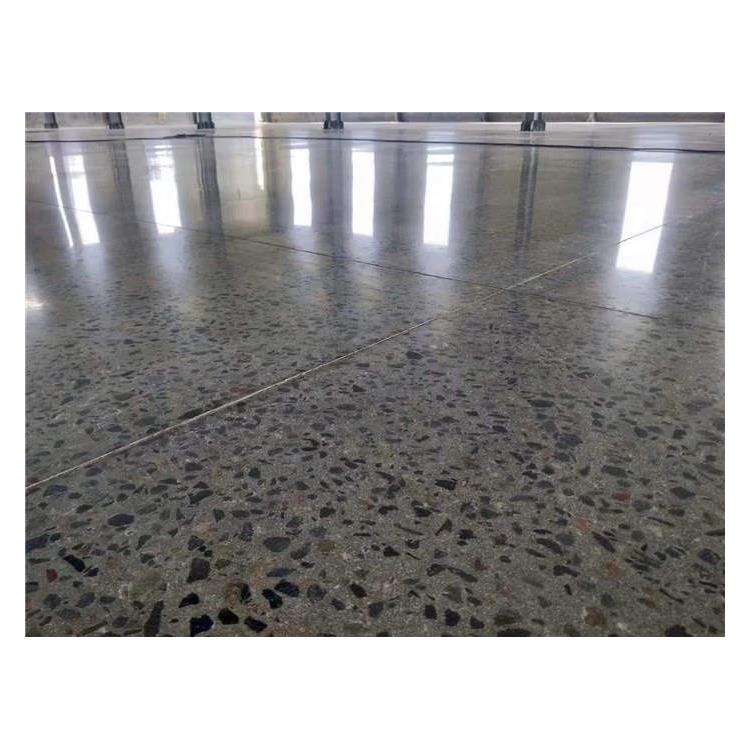
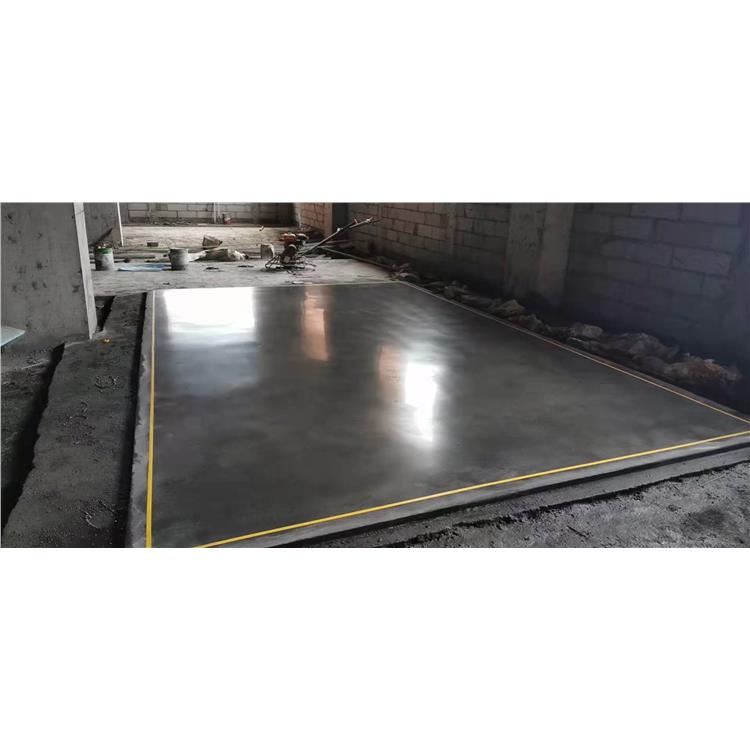


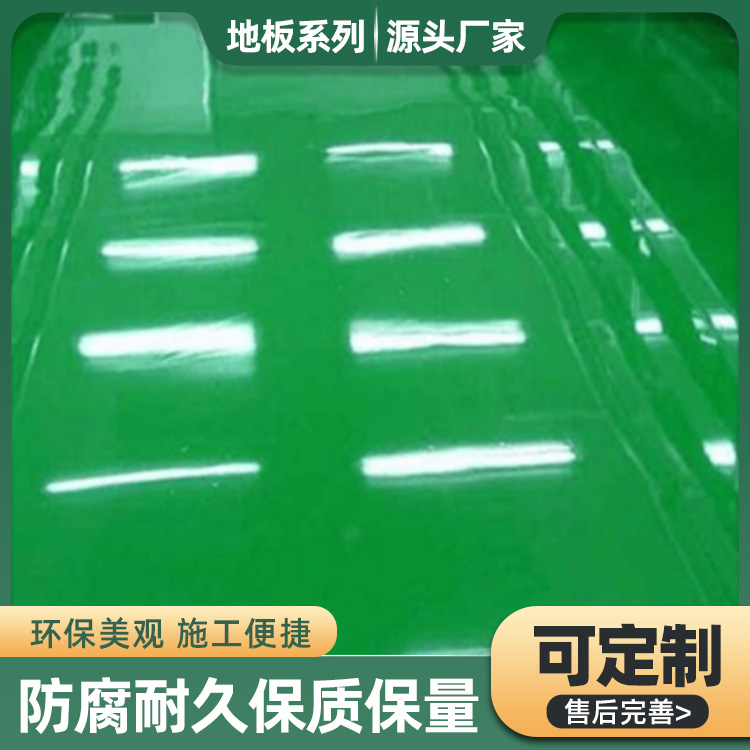
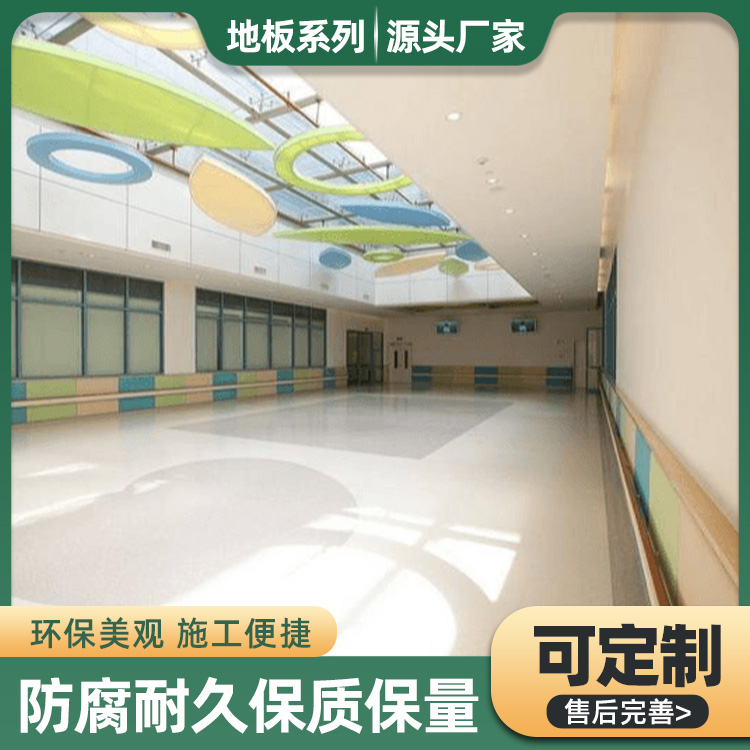
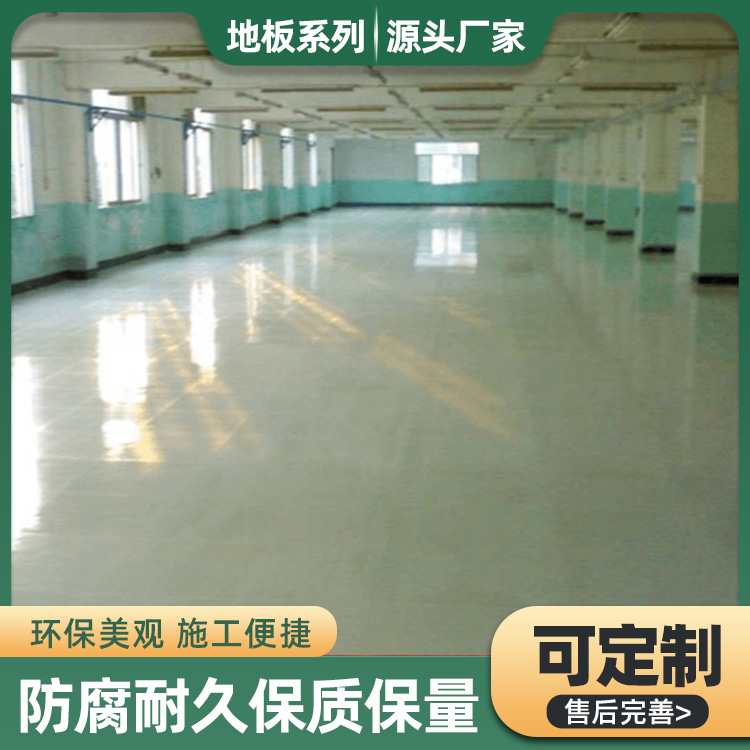







Epoxy flooring has gradually gained acceptance and recognition. It's not just plain cement surfaces; many customers opt for their floors to be treated with abrasive grit or terrazzo after the initial concrete pouring, followed by Sikafloor concrete hardening sealant to enhance the floor's wear resistance, sealing, and luster. This makes the floor more aesthetically pleasing, durable, and extends its lifespan. In our previous understanding, after the concrete pour, the surface would be polished, or even treated with abrasive grit or terrazzo, making additional sealing and hardening unnecessary. It seemed redundant and would only increase the initial cost. However, after these customers have used the floors for a while, those who understand the market often regret not opting for the additional sealing and hardening treatment.
Epoxy flooring:
I. Mechanical Property Requirements:
Primarily covering the following three aspects:
1. Abrasion Resistance: What types of vehicles will be operating on the flooring?
2. Pressure Resistance: What load the flooring will bear during use.
3. Impact Resistance: Does the impact force cause the flooring surface to delaminate?
Section II: Chemical Property Requirements:
Main considerations include the following two aspects:
1. Acid and alkali resistance: Types and concentrations of corrosive chemicals used.
2. Solvent Resistance: Type of solvent used and contact time during application.
Types of Epoxy Floorings:
Epoxy Flat Floor Coating:
Epoxy flat floorings are suitable for dust prevention in general workshops and locations with moderate environmental requirements.
Epoxy Self-Leveling Floor Coating
Epoxy self-leveling flooring is suitable for dust-free workshops and industrial production areas with high requirements for factory purification.
Section 3: Epoxy Antistatic Flooring
Epoxy antistatic flooring for electronic industry manufacturing facilities with antistatic requirements.
Epoxy Wear-Resistant Flooring
Epoxy mortar wear-resistant flooring is used in areas of factories with heavy-duty operations, such as workshops, warehouses, corridors, and underground parking lots.
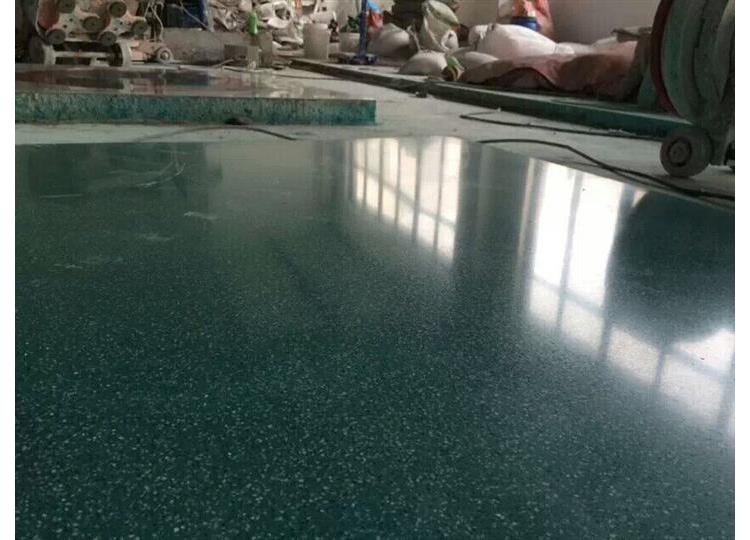
Applicable objects for solidified flooring:
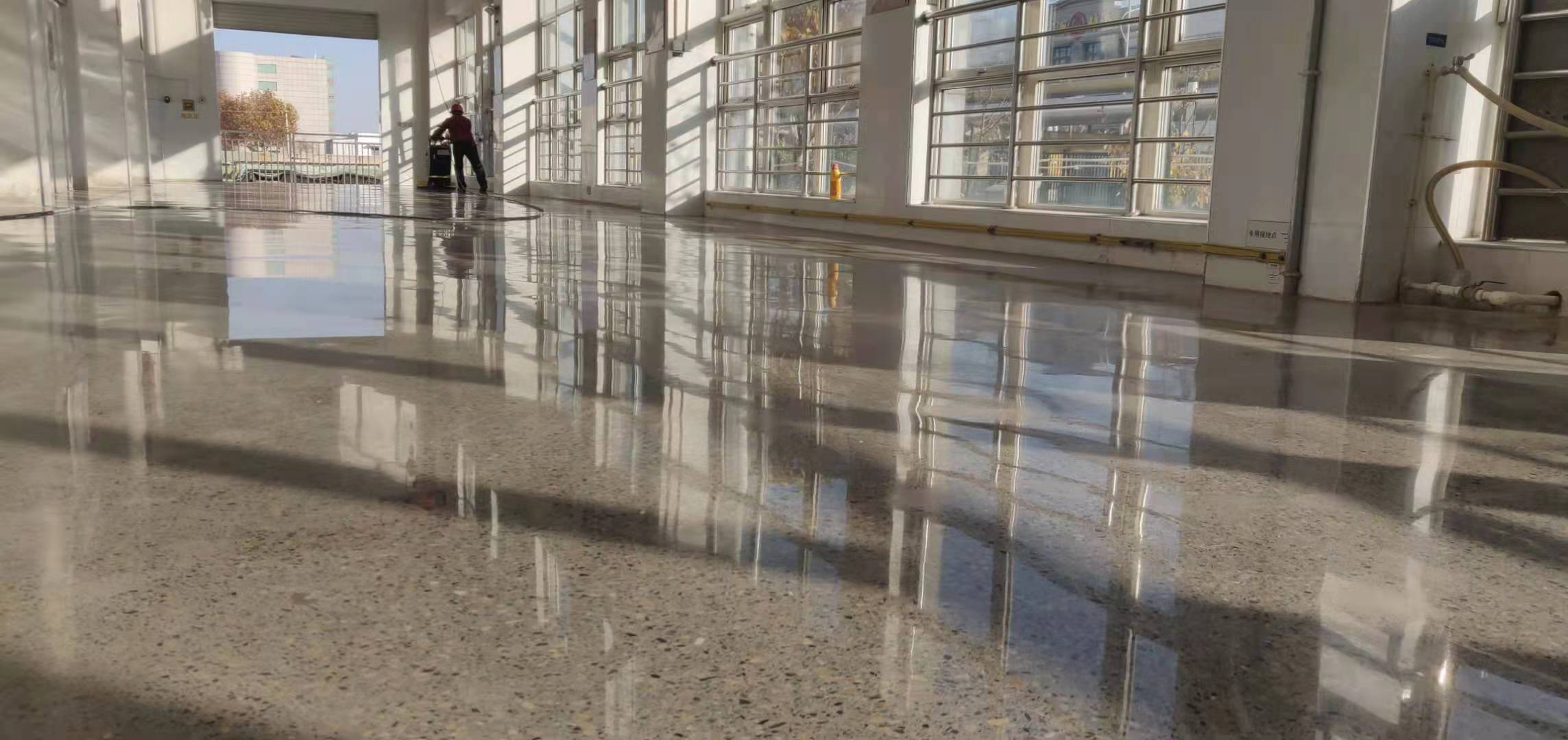
1. Suitable for new concrete floor treatment that requires dust-free, enhanced overall compressive strength, resistance to penetration, hardness, wear resistance, and a smooth, shiny surface.
2. Suitable for secondary treatment of old concrete (cement mortar) floors, terrazzo floors, and abrasion-resistant sandblasted floors that are prone to dust and sand. Post-treatment significantly enhances the strength, hardness, and surface density (improved impermeability) of the old floors, achieving a non-sanding, dust-proof, and easy-to-clean effect.
3. Suitable for high-wear applications such as concrete floors in various workshops, solid aggregate surfaces, parking lots, bridges, roads, streets, airports, large warehousing malls, and other concrete surfaces in areas with particularly heavy traffic.
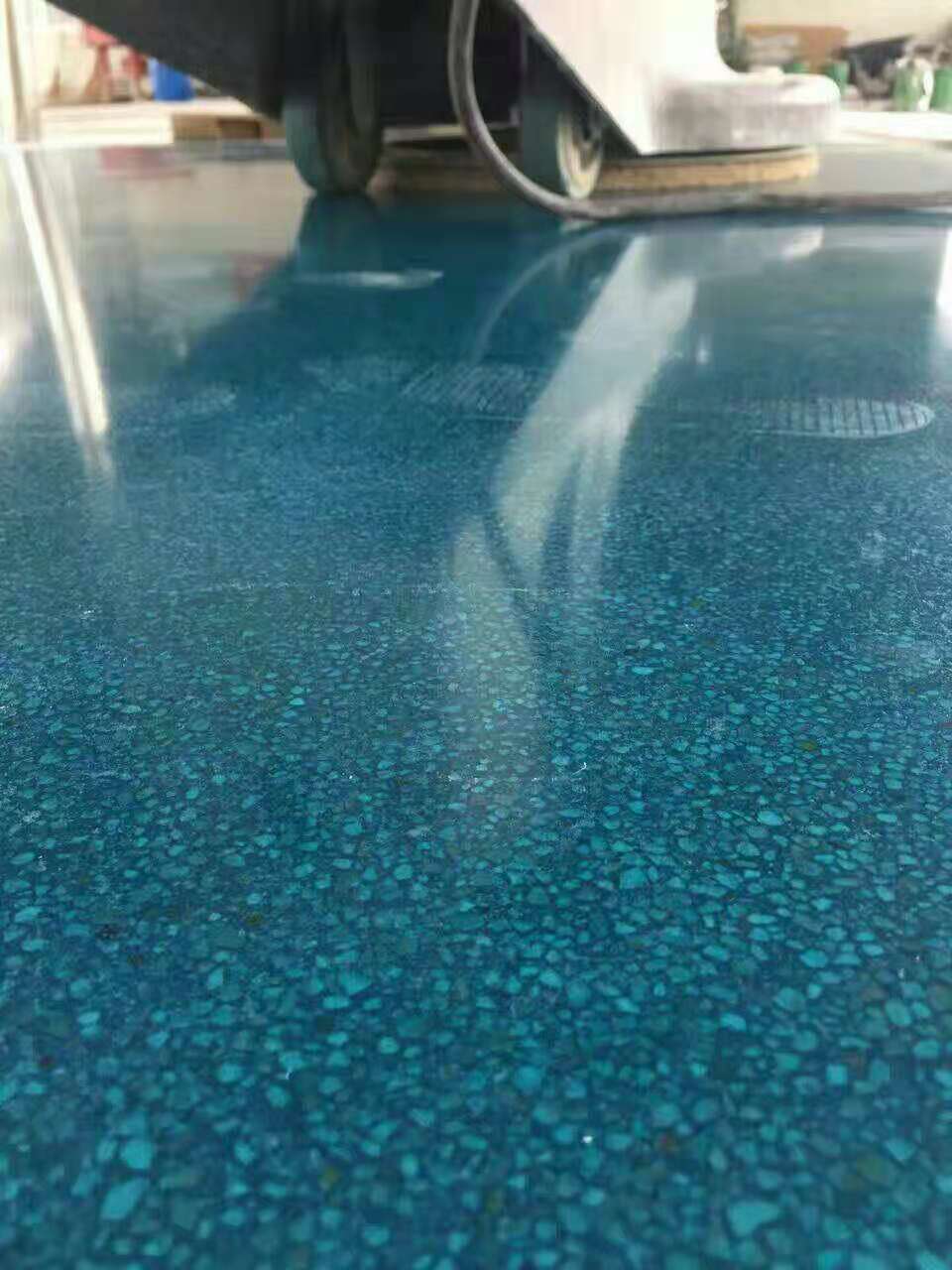
Solidified flooring is gaining increasing recognition and popularity among clients due to its numerous superior properties, having become the mainstream in industrial flooring. As the fastest-growing flooring treatment method at present, it boasts a vast market prospect. Today, let's discuss the advantages of solidifier flooring and why businesses are increasingly opting for it.
1. Low requirements for construction environment; no need for suitable temperature and humidity, unlike other floor paints.
2. After use, the old cement ground increases in hardness by several dozen times, significantly extending its service life. Moreover, as it ages, the surface becomes increasingly smooth, hard, and bright.
3. After construction, it is as hard as marble. The ground has a clear, natural look without being forced.
4. Free from, belongs to the odorless, non-toxic, and environmentally safe product series.
5. Concrete sex care, prevents concrete surface from cracking and weathering, ensuring no sanding or dusting occurs.
6. Life span of over 50 years with no need for waxing or maintenance treatments, significantly reducing maintenance and care costs.
7. Short construction period, low technical requirements, no additional costs needed after completion.
We adhere to our corporate quality policy of "putting credibility first and providing high-quality products and services to our customers," continuously enhancing our employees' quality awareness, and striving to achieve customer satisfaction.