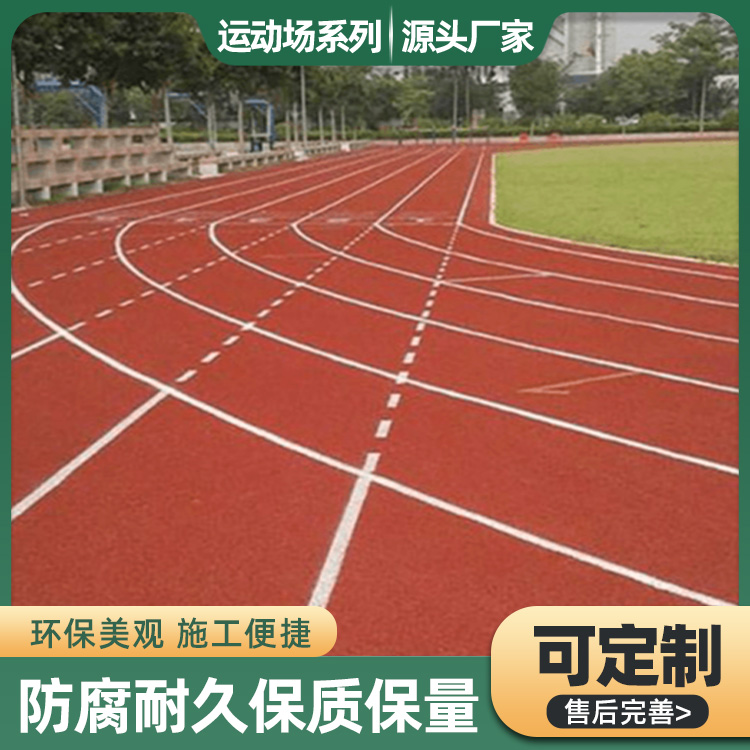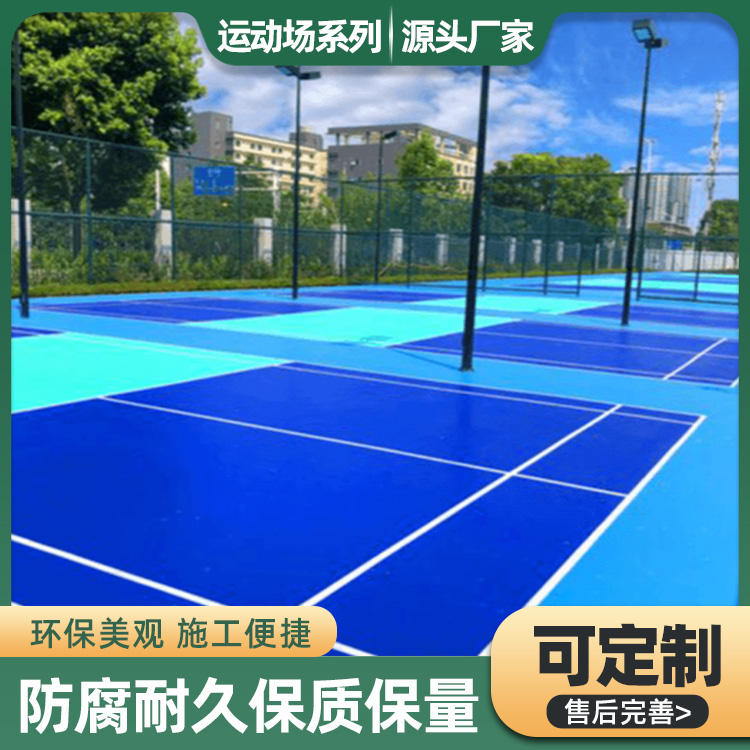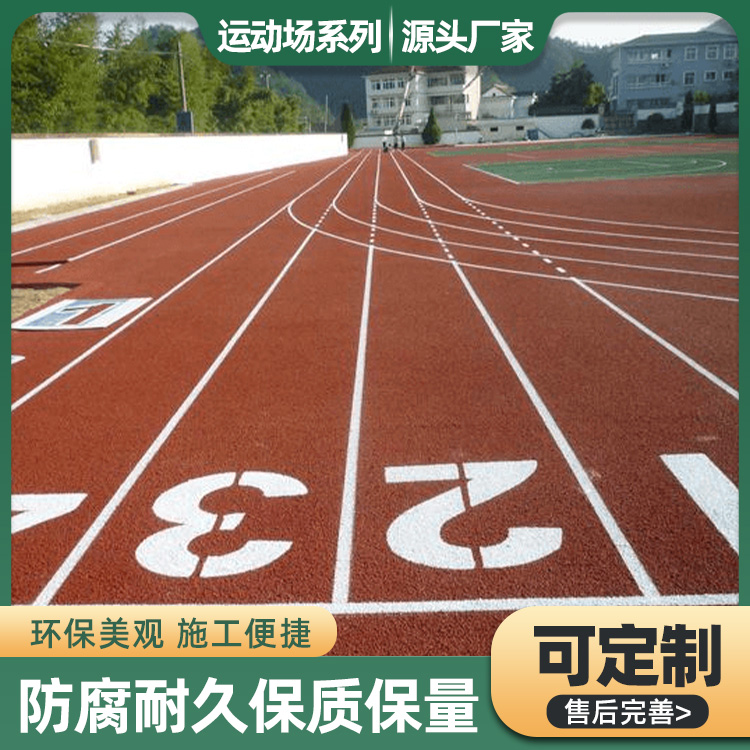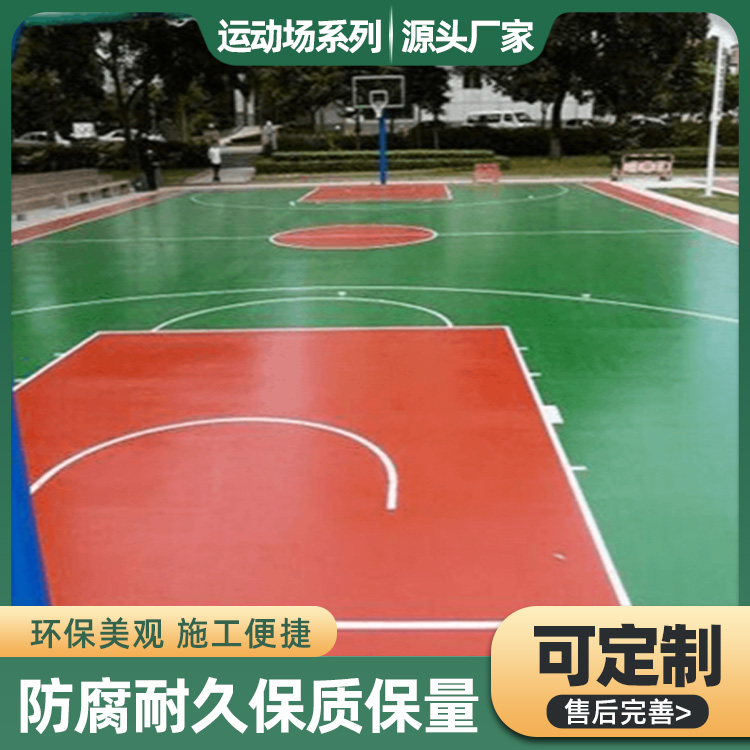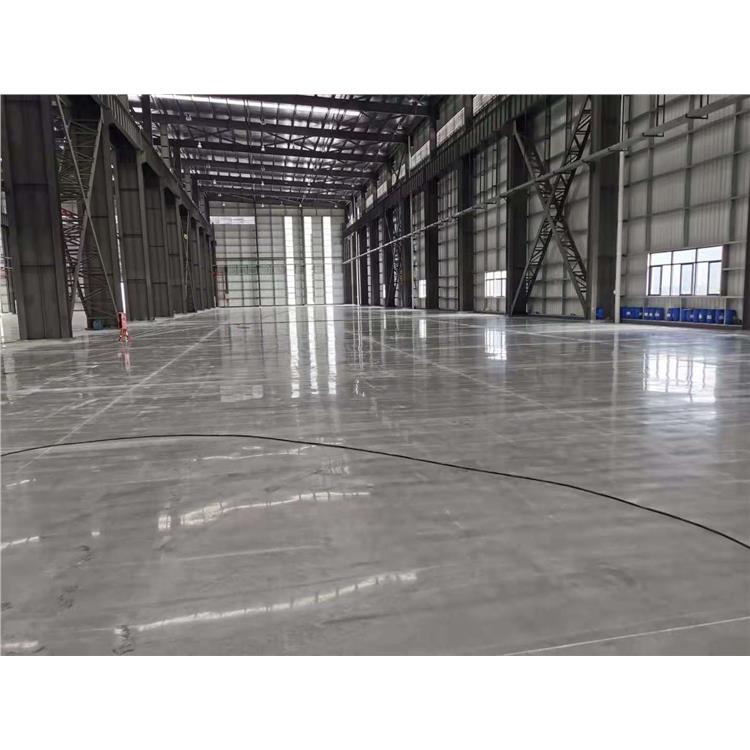
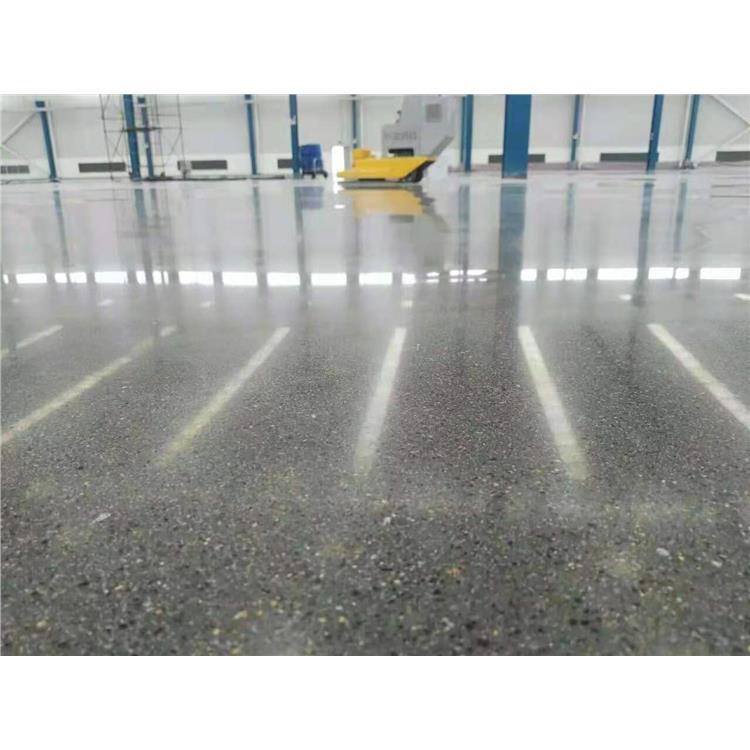


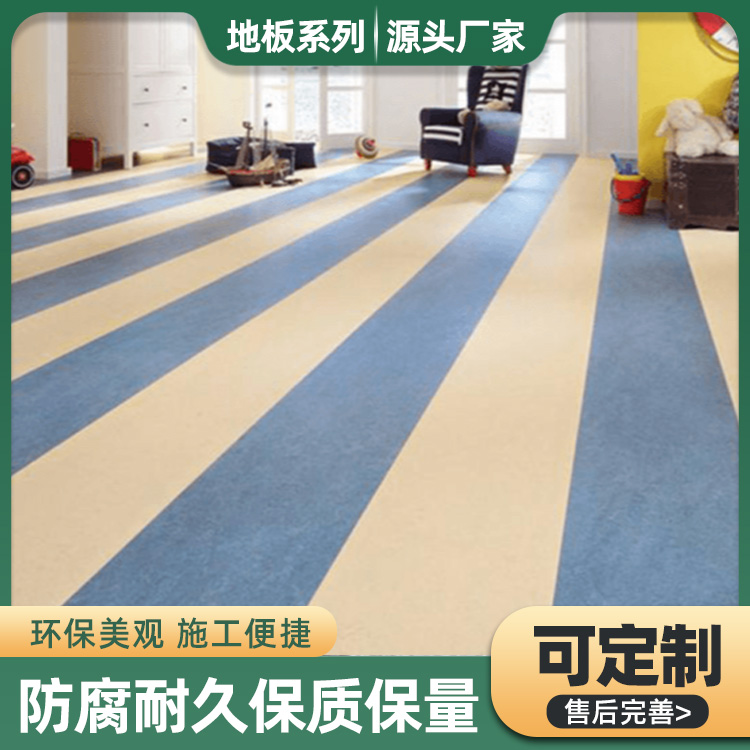
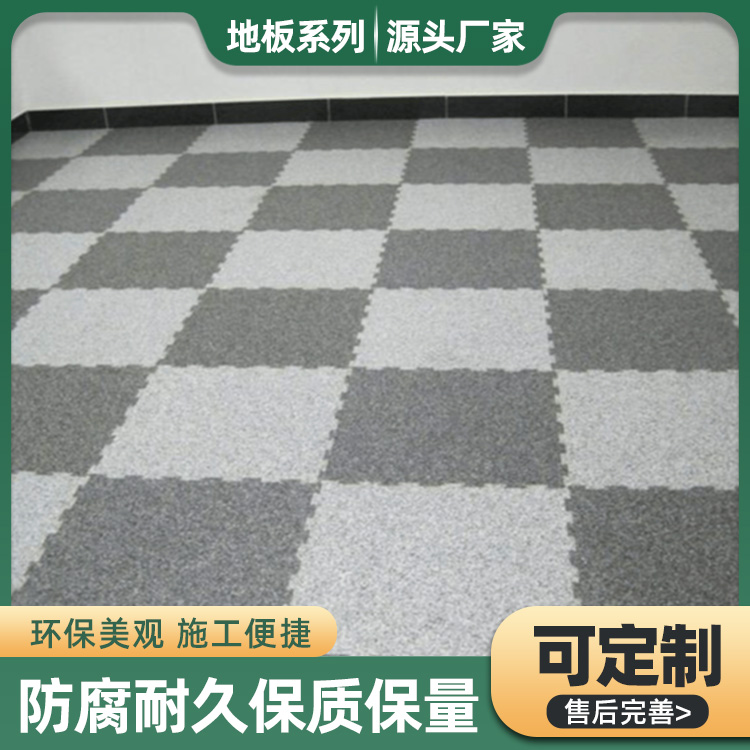
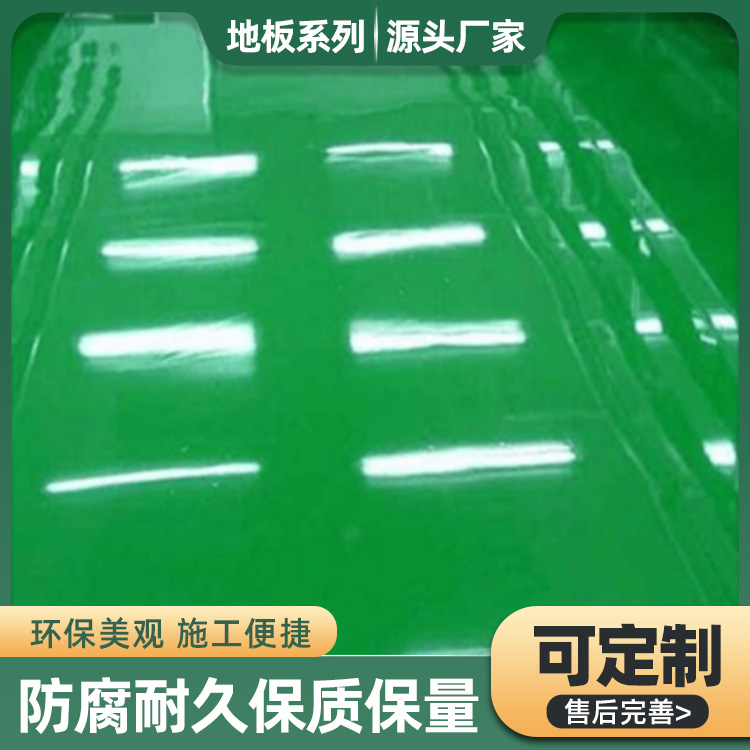
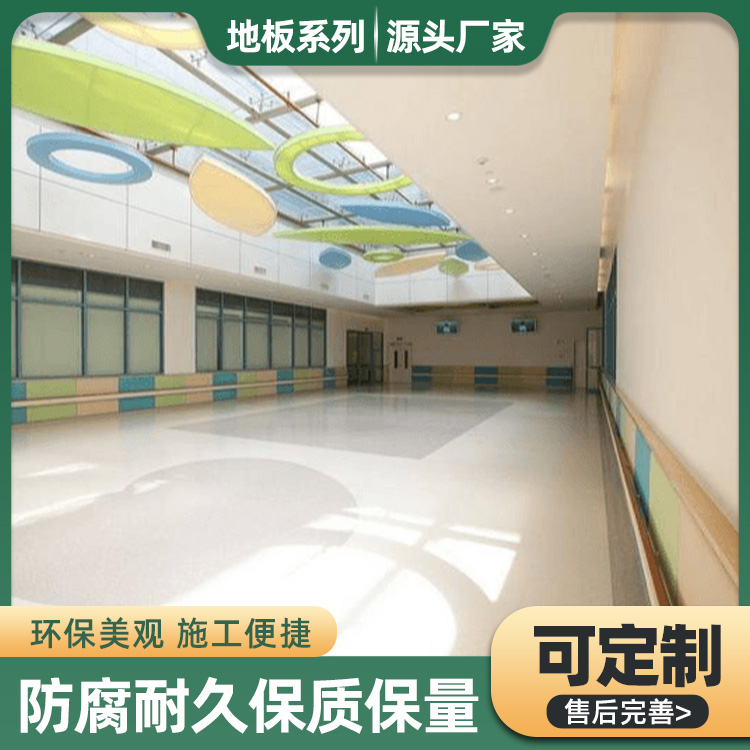
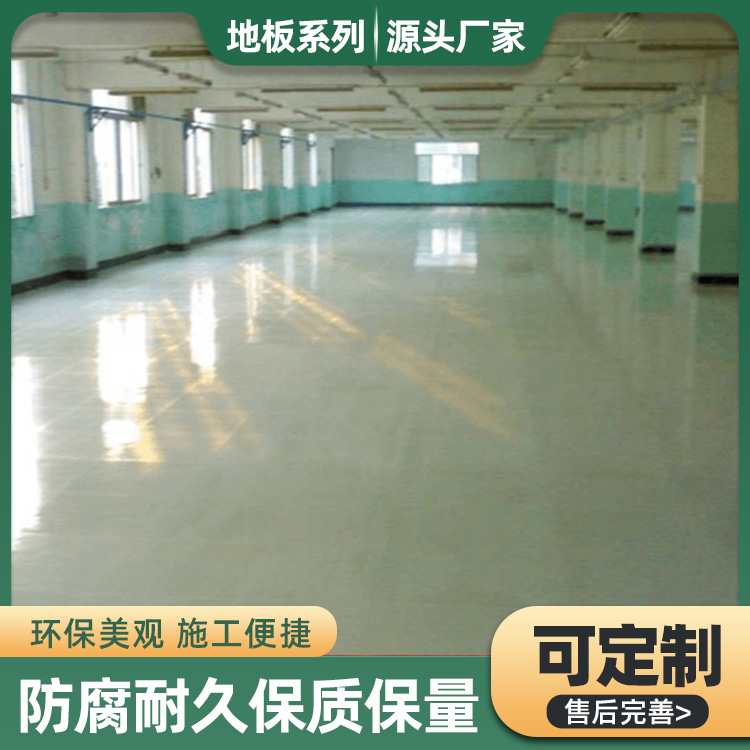







Solidified flooring, also known as hardening flooring, is achieved by the penetration of concrete sealant into the concrete, which alters the internal structure of the material to enhance hardness and luster. Solidified flooring boasts aesthetic cleanliness, high hardness and density, non-sanding and dust-free properties, excellent wear resistance, and high luster.
Epoxy flooring:
Section 1: Mechanical Property Requirements:
Primarily covering the following three aspects:
1. Abrasion Resistance: What types of vehicles will be traveling over the flooring during use?
2. Pressure Resistance: The amount of load the floor will bear during use.
3. Impact Resistance: Does the impact force cause the flooring surface to delaminate?
II. Chemical Property Requirements:
Primarily consider the following two aspects:
1. Acid and alkali resistance: Types and concentrations of corrosive chemicals during use.
2. Solvent Resistance: Type of solvent used and contact time during application.
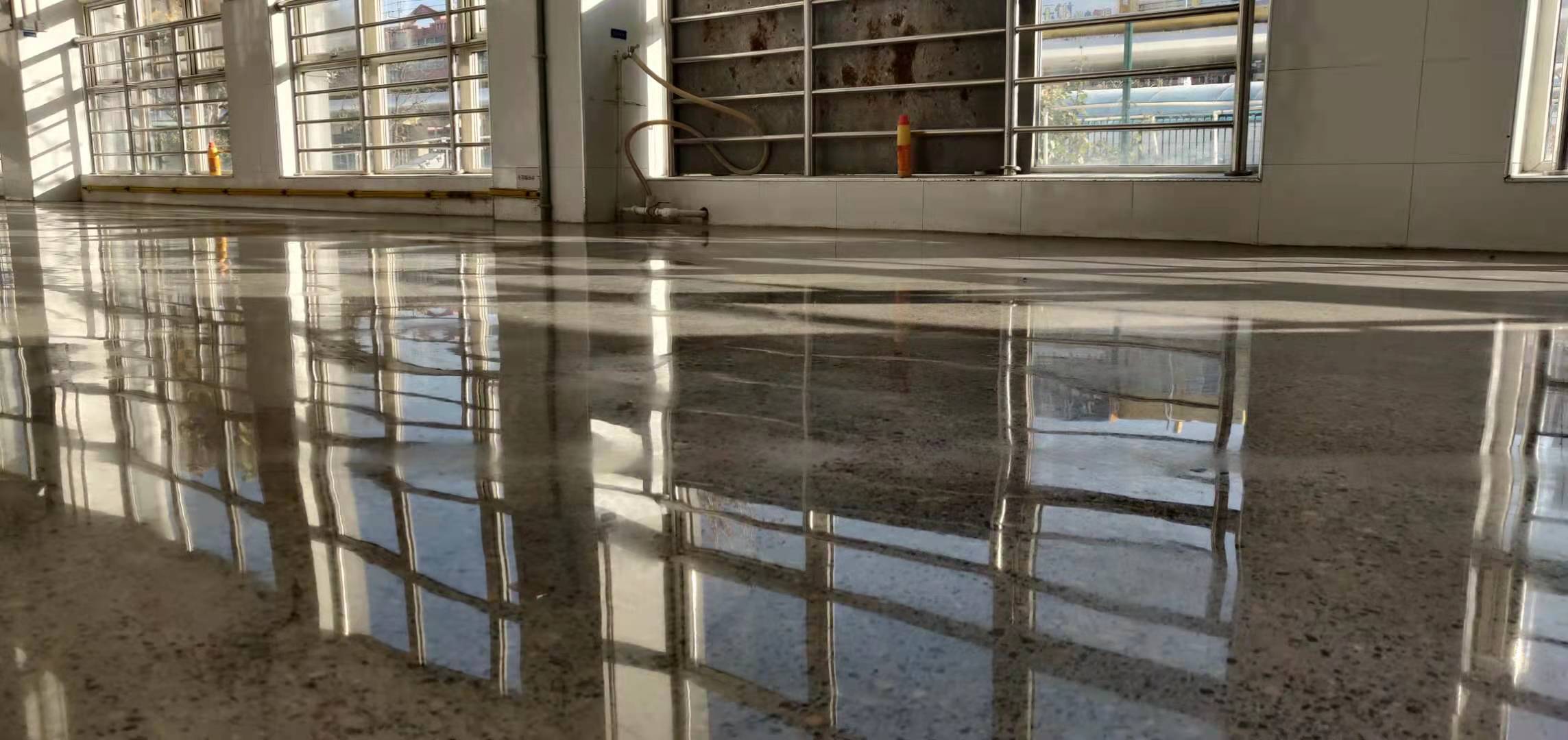
Applicable objects for solidified flooring:
1. Suitable for new concrete flooring treatments requiring dust-free, enhanced overall compressive strength, resistance to penetration, hardness, wear resistance, and a smooth, shiny surface.
2. Suitable for secondary treatment of old concrete (cement mortar) floors, terrazzo floors, and abrasion-resistant sandblasted floors that are prone to dust and sand. Post-treatment significantly enhances the strength, hardness, and surface density (improved impermeability) of the old floors, achieving a non-sanding, dust-proof, and easy-to-clean effect.
3. Suitable for high wear-resistant environments, such as concrete floors in various workshops, stabilized aggregate surfaces, parking lots, bridges, roads, streets, airports, large-scale warehousing malls, and other concrete surfaces in areas with particularly heavy traffic.
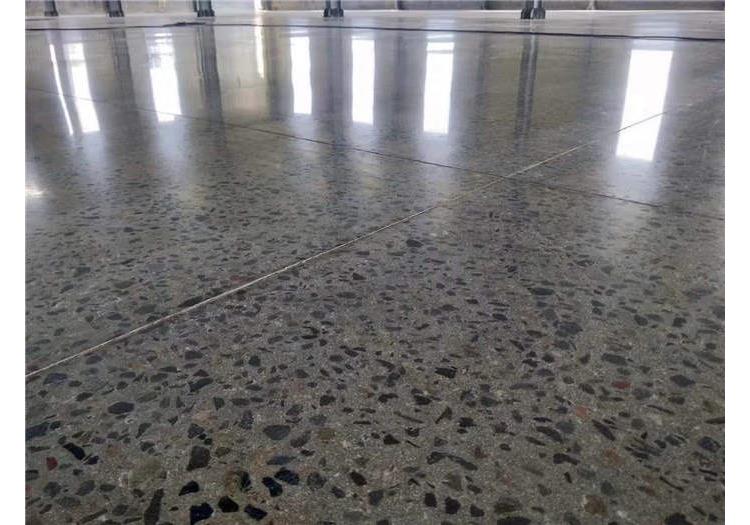
Solidified flooring is gaining recognition and popularity among clients due to its numerous advantages, and it has now become the mainstream in industrial flooring. As the fastest-growing flooring treatment method at present, the market prospect for solidified flooring is very promising. Today, let's discuss the specific advantages of solidifier flooring and why businesses are increasingly opting for this solution.
1. Low requirements for construction environment; does not require suitable temperature and humidity like other floor paints.
2. After use, the old cement floor becomes several times harder, significantly increasing its service life. Moreover, as it is used over time, the surface becomes smoother, harder, and brighter.
3. Once completed, it's as durable as marble. The ground has a clear, natural look that's not forced.
4. Free from, belongs to the tasteless, non-toxic, eco-friendly safety series.
5. Concrete with sex care, preventing surface cracking and weathering of concrete, can achieve non-sanding and non-dusting.
6. Life expectancy of over 50 years with no need for waxing or maintenance treatments, significantly reducing maintenance and upkeep costs.
7. Short construction period, low technical requirements, no additional costs needed post-construction.
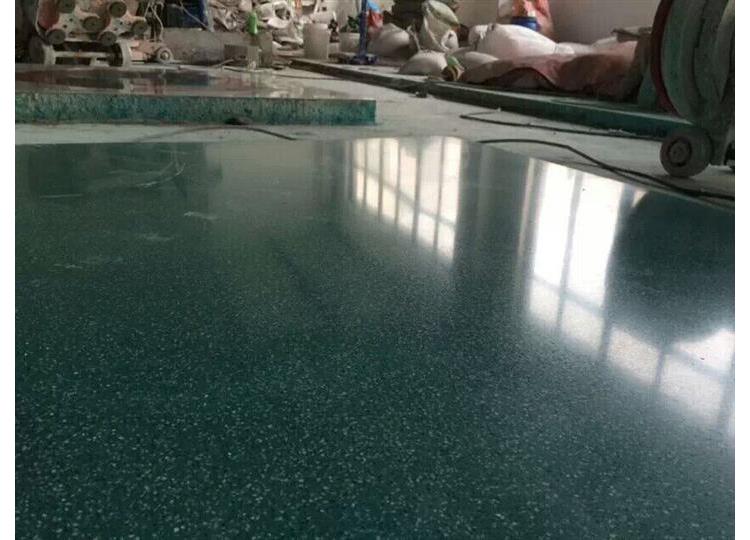
Epoxy Flooring Categories:
1. Epoxy Flat Flooring (for dust control in general workshops and areas with low environmental requirements)
2. Epoxy Self-Leveling Floor (for dust-free workshops, high industrial production areas with stringent factory purification requirements)
3. Epoxy antistatic flooring (required for electronic industry manufacturing workshops that need to combat static electricity)
4. Epoxy wear-resistant flooring (suitable for areas with heavy-duty operations in factories, such as workshops, warehouses, corridors, and underground parking lots).
We adhere to the business principle of "people-oriented, quality-first, and customer-first," continuously enhancing product performance, improving quality and service, and providing solutions tailored to customer requirements. We offer reliable and timely technical support to our customers.