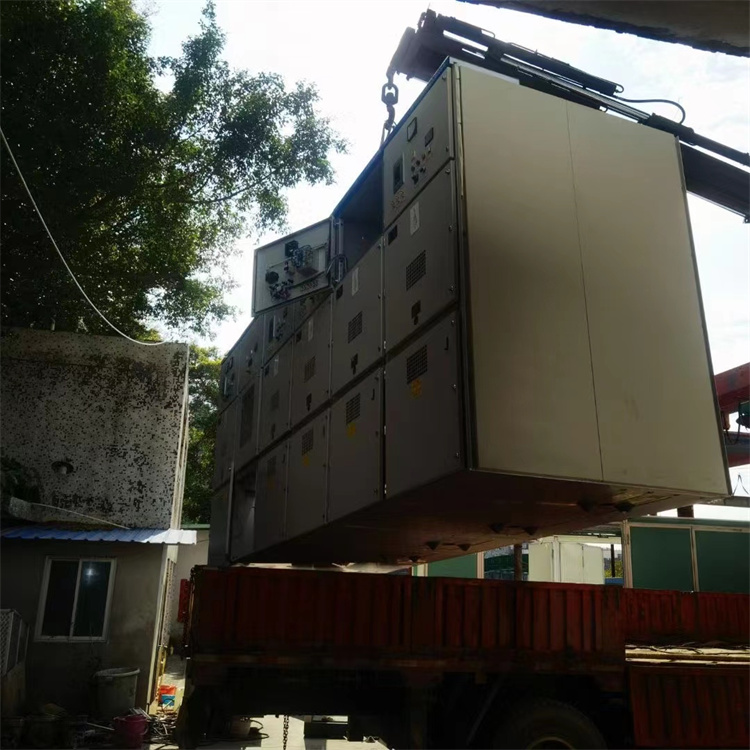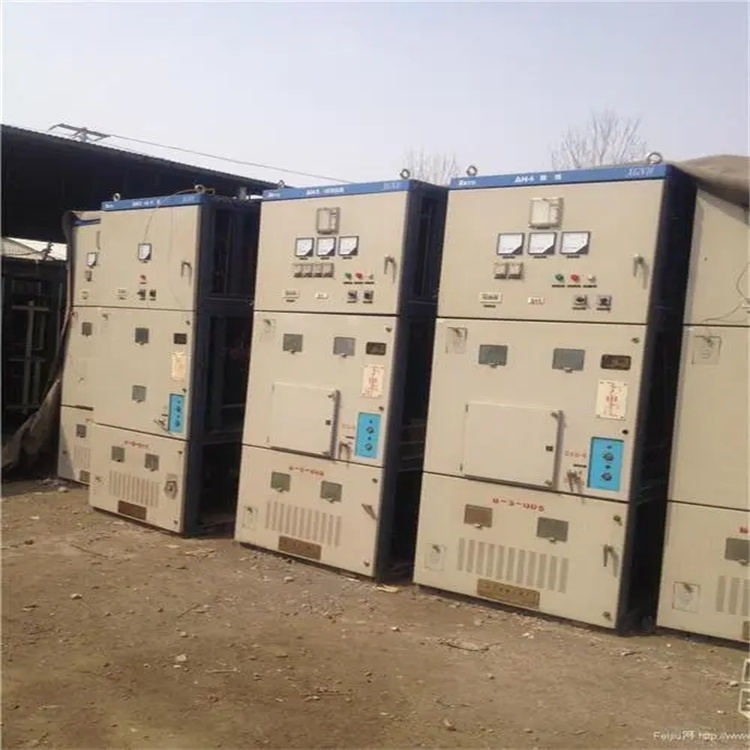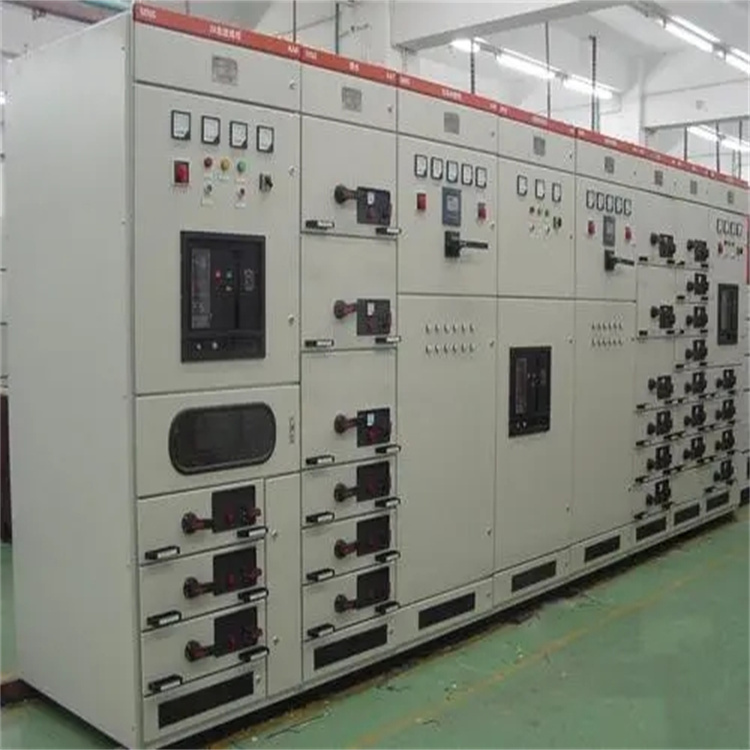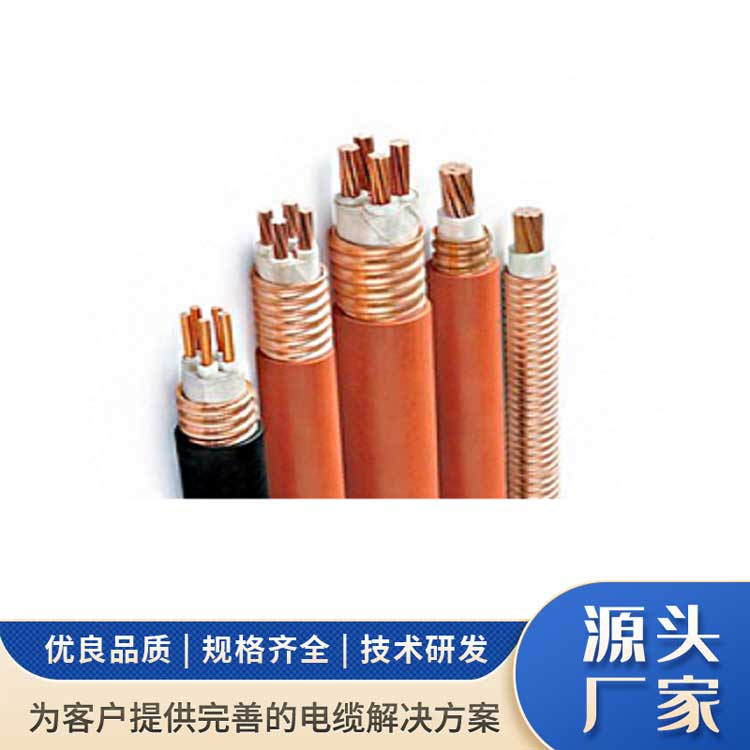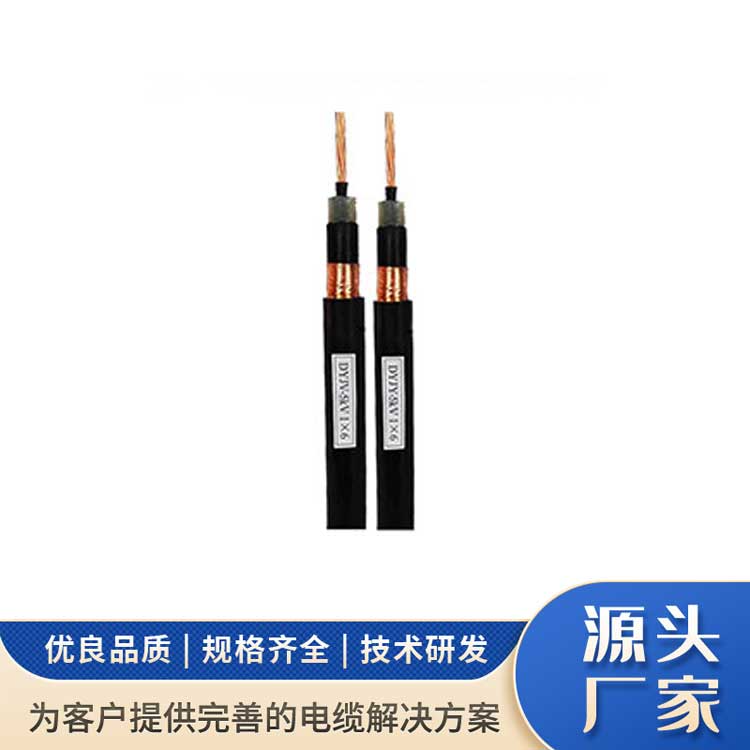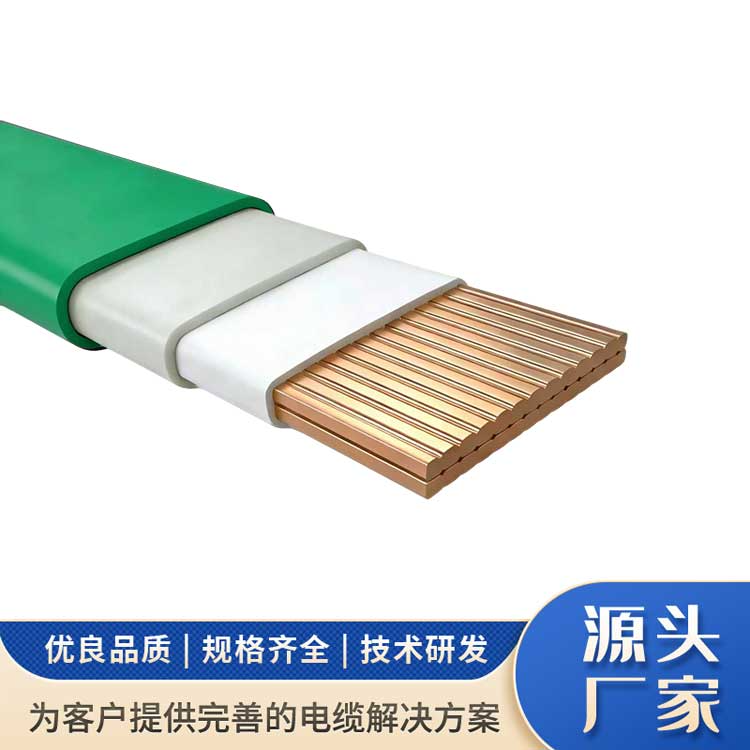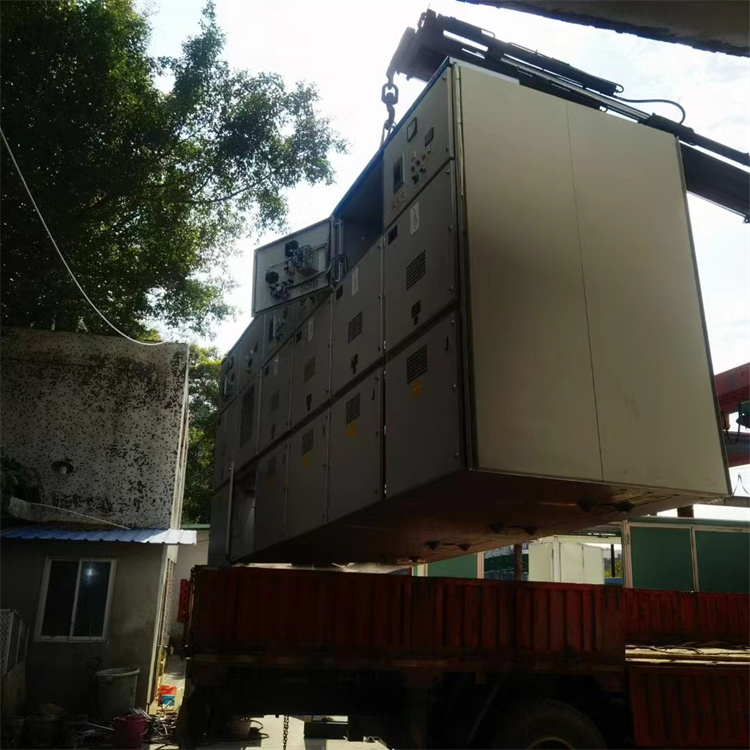

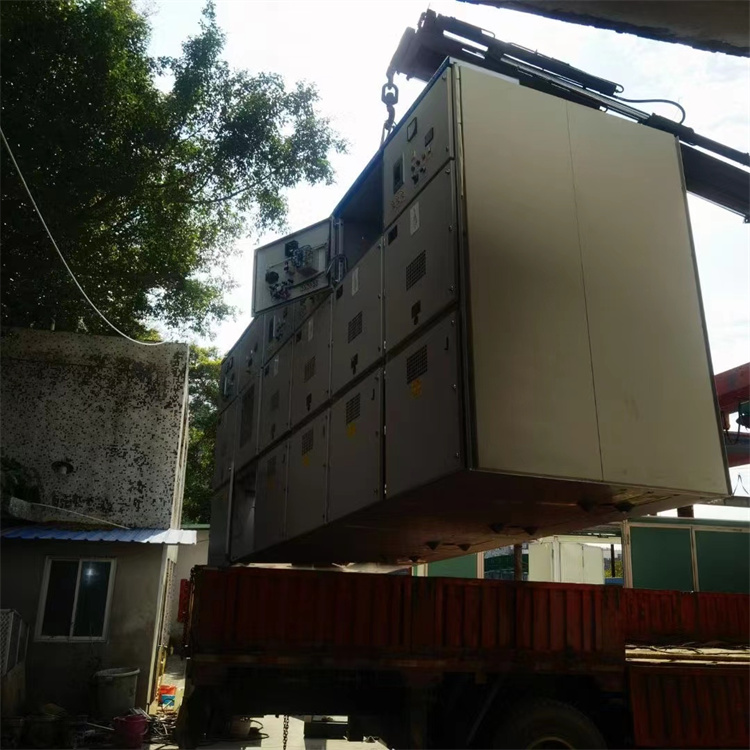
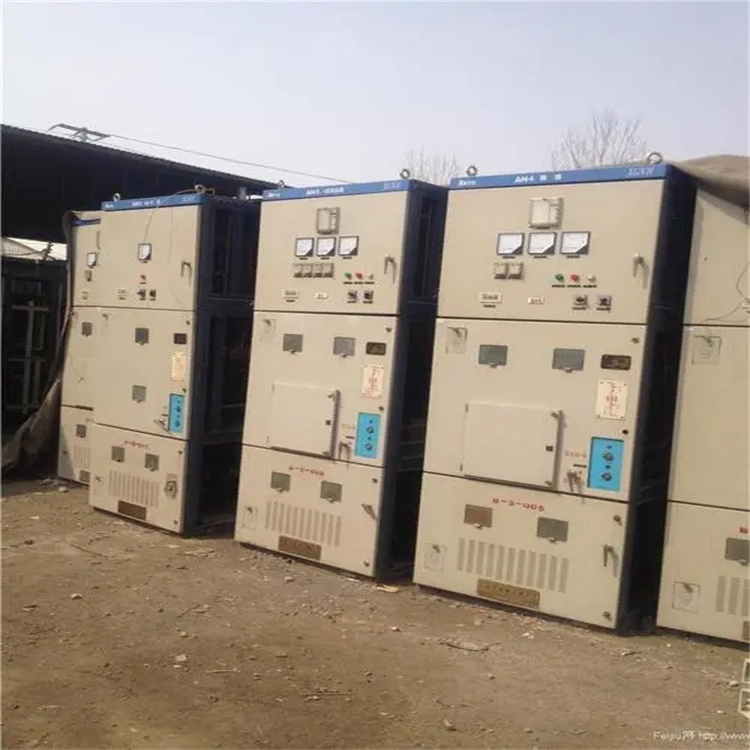
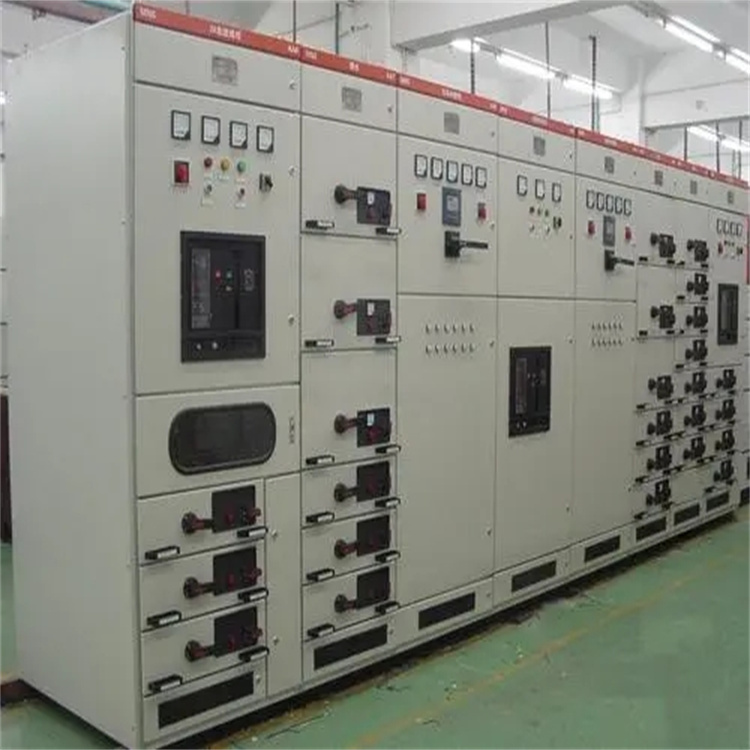


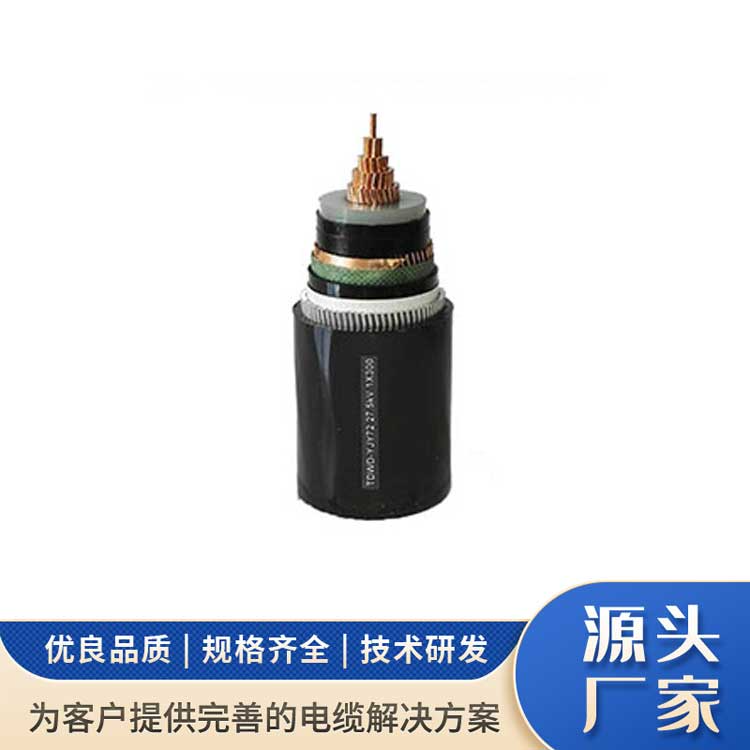
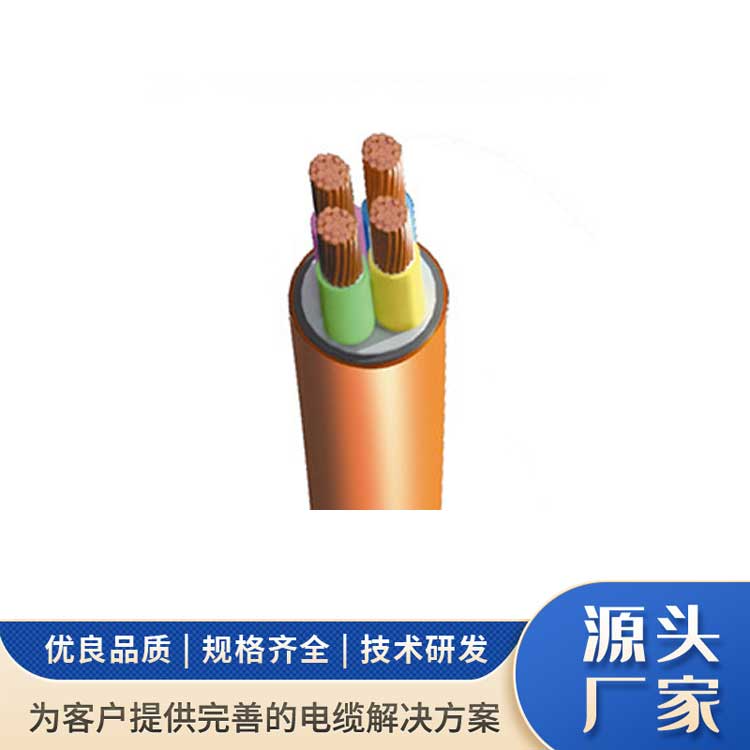
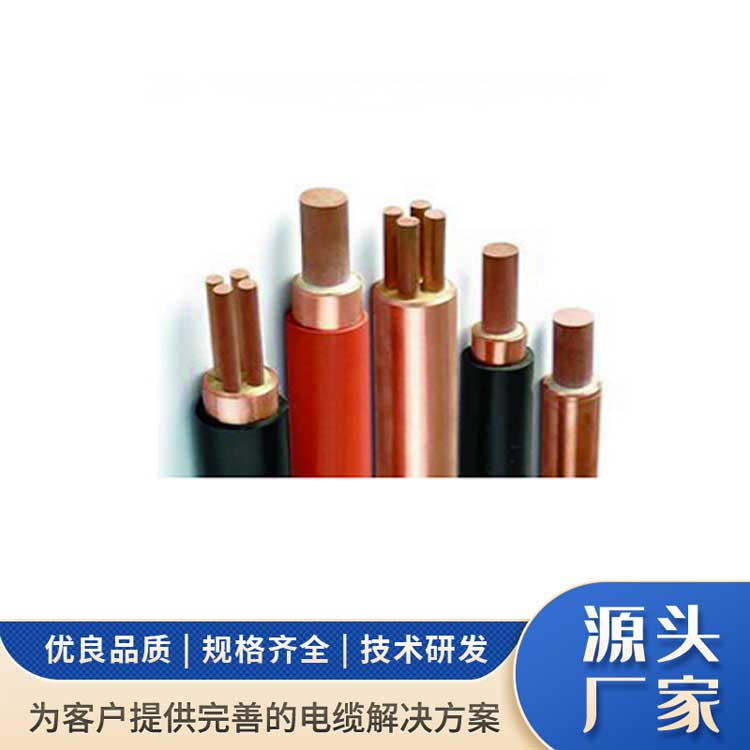
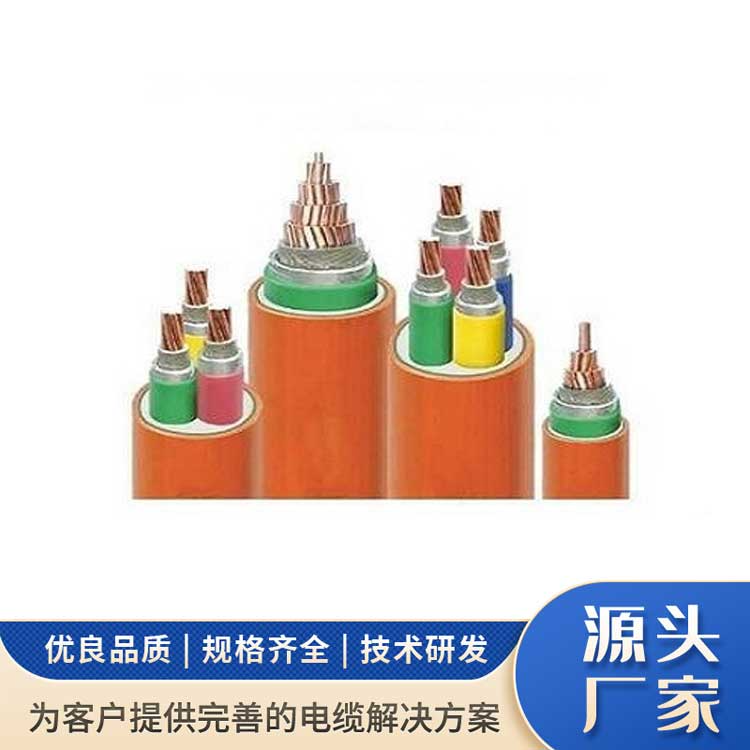





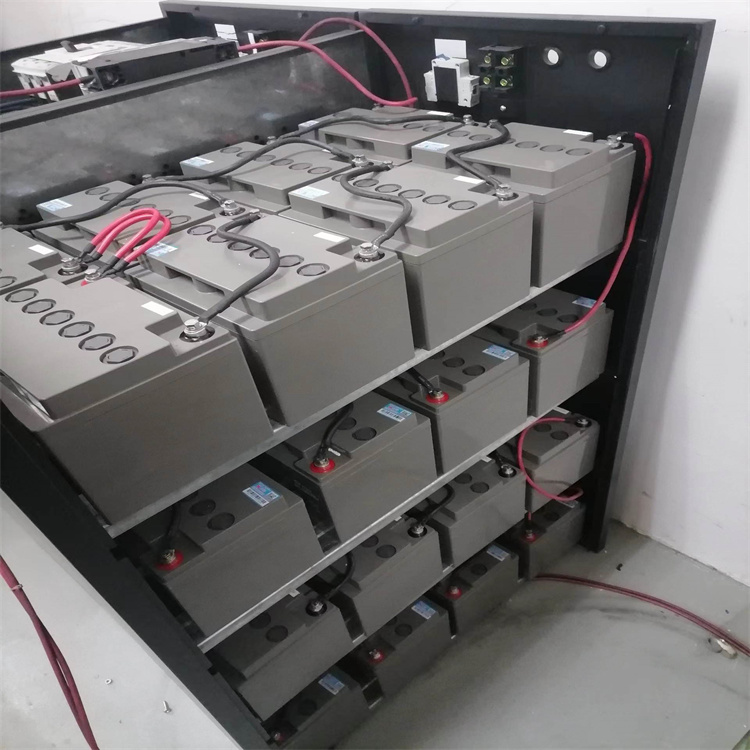
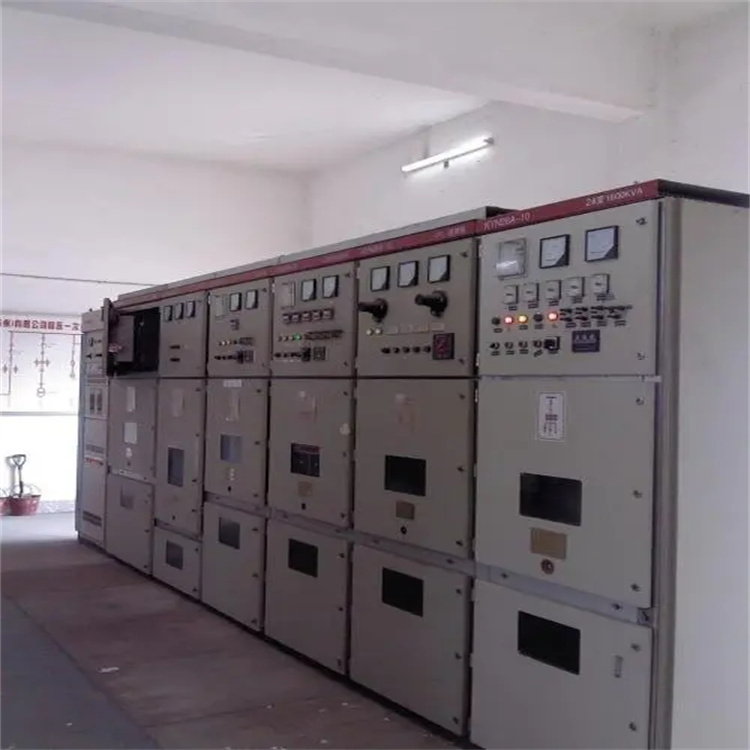
High and low voltage distribution cabinets, as the name implies, are power distribution equipment that connects high voltage distribution cabinets, low voltage switchboards, and the cables linking them. Generally, power supply bureaus and sub-stations use high voltage distribution cabinets, which then undergo voltage reduction through transformers to reach the low voltage switchboards. The low voltage switchboards lead to various power distribution panels, control boxes, switch boxes, where the components are essentially assembled into an integrated power distribution unit, including switches, circuit breakers, fuses, buttons, indicator lights, meters, and wires for protection.
Key components of high-voltage distribution cabinets include: switches, protective devices, control devices, measuring devices, regulating devices, signal transmission devices, as well as related internal accessories and supporting components. Through continuous development, China's high-voltage distribution cabinets now draw on advanced foreign technology, daringly innovate and transform, and have developed new products such as the GN type fixed cabinet, HXGN type ring main unit, and KGN type armored fixed cabinet, etc.
Low-Voltage Distribution Cabinets Currently, the low-voltage distribution cabinets used in the Chinese market are mainly divided into two categories: one is domestically developed products, such as the GCS Low-Voltage抽出式 Switchgear and GGD Type AC Low-Voltage Distribution Cabinets. The other is products developed by foreign companies, including the Sivcon Low-Voltage Distribution Cabinets produced by Siemens Germany, the MNS3 Low-Voltage Distribution Cabinets produced by ABB Switzerland, and the Prismap Low-Voltage Distribution Cabinets produced by Schneider Electric France, among others. Optimization Measures for High and Low-Voltage Distribution Cabinets When selecting high-voltage distribution cabinets, three factors should be considered: 1) engineering investment; 2) compatibility with existing high-voltage equipment; and 3) reliability of power supply during operation. Among these, the reliability of power supply is the primary influencing factor. Specifically, there are advantages and disadvantages to mobile cabinets, central cabinets, and fixed cabinets, which will be briefly analyzed below.