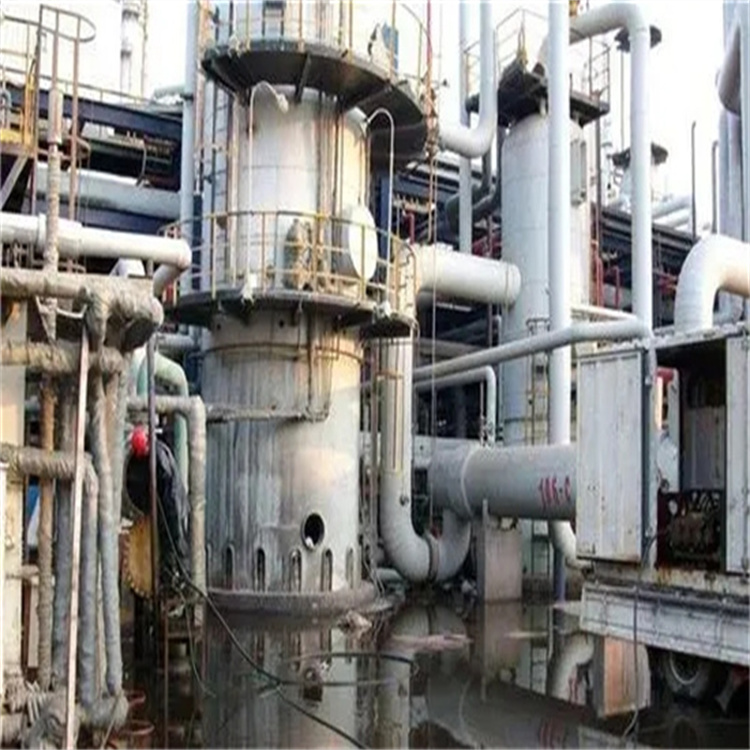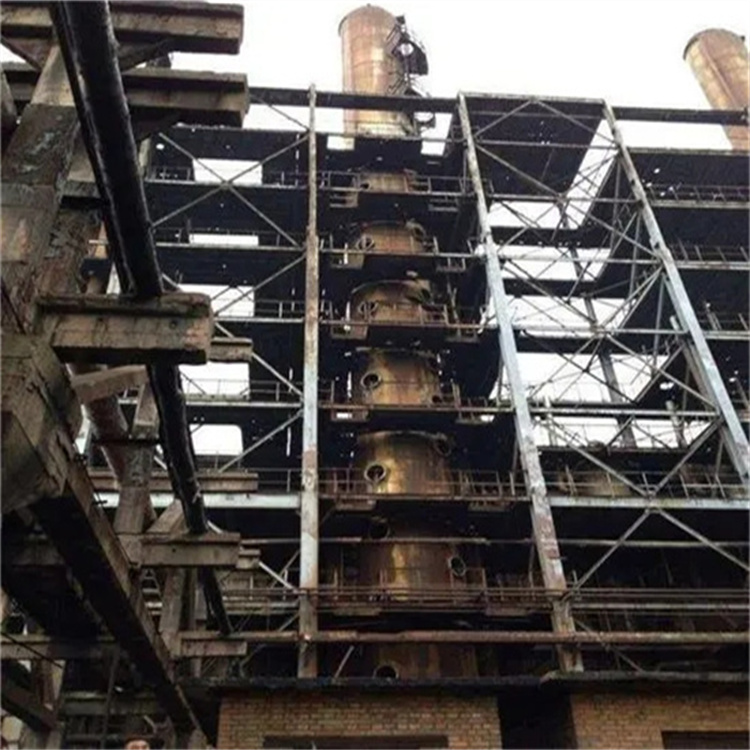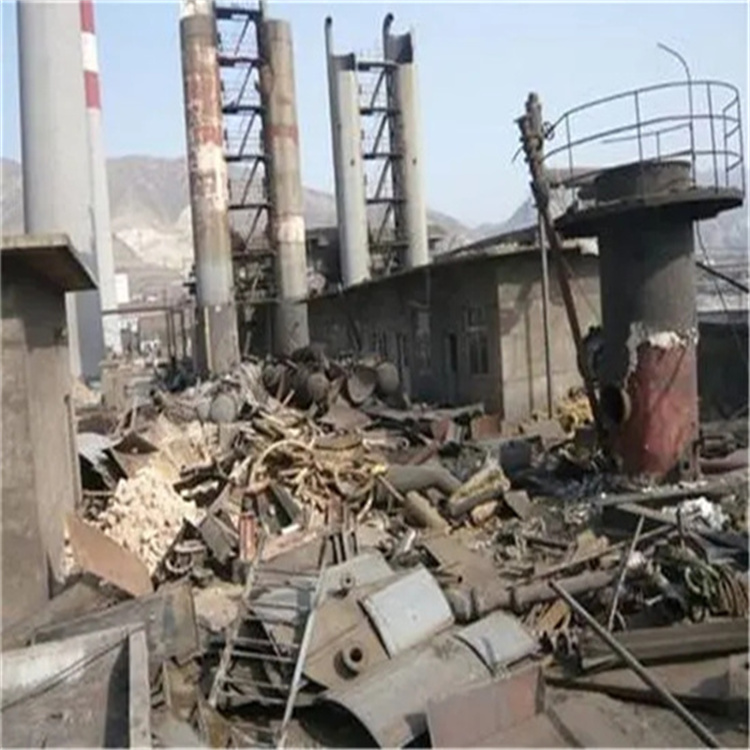








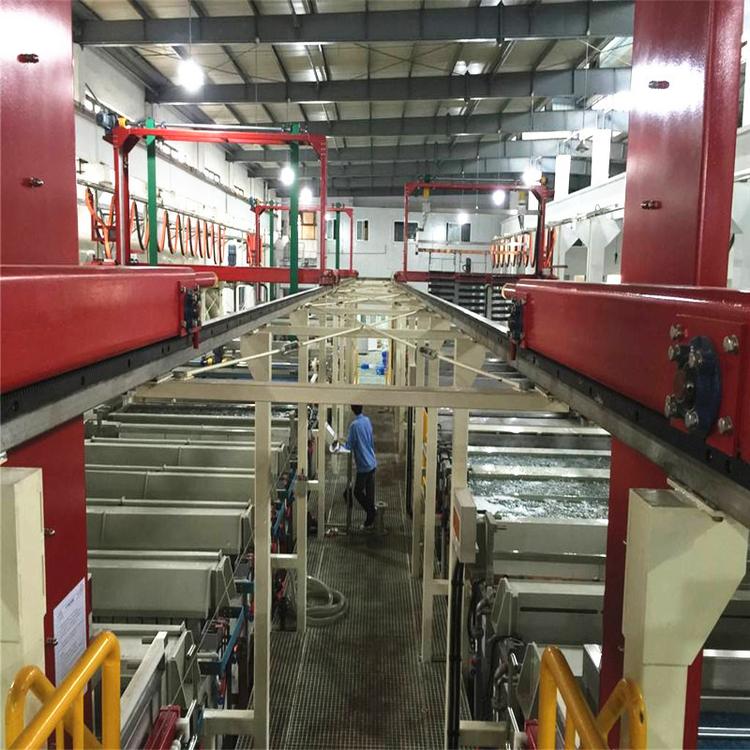
Reclaimed old factory buildings, characteristics of steel structural factories
Steel structure factory buildings primarily refer to structures where the main load-bearing components are made of steel. This includes steel columns, beams, steel foundation, steel roof trusses (of course, with larger spans, steel trusses are predominantly used nowadays), steel roof coverings, and note that the walls of steel structures can also be lined with brick walls. Due to the increased steel production in our country, many have started to adopt steel structure factory buildings, which can also be further categorized into light and heavy-duty steel structure factories. Industrial and civil facilities constructed with steel are known as steel structures.
1. Steel structure buildings are lightweight, high in strength, and have large spans.
2. Steel structure construction shortens the construction period, thereby reducing investment costs.
3. Steel structure buildings have high fire resistance and excellent corrosion resistance.
4. Steel structure buildings are easy to relocate and are environmentally friendly for recycling.
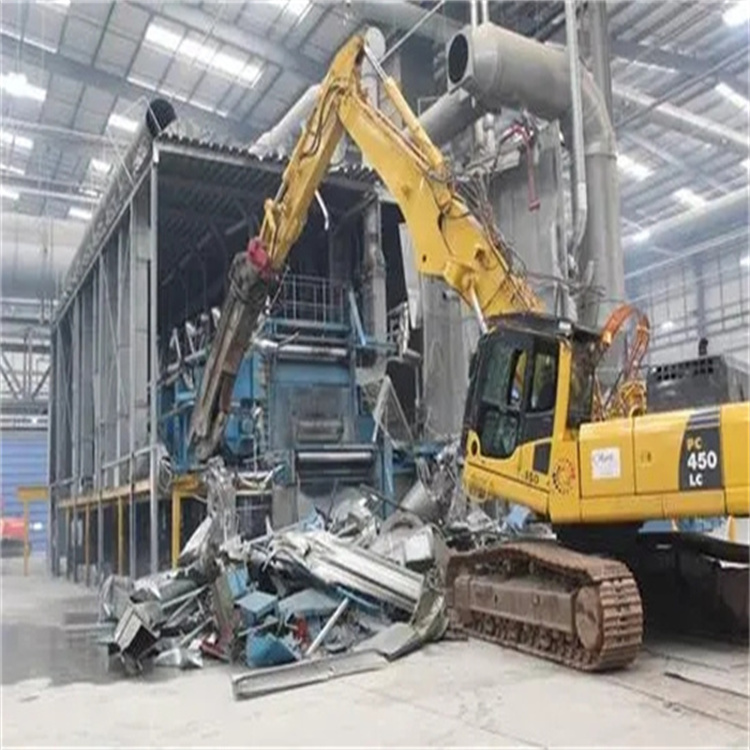
Enhance the stiffness of steel structures to resist earthquakes; another approach is to use steel structures with ductility and flexibility, which can buffer, absorb, and release the pressure generated during an earthquake, ensuring the building's seismic resistance.
What are the differences between the two structural systems mentioned when it comes to second-hand steel structures?
1. Structurally, they are all stable systems. In civil construction, rigid joints are commonly used, while in industrial buildings, systems with hinges and supports are more prevalent, particularly in the power system.
2. From the perspective of node construction and construction, the hinge node structure is simple and construction is relatively convenient, often directly using high-strength bolts for on-site connection, with most welding work completed in the factory, making quality assurance easier. The rigid joint node is more complex, with a significant amount of on-site welding required, making it difficult to ensure welding quality and also increasing the workload for inspection.
3. Economically speaking, the newly adopted system fully utilizes the tensile strength of steel, making it more cost-effective than the articulated system.
4. From an earthquake-resistance perspective, the specifications have not yet covered the seismic construction of articulated systems. Discuss their advantages and disadvantages in terms of construction, design, and usage.
Regardless of the perspective, vigorously develop stable and secure second-hand steel structures, and construct a benign market environment for second-hand steel structures.
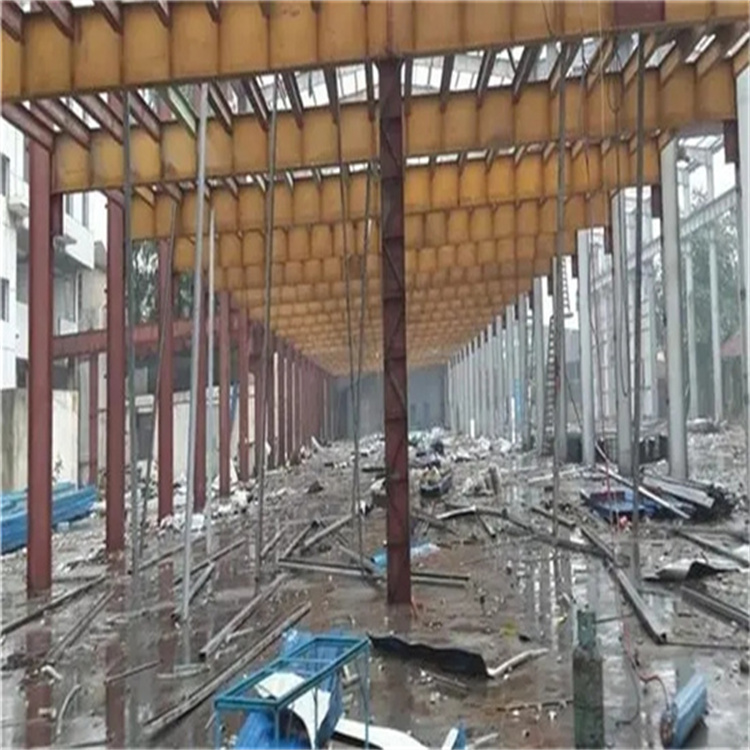
What are the types of structural composition for multi-layer steel structure factories? With the continuous innovation and development of construction techniques, many construction structures use steel structures as the primary supporting members or primary structural components. Compared to traditional construction structures, steel structure buildings offer advantages such as high strength, strong load-bearing capacity, good seismic performance, small occupied space volume, and convenient steel component manufacturing and installation, making them more popular.
In China's industrialization process, steel structure factories are the ideal location for processing and production. Over the years, due to their green and environmental-friendly nature, short construction periods, and high space utilization rates, steel structure factories have gradually replaced traditional brick and concrete factories.
Steel structure workshops are widely used across various professions, catering to the need for large-scale internal planning to accommodate multiple spatial divisions. Multi-story steel structure workshops are an extension of single-story workshop structures, often employed to maximize space utilization within the same construction area. Building multi-story structures is a common approach to enhance area usage. As for the composition types of the structural combinations in multi-story steel structure workshops, the following is a brief analysis of the structural types that make up multi-story workshop structures.