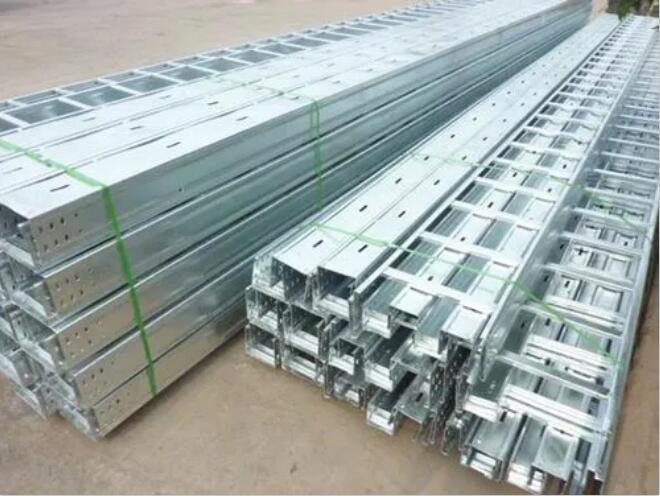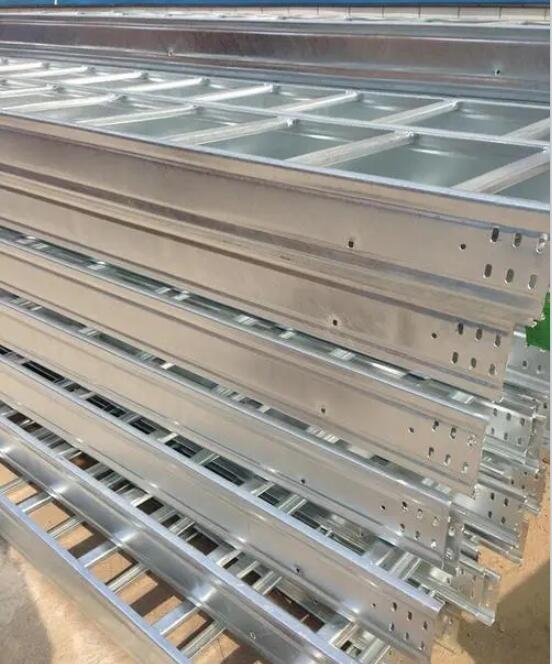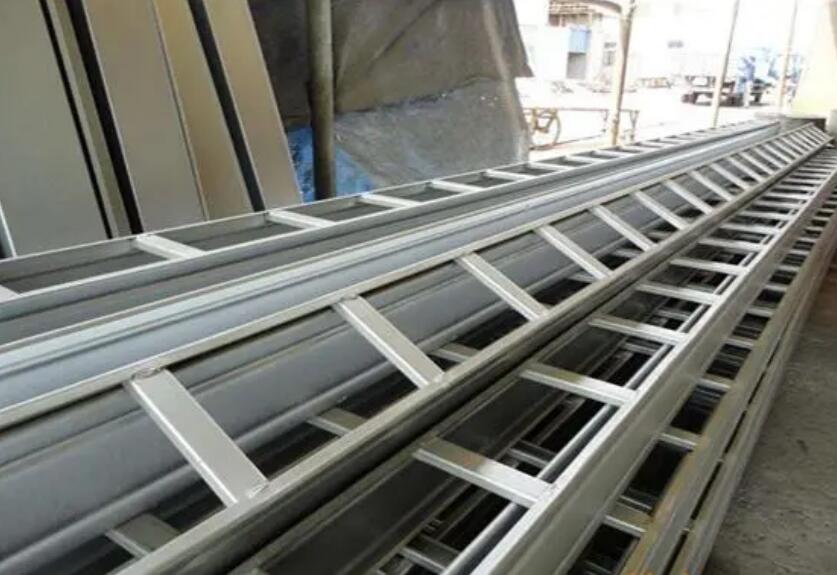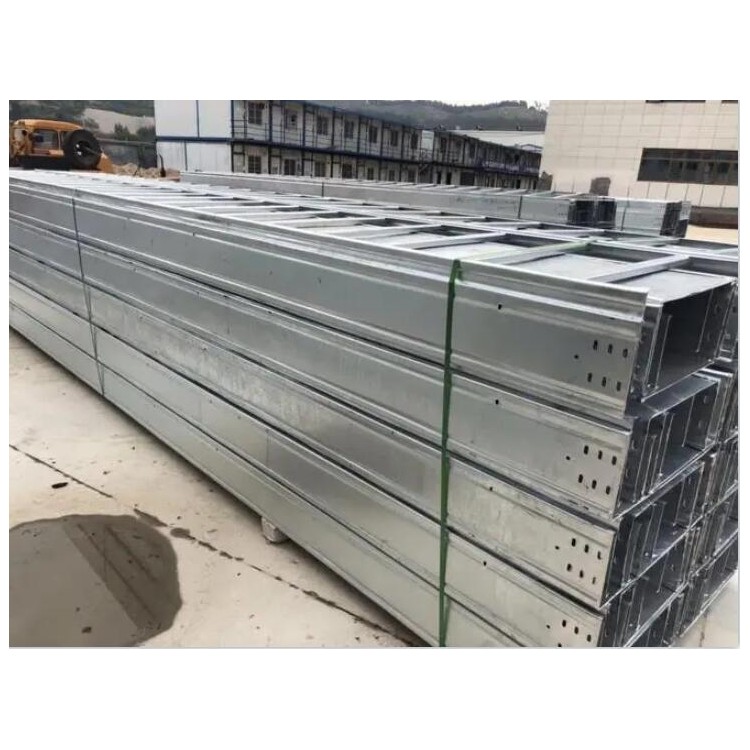

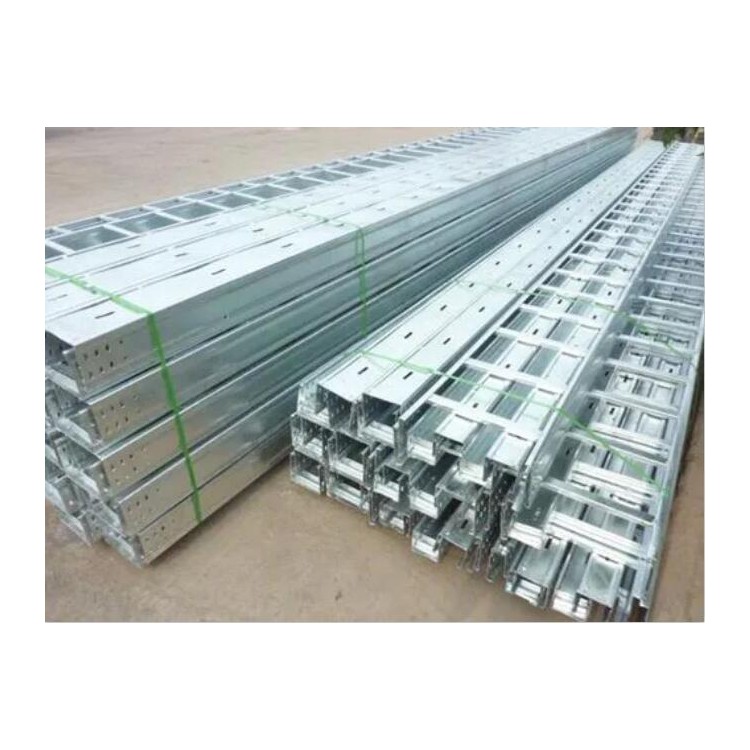

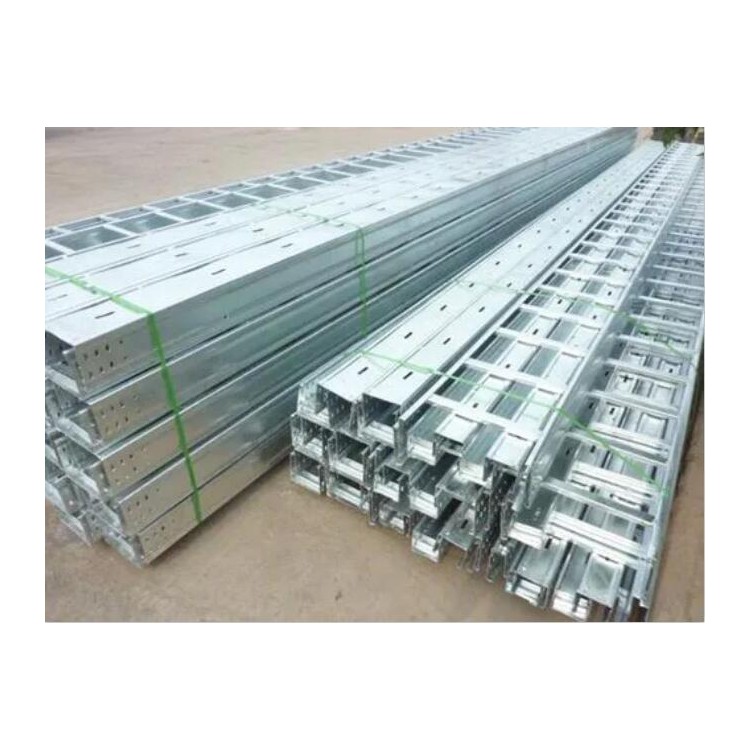
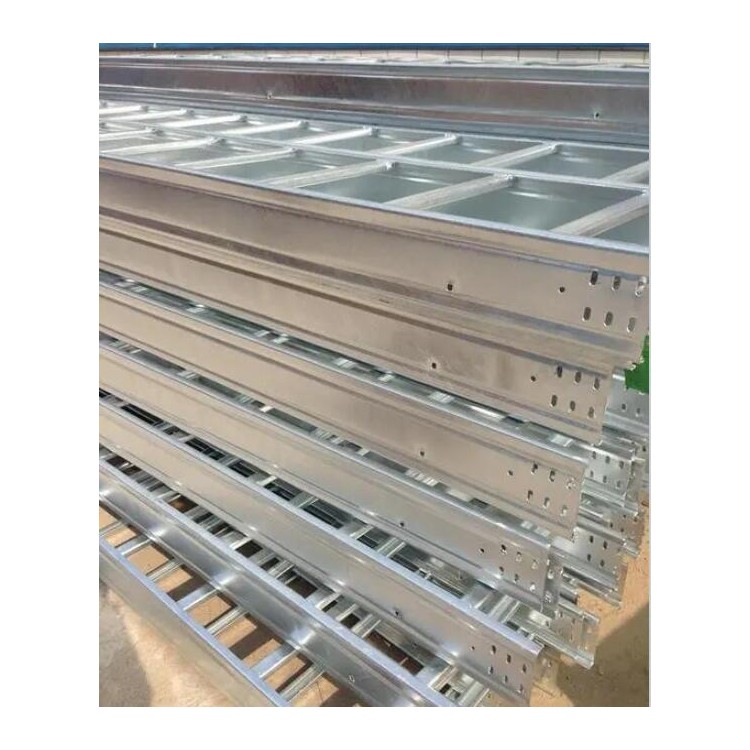
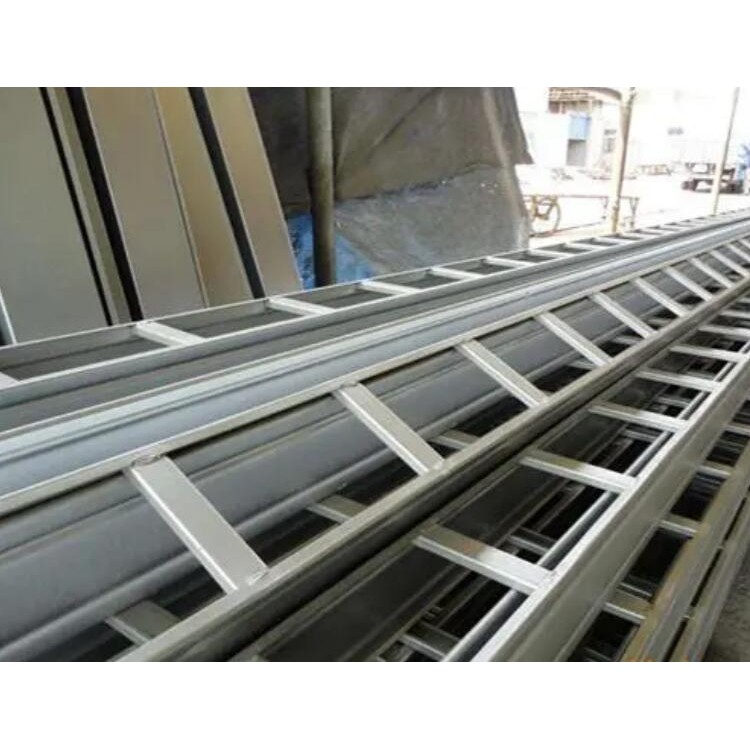











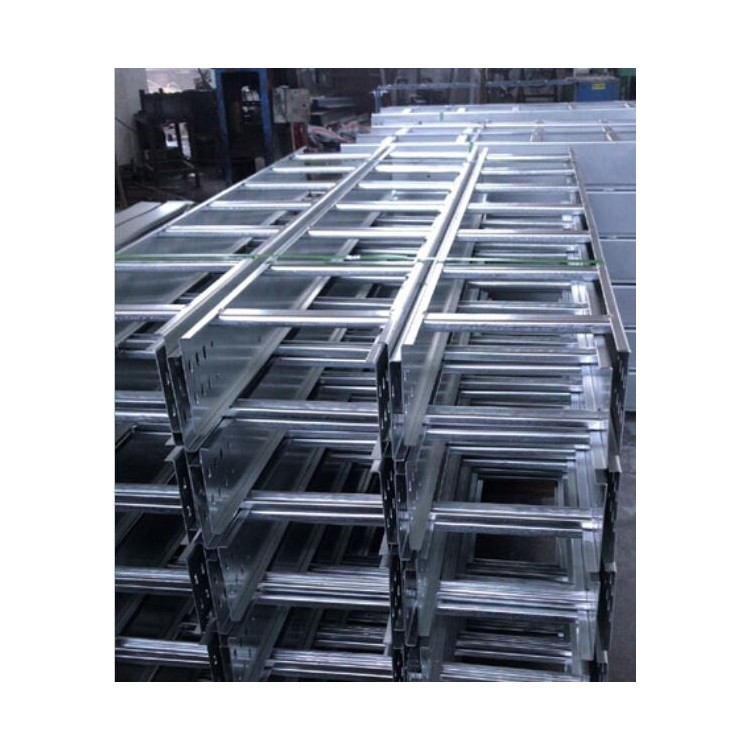
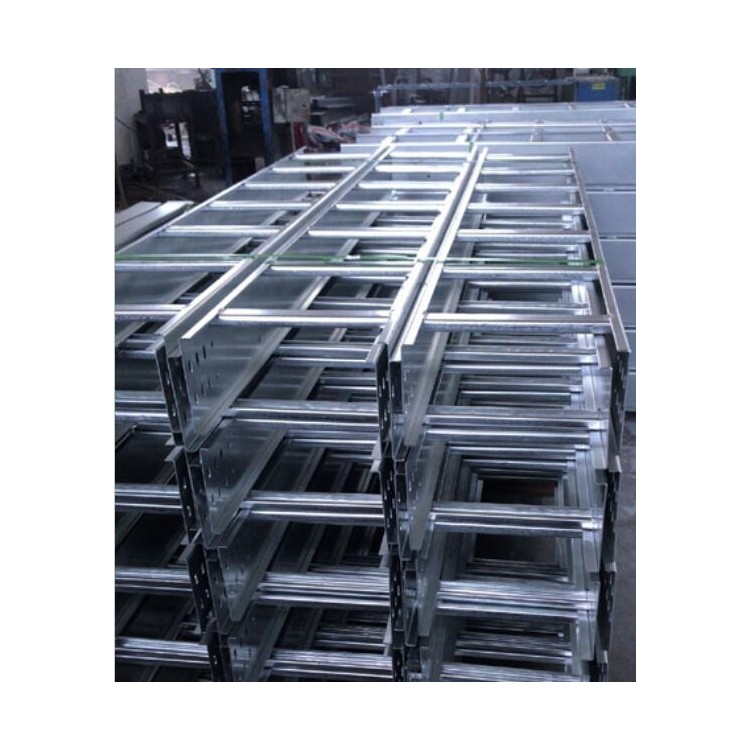
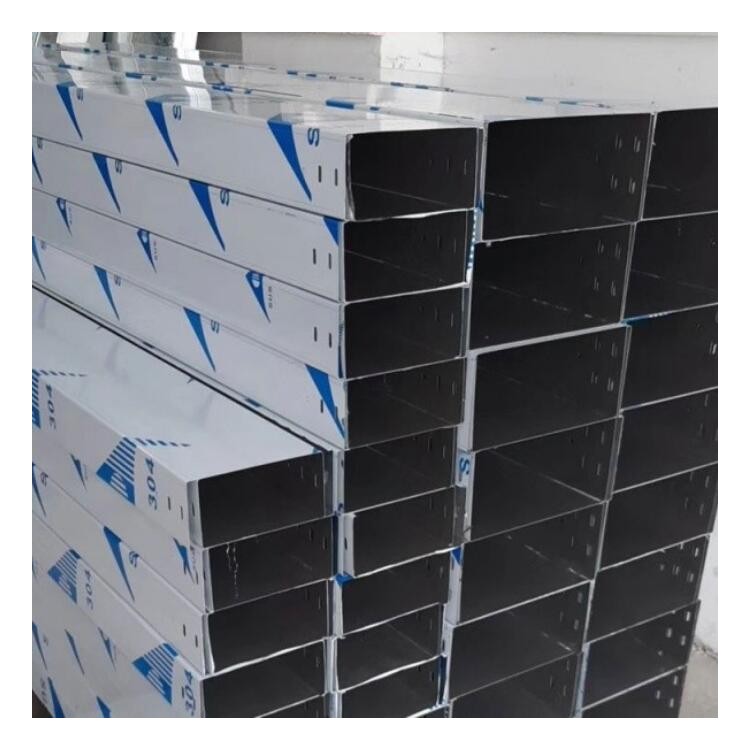
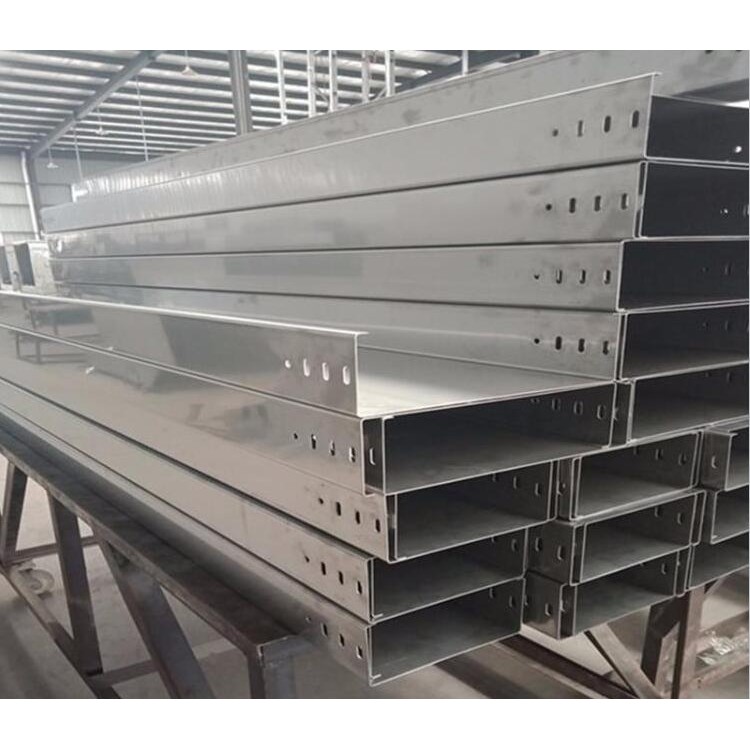
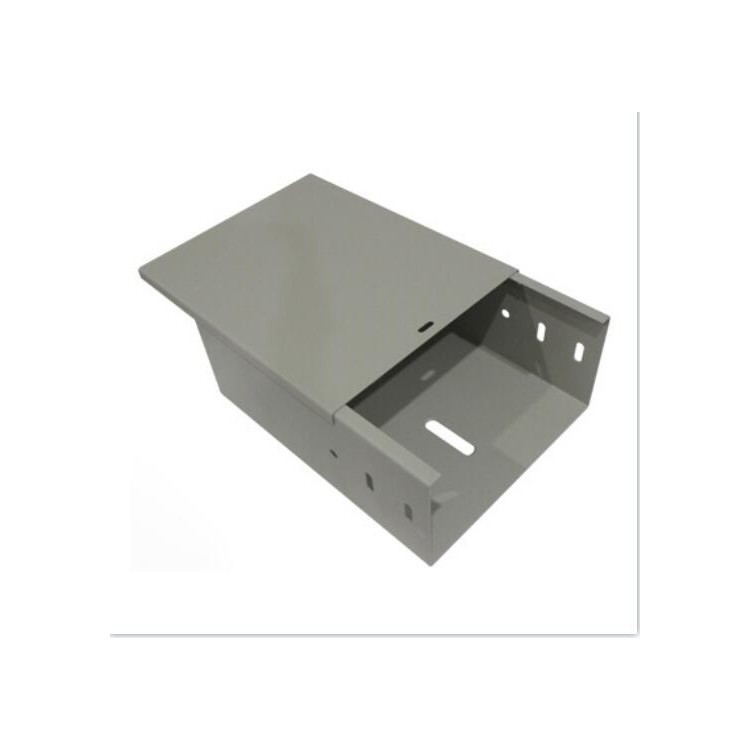
Large span cable trays are assembled from pultruded glass fiber reinforced plastic profiles, suitable for power cables, control cables, lighting cables and accessories. Compared to iron trays, they offer advantages such as a long service life (typically designed for 20 years), easy installation and low cost (only 1/4 the weight of carbon steel, no need for firework during construction, single tray length up to 8 meters or more, easy to cut, and no maintenance required).
Advantages of Large Span Cable Trays: Large span cable trays offer compact structure, light self-weight, high strength, great rigidity, excellent seismic and wind resistance, good vibration resistance, and superior durability. They are suitable for outdoor elevated, high-rise, large-span, and high-strength environments with high requirements.
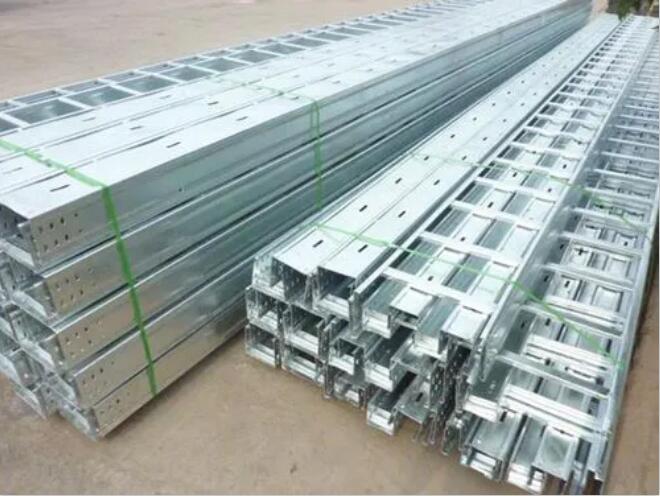
Applications of cable bridge supports with large spans include wire towers for supporting overhead power lines. In many countries, wire towers are widely used for ACSR conductors and single-core cable bundles. The main types of wire towers are: 1. Lattice Towers 2. Steel Pipe Towers 3. Steel Box Towers
Concrete lattice towers are a common type of tower. Lattice towers are typically made of steel, have a simple structure, and are connected by two or four cross beams. Tubular steel towers are commonly used for high-voltage power lines. Lattice towers are made of hollow steel pipes and are conical in shape. Steel box towers are made from steel plates and are rectangular. Concrete towers are made of concrete and are usually used for low-voltage power lines.
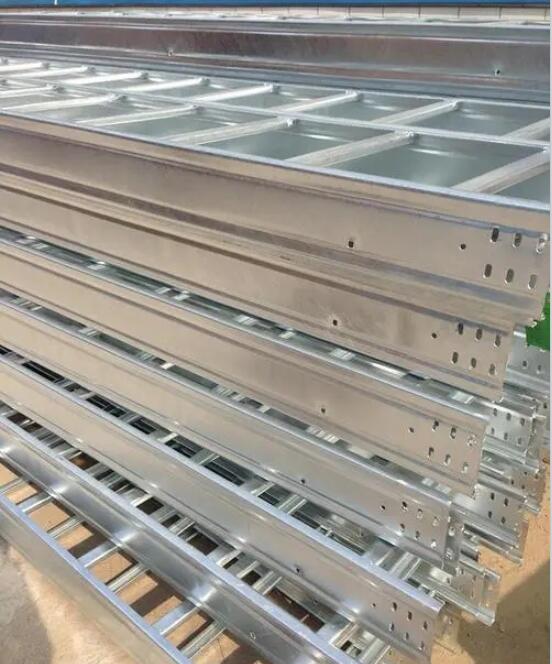
Ningbo Jiangdong Huayu Cable Tray Factory is a professional manufacturer of Ningbo cable trays, specializing in the development, design, and manufacturing of cable tray equipment. Our products cover channel, tray, ladder, combination, and span steel cable trays, as well as surface treatment for flame-retardant and non-flammable cable trays. These can be coated with galvanized, painted, passivated, hot-dip galvanized, and zinc-nickel plating, suitable for various cable routing. They are used for overhead cable laying in industrial and mining enterprises such as metallurgy, power, petrochemical, light industry, and textiles, as well as in hotels and office buildings, both indoors and outdoors, and for cable hooking and tunnel installations.