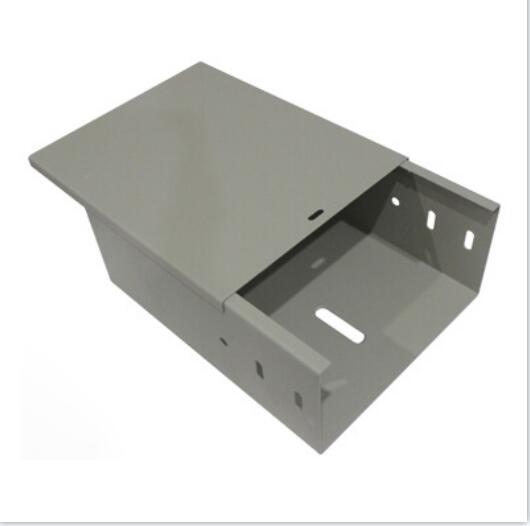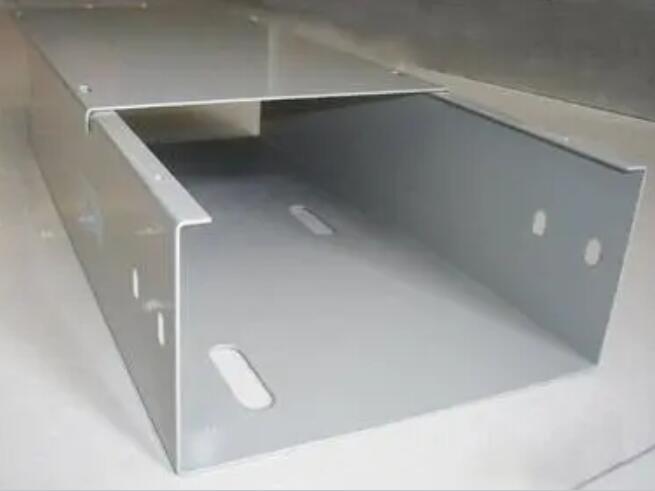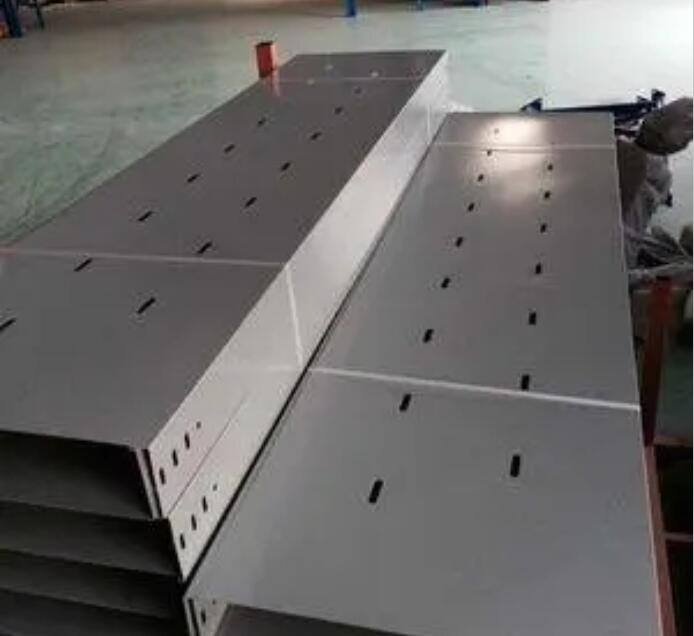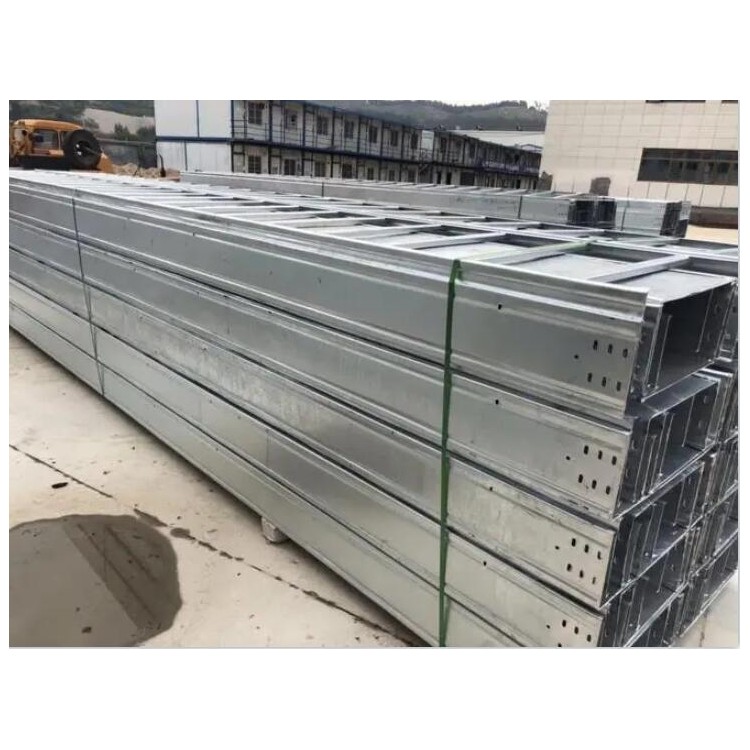

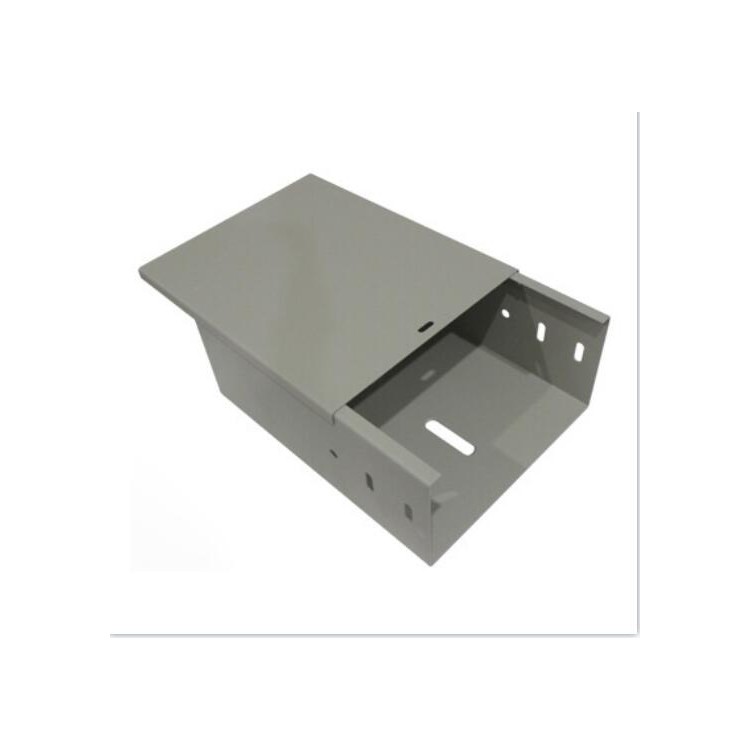

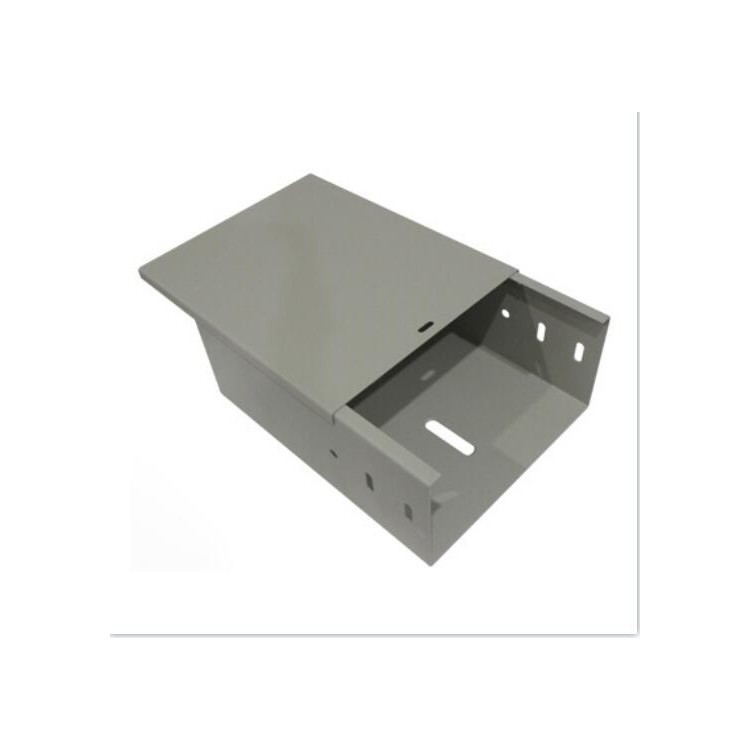
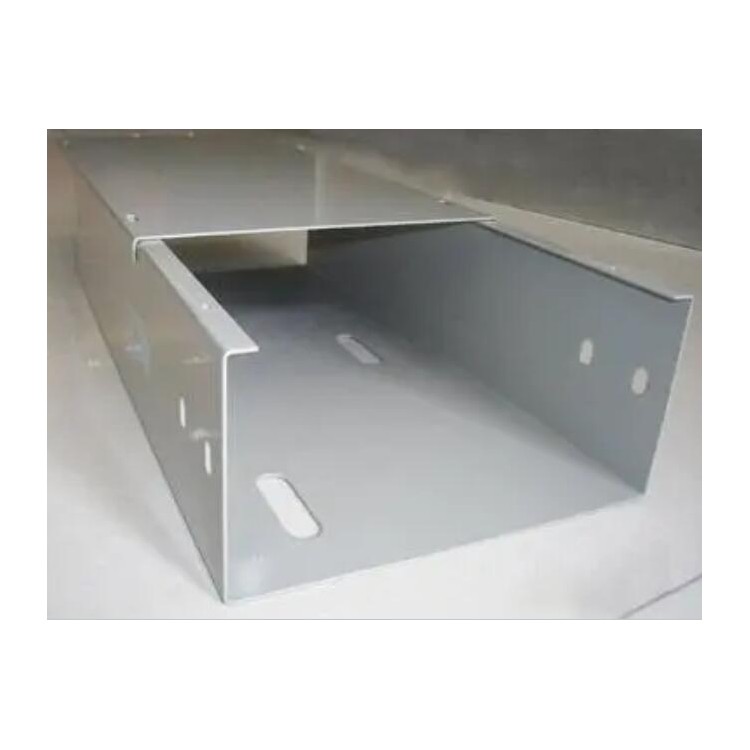









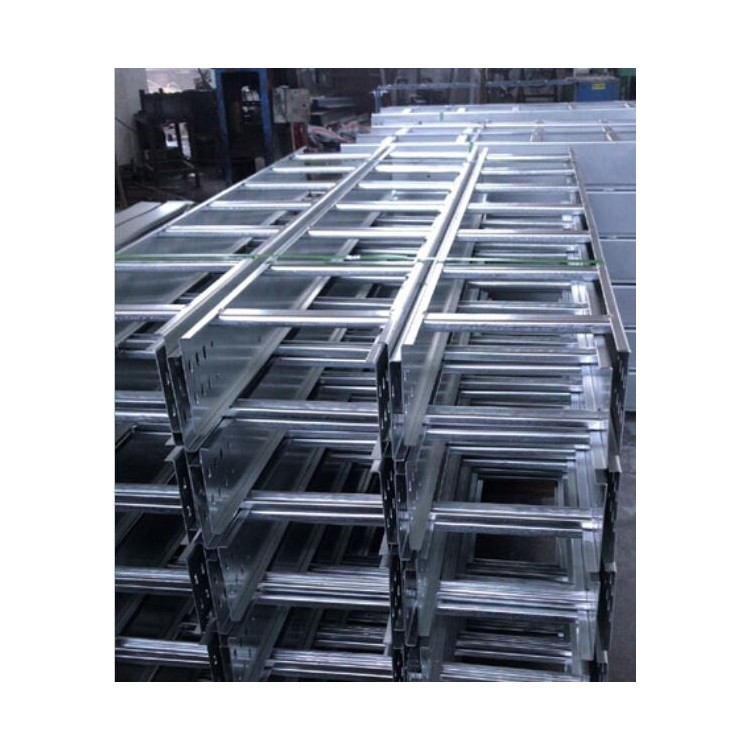
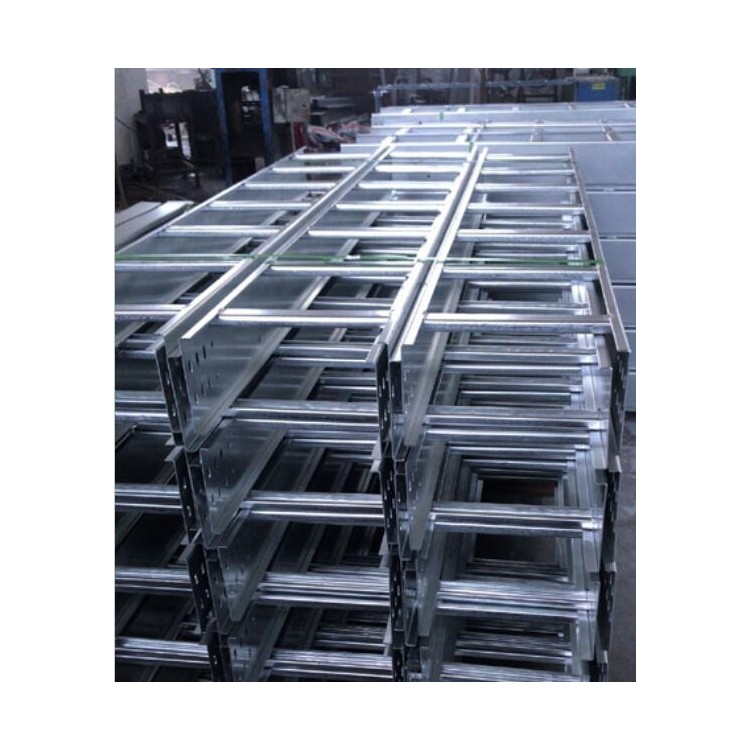
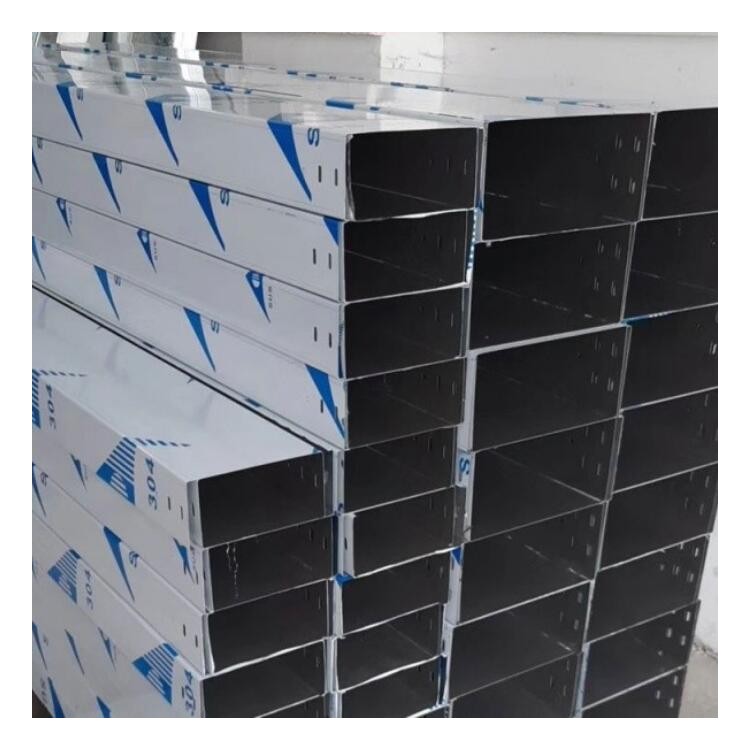
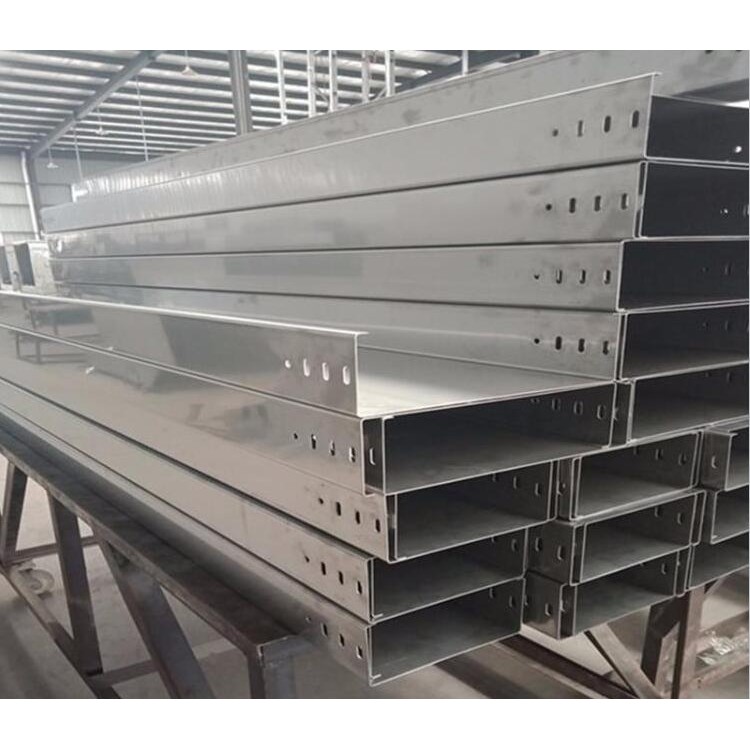
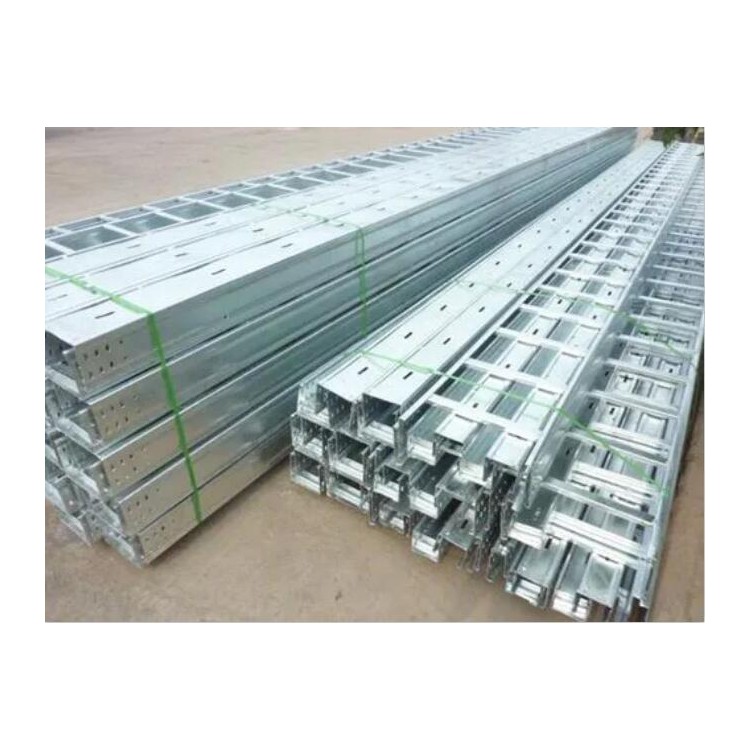
Tray-type cable bridge is widely used in the oil, chemical, light industry, television, and telecommunications sectors. It boasts light weight, high load capacity, attractive appearance, simple structure, and easy installation. It is suitable for both the installation of power cables and the laying of control cables.
Installation Key Points for Tray Type Cable Bridge
Cable trays and conduits should be laid out in a short and direct path, and they should be installed as close to walls, columns, or beams as possible.
Based on the routing of cable trays and conduits, propose the locations for pre-buried steel plates and loads required for reserved wall holes, floor holes, and suspension installation to the civil engineering and structural engineering departments. Additionally, coordination with the process, plumbing, and power engineering departments should be ensured.
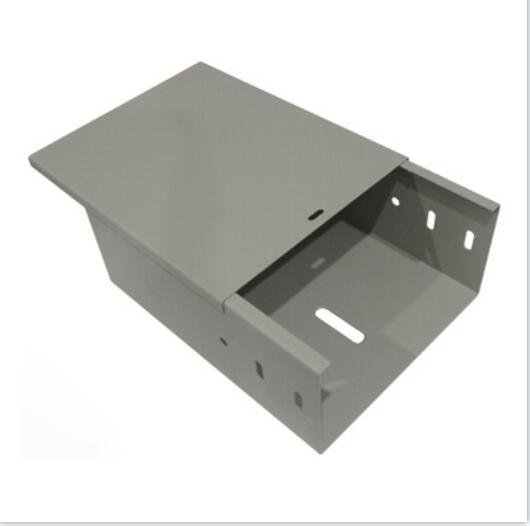
Surface-mounted metal conduit wiring should be closely coordinated with the civil engineering team during design to reasonably determine the wiring paths and equipment selection based on different structural types and architectural layouts.
Cables of different voltages and purposes should not be installed in the same cable bridge.
Cables above 1kV and below 1kV.
(2) Dual-circuit cable supplying primary load from the same path.
(3) Emergency and other lighting cables
(4) Electrical, control, and telecommunication cables. When cables of different grades are laid in the same cable tray, intermediate partitions should be added for isolation.
Ningbo Jiangdong HuaYu Cable Bridge Manufacturer is a professional Ningbo cable bridge manufacturer specializing in the development, design, and manufacturing of cable bridge equipment. Our products cover channel, tray, ladder, combination, and steel span bridges, as well as flame-retardant and non-flammable surface treatments for organic and inorganic bridges. They are available in galvanized, spray-painted, passivated, hot-dipped zinc, and zinc-nickel finishes, suitable for various cable conduit installations. They are used for overhead cable laying in industrial and mining enterprises such as metallurgy, power, petrochemical, light industry, and textile, as well as in hotels and office buildings, both indoors and outdoors, and for cable hanging and tunnel installations.