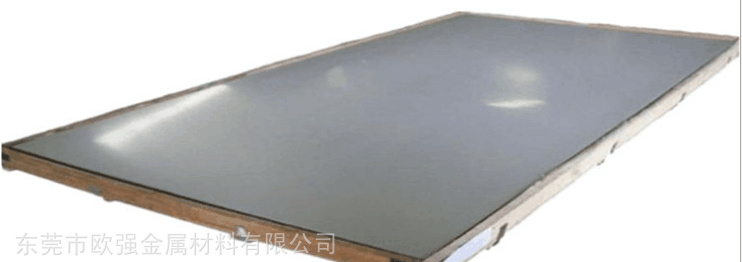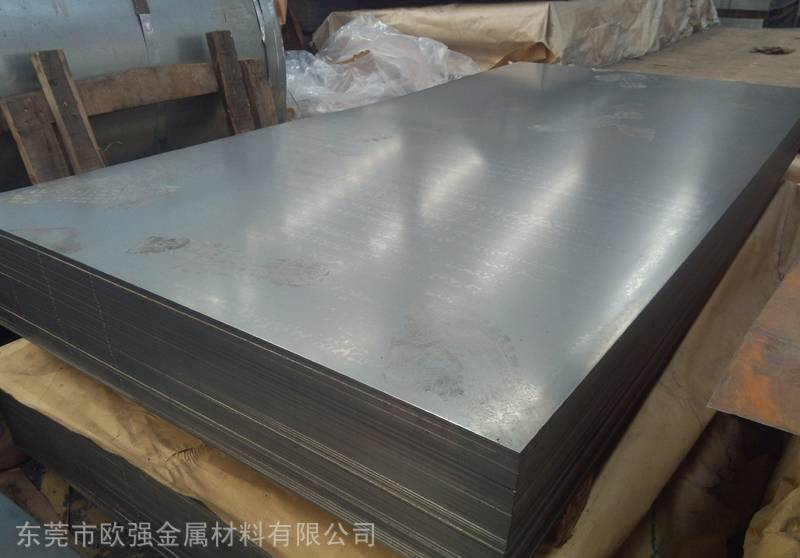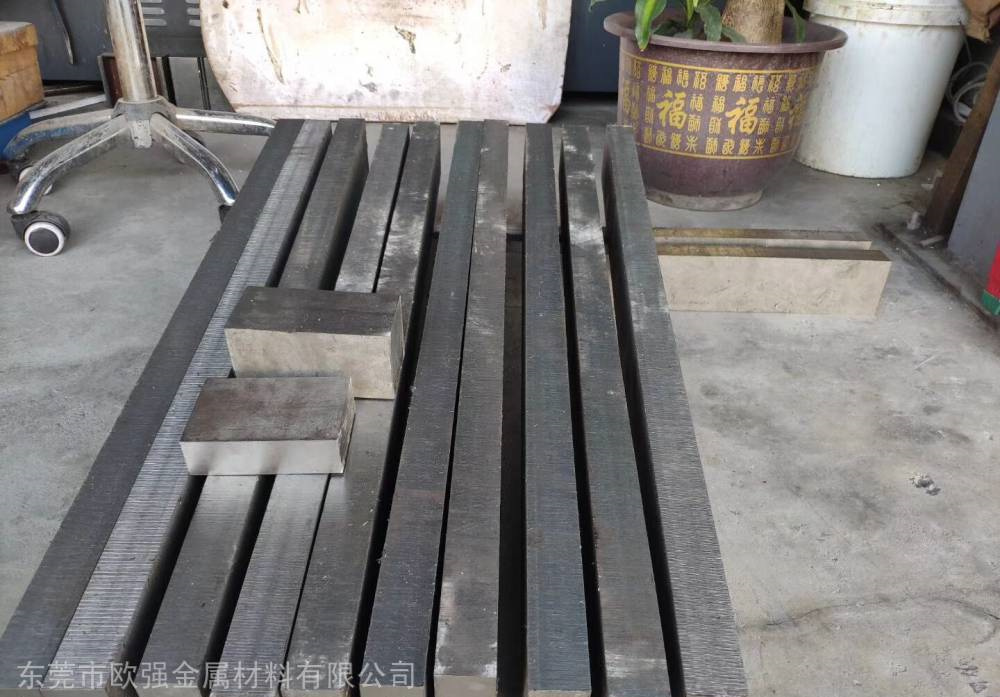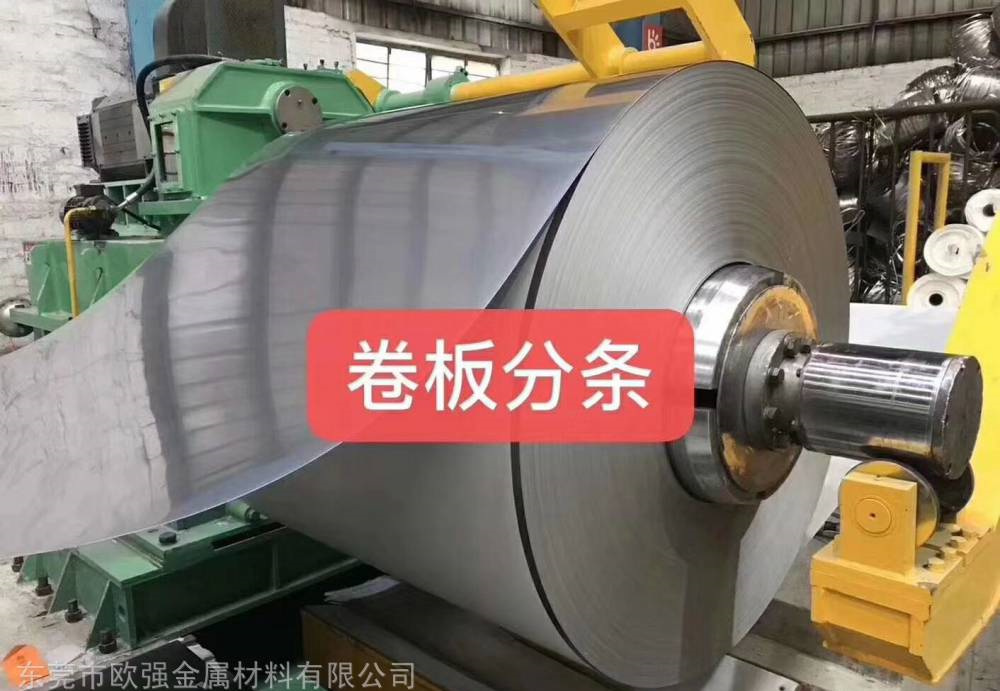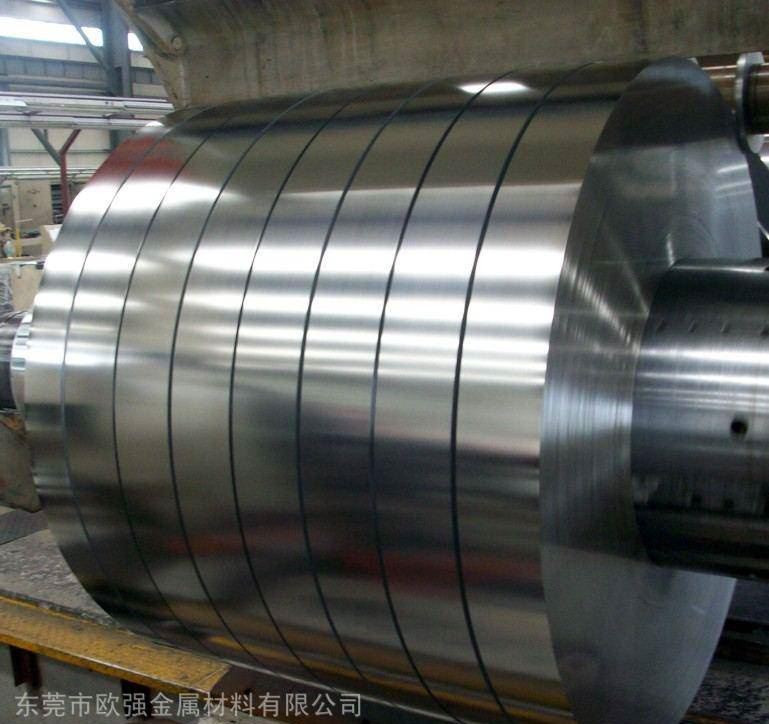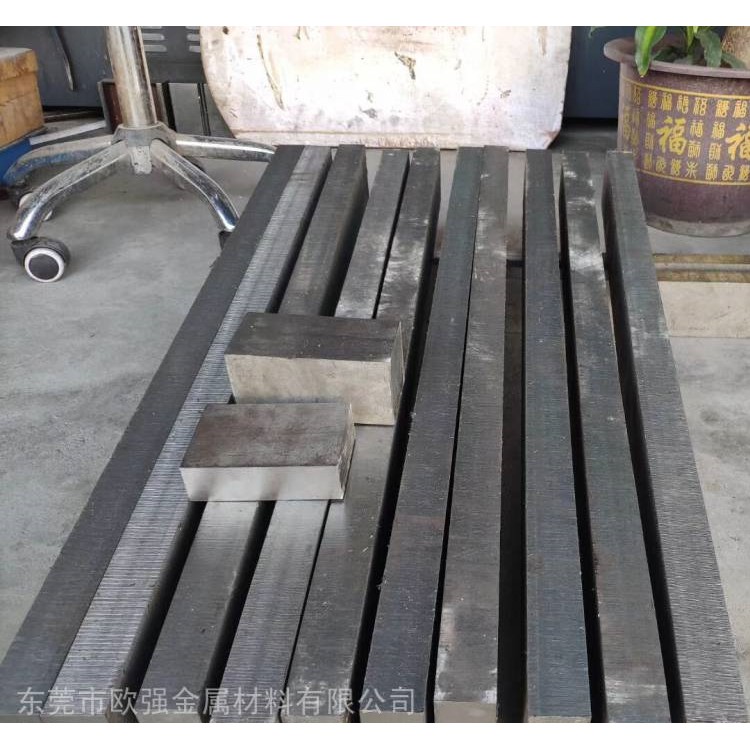

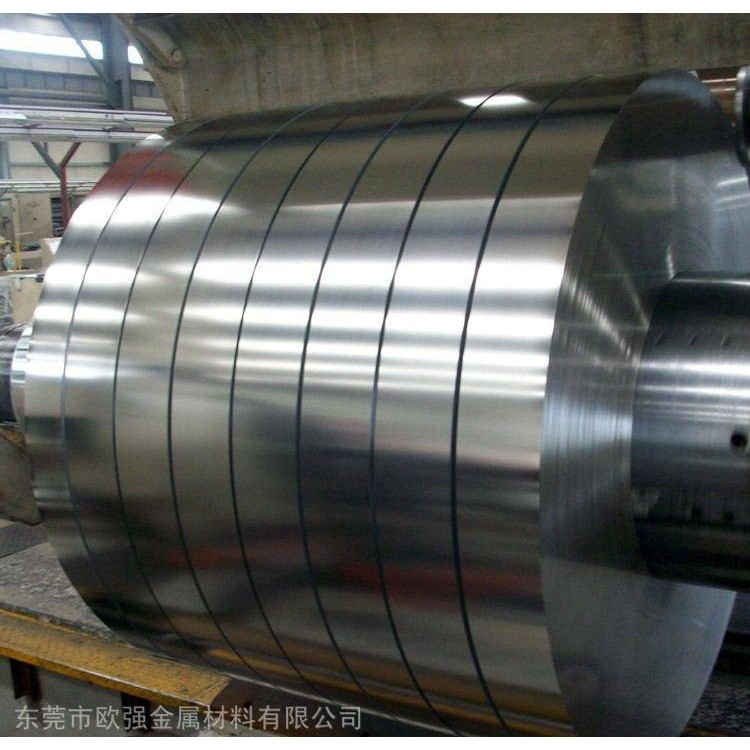











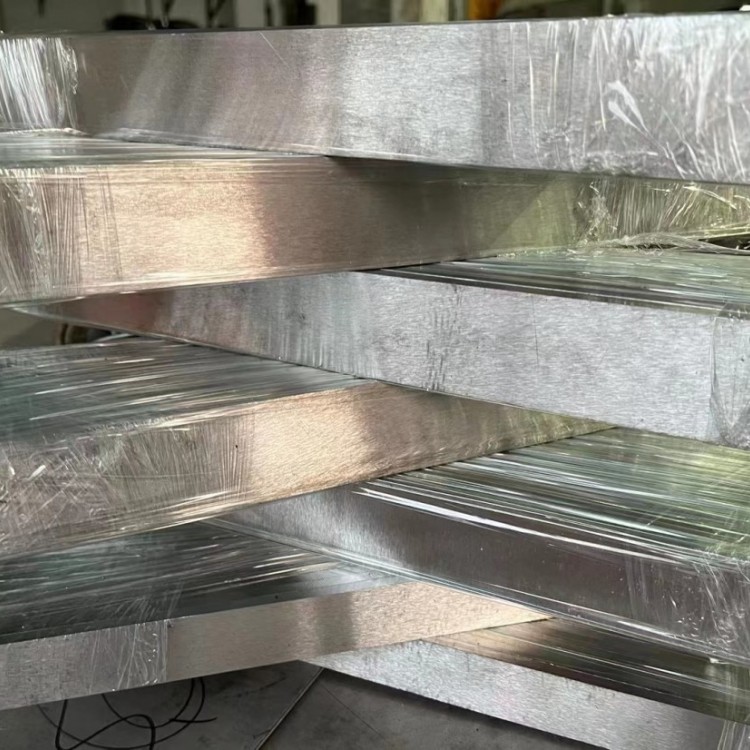
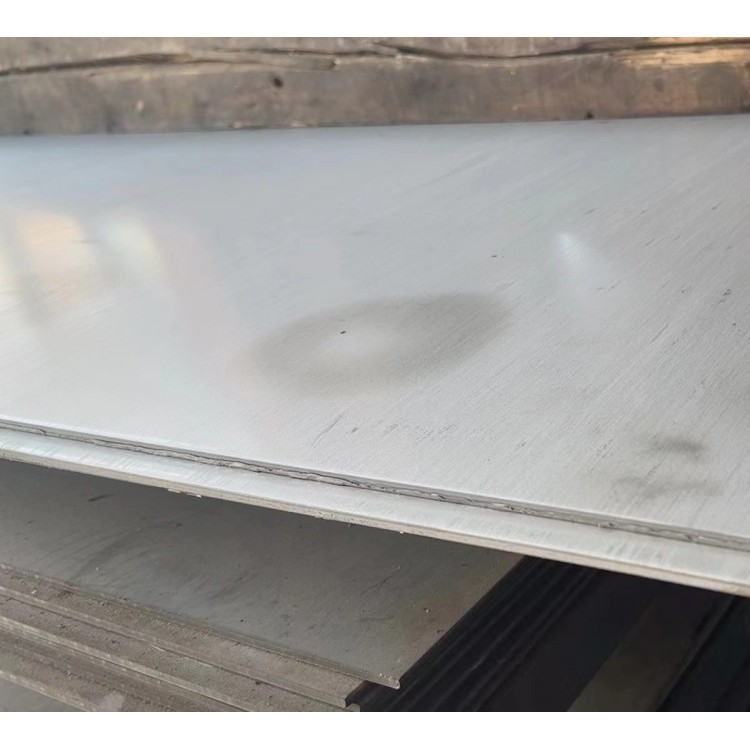
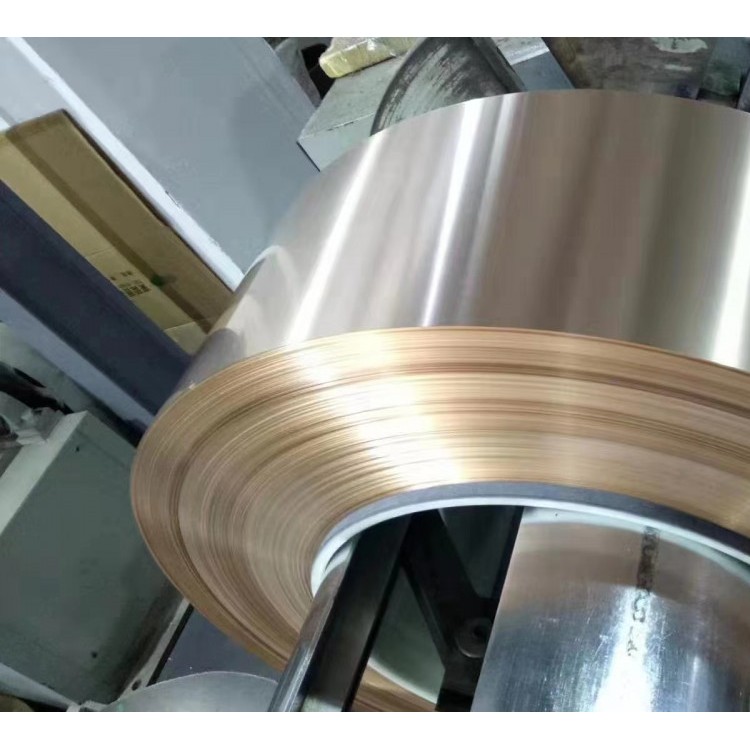

SUS316L is a type of Japanese SUS stainless steel, a significant corrosion-resistant material with excellent resistance to crystalline corrosion. It boasts high-temperature resistance, ease of processing, and high strength, though it cannot be heat-treated to strengthen. 316L stainless steel does not require post-weld annealing. It is divided into two major series: nickel-based and chrome-based stainless steels, and is suitable for a wide range of industrial applications such as chemicals, chemical fibers, and fertilizers, as well as numerous民用 sectors.
SUS316L Japanese SUS series stainless steel, with lower carbon content than 316 steel, boasts superior intergranular corrosion resistance. Suitable as a key anticorrosive material in industries such as chemicals, chemical fibers, and fertilizers. In addition to its resistance to atmospheric corrosion and high-temperature strength, its excellent intergranular corrosion resistance and work-hardening properties make it ideal for marine equipment, papermaking machinery, and acetic acid equipment. It has excellent resistance to intergranular corrosion. The carbon content of 316L stainless steel is 0.03%, making it suitable for applications where post-weld annealing is not possible and corrosion resistance is required.
SUS316L stainless steel offers superior corrosion resistance compared to 304 stainless steel, demonstrating excellent corrosion resistance during pulp and paper production processes. Additionally, 316 stainless steel is resistant to erosion from marine and corrosive industrial atmospheres. It exhibits good oxidation resistance when used intermittently at temperatures below 1600 degrees and continuously at temperatures below 1700 degrees. Avoid continuous exposure of 316 stainless steel to temperatures between 800-1575 degrees. However, when used continuously at temperatures outside this range, it maintains excellent heat resistance. 316L stainless steel has better resistance to carbide precipitation than 316 stainless steel, and can be used within the aforementioned temperature range. Anneal between 1850-2050 degrees, followed by rapid quenching and cooling. It boasts high-temperature resistance, ease of processing, and high strength. 316L stainless steel does not require post-welding annealing treatment.
316L stainless steel, with added Mo, boasts exceptional corrosion resistance, atmospheric corrosion resistance, and high-temperature strength, suitable for use under severe conditions; it has excellent work-hardening properties (non-magnetic). High-temperature strength. 316L stainless steel is an austenitic grade, which cannot be strengthened by heat treatment. It offers good strength, ductility, toughness, cold formability, and excellent low-temperature properties. The addition of 2% Mo to the Cr18Ni8 base provides the steel with excellent resistance to reducing media and pitting corrosion. It exhibits suitable corrosion resistance in various organic acids, inorganic acids, alkalis, salts, and seawater. Its corrosion resistance in reducing acidic media is significantly superior to that of 304 and 304L.
Chemical Composition (%):
C :≤0.03
Si :≤1.00
Mn :≤2.00
P :≤0.040
S :≤0.030
Cr :16.00-18.00
Mo :2.00-3.00
Ni :12.00-15.00
SUS316L Features: Good plasticity, toughness, cold workability, and welding properties; excellent high-temperature strength for 316, slightly inferior high-temperature performance for 316L, but better corrosion resistance than 316. The low carbon content and 2% to 3% molybdenum enhance its corrosion resistance against reducing salts and various inorganic and organic acids, bases, and salts, along with high-temperature strength.
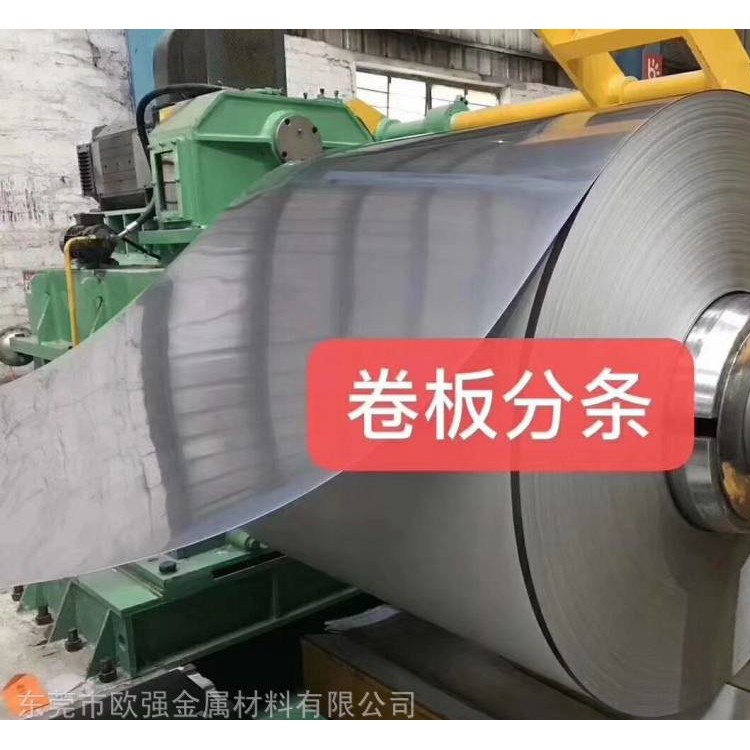
SUS316L stainless steel is an acid-resistant and corrosion-proof alloy material, divided into two main series: nickel-based stainless and chromium-based stainless. It boasts many unique excellent properties, such as high-temperature resistance, ease of processing, and high strength. The product is widely used in numerous industrial and civil applications. Product specifications: 1. Precision bars: 0.2-50mm 2. Cold-rolled strip: 0.2-4×≤40mm 3. Cold drawn wire: φ0.02-10mm
Corrosion-resistant, especially high-temperature strength, for piping, heat exchangers, food industry, and photographic industry.
Corrosion resistance
At the same stress intensity, the higher the temperature, the faster the fatigue crack propagation rate.
Both belong to high plasticity Austenitic stainless steel with high tensile strength.
The presence of corrosive media accelerates the corrosion fatigue process of steel.
In high-temperature aqueous environments, the stress corrosion of 316 steel is primarily IGSSC (intergranular).