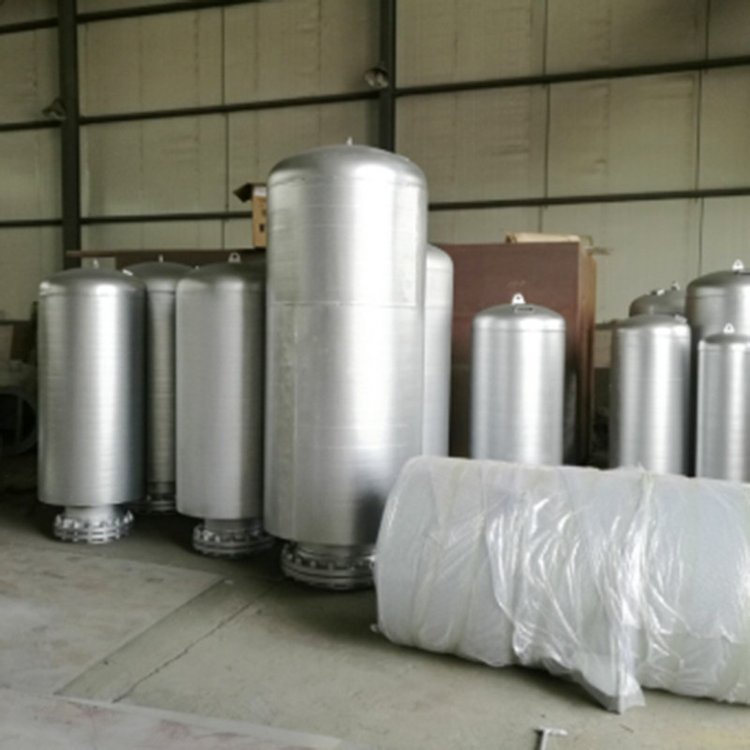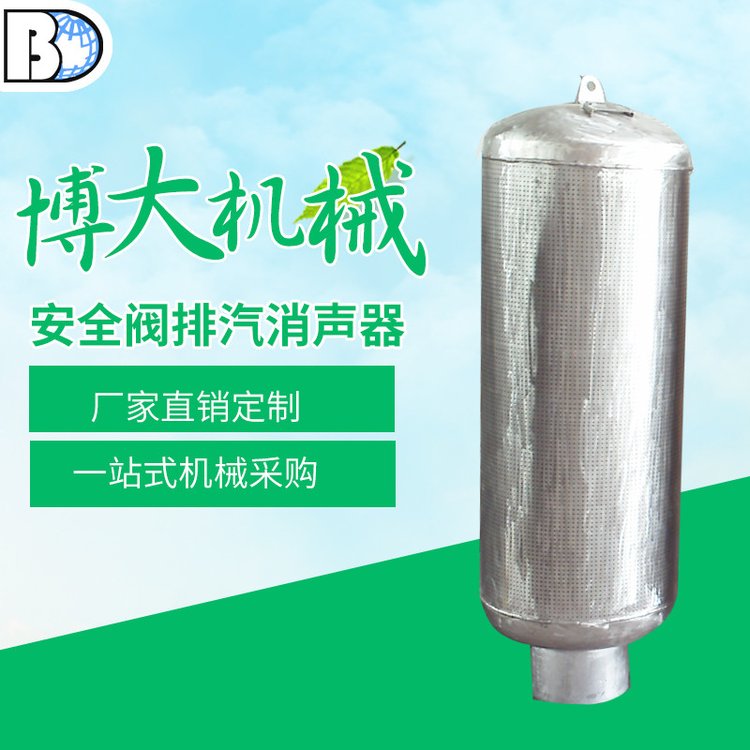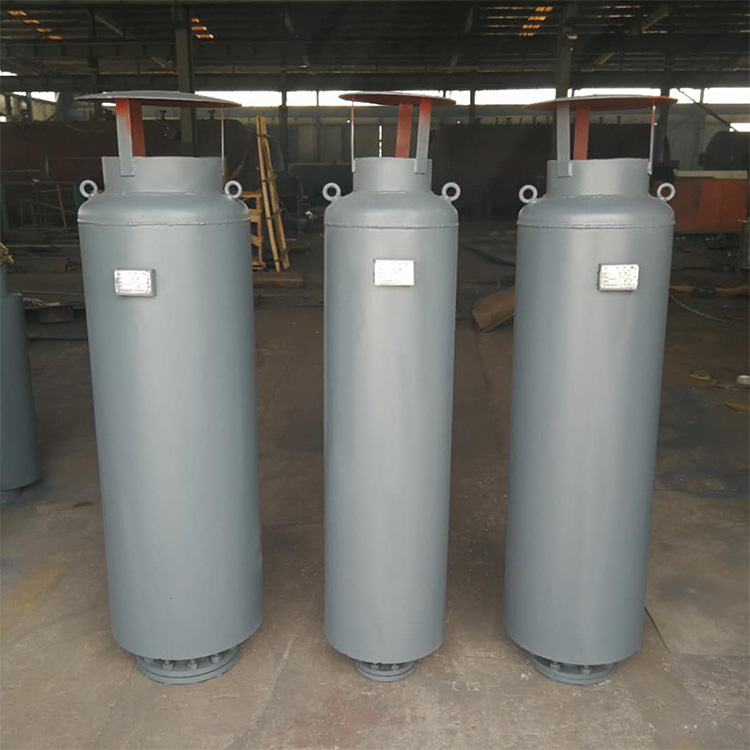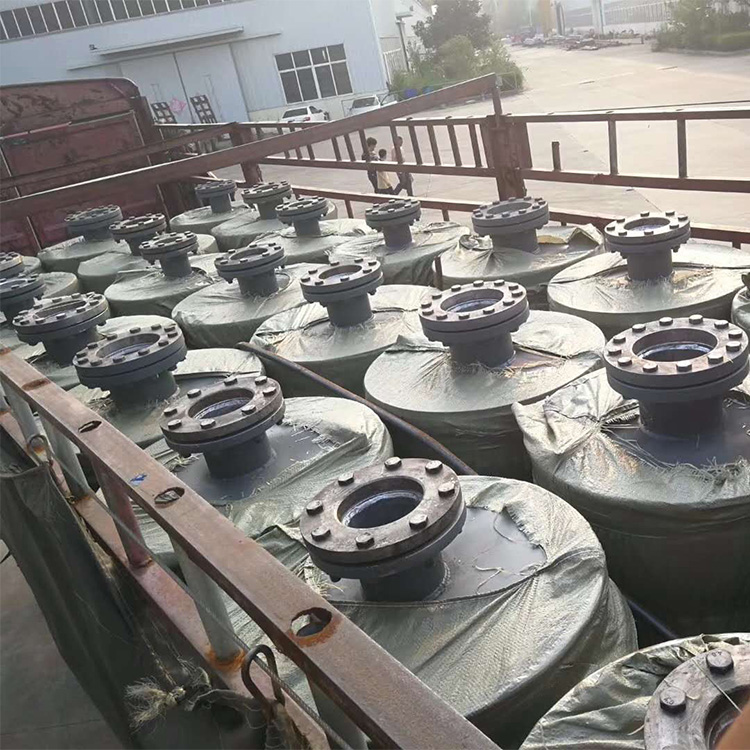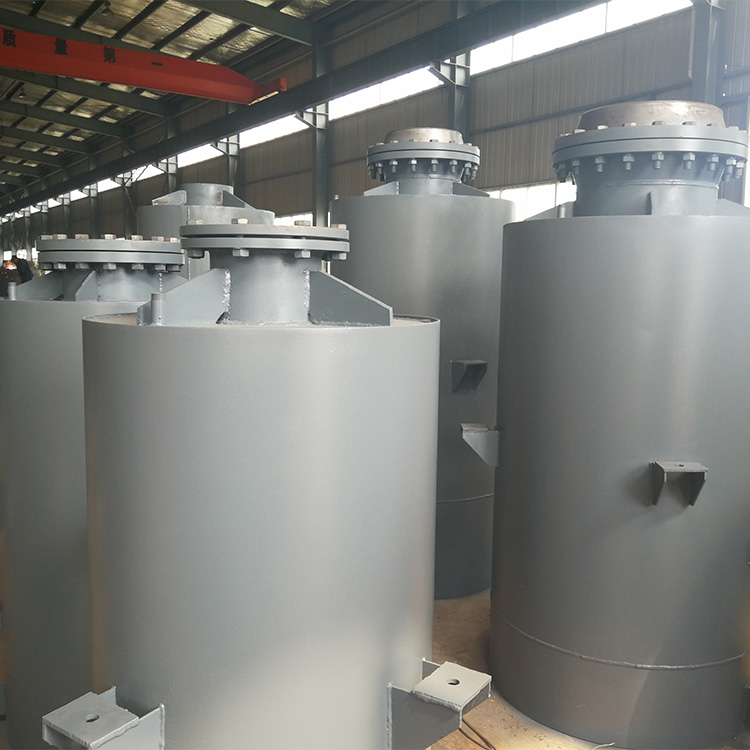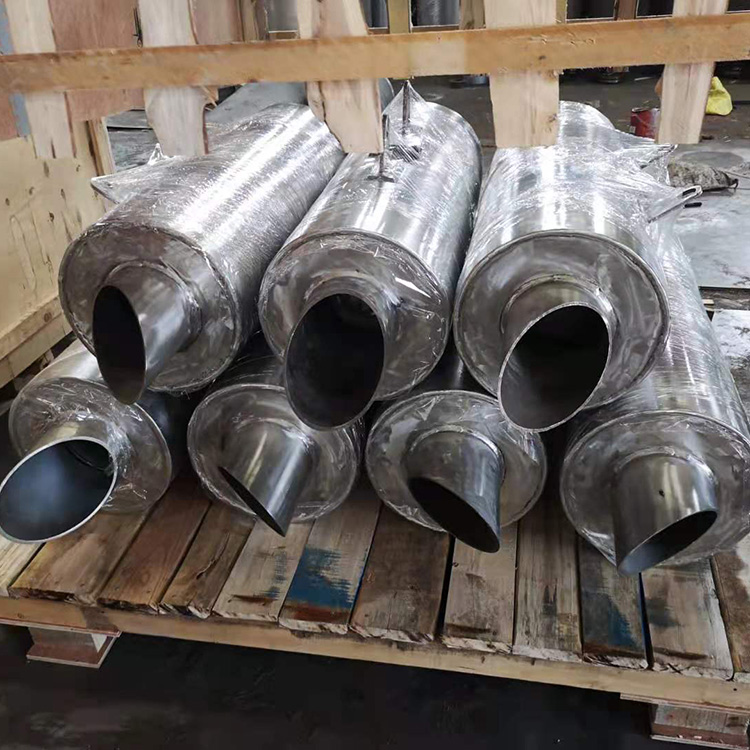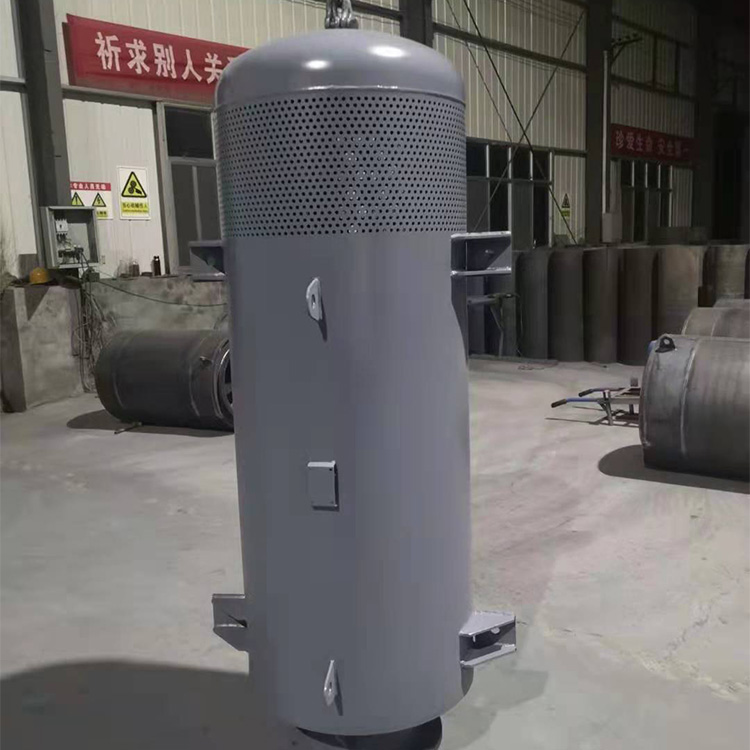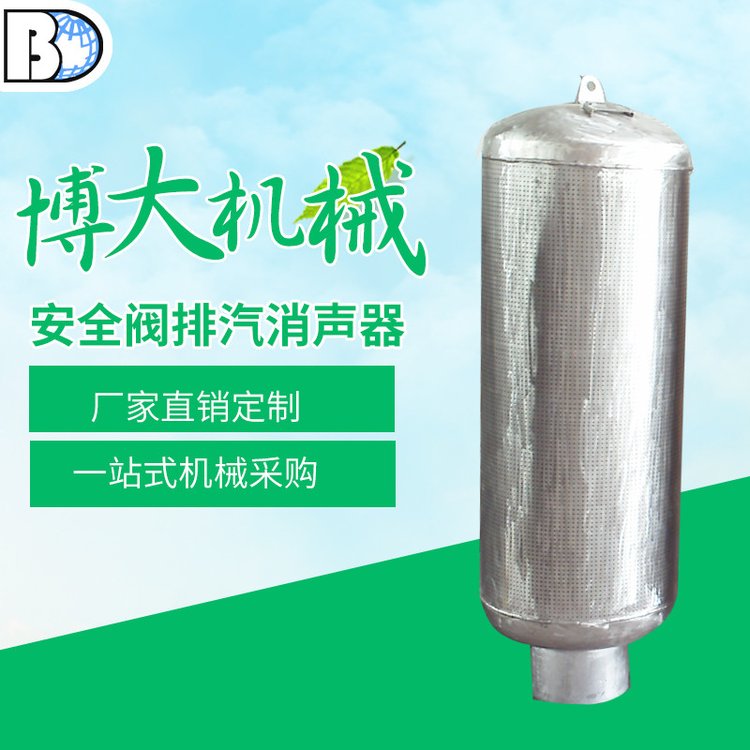


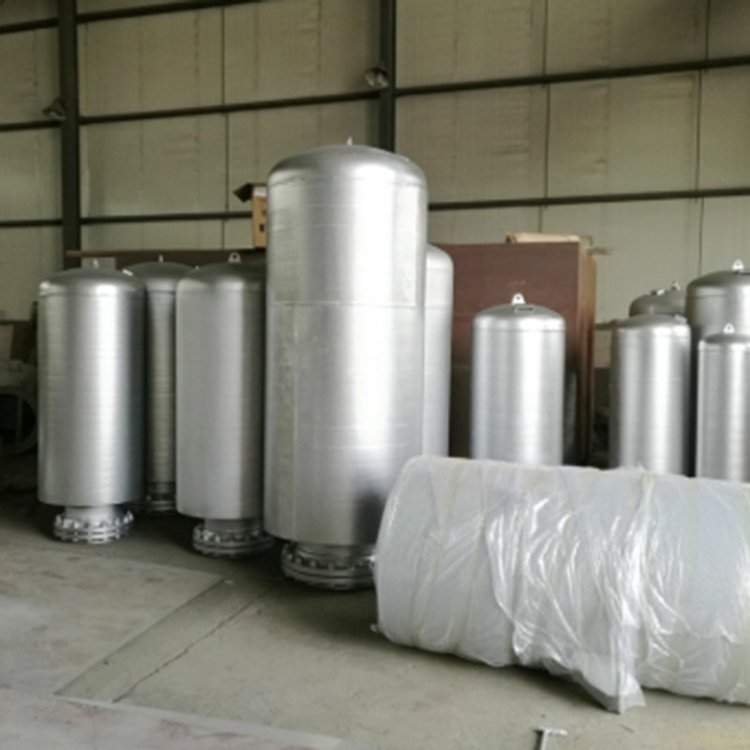


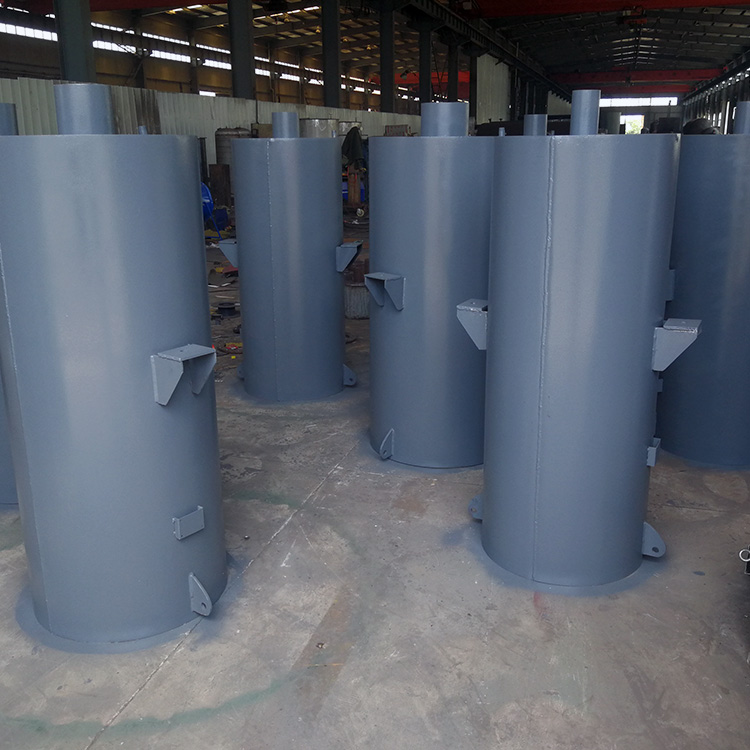






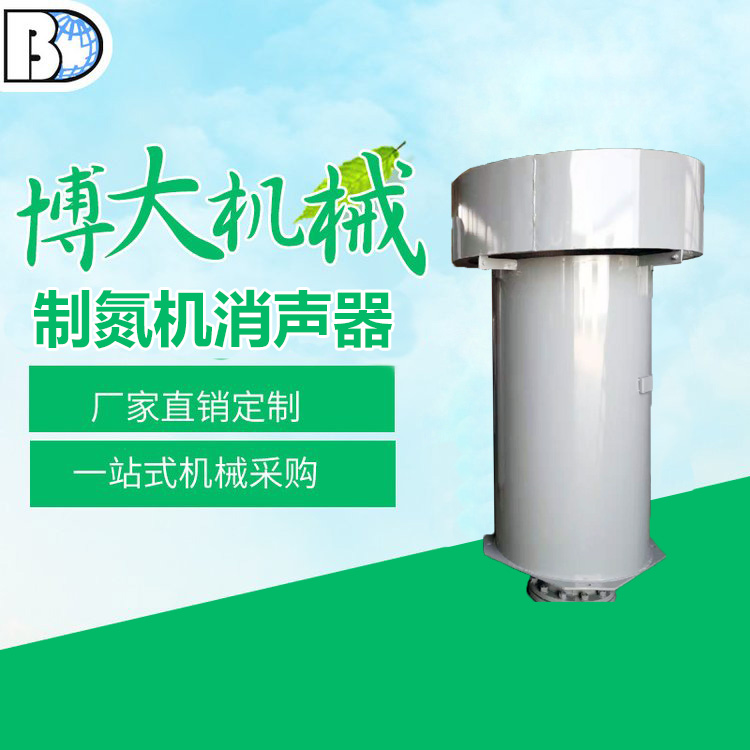
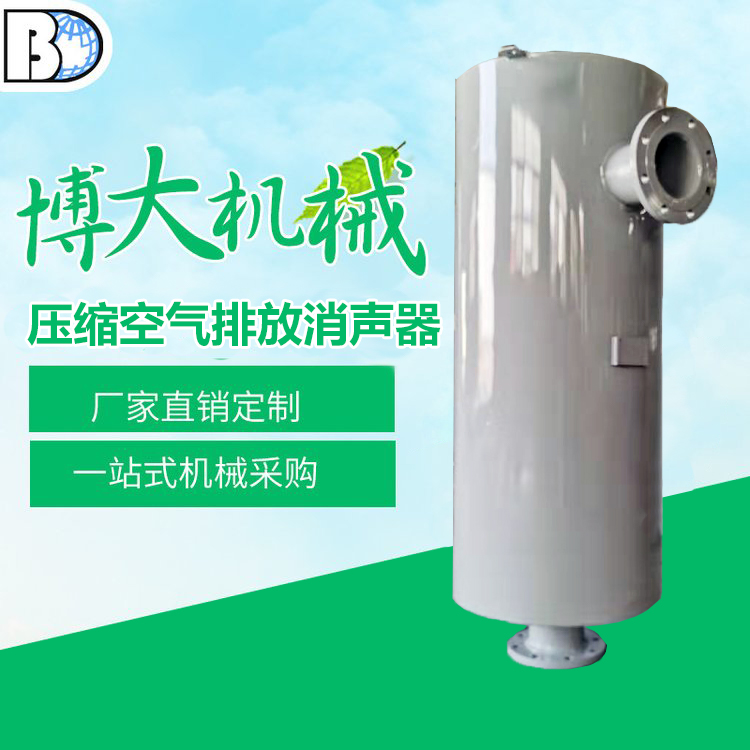
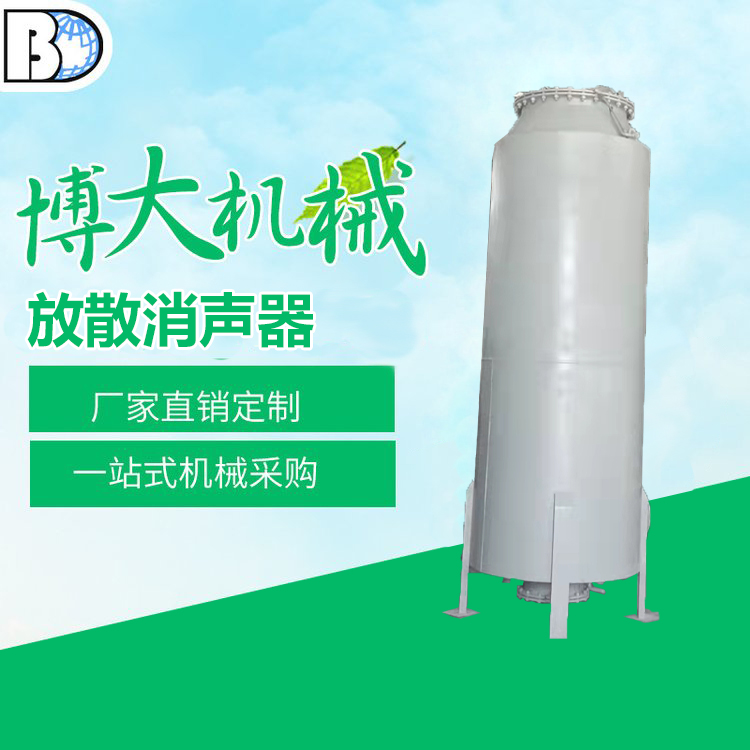
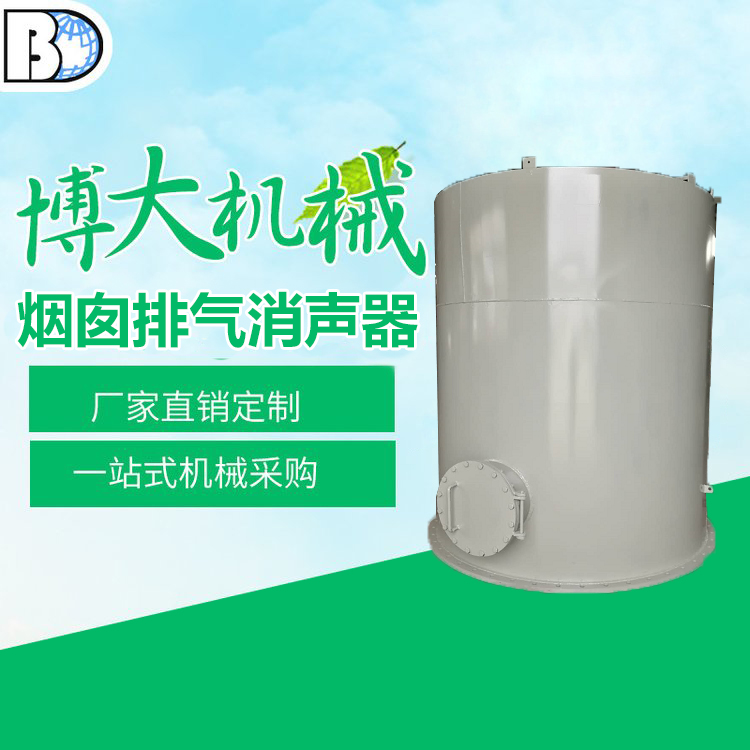
Safety valve muffler
Purpose and Product Features
Safety valves are primarily used for effective noise reduction of high-temperature and high-pressure steam exhaust in industries such as power, chemical, and metallurgy, including safety valves, PCV valves, and exhaust valves.
For boiler safety valves and exhaust valves, it can be regarded as a component of the pipeline. After acoustic treatment inside, it can reduce the generation and transmission of noise, making the noise reduction at the outlet reach 20-30 decibels (A-weighted), with a corresponding reduction in loudness of more than 60%, resulting in a significant subjective effect. The design should consider the following three aspects:
1. After silencing, excessive noise should be avoided, and the noise reduction should meet the requirements of the "Noise Hygiene Standards for Industrial Enterprises."
2. The safety valve muffler should be rustproof, clog-resistant, and capable of withstanding high temperatures, pressures, and air flow.
3. The exhaust volume of the safety valve silencer should be compatible with the blocking ratio to ensure smooth expulsion of the steam flow from the safety valve.
Section 2: Safety Valve Muffler Principle
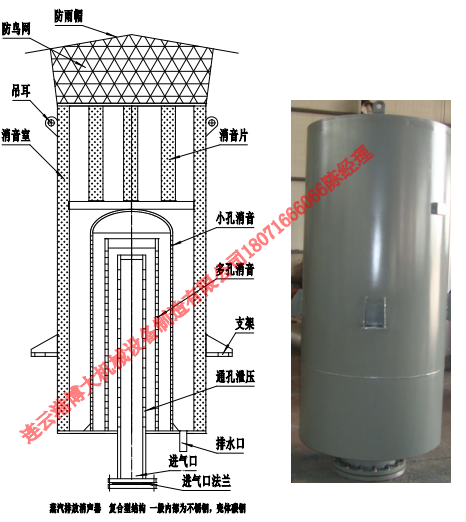
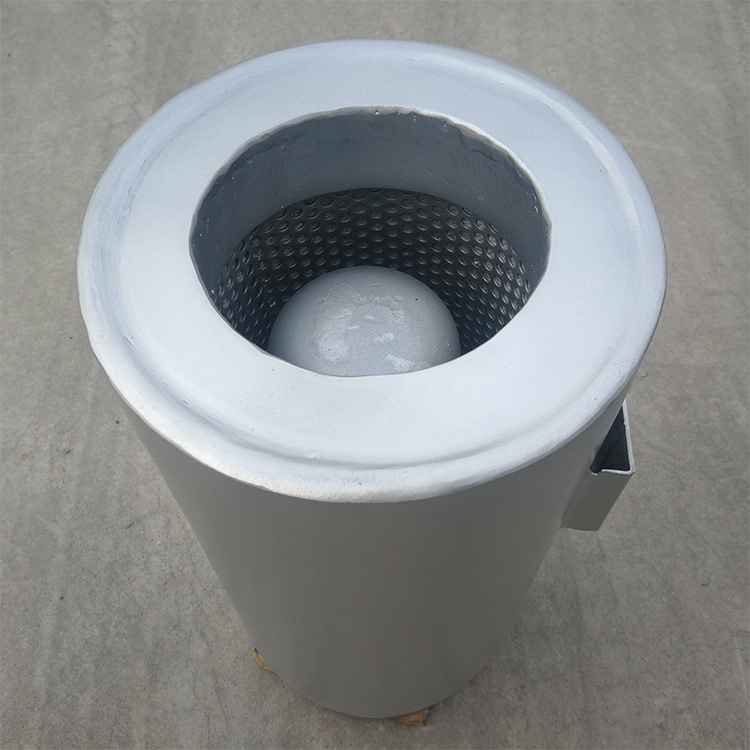
The new safety valve muffler utilizes the noise reduction principle of through-hole spray and resistance. It replaces the micro-porous plate type with a large-hole expansion to control the flow, ensuring that the exhaust of the safety door must be smooth in structure. It employs multi-level perforated sound absorption and combines the resistive noise reduction principle. This allows steam sound waves to enter the countless small holes of the porous sound-absorbing material, exciting the vibration of the porous material molecules, converting sound energy into heat to overcome frictional resistance and viscosity, thereby achieving ideal noise reduction and ensuring the smooth exhaust of steam.
Section 3: Safety Valve Muffler Ordering and Selection
When ordering a safety valve muffler, the following information is required:
(1) Safety valve exhaust flow (T/h), set pressure, temperature.
(2) Exhaust pipe outer diameter, wall thickness;
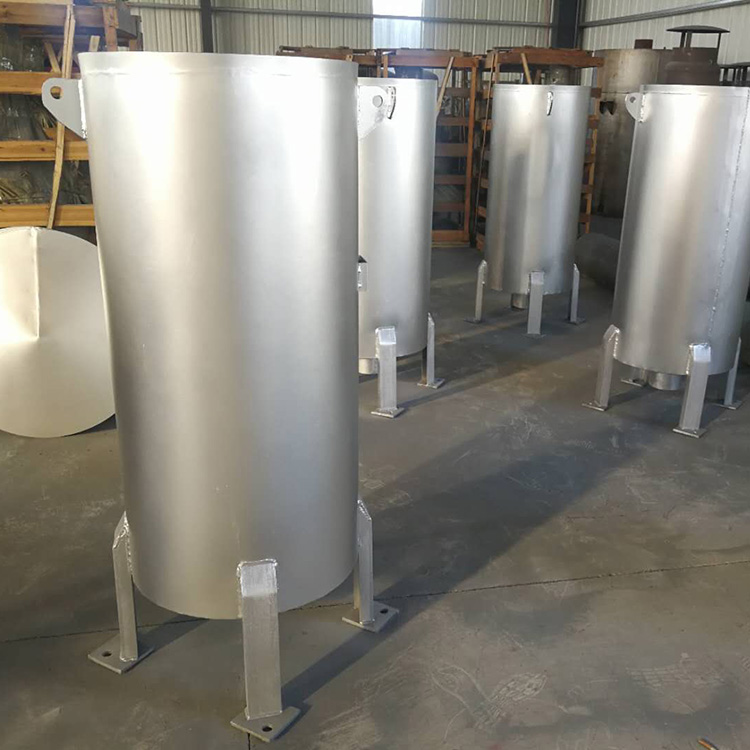
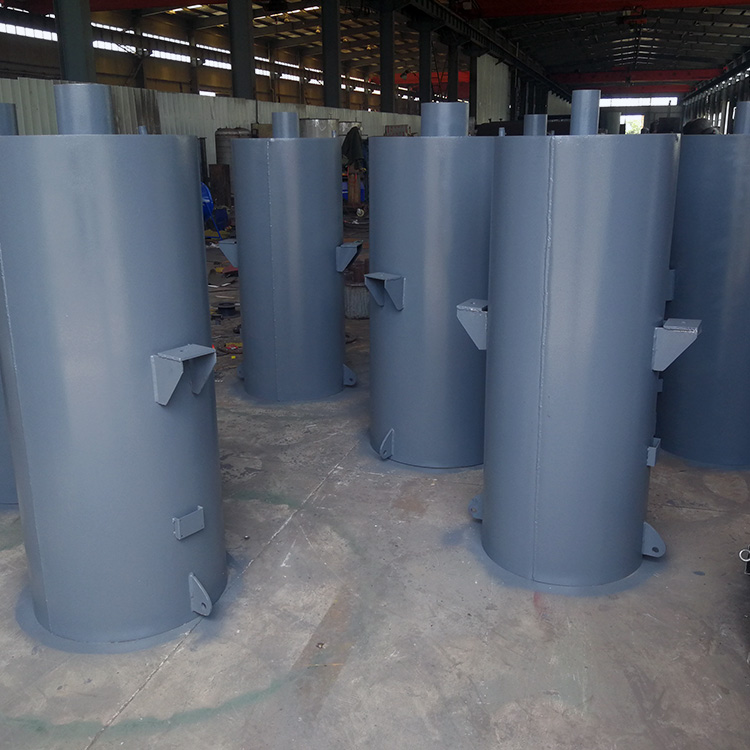
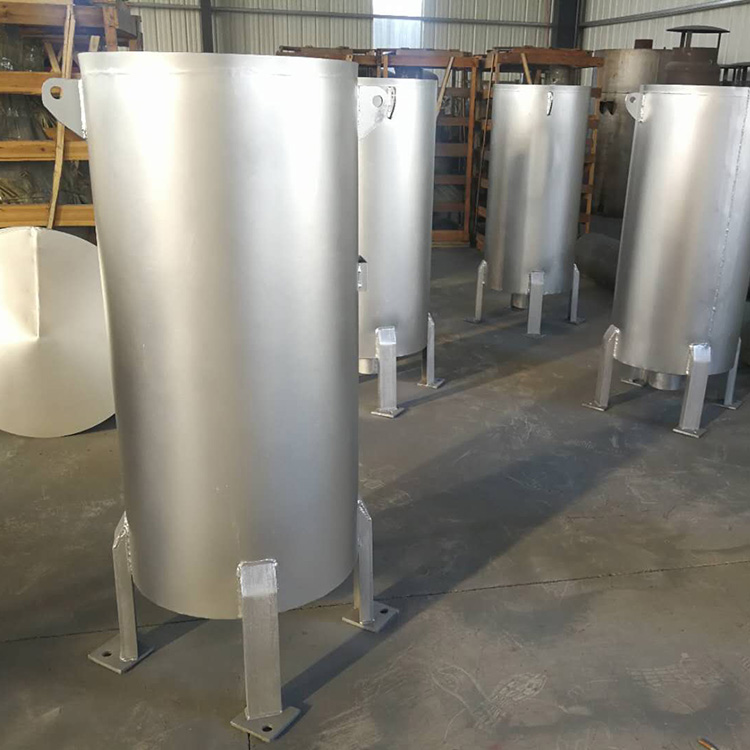
(3) Structure options include small-hole or anti-spray resistance composite types. Generally, users choose the composite silencer for better sound absorption, with stainless steel internally and carbon steel for the shell; the connection can be either welded or flanged; the support legs can be either leg-type or ear-type structures.
Four: Safety Valve Muffler Specifications and Models
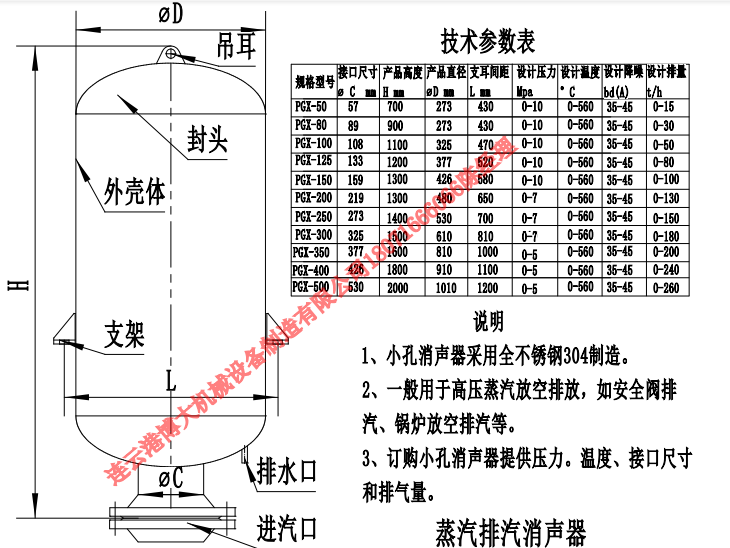
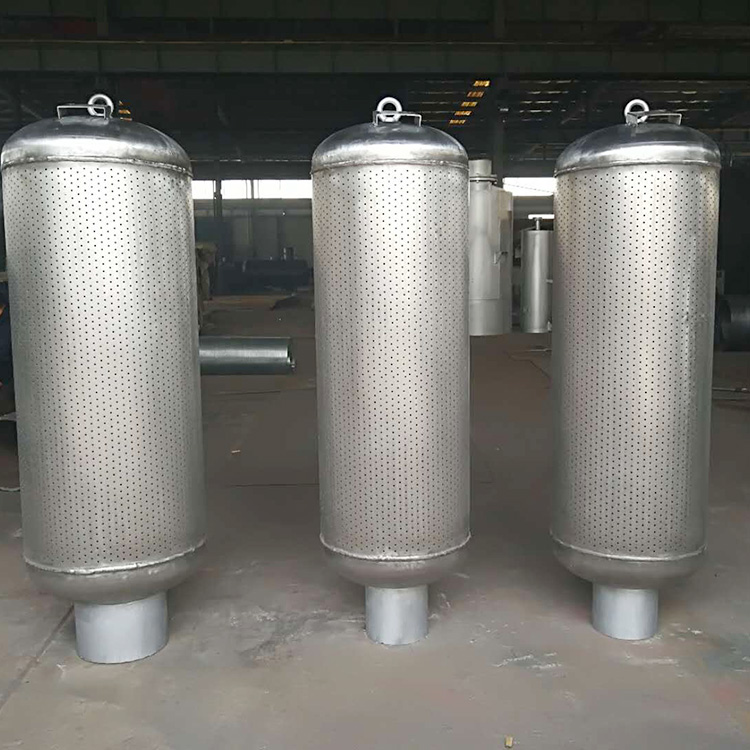
Safety Valve Muffler (Small Hole Type, suitable for high temperature and high pressure)
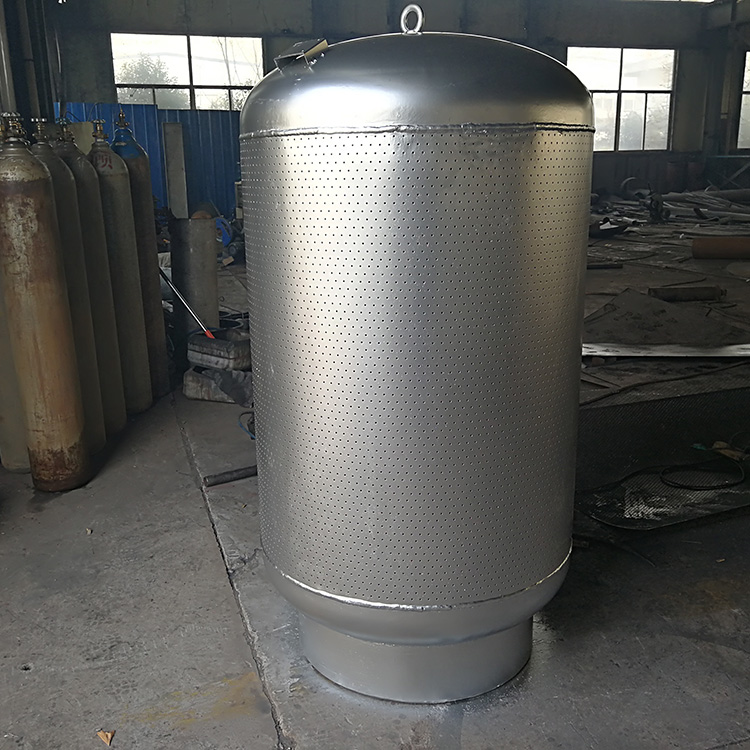
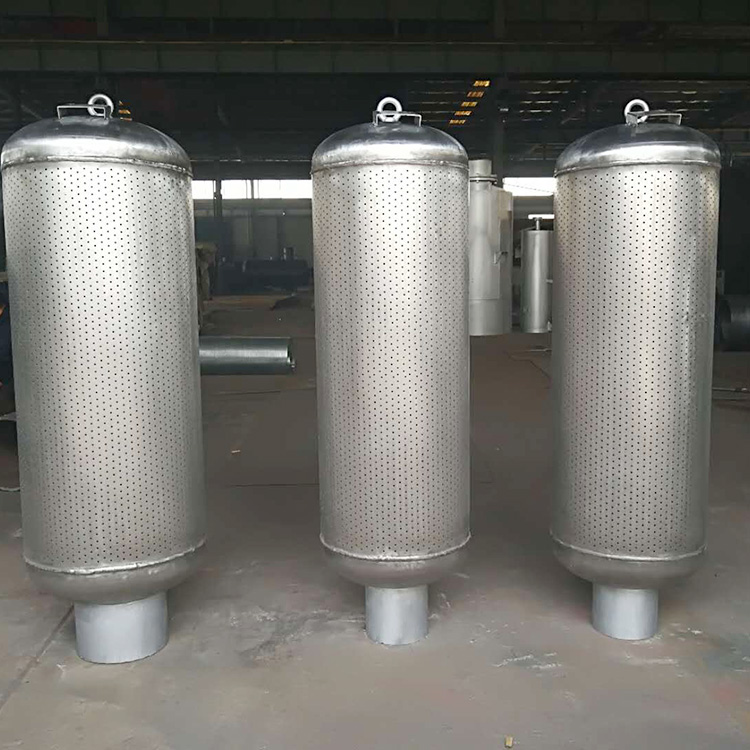
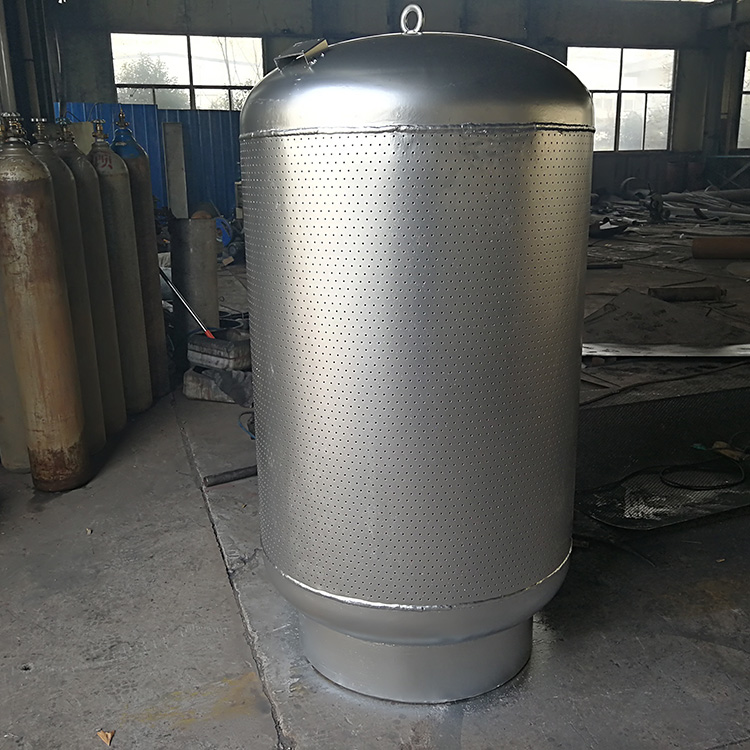
PX type exhaust muffler, where PX indicates (pore type), suitable for high temperature and high pressure applications. It does not contain any sound-absorbing cotton filling. The muffler is surrounded by pores, with gas entering from the bottom pipe and exiting from all sides.
Model Meaning: PX-3.82-10/57 represents the PX type as a small hole exhaust muffler, 3.82 indicates a pressure of 3.82 Mpa, 57 denotes the external diameter of the connection is 57mm, and 10 signifies an exhaust capacity of 10T/H.