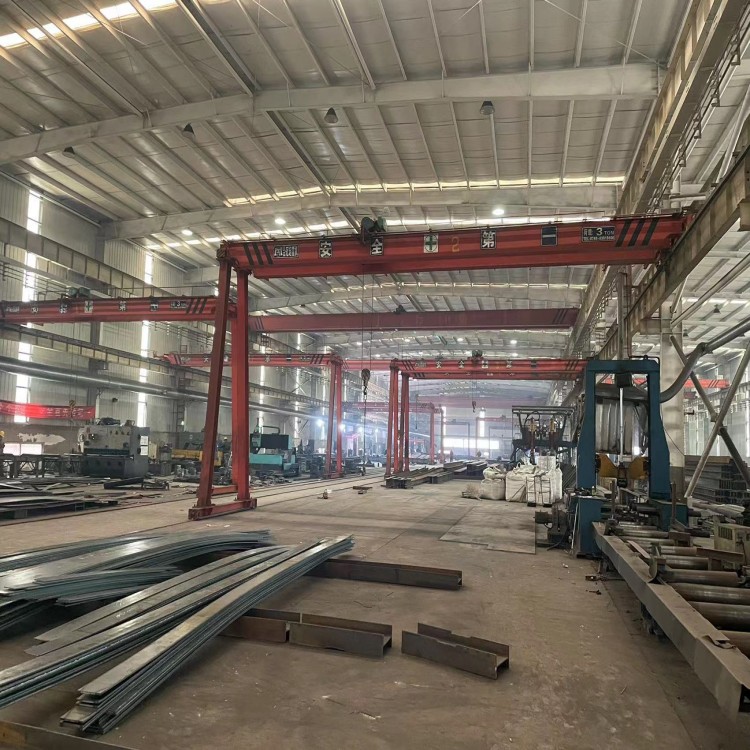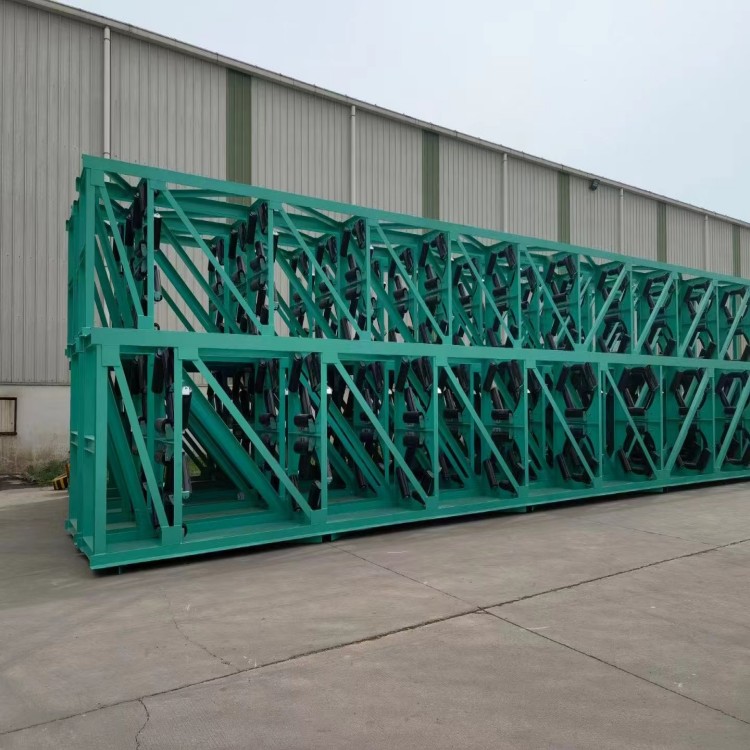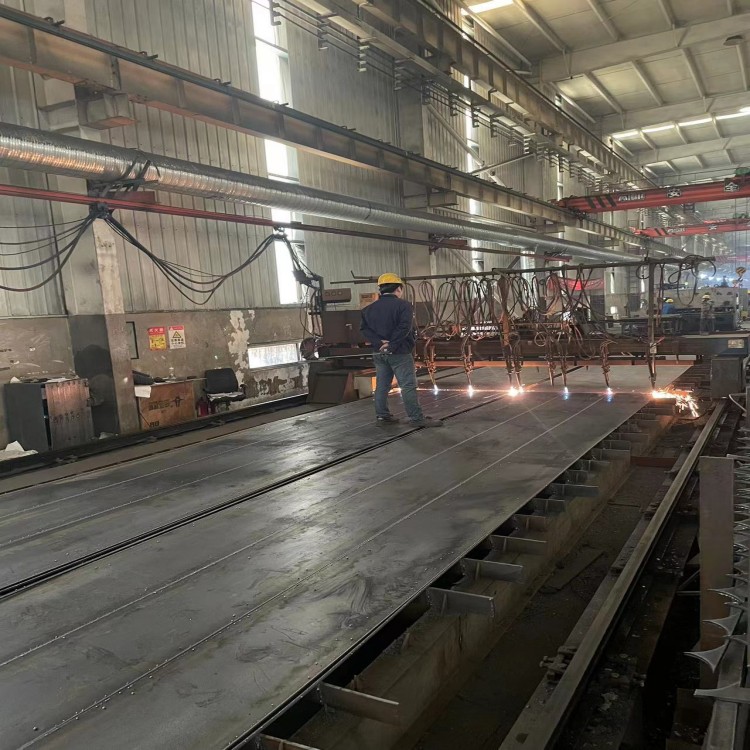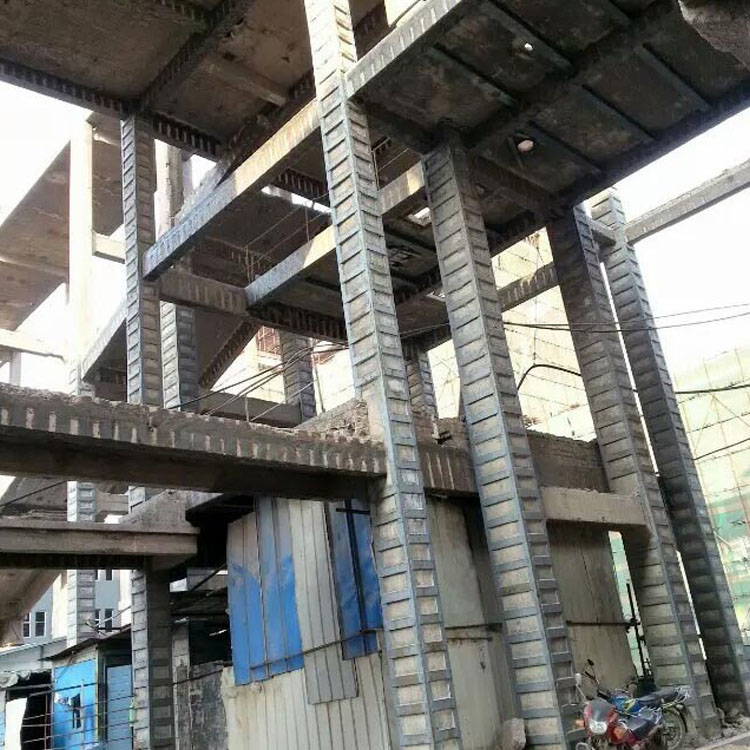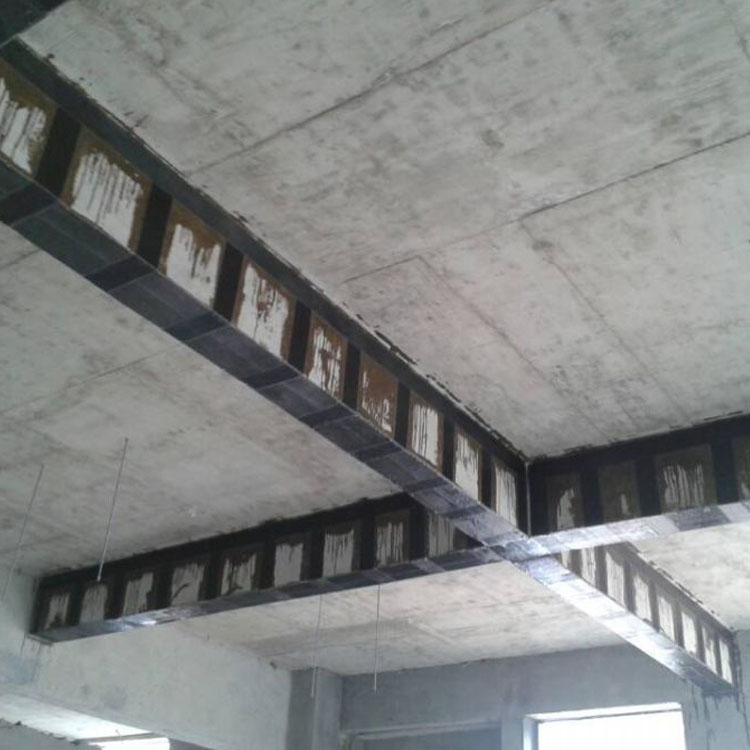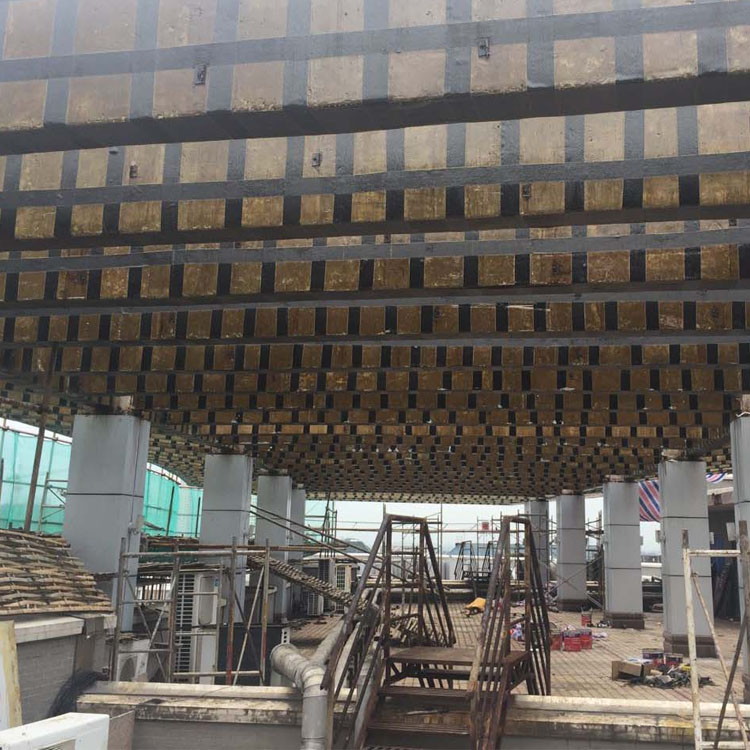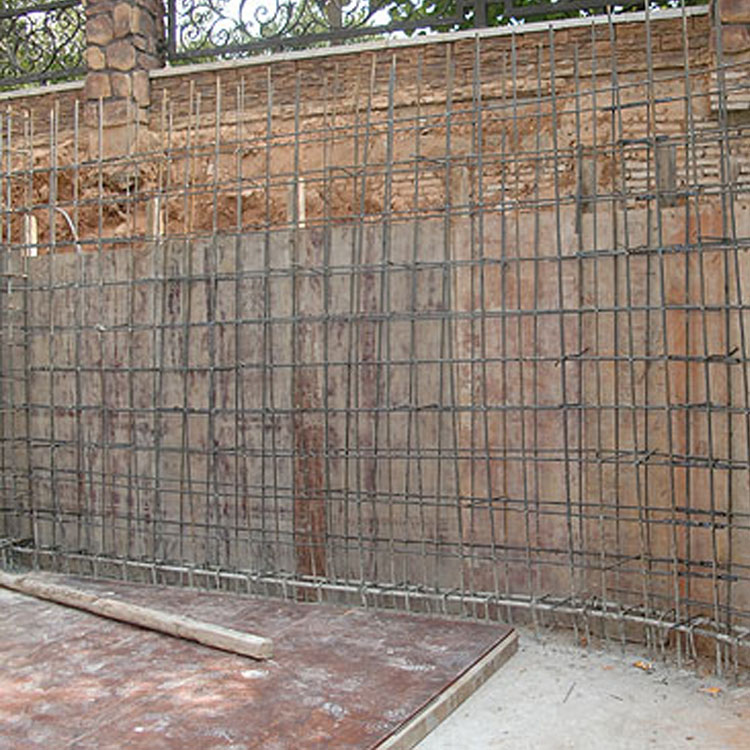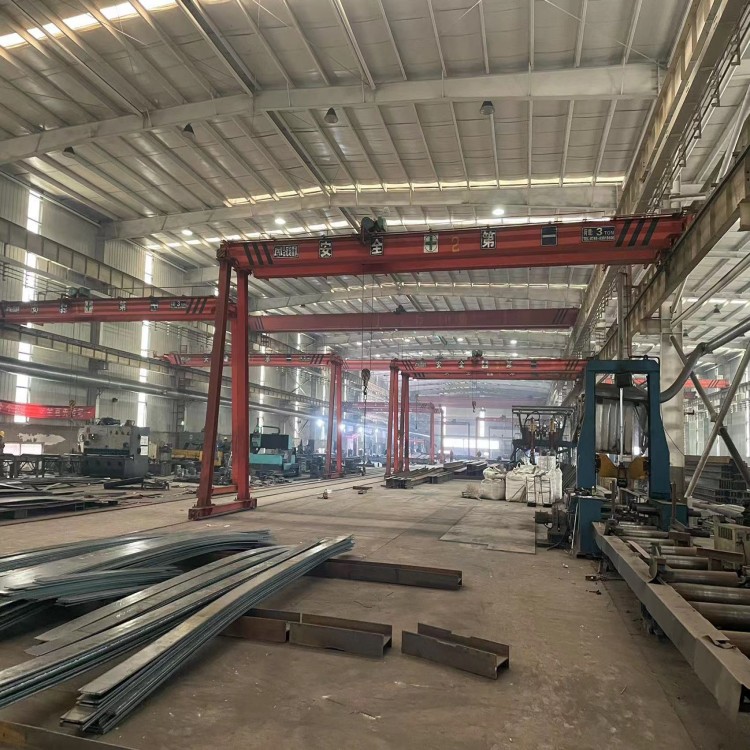

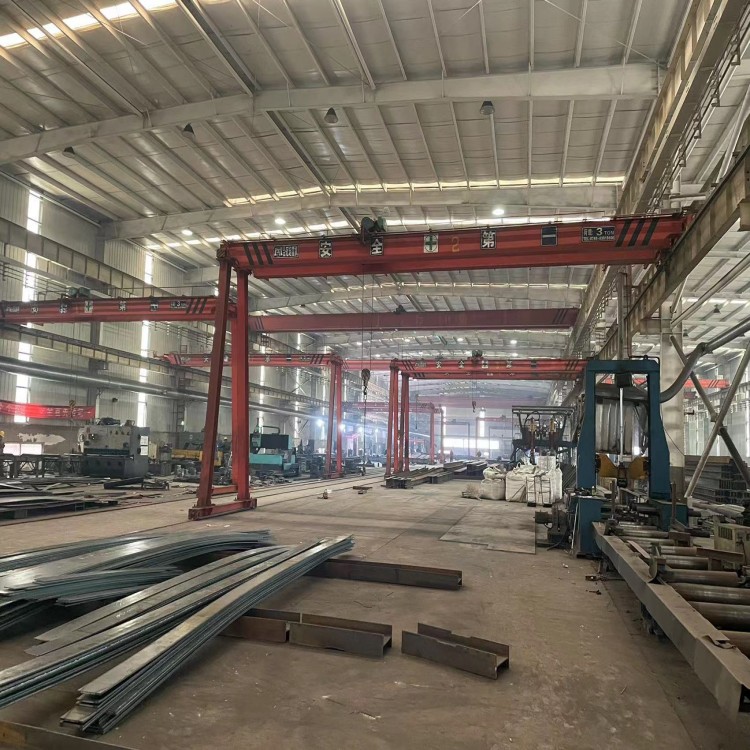
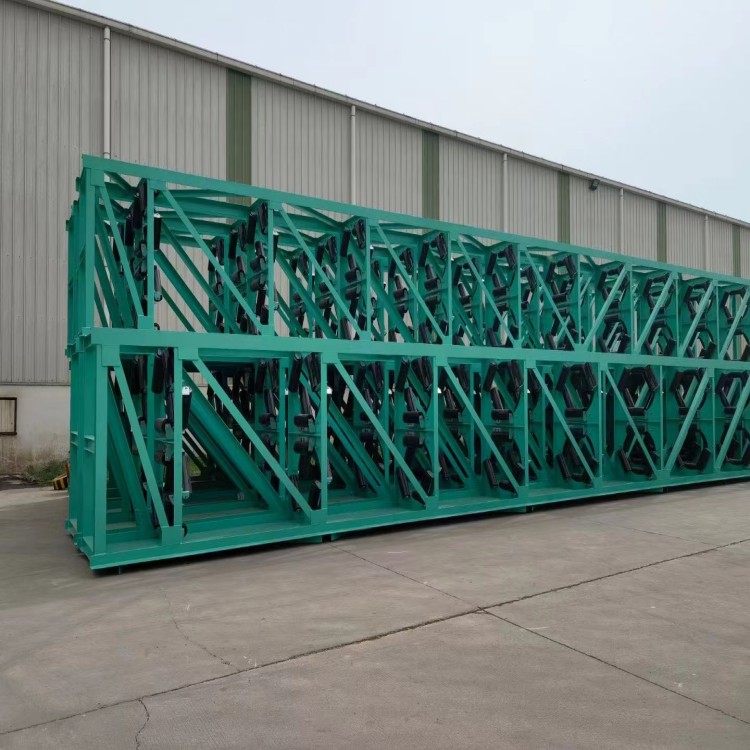
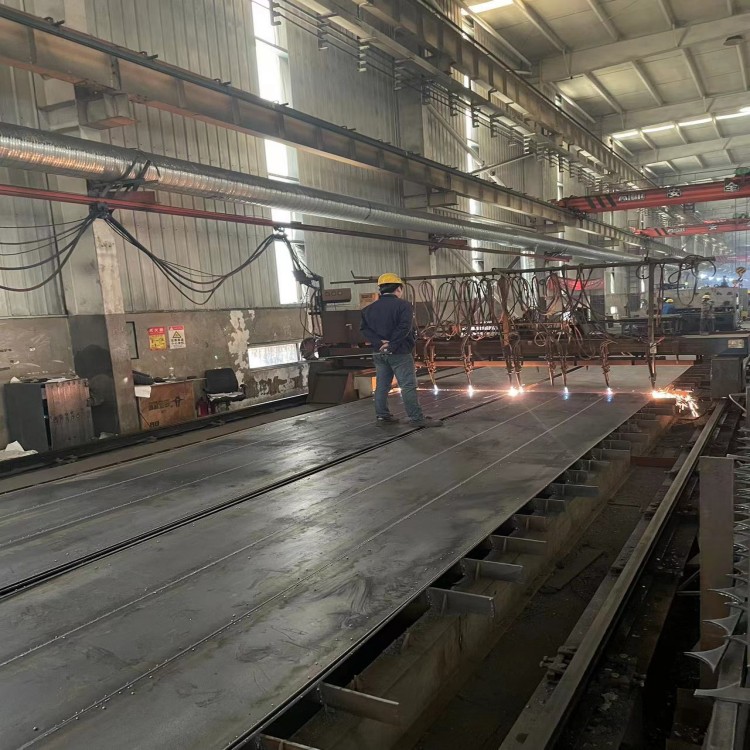







Structural steel construction
Structural steel is typically used in450Celsius to650Loss of bearing capacity within the Celsius temperature range, resulting in significant deformation, causing steel columns and beams to bend. Therefore, they cannot be used further due to excessive deformation. The fire resistance limit of unprotected steel structures is approximately15Minutes. The duration of this time is also related to the rate of heat absorption. To overcome the insufficient fire resistance of steel structural materials in practical applications, fire protection treatment must be carried out. The purpose is to raise the fire resistance limit of steel structures to the range specified by the design standards.
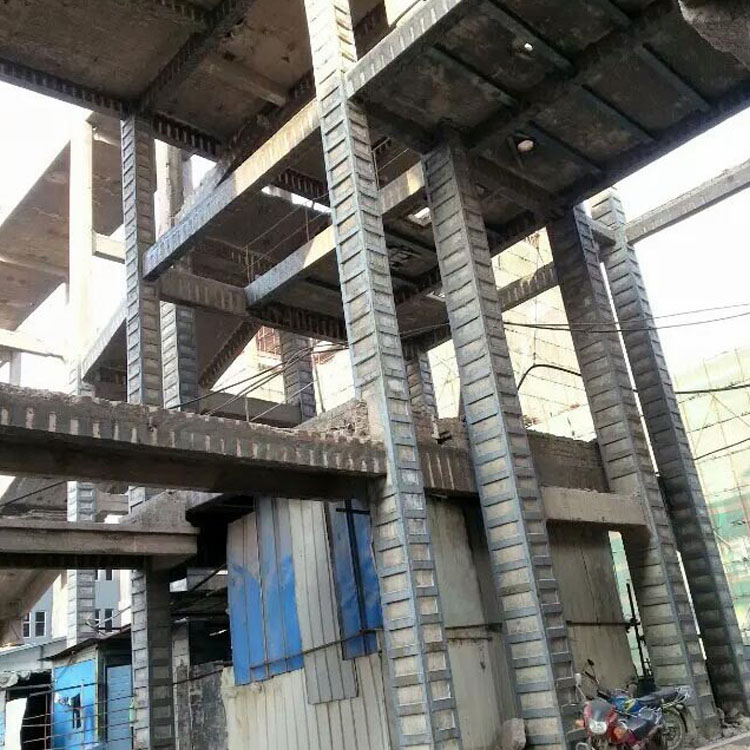
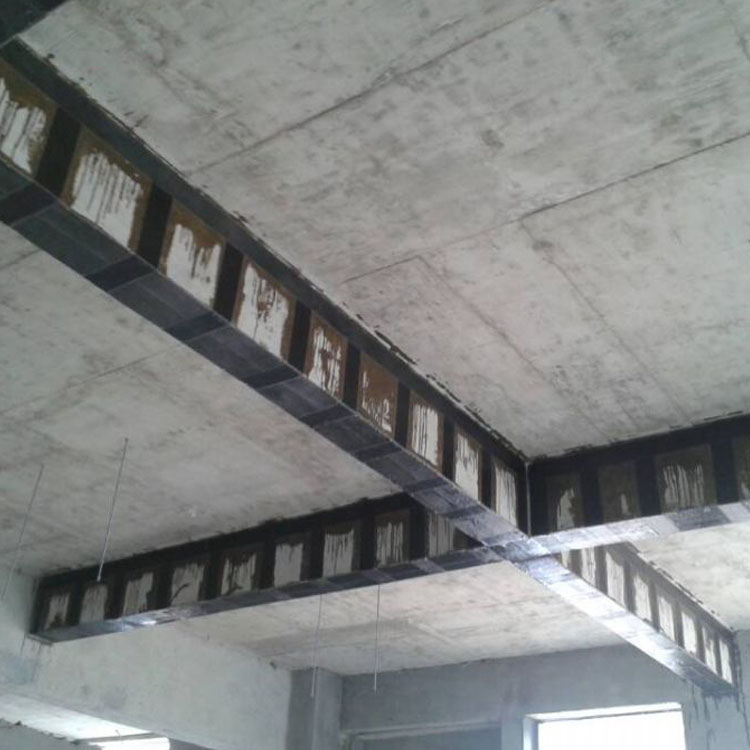
Steel is a non-combustible material with characteristics such as seismic resistance and bending strength. In practical applications, steel not only enhances the load-bearing capacity of buildings but also meets the aesthetic and shaping needs of architectural design. It also avoids the limitations of materials like concrete, which cannot be bent or stretched. Therefore, steel is favored in the construction industry for single-story, multi-story, skyscrapers, factories, warehouses, and waiting rooms. It is widely used in carports and waiting halls. However, as a building material, steel has some unavoidable defects in terms of fire resistance. Its mechanical properties, such as yield point, tensile strength, and elastic modulus, sharply decline with increasing temperature.
Measures to prevent steel structures from deforming and collapsing in fires are varied. The key is to adopt different methods based on different situations, such as using insulating and refractory materials to prevent direct flame combustion of steel structures, reducing heat transfer speed, delaying the rise in temperature and strength degradation of the steel structures. However, regardless of the method used, the principle remains the same. Therefore, four measures must be taken for fire prevention in steel structures:
1Coating Layer. As the name implies, it involves applying a coating by spray method to the outer layer of steel structures. Using spray equipment, steel structure fire-retardant slurry is applied to the surface of the steel structure to form a protective layer. The thickness of the fire-retardant slurry can be designed according to fire protection requirements. It can meet2-3Over 1-hour fire resistance. It's currently a high-performance, cost-effective flame-retardant paste on the market.
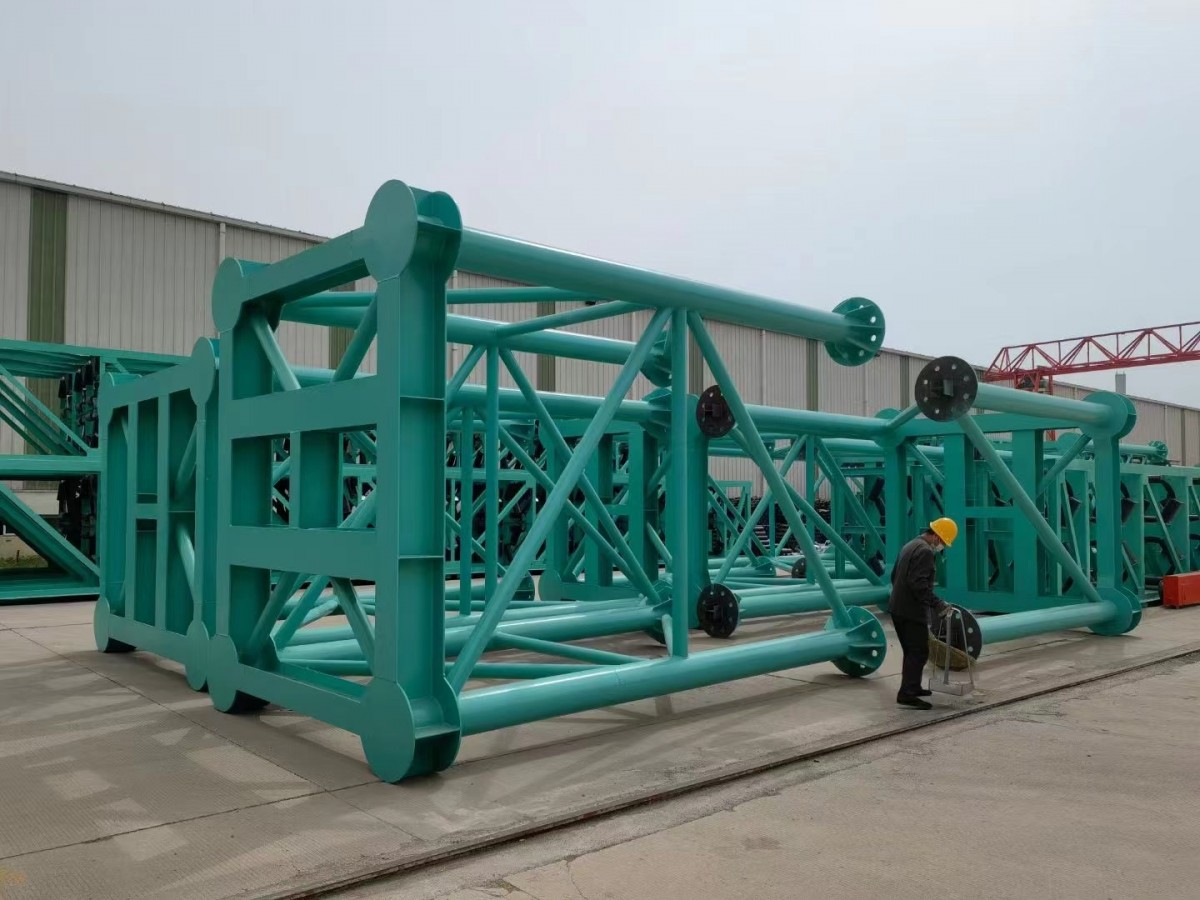
2Water jacket. Filling the hollow steel structure with water is an effective fire prevention measure. This method helps maintain a lower temperature in the steel structure during a fire, allowing water to circulate within the structure and absorb the heat of the materials themselves. The cooled hot water can be reused, or cooled water can be introduced in place of the hot water.
3Fireproofing. Steel structures are set within walls or roofs constructed from fire-resistant materials, or components are enclosed in gaps between two walls. Simply adding or not increasing a small amount of fire-resistant material can achieve fire prevention. This is an economical fire prevention method.
Expanding materials. This method boasts excellent fire-resistant and insulating properties, unrestricted by the geometric shape of steel structures during construction, and generally does not require additional facilities. The coating is lightweight and also possesses a certain aesthetic decorative quality. Effectiveness. It belongs to a modern and advanced fire protection technology measure.
Currently, high-rise steel structures are becoming more prevalent, especially in ultra-high-rise buildings, with the application of steel structures expanding. In the event of a fire in high-rise buildings, it cannot be extinguished in a short period. This necessitates enhancing fire protection measures for building materials in architectural design, improving their fire resistance, and establishing necessary emergency response plans within the building to minimize casualties and property damage.