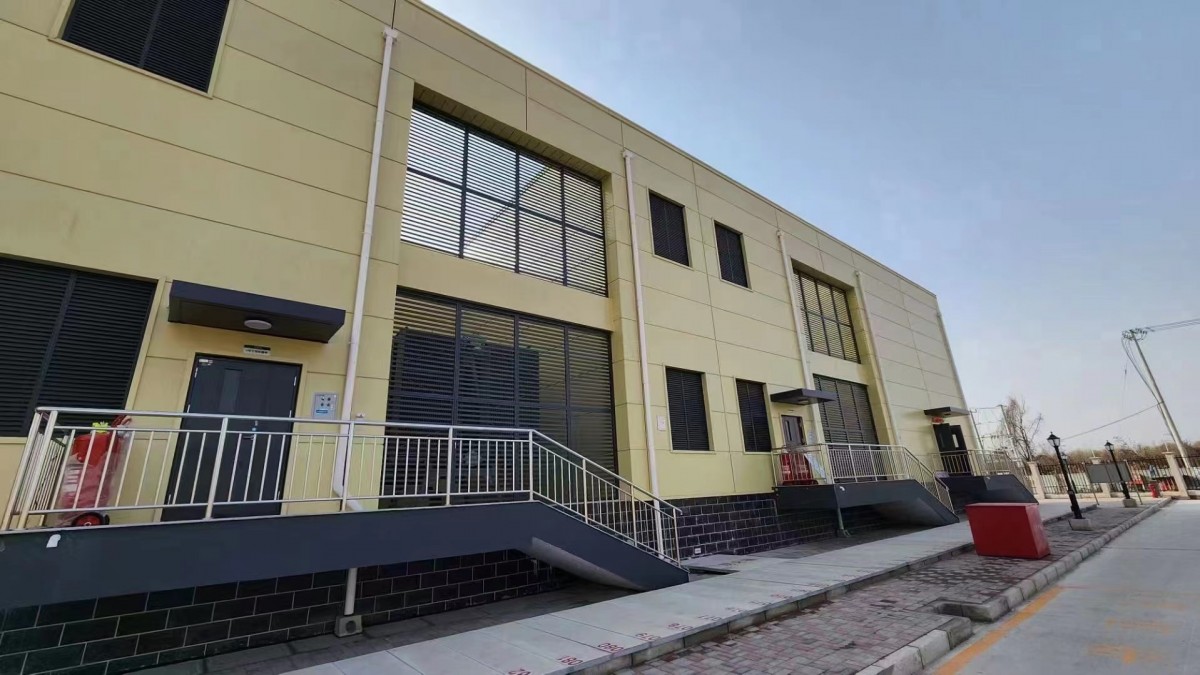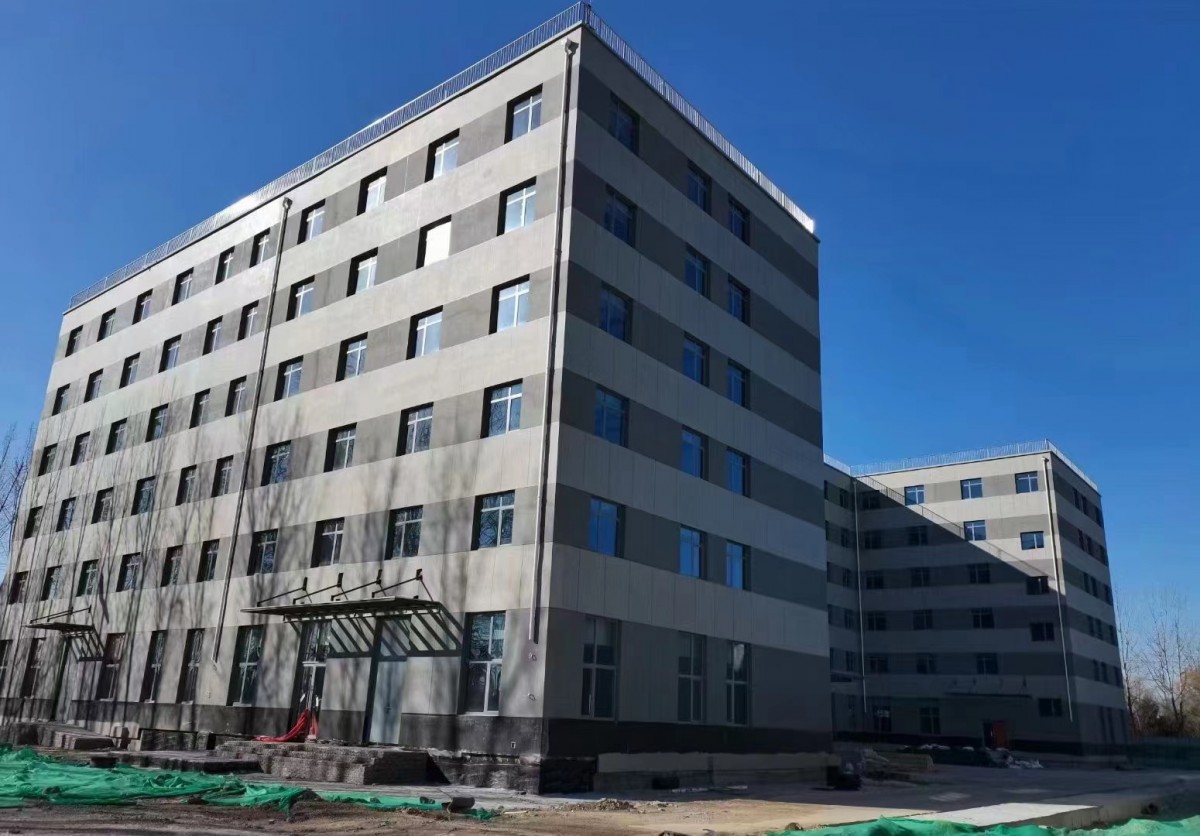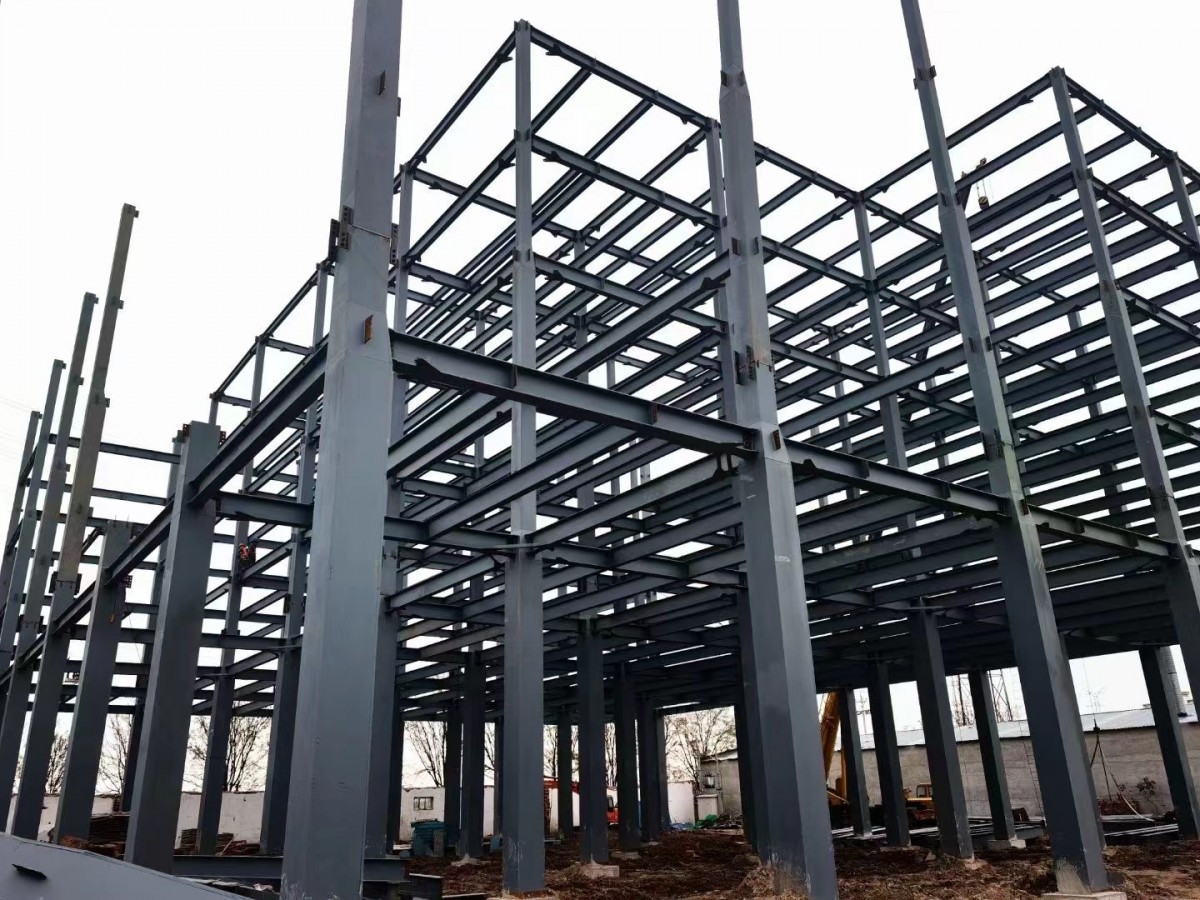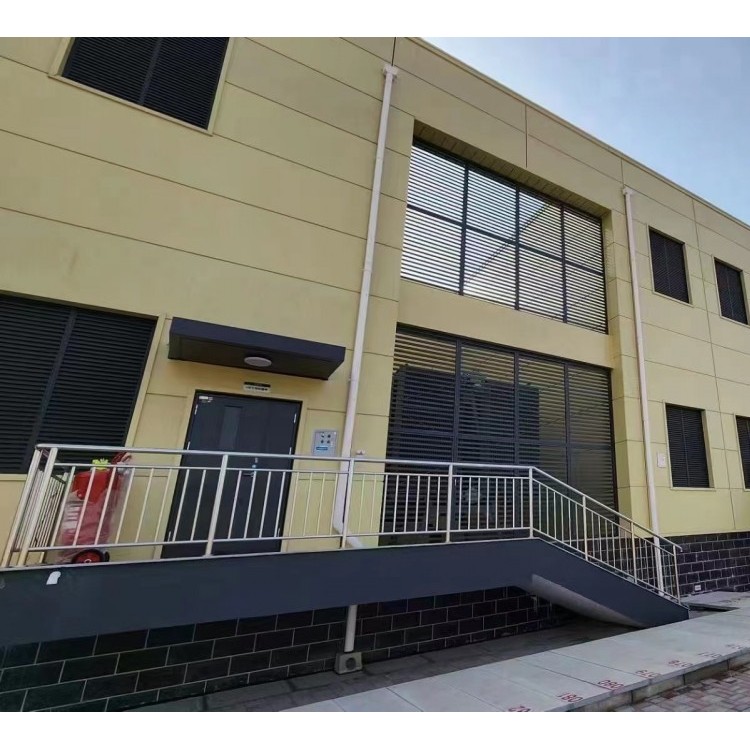

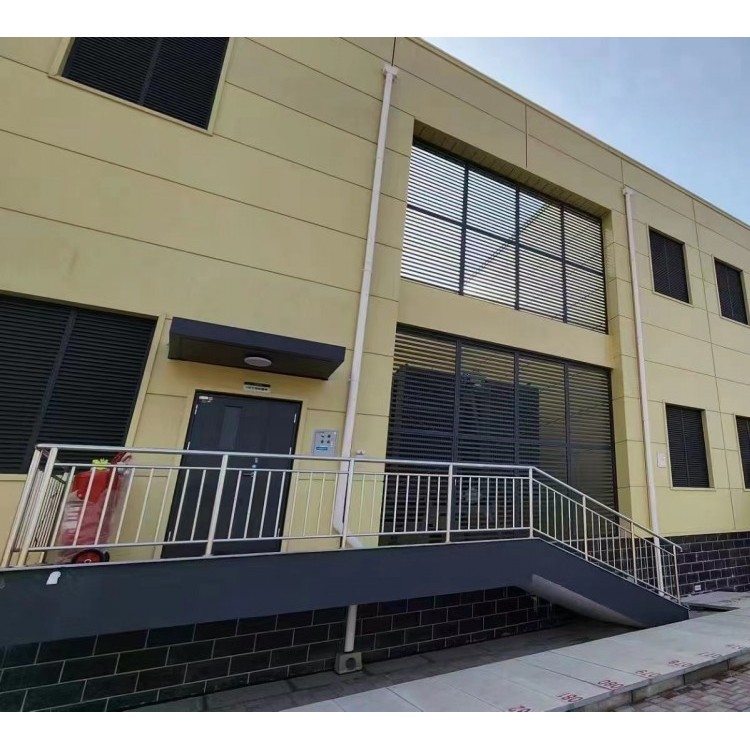

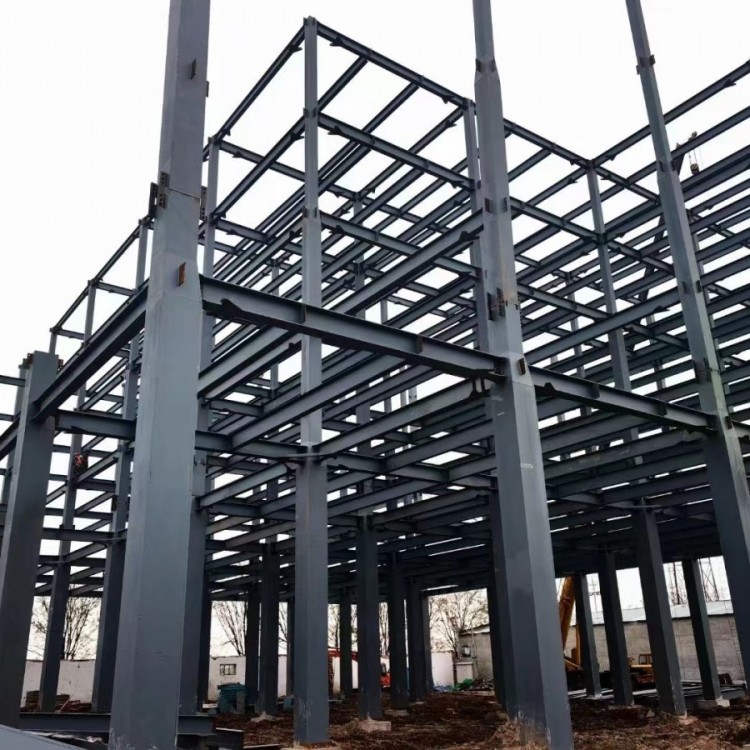







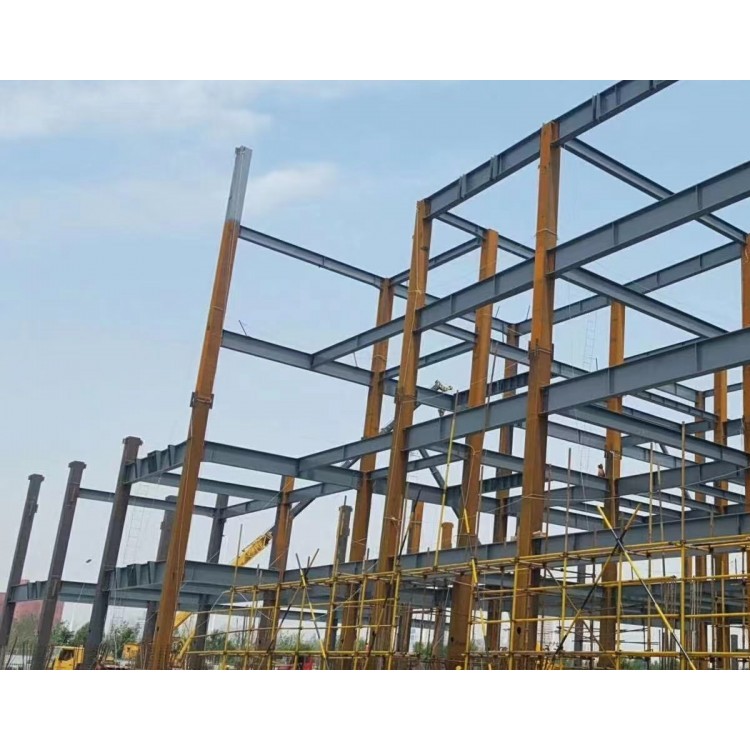
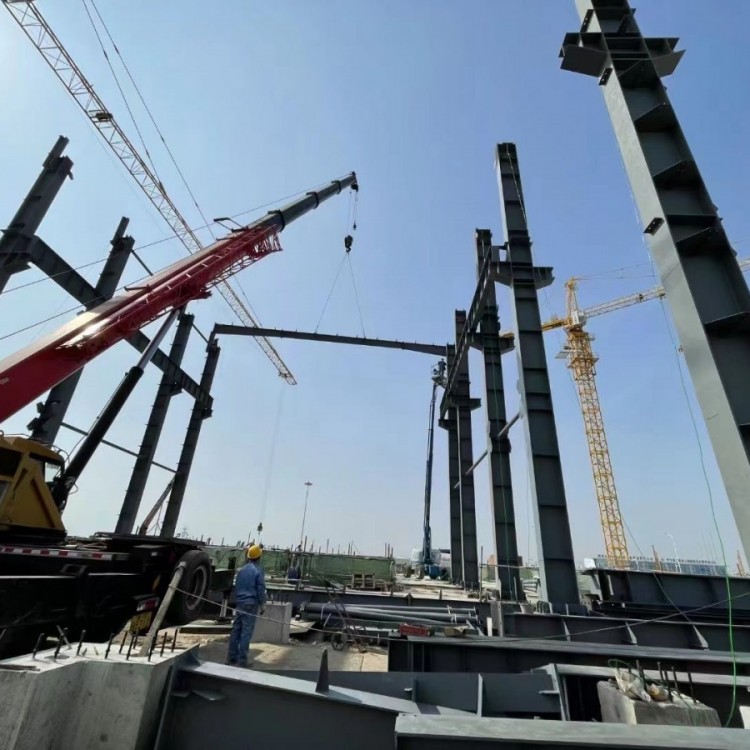
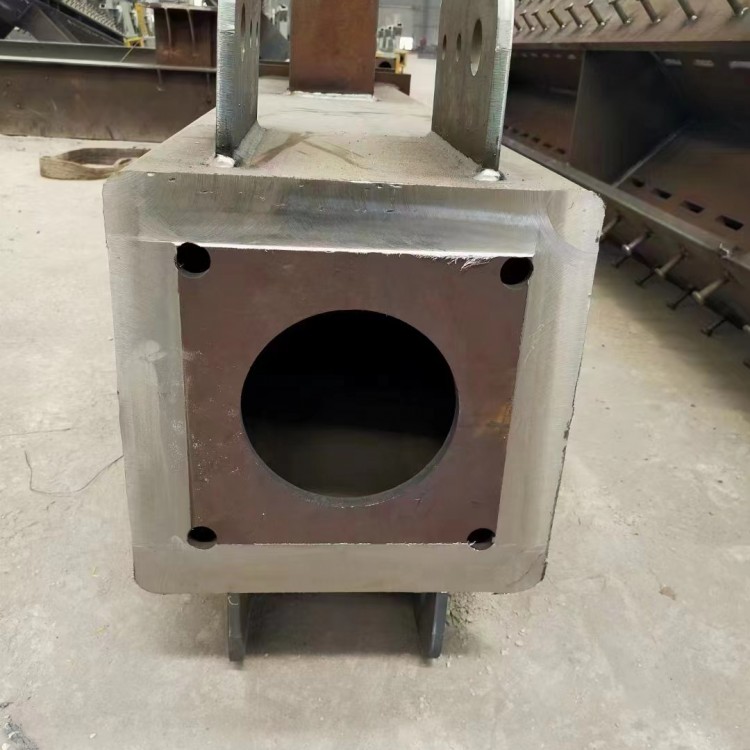
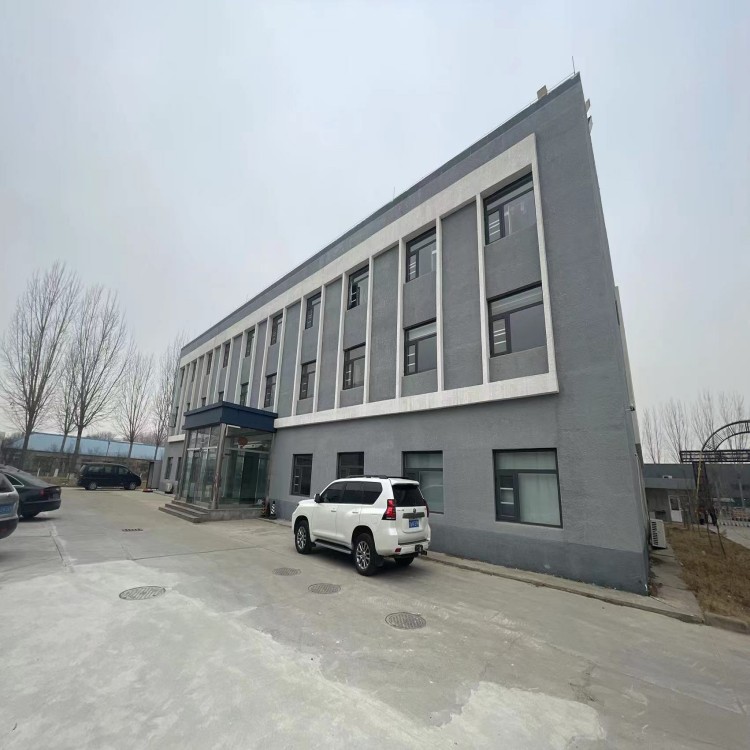
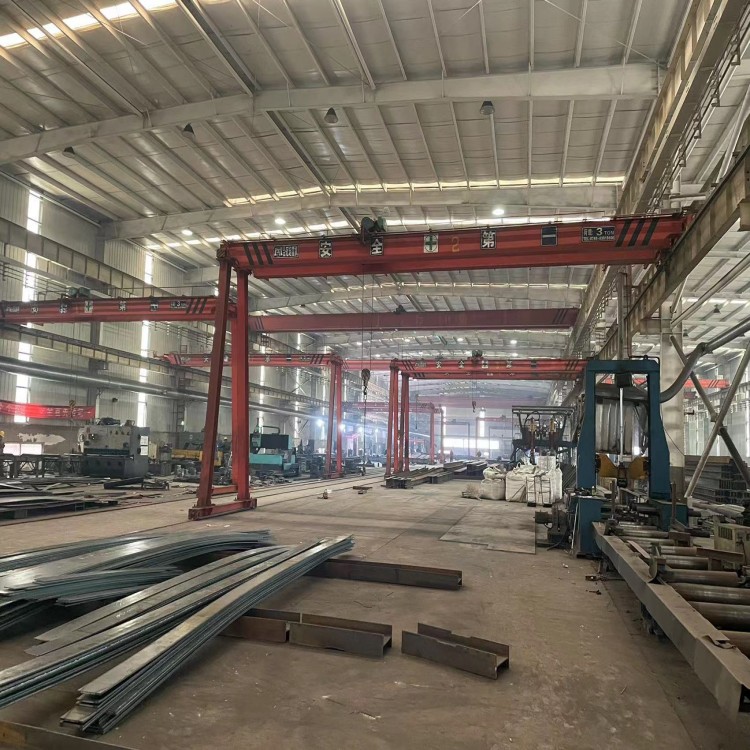
The main advantages of steel structure factory buildings include:
1. Lightweight, high-strength, and wide-span: Although steel has a higher density than other building materials, its strength is exceptional. Under the same load conditions, steel structures have a lower self-weight, allowing for wider spans.
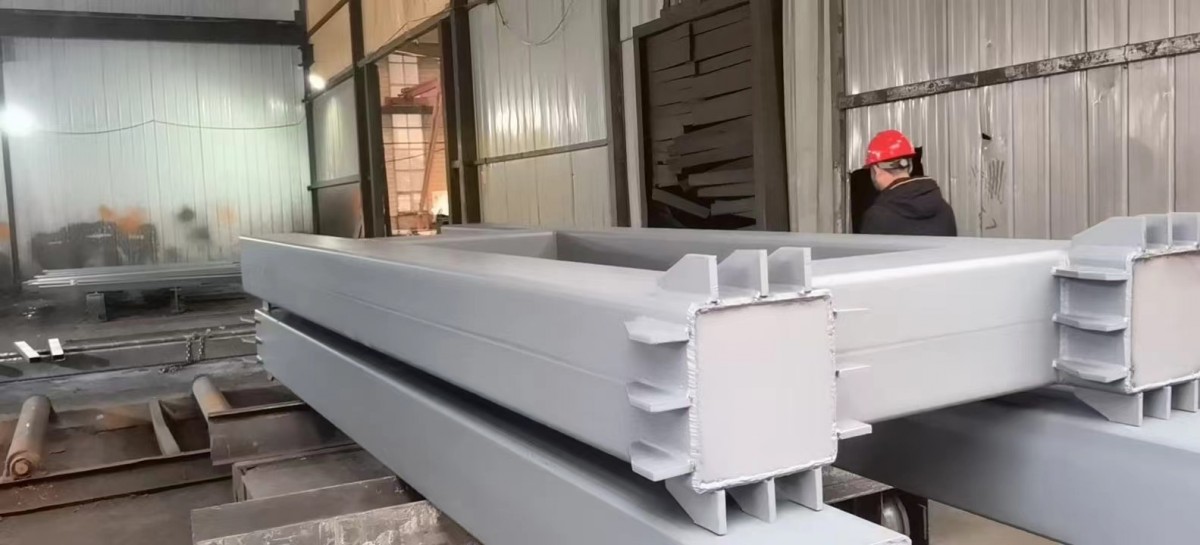
2. Short construction period: The building components are mainly prefabricated in the factory and then installed on-site, facilitating a modular assembly process and quick construction.
3. High fire resistance: The strength of the steel changes minimally when the surface temperature is below 150°C, but it significantly decreases when the temperature exceeds 150°C. Fire-retardant coatings are typically applied to the surface of steel structures to form a protective layer, thereby enhancing the fire resistance of the components. Of course, reasonable division of fire zones and the proper use of fire curtains are also crucial.
4. Waterproofing and Leakproofing: Rainwater intrusion primarily occurs through joints or gaps. To achieve waterproofing, use sealing washers at the screw holes and employ concealed fixing. Apply sealant or welding at the board overlaps, use continuous boards to eliminate overlaps, and ensure tight waterproofing at all joint locations.
5. Sound and Insulation: Fill the metal roof layer with sound-insulating material (usually glass wool) or apply a heat-reflective insulation coating on the metal tiles.
6. Ventilation and Cooling: For generally high-rise factories without high-power heating equipment, with low personnel density and no odors or dust, the use of roof fans and air chambers is sufficient. For taller and wider-span steel structures, install high-discharge exhaust fans on the roof to expel air outdoors; creating indoor negative pressure; allowing a large volume of fresh air to be forced into the workshop from all sides, creating an air convection effect; which is quite effective.
7. Good Lighting: Install skylight panels or glass at specific locations on the roof. Ensure proper waterproofing at the joints, taking into account the lifespan of the skylights and the coordination with the roof panels.