











What is polyethylene plastic?
The primary component of polyethylene plastic is polyethylene. The raw material, ethylene, is mainly derived from cracking and pyrolysis of petroleum, which falls under petrochemical products. Polyethylene is primarily categorized into three types: Linear Low Density Polyethylene (LLDPE), Low Density Polyethylene (LDPE), and High Density Polyethylene (HDPE).

Material Properties
Excellent corrosion resistance and electrical insulation (especially high-frequency insulation), can be chlorinated, irradiated modified, and glass fiber reinforced. High-density polyethylene has high melting point, rigidity, hardness, and strength, low water absorption, good electrical properties, and radiation resistance; low-density polyethylene has good flexibility, elongation, impact strength, and permeability; ultra-high molecular weight polyethylene has high impact strength, fatigue resistance, and wear resistance. High-density polyethylene is suitable for making corrosion-resistant and insulating parts; low-density polyethylene is suitable for making films, etc.; ultra-high molecular weight polyethylene is suitable for making shock-absorbing, wear-resistant, and transmission parts.
Two: Molding Performance
1. Crystalline material with low moisture absorption, no need for complete drying, good flowability, sensitive to pressure. Prefer high-pressure injection during molding for uniform material temperature and fast filling speed with full pressure retention. Avoid direct gating to prevent uneven shrinkage and increased internal stress. Pay attention to gate location selection to prevent shrinkage cavities and deformation.
2. Narrow range and large shrinkage values, with a clear directional tendency and prone to deformation and warping. A slower cooling rate is preferred, with mold design incorporating cold metal reservoirs and an adequate cooling system.
3. Do not overheat, as it may cause decomposition and burning.
4. Soft plastic parts with shallow side grooves can be forcibly demolded.
5. Potential for melt fracture; avoid contact with organic solvents to prevent cracking.
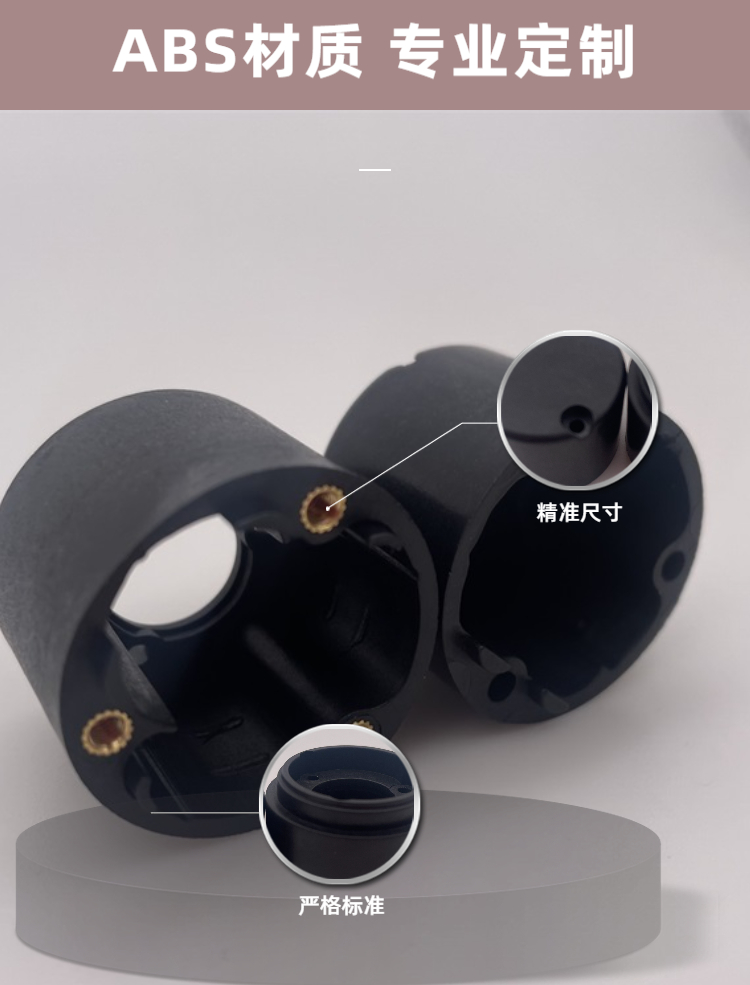
High-pressure low-density polyethylene (LDPE), high-density polyethylene (HDPE), and linear low-density polyethylene (LLDPE). Film is its primary processed product, followed by sheets, coatings, bottles, cans, drums, and other hollow containers, as well as various injection and blow-molded products, pipe materials, and insulation and sheathing for wires and cables. Mainly used in packaging, agriculture, transportation, and other sectors.
High-density Polyethylene (HDPE) available in the market, density 0.945~0.96 g/cm³, melting point 125~137°C.
Linear Low Density Polyethylene (LLDPE), density 0.925 g/cm³, melting point 120~125℃.
High-pressure low-density polyethylene (HP-LDPE), density 0.918 g/cm³, melting point 105~115°C.
III. Application Characteristics
1. Application
Shelf-life film, vest-style plastic bags, plastic food bags, baby bottles, pails, water bottles, etc.
2. Features
PE is softer, has a waxy feel, lighter than the same plastic, with some transparency, and the flame is blue when burning.
Toxicity
Non-toxic, harmless to humans.
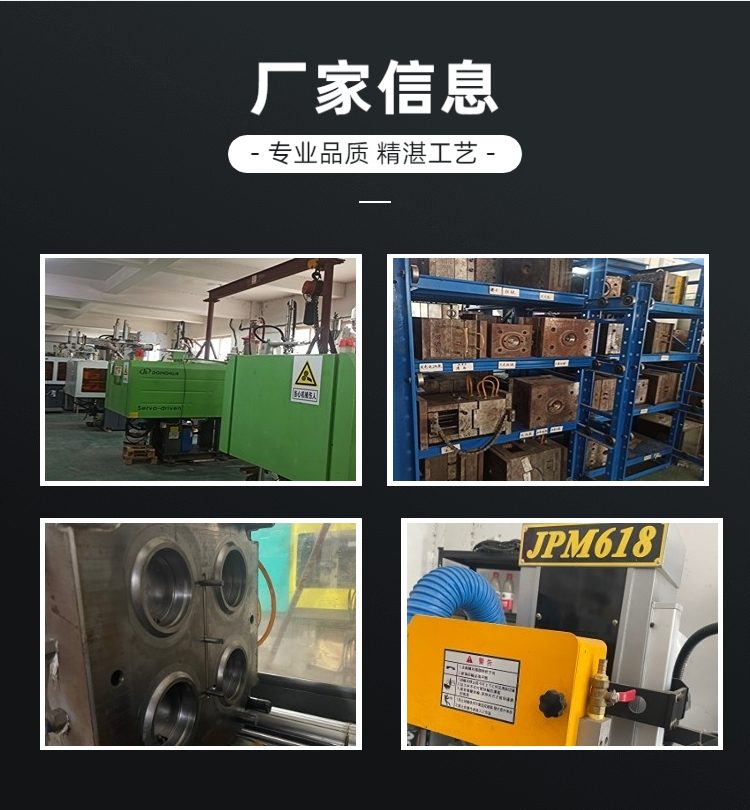
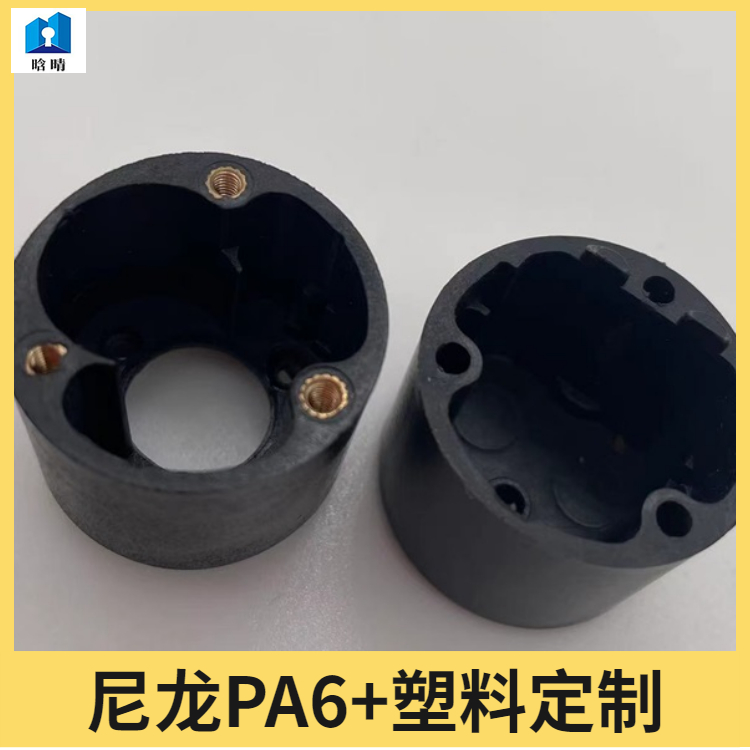
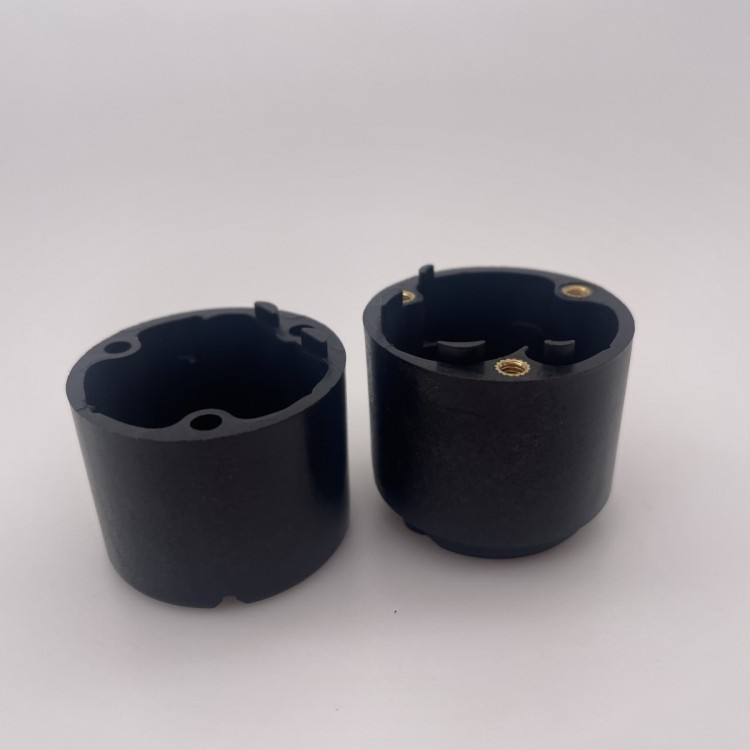
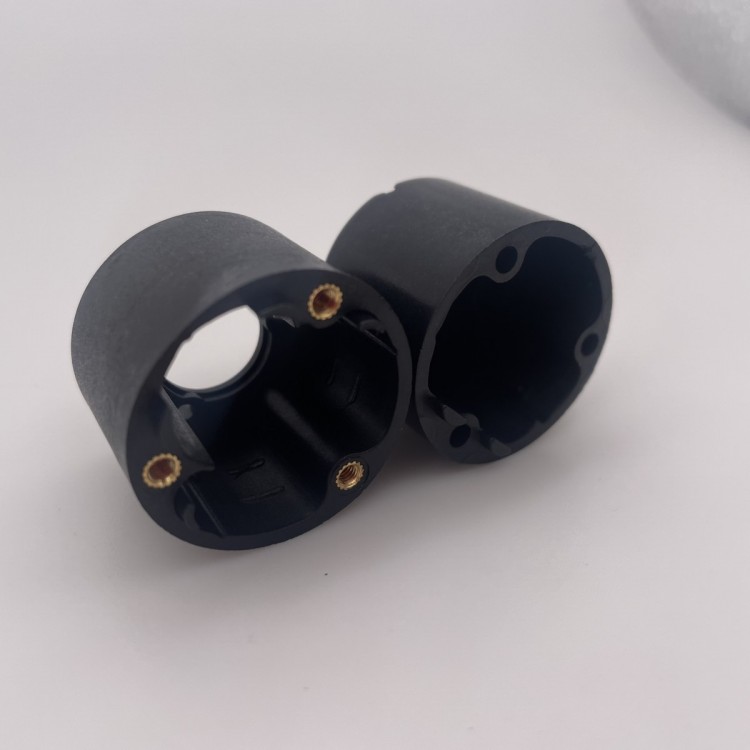
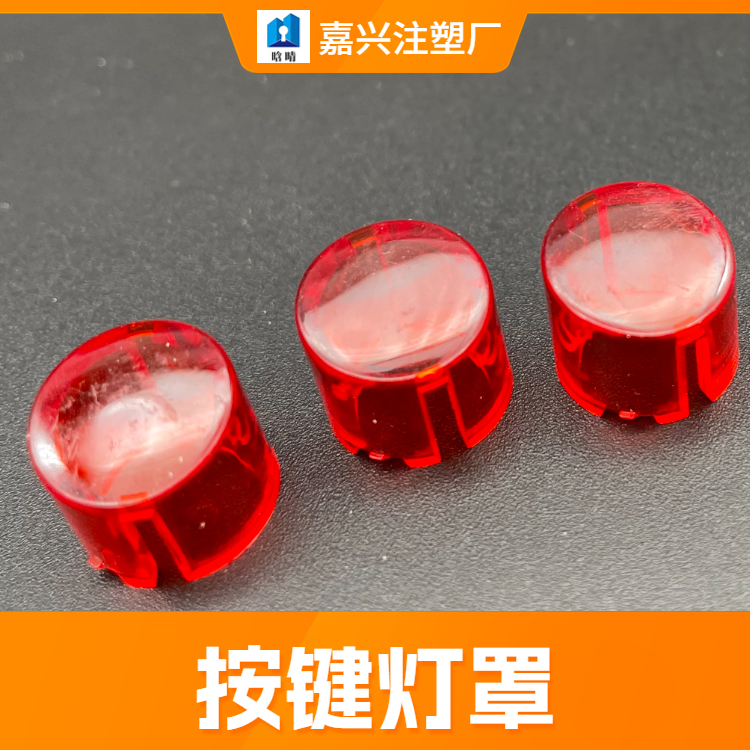
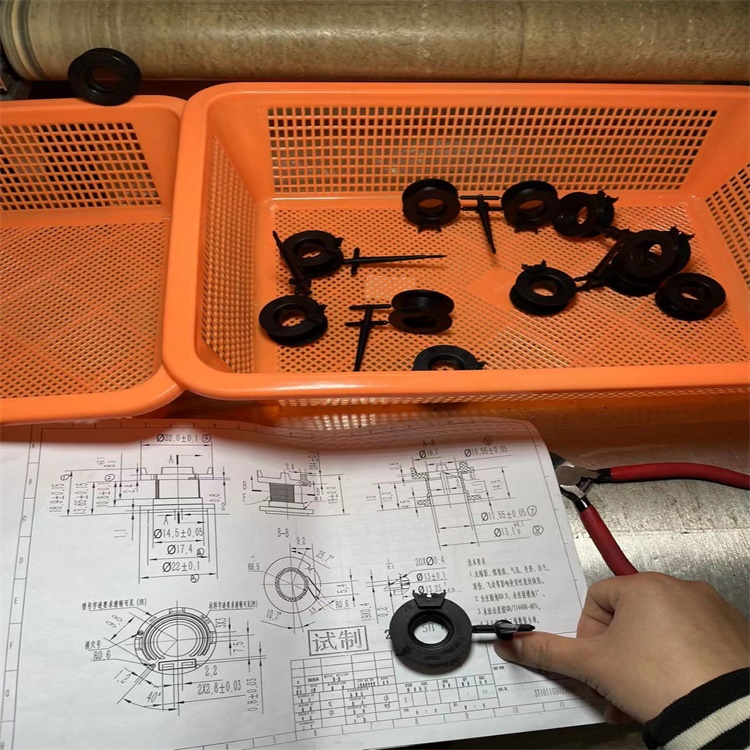
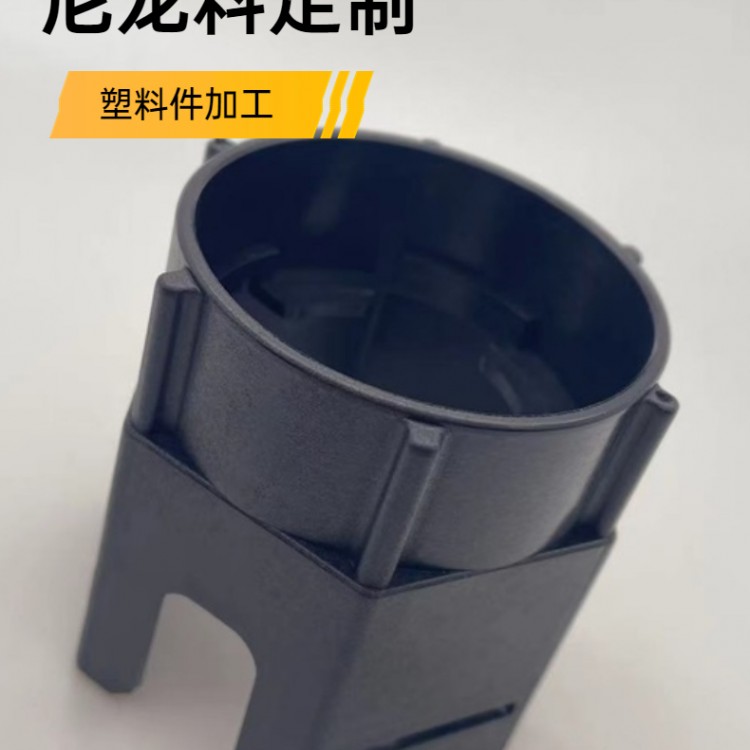
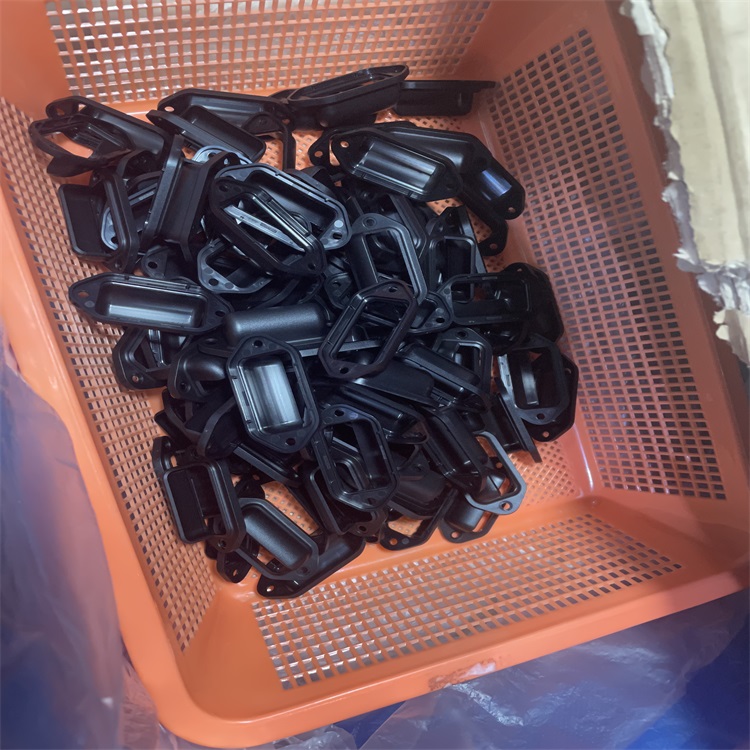
Jiaxing Plastic Molding Factory, located in Xiuzhou Oil Car Port, Jiaxing, boasts over 30 types of plastic molding machinery, with models ranging from 80 to 160 tons.
16 years of industry experience, a stable technical team, and one-stop service for design, mold-making, production, processing, assembly, and packaging.
Main Business: Plastic Parts Manufacturing & Processing, Acrylic Plastic Shell Processing
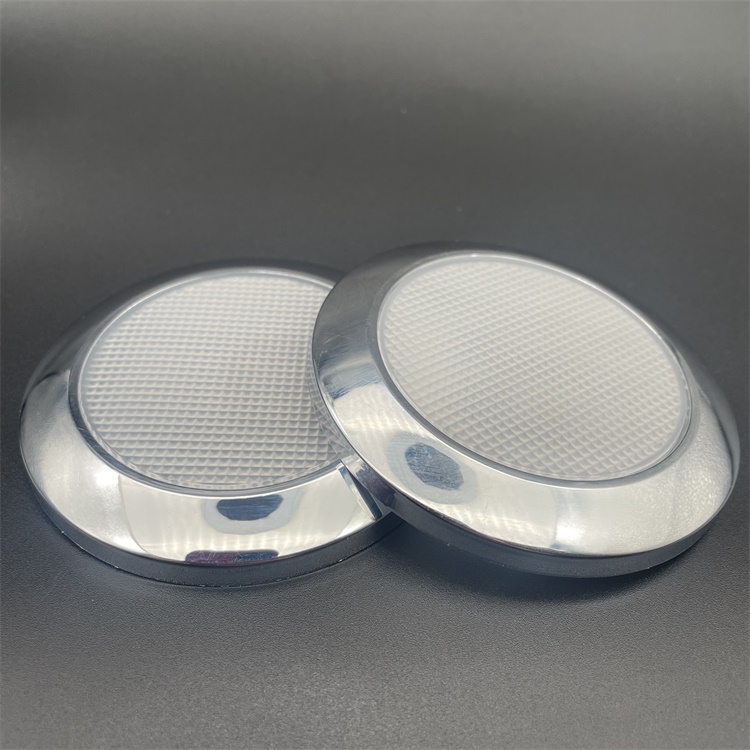
Custom Injection Molding, Plastic Product Production & Processing, Lampshade Fabrication
Lampshade Design, Plastic Part Design, Acrylic Plastic Shell Processing
PC Plastic Shell, Lampshade Machining, Injection Molding Mold Manufacturing, Injection Molding Mold Design, Plastic Part Design, Injection Molding Mold Making