














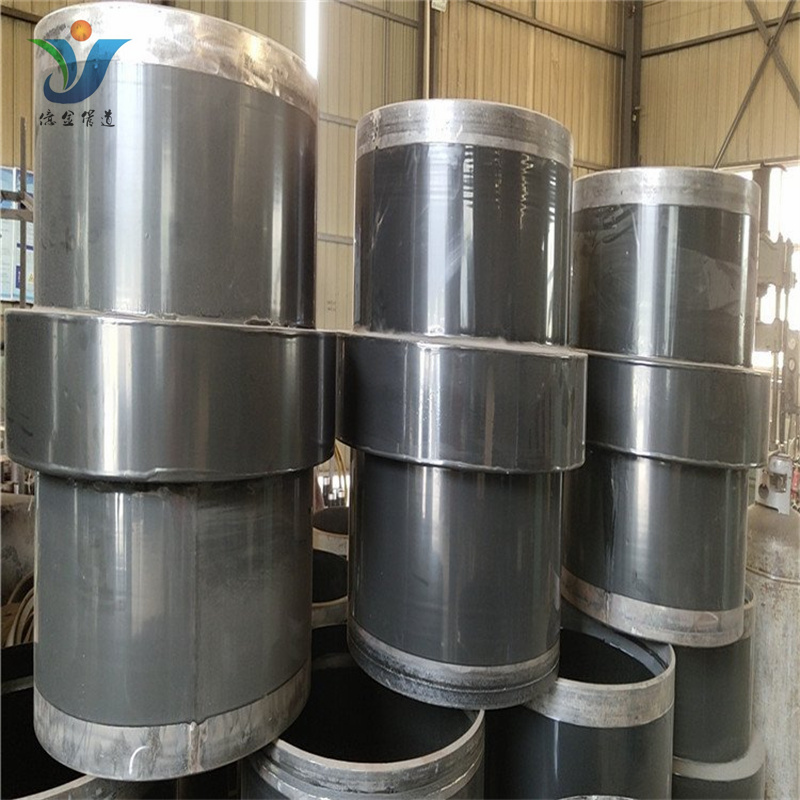
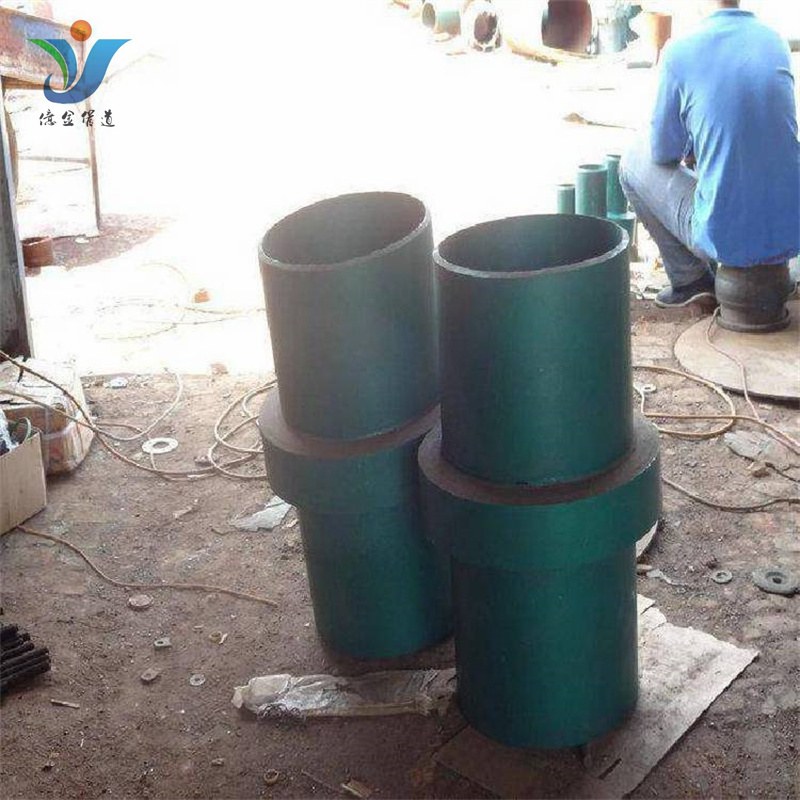
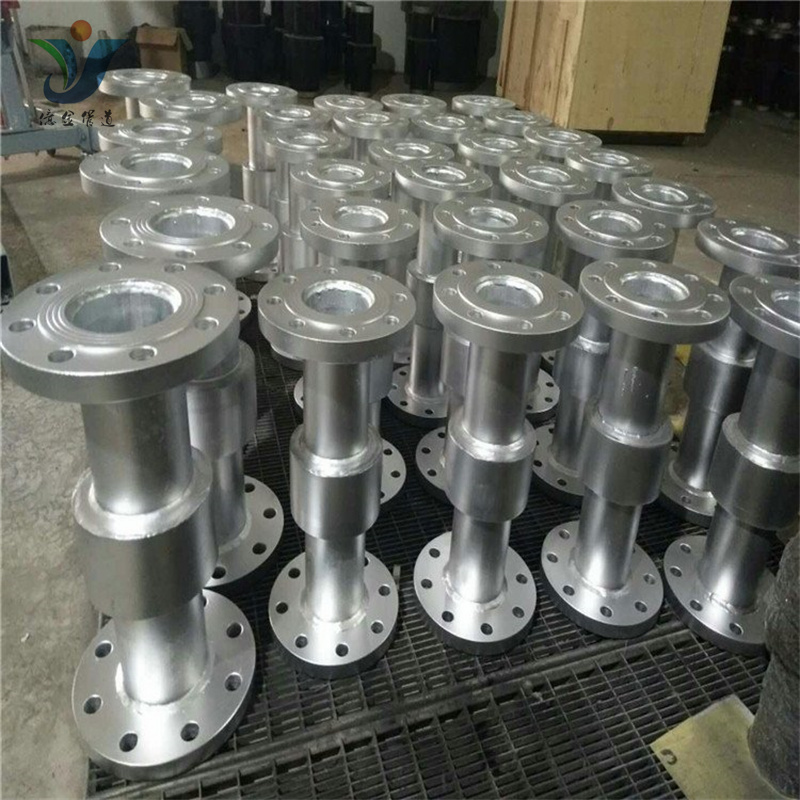
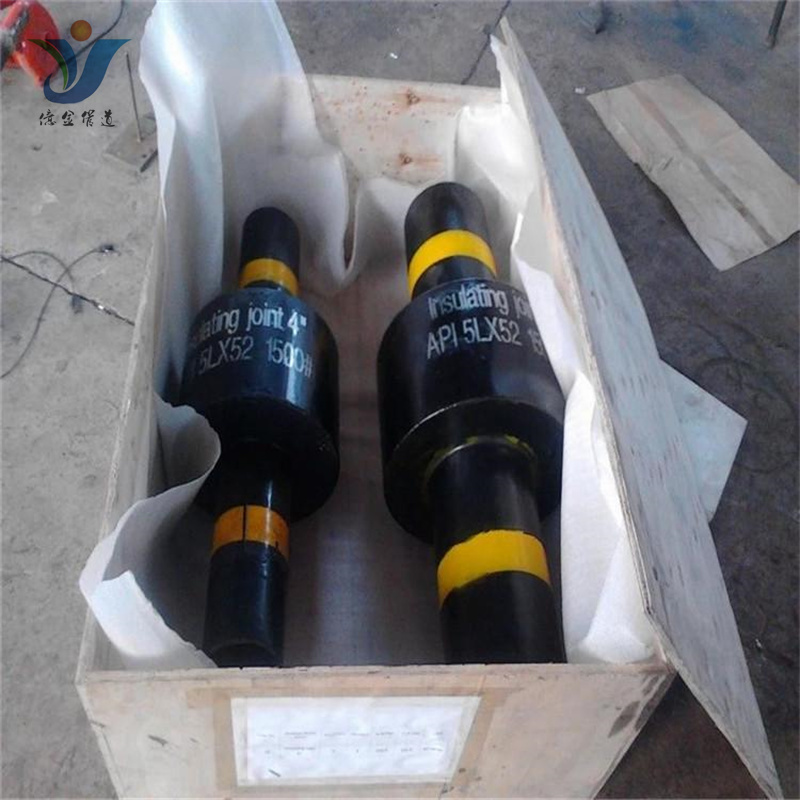
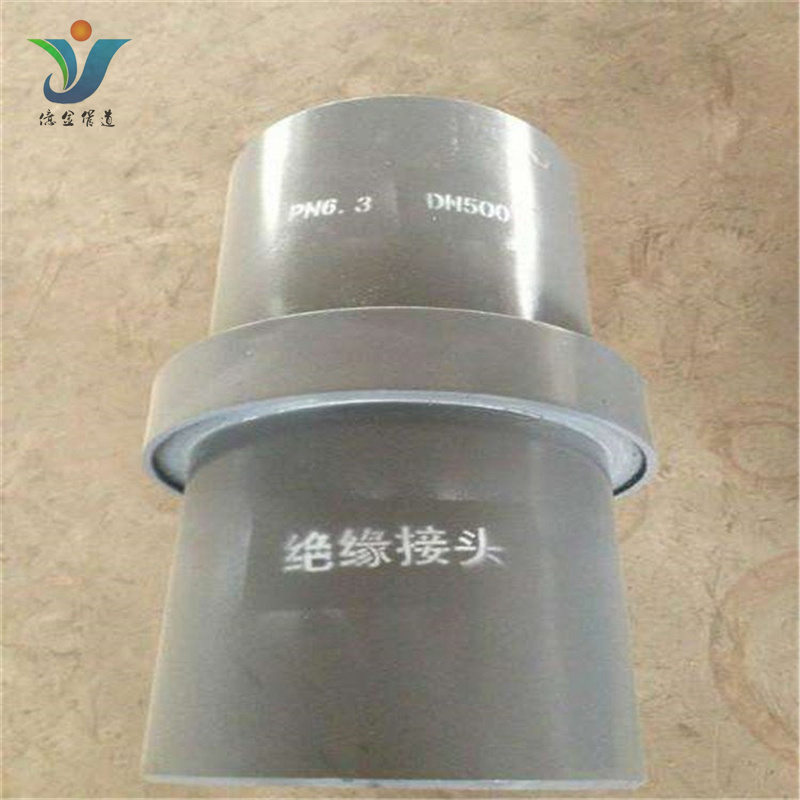
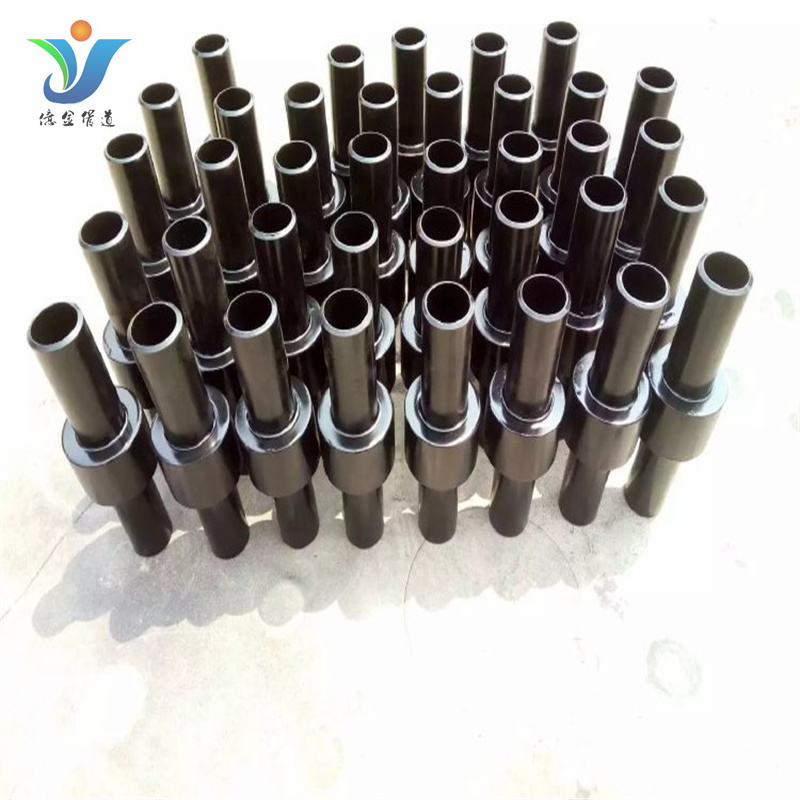
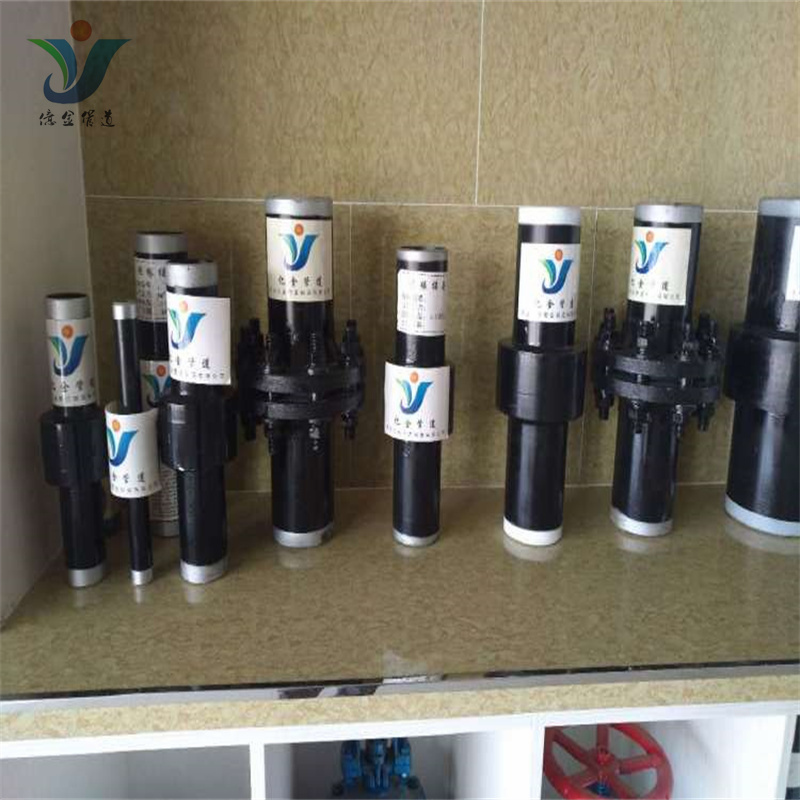
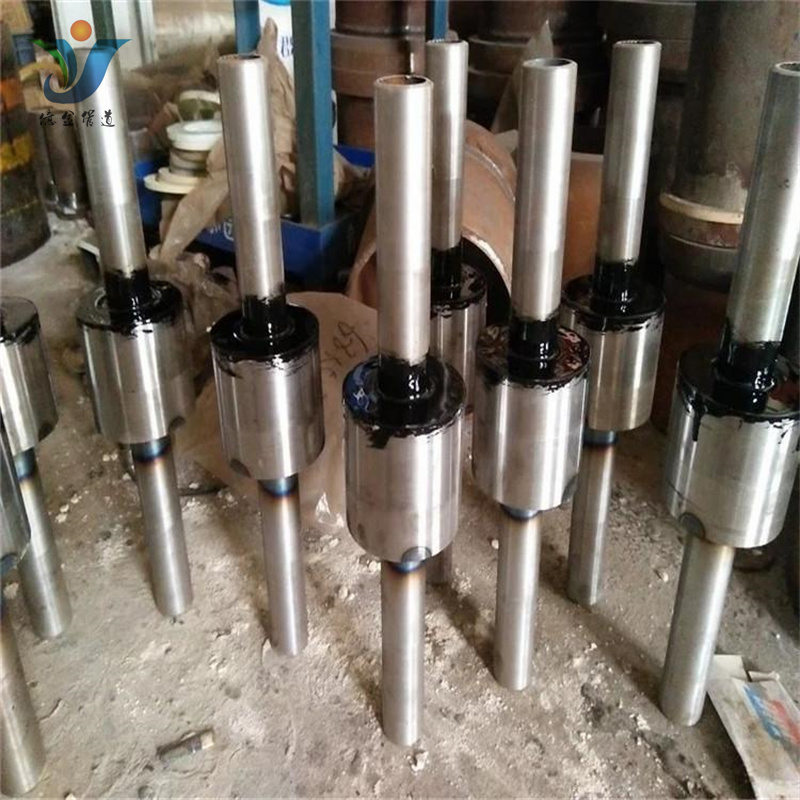
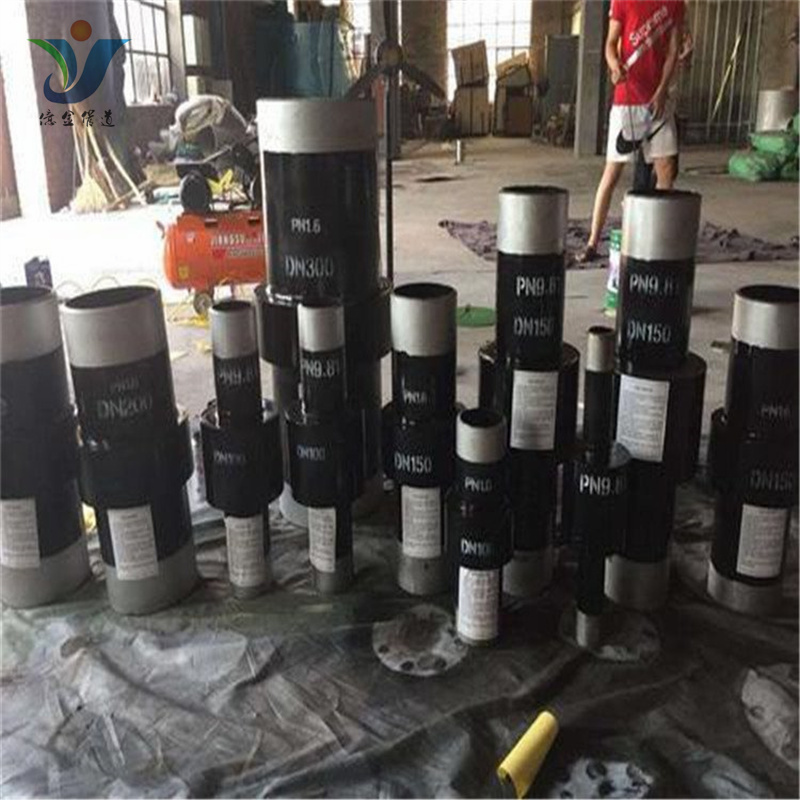
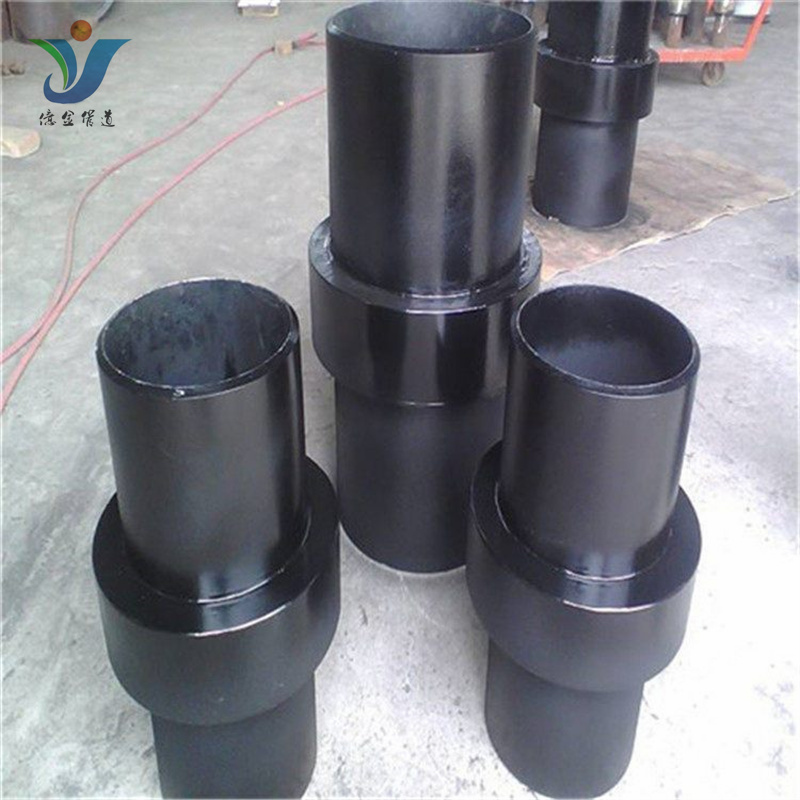
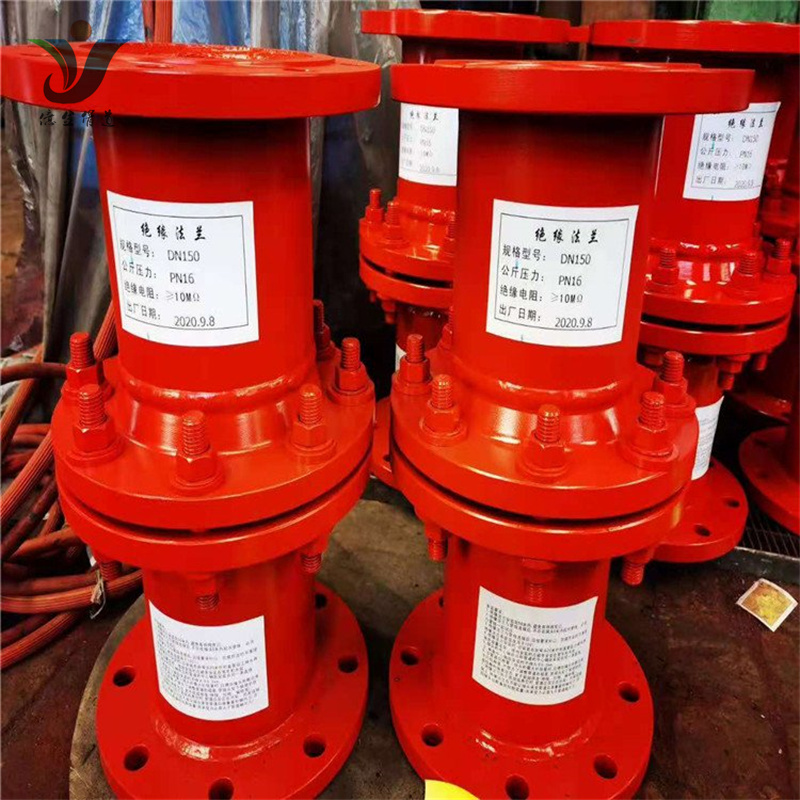
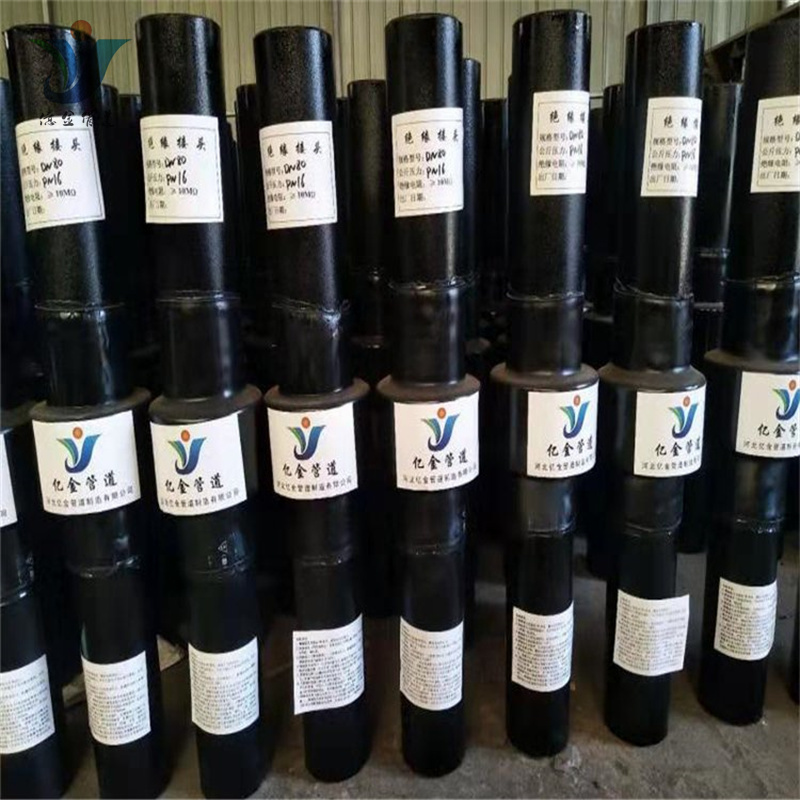
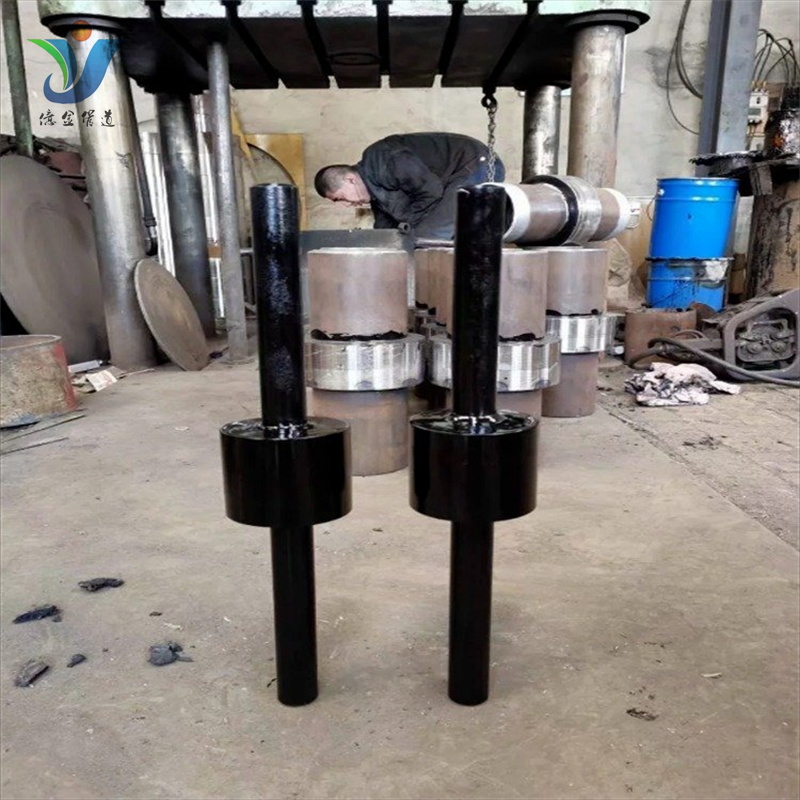
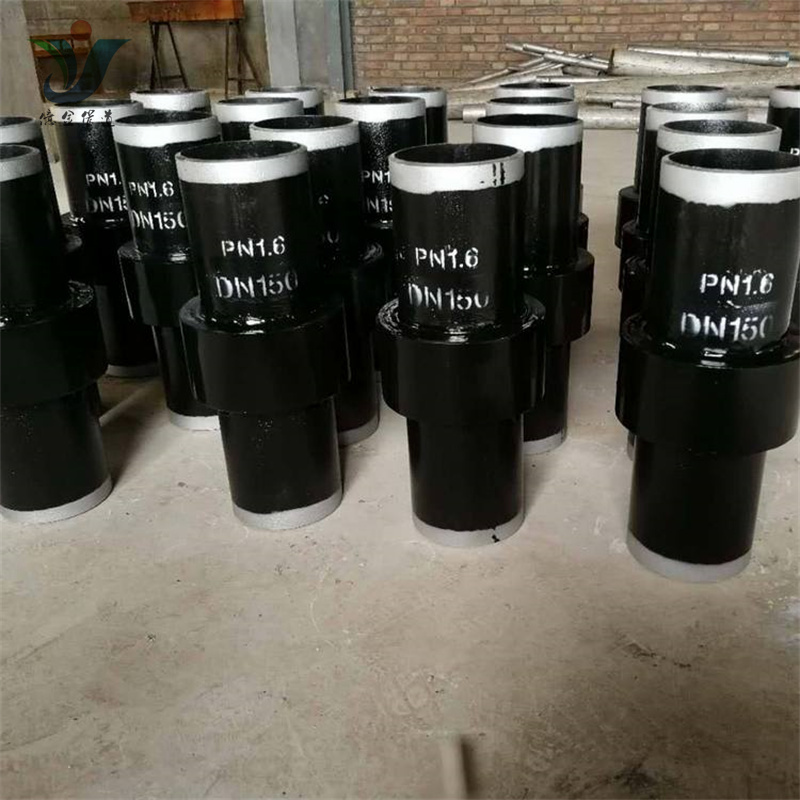
An insulating joint is a general term for pipeline joints that require sealing, strength, and insulation properties against electrical corrosion for buried steel pipelines. It includes components such as assembly parts, insulating plates, fillers, sealing rings, and short pipes.The insulated joint is an upgraded replacement product designed to address issues found with insulated flanges in use, and it is an indispensable important pressure component in the cathodic protection system of steel pipelines. It is widely used in the cathodic protection systems of steel pipelines.Service Life: Same as pipeline; Suitable Medium: Oil, gas, water, chemical raw materials, slurry.Insulation Strength: 2500V 50Hz, no breakdown or arcing for 1 minute; Insulation Resistance: DC 1000V, resistance ≥ 6MΩ; Hydrostatic Test Pressure: 1.5 times the design pressure; Airtightness Test Pressure: equal to design pressure; Non-destructive Testing: All joints as per JB4730-94, 100% radiographic inspection for joints, 100% magnetic particle inspection for other pressure-bearing welds; Bevel: API5L standard.A high-strength steel rail insulating joint, featuring rail end insulators placed at the ends of the two connecting rails, with槽型insulating plates clamped on both sides of the joint. Two reinforced fish mouth plates are installed in the grooves of the insulating plates, and then high-strength bolts are inserted into the pre-drilled holes of the joint and tightened. One type of insulating plate is a mesh glass fabric槽型insulating plate, with the first, third, fifth, and seventh layers coated with insulating adhesive, the second and sixth layers with mesh glass fabric, and the fourth layer with thickened glass fabric; the other type is an electric heating element槽型insulating plate, with the first, third, fifth, and seventh layers covered with insulating film, the second and sixth layers with glass fabric, and the fourth layer with perforated electric heating elements.The integral insulating joint is composed of the following components: upper and lower pipes, sleeve, insulating parts, sealing parts, and insulating coating. Between the mating ends of the upper and lower pipes of the insulating joint, insulating parts and sealing parts are inserted to form a double-sealed structure with insulating properties. The sleeve is either welded with bevel or directly焊接 to the upper conduit, securely encapsulating the insulating parts and the upper and lower pipes inside, creating a "sealed container." This not only ensures excellent insulation but also significantly enhances the pressure-bearing capacity of the insulating structure.











