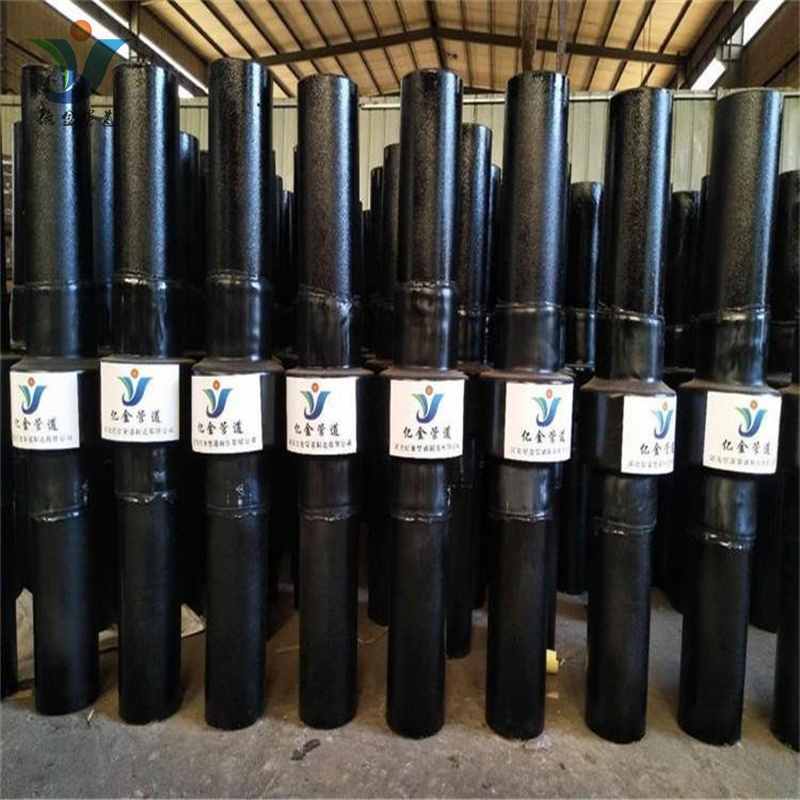
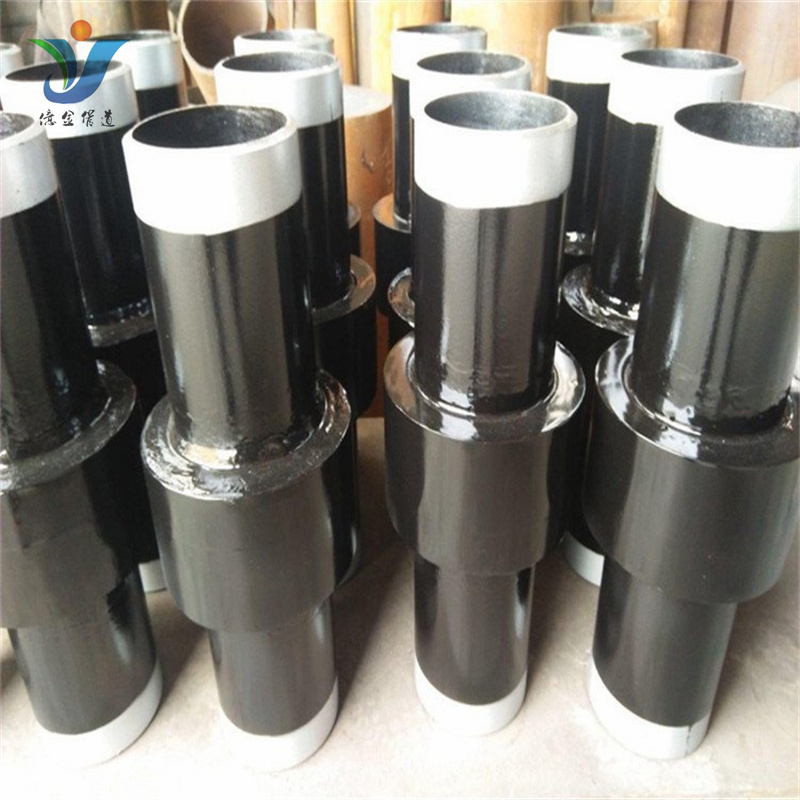
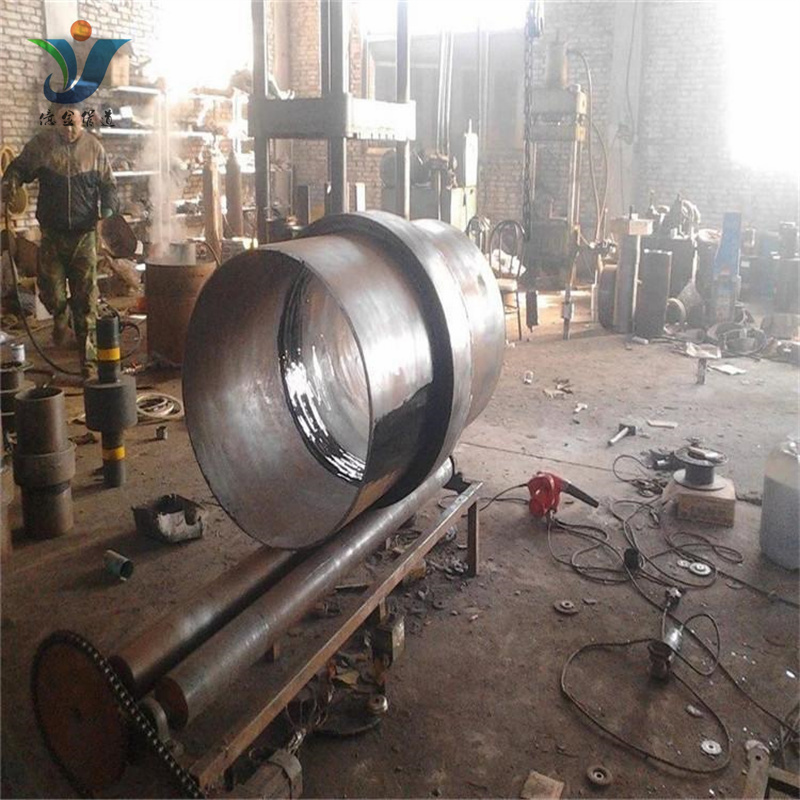
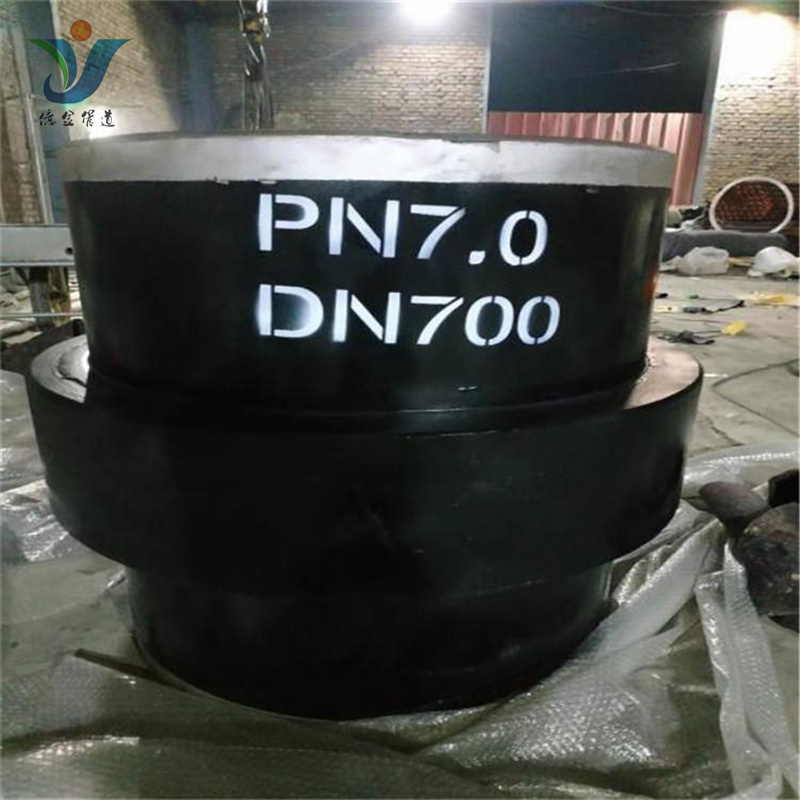
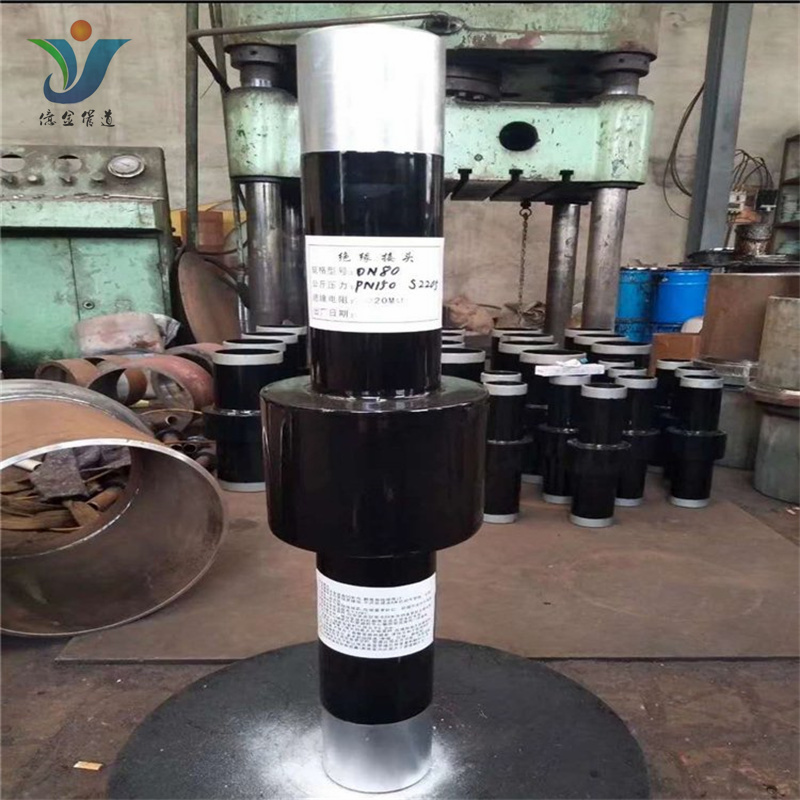
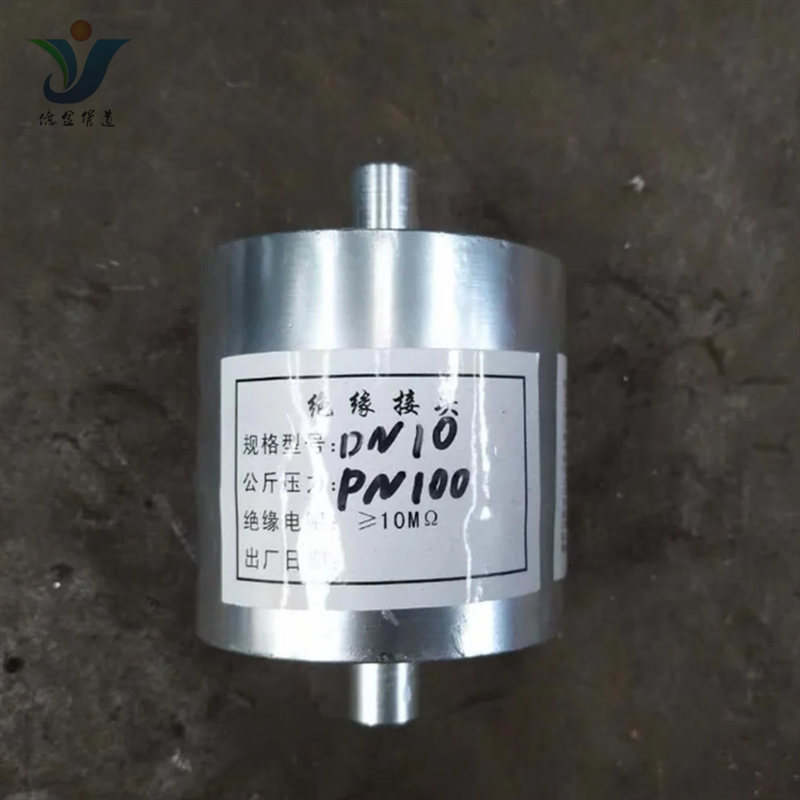
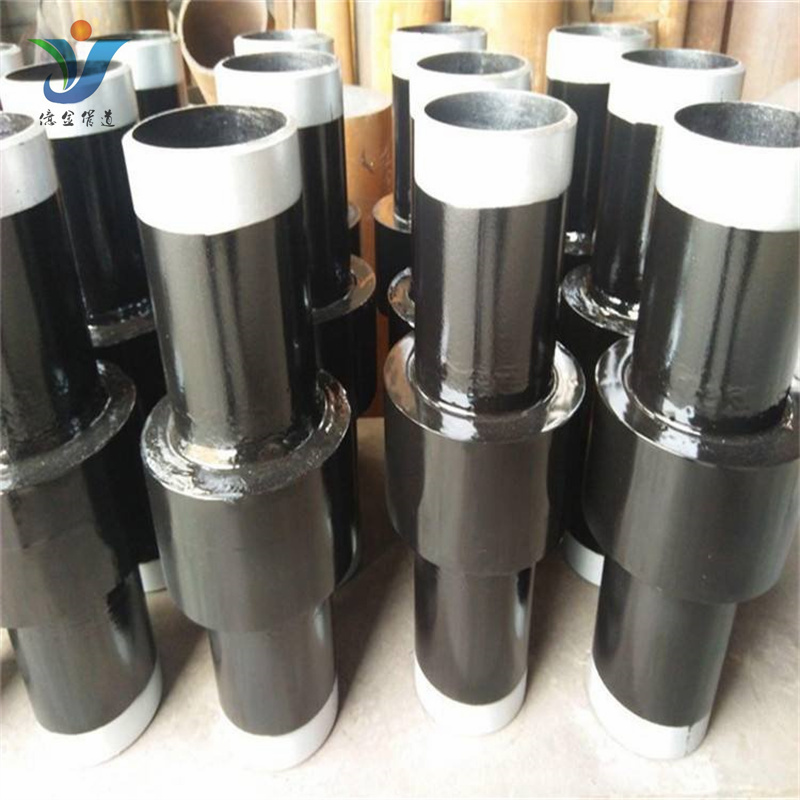
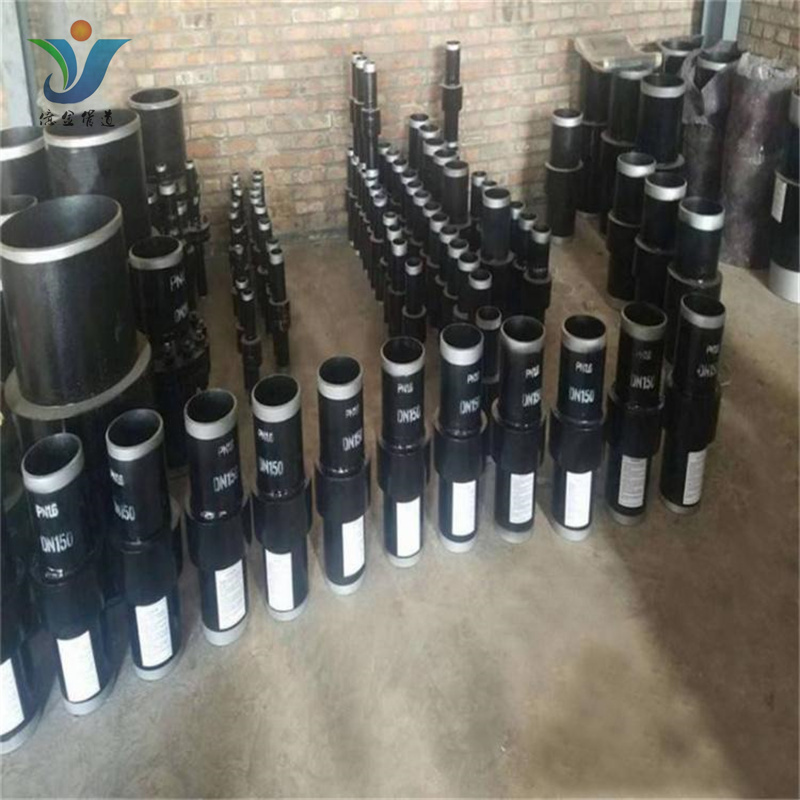
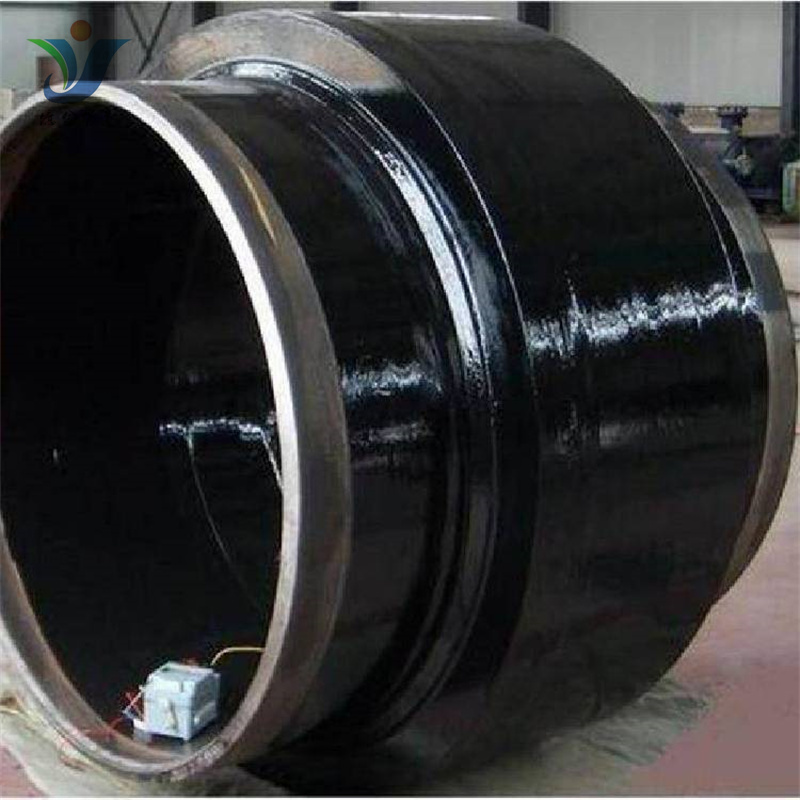
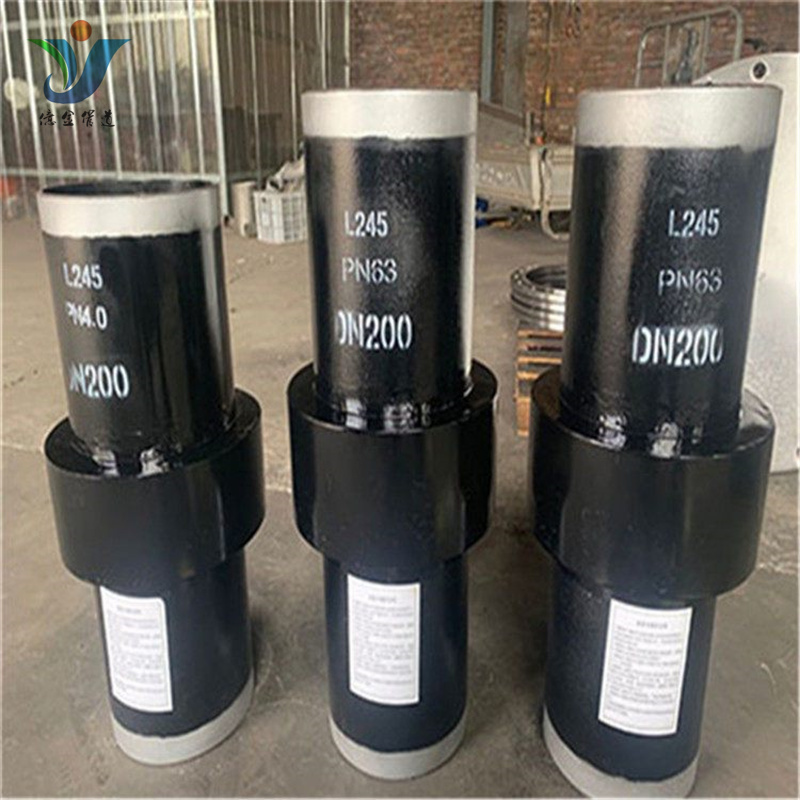
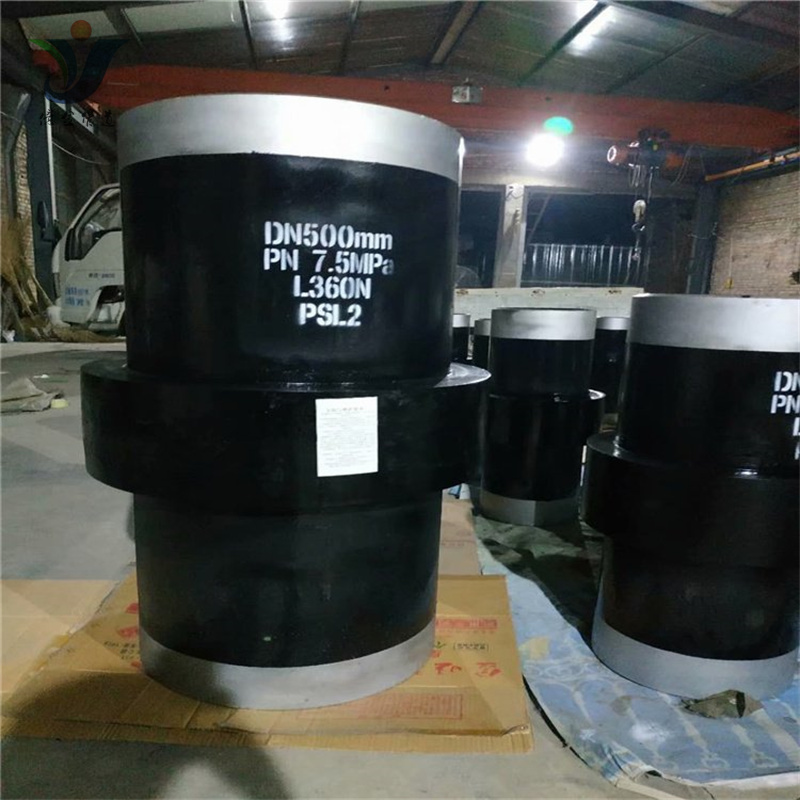
Fully assembled and tested insulated joints and flanges should undergo individual hydrostatic testing on a test bench. The test pressure should be 1.5 times the design pressure and at least 0.1MPa higher than the design pressure. The hydrostatic test should be conducted using clean water, and the duration of the test (after stabilization) should be no less than 30 minutes. The test is considered pass if there are no leaks at the flange connections, no damage to the insulated components, and no visible residual deformation in the flanges or fastening insulated parts.
All pipelines transporting flammable, explosive, and toxic gases should be equipped with insulated joints and flanges, and must undergo an airtightness test under the design pressure before shipment.
Insulation joints of the same specification should undergo hydrostatic and bending moment tests with a quantity of 5% but not less than 1, each. While maintaining the test pressure, a loading device is used to apply a bending moment to the product. This bending moment should be sufficient to induce a longitudinal stress on the connected piping that is not less than 72% of the pipe material's yield strength under the same bending moment.
If any damage, leakage, or defect is found, an additional random inspection of 5% of the same type of products, with a minimum of 1 unit, is required. If there are still non-compliant products, all the insulating joints of that specification should undergo full hydraulic pressure and bending moment tests.