








Chain Plate Conveyor
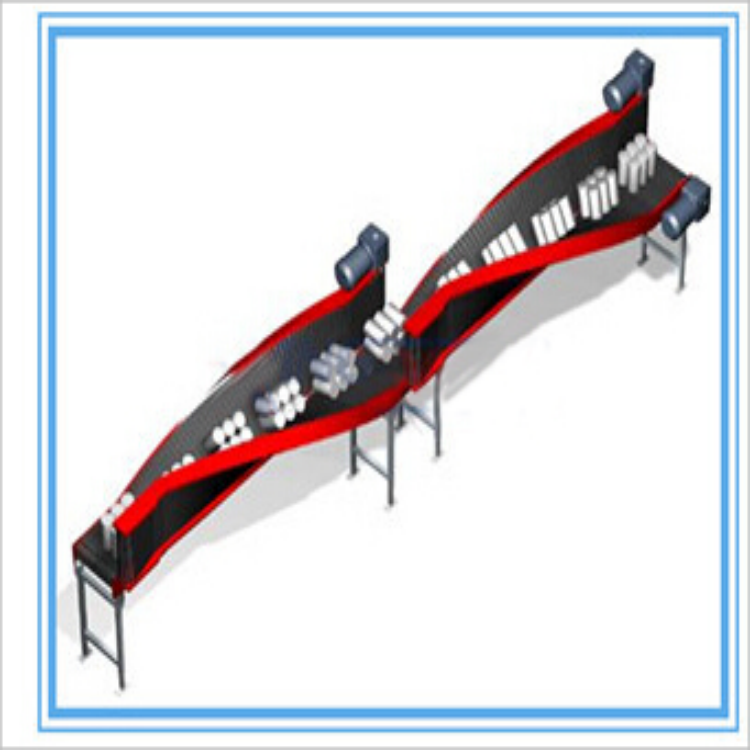
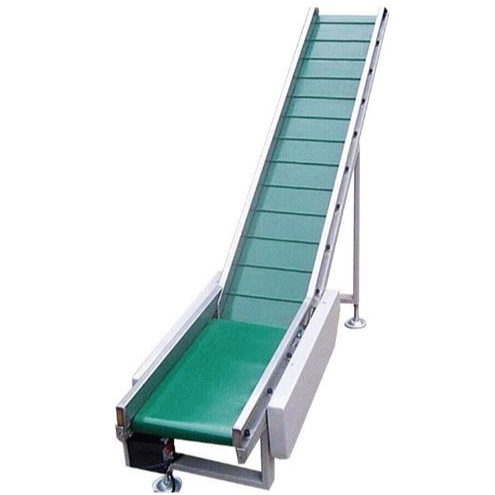
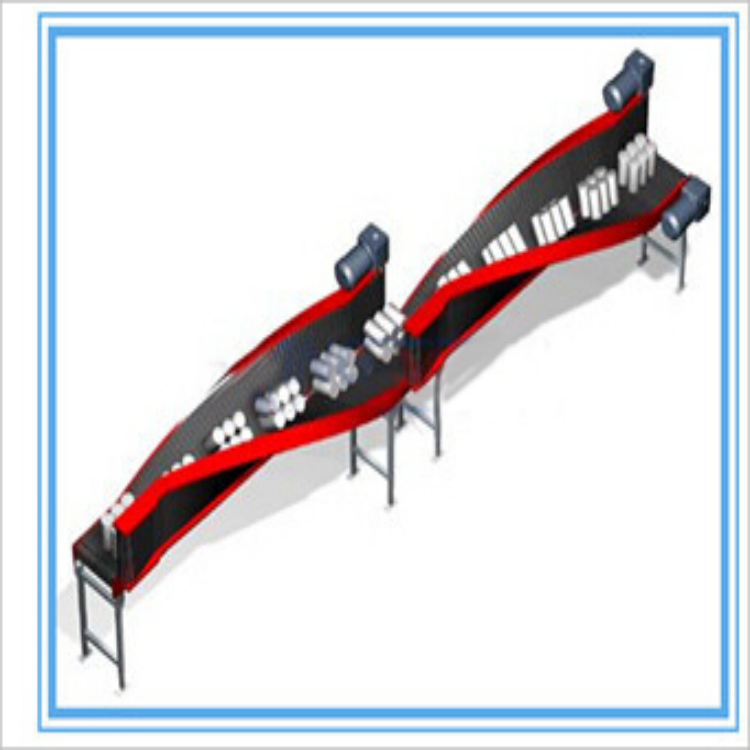
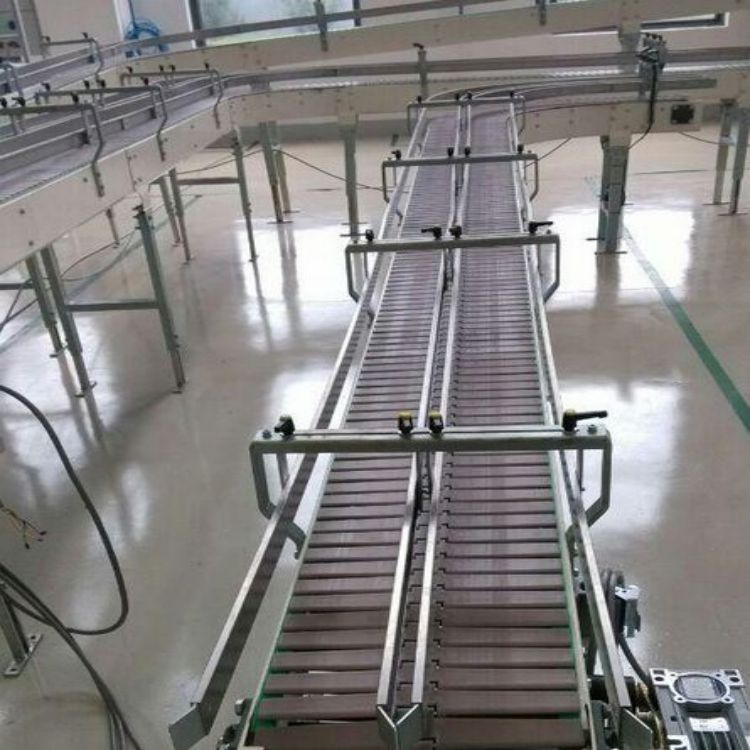
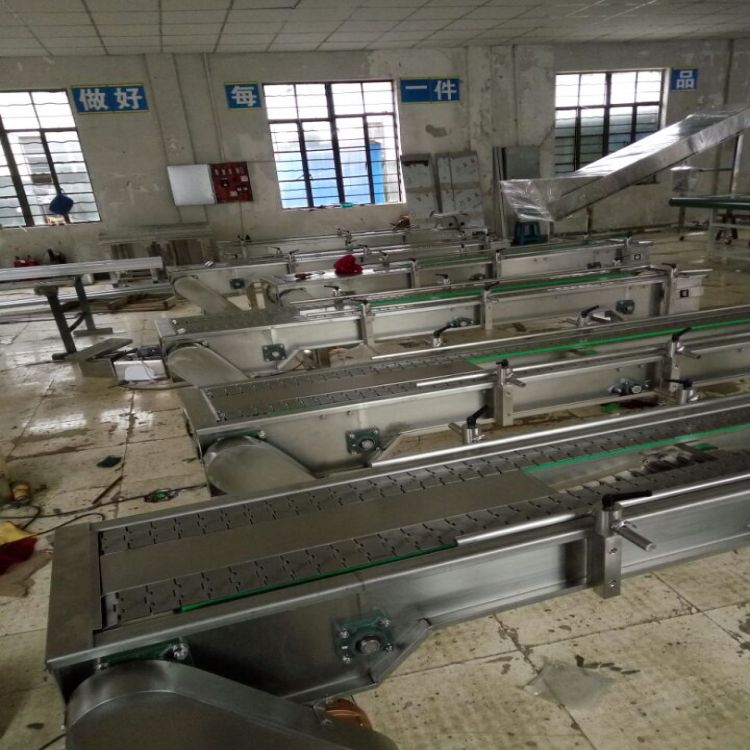
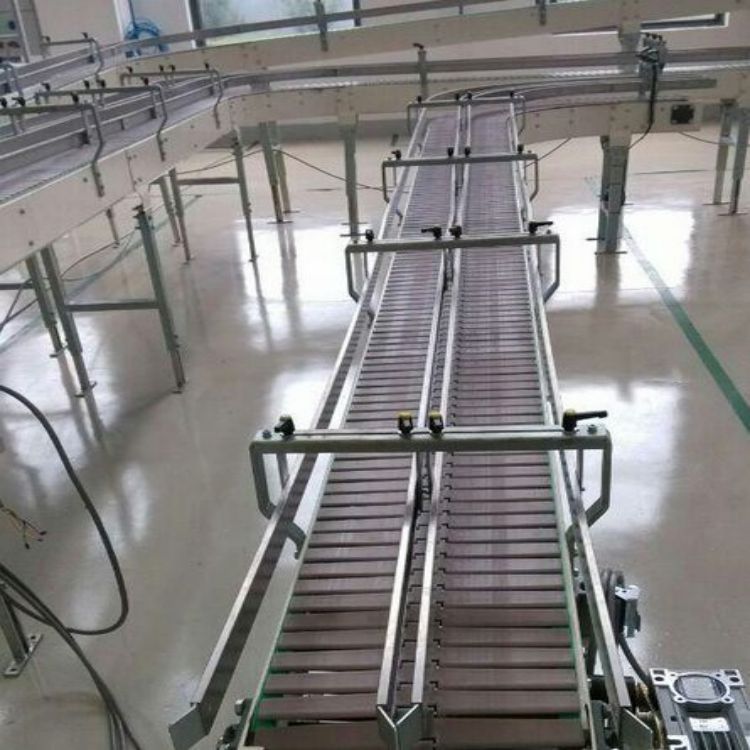
Product Description: The Chain Plate Conveyor uses standard chain plates as the loading surface and is powered by a motor reducer. By running multiple rows of chain plates in parallel, the conveyor can be made very wide and form differential speeds. Utilizing the speed difference between the multiple rows, the conveyor can change from multiple rows to a single row without compression, or vice versa, moving slowly. This meets the requirement for large-scale material supply. We
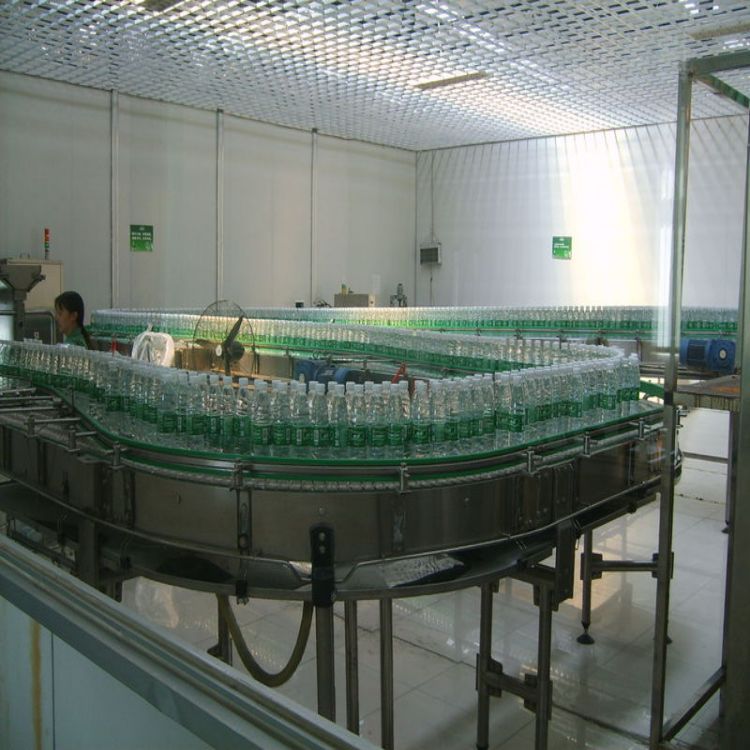
The chain conveyor is powered by a motor reducer, using standard chain plates as the loading surface. By paralleling multiple rows of chain plates, the conveyor can be made very wide and create differential speeds. This allows multiple rows of conveyance to merge into a single row without compression, or vice versa, to slow down the movement into multiple rows. This meets the requirement for large-scale material supply. We can also design the heads and tails of two chain conveyors to overlap in a mixed chain configuration, keeping bottles (tins) in a dynamic transition state, ensuring no material is left on the conveyor line. This setup can accommodate pressure and pressureless conveyance for empty and filled bottles.
Conveyor Chain Plate Material: Carbon Steel, Stainless Steel, Thermoplastic Chain.
Direct feeding chain plate widths: 63.5, 82.5, 101.6, 114.3, 152.4, 190.5, 254, 304.8.
The turntable chain widths are available in 82.5, 114.3, 152.4, 190.5, and 304.8.
Application: Widely used in automatic conveying, distribution, and post-packaging line integration for food, canned goods, beverages, detergents, paper products, seasonings, dairy, and tobacco industries.

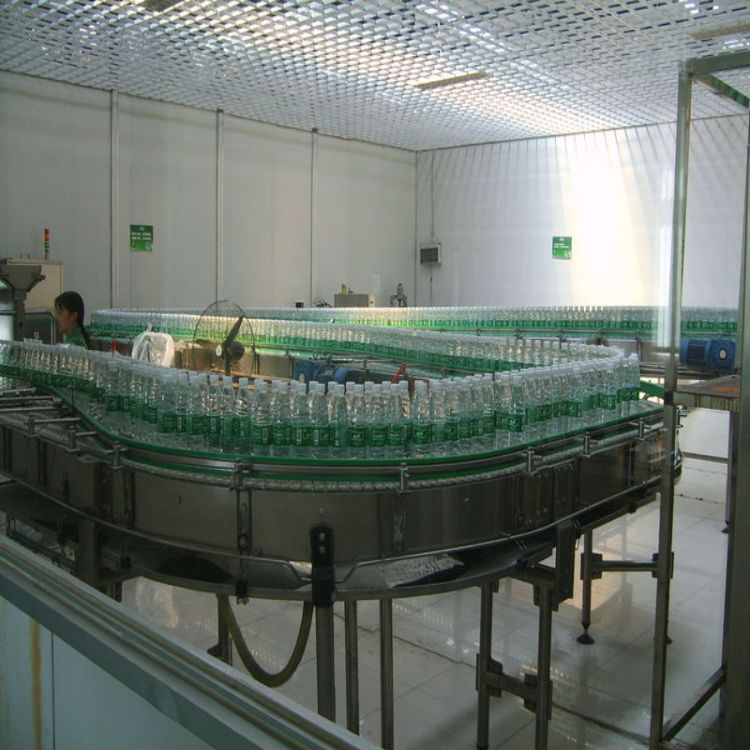
Chain Plate Conveyor Features:
1. The conveying surface is flat and smooth with minimal friction, ensuring a stable transition between the conveying lines. It can transport various materials such as glass bottles, PET bottles, cans, and also different types of packaging boxes.
2. A wide variety of conveyor belt specifications and types are available, allowing selection based on the material to be conveyed and process requirements, catering to the diverse needs of various industries.
3. Accurate and stable conveying speed, ensuring synchronized feeding.
4. Chain plate conveyors can generally be cleaned by direct water rinsing or immersion in water. The equipment is easy to clean and meets the sanitation requirements of the food and beverage industry.
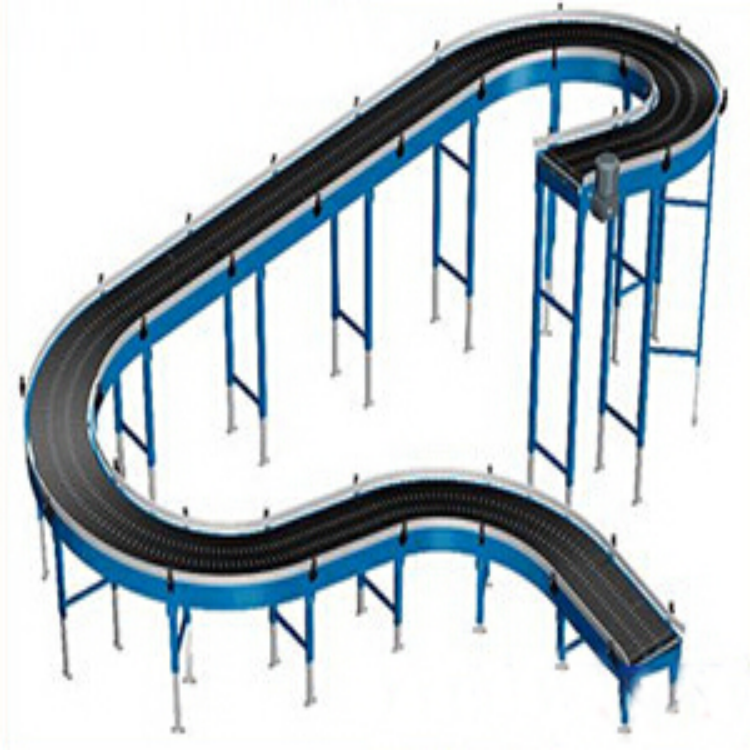
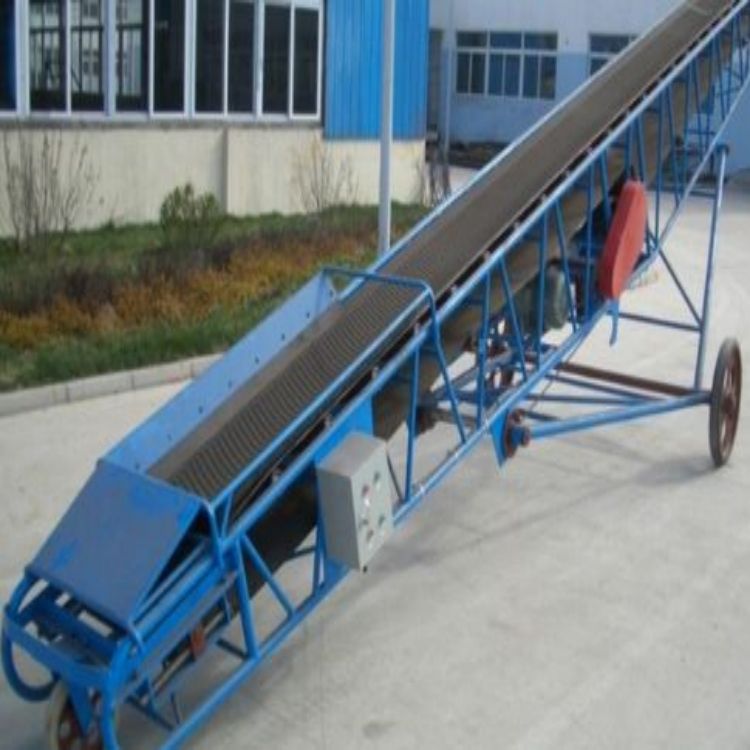
5. The equipment layout is flexible. Horizontal, inclined, and curved conveyance can be completed on a single conveying line.
6. Simple in structure, easy to maintain.
Types of chain conveyors include:
The plastic steel chain plate conveyor is mainly used for transporting empty and full PET bottles.
The stainless steel chain plate conveyor is primarily used for transporting glass bottles and cans.
The chip chain conveyor is mainly used for conveying small hardware parts, machining iron chips, and scrap materials.
Die casting chain plate conveyor is mainly used for cooling and conveying die castings.