

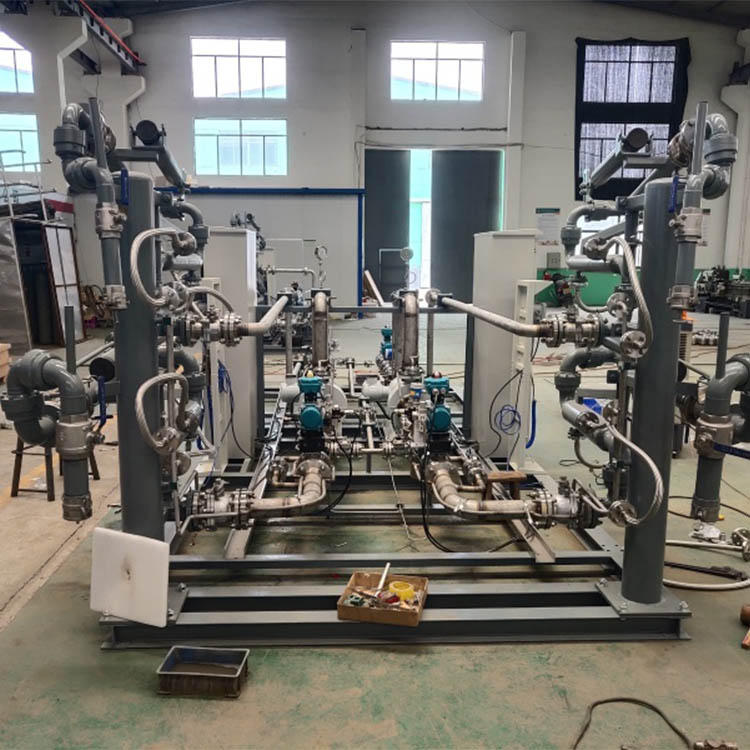





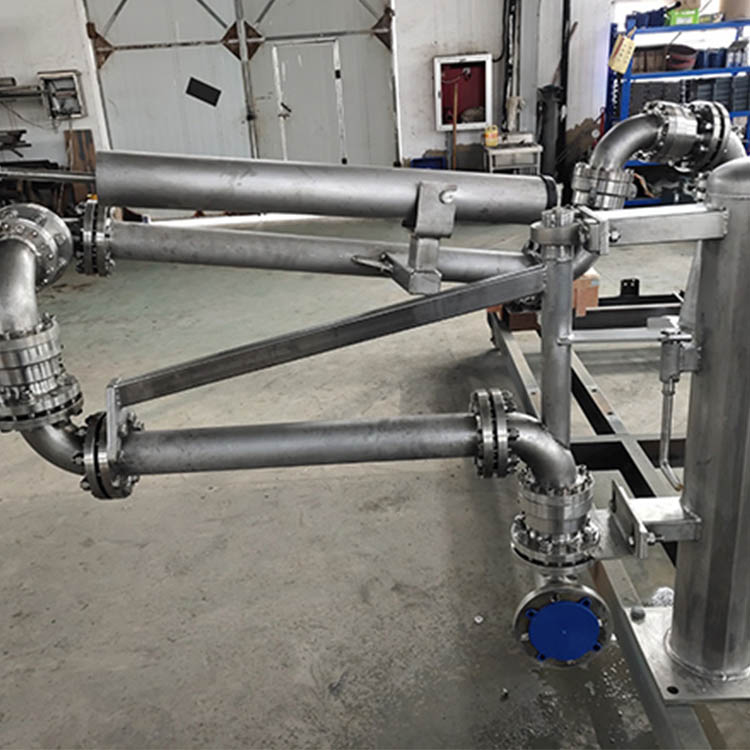
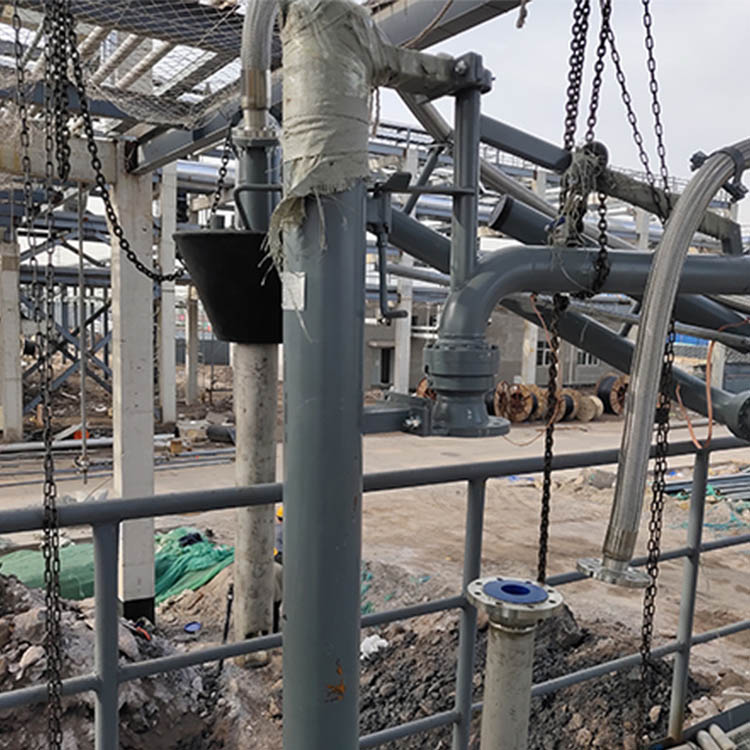
Stainless Steel API Dry Valve (for Crane Pipe Loading and Unloading)
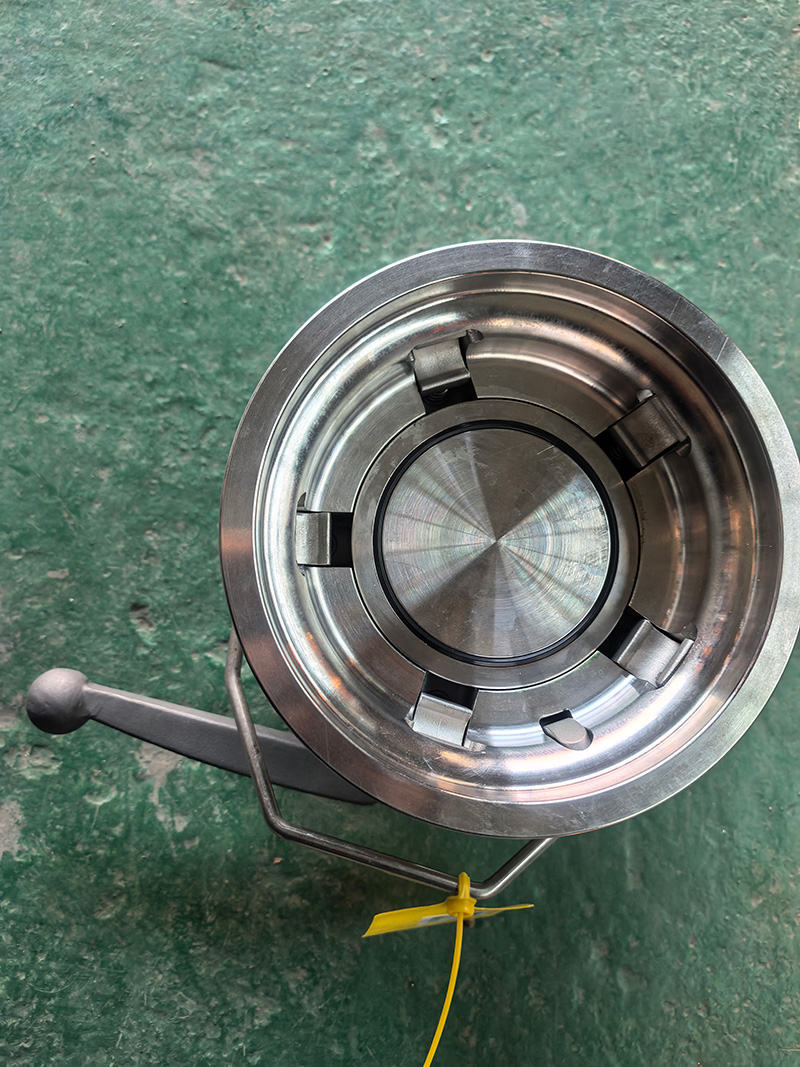
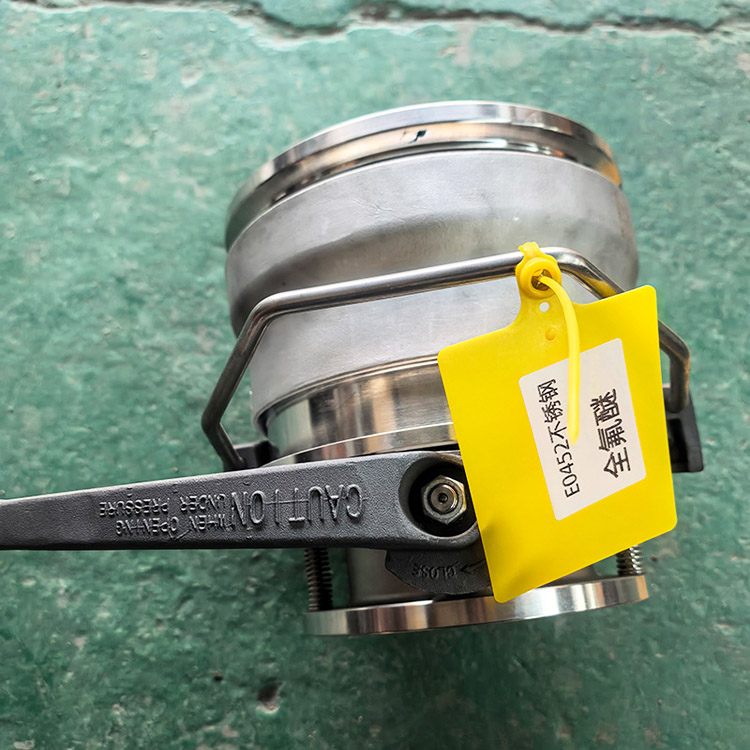
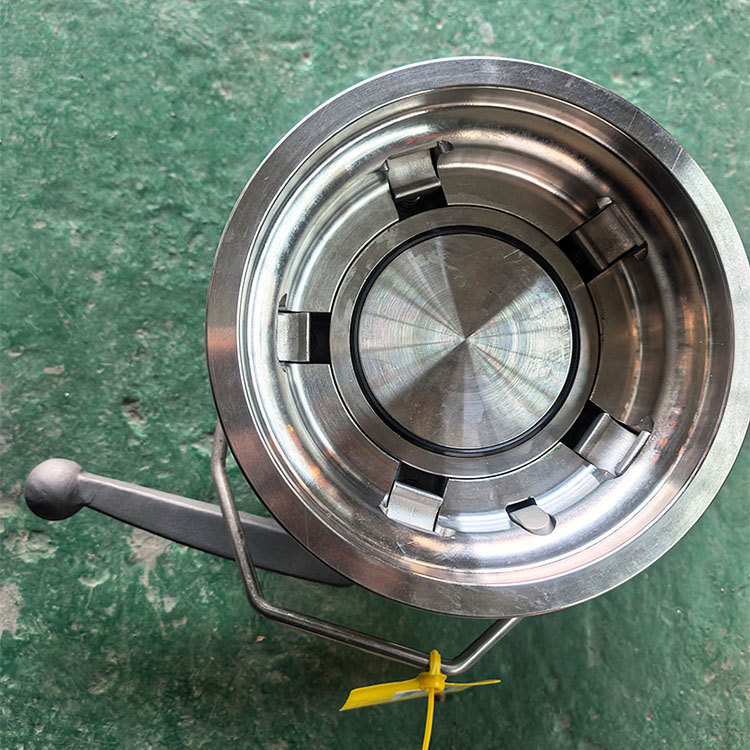
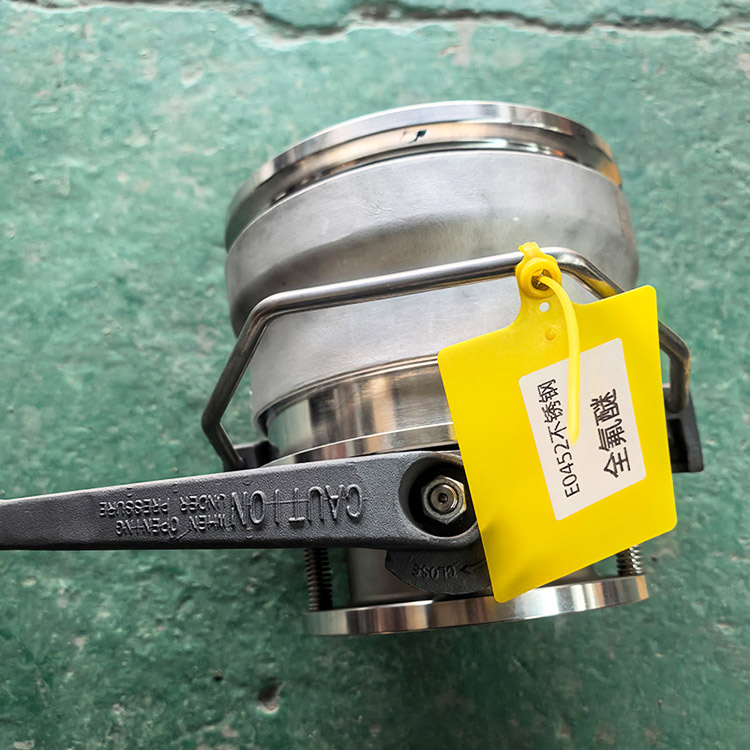
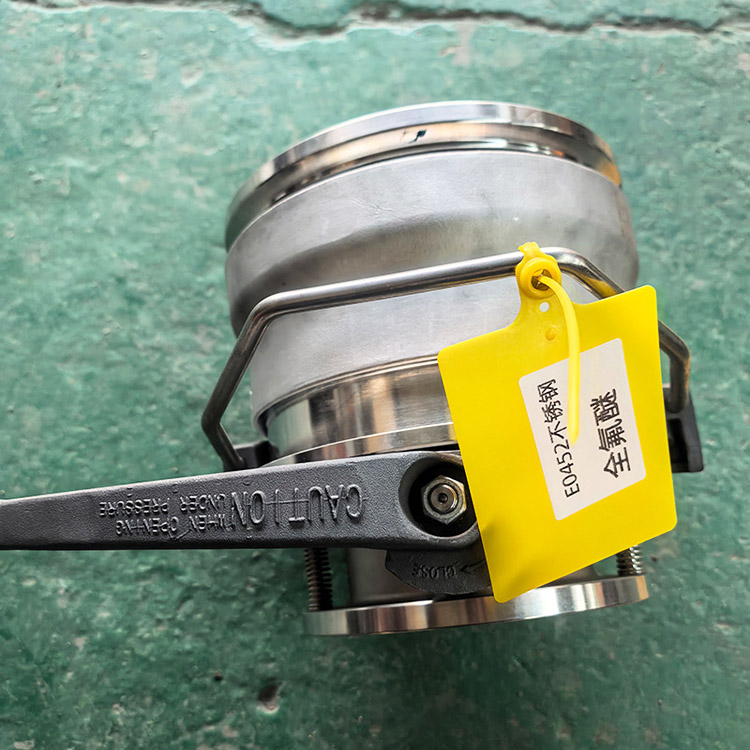
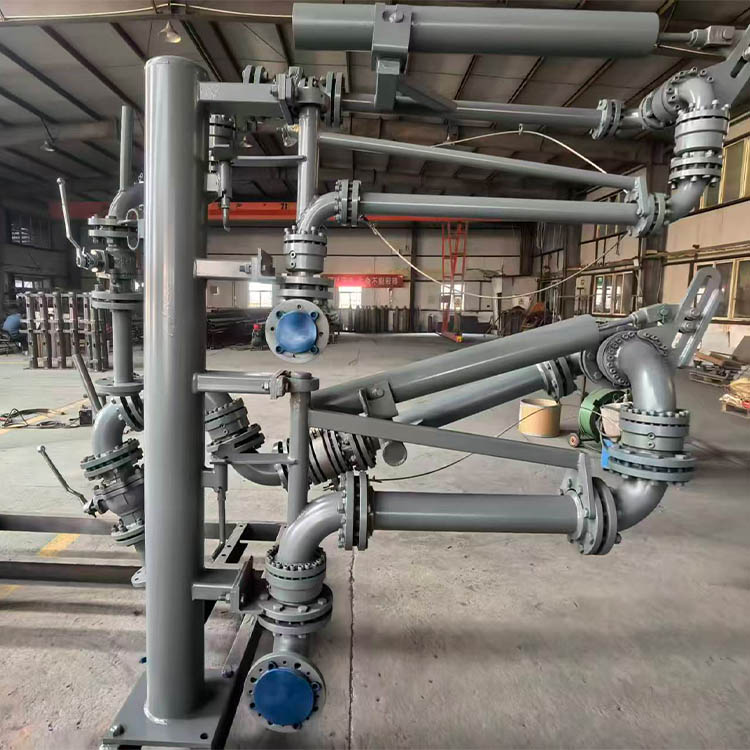
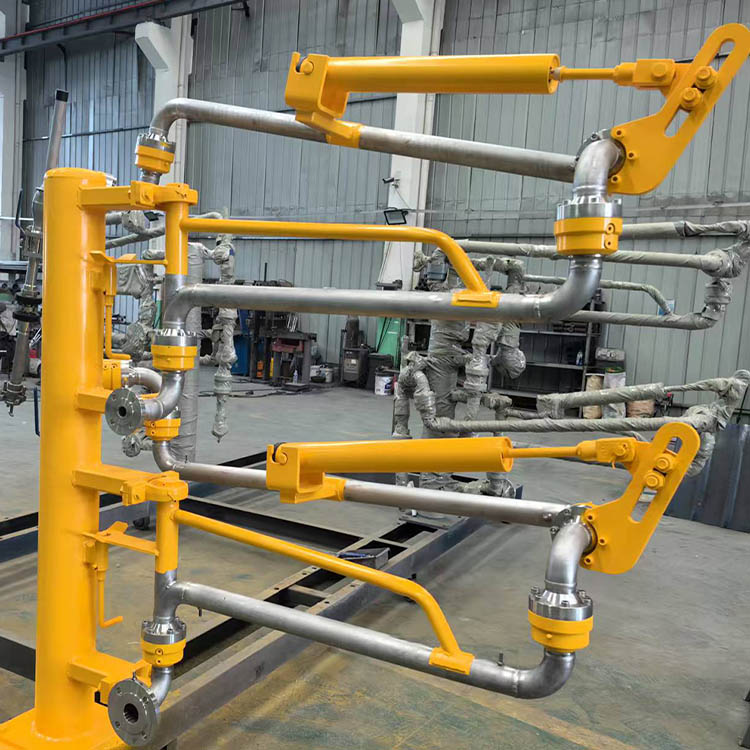
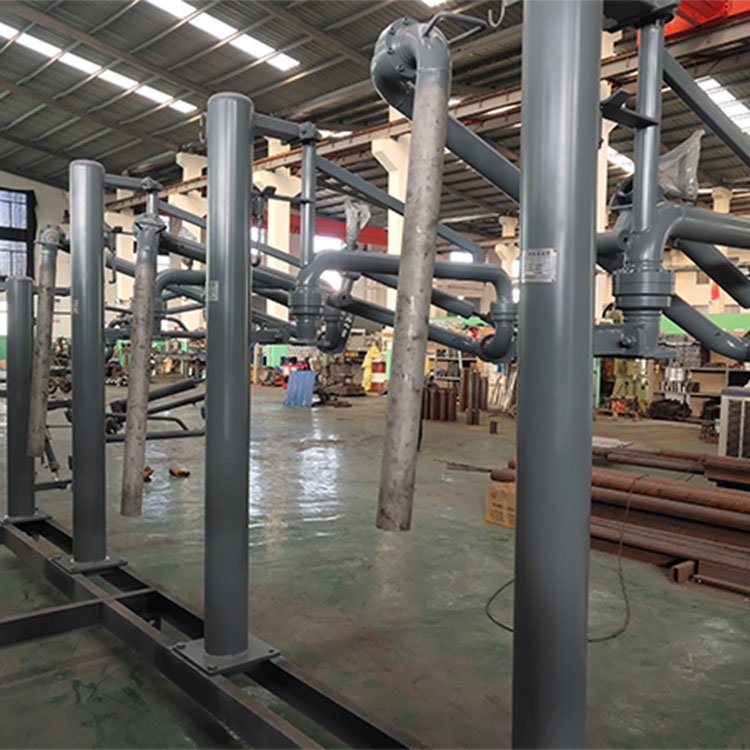
Stainless Steel API Dry Seal Valves are drip-free dry seal valves made entirely of stainless steel forgings, compliant with API industrial standards, specifically designed for sealed loading and unloading in the petrochemical industry's tanker trucks. Their core features include a valve core linkage for self-sealing and leak-proof operation, suitable for medium transportation in鹤管, loading cranes, and storage area process pipes. Often integrated with dry couplings and anti-dropping valves, they are crucial for leak-free loading and unloading of gasoline, jet fuel, LNG, corrosive chemicals, and achieving VOCs compliance. Thanks to the full stainless steel material and API standardized design, they offer superior compatibility, corrosion resistance, and sealing reliability compared to conventional dry seals, and are widely used in stringent applications such as high-end petrochemicals, aviation fuel, and low-temperature storage and transportation.
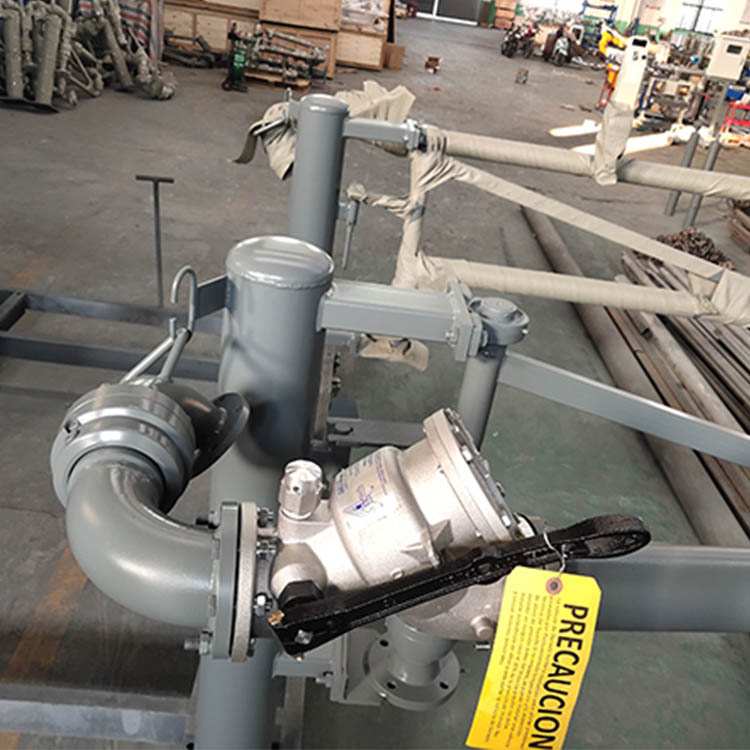
The valve adheres to the petrochemical valve standards such as API 607/API 6D, primarily crafted from 304/316L stainless steel forgings with no weld weaknesses. It features low-temperature/anti-corrosion specialized seals, offering full-bore low flow resistance, minimal torque for operation, static electricity prevention, and frost prevention. It can be categorized into dry quick-connect valves (integrated with fittings), dry cut-off valves (independent pipeline installation), and low-temperature API dry valves (for deep-chilled media). All are normally closed/normally open spring return structures, ensuring no medium exposure during switching, completely eliminating leaks and evaporation.
Core Structure (API Standard, Stainless Steel Forging + Self-sealing Core)
The overall structure is a monolithic forged steel construction, adhering to the high-pressure sealing and precision machining specifications of API valves. All components are designed for leak-free sealing, high flow conveyance, and stainless steel corrosion resistance. The structure is compact and suitable for the narrow installation spaces of鹤管/装卸撬. The core components are unified, with only the sealing parts and valve core structure receiving targeted optimization.
1. Core Sealing Unit (Key for Leak-Free)
Utilizing a double-butterfly联动self-sealing structure (standard), the valve cores open synchronously to form a direct flow path when the valve is opened, and close with the spring returning to achieve dual-sealing of both end face and radial, ensuring no medium residue or leakage. The sealing grade meets API industrial standards with no visible leakage, and the VOCs emissions are significantly lower than the national standard GB 37822-2019.
Seal groove designed to API standard, compatible with various seals including fluoroelastomer (FKM), perfluoroether rubber (FFKM), and low-temperature fluoroelastomer. It allows for flexible replacement based on the medium. The sealing surface is mirror-polished (Ra≤0.8μm), offering wear resistance, scratch resistance, and resistance to medium corrosion.
2. Main Load-bearing Unit
Body, cover, and valve stem are forged from 304/316L stainless steel (optional duplex steel 2205). Forgings are tested for non-destructive inspection (UT/MT), free of sand holes and gas pores, with pressure and impact resistance conforming to API 602/API 6D standards. Design pressure ranges from 1.6 to 6.4 MPa, suitable for atmospheric and medium-high pressure loading and unloading conditions.
The channel is designed with full-bore API standard, featuring no constricted areas or corners, and is internally polished for minimal fluid resistance. It is suitable for large-volume loading and unloading with鹤管, preventing medium accumulation and scaling within the channel.
3. Drive and Reset Unit
Standard with manual square shaft drive (upgradable to pneumatic/electric actuator), switching torque ≤ 150 N·m, easily operated by one person, with graduated positioning and self-locking, enabling precise control of opening degree for flow regulation.
Internally fitted with a stainless steel spring return mechanism, corrosion-resistant and fatigue-resistant, capable of automatic reset and closure upon power or gas interruption (for normally closed models), preventing accidental leakage. Pneumatic/electric versions feature explosion-proof design, compliant with the explosion-proof requirements of petrochemical field (Ex d II B T4).
4. Auxiliary Protection Unit (Suited for Petrochemical Operations)
Static-dissipative Structure: A stainless steel static-conducting spring piece is installed between the valve core and body, ensuring the entire static conduction through the valve body - valve core - pipeline during the opening and closing process. The grounding resistance is ≤4Ω, eliminating static accumulation caused by medium flow.
Anti-Freeze/ Dustproof Design: Valve body features an interface for a thermal insulation layer (for low-temperature models), which can be wrapped with polyurethane insulation to prevent frosting on the valve body and operation jamming caused by extreme cold media; Standard with a stainless steel dust cover during idle time to protect the sealing surface from contamination by dust and rain.
API Standard Connection End: Both ends feature API flanges/welding ends (optional NPT threads), providing seamless mating with API standard connections on鹤管, dry couplings, and anti-drip valves, with no adaptation obstacles and high coaxiality during installation.
5. Sealing Assist Unit
Design micro exhaust or drainage holes to release residual medium/condensate from the sealed cavity, preventing secondary leakage.
Sealed cavity filling with food-grade / low-temperature specific lubricant, preventing seal wear due to dry friction, extending service life; the lubricant also does not react with the medium, eliminating the risk of medium contamination.