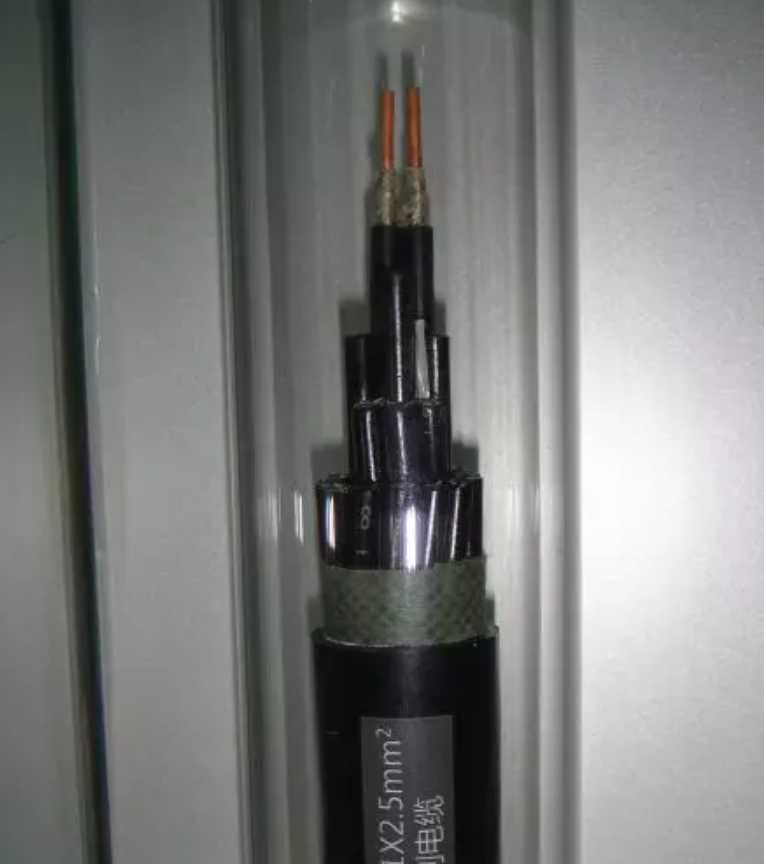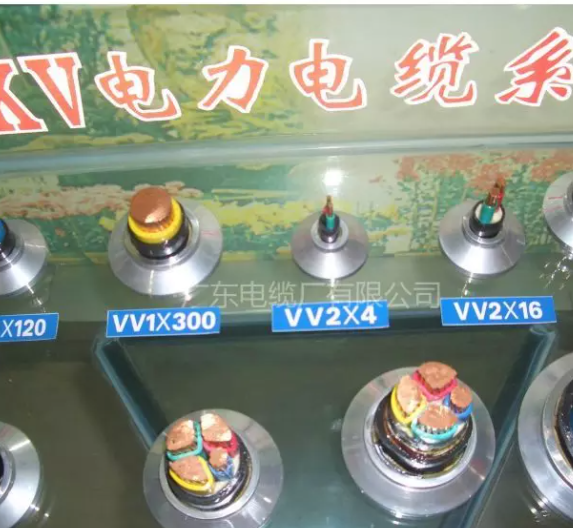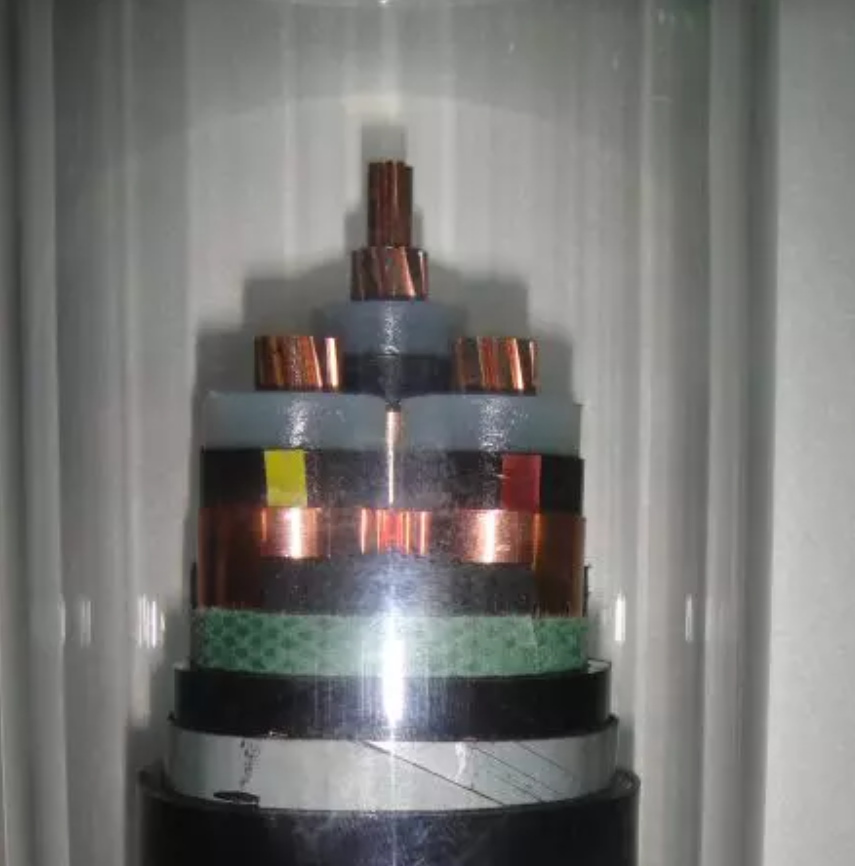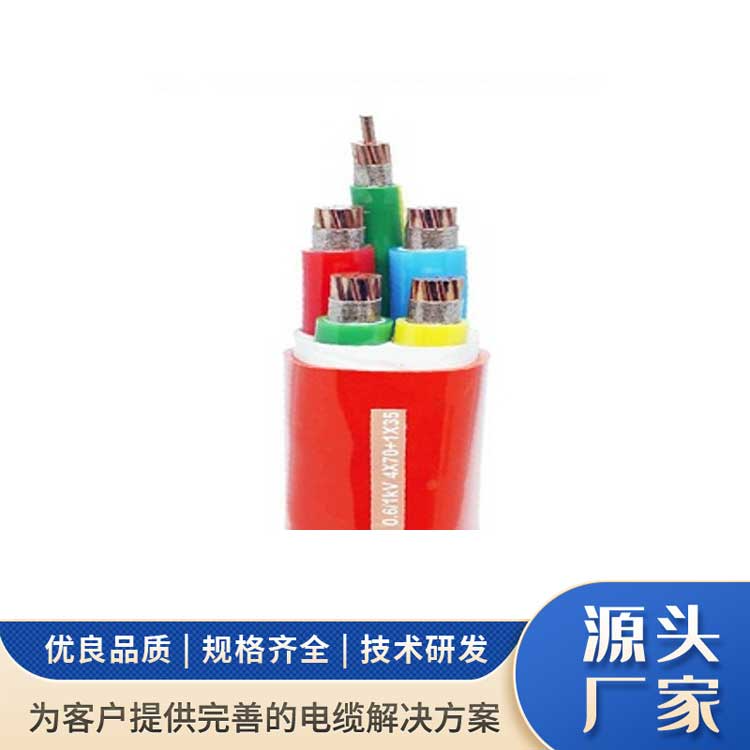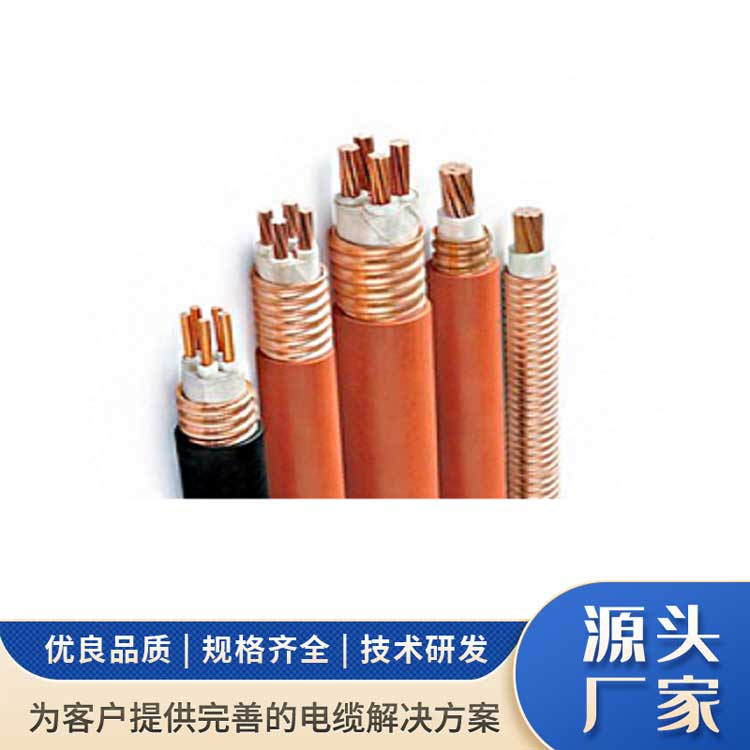








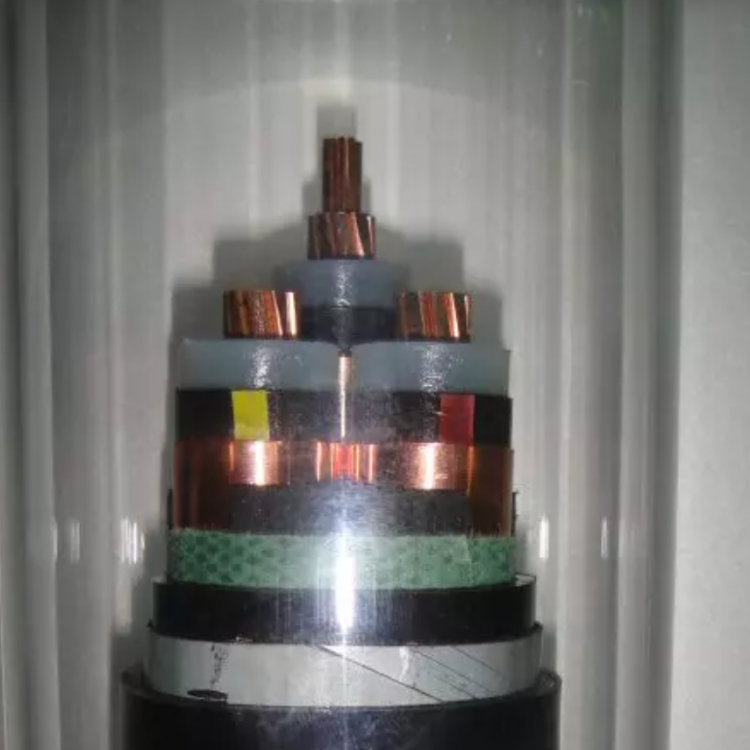
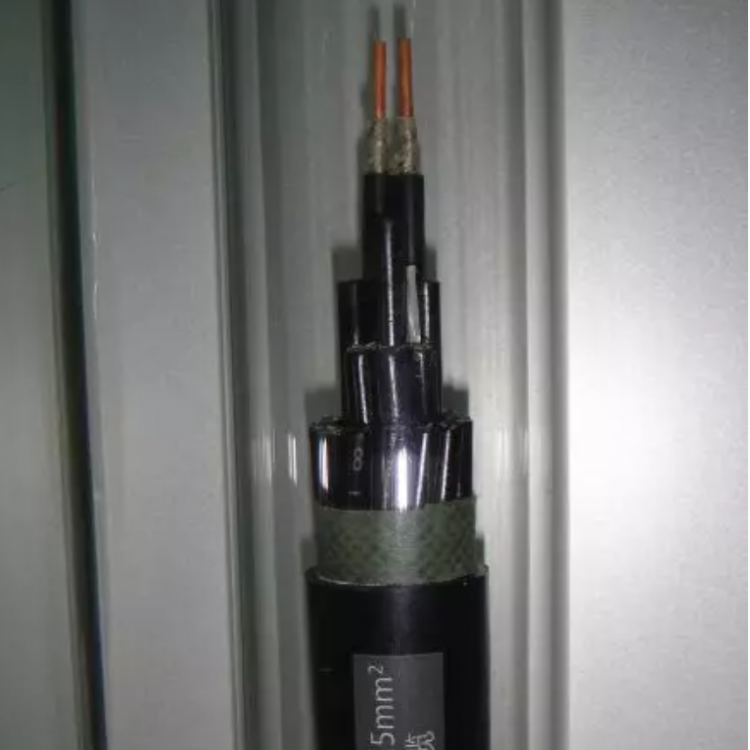
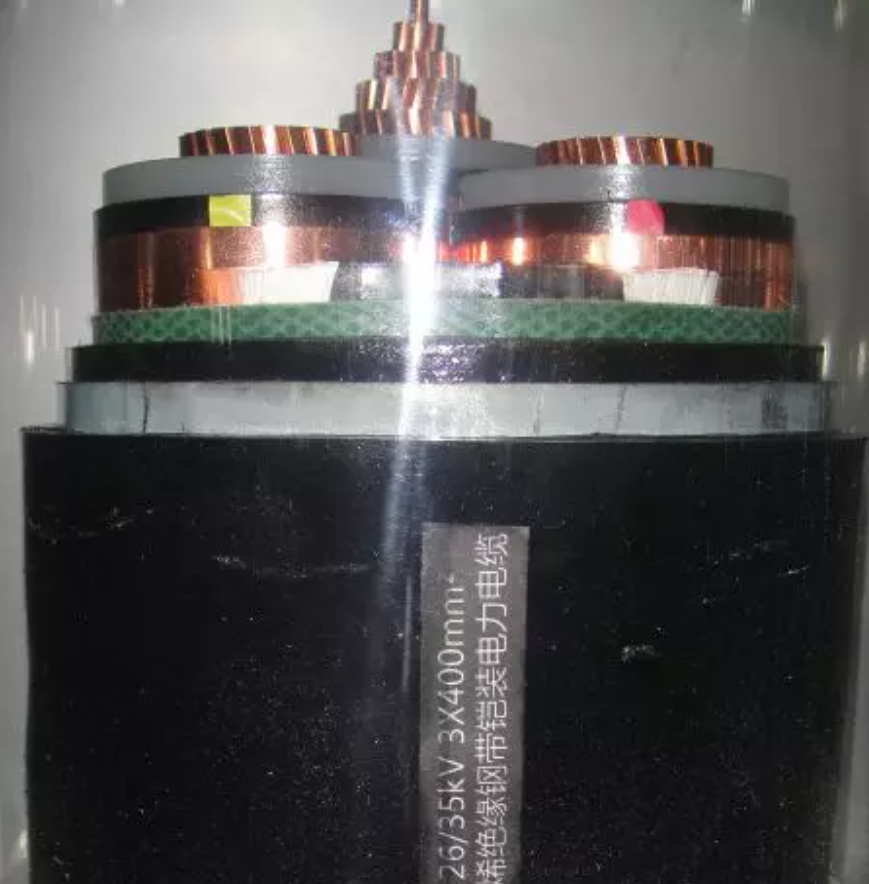
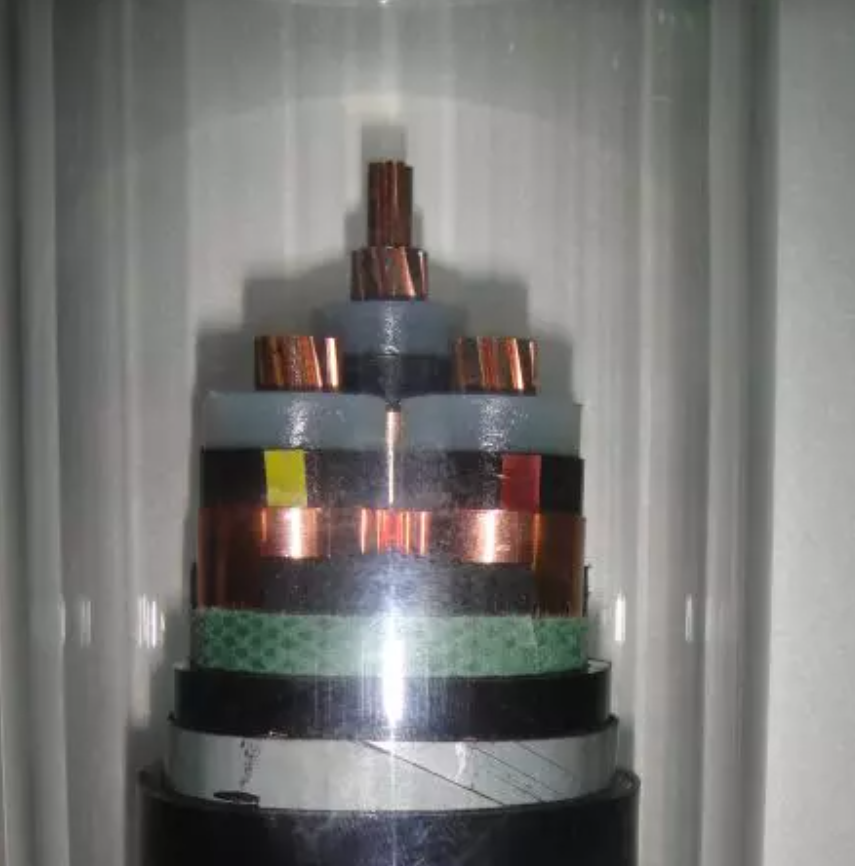

The allowable bending radius for the cables is as follows:
Unarmored cables should not be less than 6 times the cable outer diameter.
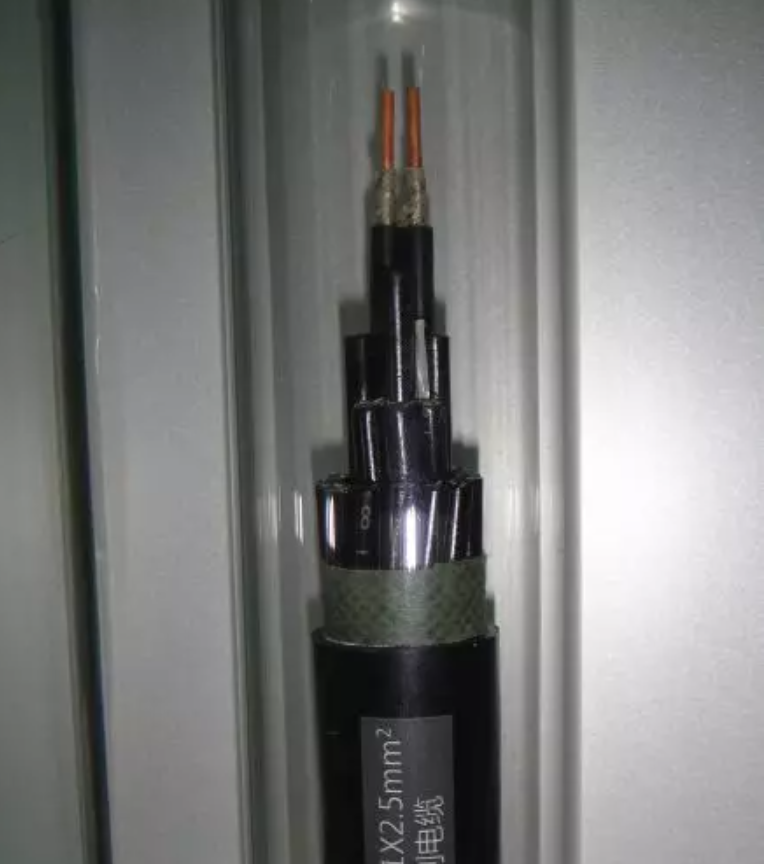
Armored or copper-braid shielded cables should have a shielding thickness not less than 12 times the cable's outer diameter.
Sheathed flexible cables should not be less than 6 times the diameter of the cable.
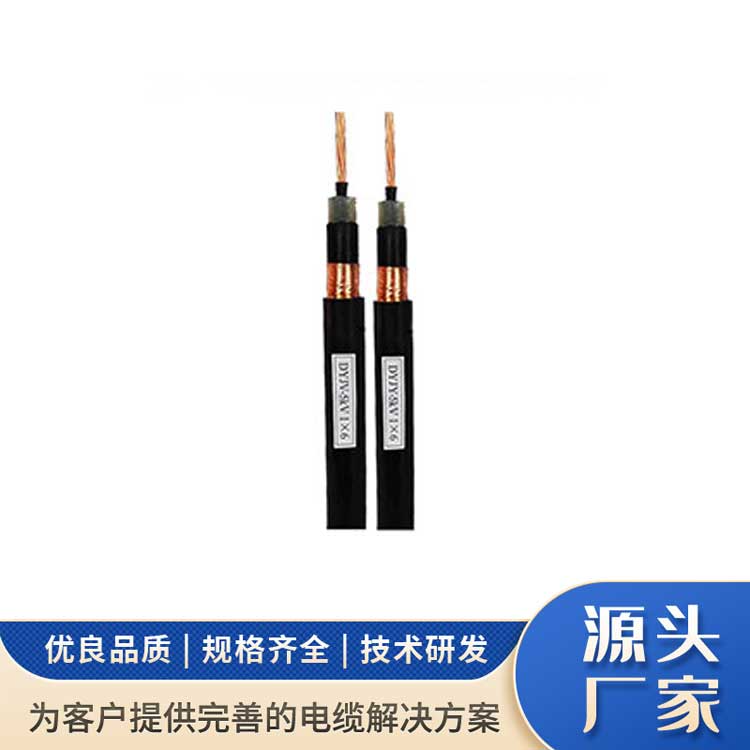
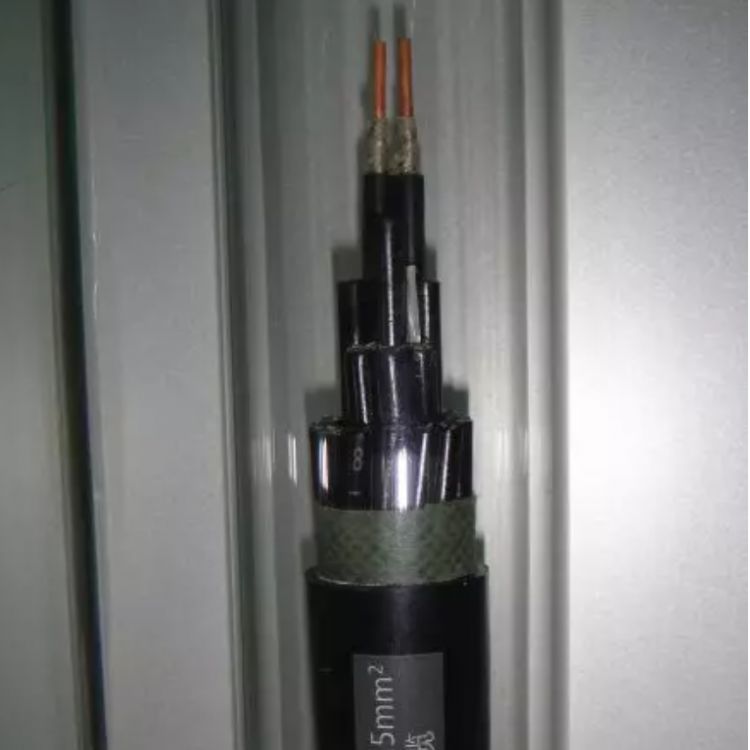
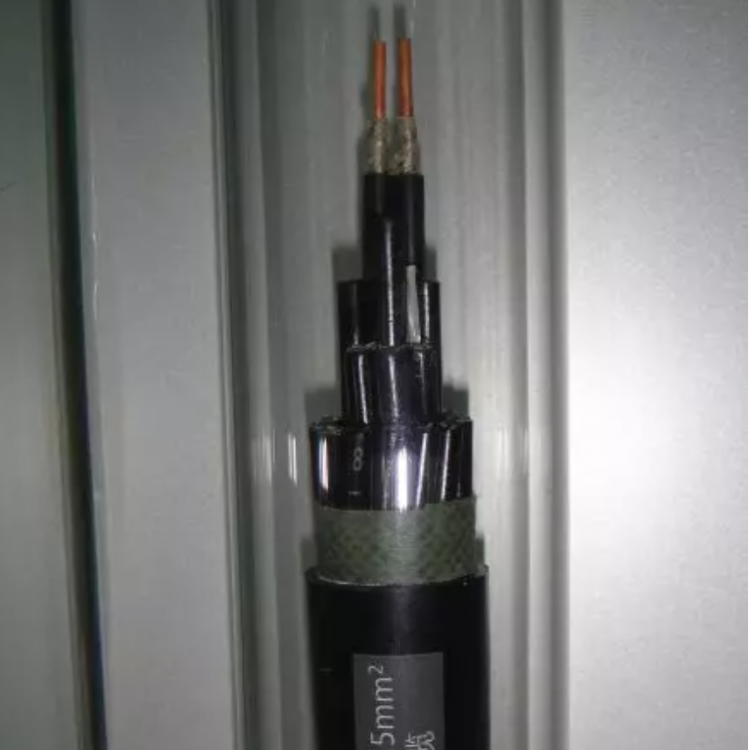
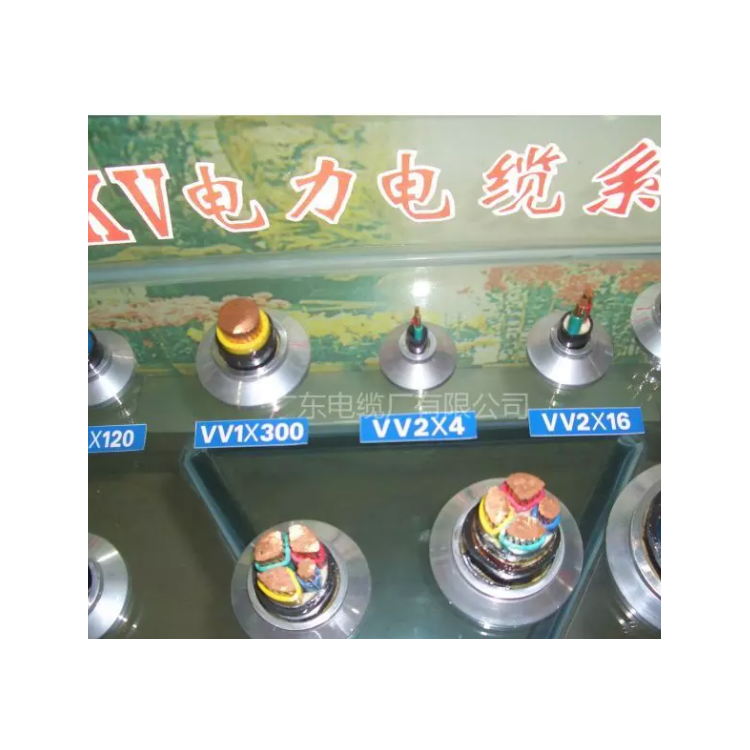
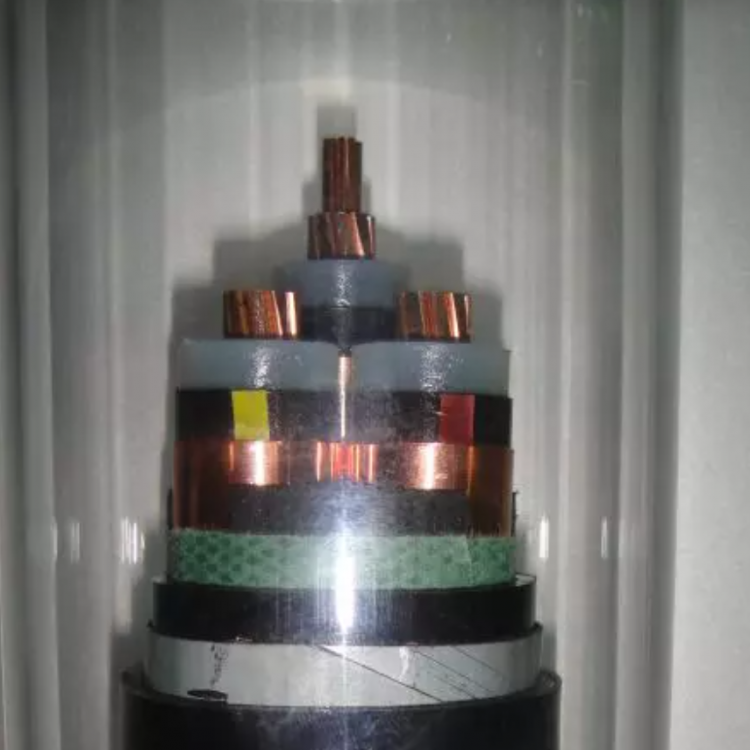
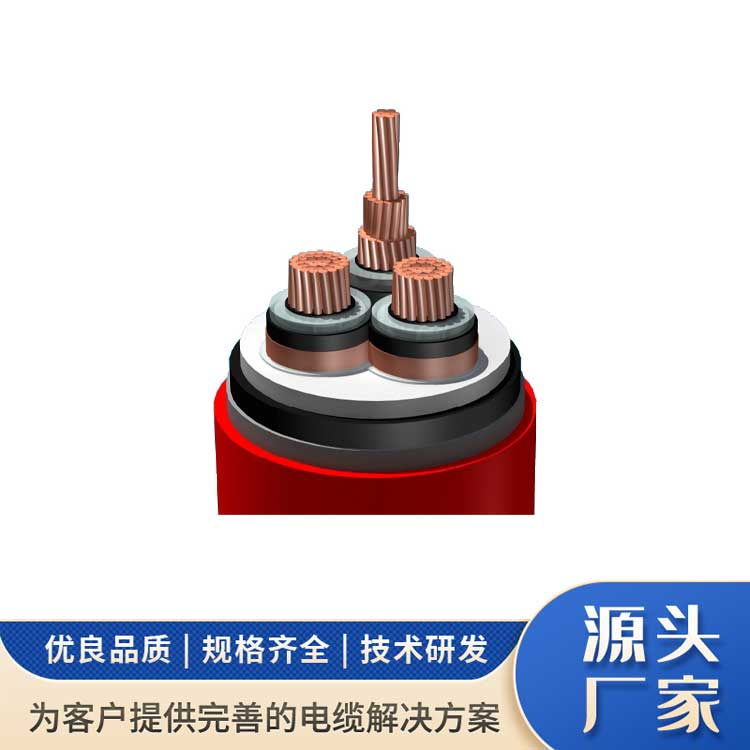
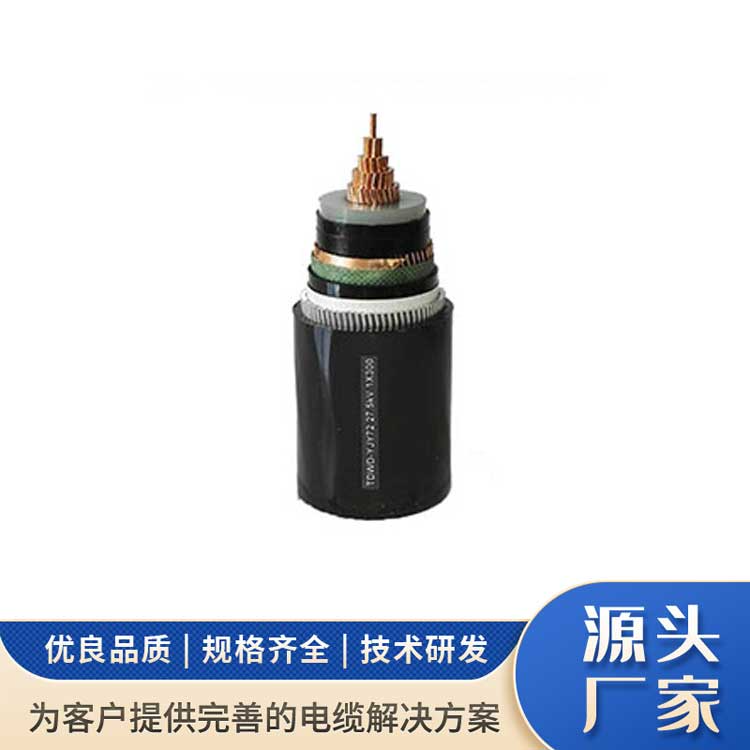
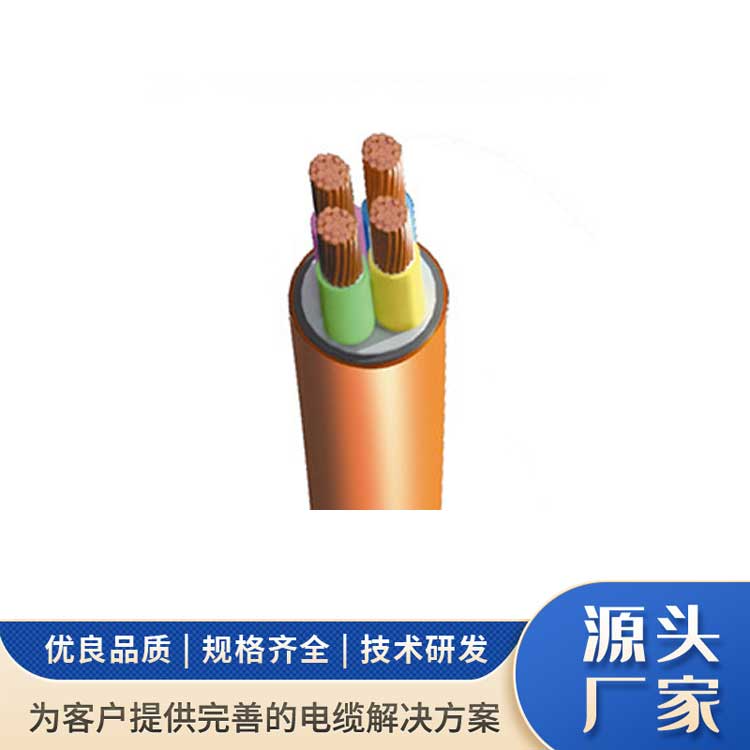
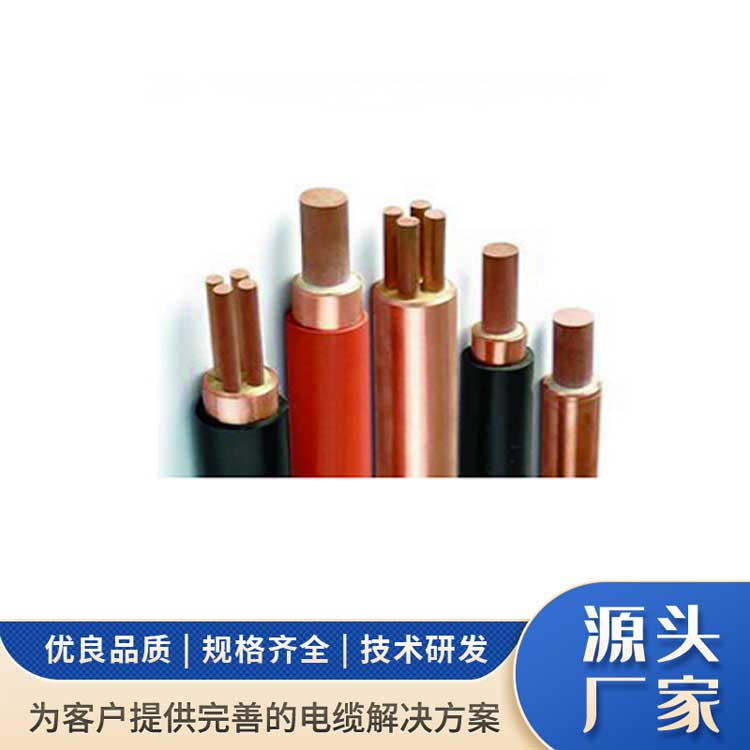
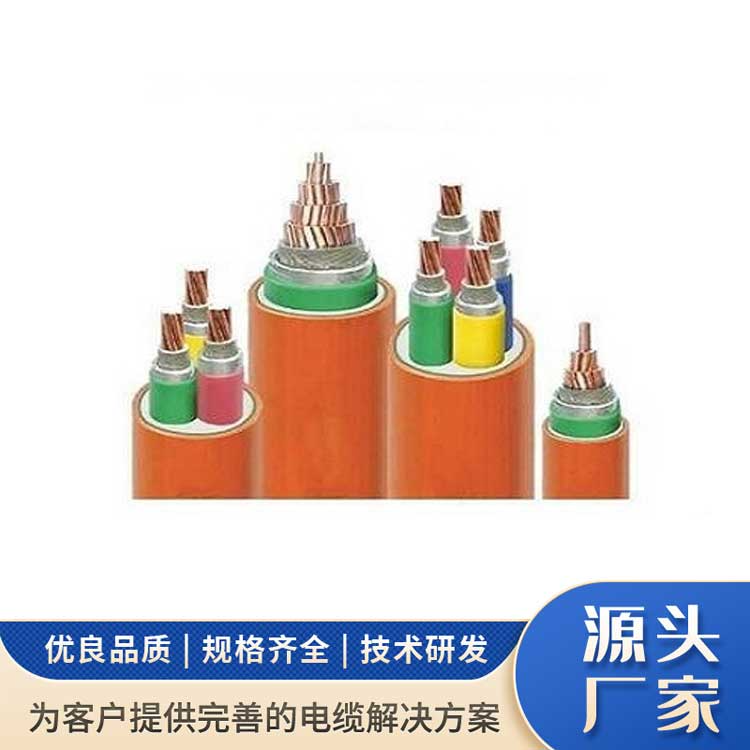
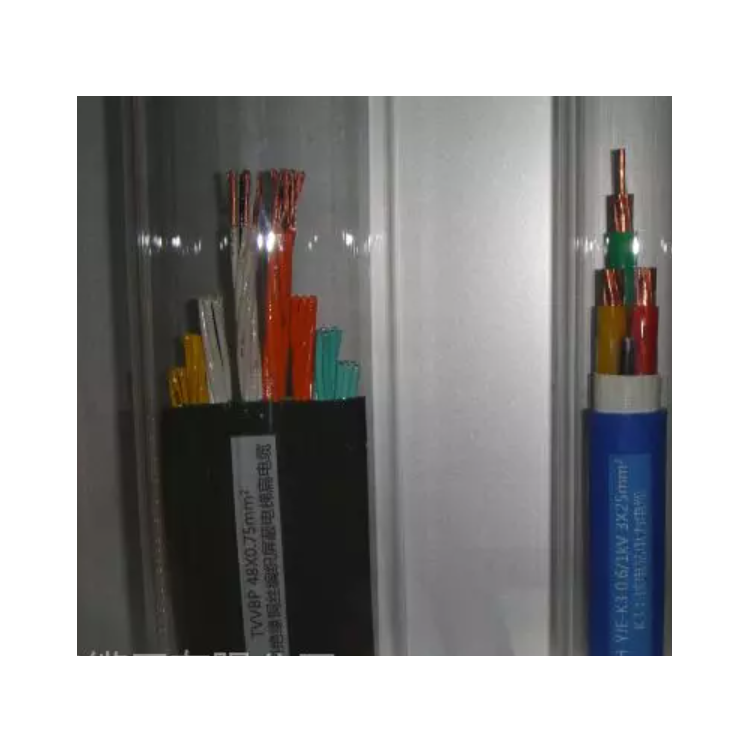
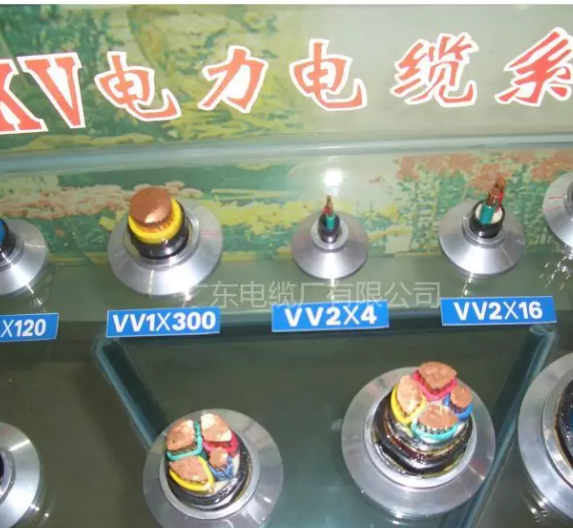
Control cables feature moisture-proof, corrosion-resistant, and anti-damage properties, and can be laid in tunnels or cable trenches. Power cables are used in the main transmission lines of the power system to transmit and distribute high-power electrical energy, while control cables directly transmit electrical energy from the distribution points of the power system to the power supply lines of various electrical equipment. The rated voltage of power cables is generally 0.6/1kV and above, while control cables are mainly 450/750V. When power cables and control cables of the same specification are produced, the insulation and sheath thickness of power cables is thicker than that of control cables.