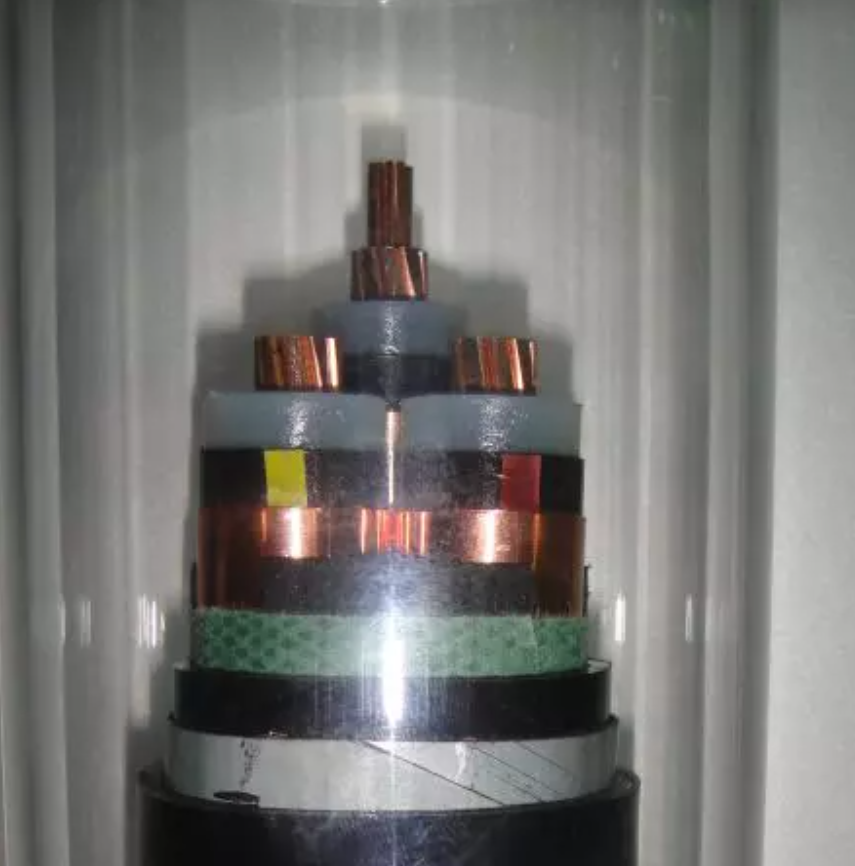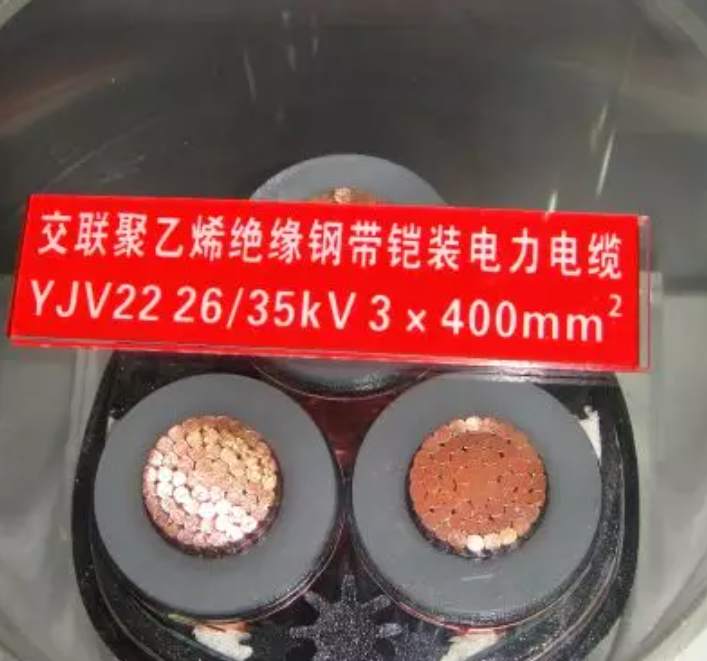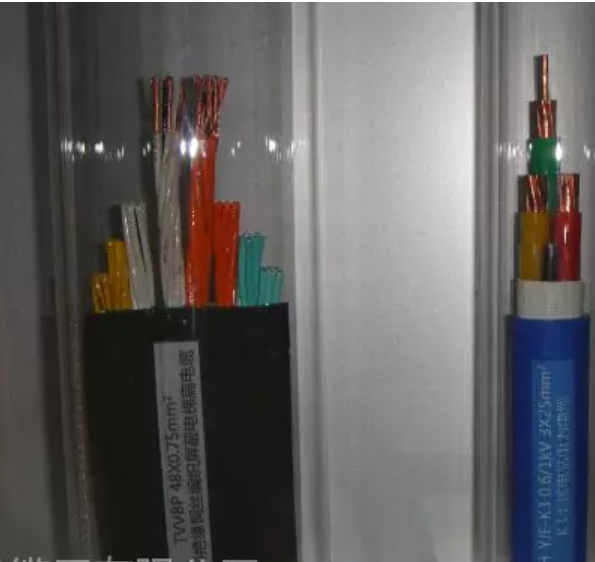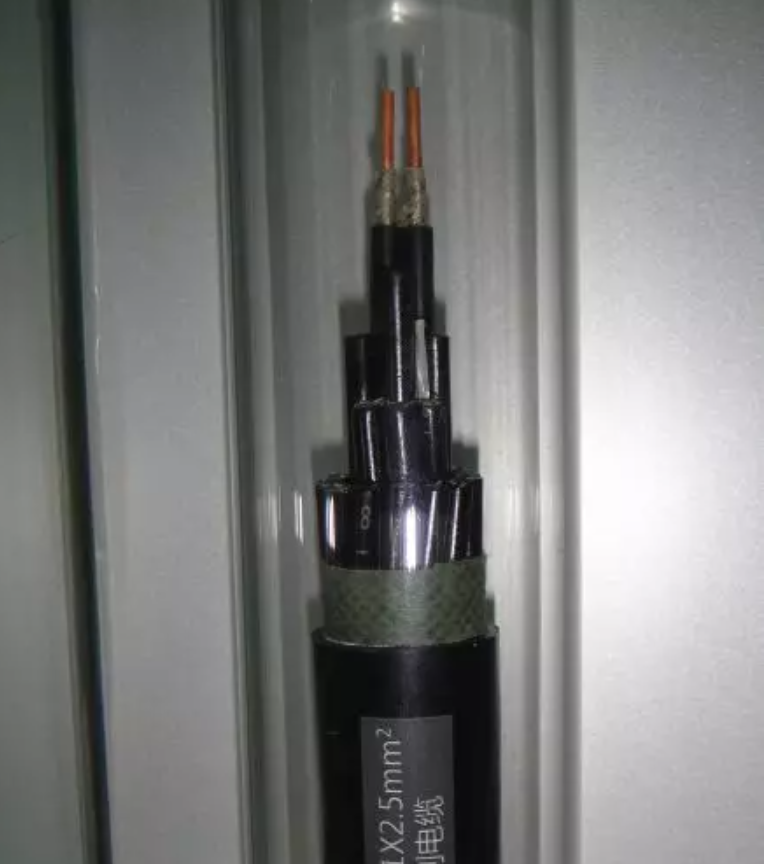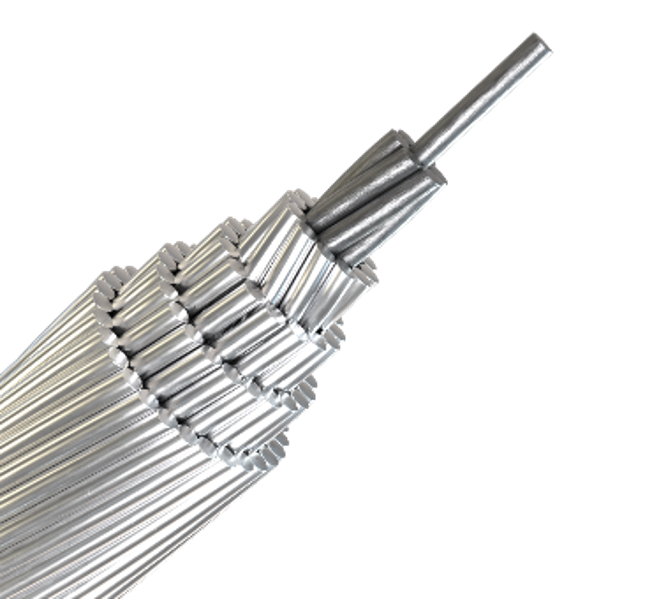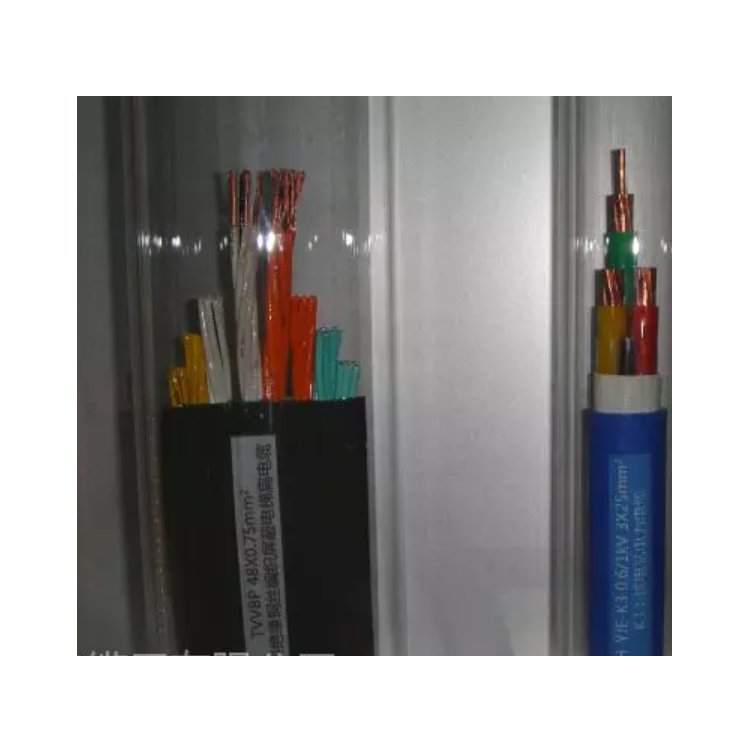


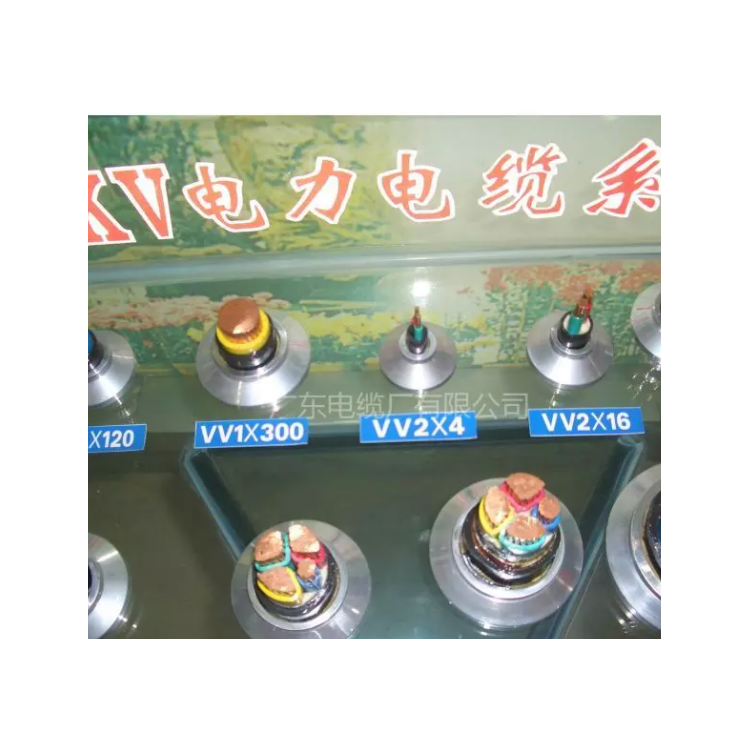


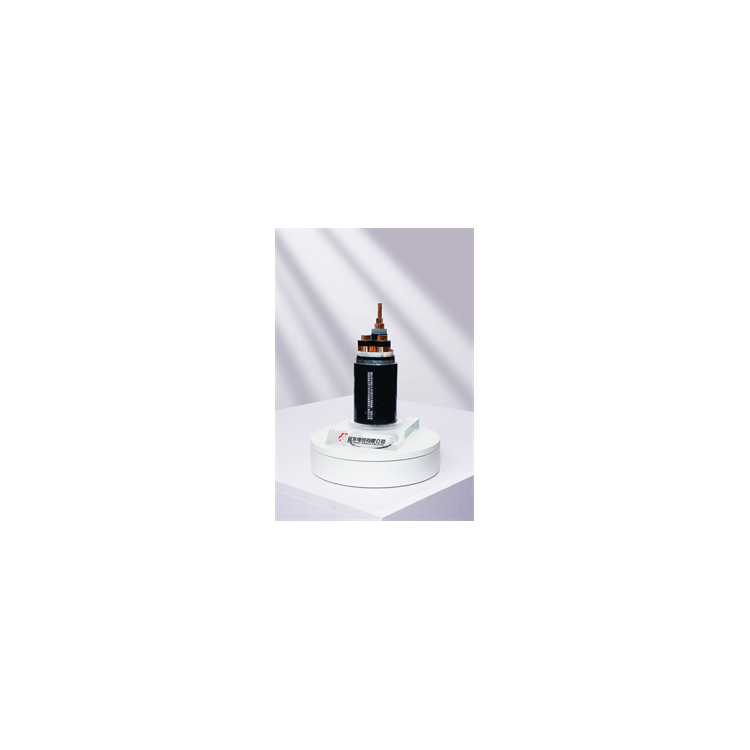
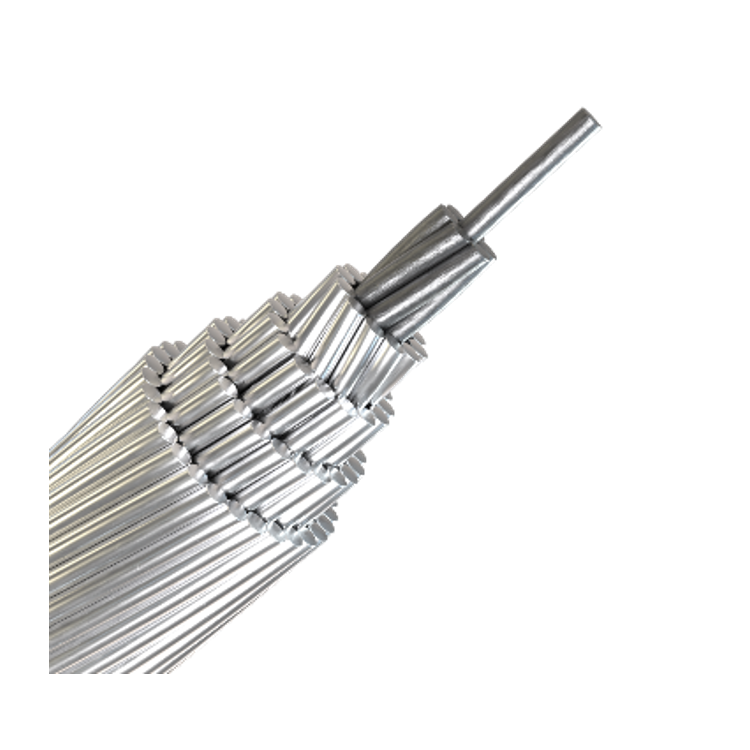





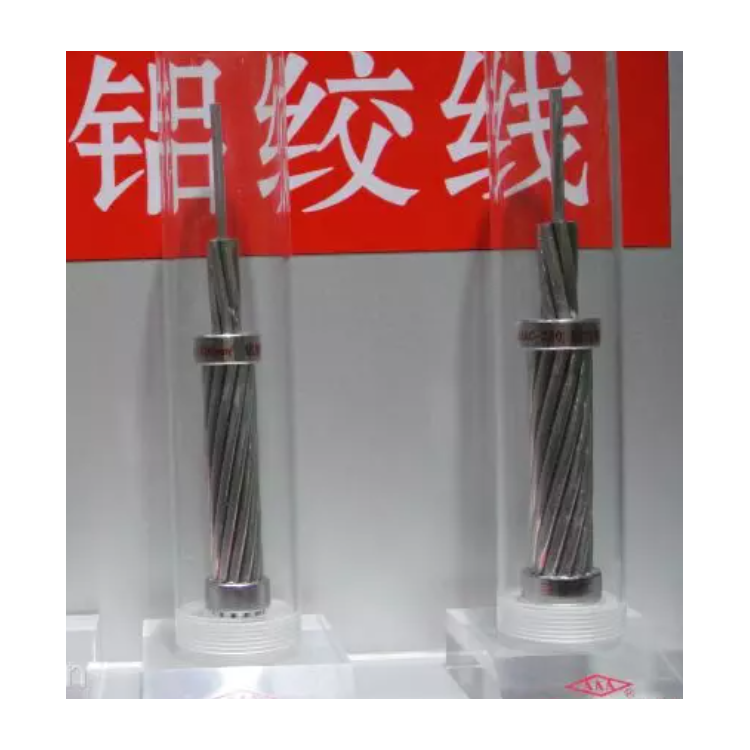
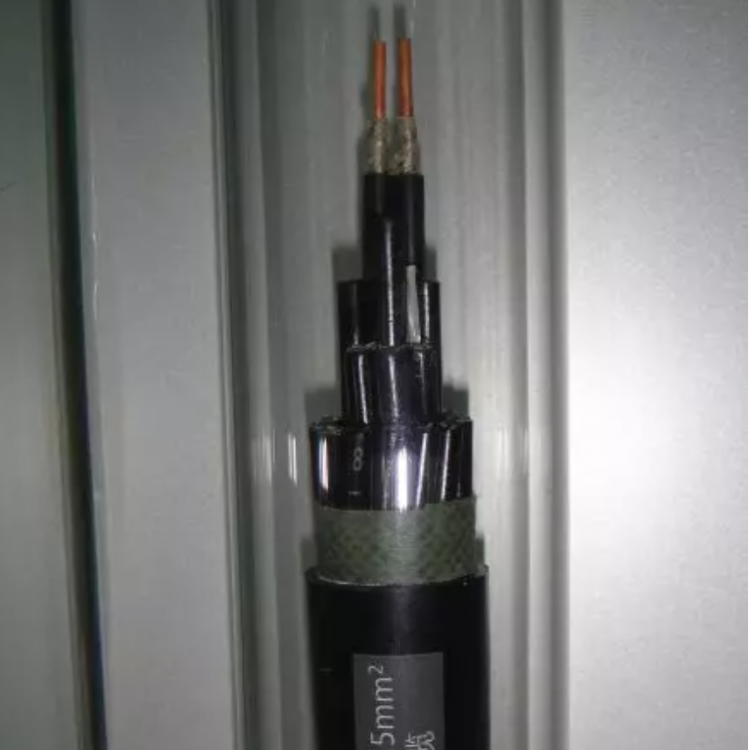
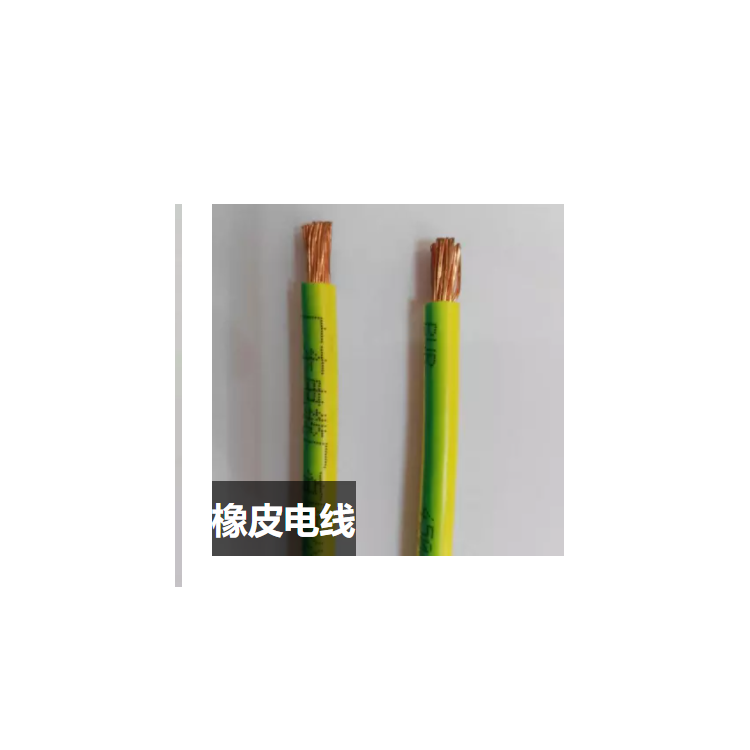
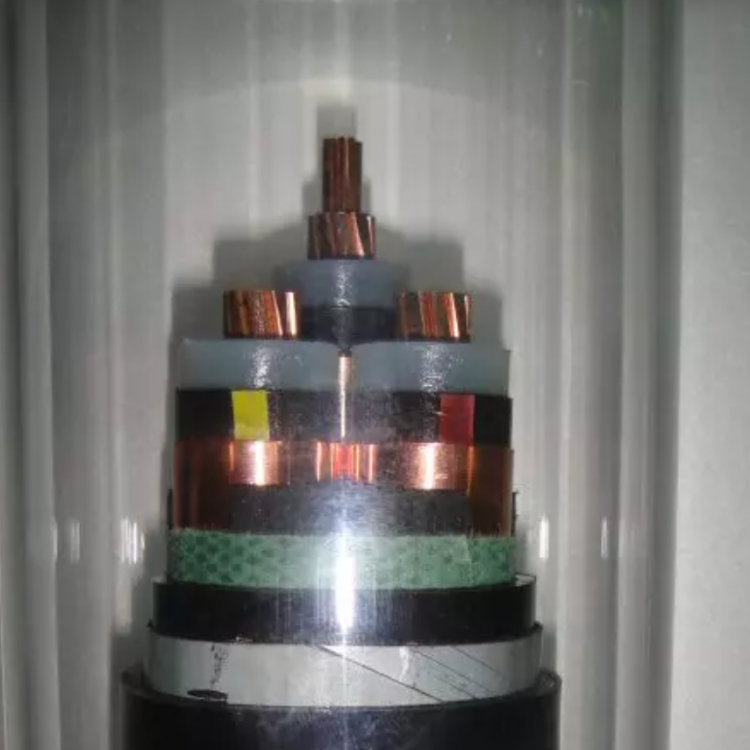
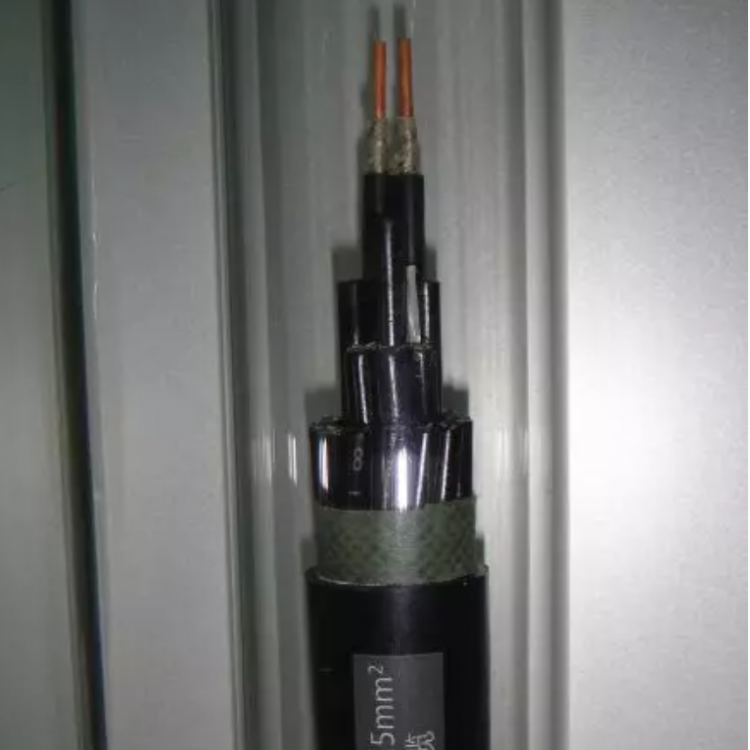
Heavy-duty copper wire structures have high tensile strength and excellent resistance to external forces, allowing cables to remain operational even if the tower collapses. Aluminum alloy wire structures are lightweight with great tensile strength, mainly used in long-span tower systems with spans of 100m or more.
Steel-core or aluminum alloy-core supporting structures are commonly used in 35kV voltage systems with large spans. Square insulators are used to separate the supporting wire (bare wire) from the three insulated phase wires. The supporting wire can also serve as a lightning protection wire. Its advantage is that the sag is small, with the arc weight being approximately 2.4% of the span.
The self-supporting three-core braided structure is used in systems with medium spans. The drawbacks of this cable include: the manufacturing length of the three-core cable is shorter than that of a single-core cable, there are more joints, and it features an external semi-conductive shielding layer. At the cable ends, terminal heads or stress cone structures similar to those of ordinary cables must be installed.