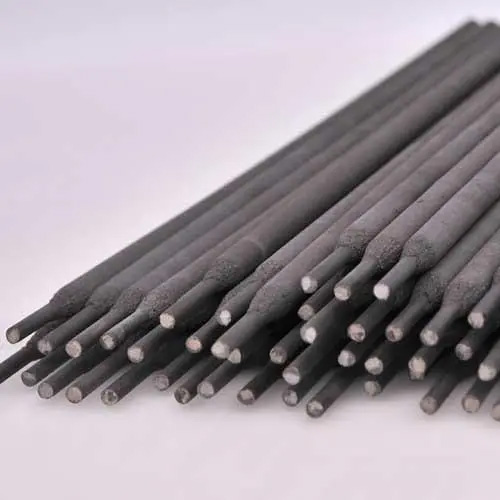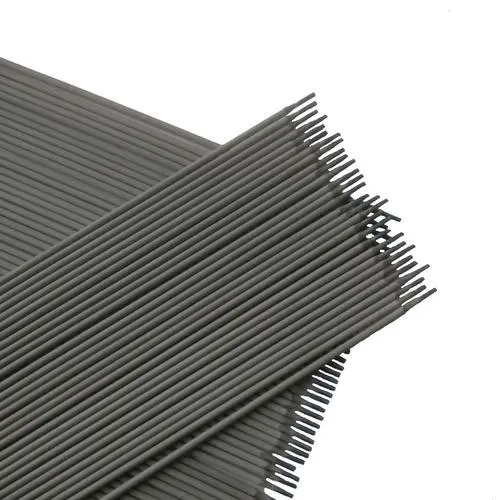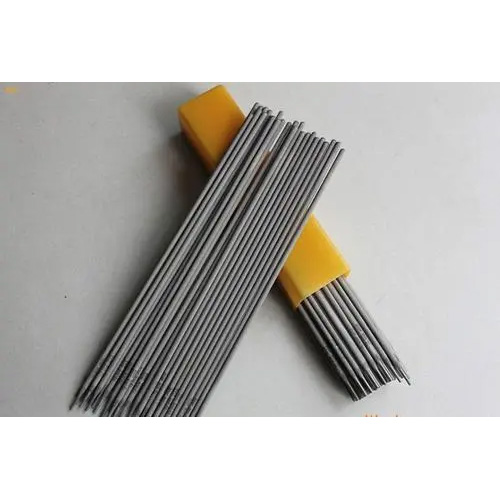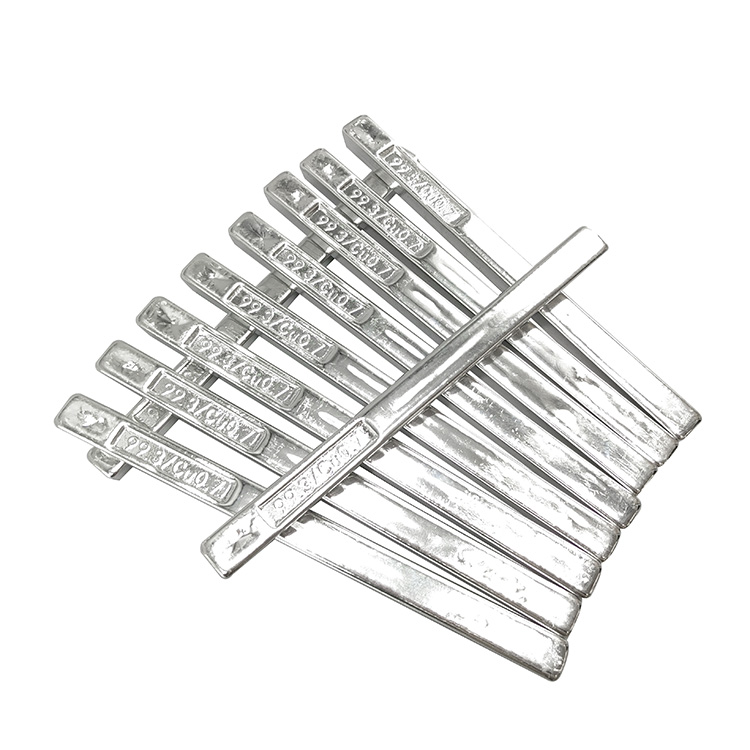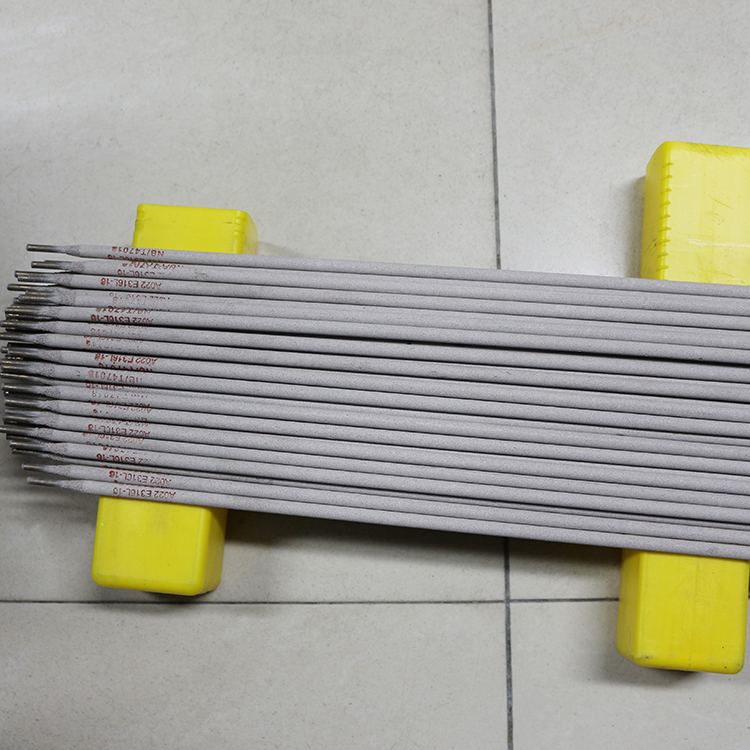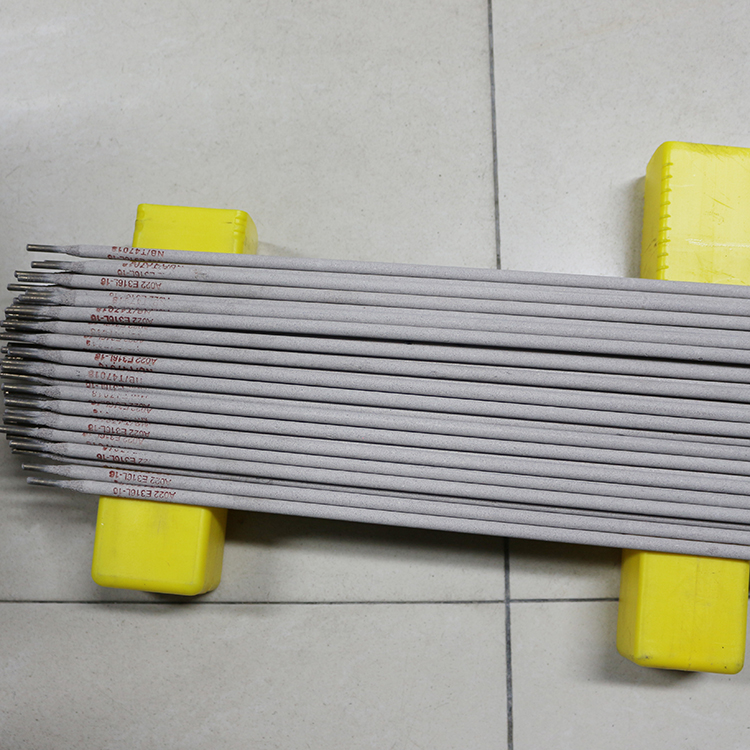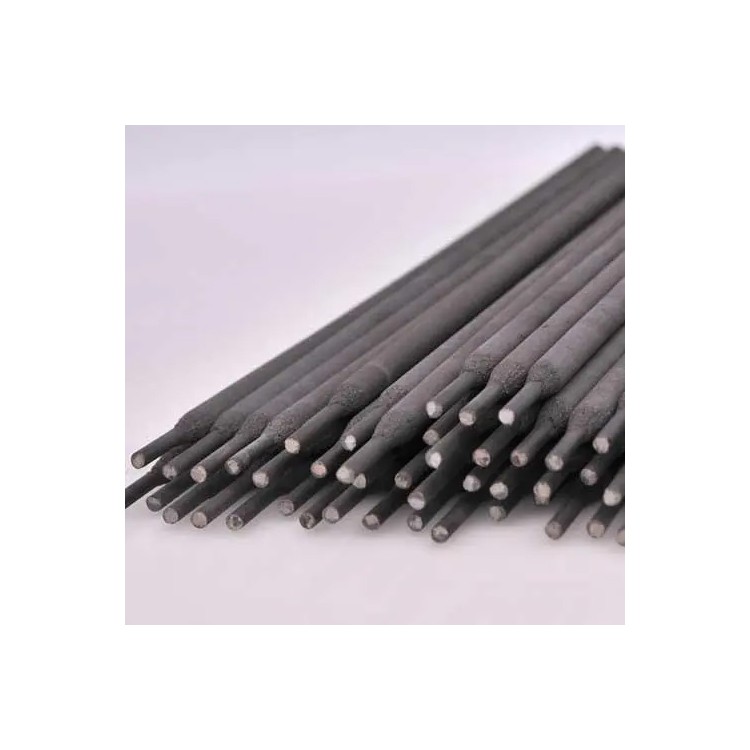

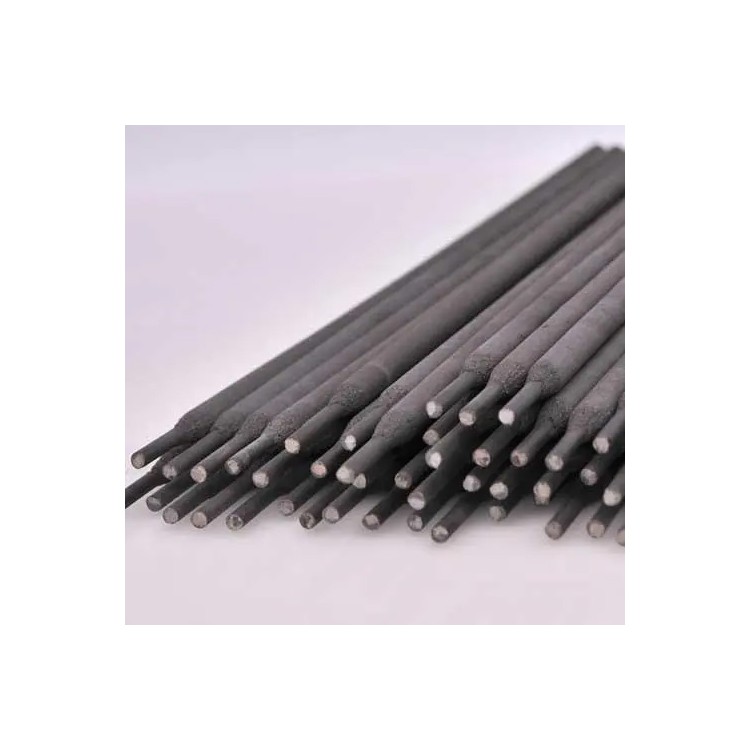
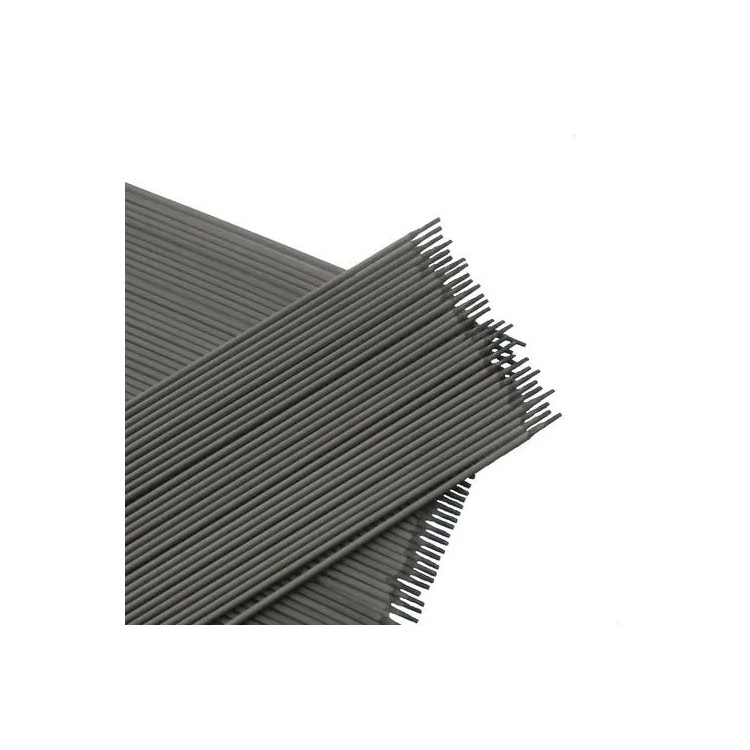
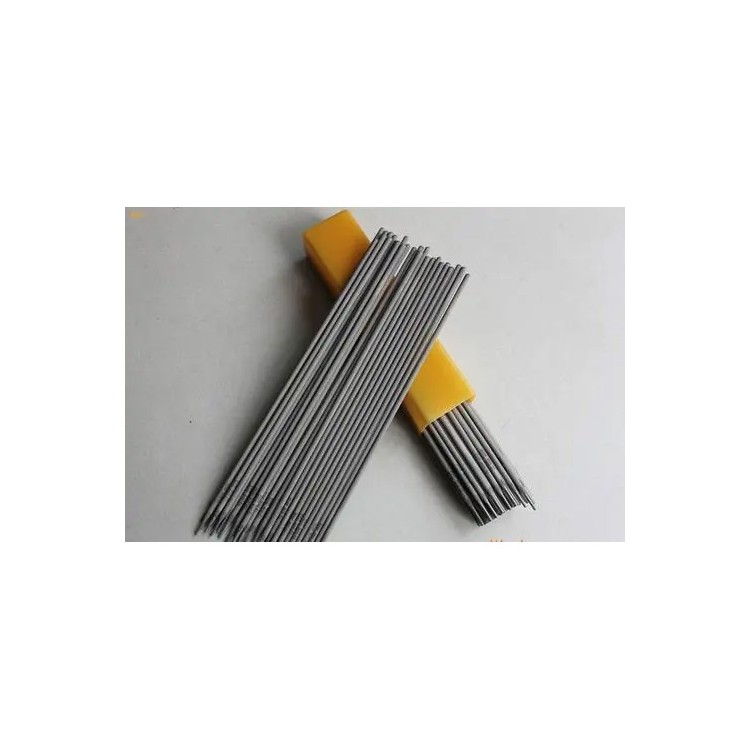


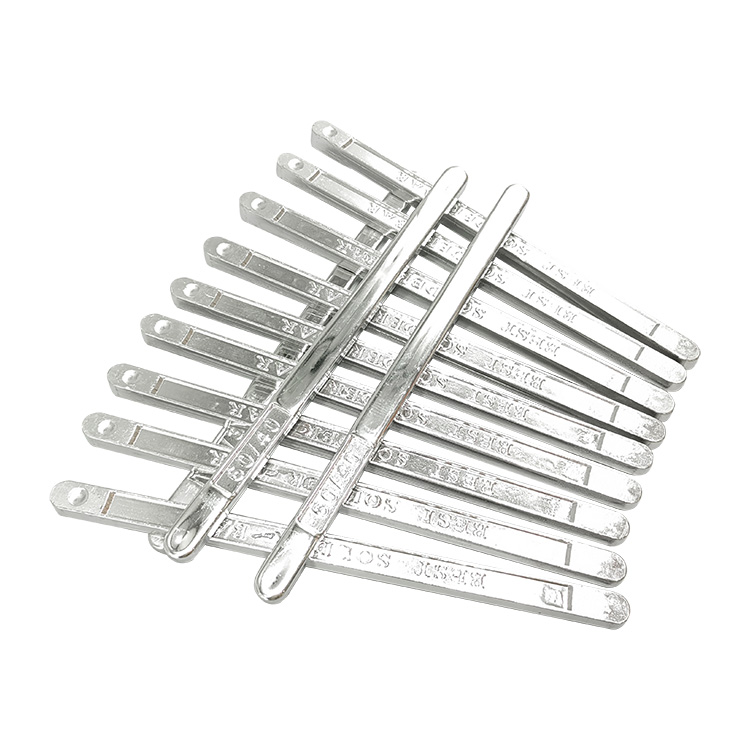
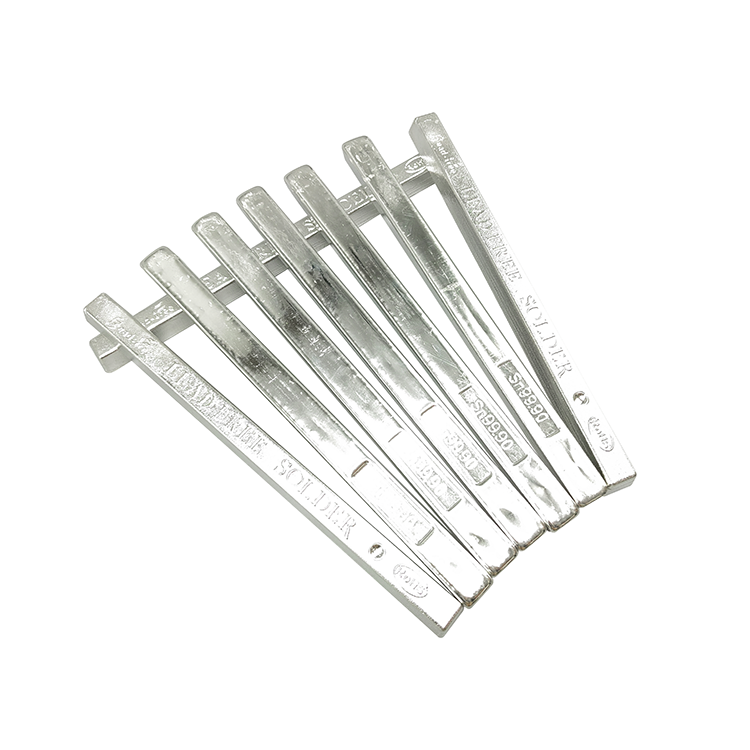
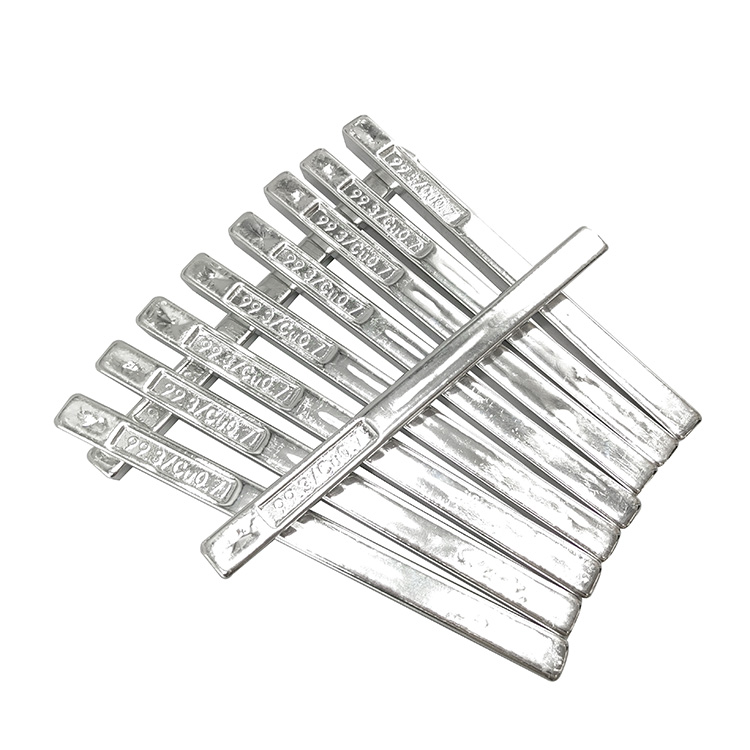





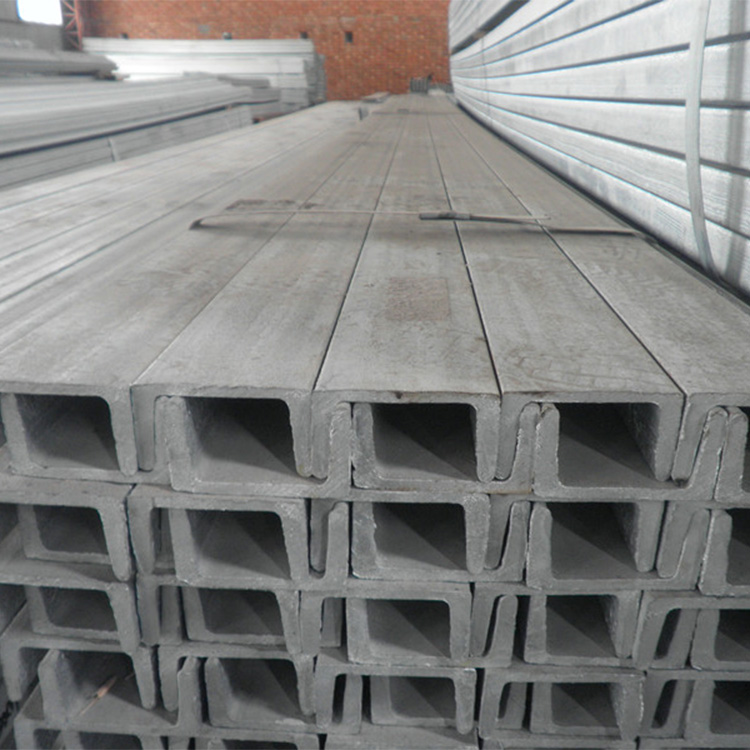
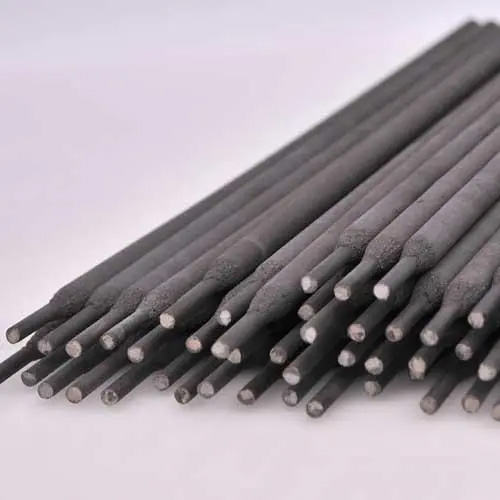
Stainless steel welding rods refer to a type of welding rods coated with material derived from stainless steel. They can be categorized into chromium stainless steel welding rods and chromium-nickel stainless steel welding rods, and are widely used in industries such as chemicals, fertilizers, petrochemicals, and mechanical manufacturing.
Stainless steel welding rods must not only meet the general welding process performance and mechanical properties of the weld joint but also ensure that the weld joint can meet certain corrosion resistance requirements. For the flux coating and the welding core, the following requirements are typically considered:
1. By transitioning various alloy elements through the welding core and flux coating, the weld metal becomes a composition with a definite amount of austenite and ferrite structures, ensuring it has both excellent crack resistance and good resistance to corrosion by the corresponding medium.
2. By introducing elements that form carbides (such as niobium, molybdenum, titanium, etc.) into the weld metal through the welding core or flux, stable carbides are formed with carbon to prevent the formation of chromium carbides at grain boundaries.
3. The increase of carbon can induce intergranular corrosion in Austenitic (or Ferritic) stainless steel welds. Therefore, strict control of carbon content in the welding rod and flux coating raw materials is necessary. It is recommended to use low carbon or ultra-low carbon welding rods, and low carbon or carbon-free iron alloys and metal elements as the raw materials for the flux coating.
4. Strictly control the sulfur and phosphorus content in stainless steel welding rods and flux to minimize the risk of weld heat cracks.