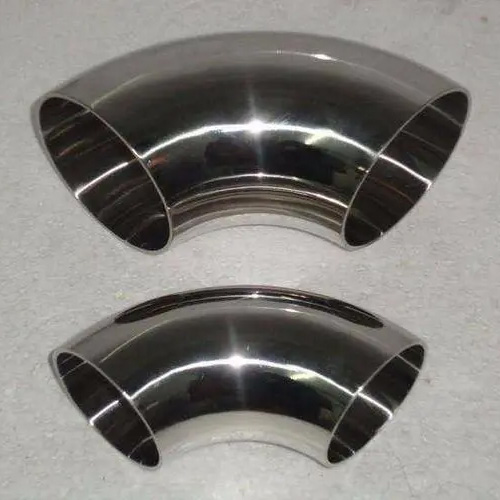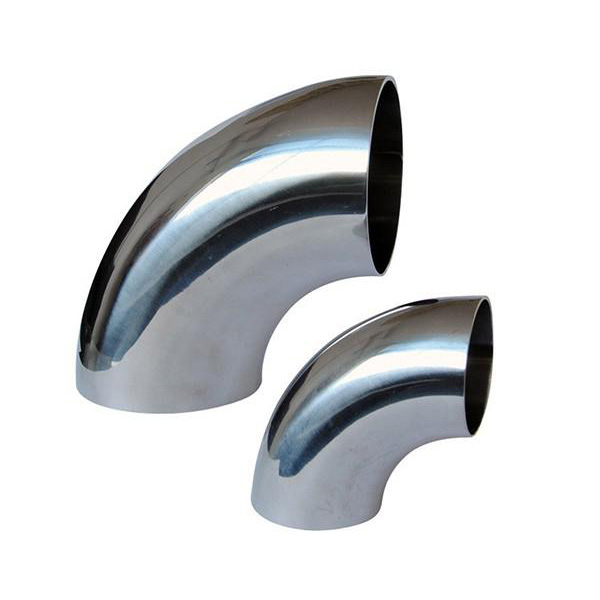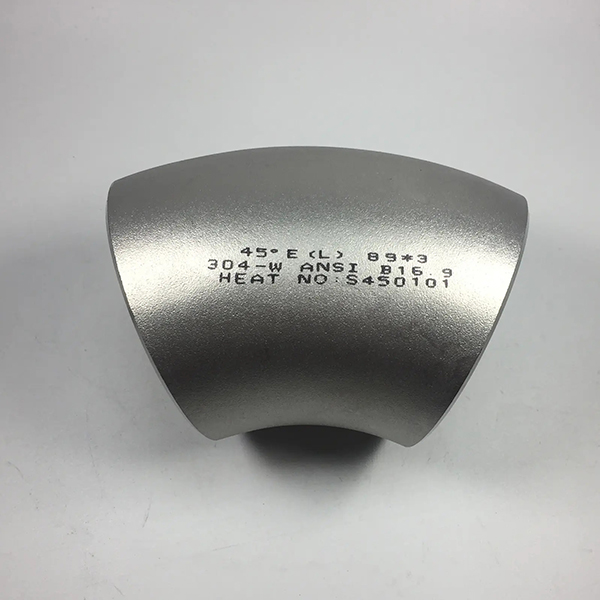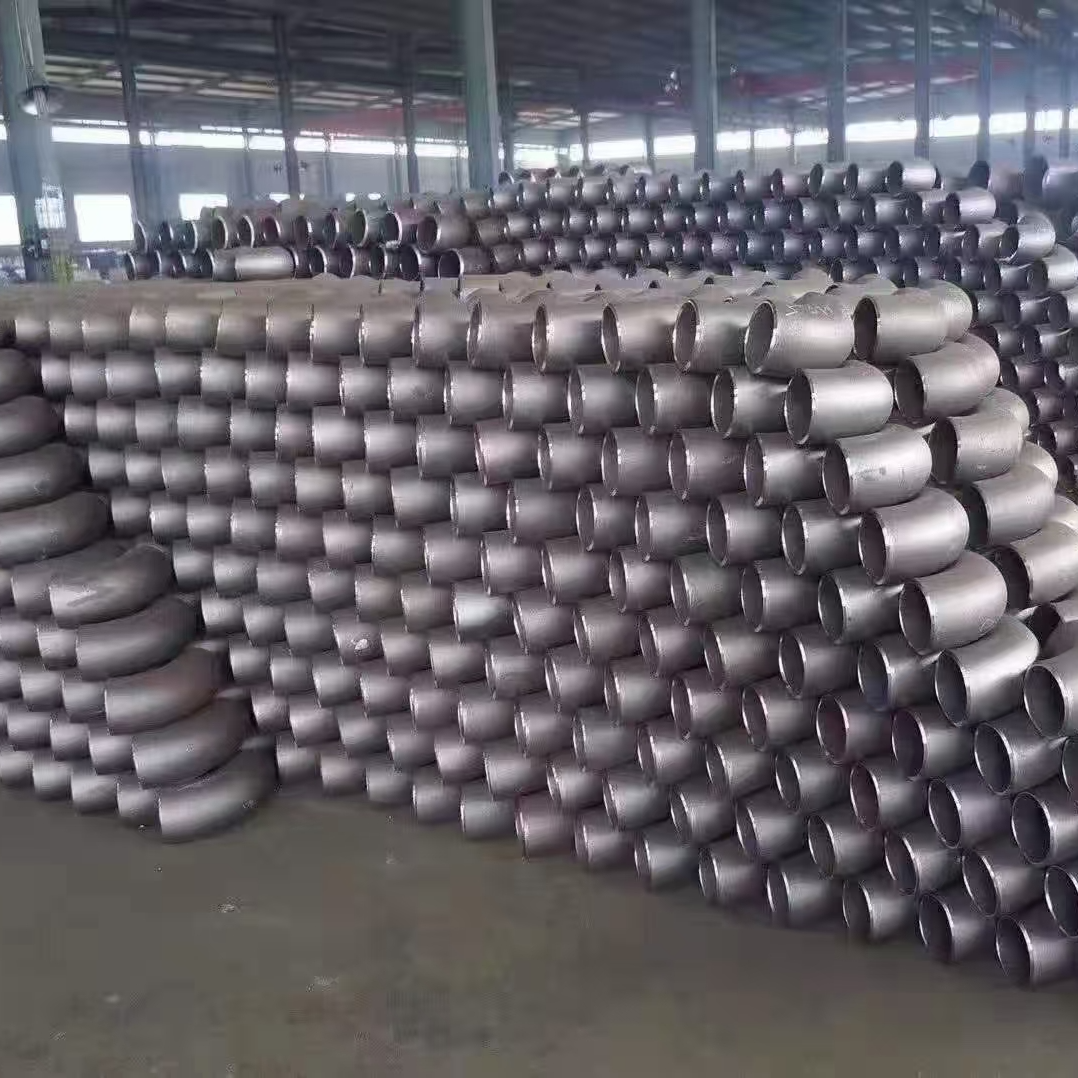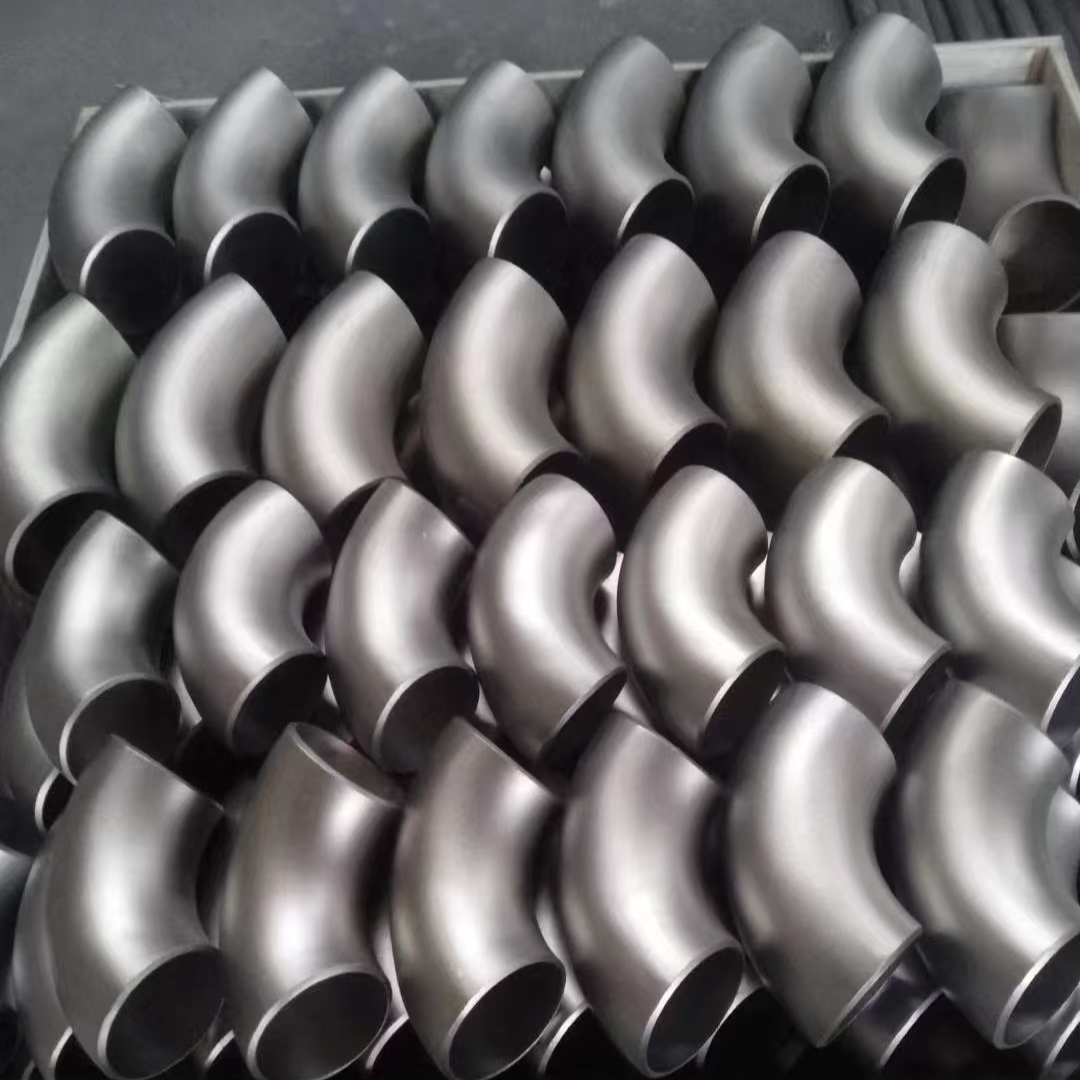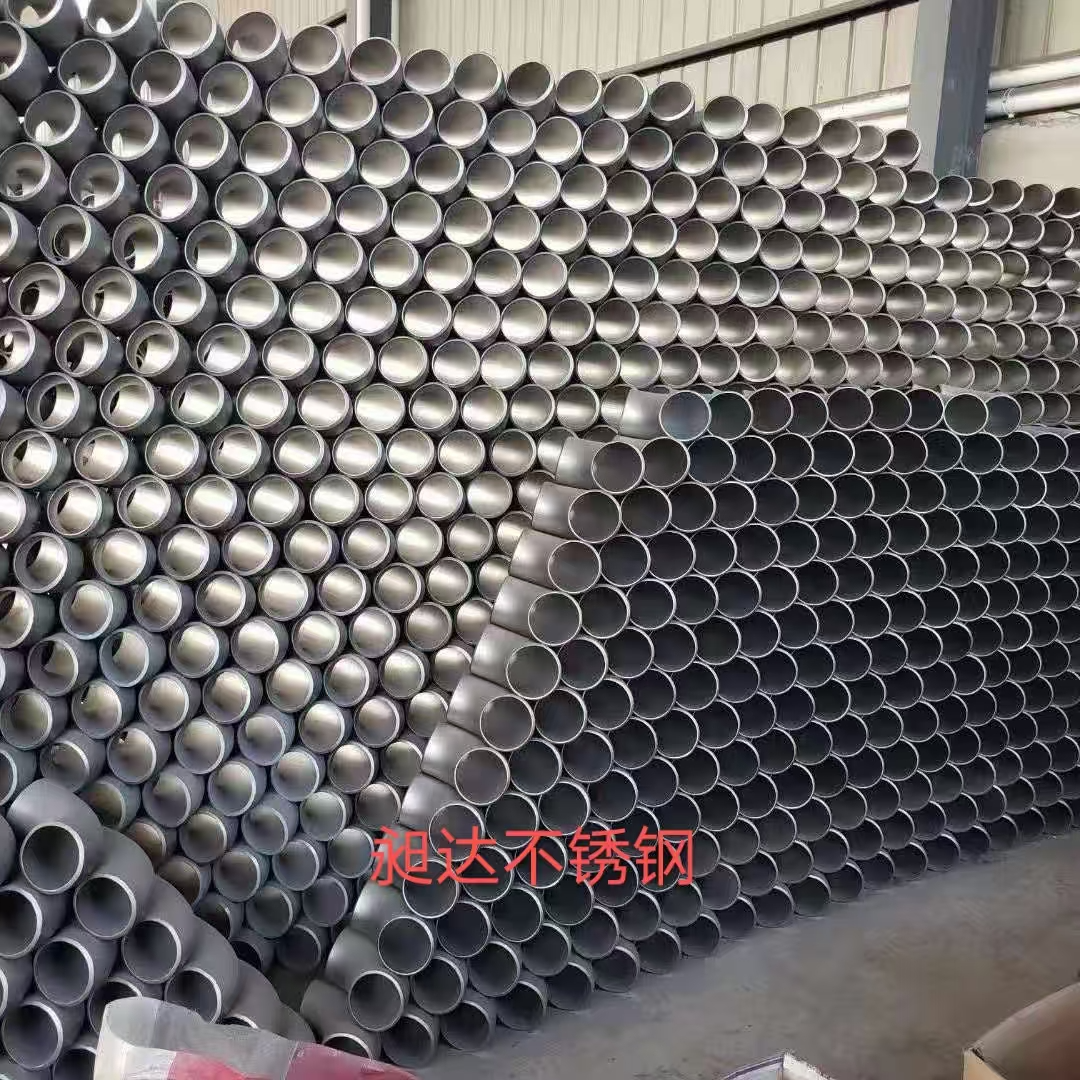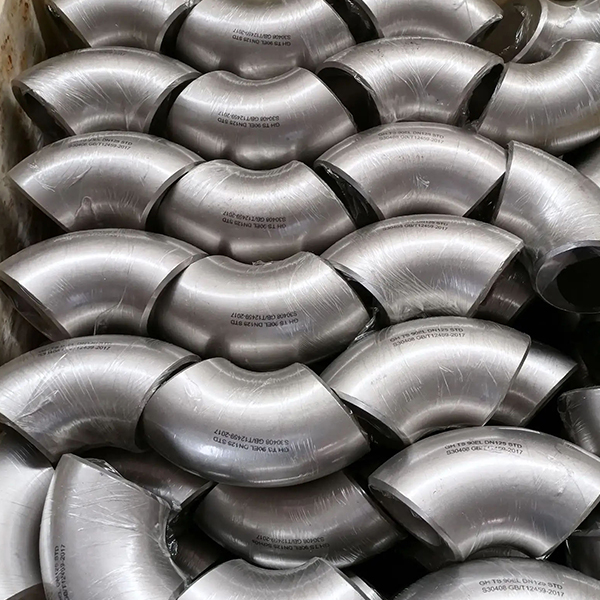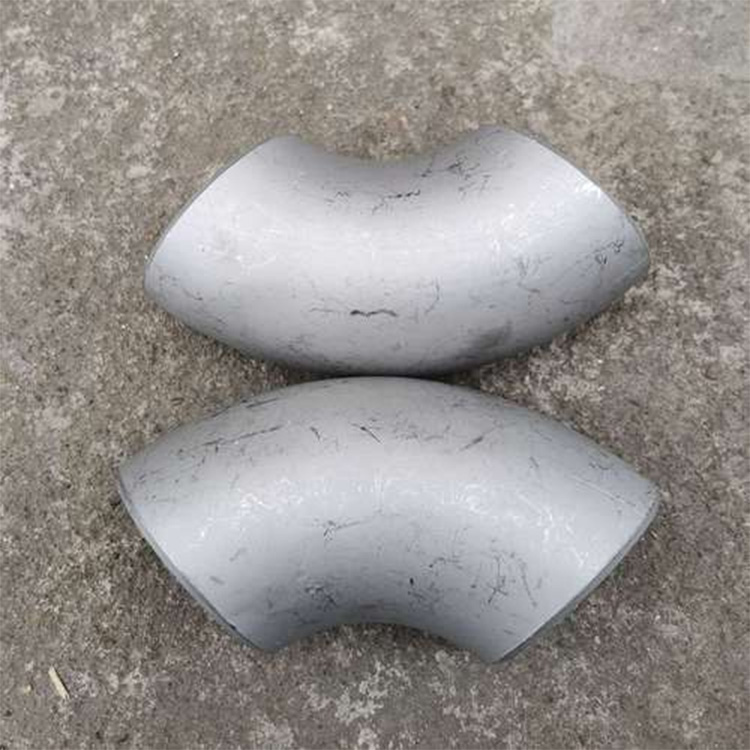

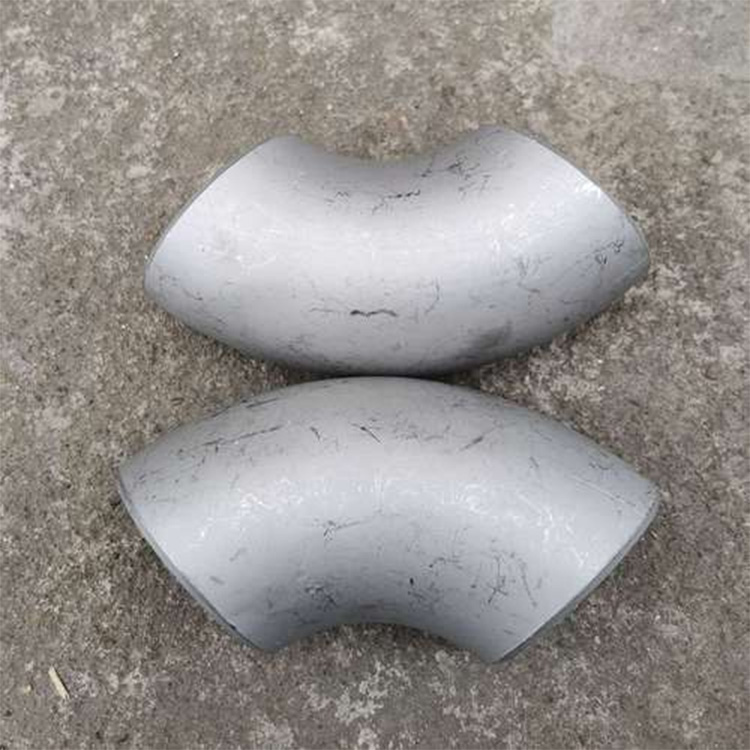
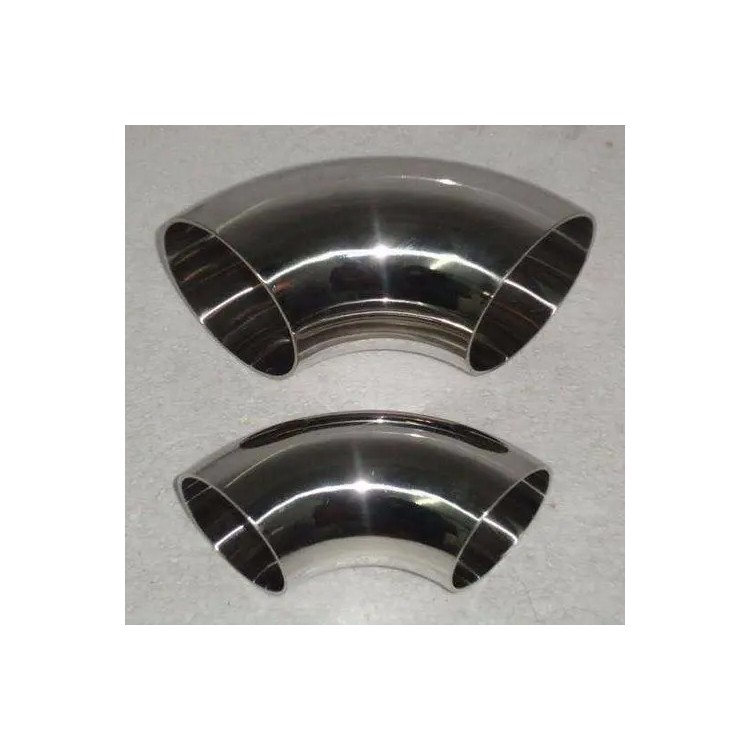
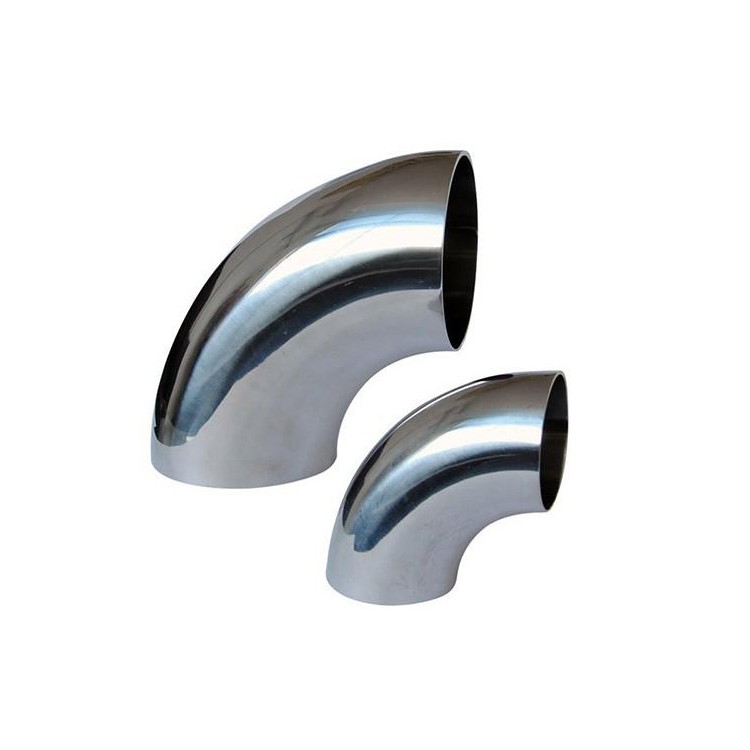


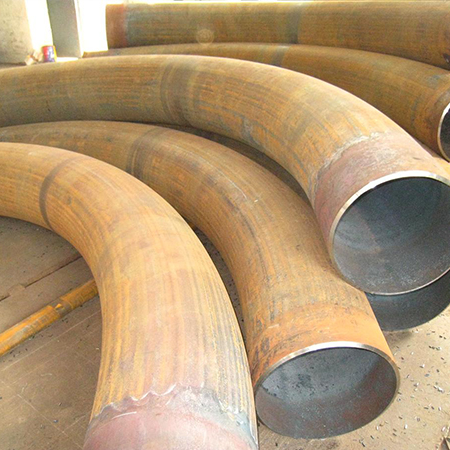
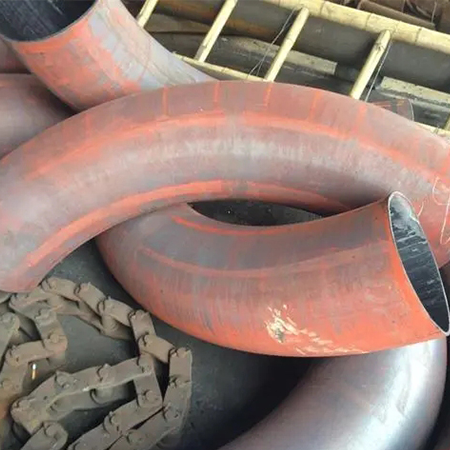
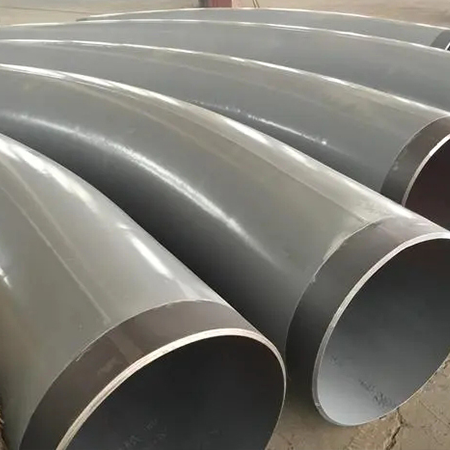
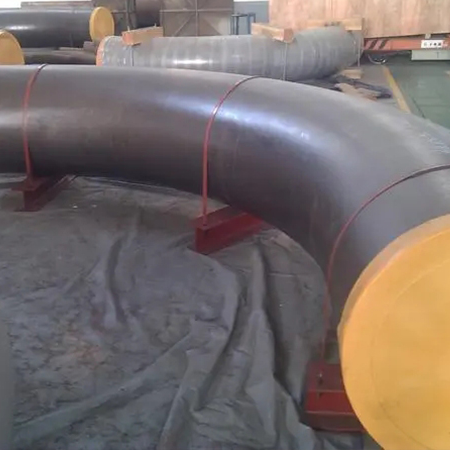
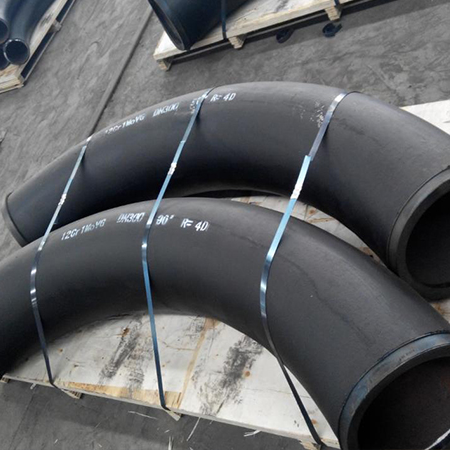





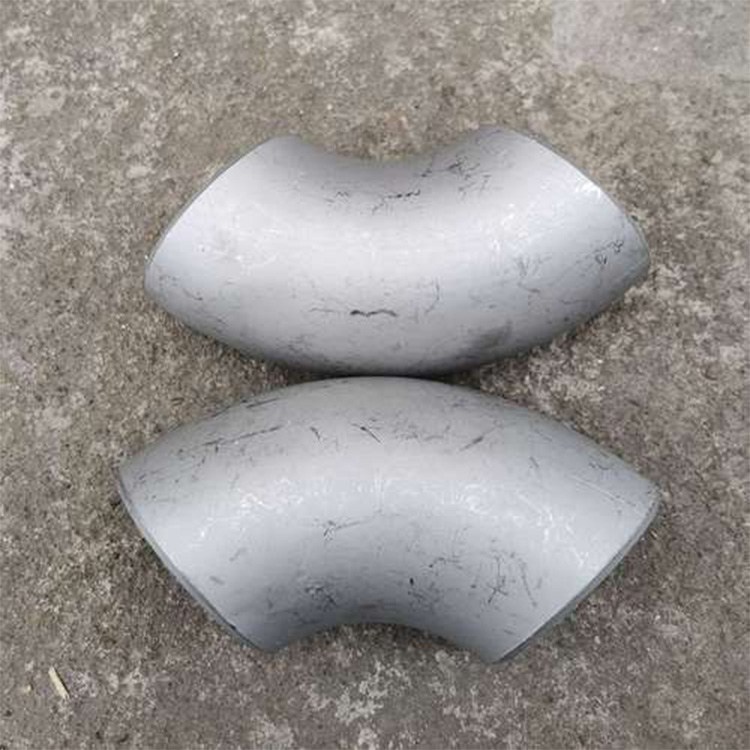
Stainless steel elbows differ from carbon steel elbows primarily in material; their chemical composition ensures the elbow surface remains rust-free and corrosion-resistant for an extended period.
In piping systems, elbows are pipe fittings used to change the direction of the pipeline. Commonly, there are three types based on angle: 45°, 90°, and 180°. Additionally, elbows with other non-standard angles, such as 60°, are included according to engineering requirements.
Section 1: Stainless steel elbow manufactured to standard can be converted to:
1. Classified by manufacturing standards, they can be divided into national standards, ship standards, electrical standards, water standards, American standards, German standards, Japanese standards, Russian standards, and so on.
2. Divided by manufacturing methods, it can be categorized into extrusion, forging, stamping, casting, etc.
90° stainless steel elbows are a type of connecting pipe fitting primarily used in pipeline installation, designed for joining pipes at bends. They connect two pipes with the same or different nominal bore sizes, allowing the pipeline to make a 90° turn.
2. Stainless steel elbows can be categorized by production process into: welded elbows, stamped elbows, hot-pressed elbows, expansion elbows, cast elbows, forged elbows, clamp elbows, etc. Other names: 90° elbows, right-angle elbows, ear elbows, stainless steel elbows, etc.