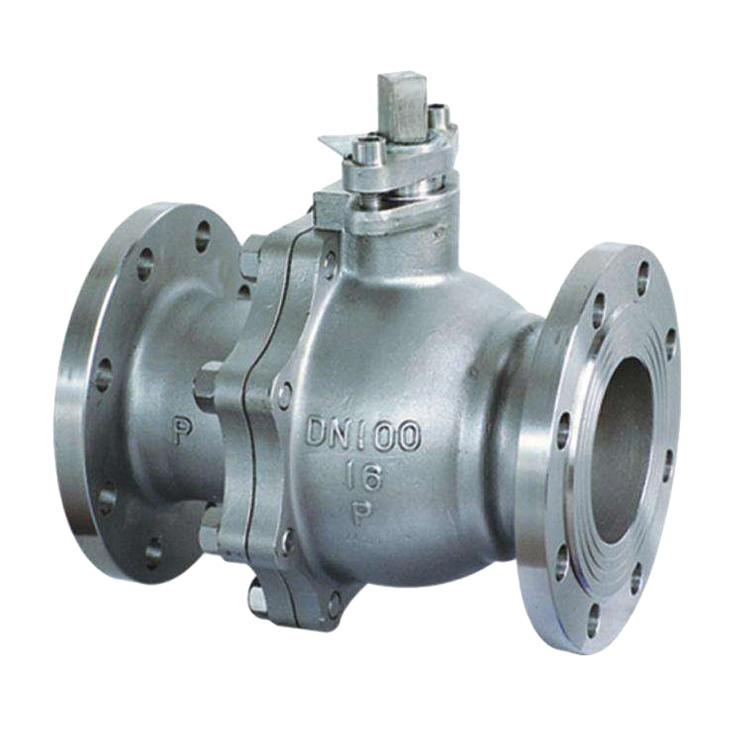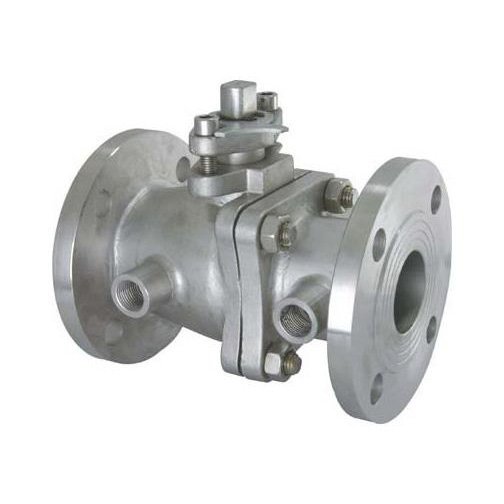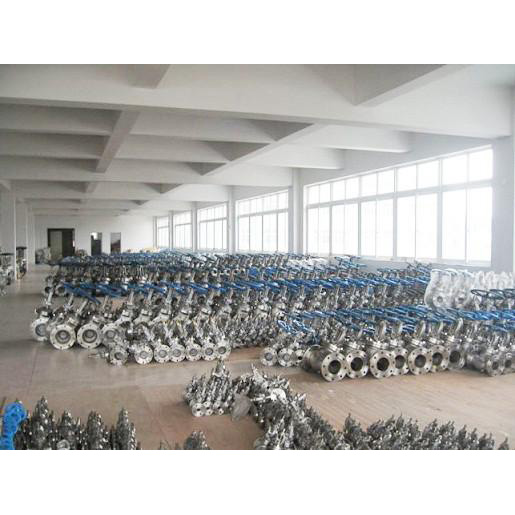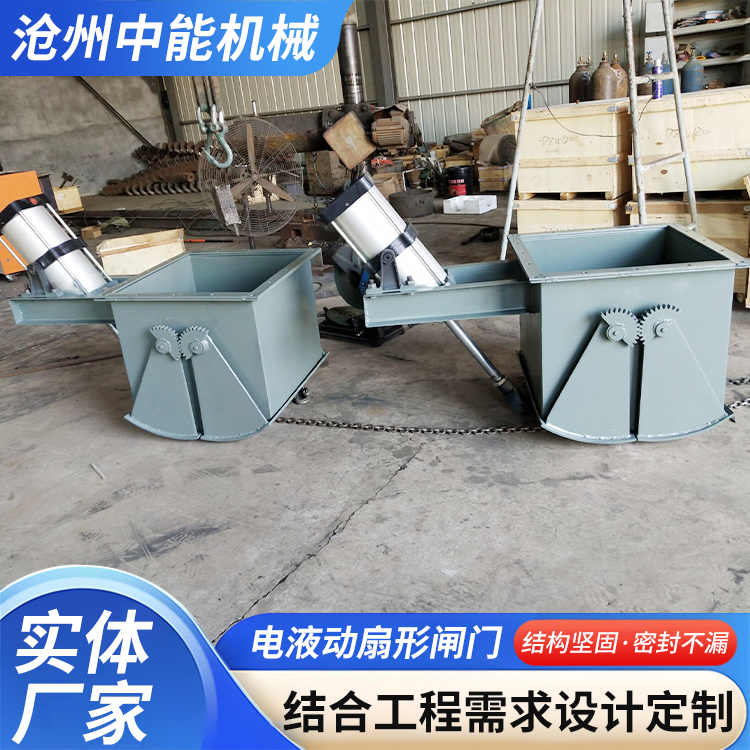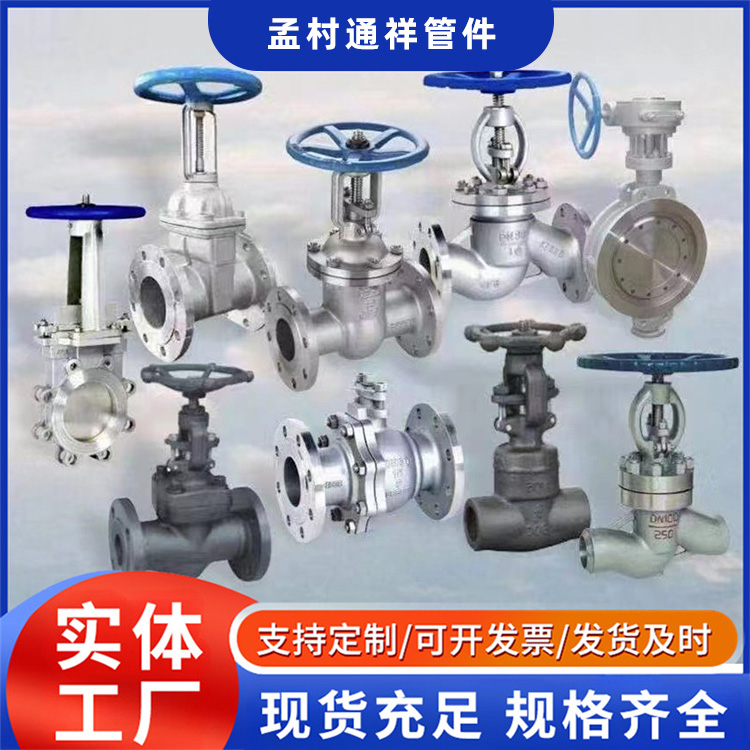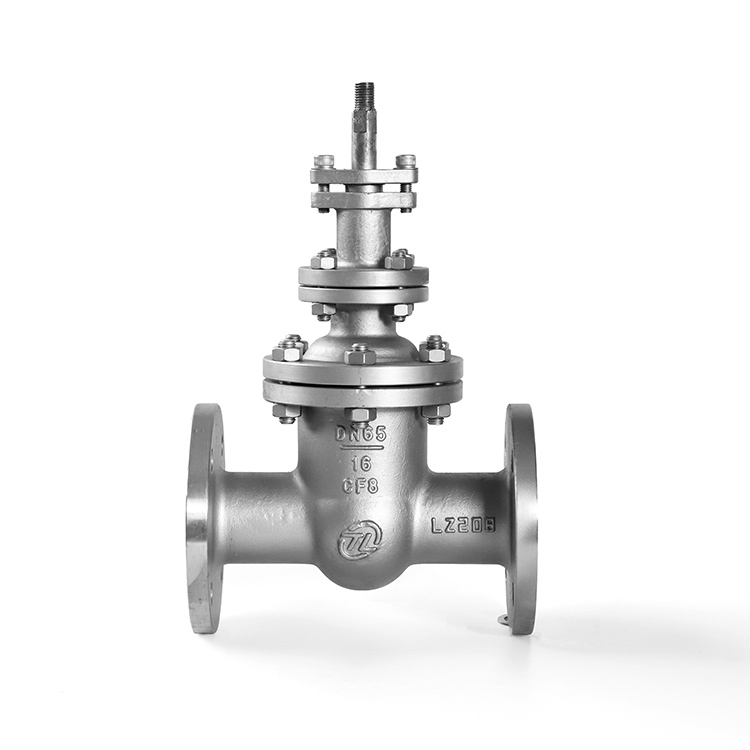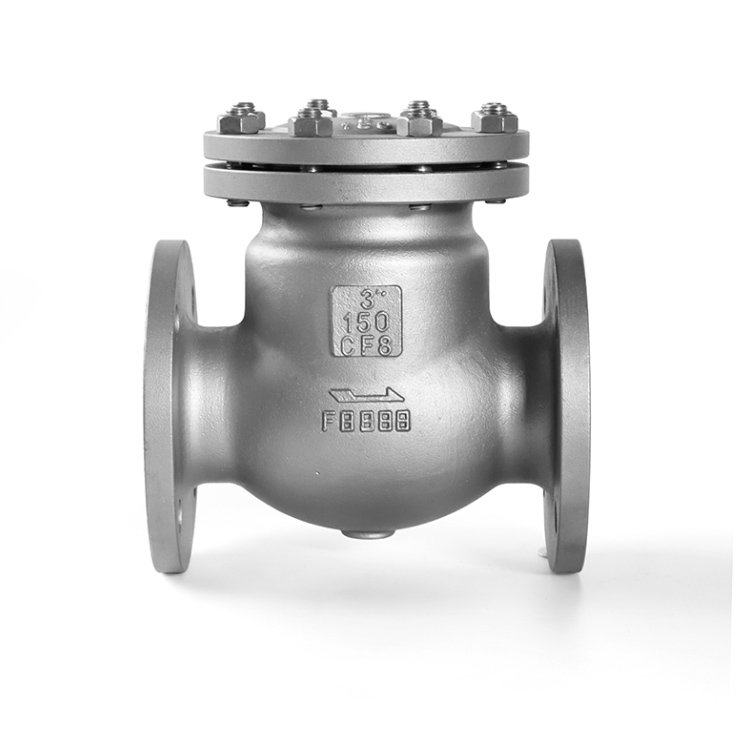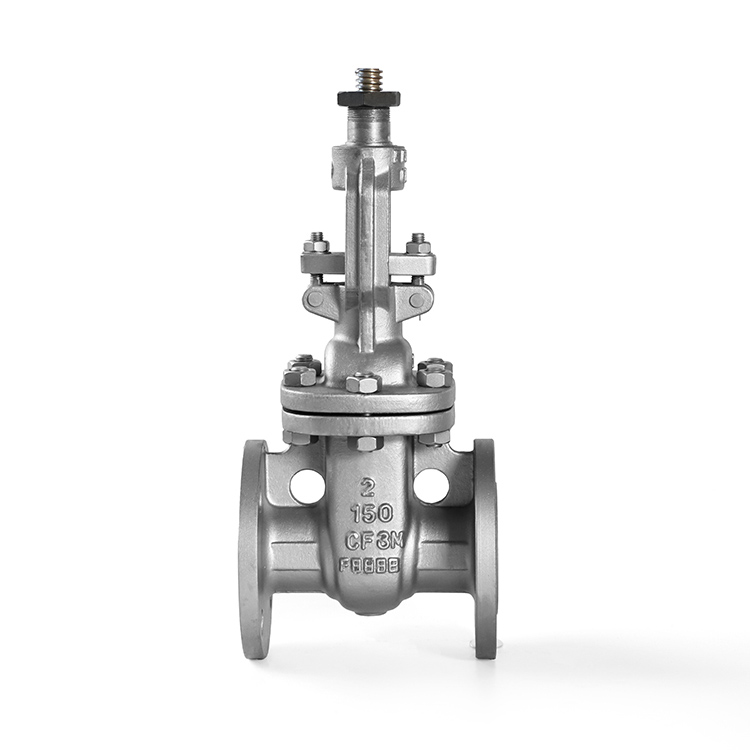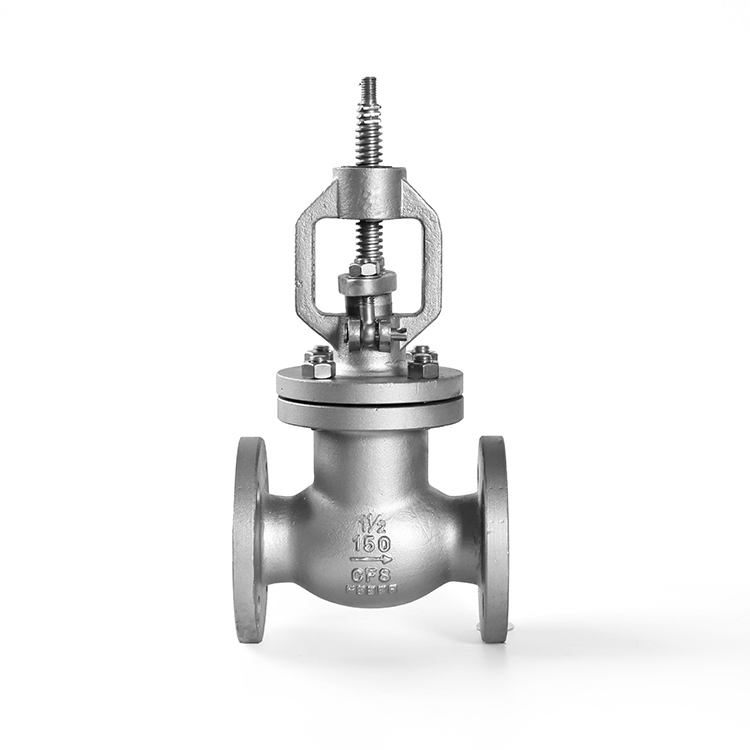



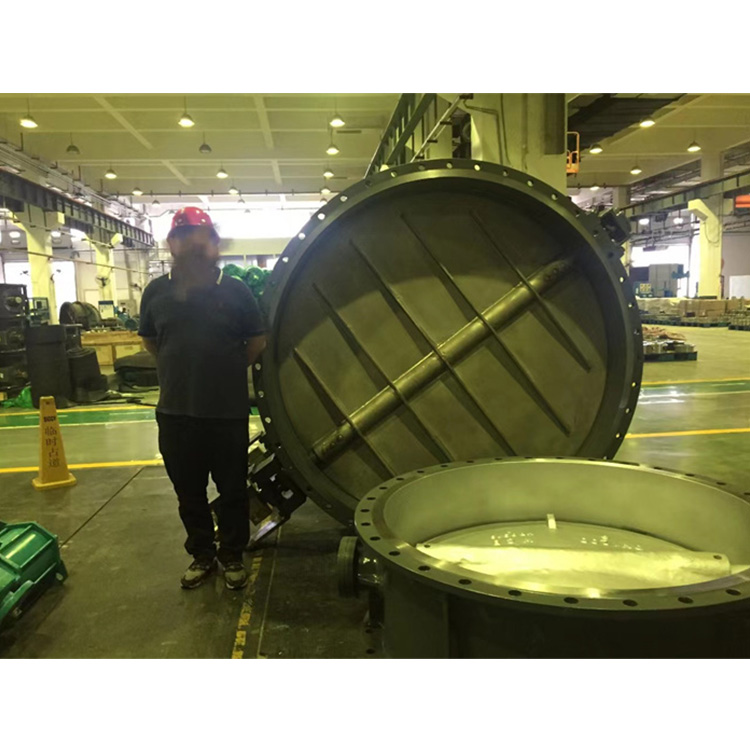
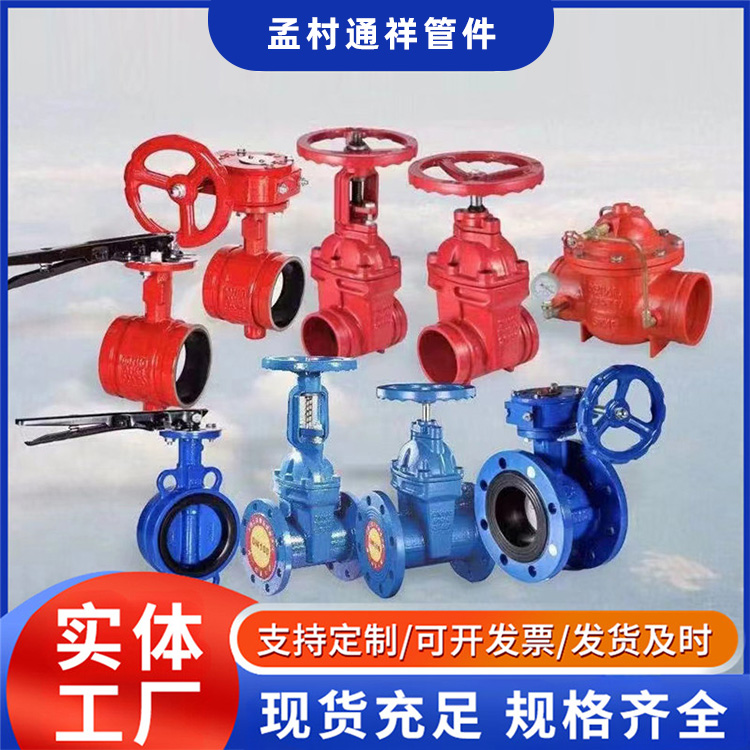
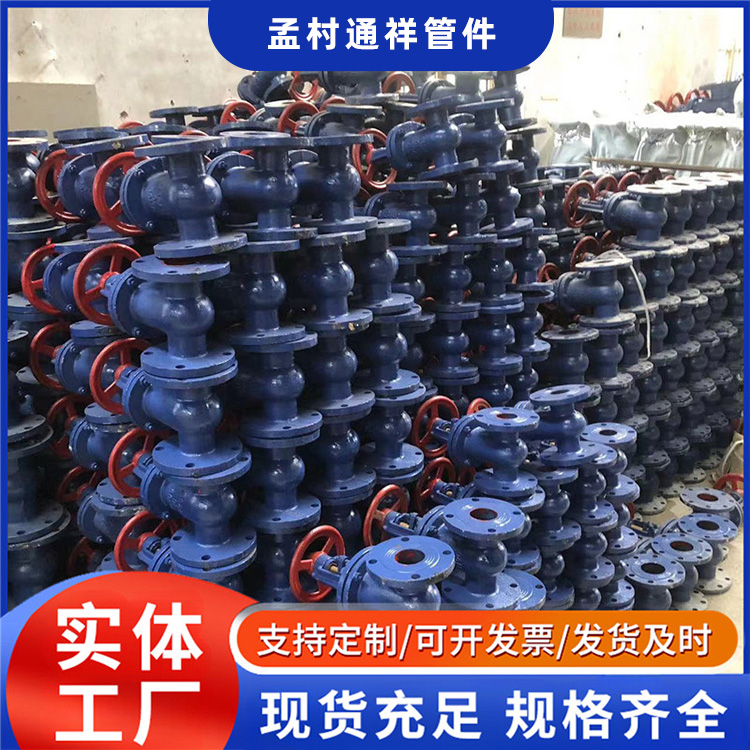





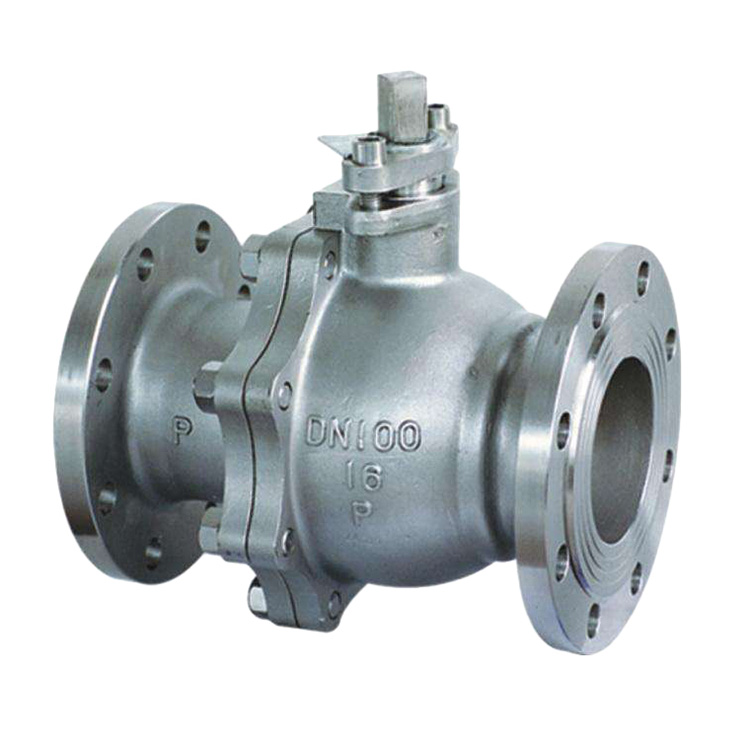
Stainless steel valves have a wide range of applications, including chemical, petrochemical, and oil industries. They come in sizes from a few millimeters to several meters, and are suitable for high vacuum to high-pressure conditions. Primarily used for fluid control, these valves range from simple gate valves to highly complex ones in automated systems, with a vast variety of types and specifications.
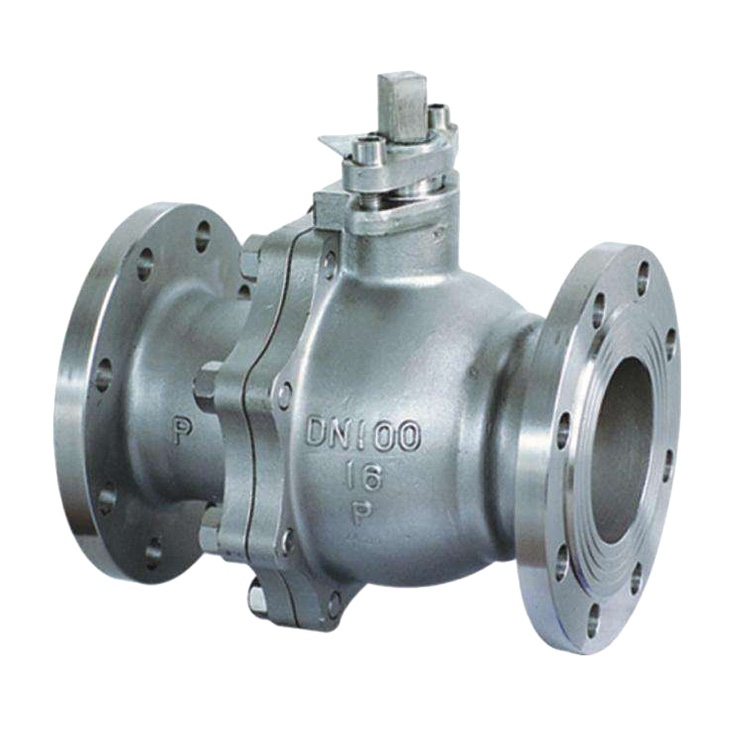
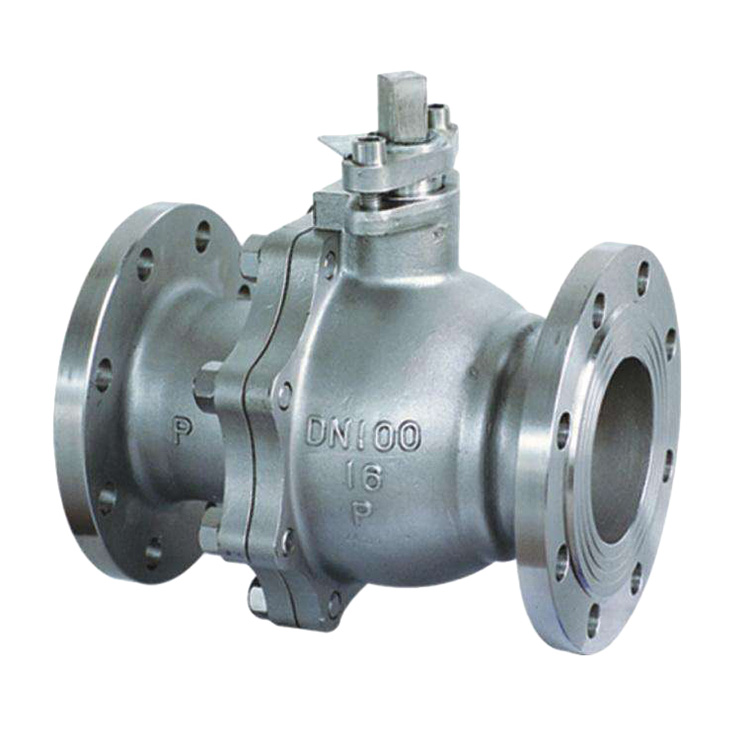
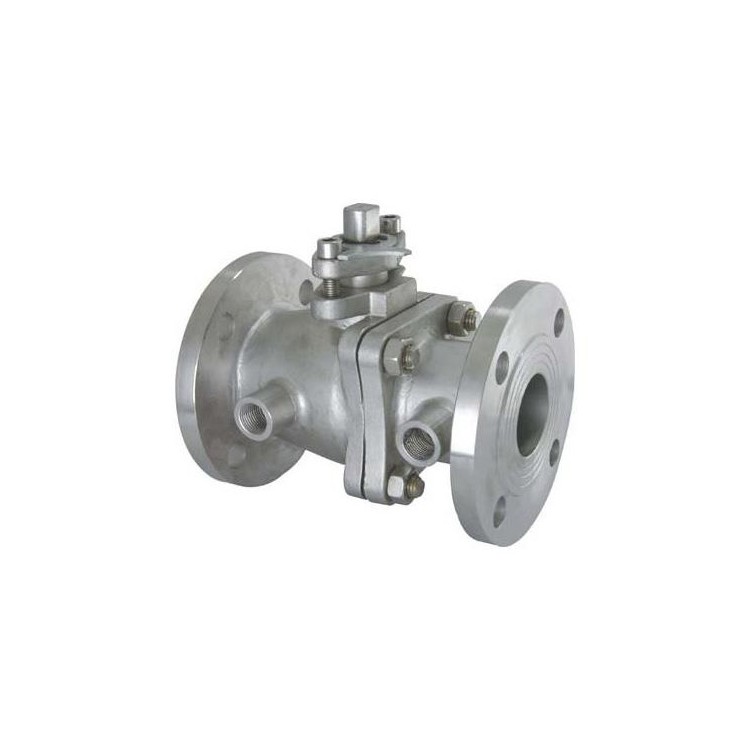
Stainless steel ball valves come in three types: pneumatic, electric, and manual. These ball valves should typically be installed horizontally in pipelines, and they belong to the same category as gate valves, with the only difference being that their closure is a sphere, which rotates around the valve body's centerline to open or close. The ball valve is a widely used type of modern valve. However, during the production process, stainless steel ball valves are highly prone to contact with other ferrous metal products. To ensure that the stainless steel valves remain rust-free throughout use, it is crucial to operate them in accordance with the specified guidelines.
Advantages of stainless steel valves:
1. Low fluid resistance, with the same drag coefficient as a pipe section of equal length.
2. Simple structure, compact, and lightweight.
3. Tight and reliable, plastic is widely used as the sealing material for ball valves due to its good sealing properties, and they are also extensively utilized in vacuum systems.
4. Easy to operate, quick to open and close; it takes only a 90° rotation from fully open to fully closed, making it convenient for long-distance control.
5. Easy maintenance, the pneumatic ball valve has a simple structure; the sealing rings are generally movable, making disassembly and replacement convenient.
6. When fully open or fully closed, the sealing surface of the sphere and valve seat is isolated from the medium. The medium passing through does not cause erosion of the valve sealing surface.
7. Wide application range, suitable for pipe sizes from a few millimeters to several meters, and can be used from high vacuum to high pressure.
Installation Method for Stainless Steel Valves:
Before maintenance, installation, and usage of daily stainless steel valves, ensure that the model and specifications of the valves match the design.
2. Check the valve model and the manufacturer's instruction manual to confirm its suitability for application under the required conditions.
3. When hoisting valves, the ropes should be tied at the flange connection between the valve body and the valve cover; avoid tying them to the handwheel or valve stem to prevent damage to the handwheel and valve stem.
4. When installing valves on horizontal pipelines, the valve stem should be vertically upward; it is not allowed to install the valve stem downward.
5. When installing valves, do not use a forceful, rough connection method to强行 align them, as this may cause damage due to uneven force distribution.
6. Angle seat gate valves should not be installed in damp underground areas to prevent valve stem corrosion.