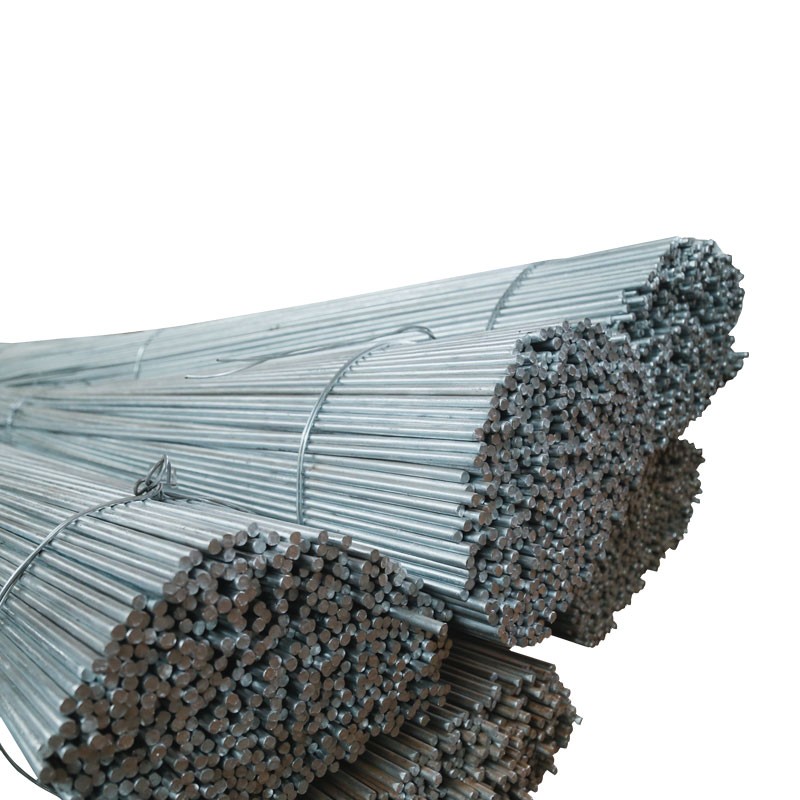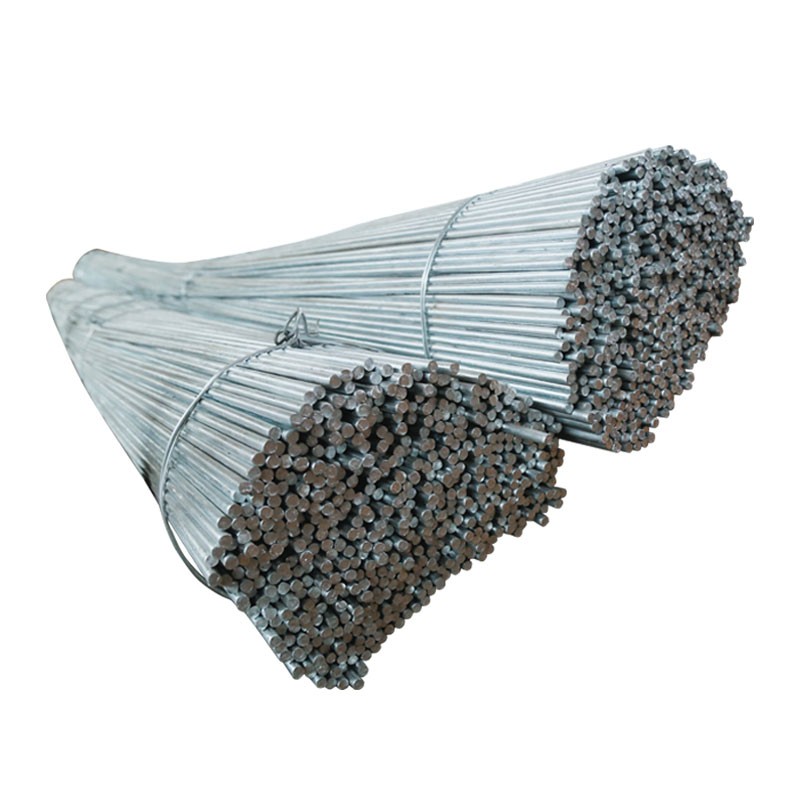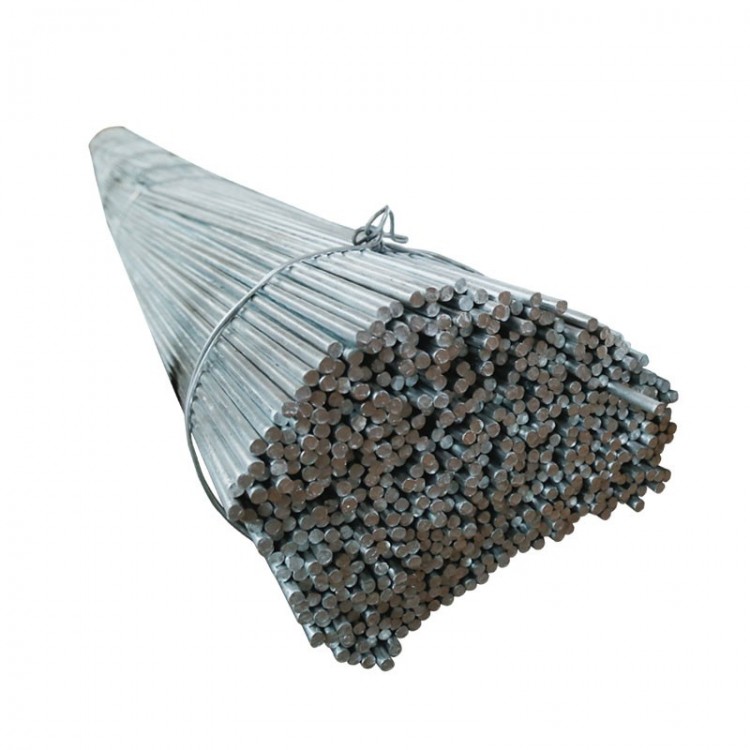


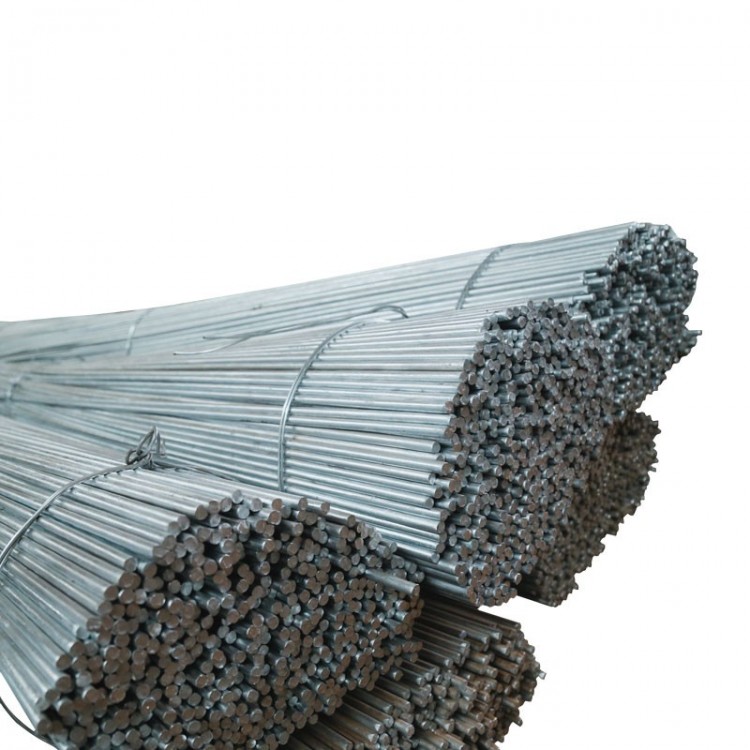
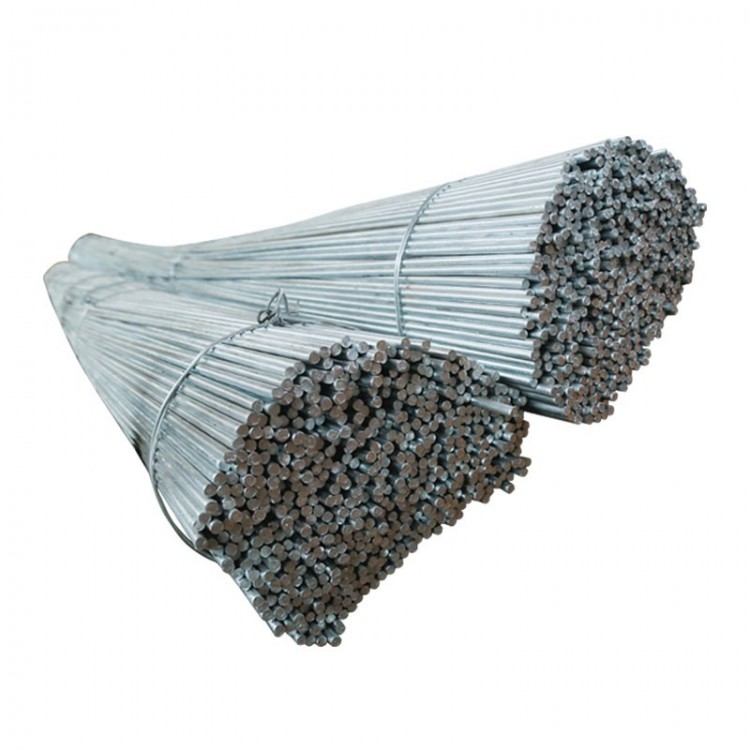











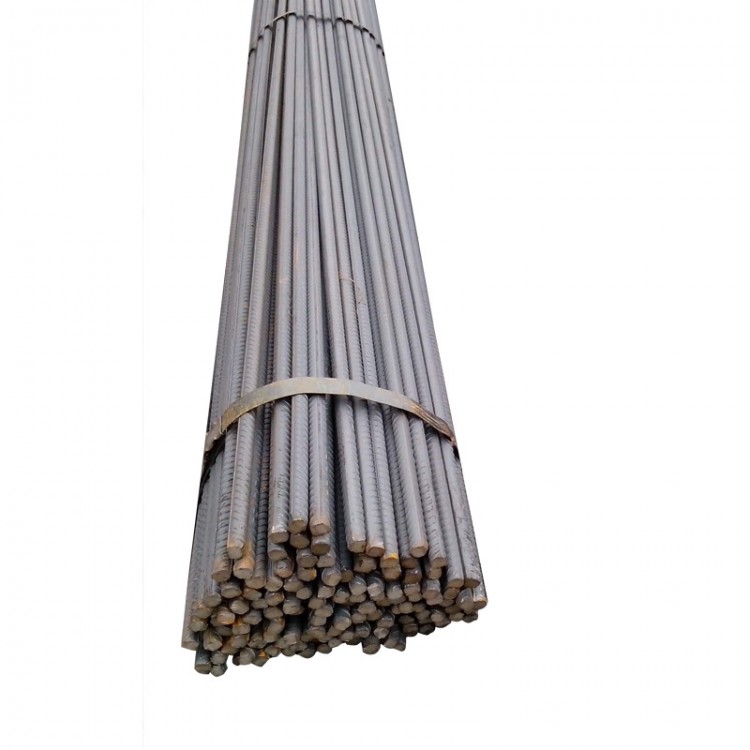
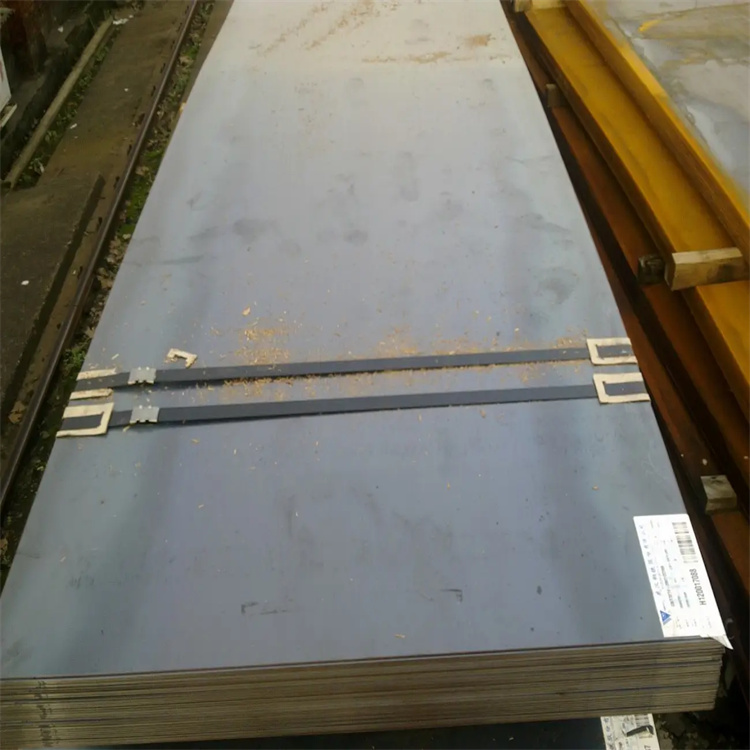


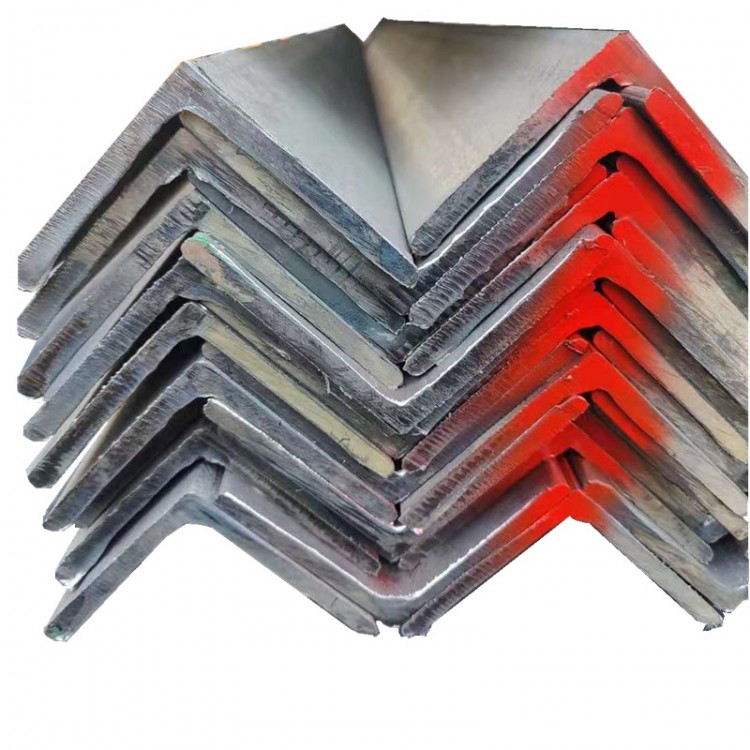
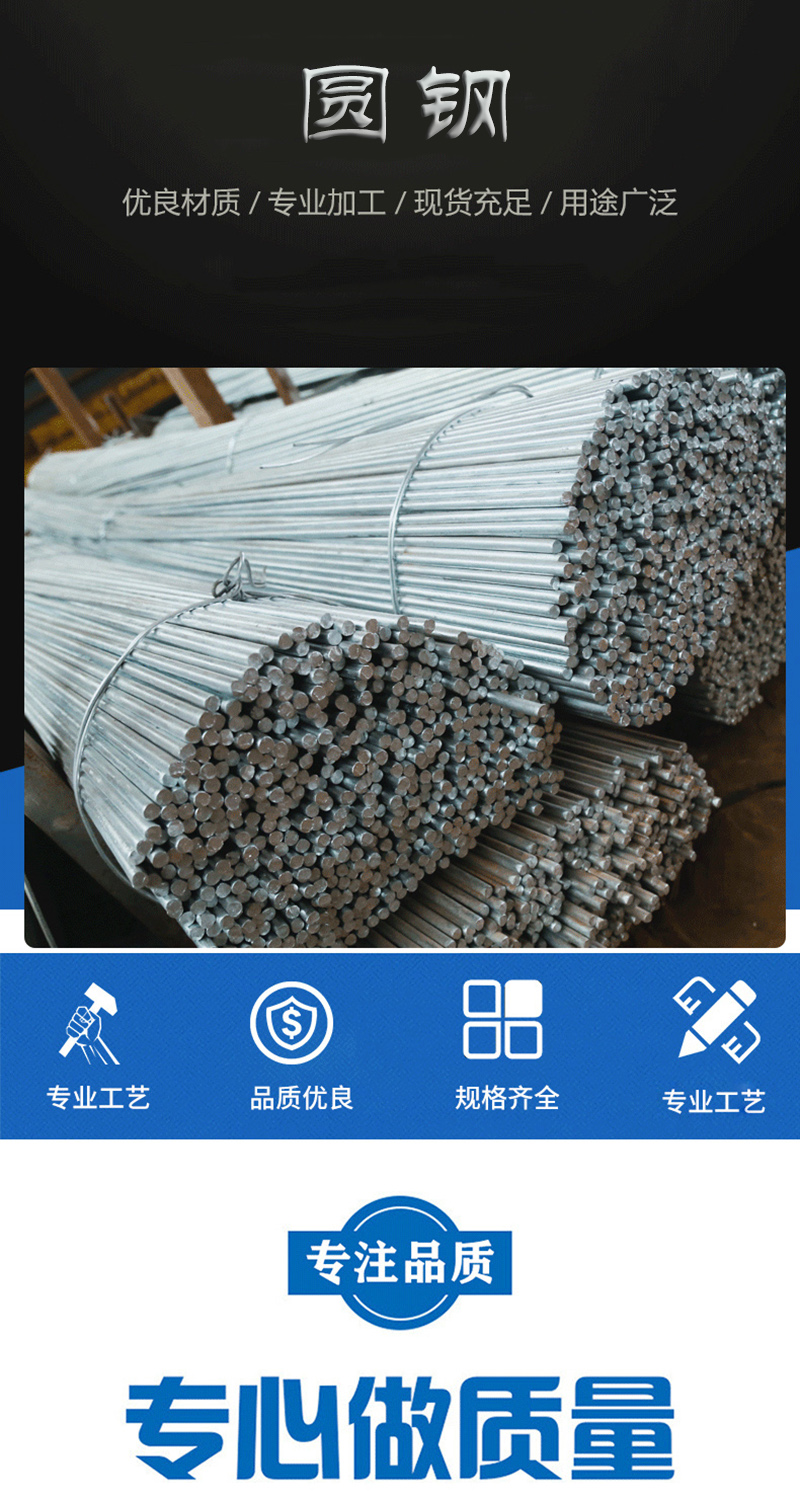
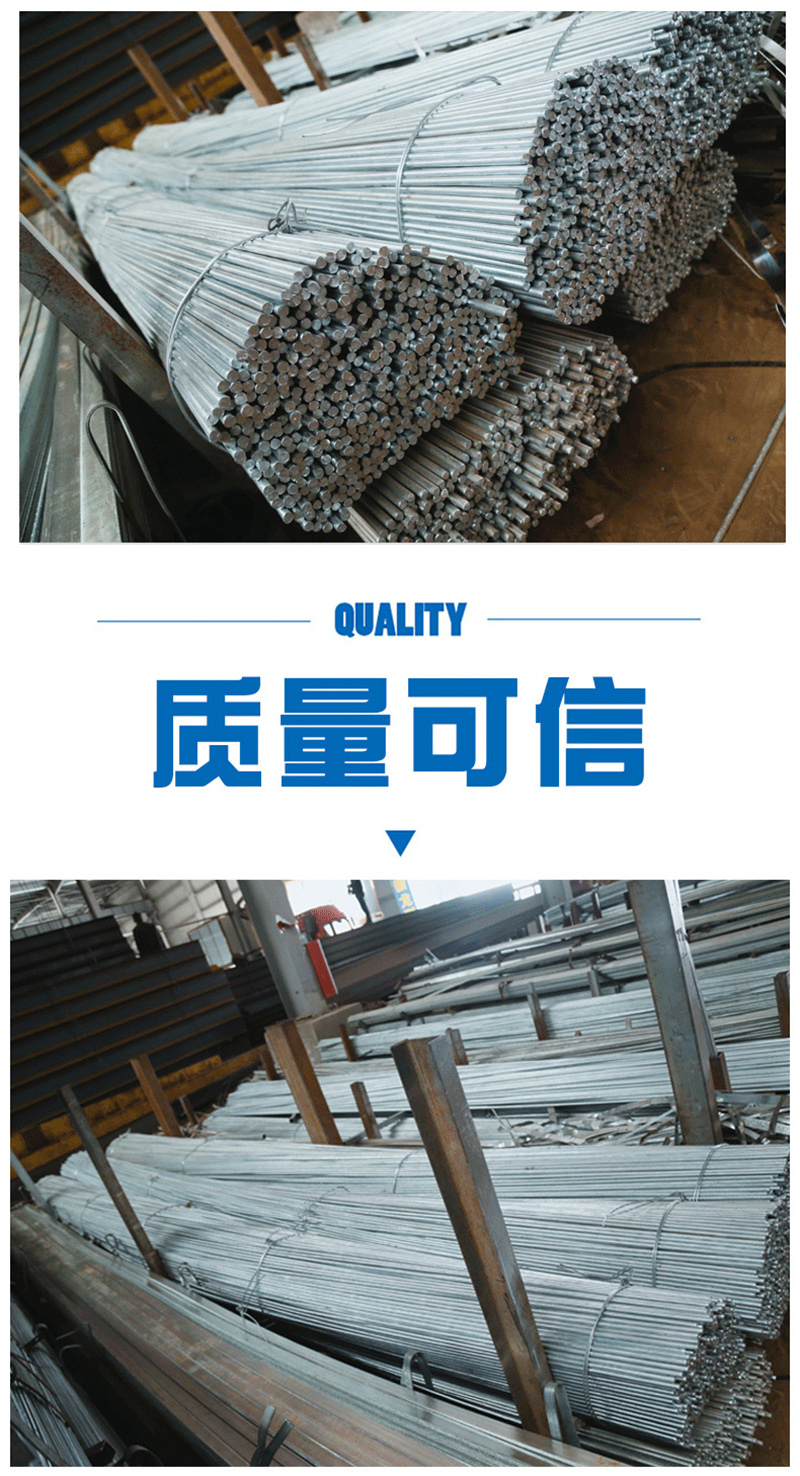
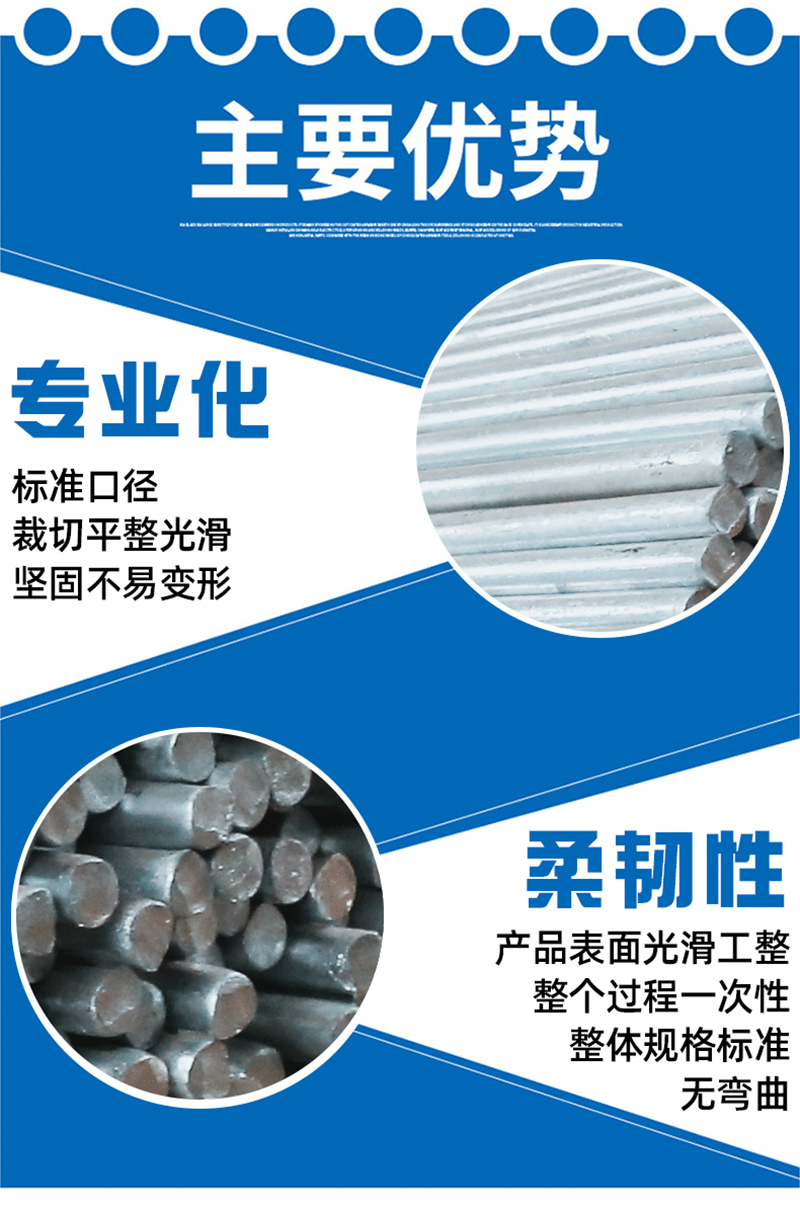
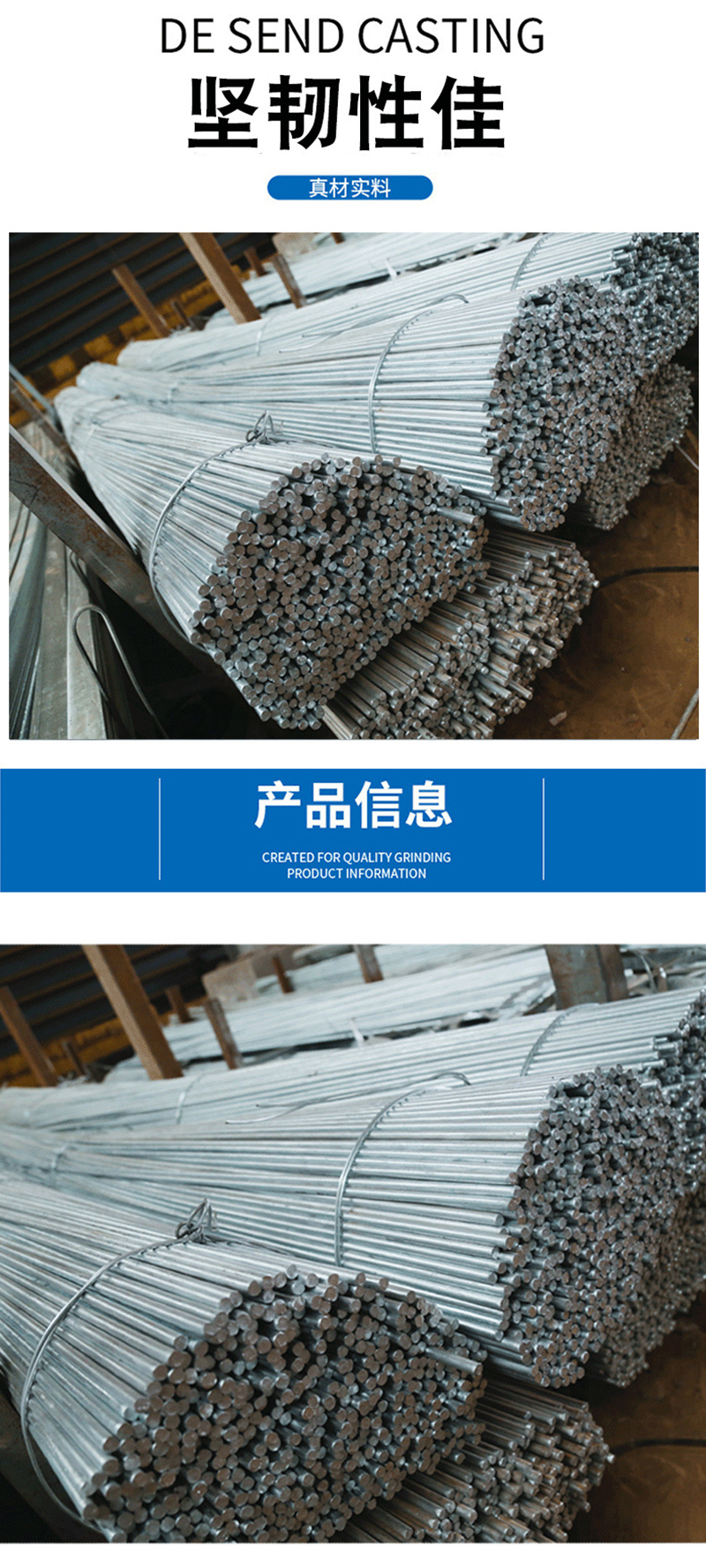
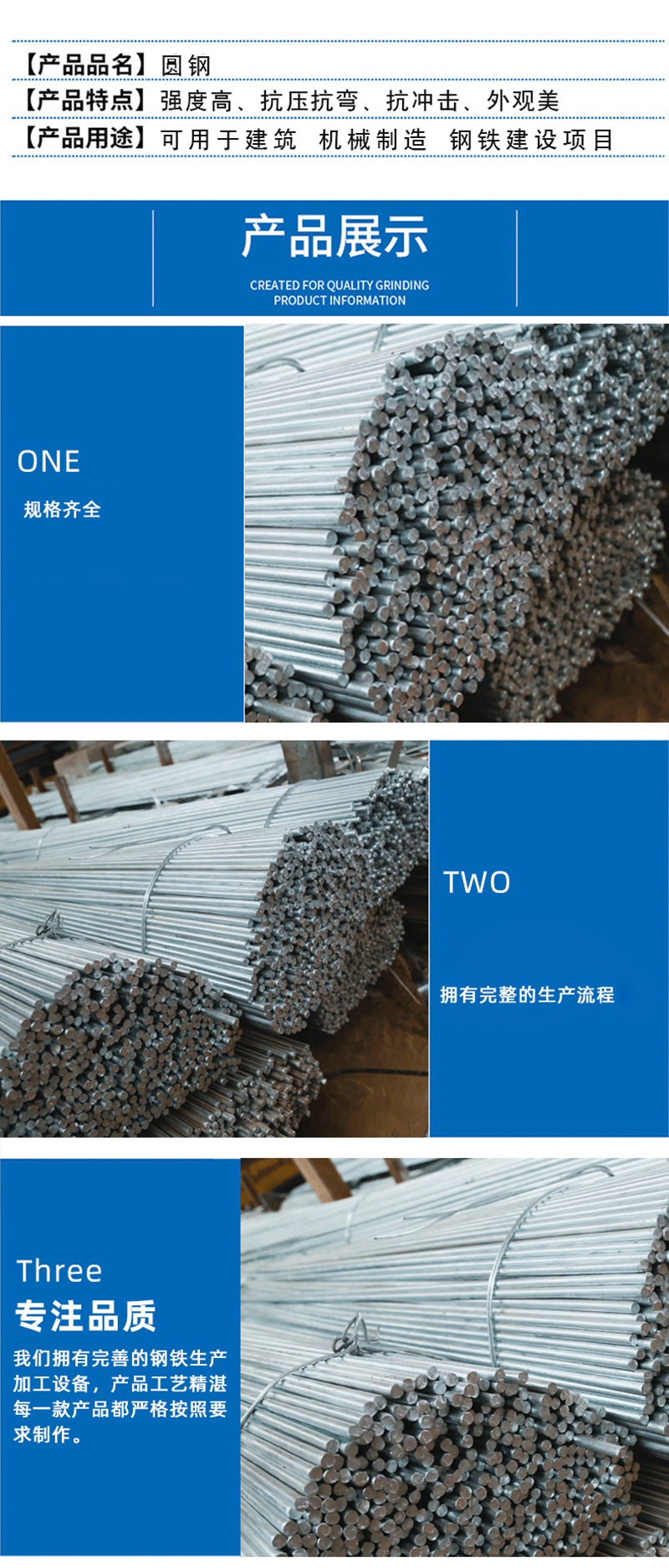
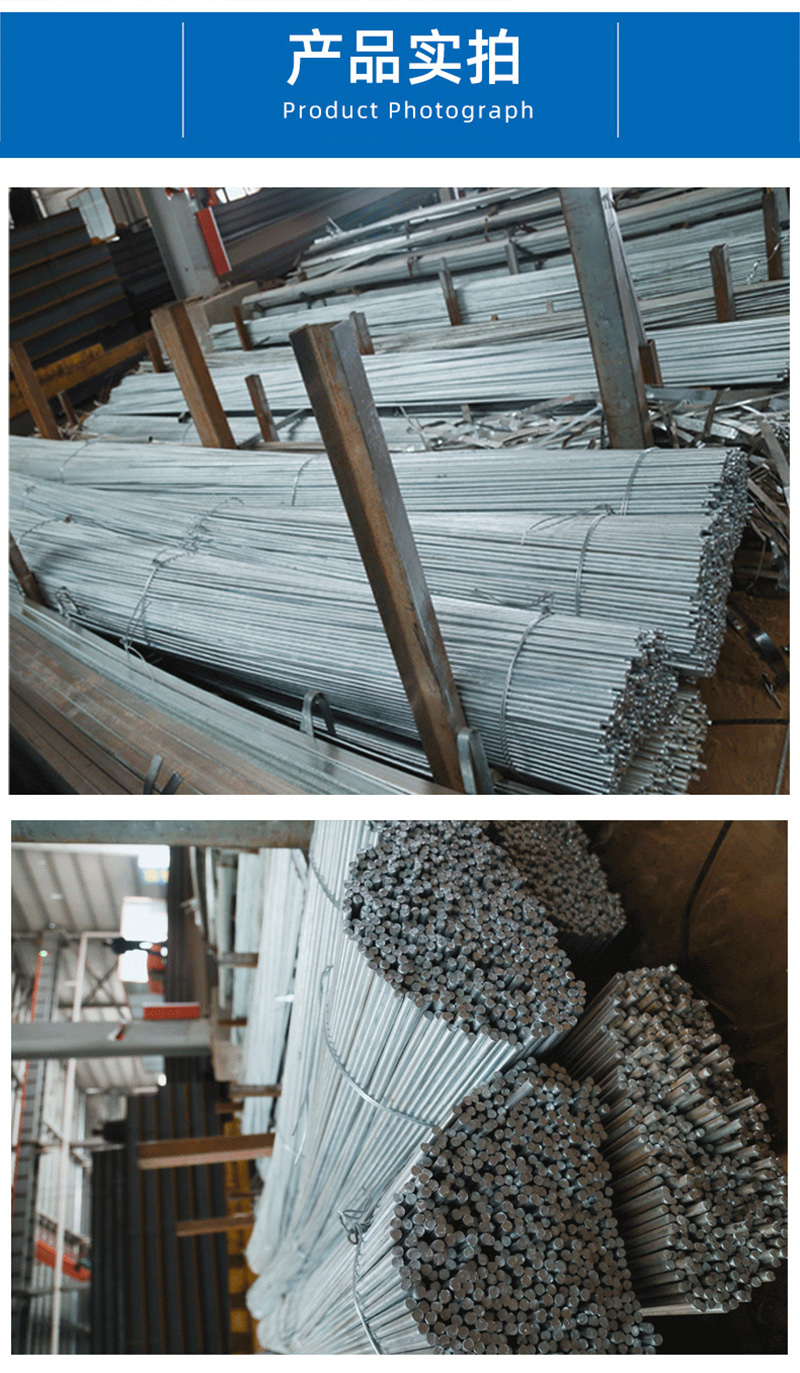
Round steel is categorized by chemical composition. Carbon steel, classified by chemical composition (i.e., carbon content), can be divided into low-carbon steel, medium-carbon steel, and high-carbon steel.
Low-carbon steel
Also known as soft steel, low-carbon steel with carbon content ranging from 0.10% to 0.30% is easily adaptable to various processes such as forging, welding, and cutting. It is commonly used in the manufacture of chains, rivets, bolts, shafts, and more.
(2) Medium carbon steel
Carbon content of 0.25% to 0.60%. Offers various types such as plain steel, semi-steel, and boiling steel. Besides carbon, it can also contain a small amount of manganese (0.70% to 1.20%). Divided into carbon structural steel and ordinary carbon structural steel based on quality. Good hot working and cutting properties, but poor welding properties. Higher in strength and hardness compared to low-carbon steel, but lower in ductility and toughness. Can be used directly without heat treatment, or after heat treatment. Medium-carbon steel after quenching and tempering exhibits excellent comprehensive mechanical properties. Achievable hardness is around HRC55 (HB538), with σb ranging from 600 to 1100 MPa. Therefore, medium-carbon steel is widely used in various applications at medium strength levels, in addition to being used as building materials, it is also extensively employed in manufacturing various mechanical parts.
(3) High-carbon steel
Commonly known as tool steel, with carbon content ranging from 0.60% to 1.70%, capable of quenching and tempering. Hammers and crowbars are made from steel with 0.75% carbon content; cutting tools such as drills, taps, and reamers are made from steel with carbon content between 0.90% and 1.00%.