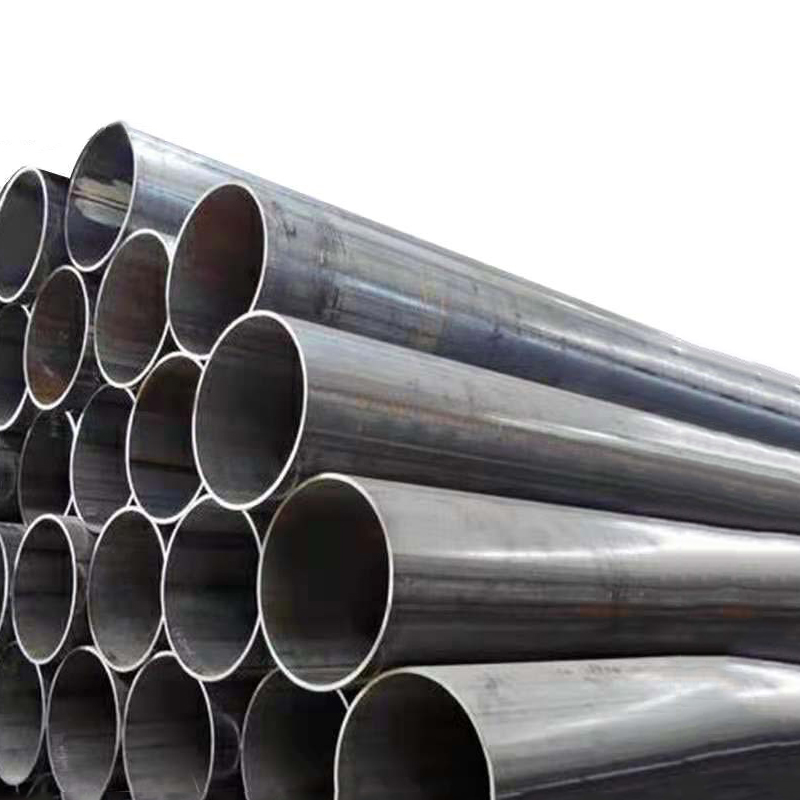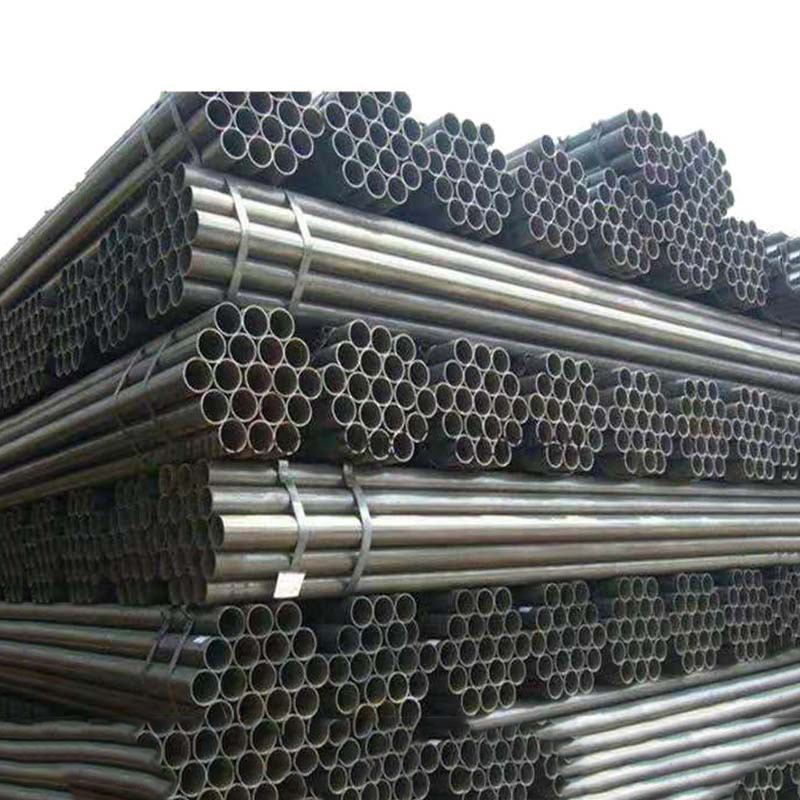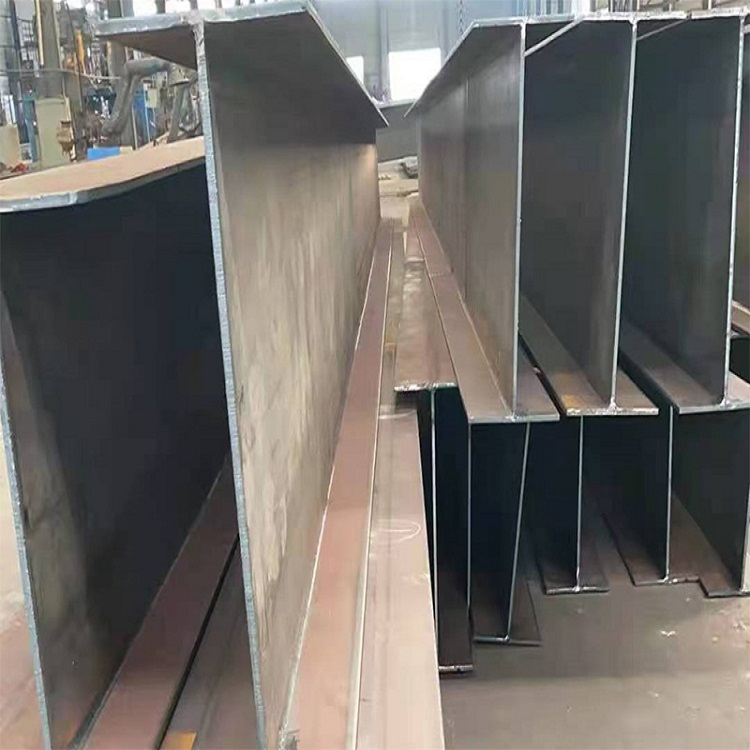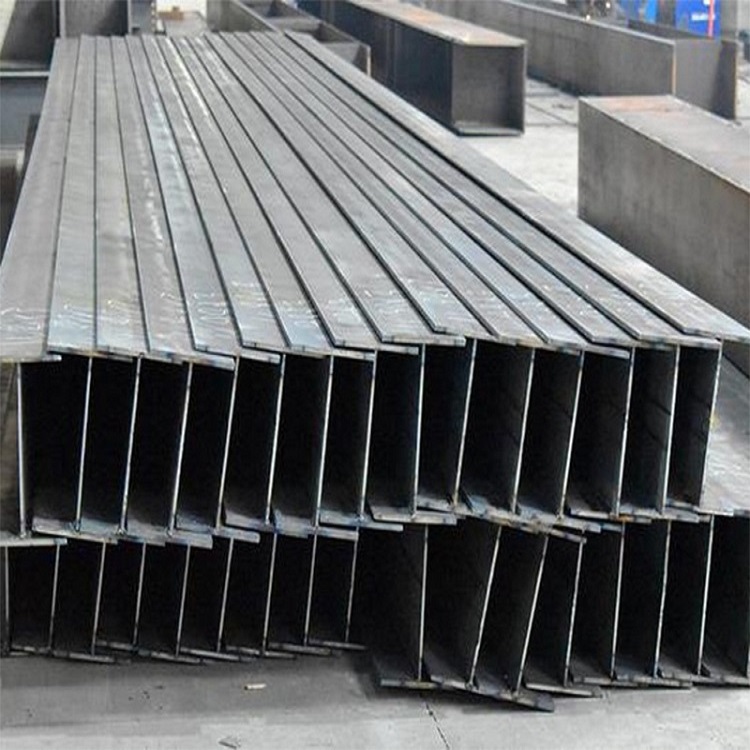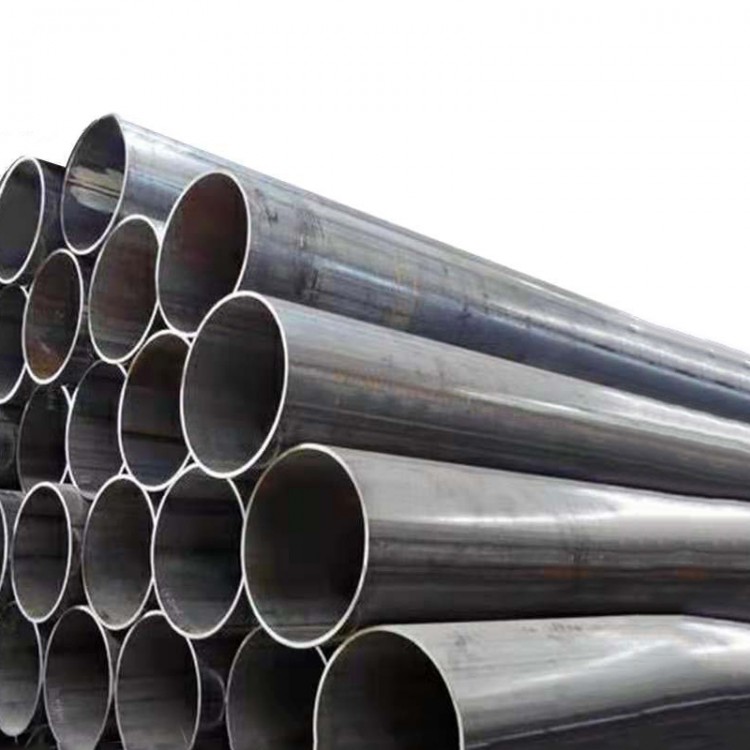


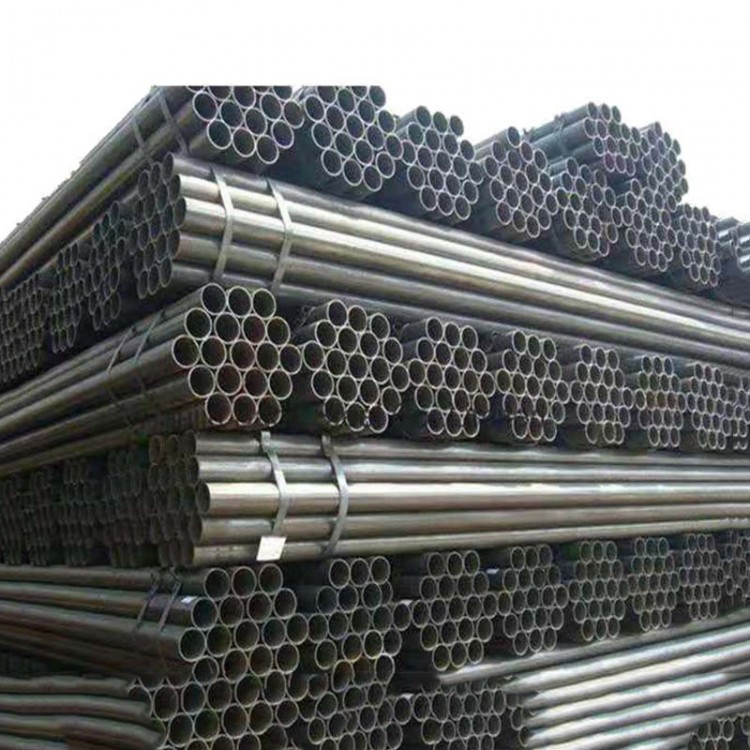
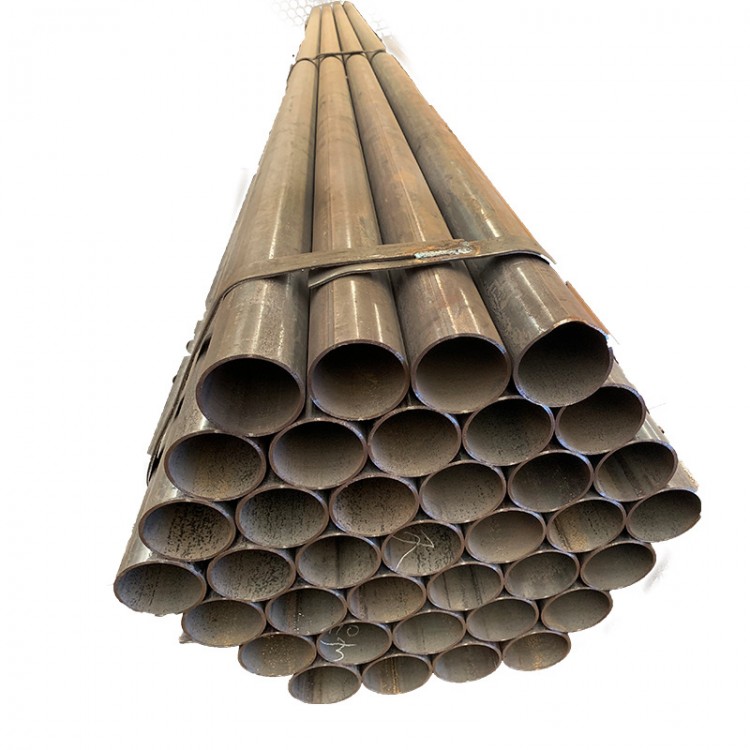












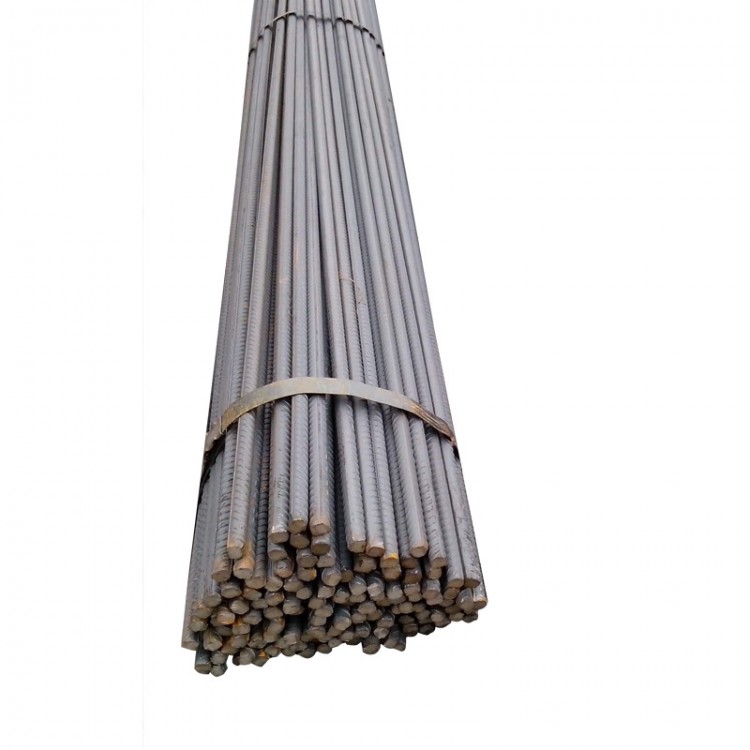
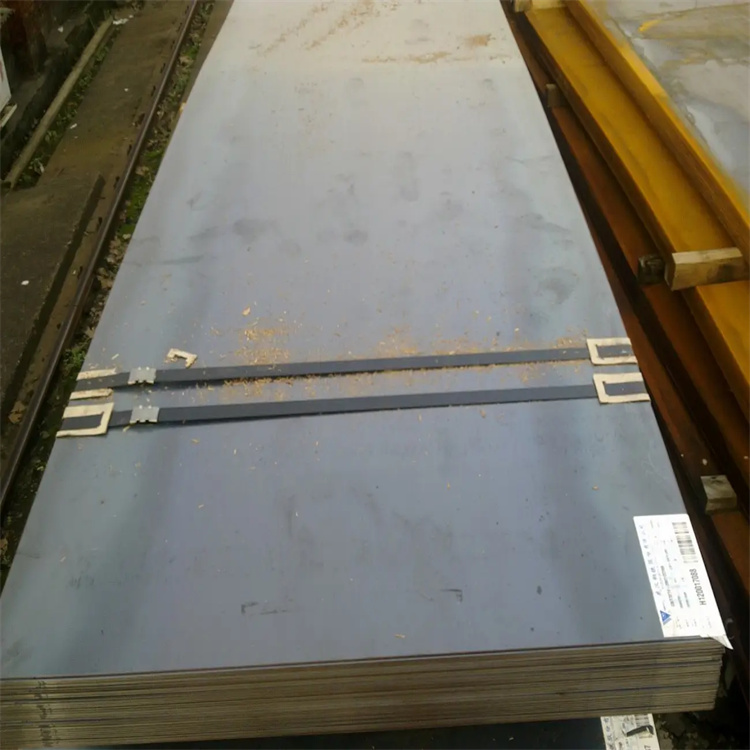


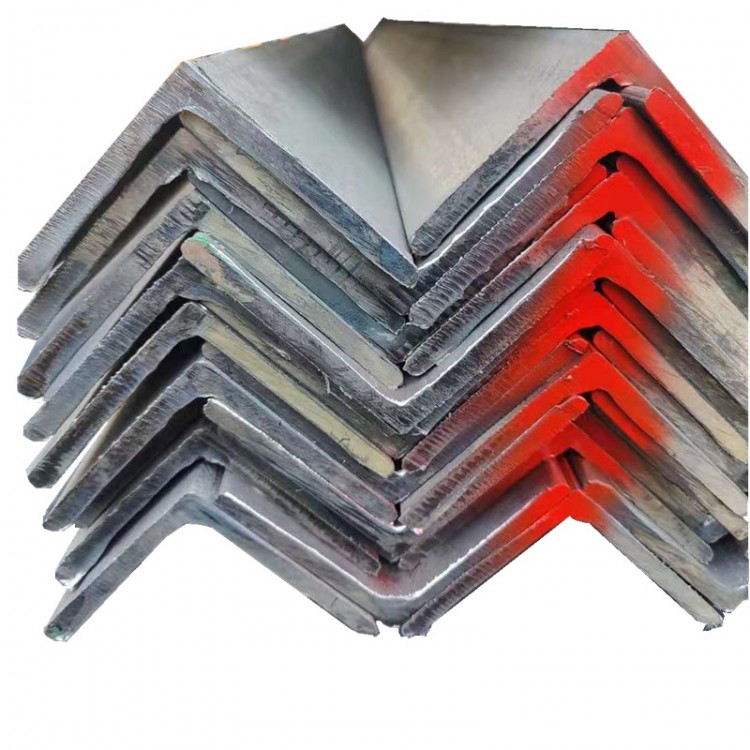
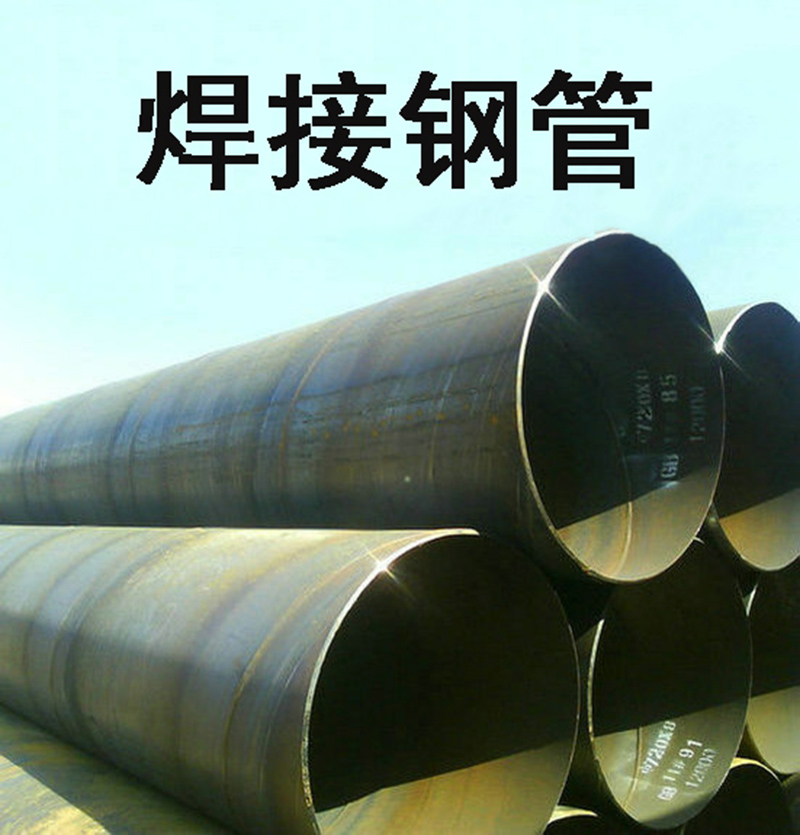
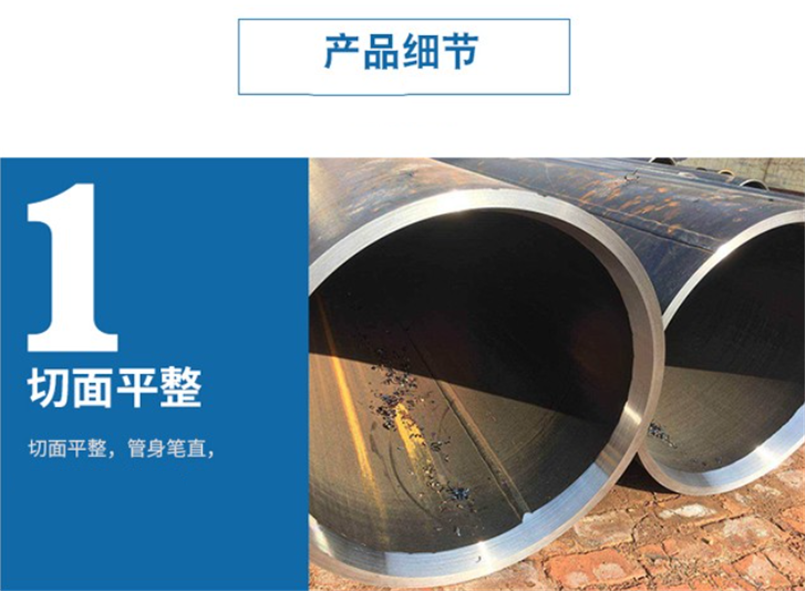
WeldingSteel PipeAlso known as welding pipes, it is used for...Steel plateOrCoil SteelWelded steel pipes, usually cut to 6 meters in length, after being curled and shaped.Welded Steel PipeThe production process is simple, with high efficiency, a wide variety of specifications, and low equipment investment, but generally lower strength than expected.Seamless Steel Pipe
Categorized by application
General Welded Pipe, Galvanized Welded Pipe, Oxygen Welded Pipe, Wire Conduit, Metric Welded Pipe, Roller Tube, Deep Well Pump Pipe, Automotive Tube, Transformer Tube, Welded Thin-Walled Pipe, Welded Non-standard Pipe, Scaffold Pipe, Spiral Welded Pipe.
General Welded Pipe: General welded pipes are used for conveying low-pressure fluids. Made from Q195A, Q215A, and Q235A steel. Other easily weldable soft steels can also be used. The pipes must undergo hydrostatic, bending, and flattening tests, with certain surface quality requirements. Standard delivery lengths are typically 4-10 meters, often requiring fixed-length (or multiple-length) delivery. The specifications of the welded pipes are indicated by nominal diameter (mm or inches), which differs from the actual diameter. Welded pipes come in two types: standard wall thickness and thickened wall thickness, and are further categorized by the end type into threaded and unthreaded pipes.
Galvanized Steel Pipe: To enhance the corrosion resistance of steel pipes, zinc coating is applied to the general steel pipes (black pipes). Galvanized steel pipes are categorized into hot-dipped and electro-galvanized types, with hot-dipped having thicker zinc coating and electro-galvanized being more cost-effective.
Oxygen Blowing Pipe: Used for steelmaking oxygen blowing, typically made of small-diameter welded steel pipes in eight sizes ranging from 3/8 inch to 2 inches. Made from steel strips of grade 08, 10, 15, 20, or Q195-Q235. Some are treated with aluminum infiltration to prevent corrosion.
Cable Conduit: Commonly known as carbon steel welded钢管, used in concrete and various structural electrical distribution projects. The standard diameters commonly used range from 13-76mm. The conduit walls are relatively thin, usually coated or galvanized before use, and require cold bending tests.
Metric Welded Pipe: Welded steel pipes used in seamless form, indicated by outer diameter * wall thickness in millimeters,焊接 by hot-rolled, cold-rolled, or cold drawn methods using ordinary carbon steel, carbon steel, or general low-alloy steel. Metric welded pipes are categorized into general-purpose and thin-walled types, commonly used as structural components such as drive shafts, or for conveying fluids; thin-walled pipes are used for manufacturing furniture, lighting fixtures, etc., ensuring pipe strength and bend tests.
Roller Tube: Welded steel tubes for belt conveyors, commonly made of Q215, Q235A, B steel, and 20 steel, with diameters ranging from 63.5 to 219.0mm. The tubes must meet certain requirements for bend, perpendicularity of the end face to the centerline, and ellipticity. Generally, hydraulic pressure and flattening tests are conducted.
Transformer tubes: Used for manufacturing transformer radiators and other heat exchangers, made of plain carbon steel, requiring processes such as flattening, expanding, bending, and hydrostatic testing. Steel pipes are delivered in fixed or multiple lengths, with specific requirements for the degree of curvature.