














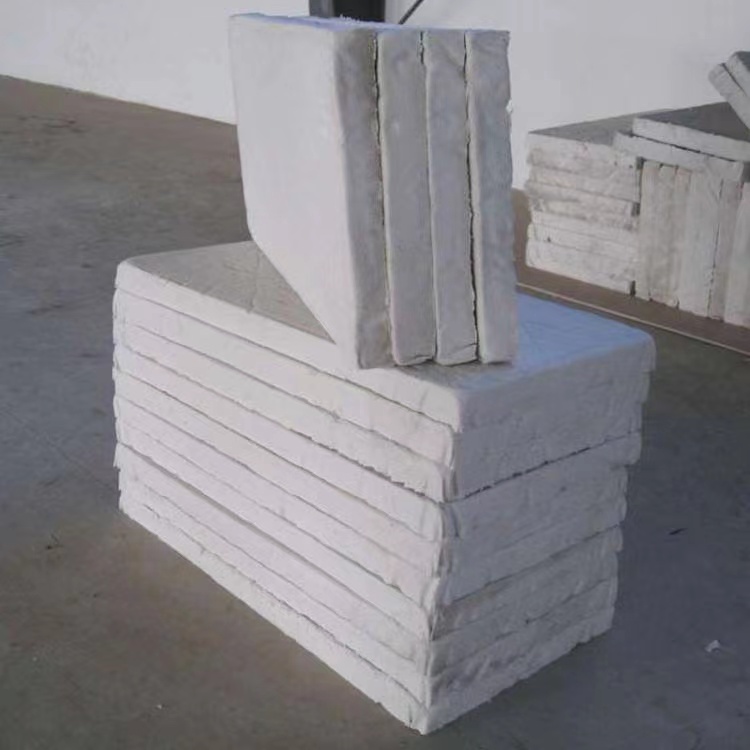
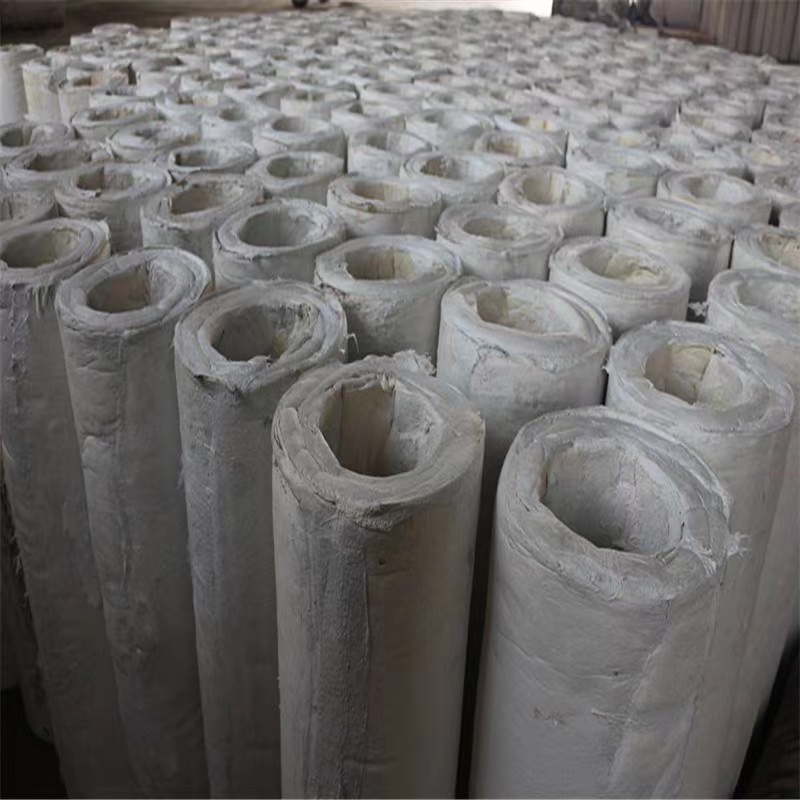
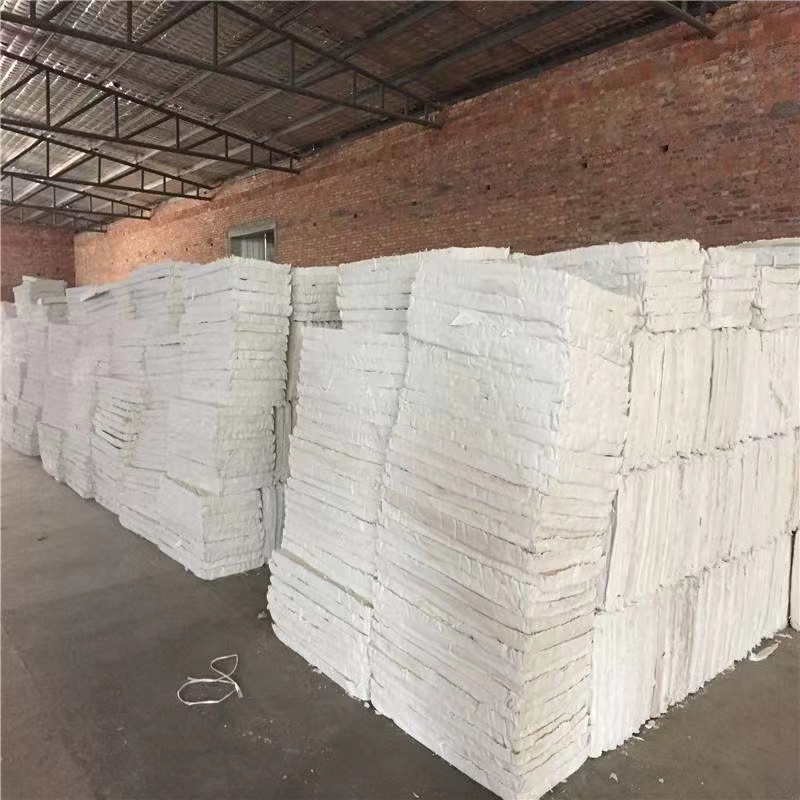
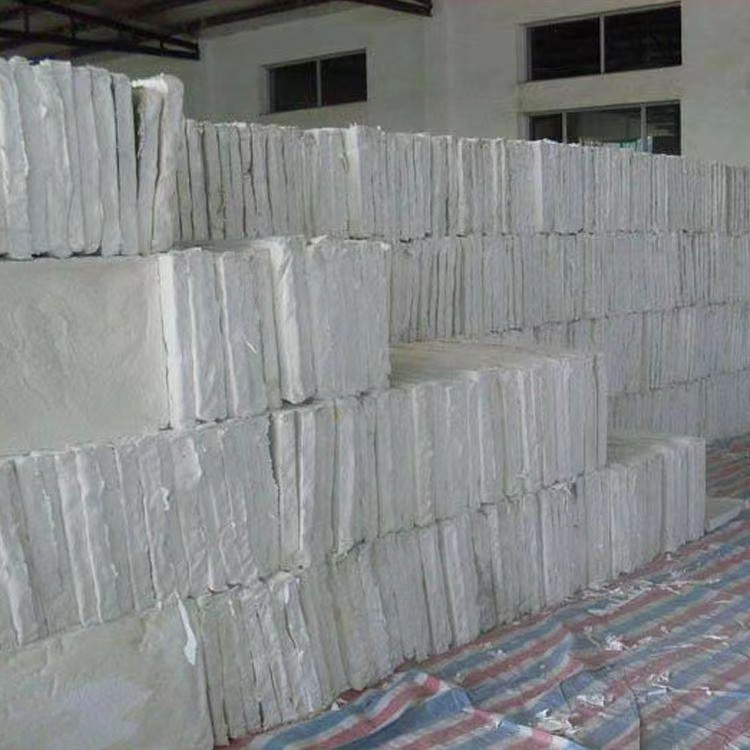
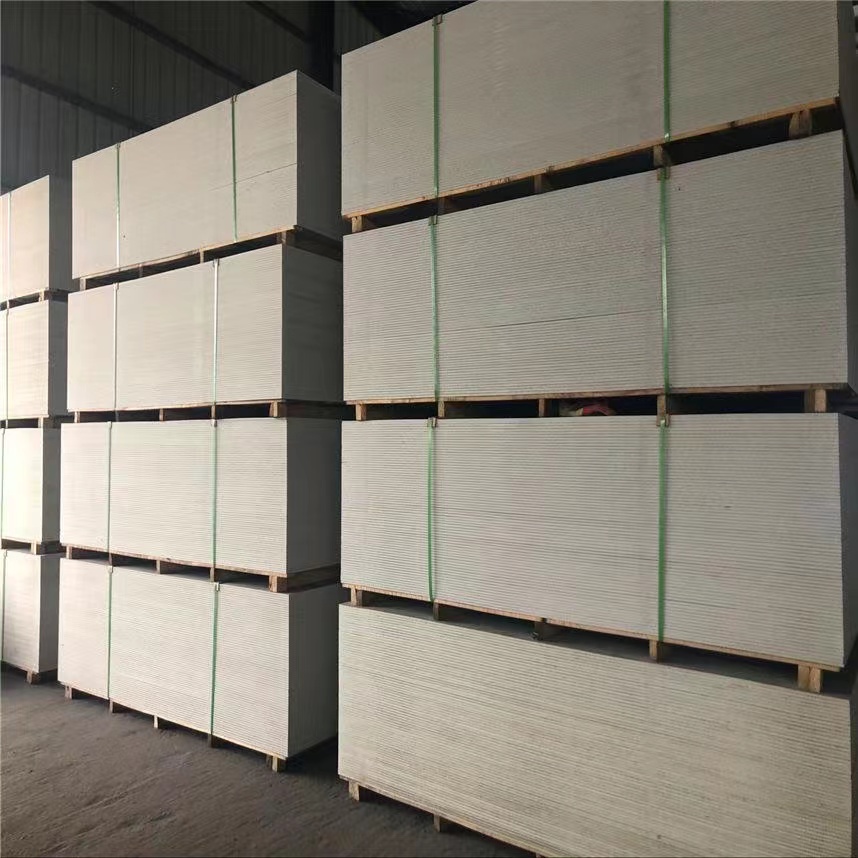
Silicate thermal insulation material is a solid matrix connected by a closed-cell reticular structure. This product is based on a special non-metallic mineral, mixed with a certain amount of auxiliary materials and fillers, and enhanced with specific chemical additives. It is developed through new processes and technologies. The product features low thermal conductivity, minimal heat loss, and requires less material thickness. Additionally, it is non-toxic, environmentally friendly, and does not corrode equipment, making it an ideal thermal insulation material in China.
Silicate (aluminum magnesium) products are a new type of lightweight high-temperature insulation material with low thermal conductivity. They have low density in insulation materials that can withstand temperatures above 700°C, and compared to other insulation materials, they also offer advantages such as easy installation, non-irritating, dust-free, and can be cut and rolled to any size without loss during transportation and installation.
Similar products to silicate thermal insulation materials, such as aerogel felt, have a similar temperature range of -50 to 650°C, but with a thermal conductivity coefficient half that of silicate thermal insulation felt, at only 0.018 W/(m·K). They are often used in alternating pairs.
Traditional thermal insulation materials primarily aim to increase the air void ratio, reduce thermal conductivity, and thermal conduction coefficient. Fibrous insulation materials need to have a thicker coating to enhance convective and radiative heat transfer in the operating environment; while profiled inorganic insulation materials require assembly, which results in numerous seams, aesthetic damage, poor waterproofing, and a short service life. Consequently, people have been seeking and researching a new material that can significantly improve the heat insulation and reflective properties of thermal insulation materials.
When selecting materials, in addition to considering the thermal conductivity coefficient, factors such as water absorption rate, combustion performance, and strength should also be taken into account. The performance characteristics of different insulating materials can be found in the corresponding classification guidelines.











