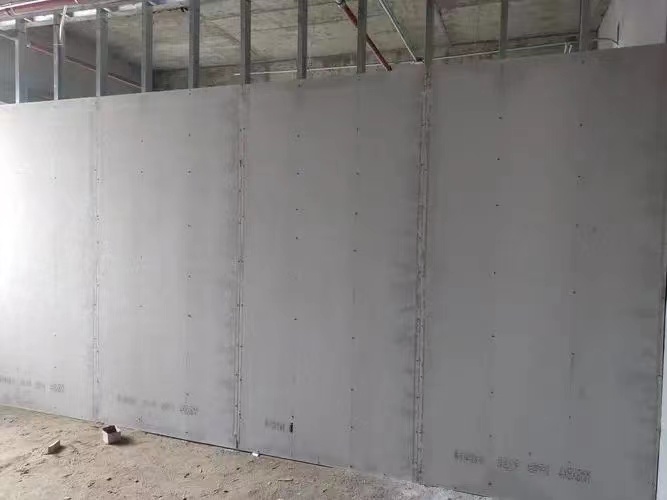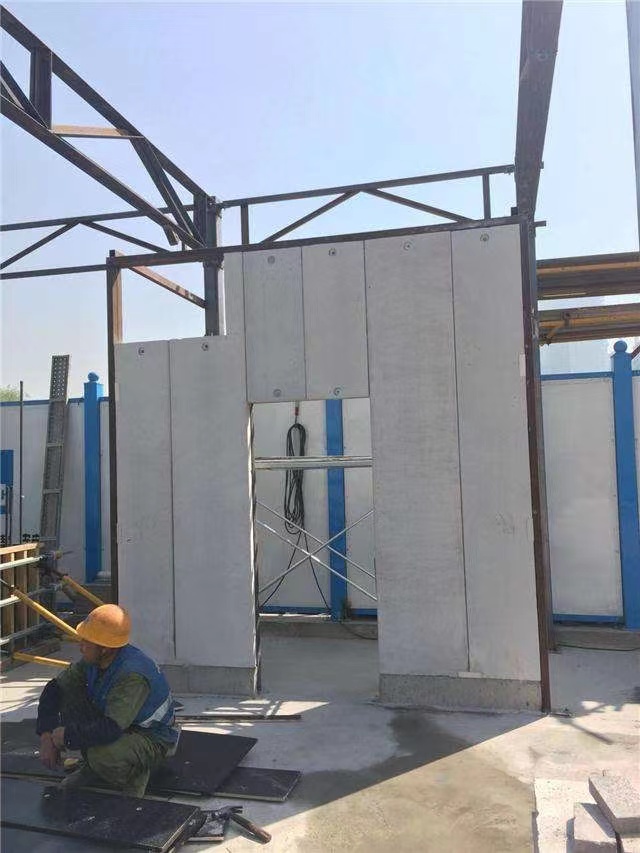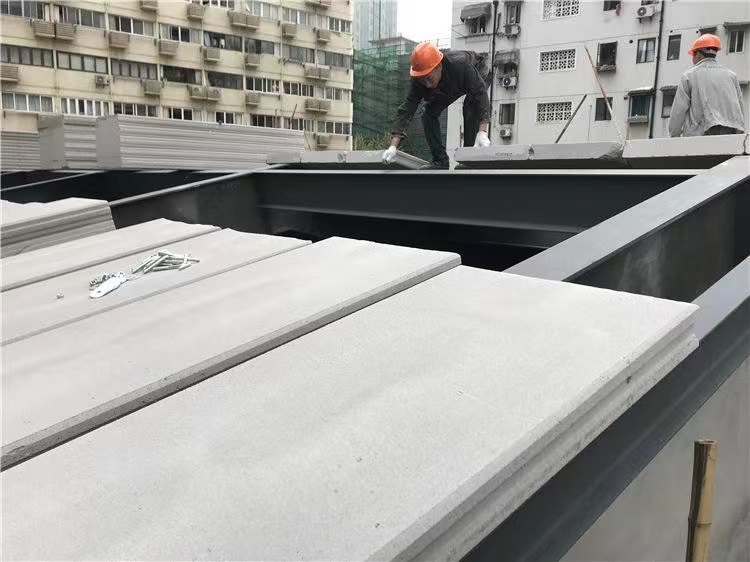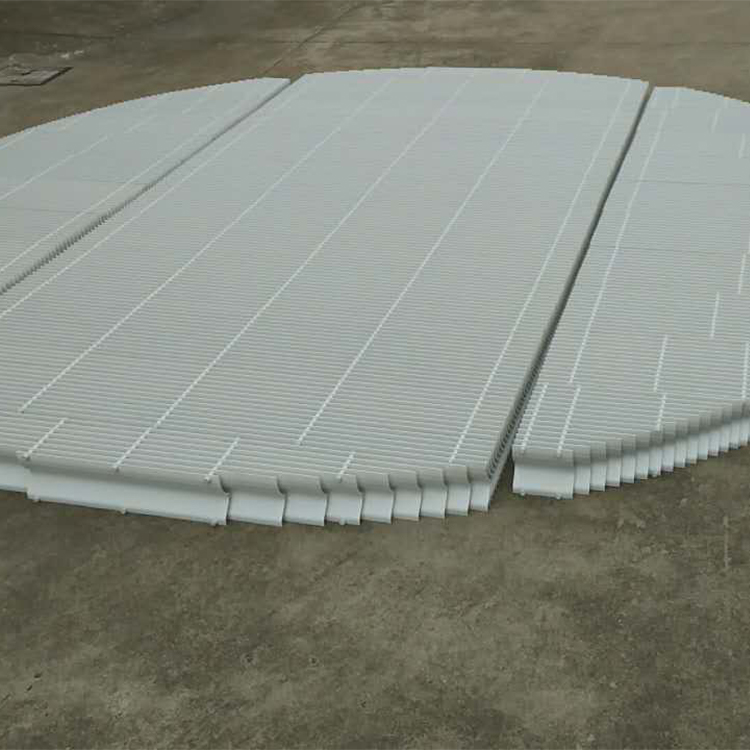








ALC panels, full name Autoclaved Lightweight Concrete boards, are formed from aggregates such as silica sand, cement, and lime, and are cured under high-pressure steam to create a porous concrete panel (with reinforced steel bars incorporated after treatment).
ALC autoclaved aerated concrete boards, categorized by their application functions: roof panels, floor panels, exterior wall panels, partition panels, and other functional boards. The reinforcement of each board type is determined based on the design load, material thickness, and length, etc.
ALC boards are classified into two grades: Grade A (Superior) and Grade B (Qualified), based on size tolerance, appearance quality, dry density, compressive strength, and frost resistance.
ALC panels are categorized into seven strength levels: A1.0, A2.0, A2.5, A3.5, A5.0, A7.5, and A10.
ALC boards are classified by dry bulk density into six grades: B03, B04, B05, B06, B07, and B08, representing densities of 300, 400, 500, 600, 700, and 800 kg/m³, respectively. Superior quality products (cubic compressive strength ≥ 3.5MPa) with a dry bulk density of ≤550kg/m³ and below, including B05 grade, are also known as autoclaved lightweight aerated concrete (ALC) boards.
ALC panels are categorized by their cross-sectional shapes, including flat-end panels, tongue-and-groove panels (TU panels), channel-shaped panels (C-type panels), and roof panels.
ALC panels can be categorized by their surface shape into standard panels, artistic panels (patterned panels), variable cross-section panels, and corner panels (including artistic, variable cross-section, and corner panels, with fewer domestic manufacturers).