















I. Different Nature
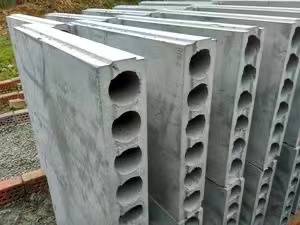
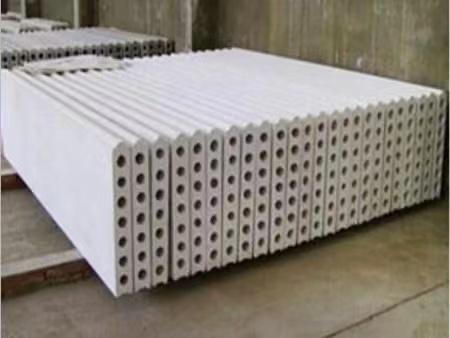
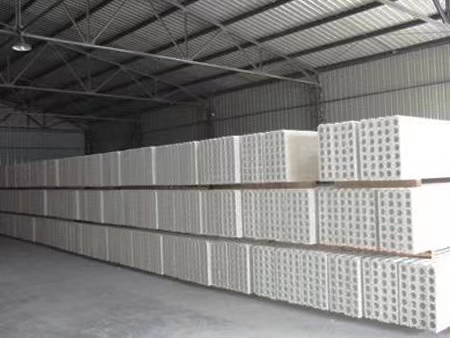
Gypsum board partition walls: Lightweight partitions composed of gypsum thin boards or hollow gypsum strips, used for dividing indoor spaces. They feature simple construction, easy processing, and installation.
2. Lightweight bricks: These are commonly used for standard indoor partition walls, effectively reducing floor load and offering good sound insulation.
2. Performance Variations
1. Gypsum board partition performance:
(1) Soundproofing: Double-layered soundproof walls composed of thin plates and hollow strips offer soundproofing equivalent to a 24cm thick brick wall. The soundproofing index can reach 40-50 decibels.
(2) Fireproof. Gypsum board is a non-combustible material with certain fire resistance properties and can be used as a fireproofing layer for steel structures in some applications.
(3) Strength. When the lateral load on the wall is 250 Pascal, the major lateral deformation of the wall is less than 1/240 of the wall height.
(4) Humidity Regulation: When the humidity in the air exceeds the moisture content of the石膏板, the gypsum board can absorb moisture from the air; conversely, it can release moisture stored within the board, thereby regulating the indoor air humidity.
2. Lightweight Brick Performance:
(1) Lightweight: The dry density of lightweight bricks is only 500-700 kg/m³, which is 1/4 of normal concrete and 1/3 of clay bricks, or 1/2 of hollow blocks. Known as aerated concrete that floats on water, it can reduce the weight of buildings and significantly lower the overall construction cost.
(2) Insulation and Heat Resistance: Due to the formation of micro-pores during the manufacturing process, these pores create air layers within the material, significantly enhancing the insulation properties. The thermal conductivity of aerated concrete is 0.11-0.16 W/MK. Its insulation effect is five times that of clay bricks and ten times that of ordinary concrete.











