













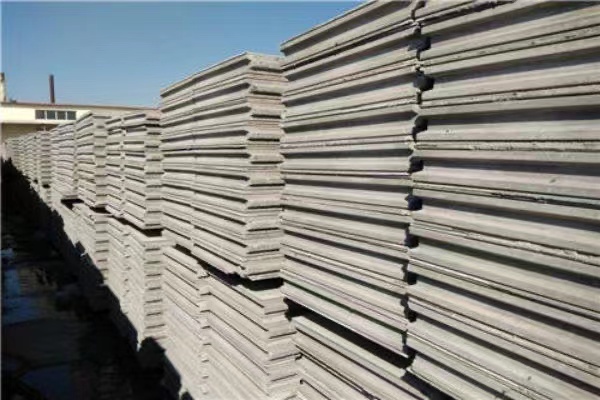
What material is the GRC lightweight partition board made of?
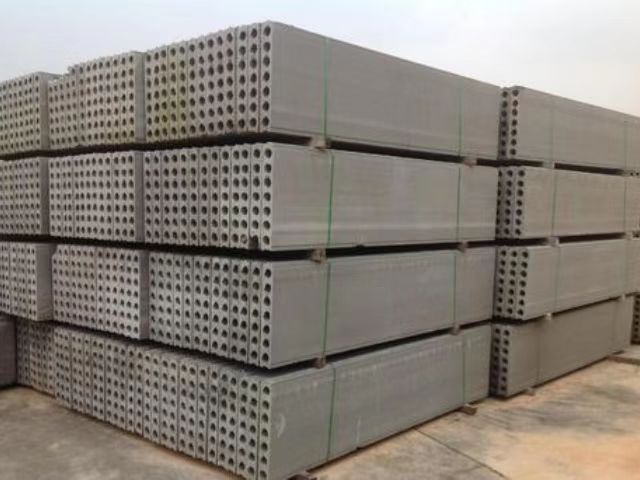
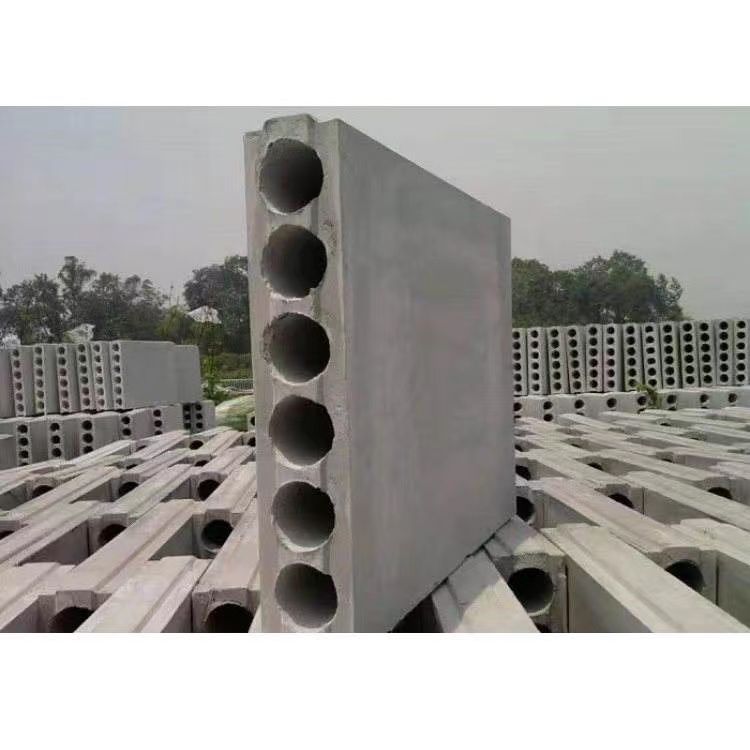
GRC lightweight partition boards are a new type of energy-saving wall material, composed of harmless phosphogypsum, lightweight steel slag, fly ash, and other industrial waste residues. After being processed through pressure curing, they resemble hollow floor slabs, featuring male and female dovetail grooves on both sides, which simplifies construction. Installation merely requires standing the boards upright, applying a small amount of joint mortar to the male and female dovetails, and then assembling them together. The specifications of GRC lightweight partition boards are diverse and they are both healthy and environmentally friendly.
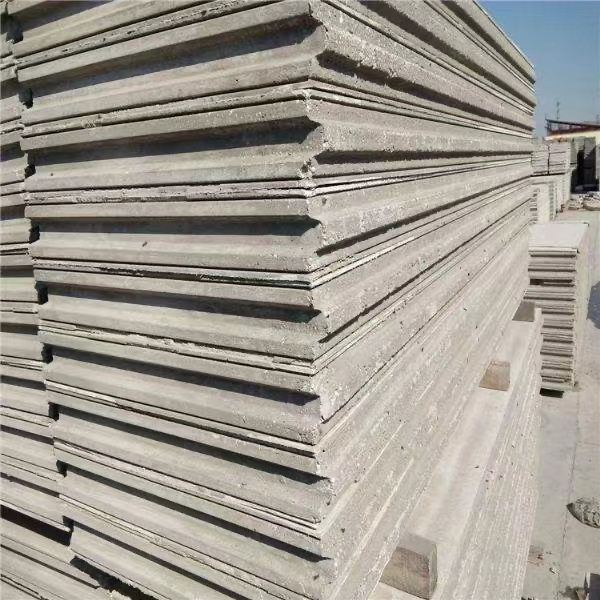
GRC lightweight wall panels belong to the category of hollow partition wall panels. They are primarily made by reinforcing with alkali-resistant glass fiber, bonding with low alkali and high-strength cement mortar, and using lightweight inorganic composite material as aggregates. These panels are processed mechanically to replace clay bricks in non-bearing parts of buildings.
GRC's primary features include thin components, high flexibility, good impact resistance, low natural expansion rate with reliable crack prevention, stable quality, and excellent functions such as moisture and heat resistance, non-flammability, sound insulation, sawable, drillable, nailable, and chisellable. It also boasts a low alkalinity level. Additionally, GRC provides flat wall surfaces for easy construction, avoids wet work, and improves the construction environment.
From a perspective of continued development, the use of wood in construction should be approached with extra caution. Environmentally friendly construction should possess superior durability, be easy to maintain and manage, and release little to no harmful substances. To achieve sustainable development goals and minimize the environmental impact of construction materials, it is necessary to develop pollution-free construction techniques and environmentally friendly building materials. For instance, using industrial waste (fly ash, slag, etc.) to produce solid concrete partition boards, using discarded foam plastics to create thermal insulation wall panels, and using waste glass to produce facing materials, etc. This approach not only utilizes industrial waste to reduce environmental pollution but also conserves natural resources.











