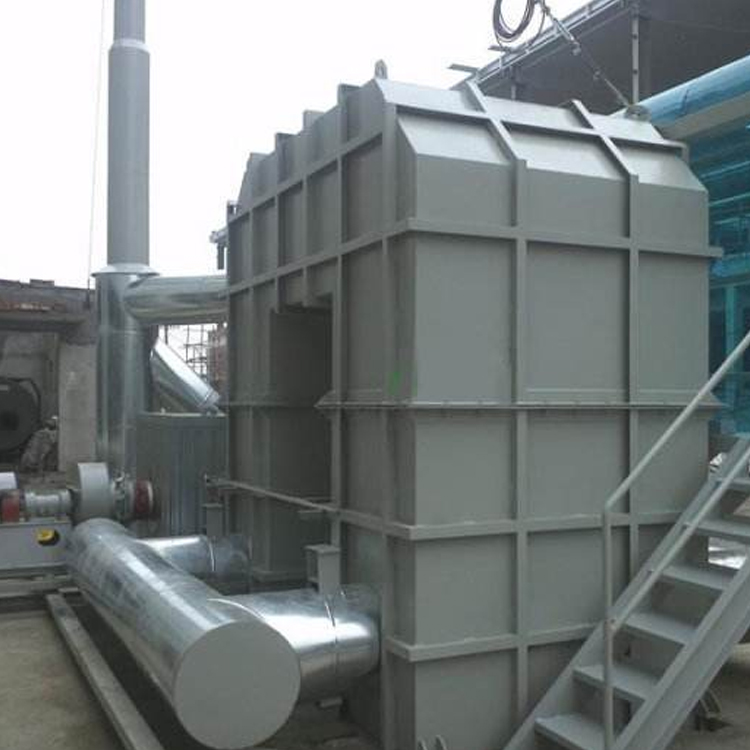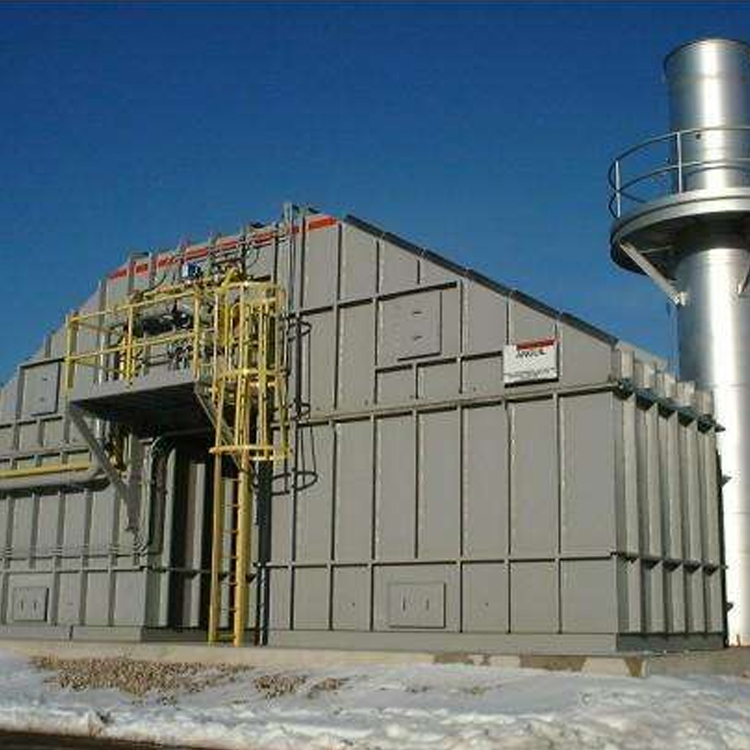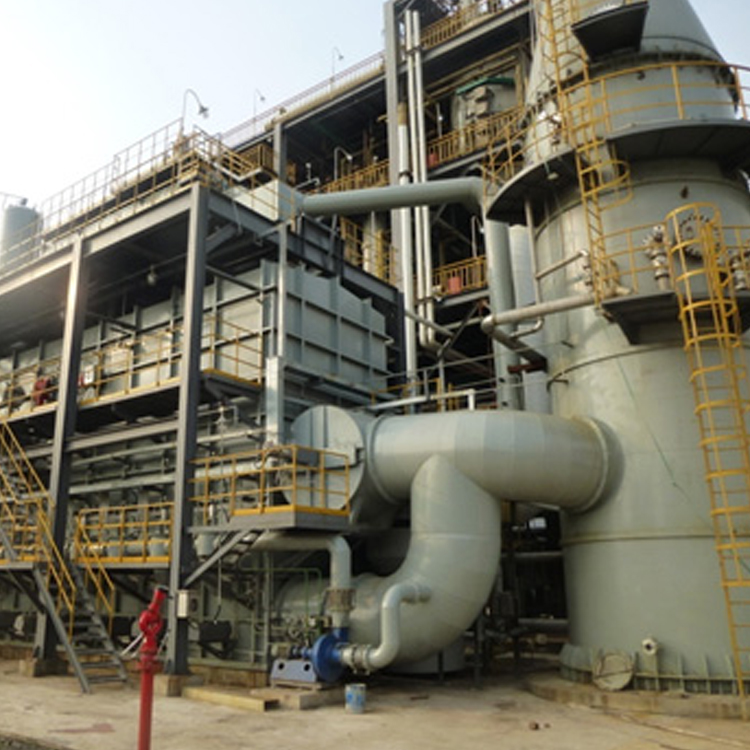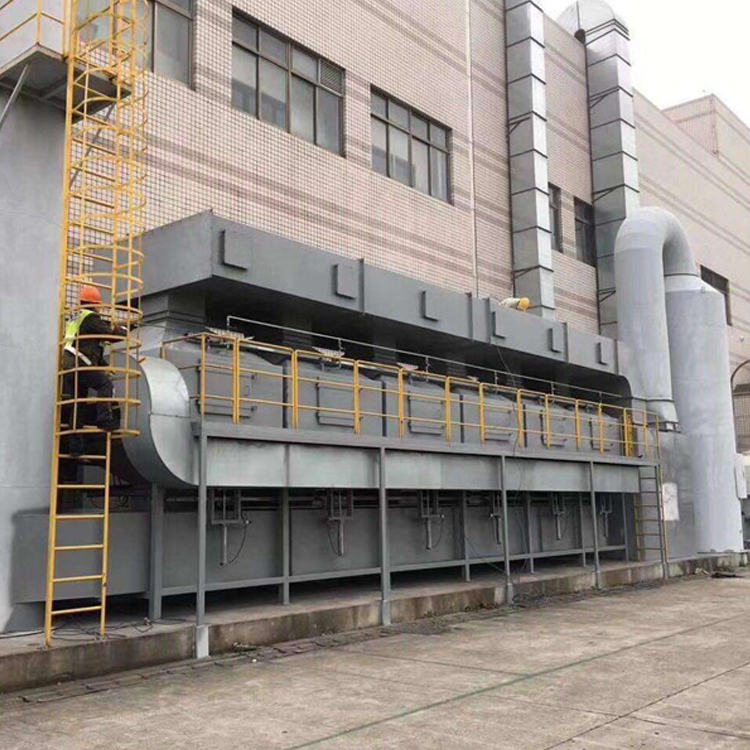

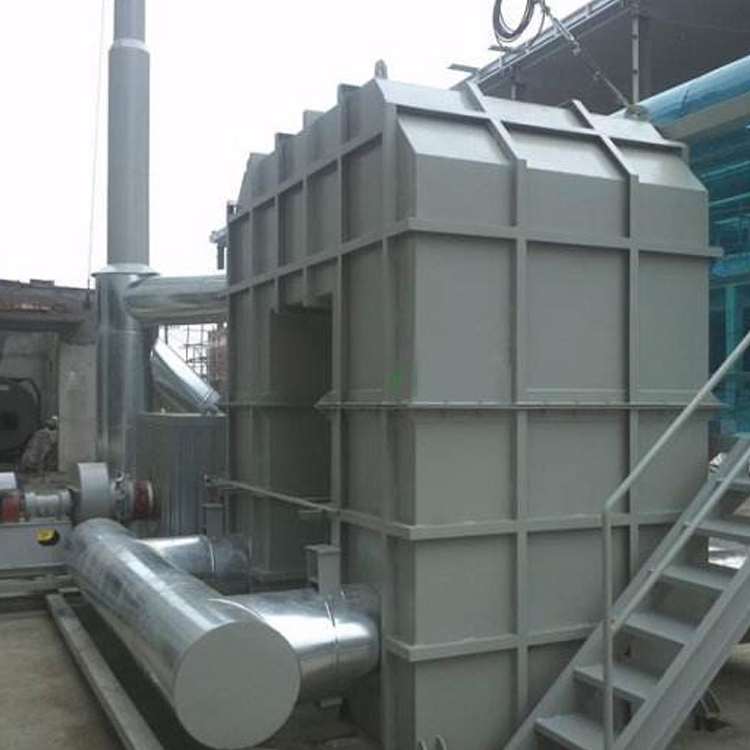

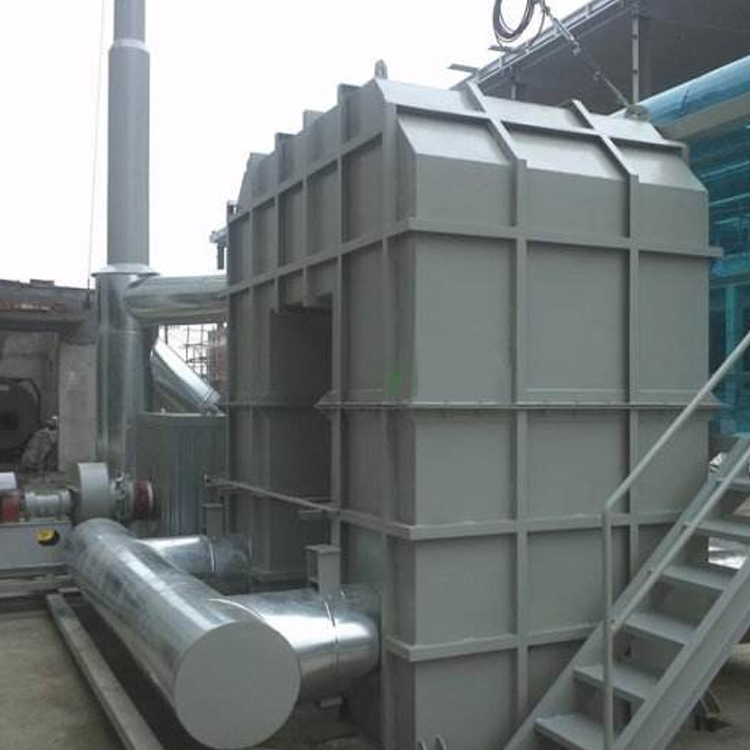


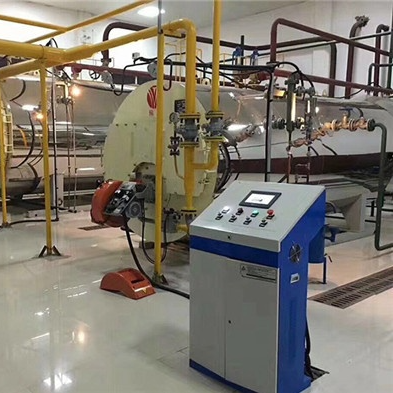
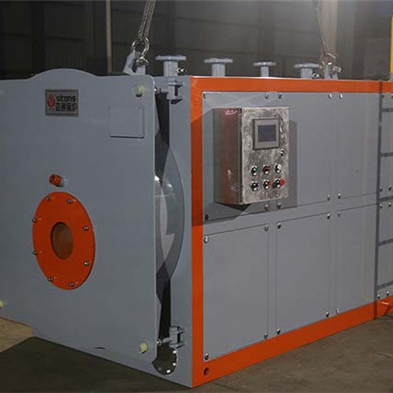
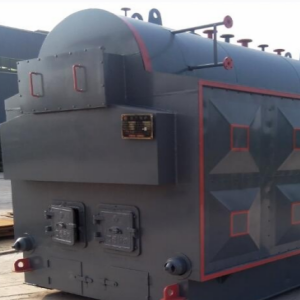
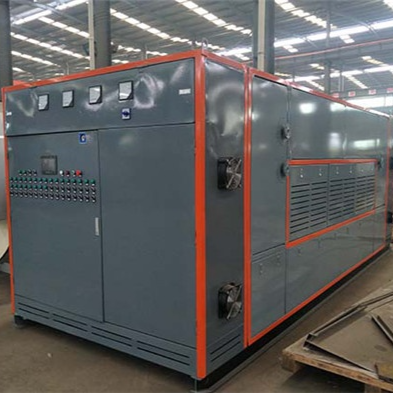
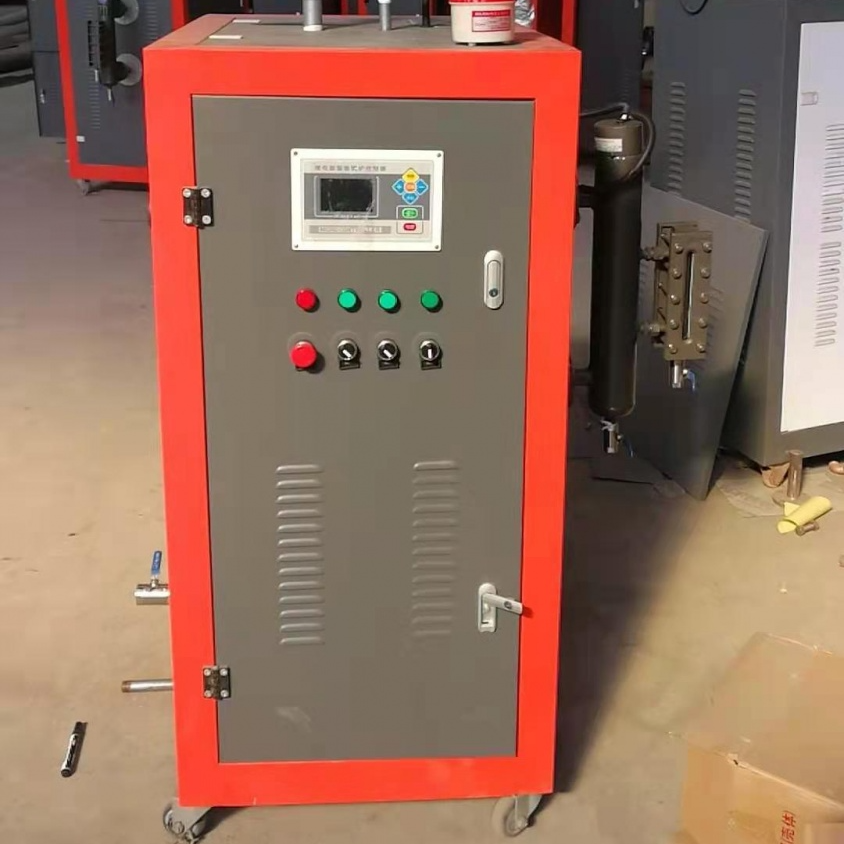





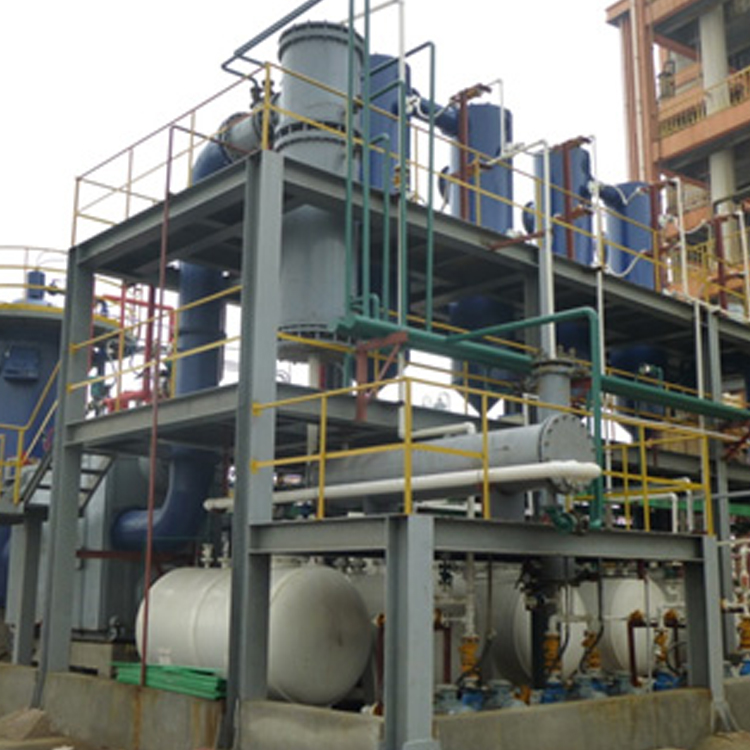
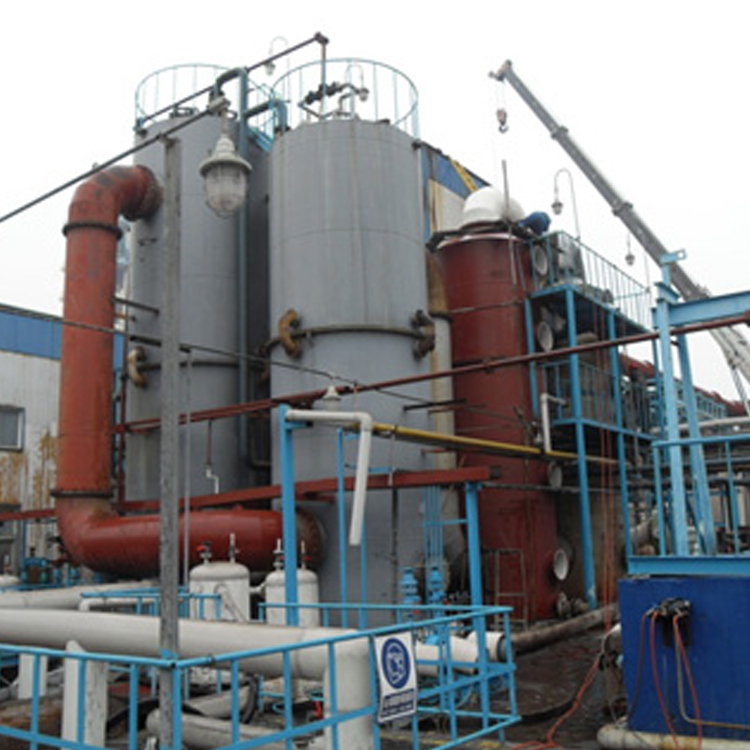
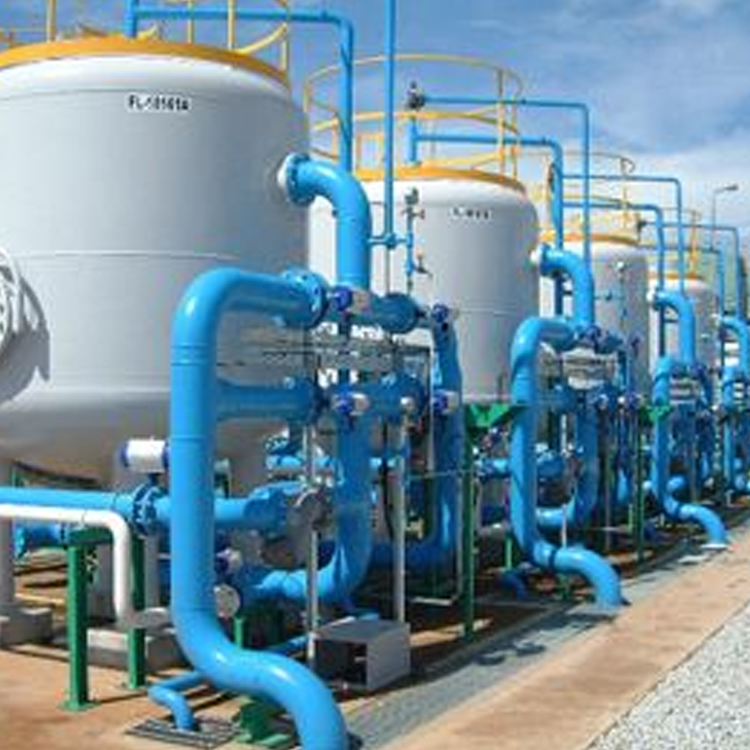

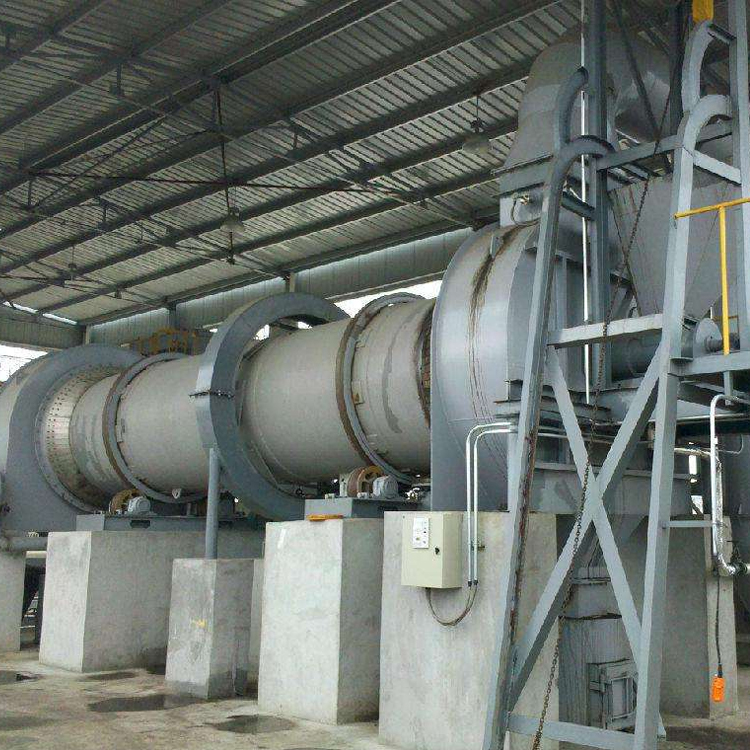
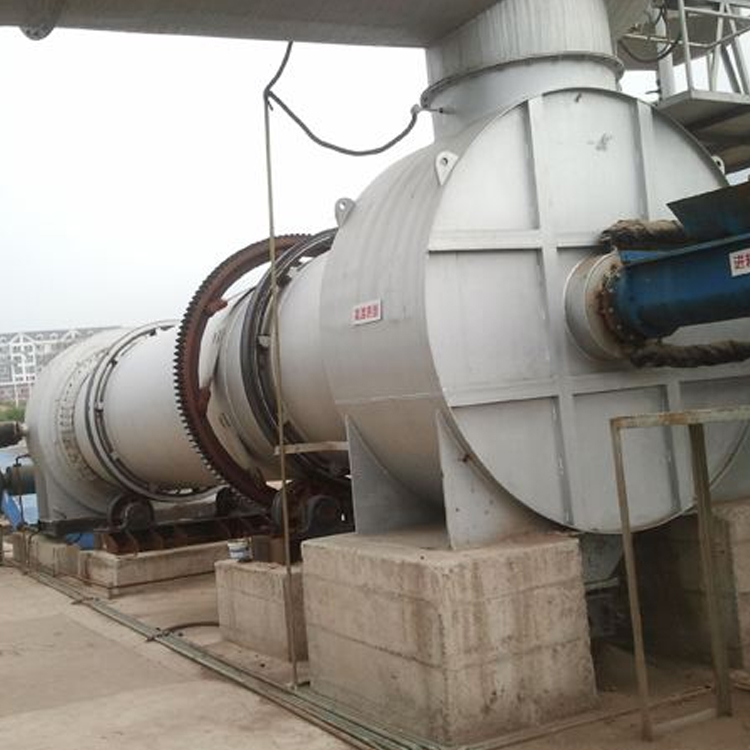

Regenerative catalytic incinerators are a new type of furnace that combines the advantages of both catalytic and regenerative incinerators, making it a new energy-saving product; primarily used for the treatment of large-volume, stable organic waste gases in industries such as petrochemicals, dyeing and finishing, and semiconductor manufacturing.
Regenerative catalytic incinerator features:
(1) No high-temperature flame combustion area, flameless combustion, resulting in low combustion noise and uniform temperature inside the furnace chamber. This not only improves purification efficiency but also extends the service life of the refractory materials in the furnace.
(2) The heat storage ceramic within the storage chamber is directly graded for heat exchange, resulting in a uniform temperature increase. This strengthens the heat transfer within the furnace, allowing for a reduction in the combustion chamber volume. It significantly lowers the cost of the equipment while occupying less space, and can greatly minimize civil engineering and installation costs.
(3) Utilizing a new heat exchange device—the heat storage chamber—results in a large radiant heat pressure in the furnace chamber, leading to rapid heating. The low-temperature heat exchange is particularly effective and efficient; it maximizes the recovery of sensible heat from combustion products. The high thermal efficiency and low exhaust gas temperature significantly contribute to energy conservation.
(4) A thermodynamic condition completely different from traditional combustion processes, low-temperature catalytic technology ensures uniform furnace temperature rise and low combustion loss; effective heating. There are no localized high-temperature, high-oxygen areas as in traditional combustion processes; no thermal nitrogen oxides (NOX) are generated, reducing greenhouse gas emissions, and providing better environmental protection effects.
(5) For different exhaust gases, fully utilize the high activity of various catalysts, with high space velocity and rapid combustion rate. The smoke stays longer in the catalytic bed, ensuring complete oxidation and decomposition of organic matter; tail gas meets emission standards.
(6) Equipped with a PLC automatic combustion control system, offering high automation, safe, stable operation, and high reliability.