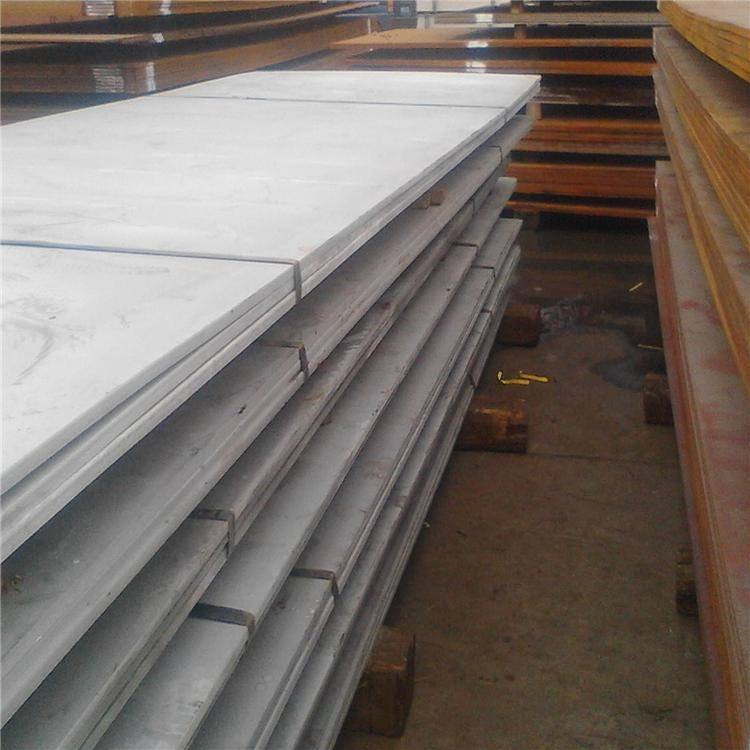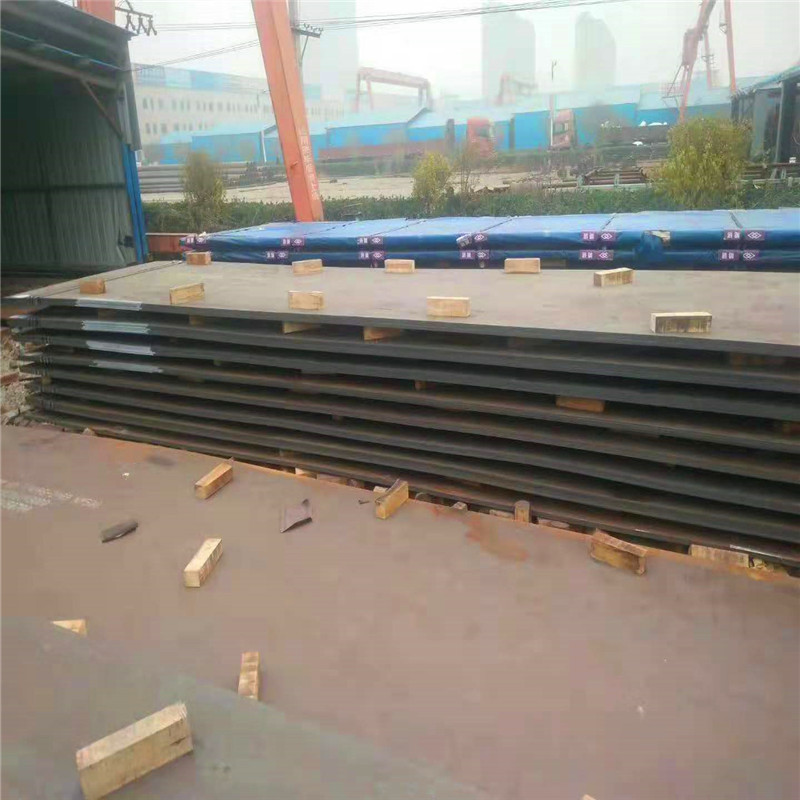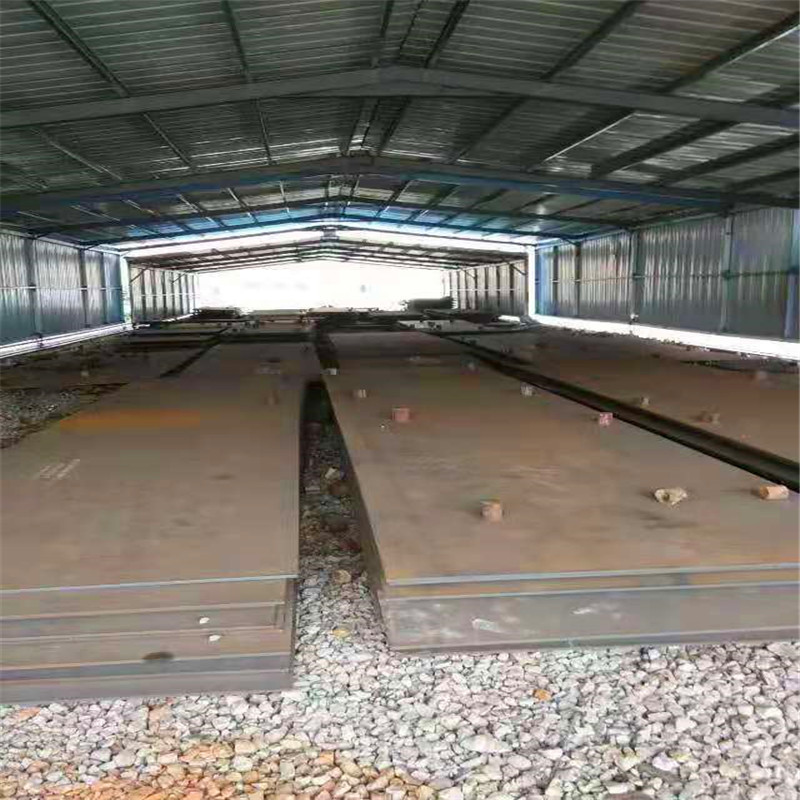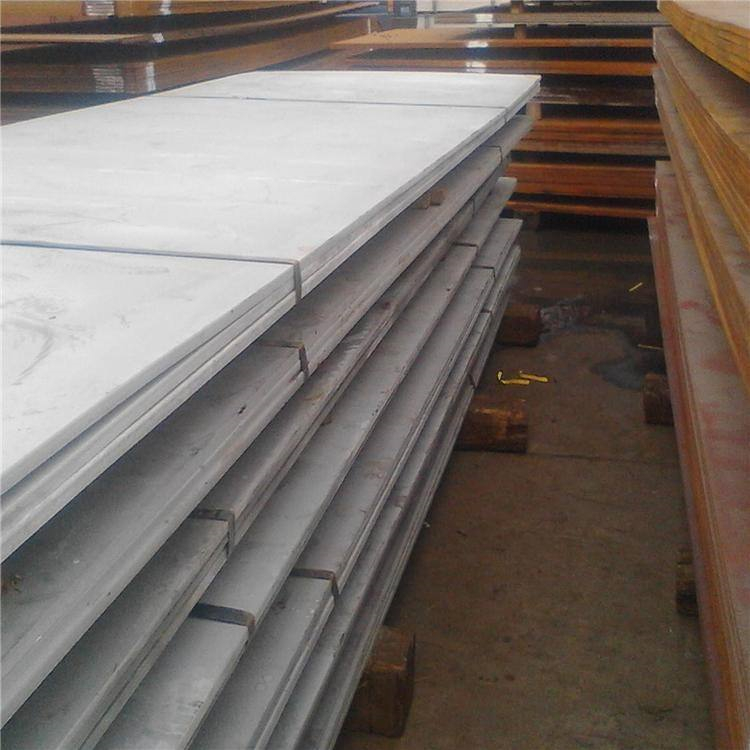











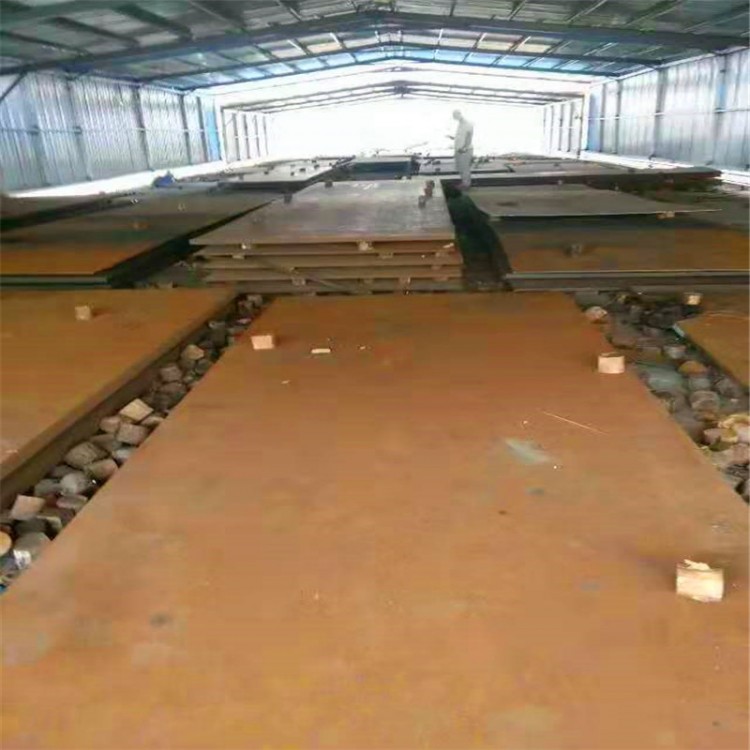
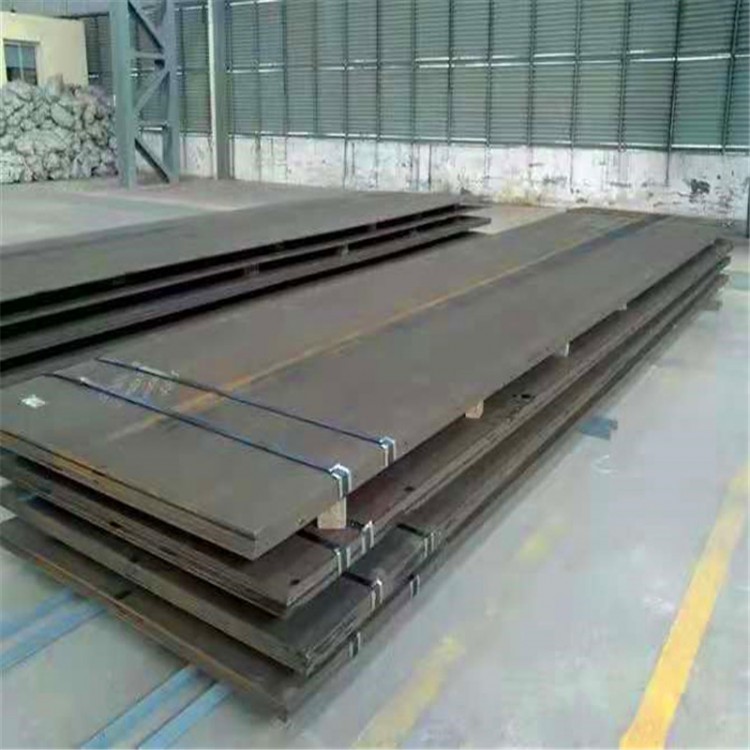
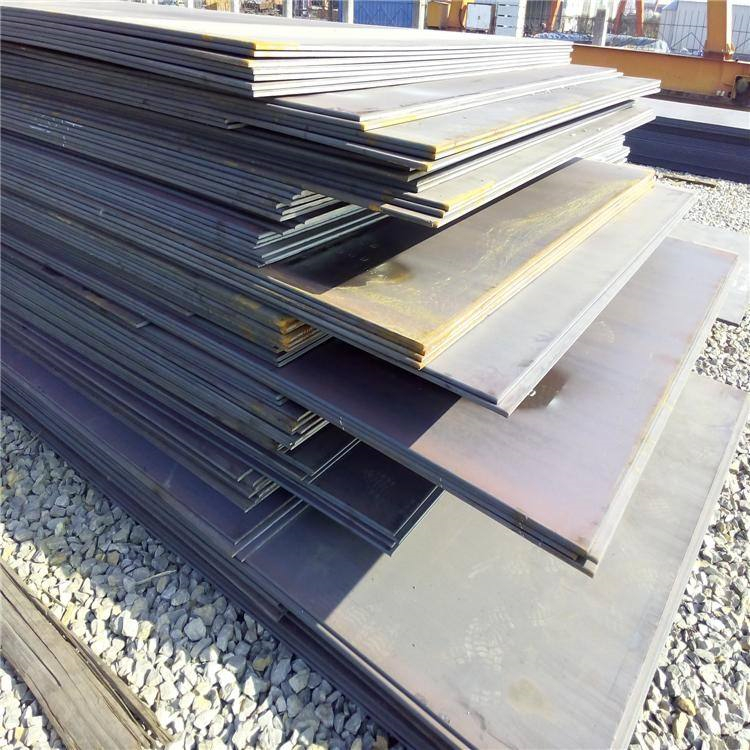
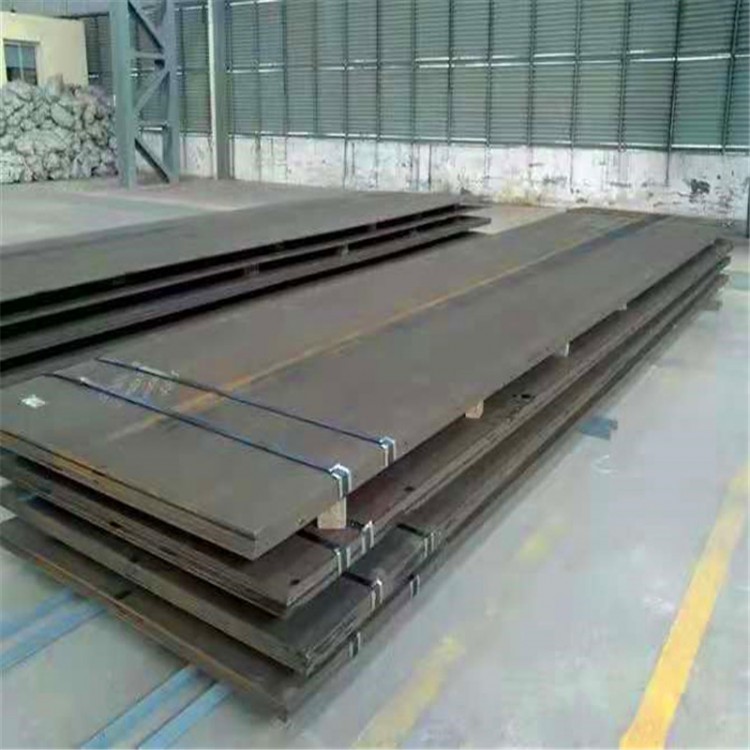

 Abrasion-resistant plates come in various grades based on hardness and welding processes, including: NM360, NM400, NM450, NM500.
Wear-resistant steel plate is a sheet product specifically designed for large-area abrasive conditions. It is made by bonding a certain thickness of high hardness and excellent wear-resistant layer to the surface of mild low-carbon steel or low-alloy steel, which has good toughness and plasticity, through a surfacing method.
Abrasive-resistant steel plates offer high wear resistance and good impact properties. They are capable of being cut, bent, and welded, and can be connected to other structures via welding, plug welding, or bolted joints. They feature time-saving and convenient characteristics during maintenance operations, and are widely used in industries such as metallurgy, coal, cement, electricity, glass, mining, building materials, and brick and tile production.
NM450 wear-resistant plate presents challenges in bending operations due to its low elasticity. How to bend it properly? The density of wear-resistant steel plate is 7.8. The hardness of NM400 wear-resistant plate ranges from 360 to 420, NM450 from 420 to 470, and NM500 around 470 to 520. Therefore, sulfur and phosphorus are harmful elements in Humdar wear-resistant plates and should be strictly limited. The main elements present as impurities in wear-resistant plates are Mn, P, and others.