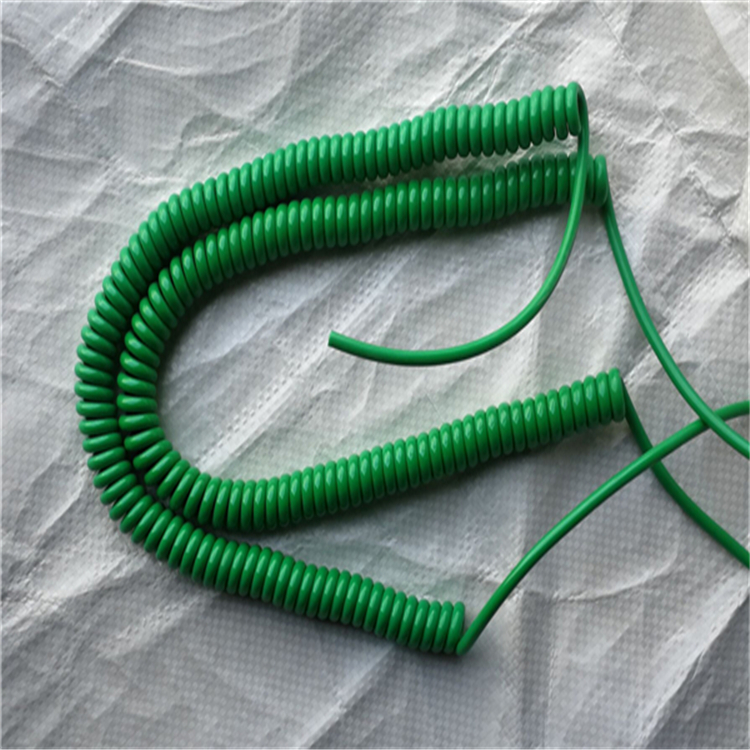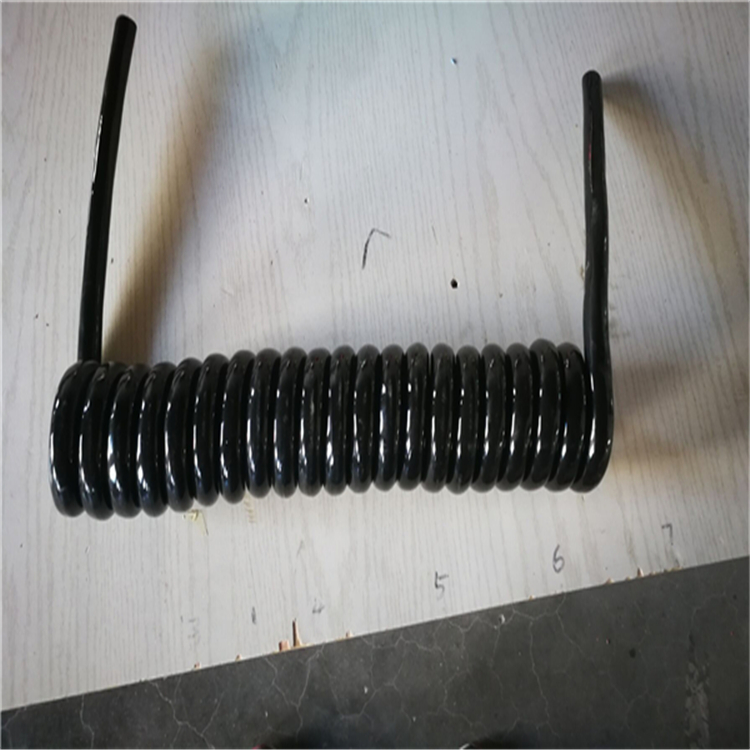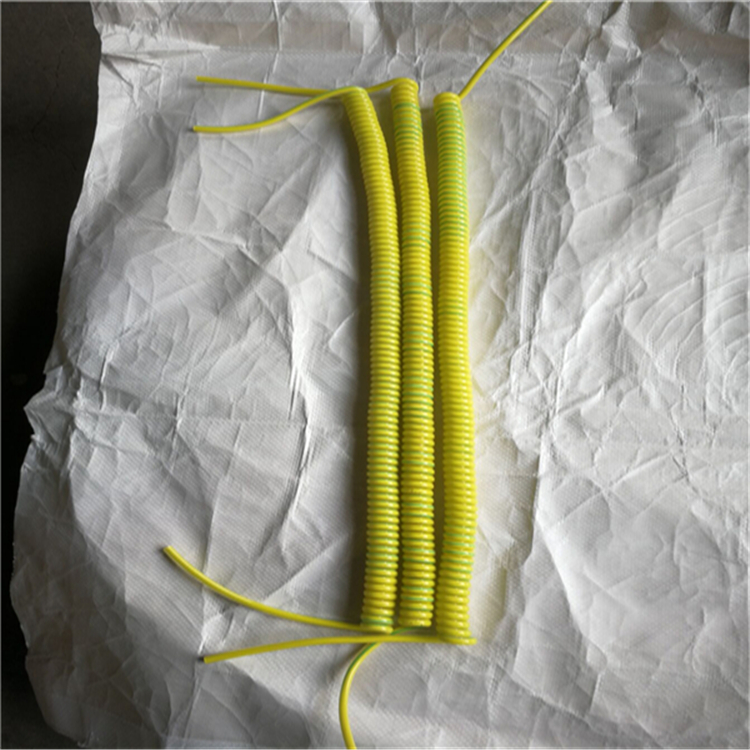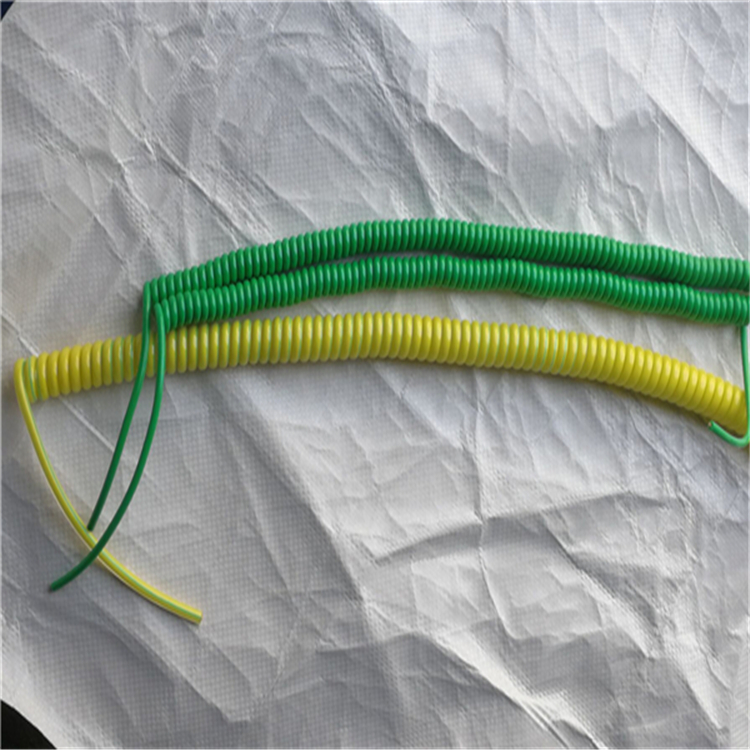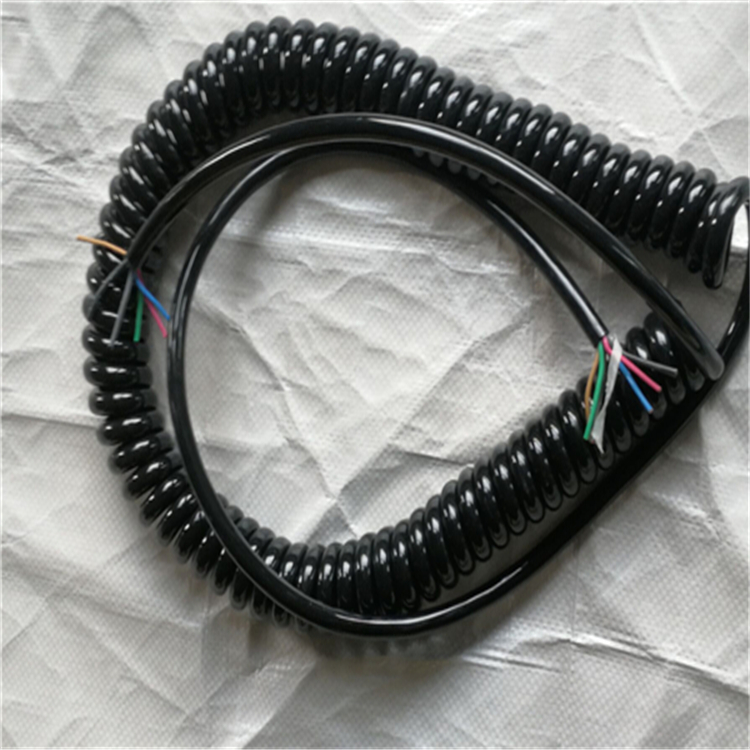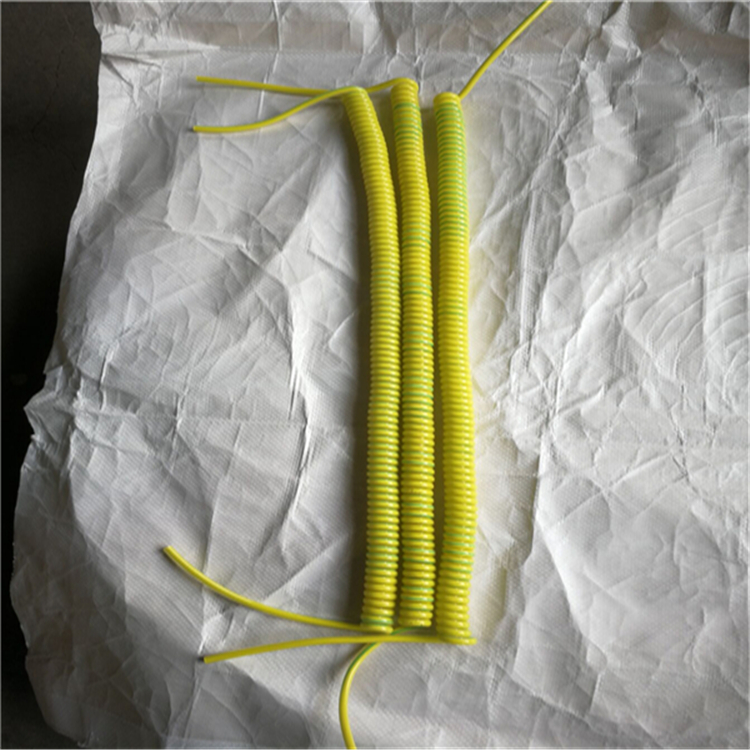

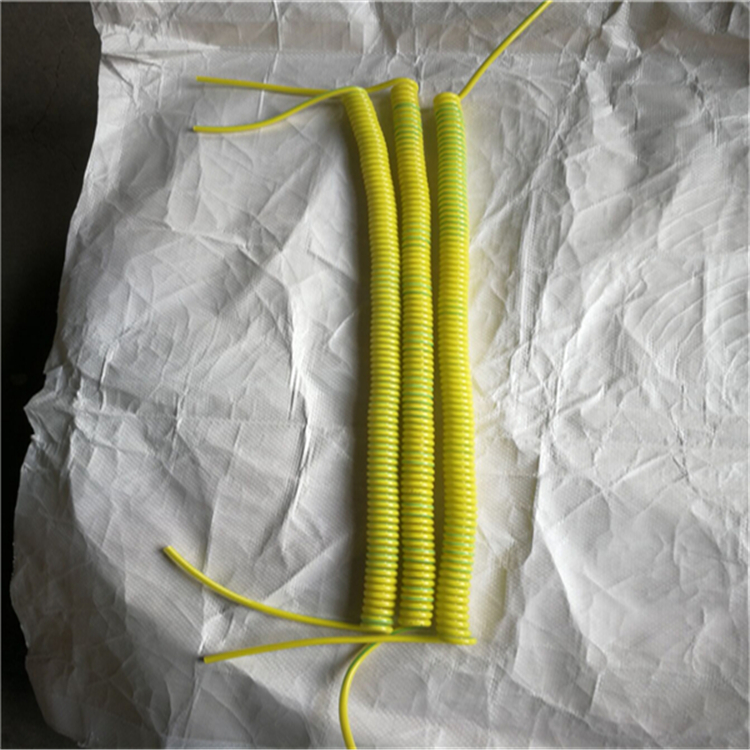

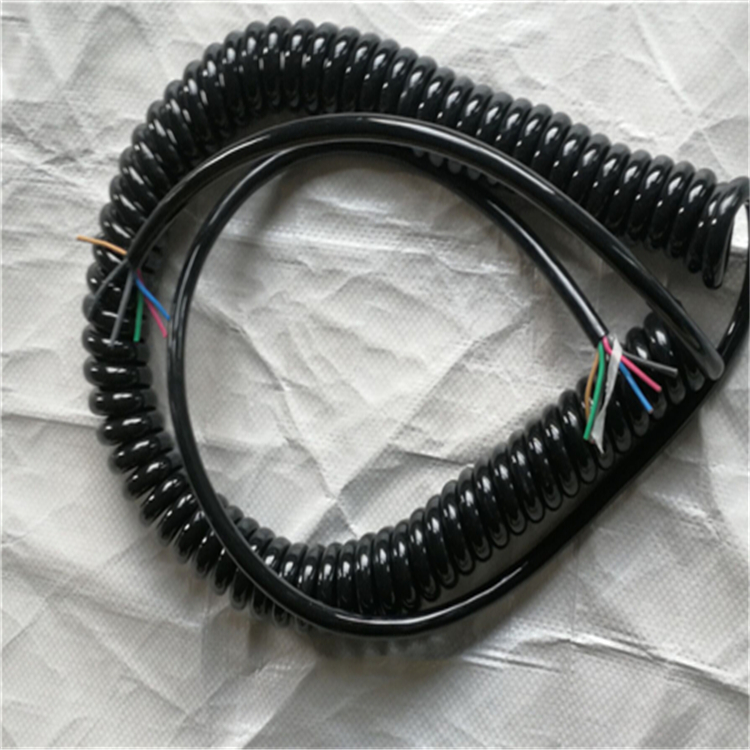


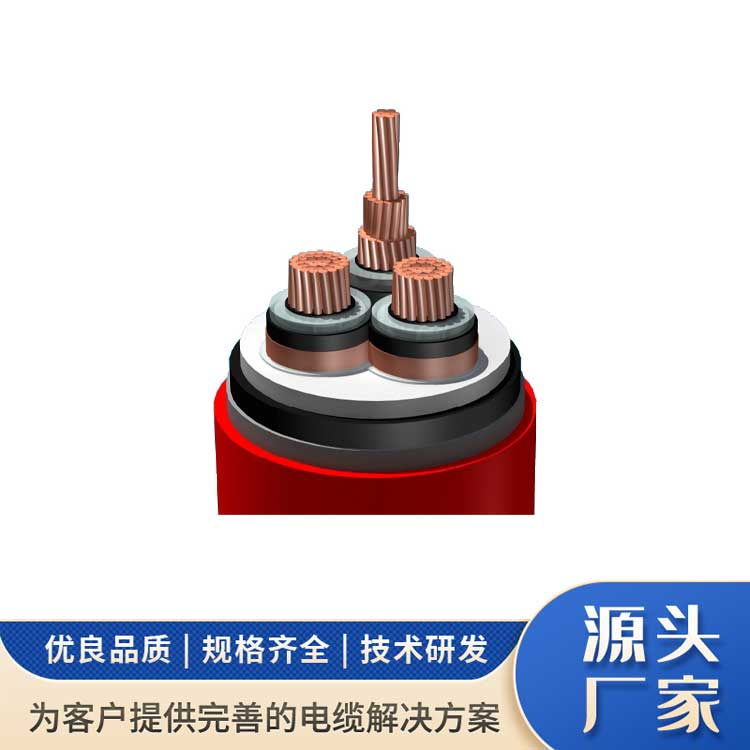
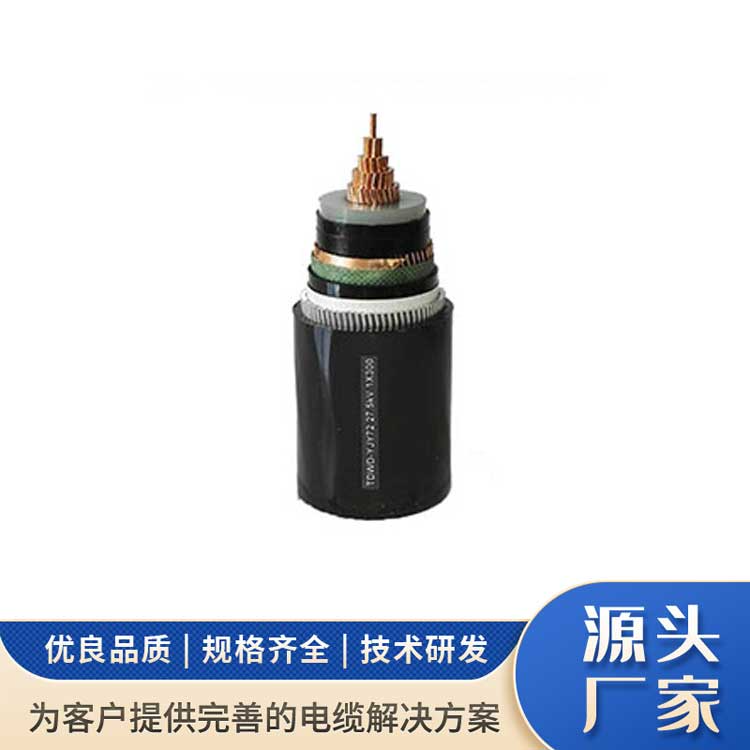
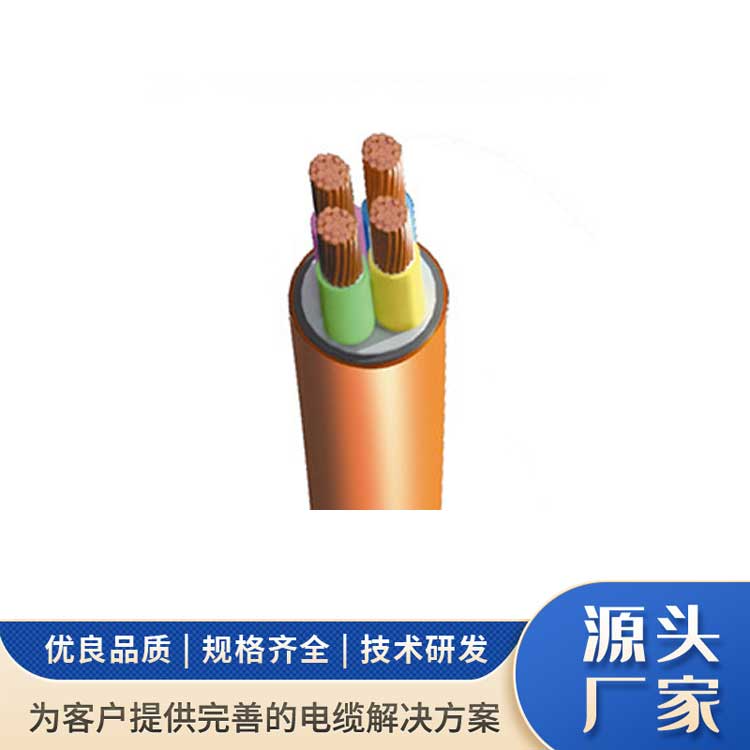





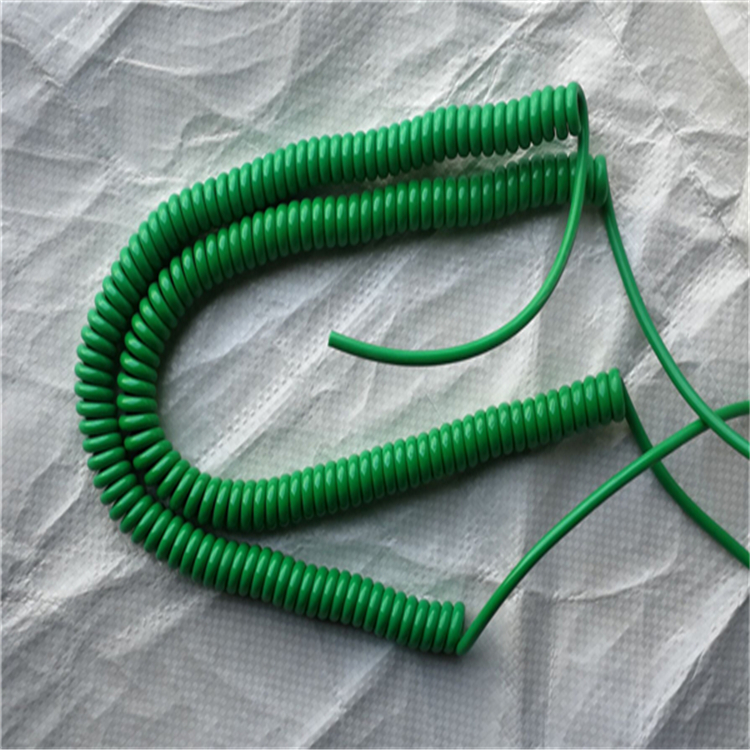
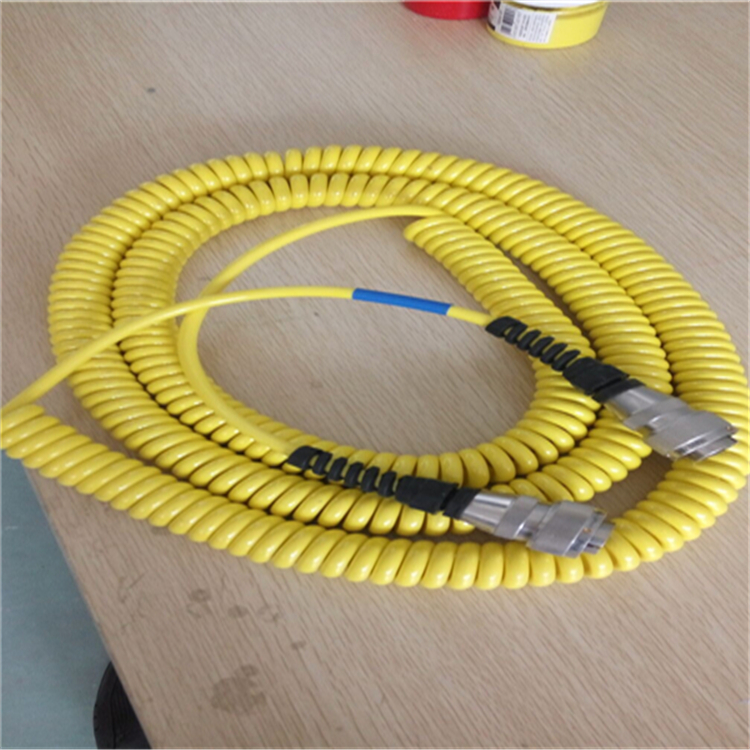

Spring Cable Wire PUR Flexible Wire, also known as Spiral Cable, is used for rated AC voltage up to 450/750V or DC voltage below 6V-1000V, requiring reciprocating movement. It is commonly used for assembly circuit wiring that involves up and down movement, such as for telephones, computers, electronic devices' connectors, as well as for automotive, trailer, and spring-connector applications.
The PUR spiral cable is a straight wire cable made by twisting one or more insulated conductors into a spiral shape around a metal core rod. It is then heat-treated and shaped for 30 to 120 minutes in an oven before cooling, which can be either air-cooled or water-cooled. The resulting cable maintains a spiral form and is stretchable (the extent is determined by temperature and sheath material).
R: Represents a flexible conductor structure; spiral cables generally utilize a flexible conductor structure with good expandability.
V: Represents the material of the insulation layer, PVC insulation material.
U: Represents the material for the jacket layer, PUR jacket material.
T: Represents spring, also known as helix.
The number "3": indicates that there are 3 strands of insulated wire.
"0.5": Indicates that the conductor cross-sectional area of the insulated wire is 0.5 square copper conductor.
A type of device connection line that operates using flexibility. Generally made of TPU cables, it is used for electrical connections controlling the movement of movable devices, capable of rapid recovery in a short time, and widely applied in vehicles, machinery, instruments, and other movable equipment. Divided by direction, there are mainly left-hand spiral springs and right-hand spiral springs. By material, the main types include PVC spiral spring cables (spring wires), PUR spiral spring cables (spring wires), and rubber spiral spring cables (spring wires); PUR spiral spring cables (spring wires) are increasingly used as materials due to their flame-retardant, oil-resistant, acid and alkali-resistant, low-temperature resistance, UV protection, wear resistance, and hydrolysis resistance properties.