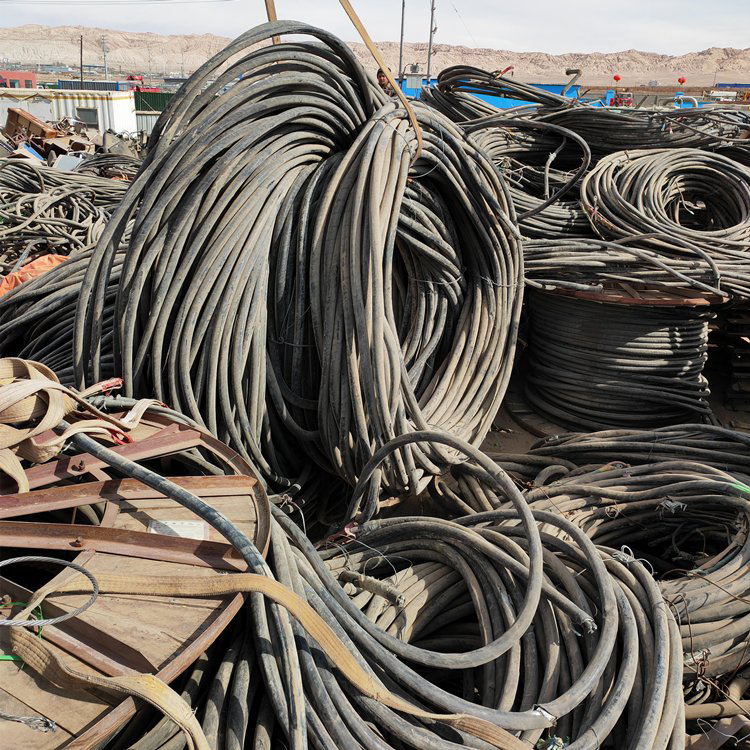

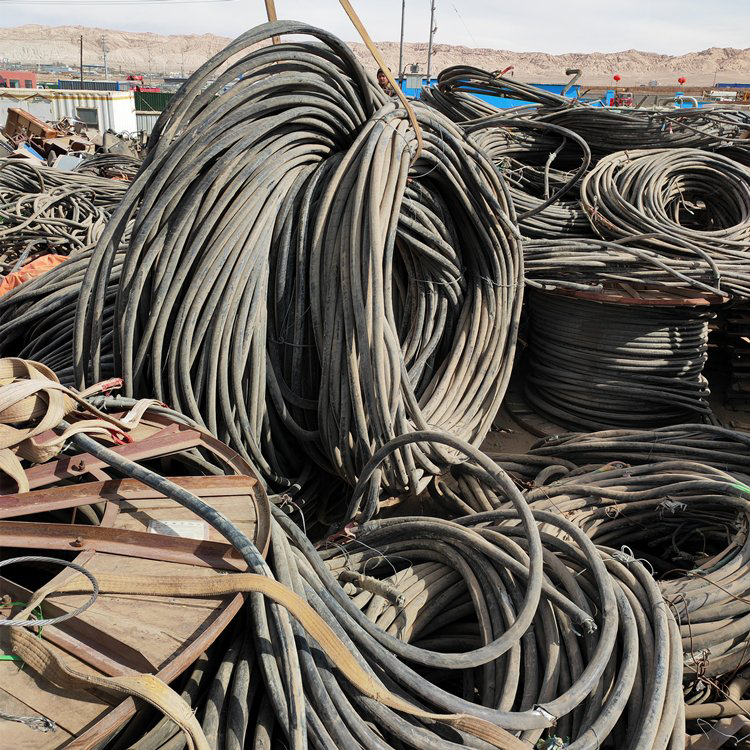











Methods for Recycling Worn-out Cables
1. Hand-peeling Method: This method involves manual peeling, which is inefficient, costly, and offers poor working conditions for the workers.
2. Incineration Method: This is a traditional method that involves burning the plastic sheath of waste cables, followed by the recovery of the copper. However, it produces extremely severe smoke pollution. Moreover, during the incineration process, the surface of the copper wire is heavily oxidized, reducing the metal recovery rate. This method has been strictly prohibited.
3. Mechanical Peeling Method: Utilizes cable stripping machines for processing, which still requires manual operation, is semi-mechanized, with high labor intensity and low efficiency, and is only suitable for processing thick-wire cables.
4. Chemical Method: The chemical method for processing waste cables was proposed in the 1990s. Some countries have conducted research on this method, which has a drawback that the waste liquid produced cannot be treated, posing a significant environmental impact, hence it is rarely used.
5. Cryogenic Method: This technique was also proposed in the 1990s, using liquid nitrogen as the refrigerant to make the waste cables脆 at low temperatures. Then, through crushing and vibration, the plastic sheath is separated from the copper wire segments.